
Free Cancellation

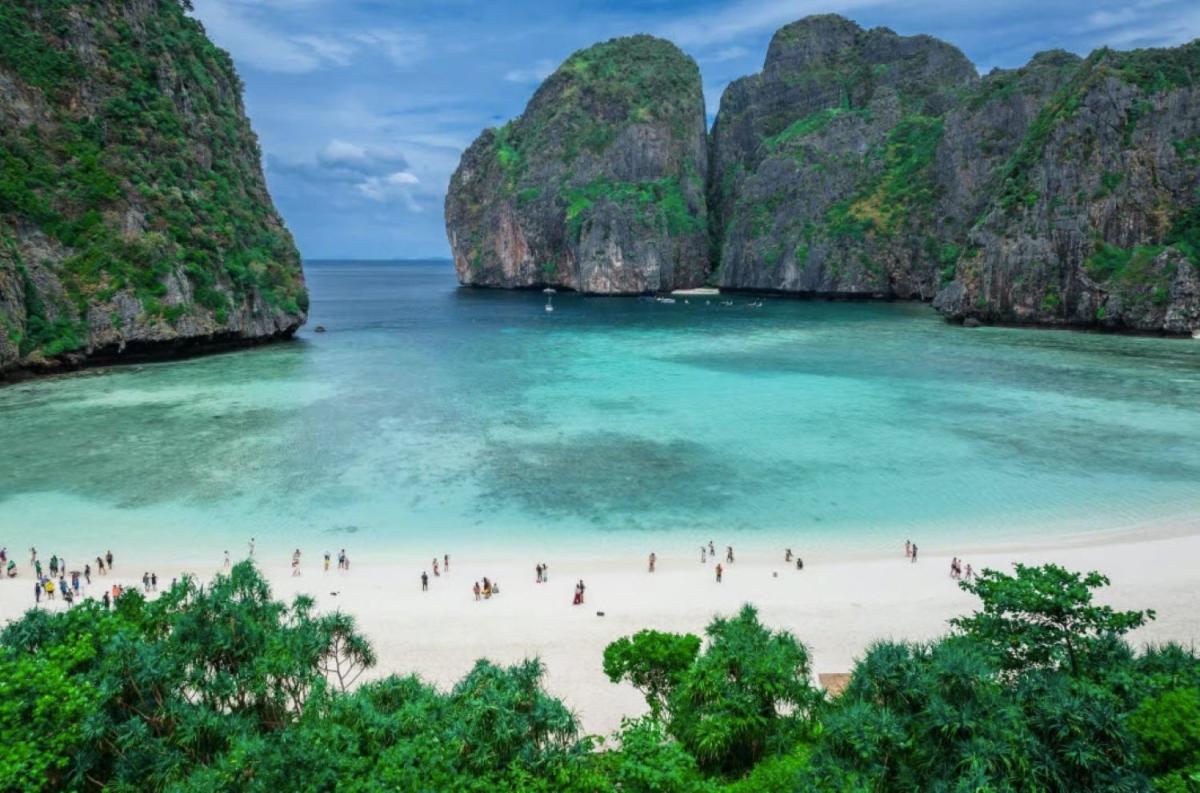
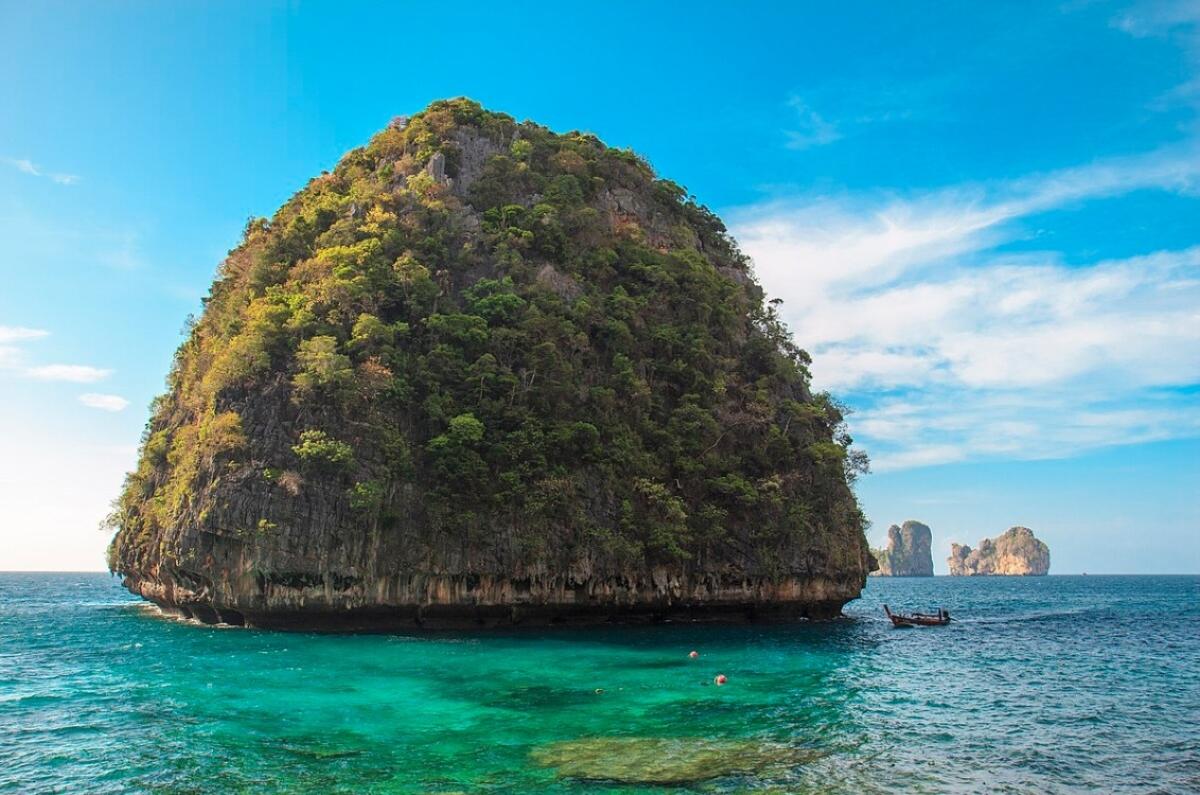

Krabi lies on Thailand's Andaman coast, a province shaped by limestone cliffs, mangrove-lined rivers and islands scattered offshore. Its town center serves as the transport hub, while Ao Nang, a short drive along the coast, functions as the main base for beaches and boat piers. The province's karst scenery, most famous at Railay, draws climbers and beachgoers alike, and its outlying islands, including Phi Phi, are reached on day trips by speedboat.
The province sits within easy reach of several well-known island groups, making it a common base for multi-day stays rather than a single stop. For an overview of tours across Thailand, the Thailand Tours page covers destinations well beyond Krabi province.
Krabi International Airport, a short drive from town, brings in direct flights from Bangkok and several regional hubs, making the province a common entry point to the Andaman coast rather than only a stop reached overland from Phuket.
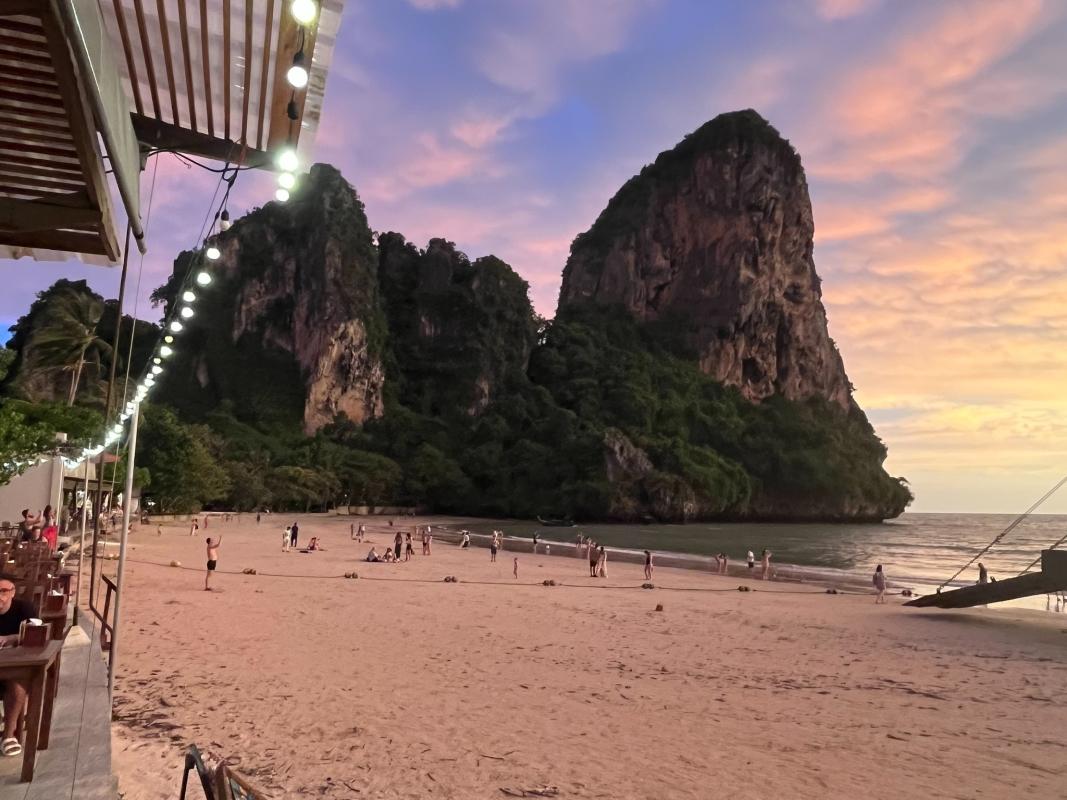
Railay is a peninsula cut off from the mainland by cliffs, reached only by longtail boat from Ao Nang or Krabi Town rather than by road. Ao Nang itself is a built-up beach town lined with hotels, dive shops and restaurants, functioning mainly as the departure point for boats to Railay, Phi Phi and the Hong Islands.
The rock faces around Railay and the adjoining beach of Ton Sai, pocked with tufa formations, have made the area one of the region's established rock climbing centers, with routes suited to first-time climbers on guided courses as well as experienced leaders. Away from the cliffs, Railay's beaches and the lagoon behind Phra Nang Cave are reached on short jungle paths cut through the limestone.
Because Railay has no road access, everything from luggage to building supplies arrives by boat, and the peninsula's four beaches, Railay East, Railay West, Phra Nang and Ton Sai, each have a slightly different character, from the calmer sunset side at Railay West to the climbers' hangout atmosphere around Ton Sai.
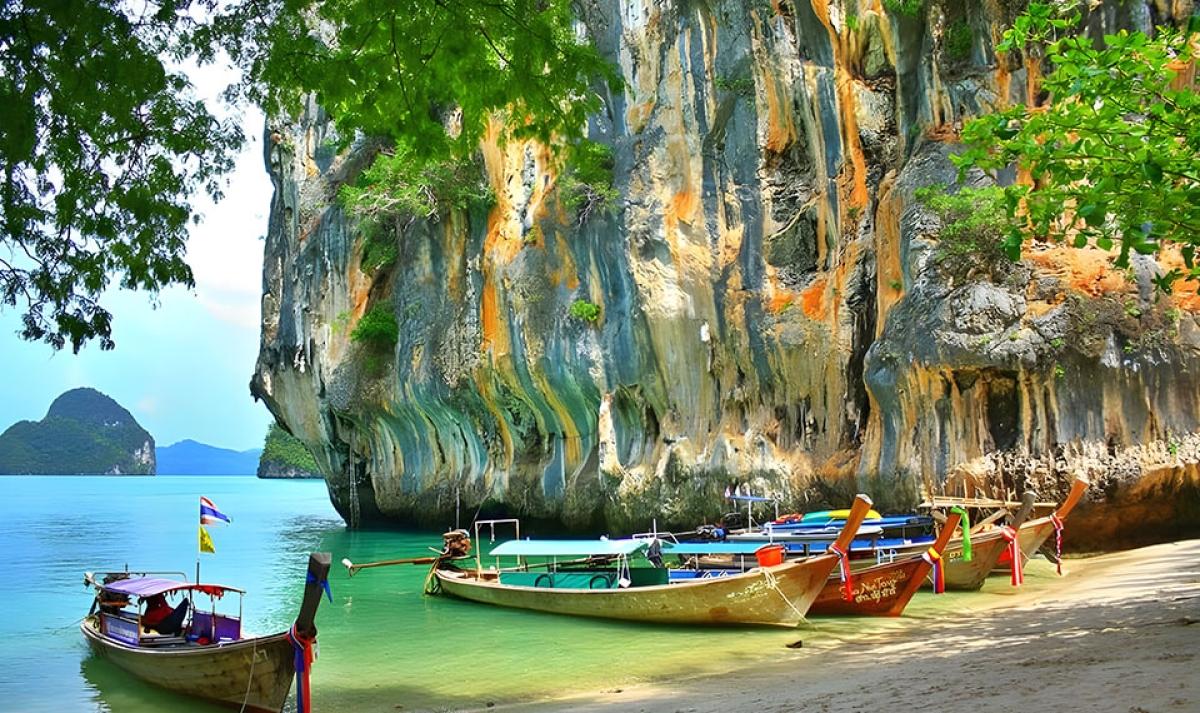
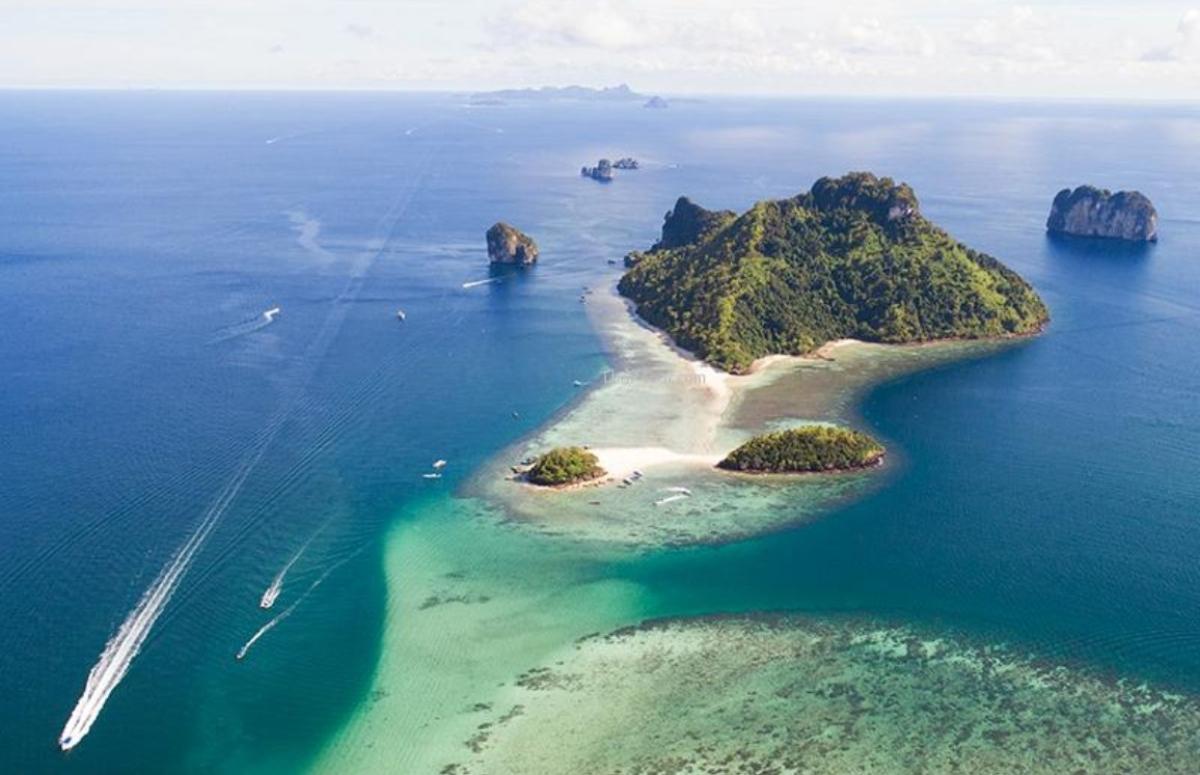
Krabi's stretch of the Andaman opens onto island groups beyond Railay, including the Phi Phi archipelago, Koh Lanta further south, and the smaller Hong Islands inside Krabi's own marine park. Chicken Island, named for a rock formation at its tip shaped like a chicken's head, is a common stop for its shallow snorkeling and the long sandbar that appears at low tide.
A standard Four Island day trip from Ao Nang typically combines Chicken Island with Poda Island, known for calm swimming beaches, and Tup Island, linked to the mainland by a narrow sandbar that appears only at low tide and disappears once the water rises.
Boats to Phi Phi run directly from Krabi's piers rather than requiring a transfer through Phuket, cutting the crossing to about 90 minutes each way. The Phi Phi and Bamboo Island By Speedboat (from Krabi) tour covers this route, combining the two islands' beaches and reefs in a single day.
Closer to town, longtail trips up the Krabi River wind through mangrove forest, with some evening tours timed to spot fireflies lighting up the trees after dark.
Koh Lanta, reached by a longer boat ride or a combination of road and ferry, offers a quieter alternative to the day-trip circuit, with long sand beaches and a slower pace that draws visitors staying multiple nights rather than passing through on a single tour.
Inland from the coast, Wat Tham Sua, known as the Tiger Cave Temple, sits at the base of a limestone hill northeast of Krabi Town. A staircase of more than a thousand steps climbs to a summit stupa and Buddha statue, with views over the surrounding karst landscape as the reward for the climb.
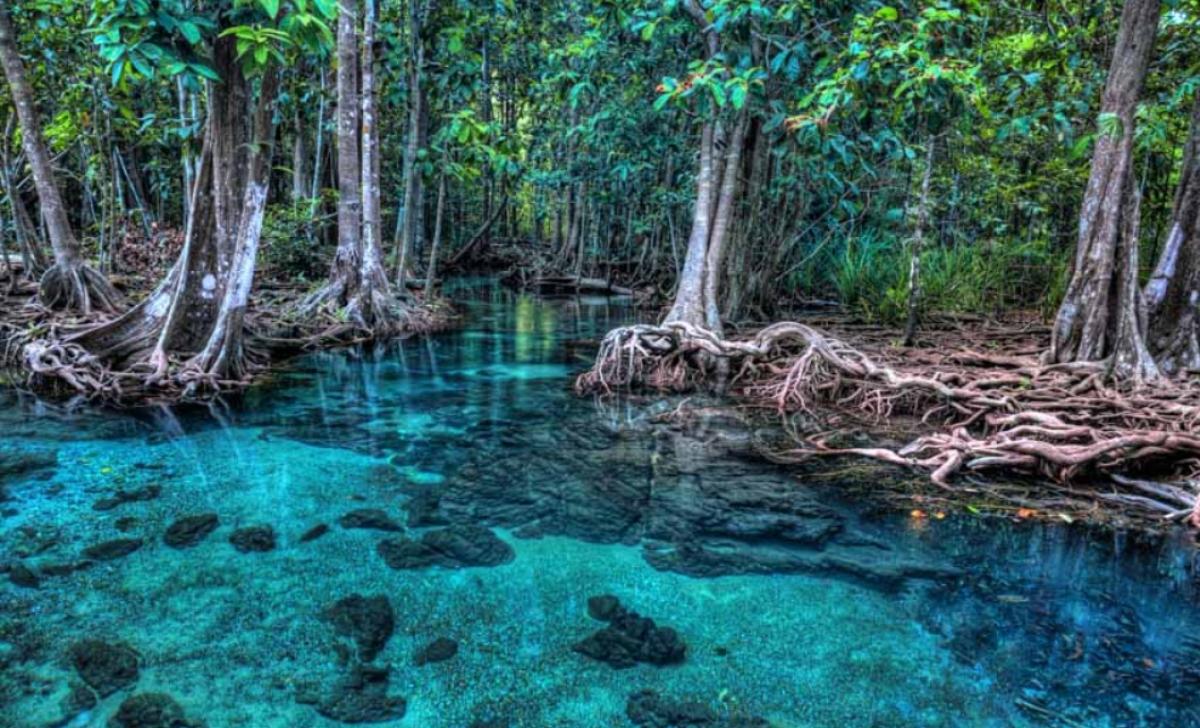
Further into Khao Phra Bang Khram Wildlife Sanctuary, the Emerald Pool and adjoining hot springs draw visitors for freshwater swimming away from the coast, fed by mineral springs that stay warm through the year.
Krabi Town itself is compact enough to explore on foot, with a night market along the river that sets up daily for street food, and mangrove boardwalks near the town center offering an easy look at the coastal ecosystem without booking a boat trip.
Susan Hoi, a shell fossil beach a short drive from Krabi Town, preserves compressed shell deposits estimated at millions of years old, one of only a handful of such sites in the world and an easy stop for visitors staying near town.
A giant crab statue at Krabi Town's riverside roundabout marks the province's namesake, a nod to the mangrove crabs once central to the local fishing economy.
Krabi's dry season runs from November to April, when seas are calmest and island-hopping boats run with the fewest delays. Rain becomes more frequent during the southwest monsoon from May to October, bringing choppier crossings to the outer islands, though inland sights such as Tiger Cave Temple and the Emerald Pool stay accessible throughout the year.
December through February tends to be the busiest and driest stretch of the year, drawing the largest numbers of visitors to Ao Nang and the main piers.
Humidity stays high through the year regardless of season, so even dry-season visits call for planning around the midday heat, particularly on longer inland excursions such as the Tiger Cave Temple stairs.
Visitors flying in during peak months should expect higher airfares and hotel rates around the Christmas and New Year period, when demand across Ao Nang and Krabi Town runs highest.