
Free Cancellation
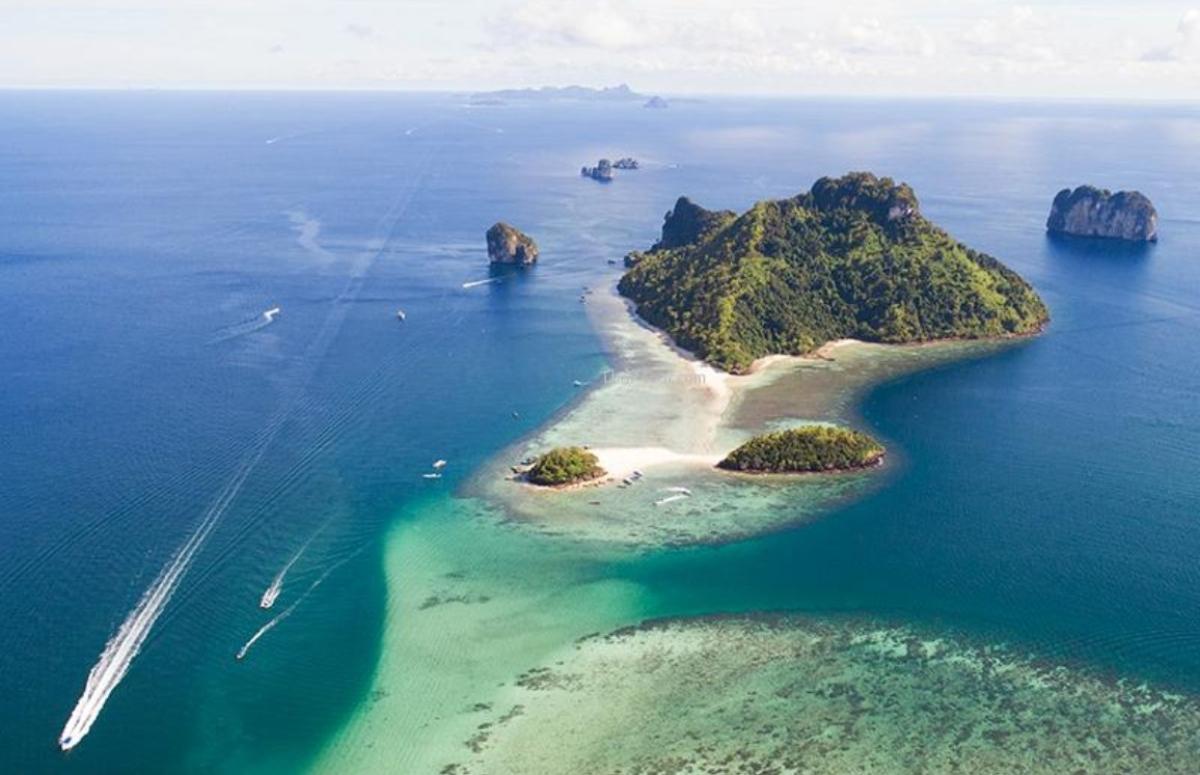
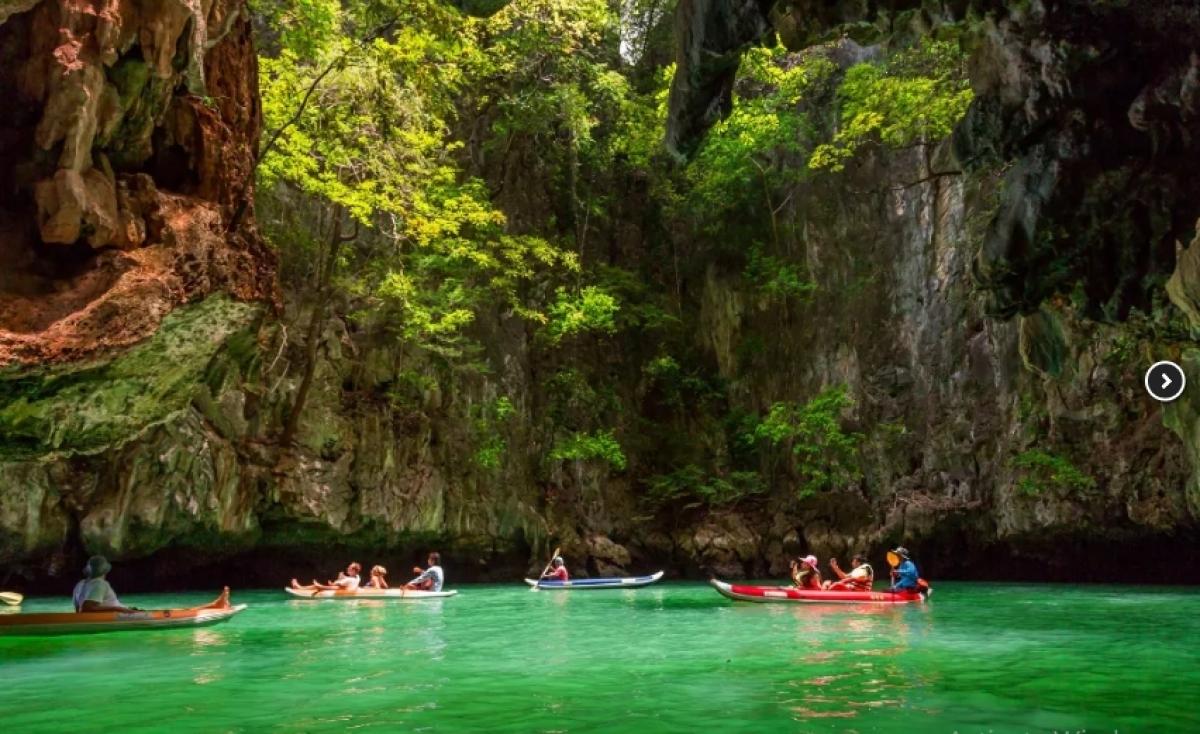
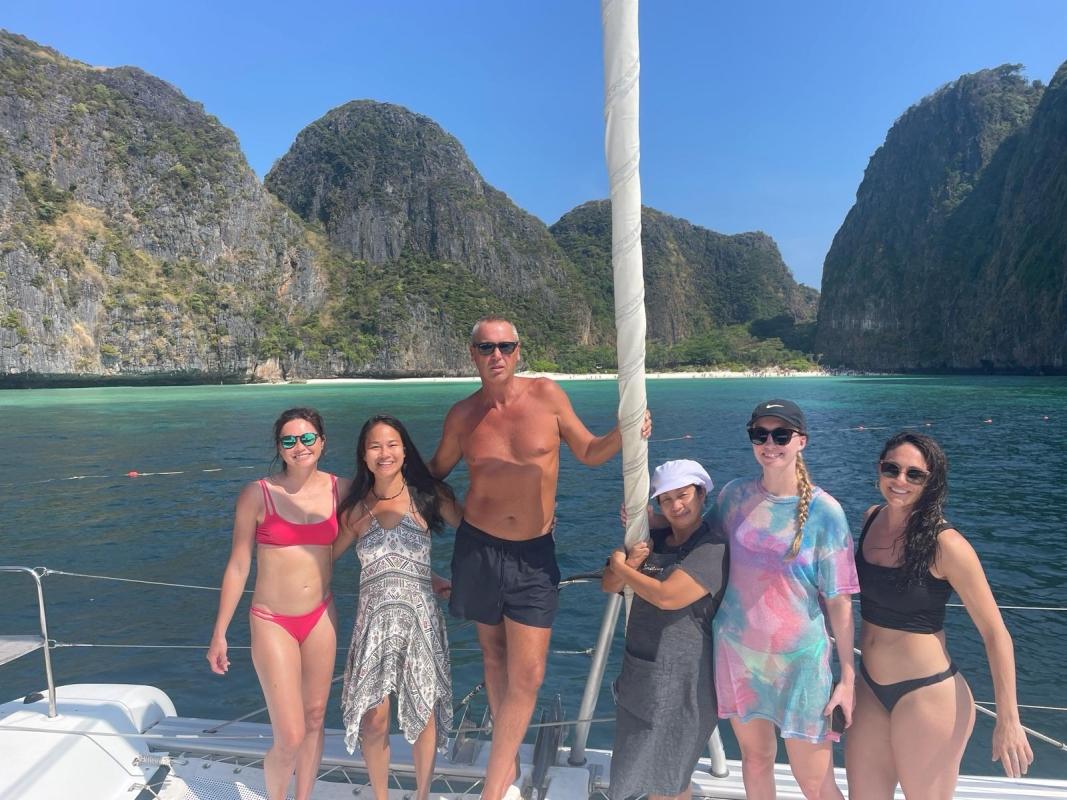
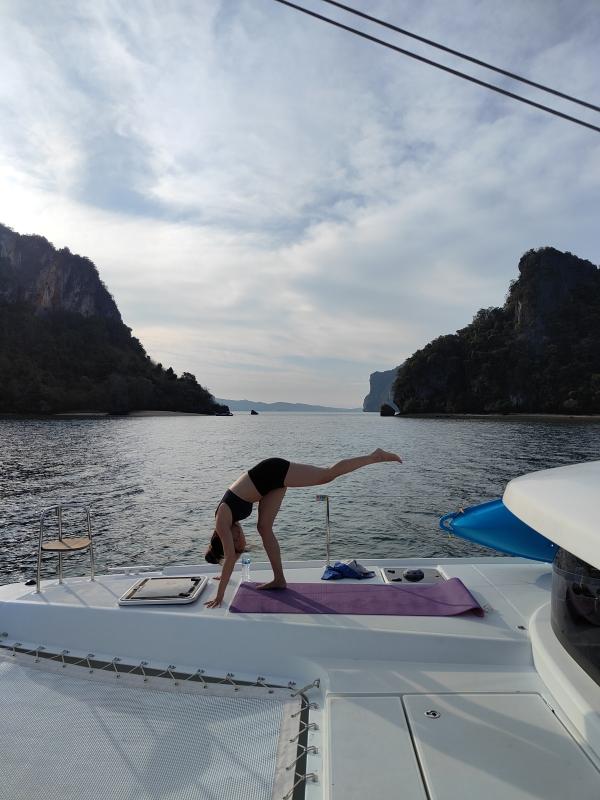
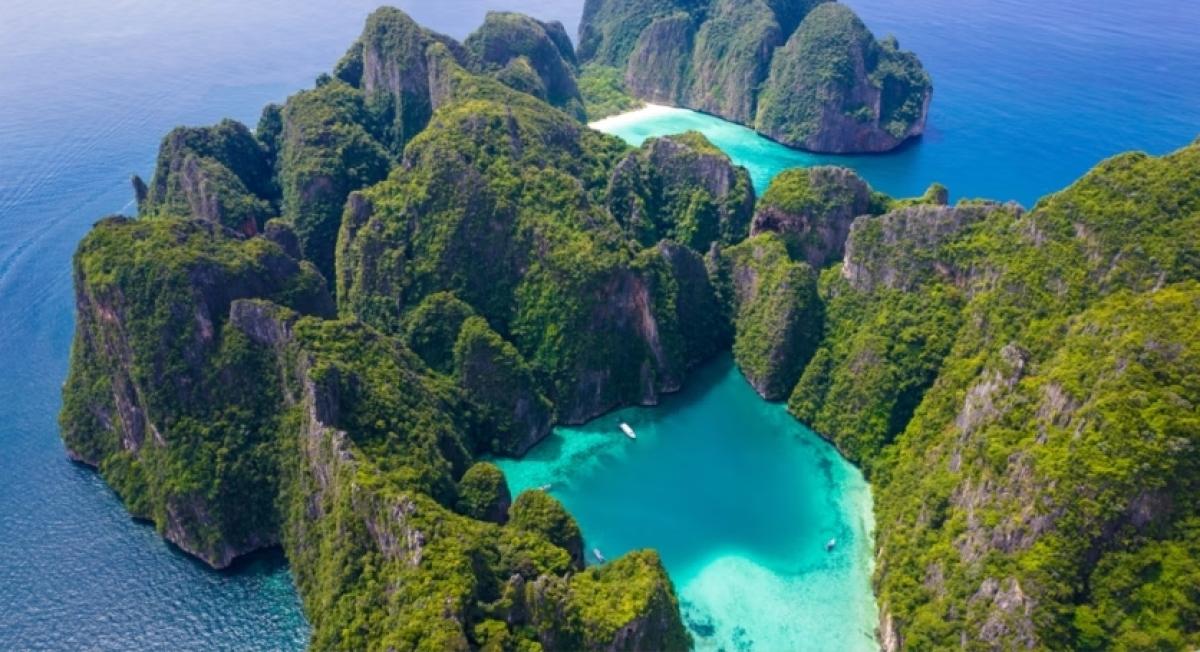
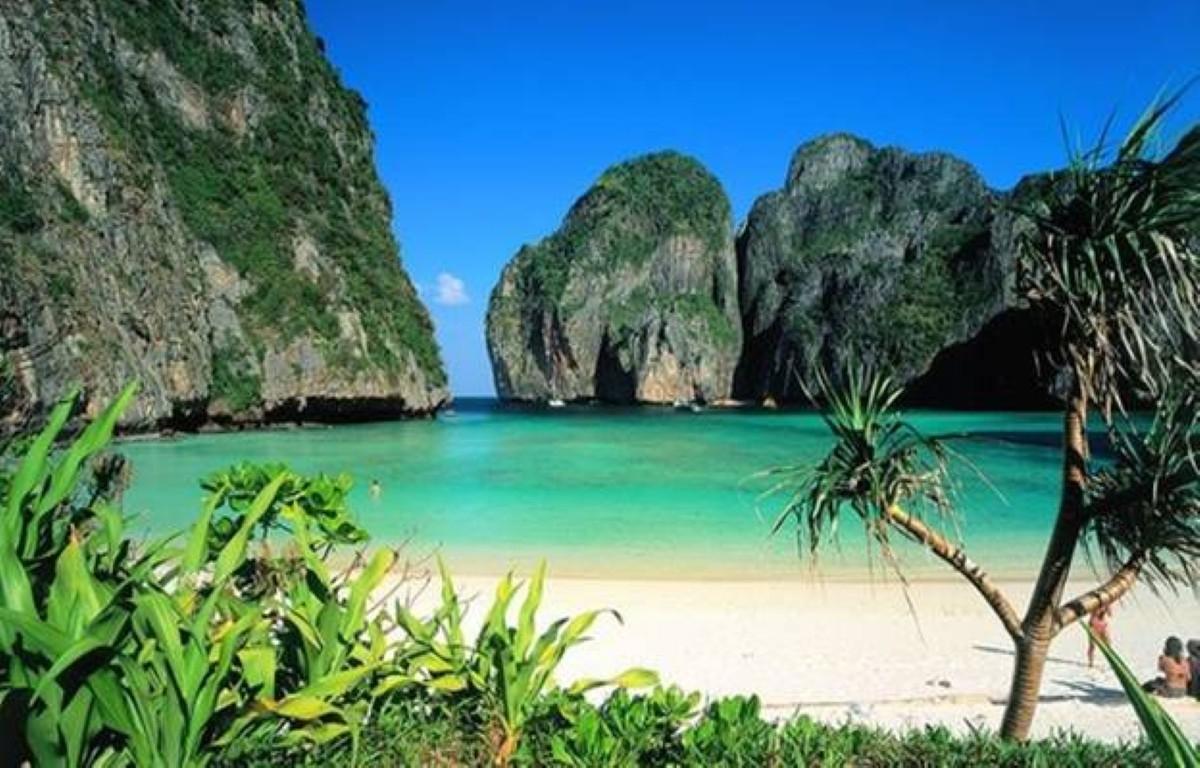
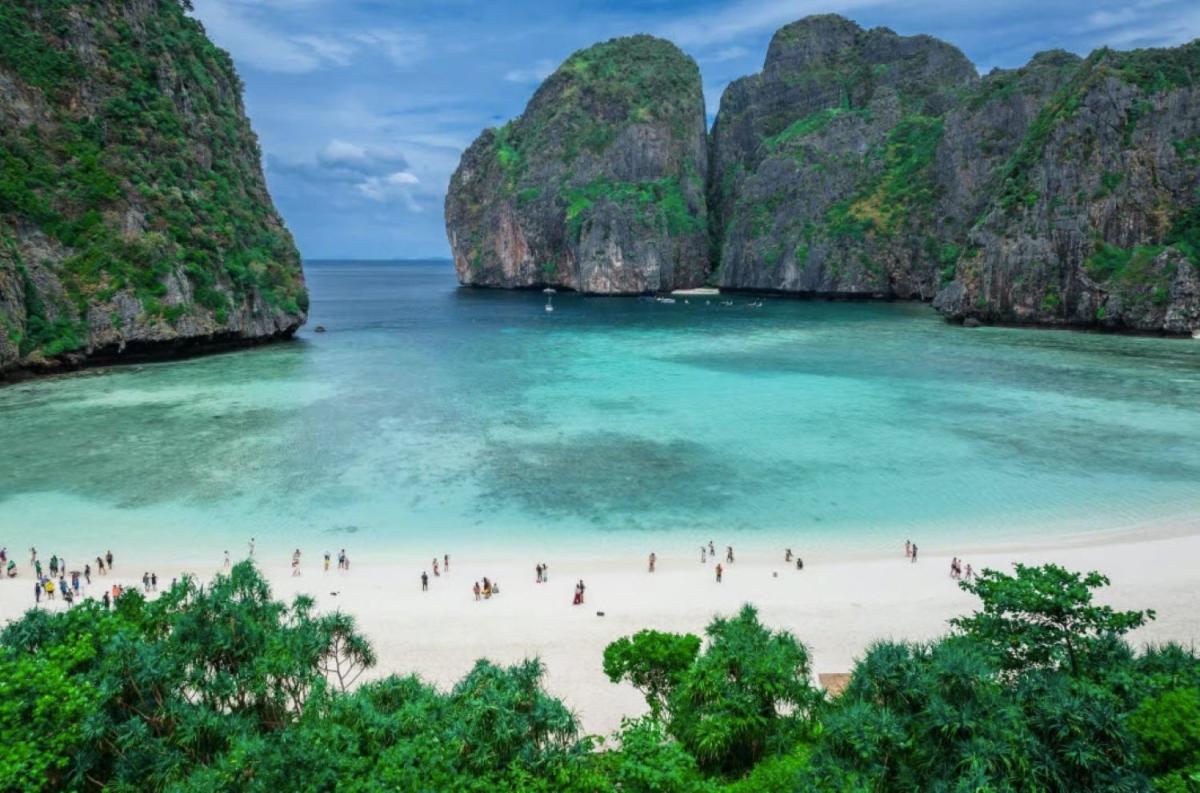
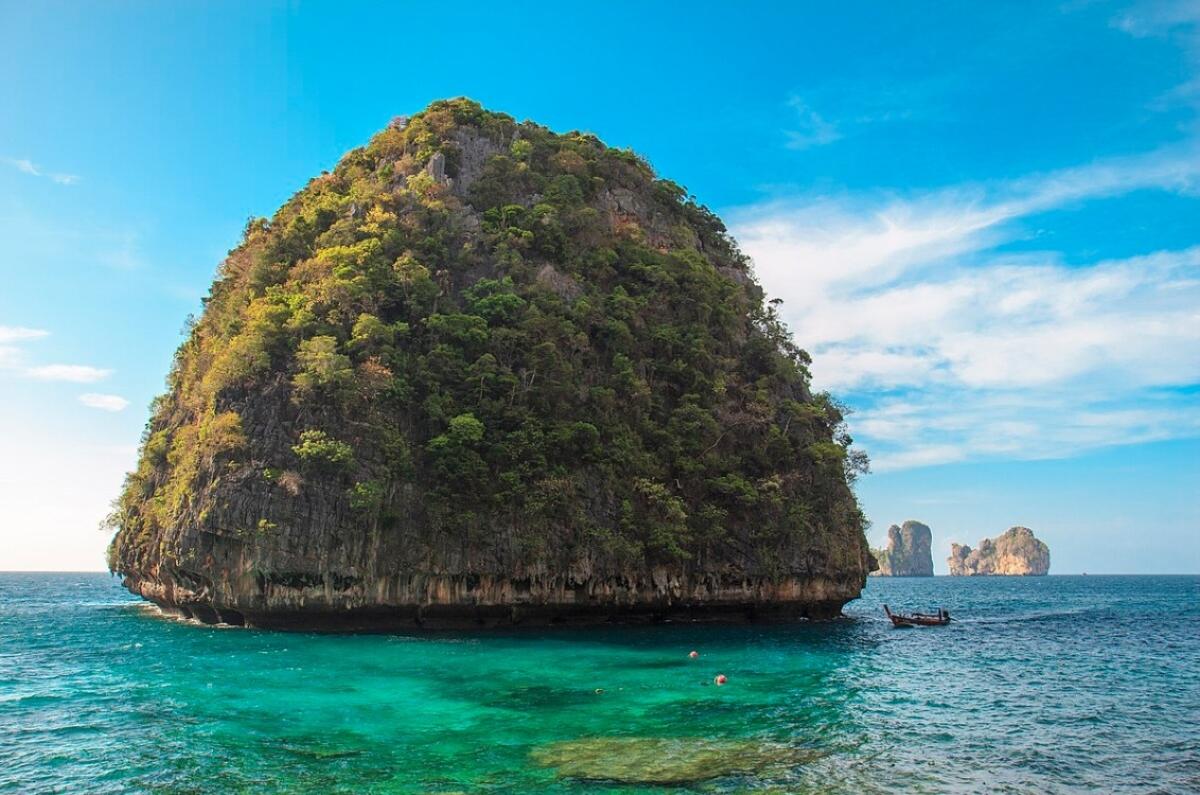
Ko Phi Phi sits in the Andaman Sea between Phuket and Krabi, protected as part of Mu Ko Phi Phi National Park. The group is really two islands: Phi Phi Don, where guesthouses and restaurants cluster around Tonsai Bay, and Phi Phi Leh, an uninhabited island of vertical limestone cliffs that encloses Maya Bay. Almost everything to do here happens on the water, from snorkeling trips to longtail boat rides between beaches that have no road access.
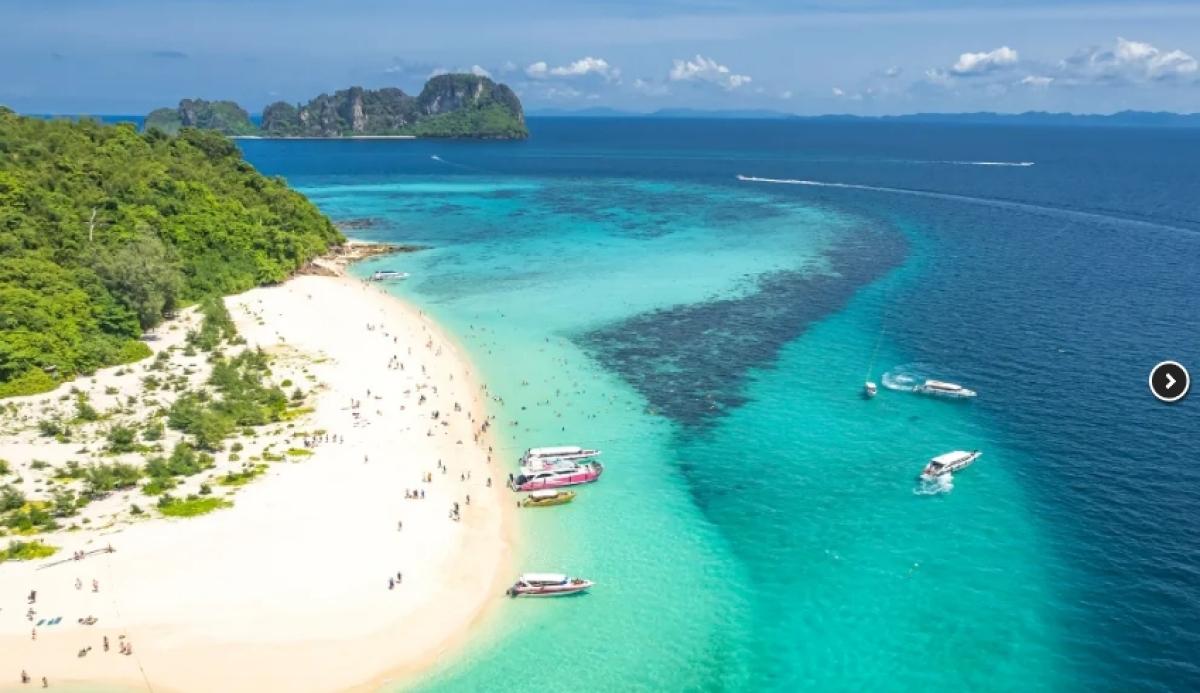
The wider Mu Ko Phi Phi group also takes in Yung Island and Mai Phai, the formal name for Bamboo Island, both protected within the same national park boundary as the two main islands.
Tours based on Ko Phi Phi typically depart by speedboat, since the islands lie roughly 45 minutes from Phuket and about the same from Krabi on a fast boat. For a broader look at destinations across the country, the Thailand Tours page lists options beyond the Phi Phi archipelago. Ko Phi Phi itself works well as a single day trip or as a base for several days of island-hopping.
Ferries also link Phuket, Krabi and Phi Phi on a slower, cheaper schedule than the speedboats used for most day tours, taking close to two hours each way. Whichever way visitors arrive, the pier at Tonsai is the only entry point to the islands, since Phi Phi Don has no airport and no bridge connecting it to the mainland.
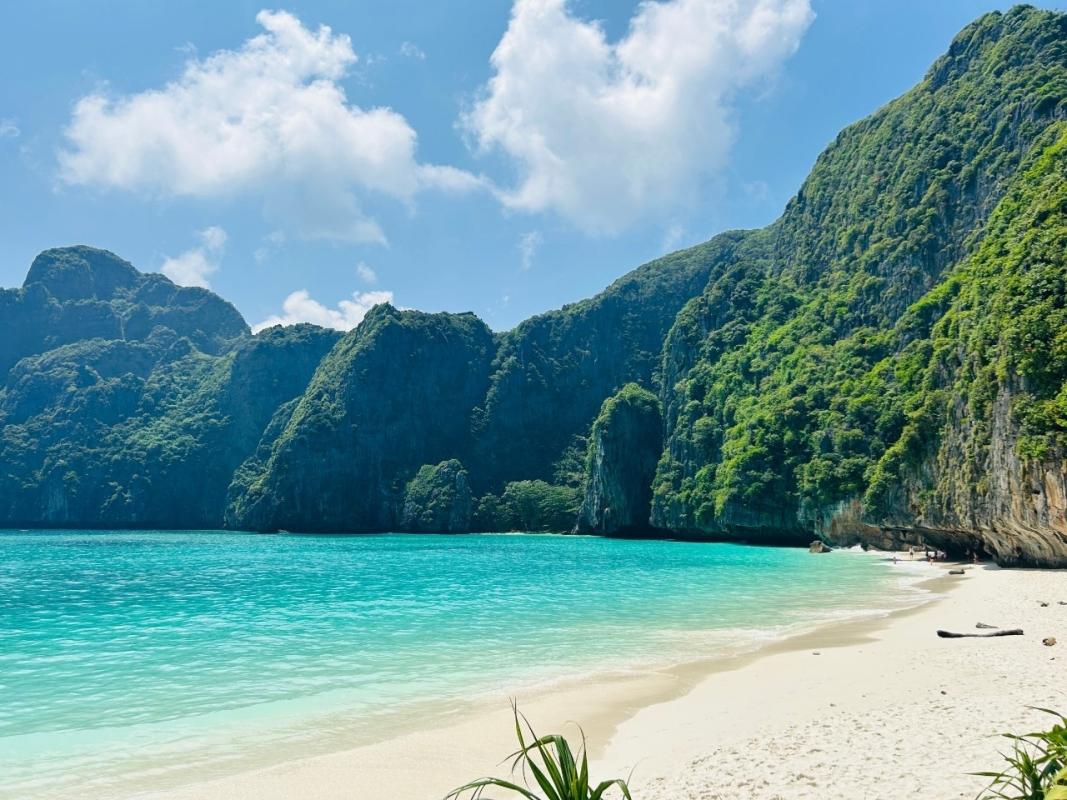
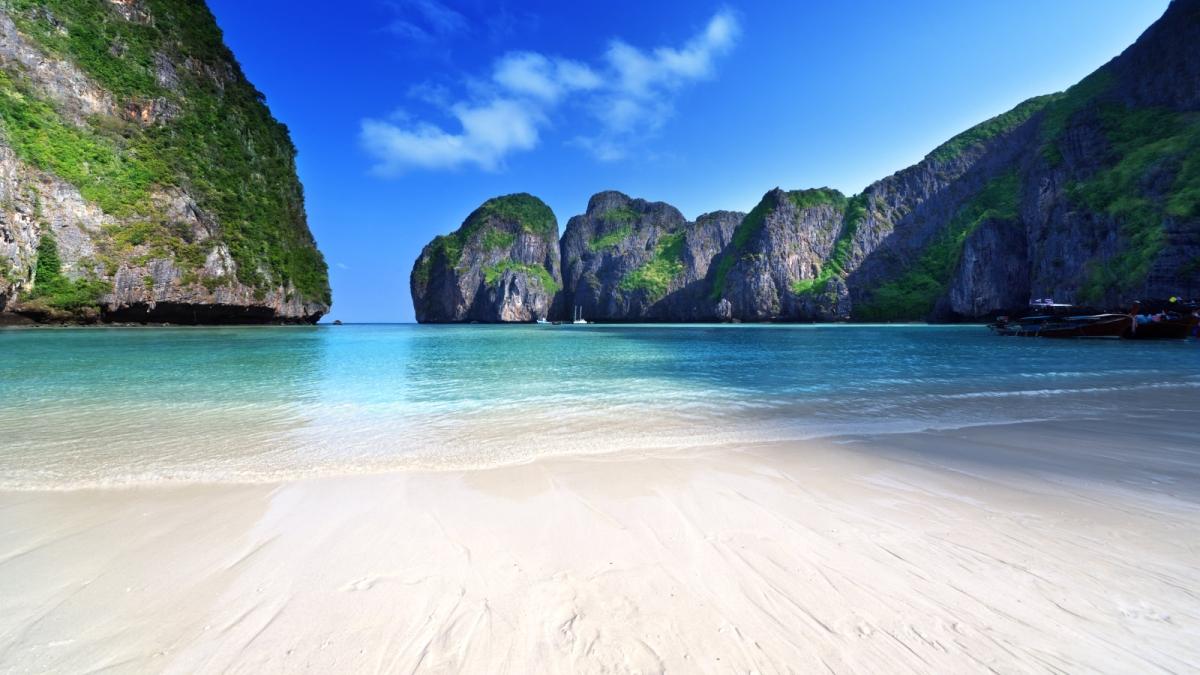
Maya Bay, on Phi Phi Leh, gained international attention after the 2000 film The Beach was shot on its sand. Years of heavy boat traffic damaged the surrounding coral, so Thai authorities closed the bay for restoration and later reopened it with restrictions: boats anchor away from the beach, swimming is limited to certain zones, and daily visitor numbers are capped. A national park entrance fee applies within Mu Ko Phi Phi, collected at checkpoints on arrival.
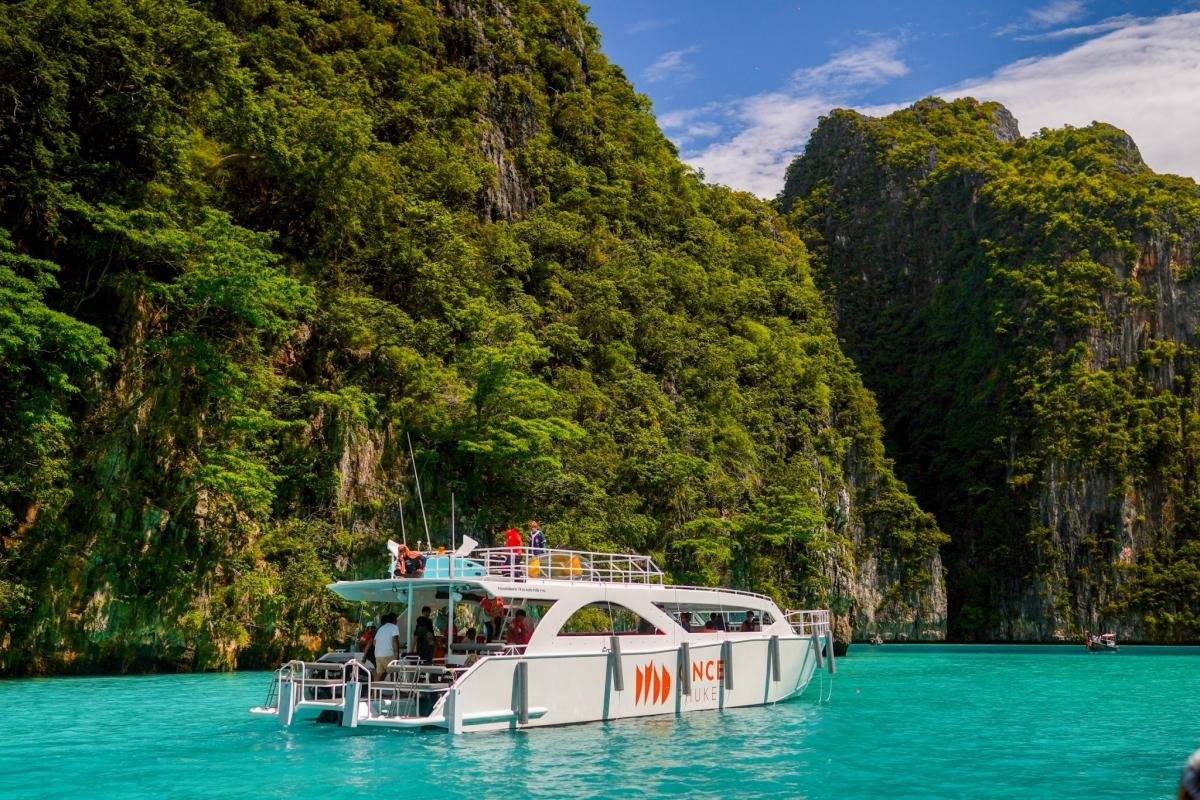
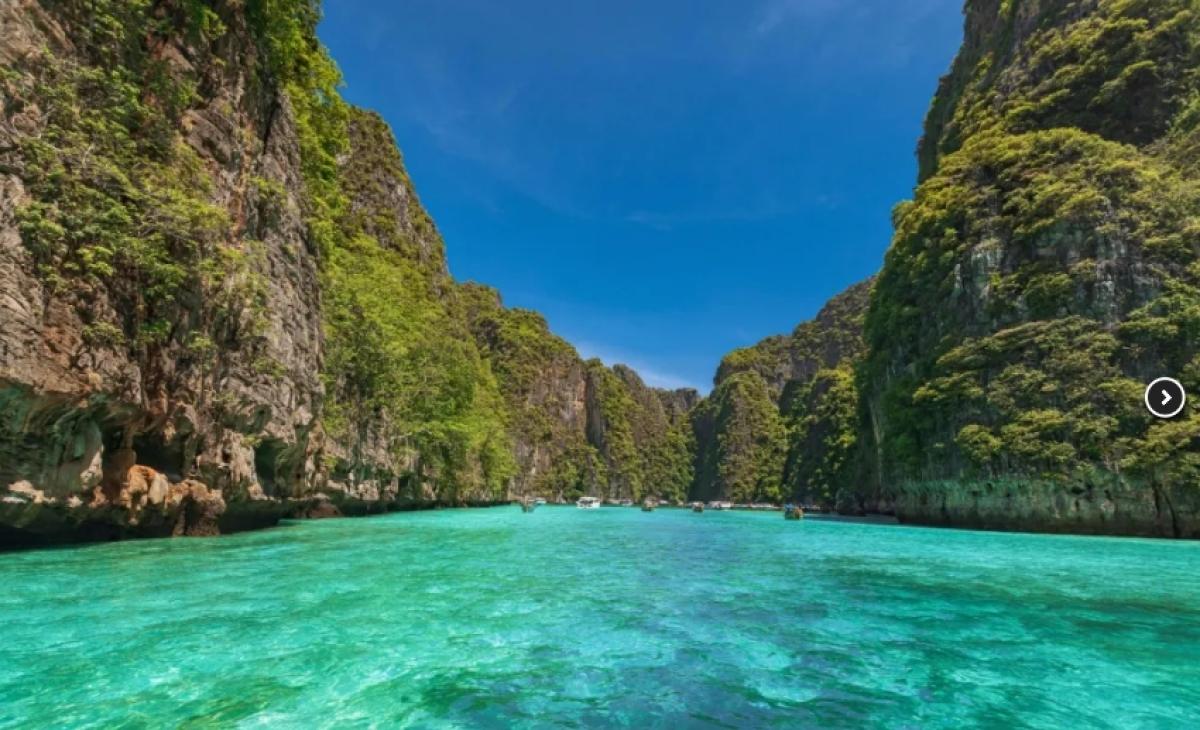
Phi Phi Leh has other stops worth a look besides the main beach, including Pileh Lagoon, a nearly enclosed pool ringed by sheer cliffs, and Viking Cave, named for the swiftlet nests once harvested from its walls for bird's nest soup.
The bay closed to visitors entirely between 2018 and 2022 to let the damaged reef recover, one of the more significant marine closures in Thailand's tourism industry, and several of the rules introduced at reopening, including a cap on the number of boats present at any one time, remain in place today.
Reefs around Phi Phi Don and the neighboring islets of Bamboo Island and Mosquito Island stay shallow enough for snorkeling without diving certification, with sightings of parrotfish, clownfish and the occasional blacktip reef shark. Long Beach, a short longtail ride from Tonsai, is a common stop for swimming and lunch, and Monkey Beach on the island's north side draws visitors to watch the resident macaques from the water rather than the sand.
Full-day itineraries out of Phuket often also pass Khai Island, a warm shallow bay well suited to less confident swimmers, with a stop at a floating platform for lunch between snorkel sessions. One such route is the Phi Phi–Maya-Khai Island By Speed Boat (from Phuket), which links several of these stops into a single day out of Phuket.
Certified divers based on Phi Phi also head to Bida Nok and Bida Nai, two smaller islands south of Phi Phi Leh where steep walls and swim-throughs attract leopard sharks, turtles and occasional manta rays, sites that sit beyond the range of most snorkel-only day trips.
Phi Phi Don has no cars or paved roads; movement around the island is on foot or by longtail boat. A stepped path climbs from Tonsai to the Phi Phi Viewpoint, from where Tonsai and Loh Dalum bays are visible on either side of the narrow sandbar joining the island's two halves. The climb takes most visitors 30 to 45 minutes and is steepest near the top.
The trail actually has two stages, a lower platform reached within the first twenty minutes and a higher point another ten to fifteen minutes beyond it; the extra climb is rewarded with a wider panorama over both bays and the outlying islands.
Loh Dalum Bay, on the far side of that sandbar, turns into an almost flat lagoon at certain tides and is a common spot to watch the sunset before boats head back to the mainland. Tonsai itself is the main settlement, packed into a small grid of lanes with dive shops, market stalls and restaurants, busiest in the evening once day-trip boats have left for the day.
Tonsai's low sandbar area was heavily damaged in the 2004 Indian Ocean tsunami, and a memorial near the village now commemorates those affected; much of today's infrastructure was rebuilt in the years that followed.
Once day-trip boats clear out in the late afternoon, Tonsai's bars and beachfront restaurants along Loh Dalum fill with overnight guests, a calmer, more social atmosphere than the crowded piers and viewpoint stairs earlier in the day.
The dry season from November through April brings calmer seas and clearer water for snorkeling, making it the most reliable window for boat trips. Monsoon months from May to October bring more rain and rougher crossings, and some beach areas may close temporarily during this period to protect coral or for safety reasons.
Even in low season, morning departures tend to see calmer water than afternoon ones, since Andaman winds typically pick up as the day goes on. Shoulder months such as November and April often combine settled weather with fewer crowds at the viewpoint and main beaches.
Crowds tend to build around the Christmas and New Year holidays and again around Chinese New Year, when boats and the viewpoint trail get busiest regardless of otherwise settled weather.