

Why Visit Europe?
Rich History and Cultural Heritage
Europe is home to thousands of years of history. From the Acropolis in Athens and the Colosseum in Rome to medieval castles in Germany and Gothic cathedrals in France, nearly every destination tells a fascinating story. The continent also boasts more UNESCO World Heritage Sites than any other region in the world.
Diverse Landscapes
One of Europe's greatest strengths is its incredible variety of scenery. You can ski in the Swiss Alps, island-hop in Greece, drive through Norwegian fjords, explore Icelandic volcanoes, or relax along the beaches of Portugal and Croatia—all within a few hours' flight.
World-Class Cuisine
Every country offers its own culinary traditions. Enjoy fresh pasta in Italy, tapas in Spain, croissants in France, seafood in Portugal, schnitzel in Austria, waffles in Belgium, and traditional pastries across Central Europe. Local markets and family-run restaurants often provide the most authentic dining experiences.
Best Countries to Visit in Europe
Paris, France
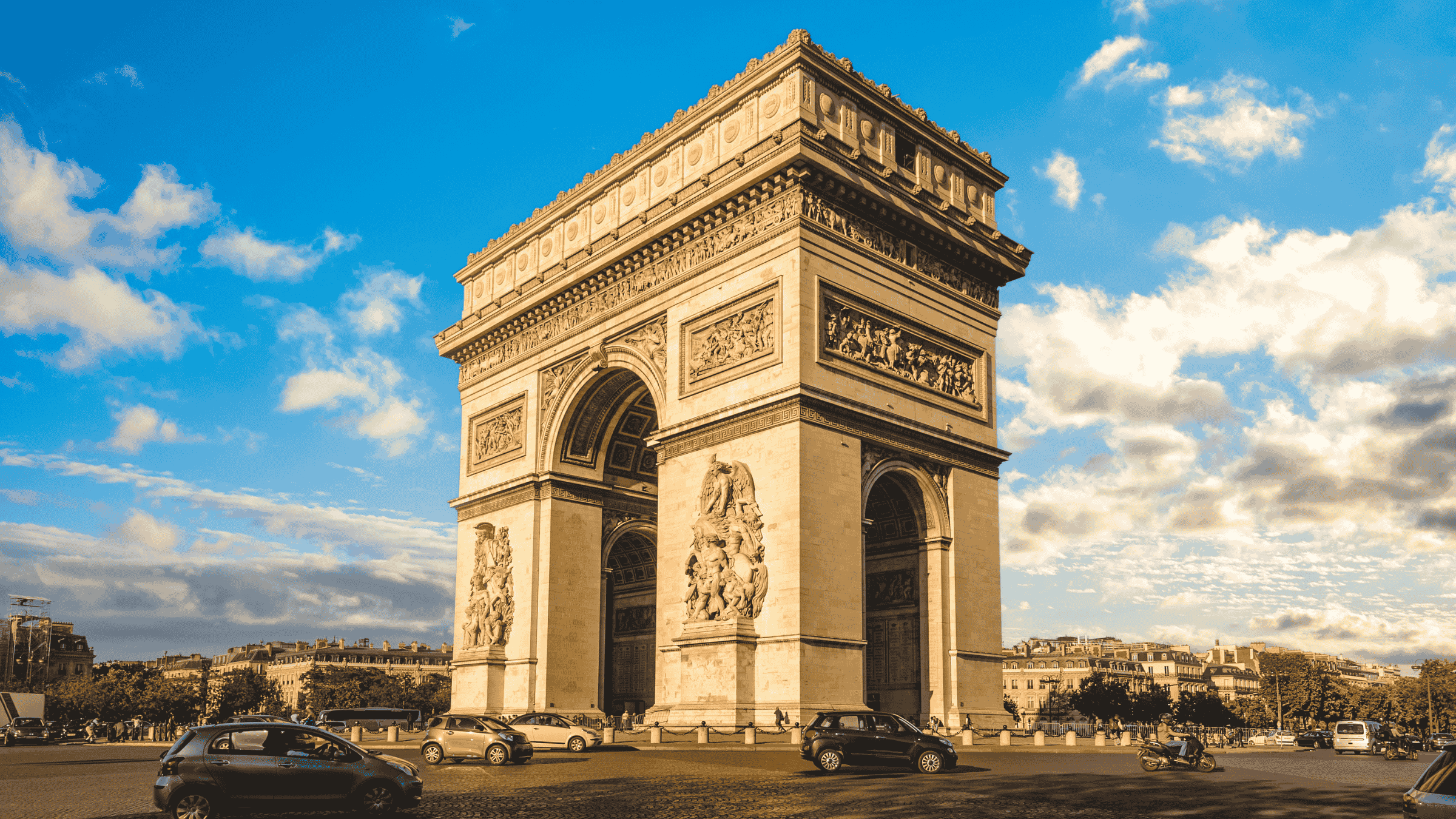
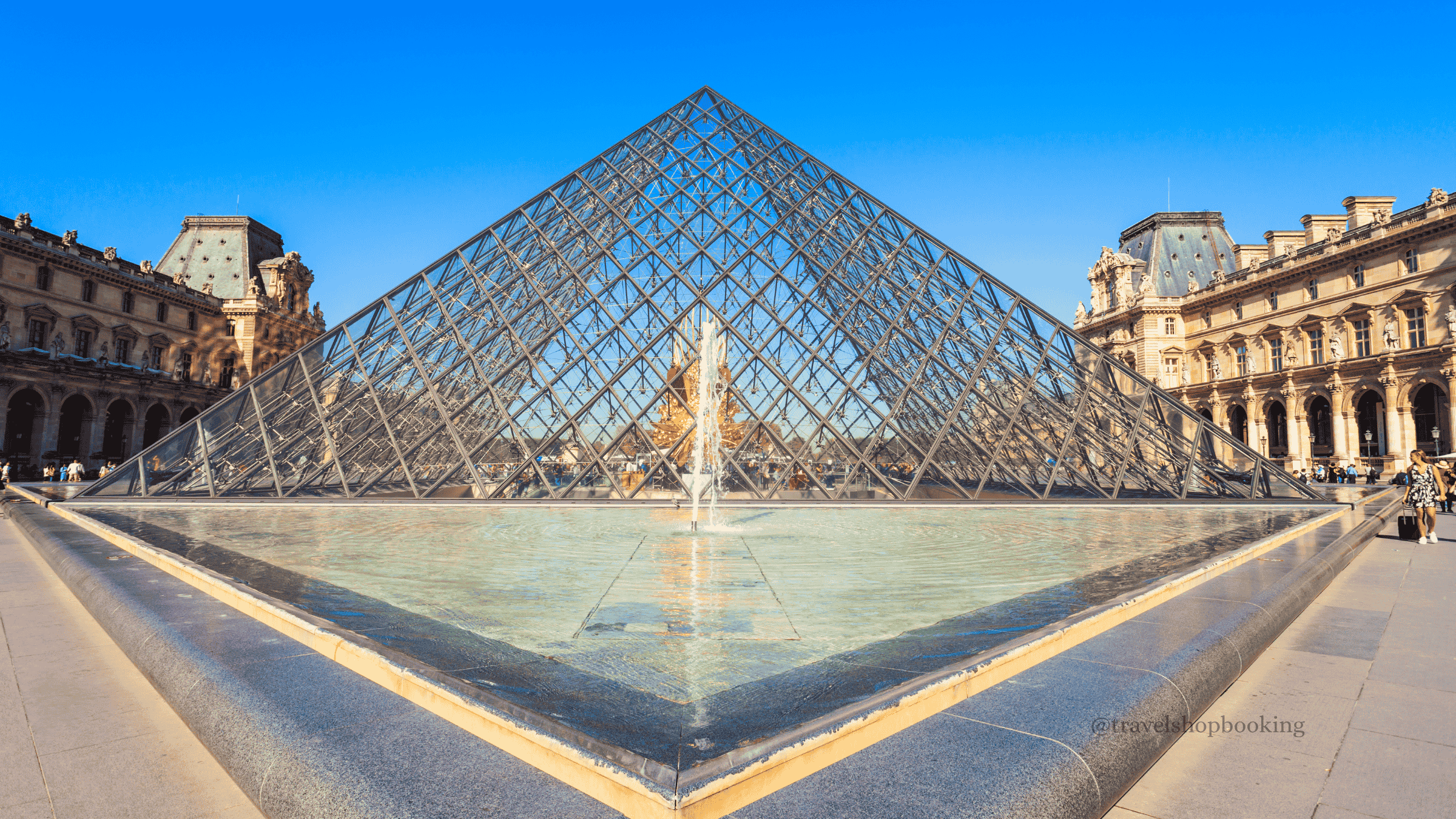
The French capital offers world-famous museums, elegant boulevards, historic monuments, and outstanding dining. The Eiffel Tower, Louvre Museum, Notre-Dame Cathedral, and Montmartre remain timeless attractions.

Rome, Italy
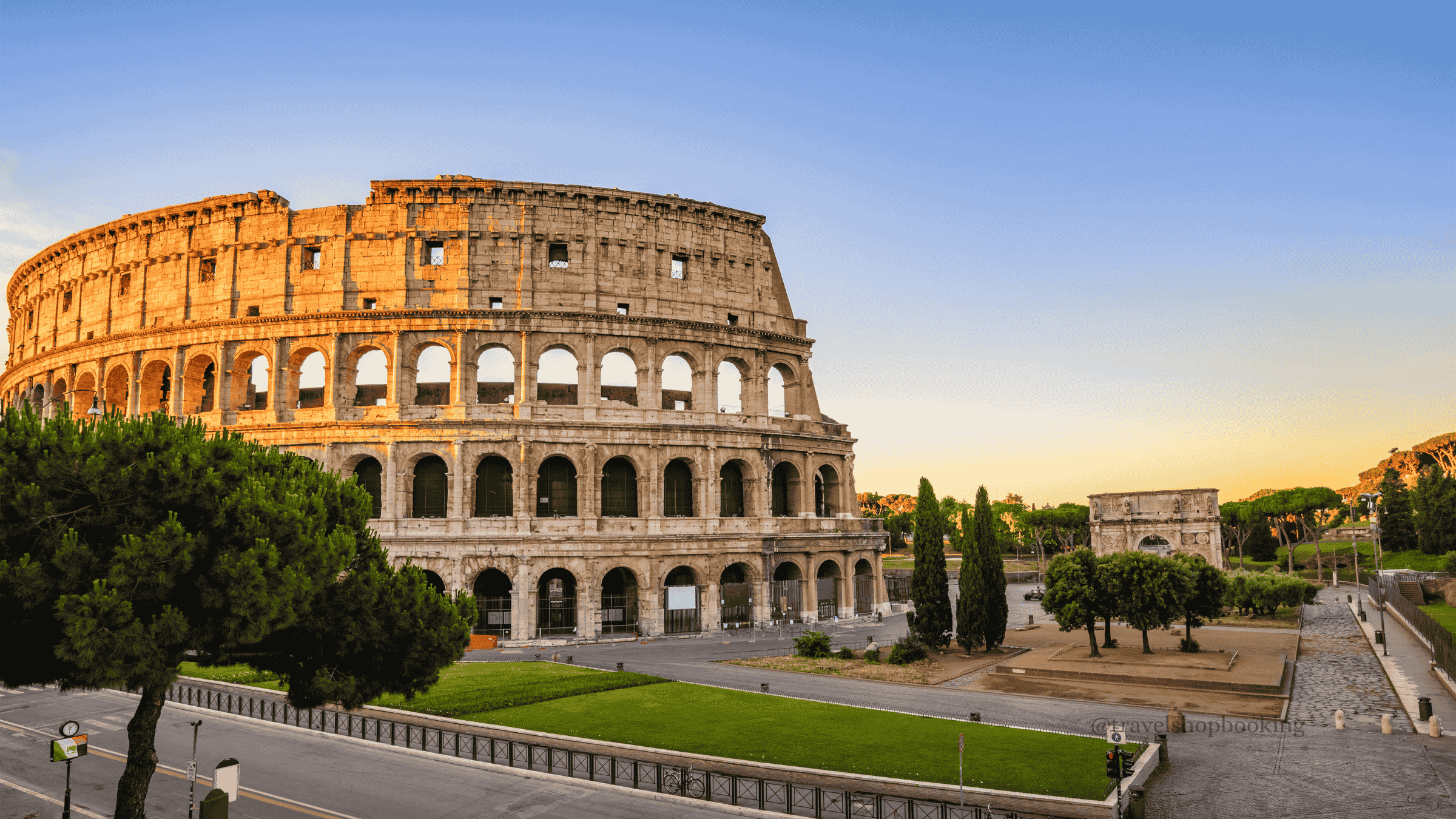
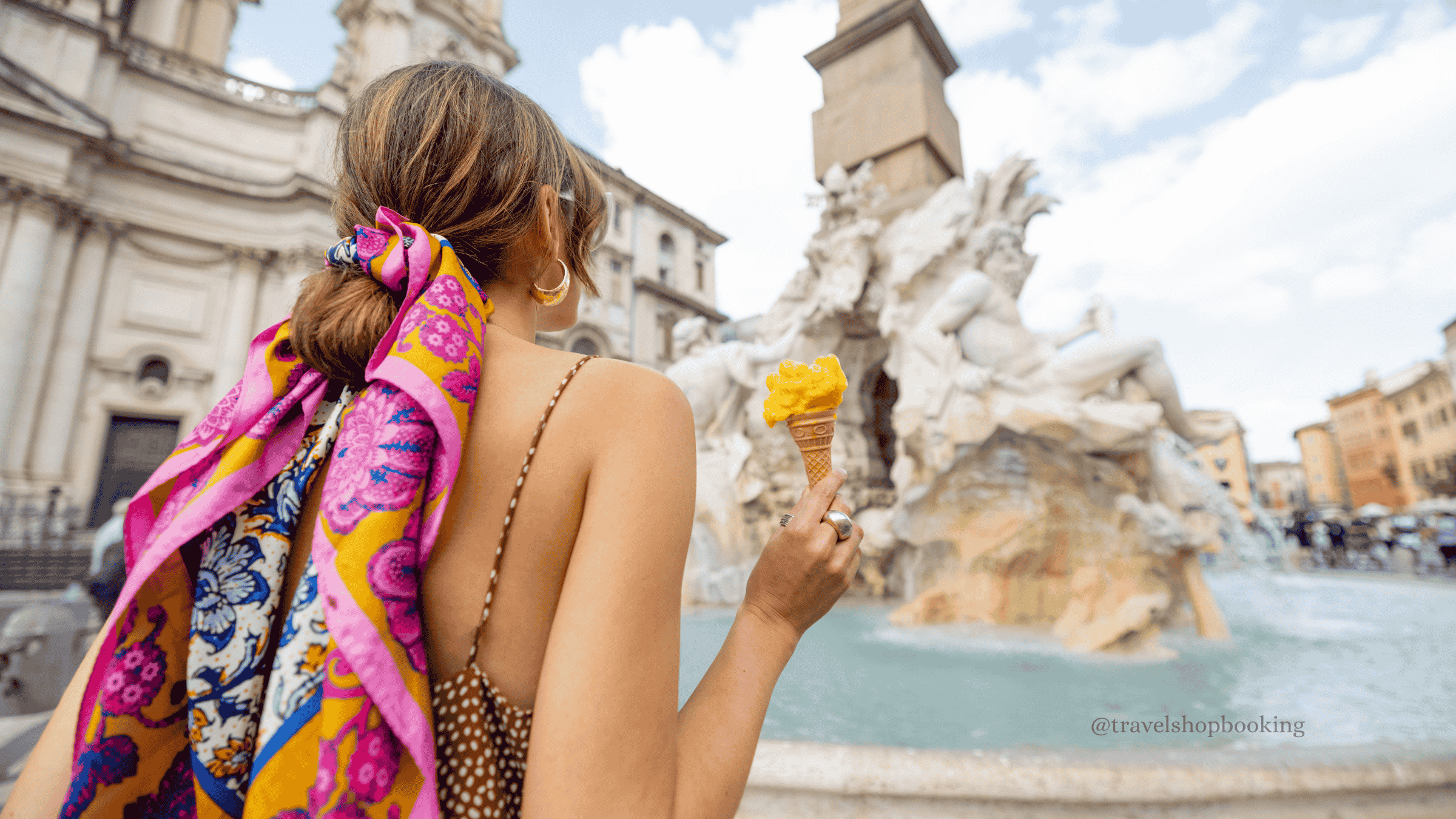
Rome is an open-air museum where ancient ruins stand alongside lively piazzas and vibrant cafés. The Colosseum, Roman Forum, Vatican City, and Trevi Fountain are essential stops.
Barcelona, Spain
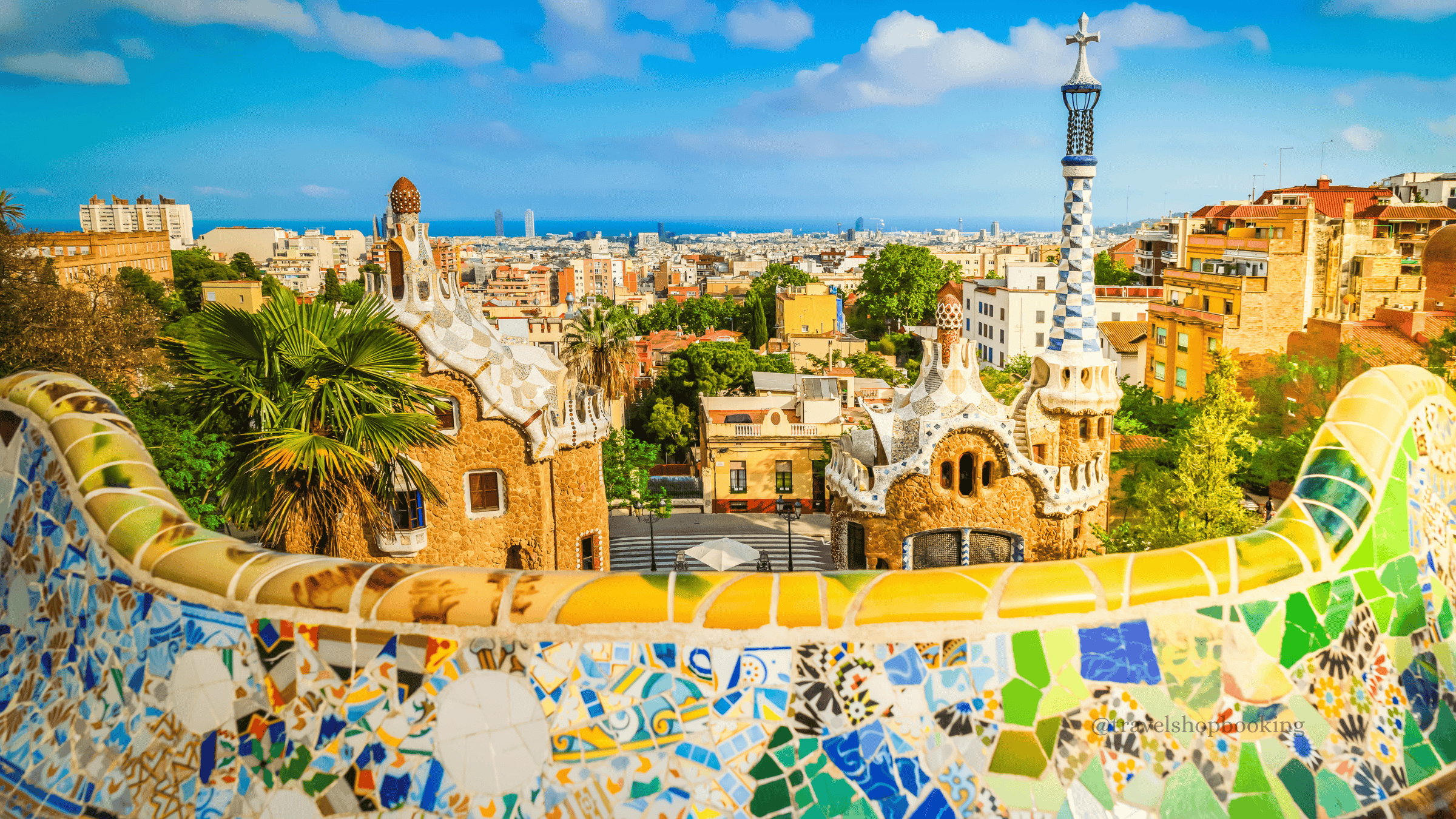
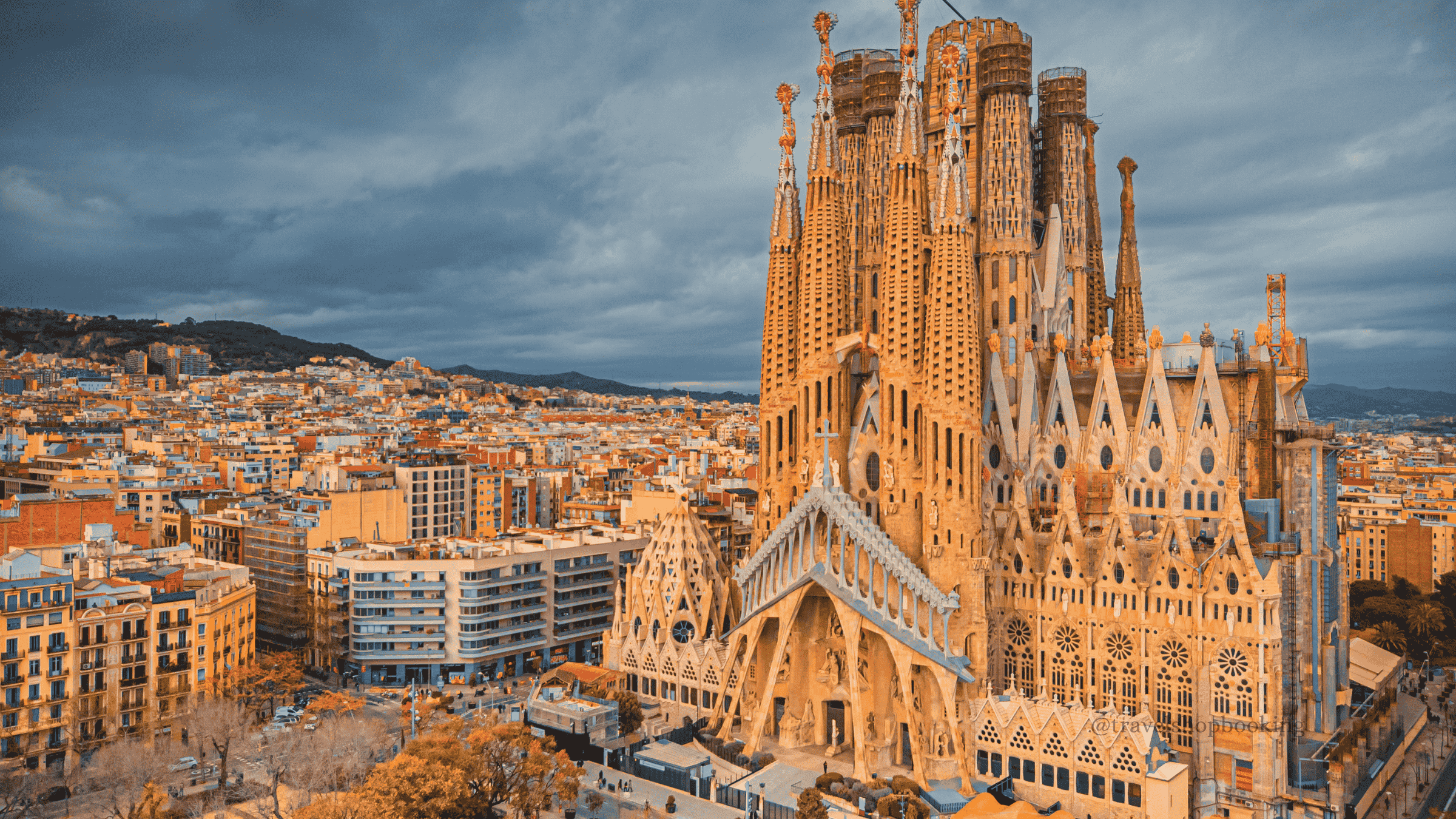
Barcelona combines unique architecture, Mediterranean beaches, and lively neighborhoods. Antoni Gaudí's masterpieces, including the Sagrada Família and Park Güell, define the city's skyline.
Amsterdam, Netherlands
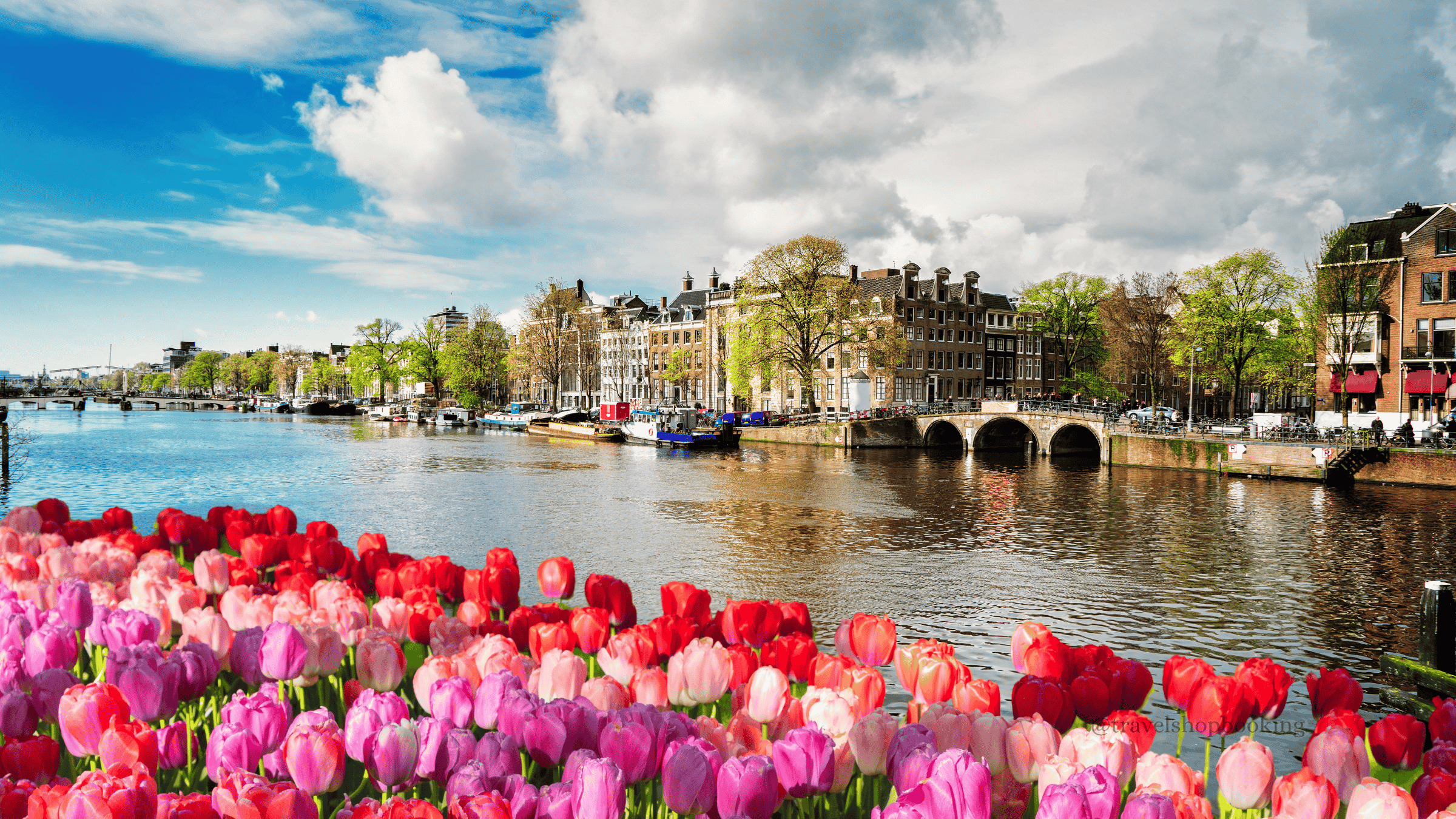
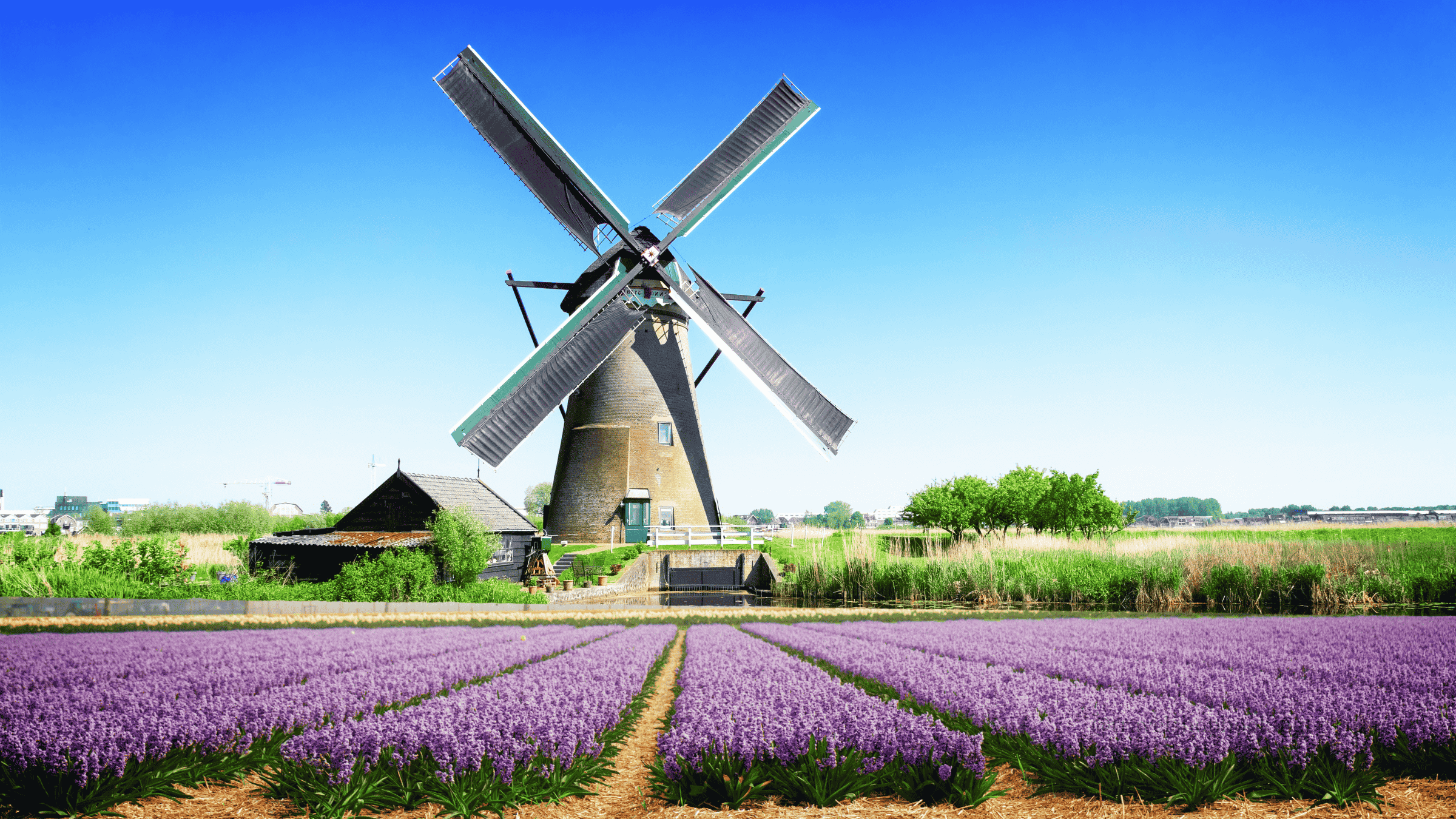
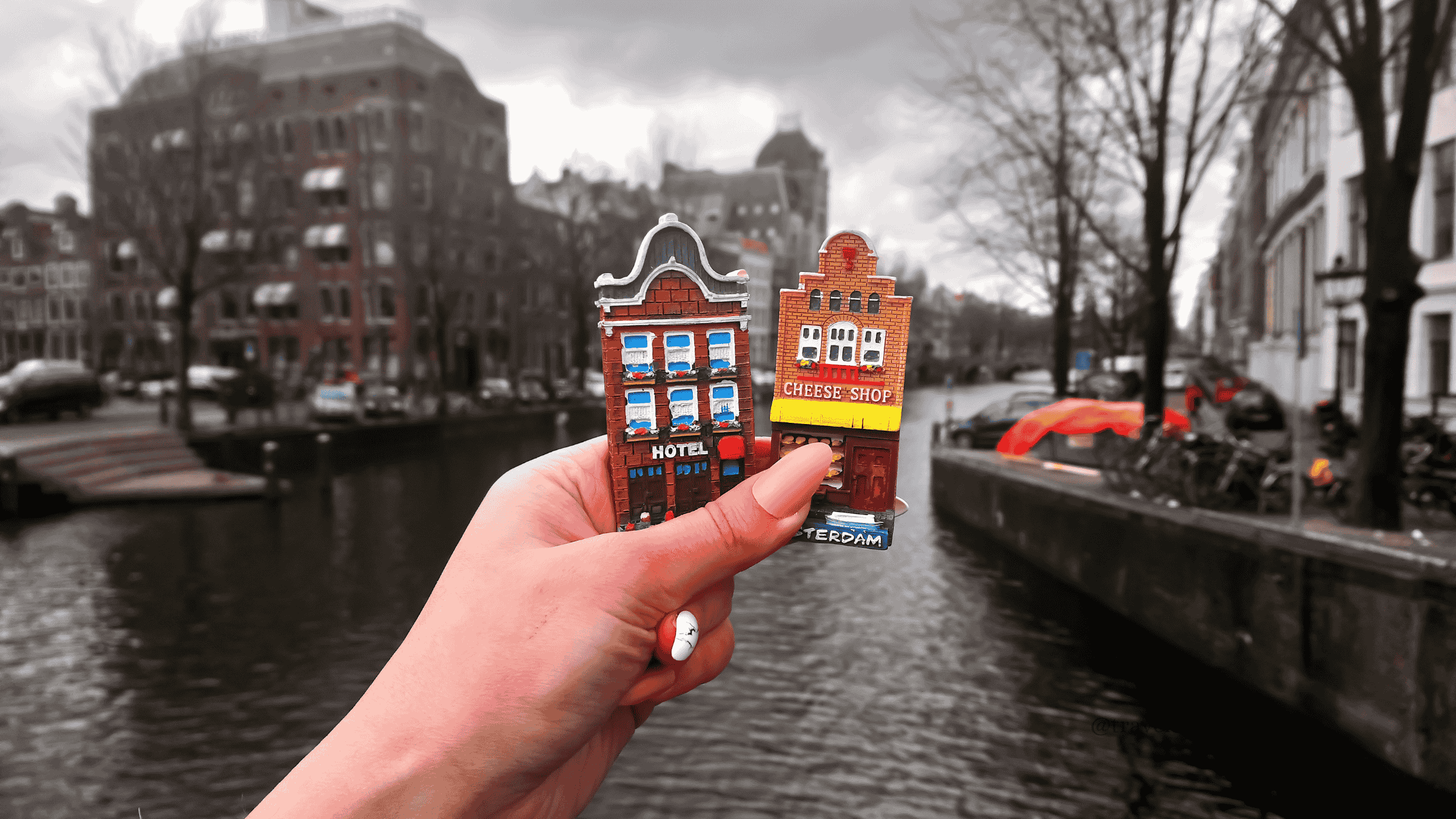
Amsterdam is known for its canals, cycling culture, museums, and historic townhouses. Visitors enjoy canal cruises, the Rijksmuseum, Anne Frank House, and colorful flower markets.
Vienna, Austria
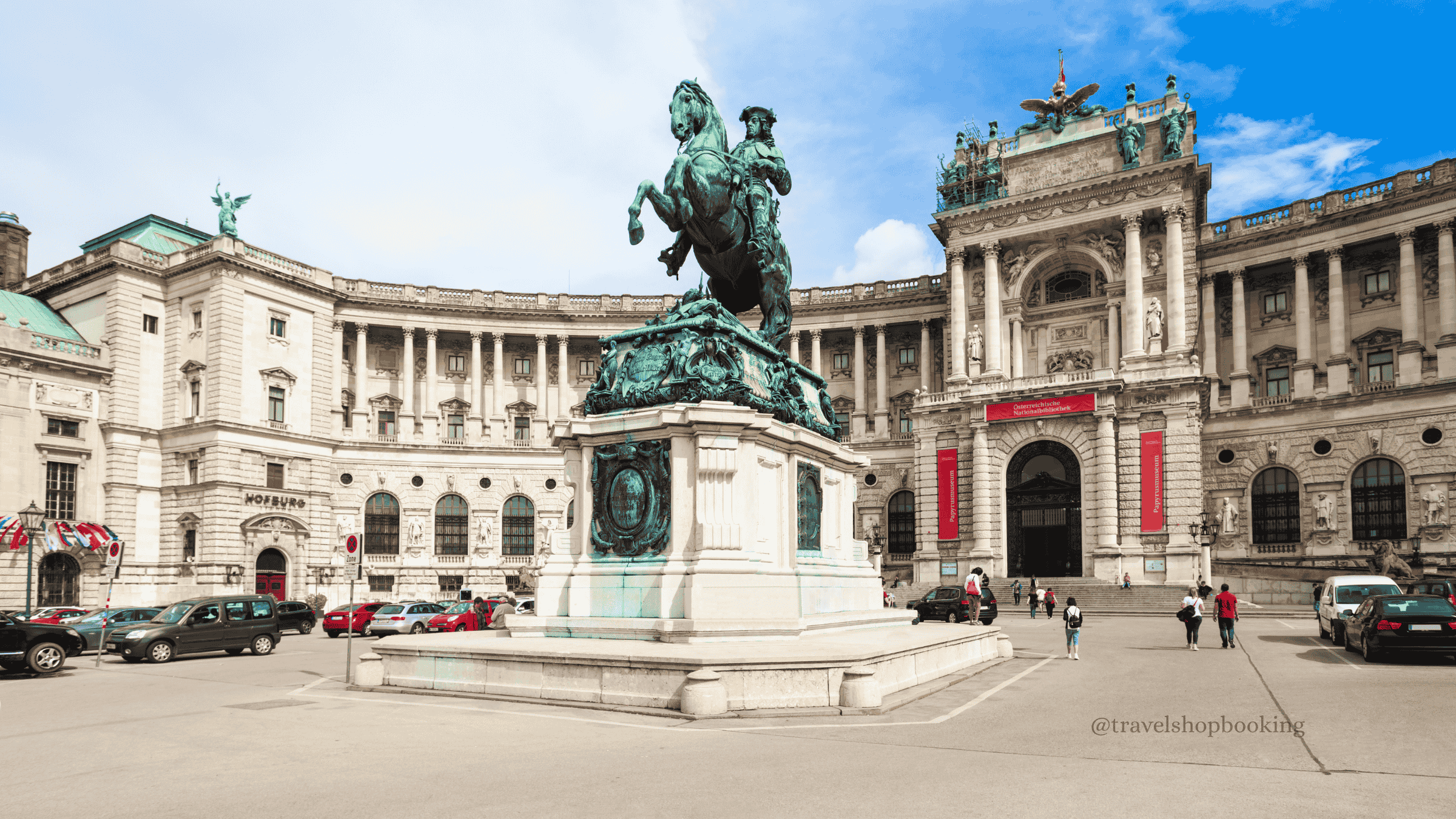
Vienna blends imperial history with classical music, elegant cafés, and grand palaces. Schönbrunn Palace, St. Stephen's Cathedral, and the Vienna State Opera are among its top attractions.

Europe's Most Beautiful Natural Destinations
Swiss Alps
Perfect for hiking, skiing, scenic train journeys, and alpine villages throughout the year.
Norwegian Fjords
Dramatic cliffs, waterfalls, and deep blue waterways make western Norway one of Europe's most breathtaking regions.
Plitvice Lakes National Park, Croatia
Famous for turquoise lakes connected by cascading waterfalls and wooden boardwalks.
Scottish Highlands
Rolling hills, ancient castles, remote lochs, and scenic driving routes create unforgettable landscapes.
Iceland's Golden Circle
One of Europe's most unique road trips featuring waterfalls, geysers, volcanic landscapes, and geothermal hot springs.
Best Time to Visit Europe
Spring (March to May)
Comfortable temperatures, blooming gardens, and fewer crowds make spring one of the best seasons for sightseeing.
Summer (June to August)
The warmest weather brings festivals, beaches, outdoor dining, and long daylight hours, although popular destinations can be crowded.
Autumn (September to November)
Mild weather, colorful landscapes, wine harvests, and lower accommodation prices make autumn a favorite among experienced travelers.
Winter (December to February)
Winter is ideal for Christmas markets, skiing, Northern Lights adventures, and festive city breaks.
Travel Tips for Europe
Use Trains for Regional Travel
Europe's rail system is one of the world's best, connecting major cities quickly and comfortably.
Book Popular Attractions Early
Tickets for attractions such as the Eiffel Tower, Colosseum, and Sagrada Família often sell out well in advance during peak season.
Pack for Different Climates
Weather can vary significantly between northern and southern Europe, especially if visiting multiple countries.
Learn Basic Local Phrases
Although English is widely spoken in tourist areas, learning a few greetings and polite expressions is appreciated by locals.
Stay Flexible
Some of Europe's best experiences come from wandering through local neighborhoods, discovering small cafés, or taking spontaneous day trips beyond the major tourist attractions.
Frequently Asked Questions
What is the best country to visit in Europe for first-time travelers?
Italy, France, and Spain are excellent first-time destinations because they combine iconic landmarks, great food, efficient transportation, and diverse attractions.
How many days do you need to tour Europe?
A two-week itinerary offers enough time to explore several countries, while three to four weeks allows for a more relaxed journey.
What is the cheapest way to travel around Europe?
Budget airlines, regional trains, long-distance buses, and rail passes can all provide affordable transportation depending on your itinerary.
When is the best time to visit Europe?
Late spring (May–June) and early autumn (September) generally offer the best combination of pleasant weather, manageable crowds, and reasonable prices.
Is Europe suitable for solo travelers?
Yes. Europe has excellent public transportation, well-developed tourism infrastructure, and many destinations that are considered safe and easy to explore independently.
Which European destination is best for nature lovers?
The Swiss Alps, Norwegian Fjords, Iceland, the Scottish Highlands, Croatia's national parks, and the Dolomites in northern Italy are among Europe's top natural destinations.
Loading comments…