
.png&w=1920&q=75)
There is something special about the idea of unpacking once and still visiting multiple countries in one trip. A Mediterranean cruise gives you that feeling of movement and ease at the same time. One morning you are sipping coffee on deck, and by afternoon you are wandering through centuries old streets filled with history, food, and culture.
That said, your experience can vary a lot depending on the choices you make before you even step onboard. I learned this the first time I looked at cruise itineraries and assumed everything would be straightforward. It is not complicated, but the details matter more than people expect.
Here are seven things worth knowing before you book your Mediterranean cruise.
1. Choose Your Cruising Style: Mega Ship vs Gulet
Not all cruises feel the same.
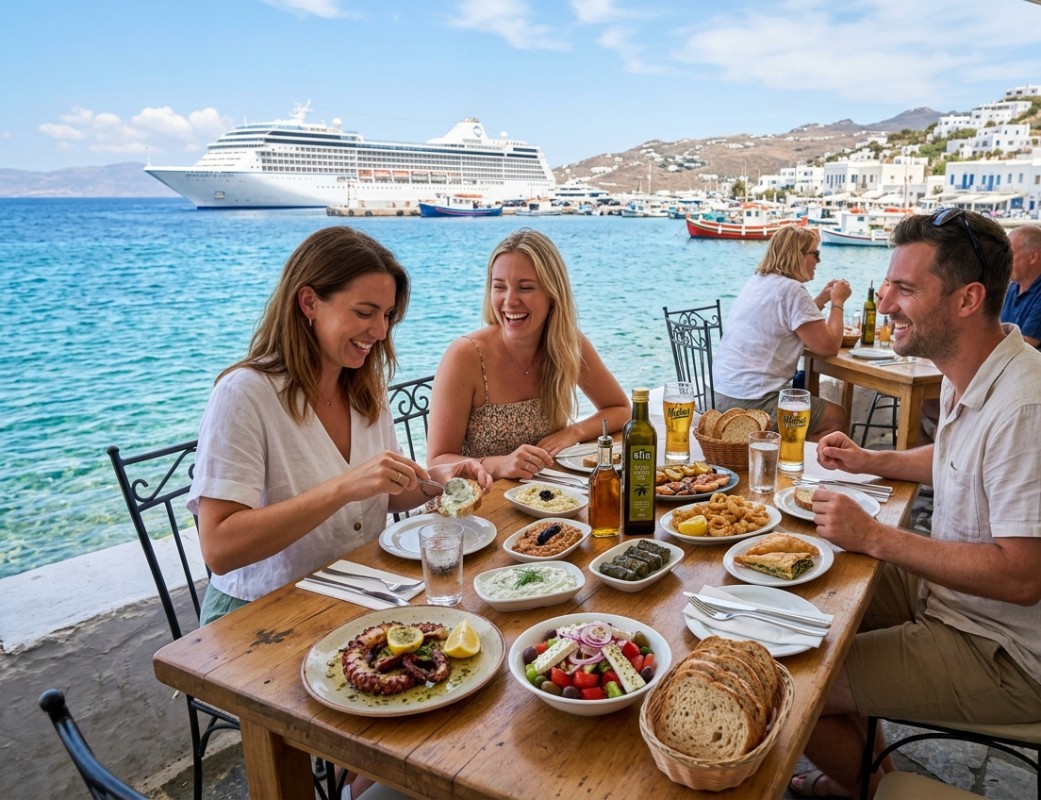
Large cruise ships are like floating cities with entertainment, restaurants, and thousands of passengers. They are great if you want variety and big scale experiences, but they often stay farther from smaller ports.
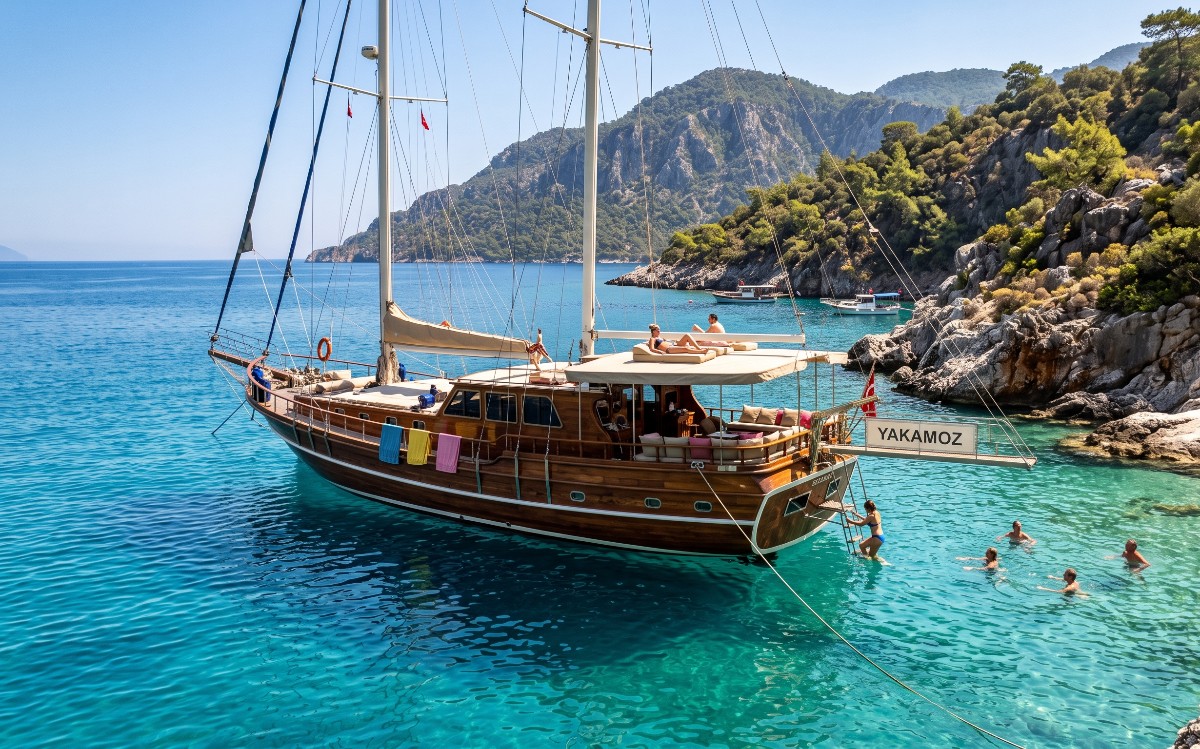
If you want something more personal and closer to the sea itself, a gulet cruise might be a better fit. These traditional wooden boats are especially common along the coasts of Turkey, Greece, and Croatia. They usually carry fewer guests, which means a quieter atmosphere, more flexibility, and the chance to swim in hidden bays that larger ships simply cannot reach.
It is a very different pace, and honestly, that slower rhythm is part of the appeal.
2. Pay Attention to Your Embarkation City
Your cruise experience starts long before you board the ship.
Cities like Istanbul, Barcelona, and Athens are not just departure points, they are destinations in their own right. Arriving a day or two early gives you time to explore without rushing and helps you settle into your trip before life at sea begins.
I always think it is a missed opportunity when people fly in on the same day and head straight to the port. These cities deserve a little time on their own.
3. Timing Changes Everything
The Mediterranean shifts a lot depending on when you go.
Summer months like July and August are lively, warm, and full of energy. Beaches are busy, towns are buzzing, and swimming conditions are perfect. If that is the kind of atmosphere you enjoy, it is a great time to go.
But if you prefer quieter streets and more comfortable weather for exploring ancient ruins and cities, May to June or September to October are much better choices. You will still get sunshine, just without the peak season crowds.
4. Know Where the Ship Actually Docks
One detail that surprises many first time cruisers is port distance.
For example, when your itinerary says Rome, the ship actually docks in Civitavecchia, which is quite a distance from the city center. The same applies to other popular stops like Venice or Naples, where the port may be some way from the main sights you probably want to see.
This does not ruin the experience, but it does mean you need to plan transport and timing carefully. Otherwise, you might spend more time traveling inland than exploring the destination itself. It is worth checking whether your cruise line offers shuttle buses, guided transfers, or independent transport options before you arrive. A little planning here can save you a lot of stress later and help you make the most of your limited time ashore.
5. Pack Light for Shore Days
Cruise travel encourages simplicity.
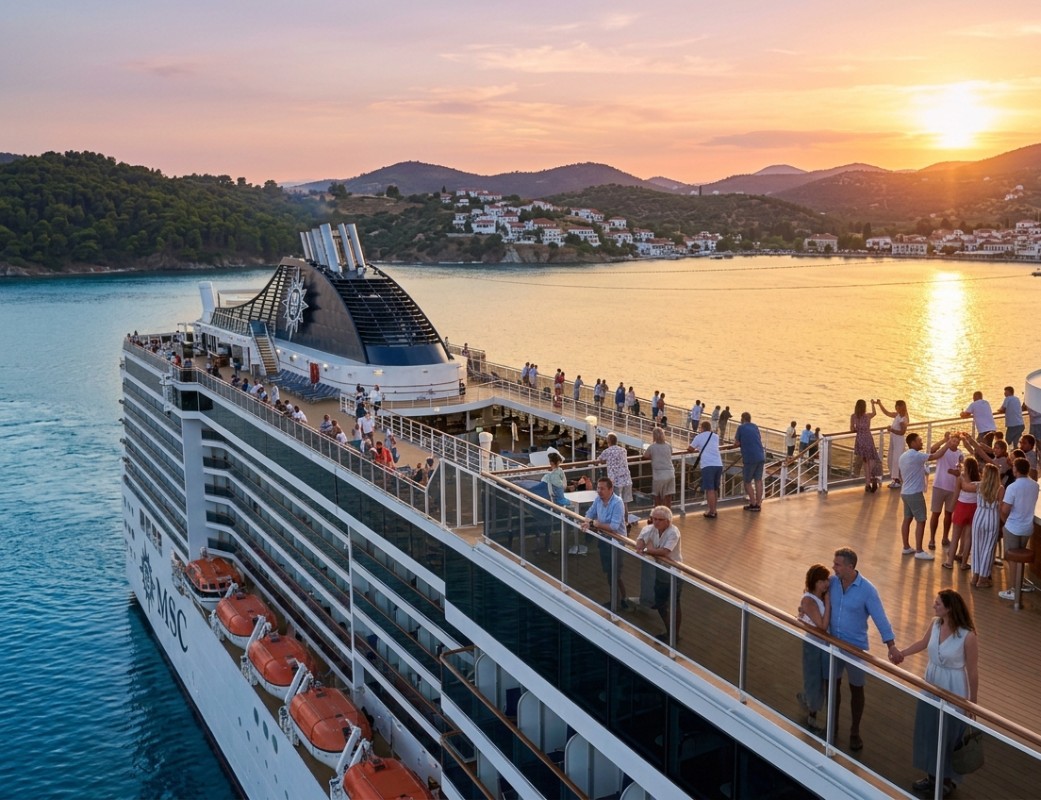
You will likely spend most days walking through cobblestone streets, climbing viewpoints, and moving between ports. Comfortable shoes are non negotiable here. A good pair can make the difference between enjoying a full day in Dubrovnik or wishing you had stayed on the ship. A small day bag with just the essentials will also make sightseeing much easier, especially when you are moving quickly between attractions or hopping on and off transport.
It is also important to respect local dress codes, especially when visiting churches, mosques, or historic sites. A light scarf or extra layer that covers your shoulders can be very useful and easy to carry in your day bag. I also recommend bringing a reusable water bottle, sunscreen, and a little cash for cafés, taxis, or small shops, since not every place will accept cards. Keeping things simple means you can focus more on the experience and less on what you are carrying.
6. Make Time for Local Food
Ship dining is convenient, but the real flavour of the Mediterranean is on land.
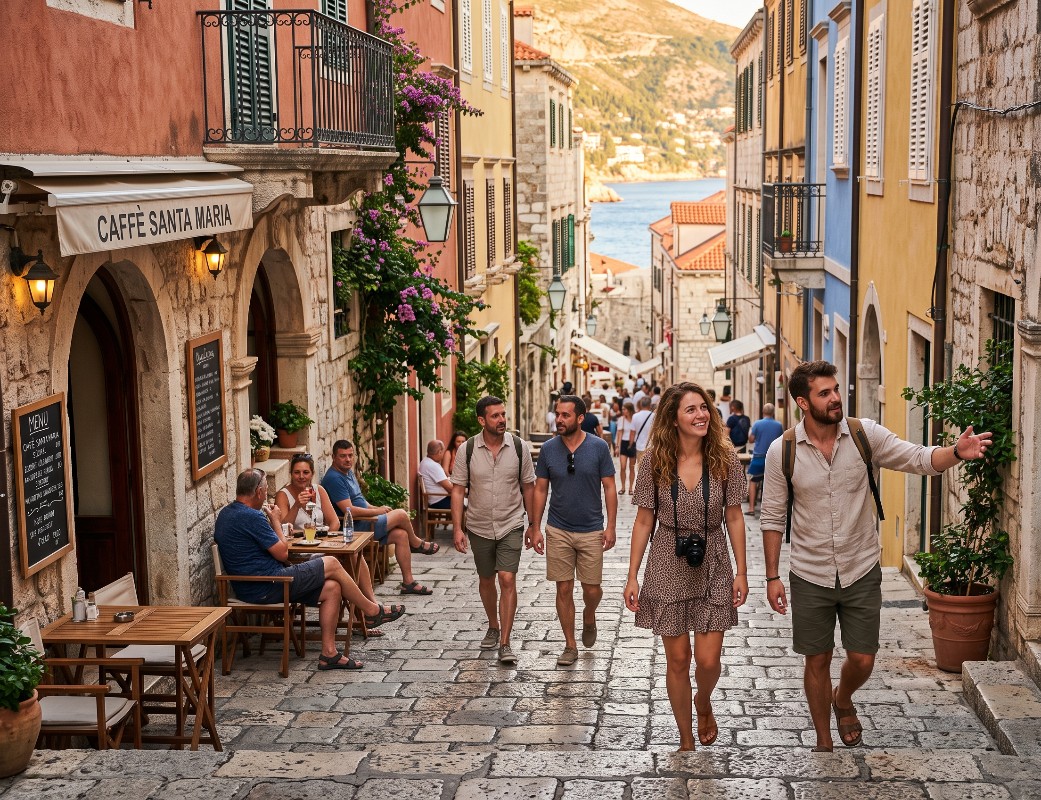
In Greece, it might be fresh seafood by the water, a simple salad with local olive oil, or warm bread served with a view of the harbour. In Spain, it could be a plate of tapas in a busy local bar where people are standing, talking, and sharing small dishes late into the evening. In Turkey, a spread of meze shared with friends can turn a quick meal into a long, relaxed experience. These small meals often end up being the moments people remember most because they feel tied to the place itself.
Even skipping one onboard lunch can give you a chance to experience something more authentic and connected to the destination you are visiting. It does not have to be a fancy restaurant either. Sometimes the best meals come from a family run café, a bakery near the port, or a small taverna tucked away from the main tourist streets. Trying local food is one of the easiest ways to understand the culture of each stop, and it adds a lot more depth to the trip.
7. Book Popular Excursions Early
The most in demand tours sell out quickly, especially on busy Mediterranean routes where ships may only be in port for a few hours. If there is a specific experience you are hoping to enjoy, it is worth planning ahead instead of waiting until the last minute.
Places like Ephesus, the Blue Mosque area in Istanbul, or boat trips around Kotor attract a lot of interest. These are the kinds of excursions that can make a cruise feel especially memorable, but they are also the ones most likely to fill up fast. Waiting until you are onboard can sometimes mean missing out entirely, or having to settle for a less convenient time slot.
Booking early also gives you more choice. You can pick the tour that best matches your pace, whether you want a full day of sightseeing, a relaxed walking tour, or something more active like a coastal boat trip. It also helps you organize the rest of your day around the excursion instead of scrambling to fit everything in at the last minute.
Another advantage is peace of mind. Once your excursion is confirmed, you can relax and look forward to it without worrying about availability. That is especially helpful on a cruise, where each stop is short and every hour counts.
If there is something you really want to do, book it early. It removes stress, gives you better options, and guarantees you do not miss highlights you have been looking forward to for months.
Final Thoughts
A Mediterranean cruise is one of those trips that feels effortless once it begins, but that ease comes from good preparation.
When you choose the right style of cruise, plan your timing well, and understand how ports and excursions work, everything becomes smoother. You spend less time figuring things out and more time enjoying where you are.
At the end of the day, this kind of journey is not just about the destinations. It is about the feeling of moving across the sea, waking up somewhere new, and collecting small moments in each place you visit.
Loading comments…