
Best Places to Visit in Bolivia
Bolivia is one of South America's most rewarding destinations, offering breathtaking mountain landscapes, vast salt flats, colonial cities, colorful indigenous cultures, and diverse wildlife. From the world's largest salt desert to the Amazon rainforest and high-altitude lakes, Bolivia provides unforgettable experiences for travelers seeking both adventure and history.
Salar de Uyuni
The Salar de Uyuni is the world's largest salt flat and Bolivia's most famous attraction. During the dry season, visitors can walk across endless white salt plains, while the rainy season transforms the surface into a spectacular natural mirror. Tours often include visits to Incahuasi Island, giant cacti, colorful lagoons, and unique desert landscapes.
La Paz
Bolivia's administrative capital is the world's highest capital city, surrounded by the Andes Mountains. Visitors can ride the famous Mi Teleférico cable car system, explore the Witches' Market, Plaza Murillo, San Francisco Church, and enjoy panoramic views from El Alto.
Lake Titicaca
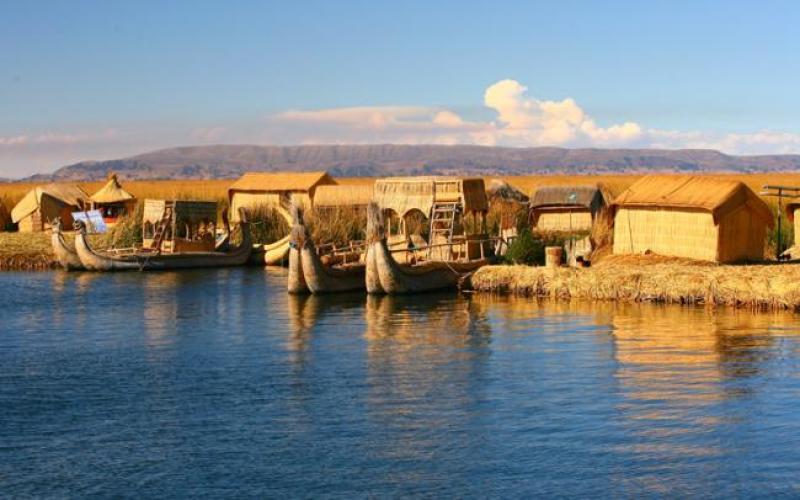
Shared with Peru, Lake Titicaca is the world's highest navigable lake. Popular attractions include Isla del Sol, Isla de la Luna, traditional Aymara villages, hiking trails, and stunning views of the surrounding mountains.
Sucre
A UNESCO World Heritage Site, Sucre is Bolivia's constitutional capital and one of South America's best-preserved colonial cities. Visitors can admire whitewashed buildings, historic churches, museums, lively plazas, and the nearby Cal Orck'o dinosaur footprints.
Potosí
Once one of the wealthiest cities in the world, Potosí is famous for Cerro Rico, the historic silver mountain that fueled the Spanish Empire. Visitors can tour the colonial city center, Casa Nacional de la Moneda, and guided sections of the historic mines.
Madidi National Park
Located in the Amazon Basin, Madidi National Park is considered one of the most biodiverse protected areas on Earth. Wildlife enthusiasts can spot monkeys, jaguars, macaws, pink river dolphins, and hundreds of bird species while exploring rainforest trails and rivers.
Tiwanaku
This UNESCO World Heritage Site preserves the remains of one of South America's oldest civilizations. Highlights include the Gateway of the Sun, Akapana Pyramid, Kalasasaya Temple, and fascinating archaeological museums.
Sajama National Park
Home to Bolivia's highest mountain, Nevado Sajama, this national park features volcanoes, hot springs, alpine forests, geysers, and herds of llamas, alpacas, and vicuñas. It is a popular destination for hiking and mountaineering.
Eduardo Avaroa Andean Fauna National Reserve
Situated in southwestern Bolivia, this spectacular reserve is known for its colorful lagoons, volcanic landscapes, geysers, rock formations, flamingos, and unique desert scenery. Laguna Colorada and Laguna Verde are among its most famous attractions.
Cochabamba
Known as the "City of Eternal Spring," Cochabamba enjoys a mild climate year-round. Visitors can explore Cristo de la Concordia, one of the world's tallest Christ statues, lively markets, parks, and excellent local cuisine.
Rurrenabaque
This small town serves as the gateway to Bolivia's Amazon rainforest and Pampas wetlands. Popular activities include wildlife safaris, river cruises, jungle lodges, and birdwatching excursions.
Coroico
Located in the Yungas region, Coroico offers lush cloud forests, waterfalls, coffee plantations, and a warmer climate than the Altiplano. It is also a popular destination for mountain biking and nature tourism.
Toro Toro National Park
Toro Toro National Park is famous for its limestone canyons, caves, dinosaur footprints, waterfalls, and unique geological formations. It is one of Bolivia's top destinations for hiking and adventure travel.
Valle de la Luna (Moon Valley)
Just outside La Paz, Valle de la Luna features unusual rock formations sculpted by erosion over thousands of years. Walking trails offer panoramic views of this surreal landscape.
Santa Cruz de la Sierra
Bolivia's largest city is a modern commercial hub with lively nightlife, museums, botanical gardens, and easy access to nearby nature reserves and Jesuit Mission towns.
Frequently Asked Questions
Which place should I visit first in Bolivia?
La Paz is the ideal starting point, offering international flight connections, cultural attractions, and convenient access to Lake Titicaca, Tiwanaku, and the Uyuni Salt Flats.
What is the most famous tourist destination in Bolivia?
Salar de Uyuni is Bolivia's most iconic attraction, attracting visitors from around the world with its endless salt plains and spectacular mirror effect during the rainy season.
Which destination is best for nature lovers?
Madidi National Park, Sajama National Park, Eduardo Avaroa National Reserve, Lake Titicaca, and Toro Toro National Park offer some of Bolivia's finest wildlife, mountain scenery, and outdoor adventures.
How many days are enough to explore Bolivia?
A 10–14 day itinerary allows visitors to experience La Paz, Salar de Uyuni, Sucre, Potosí, and Lake Titicaca, while a longer trip can include the Amazon and national parks.
What is the best destination for wildlife viewing?
Madidi National Park and Rurrenabaque provide outstanding opportunities to see monkeys, caimans, macaws, capybaras, pink river dolphins, and countless other Amazonian species.
Which place is best for history and culture?
Sucre, Potosí, Tiwanaku, and La Paz showcase Bolivia's rich indigenous heritage, colonial architecture, archaeological treasures, and fascinating museums.
Loading comments…