
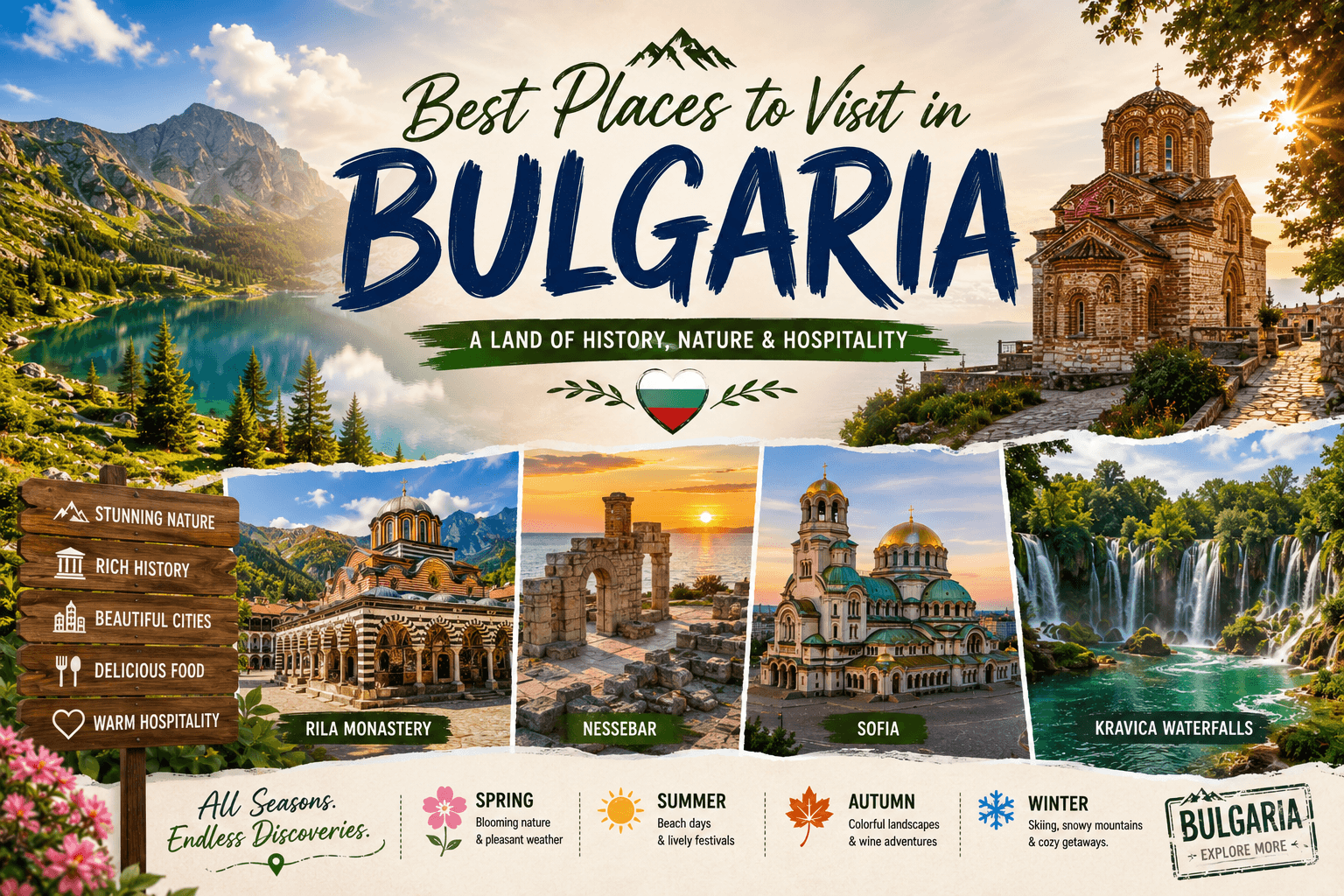
Bulgaria is one of Southeast Europe's most diverse travel destinations, offering ancient cities, UNESCO World Heritage Sites, Black Sea beaches, mountain landscapes, monasteries, ski resorts, and traditional villages. Despite its relatively small size, the country combines thousands of years of history with spectacular natural scenery, making it suitable for cultural trips, outdoor adventures, and relaxing holidays.
Most visitors begin their journey in Sofia or Plovdiv, but Bulgaria has much more to offer beyond its largest cities. Medieval fortresses, picturesque old towns, alpine lakes, national parks, and coastal resorts create a varied itinerary that can appeal to almost every type of traveler.
Why Visit Bulgaria?
Bulgaria offers a unique mix of history, culture, and nature. Visitors can explore Roman theaters, medieval fortresses, Orthodox monasteries, mountain villages, and lively seaside resorts within a single trip.
The country is also known for being one of Europe's more affordable destinations. Accommodation, transportation, and dining are generally less expensive than in many neighboring countries, making Bulgaria an excellent choice for travelers looking for good value.
Whether you're interested in hiking, skiing, historical landmarks, or beach holidays, Bulgaria has destinations suitable for every season.
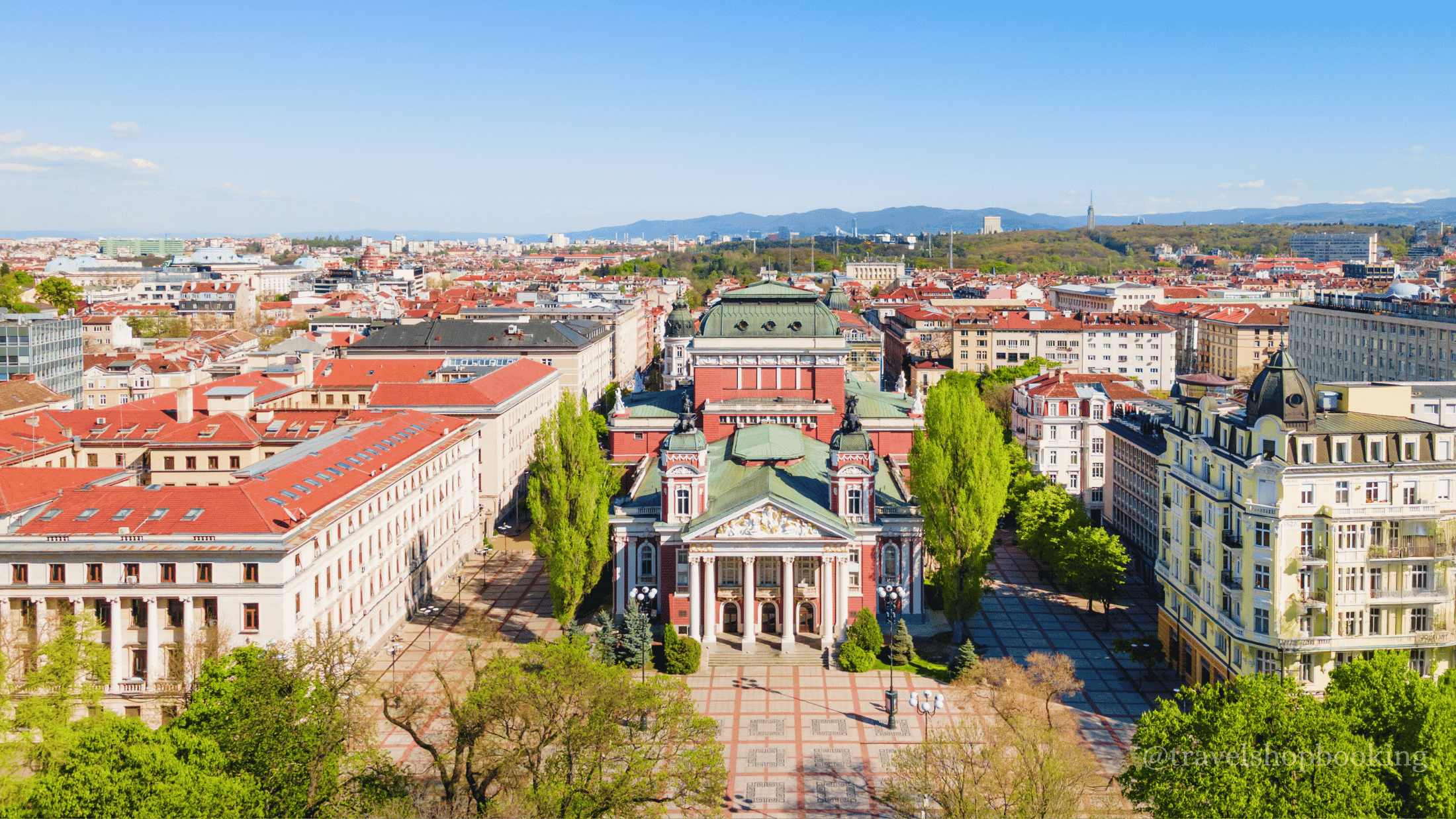
Most Popular Cities to Visit in Bulgaria
Bulgaria's largest cities combine historical attractions with modern culture, museums, restaurants, and lively public squares.
Sofia
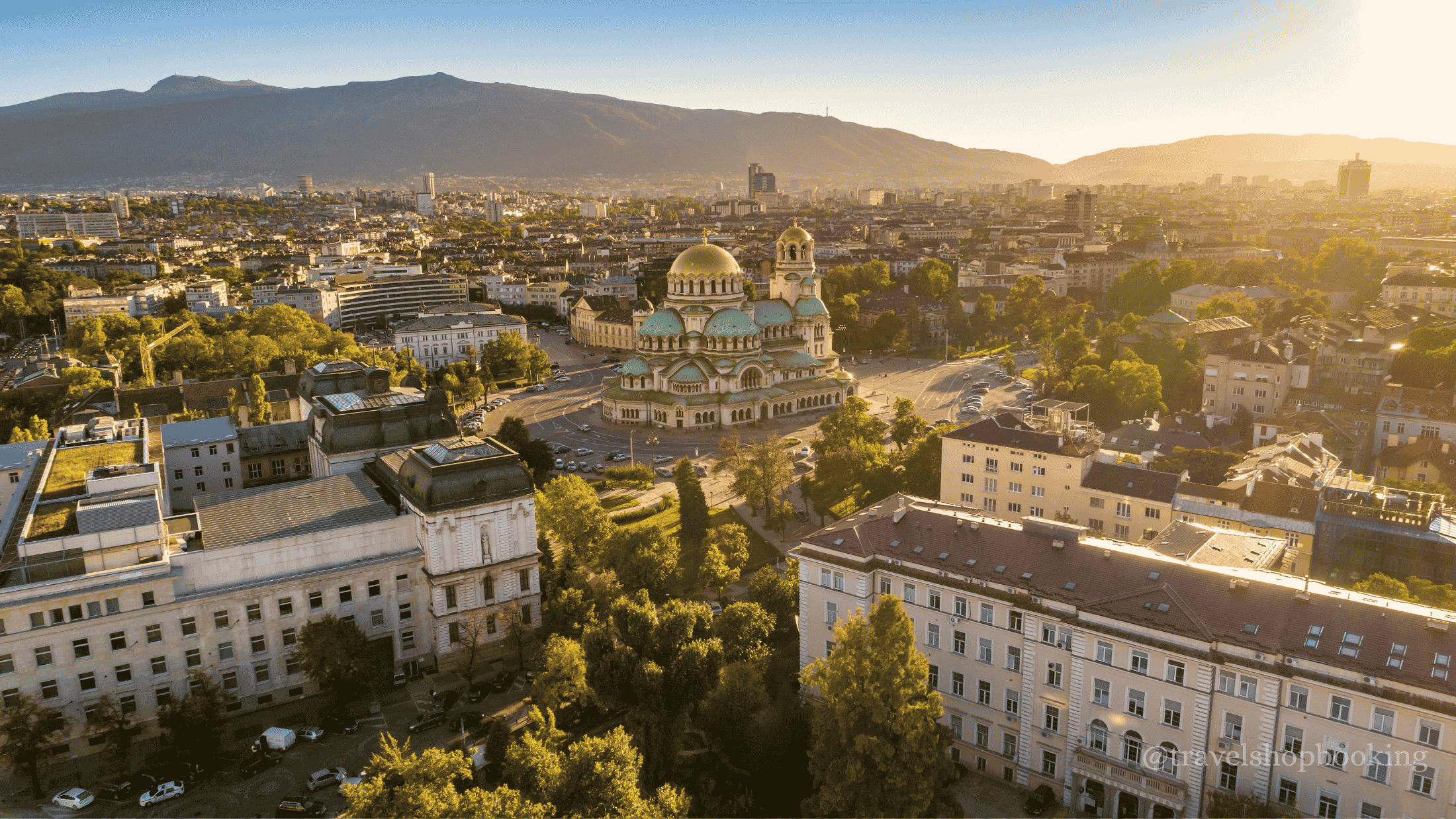
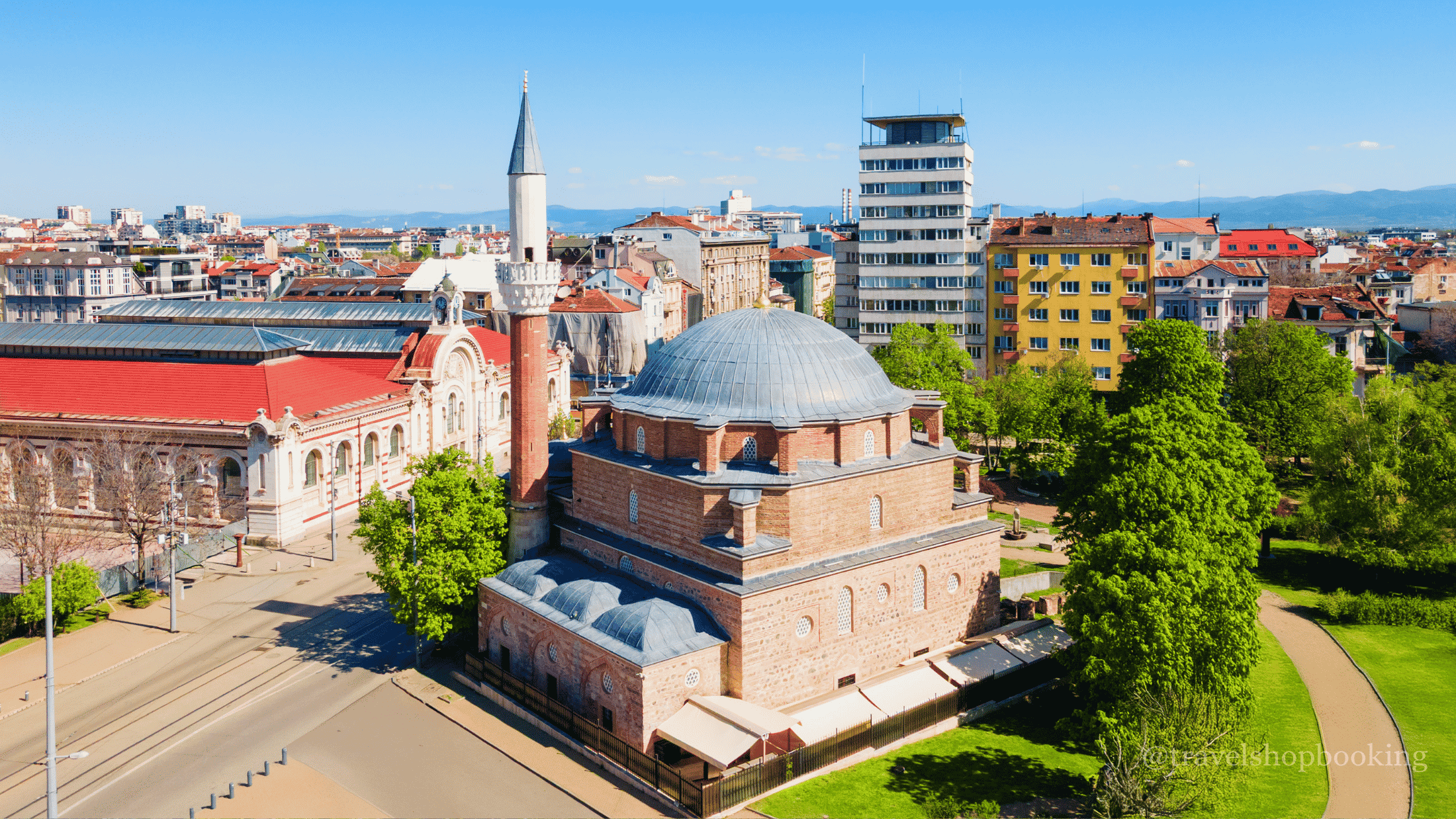
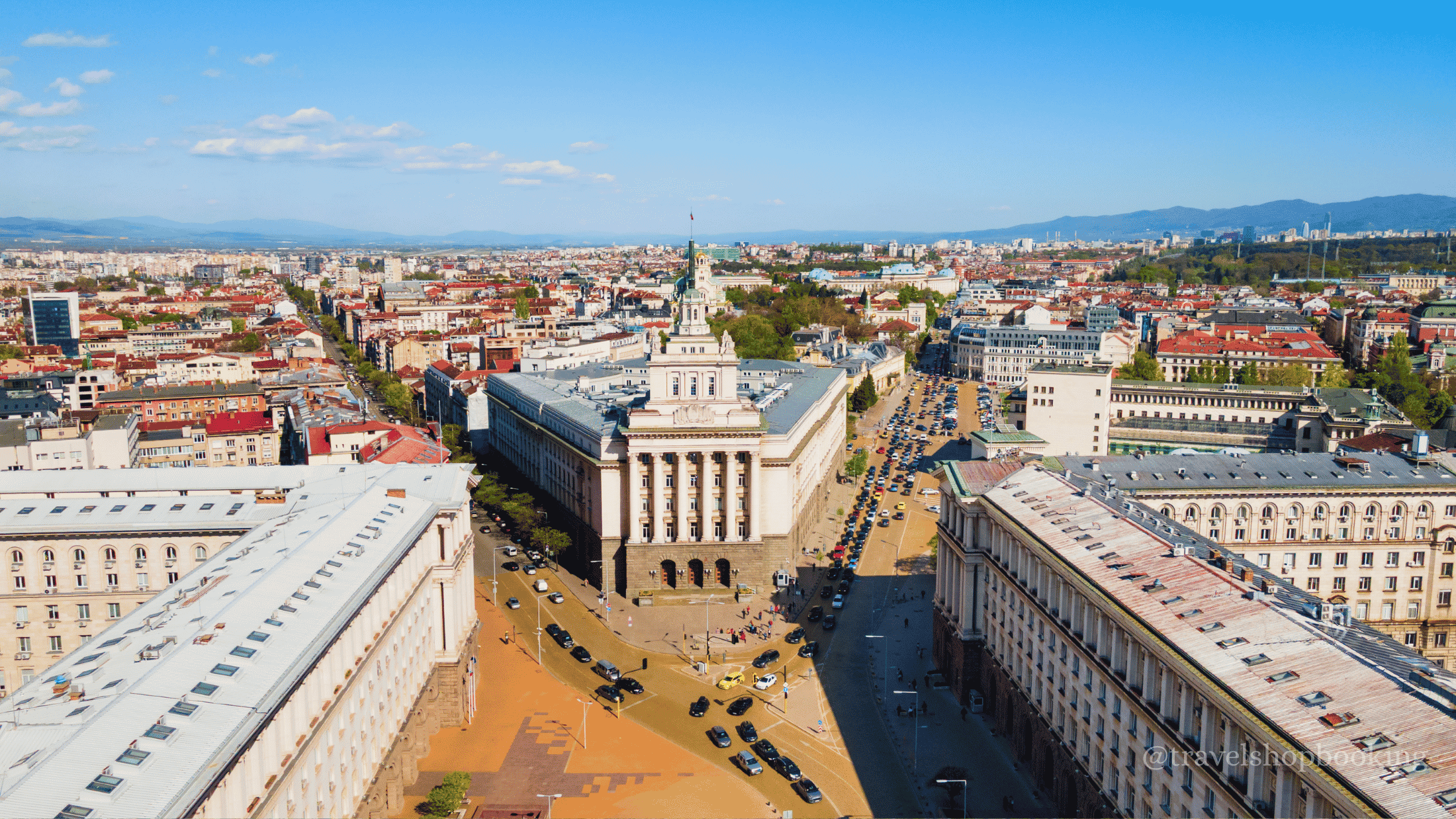
Sofia, the capital of Bulgaria, is the country's cultural and political center. Surrounded by mountains, the city combines Roman ruins, Ottoman landmarks, Orthodox churches, and modern architecture.
Top attractions include Alexander Nevsky Cathedral, Saint Sofia Church, the National Palace of Culture, Vitosha Boulevard, the National Archaeological Museum, and the Roman ruins of Serdica.
Visitors can also take a short trip to Vitosha Mountain, making Sofia one of the few European capitals where mountain hiking is easily accessible.
Plovdiv
Plovdiv is one of Europe's oldest continuously inhabited cities and one of Bulgaria's most popular destinations.
Its beautifully preserved Old Town features colorful National Revival houses, cobbled streets, churches, galleries, and traditional restaurants. The Ancient Roman Theatre remains one of the city's most famous landmarks and still hosts concerts during the summer.
Kapana Creative District offers a completely different atmosphere with cafés, art spaces, local shops, and nightlife.
Varna
Located on the Black Sea coast, Varna is often called Bulgaria's summer capital.
The city combines beaches, parks, museums, Roman baths, and a lively waterfront. Sea Garden Park stretches along the coast and is one of the city's most popular attractions.
Varna is also an excellent base for exploring nearby resorts, monasteries, and archaeological sites.
Veliko Tarnovo
Veliko Tarnovo served as the capital of the Second Bulgarian Empire and remains one of the country's most historic cities.
Built across several hills above the Yantra River, it is famous for its medieval atmosphere, narrow streets, artisan shops, and the impressive Tsarevets Fortress.
The city is especially beautiful when illuminated during the evening light show.
Best Historical and Cultural Places in Bulgaria
Bulgaria has a long history stretching back thousands of years. Roman ruins, Thracian tombs, monasteries, and medieval fortresses can be found throughout the country.
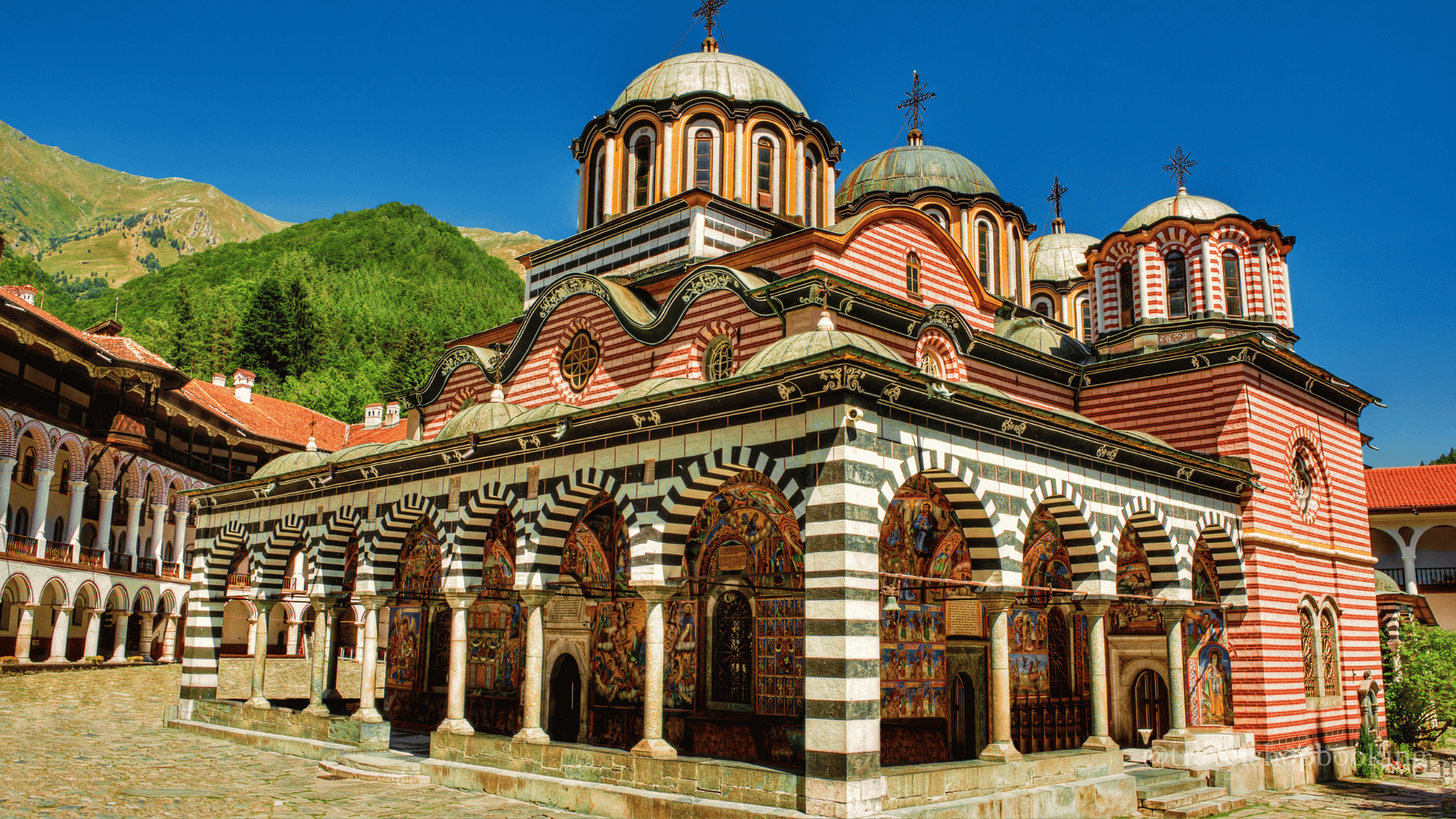
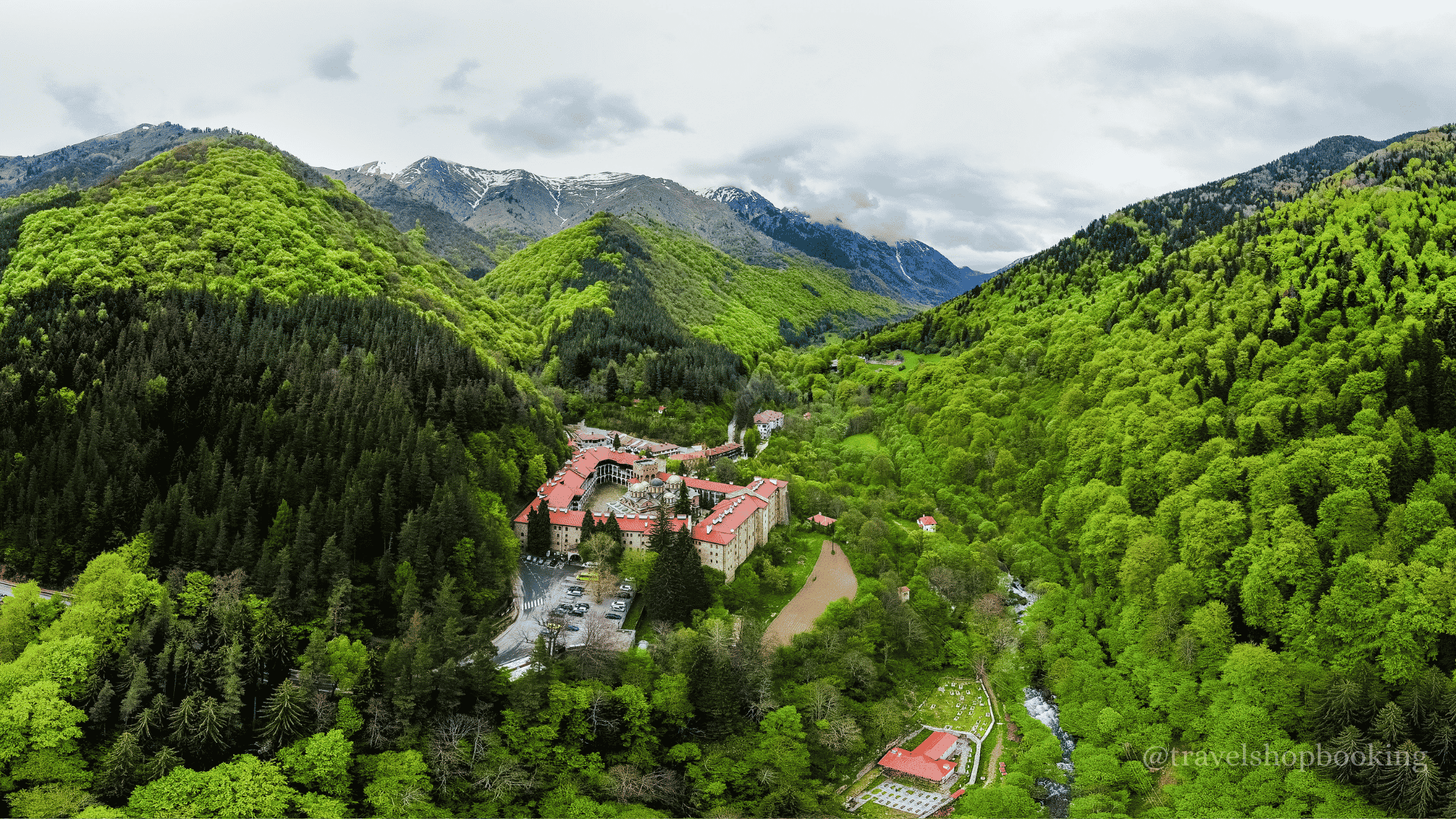
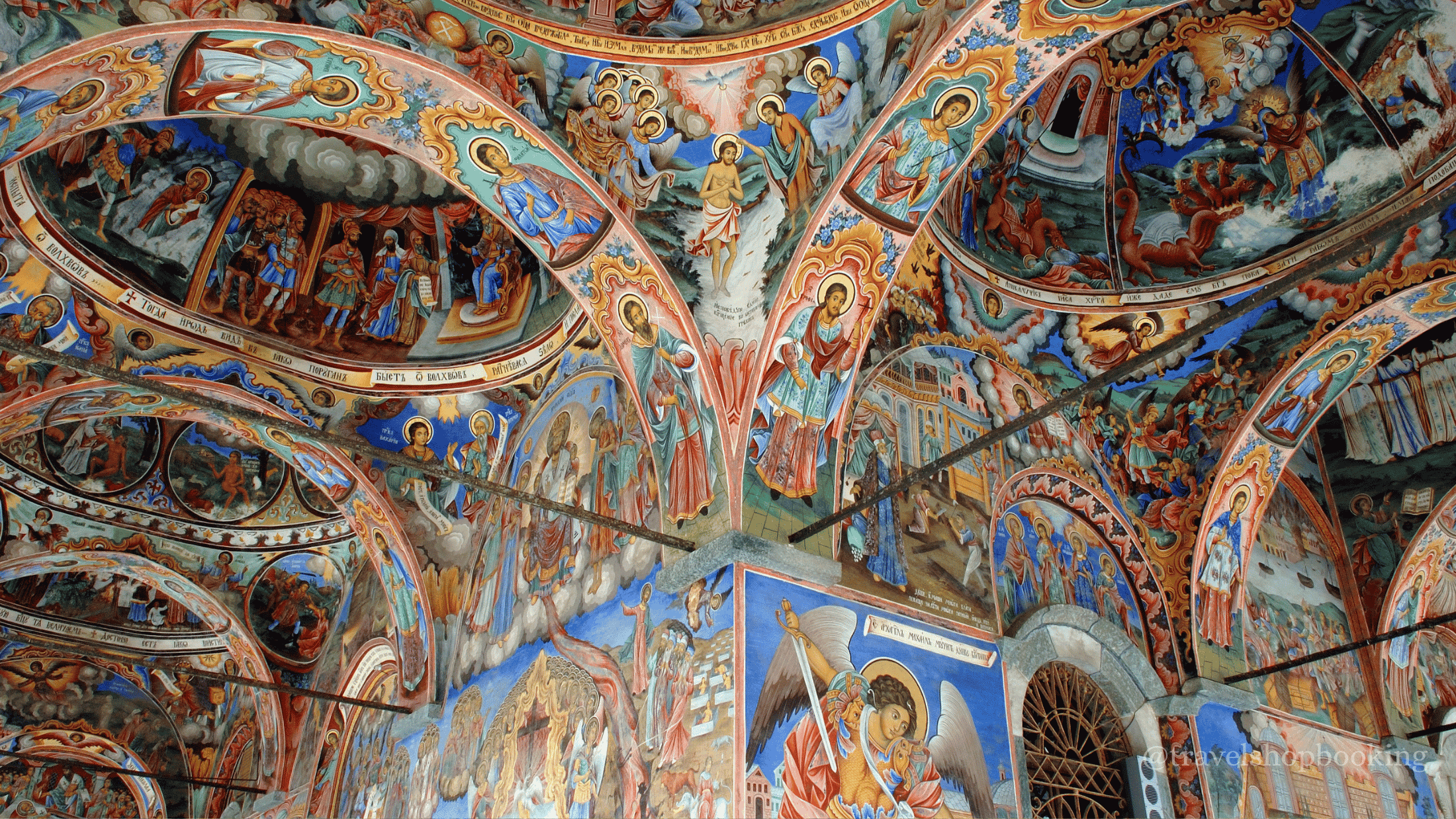
Rila Monastery
Rila Monastery is Bulgaria's most famous religious site and a UNESCO World Heritage Site.
Located within the Rila Mountains, the monastery is admired for its colorful frescoes, impressive architecture, peaceful surroundings, and historical importance.
It is one of the country's most visited attractions and an easy day trip from Sofia.
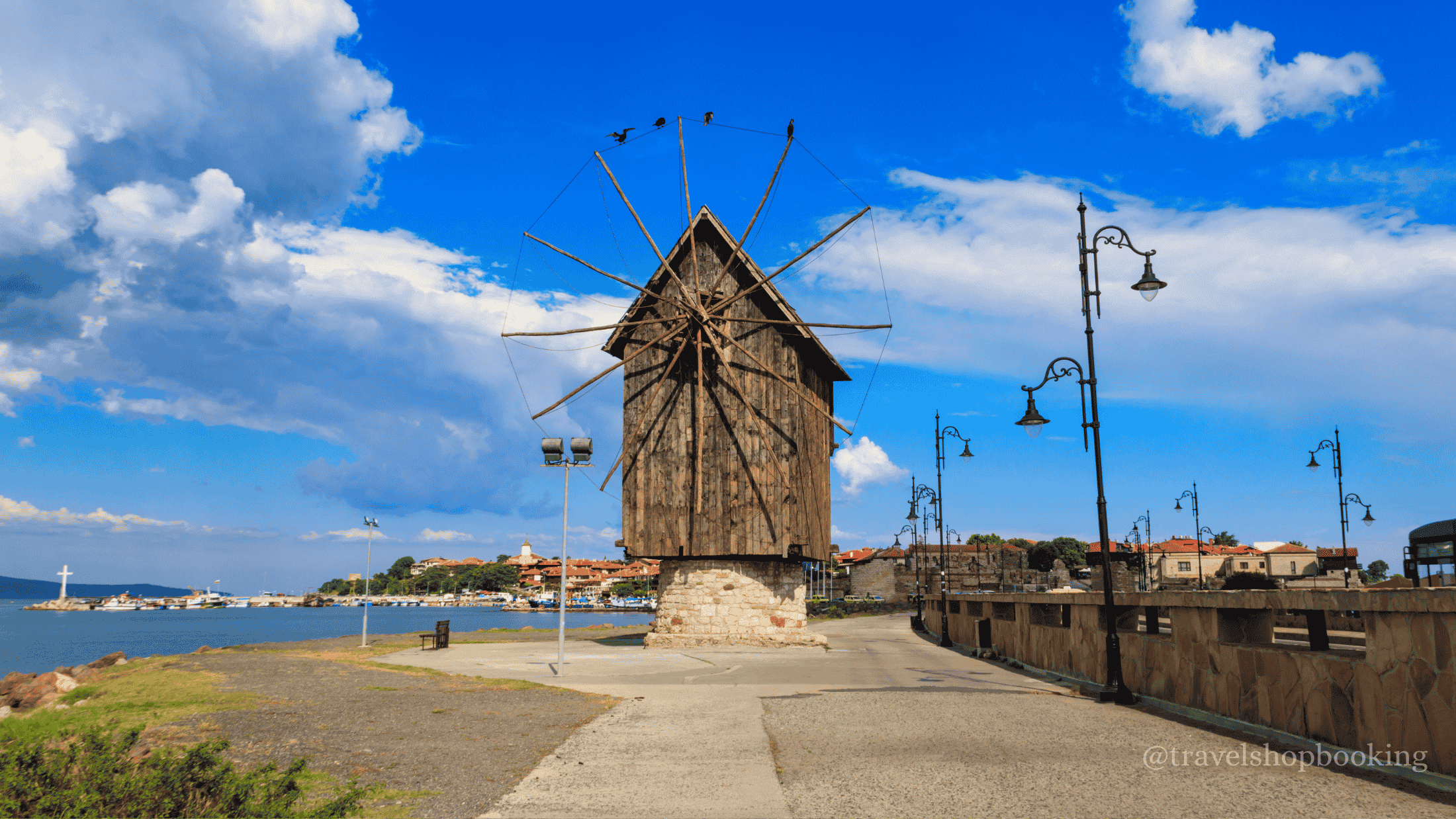
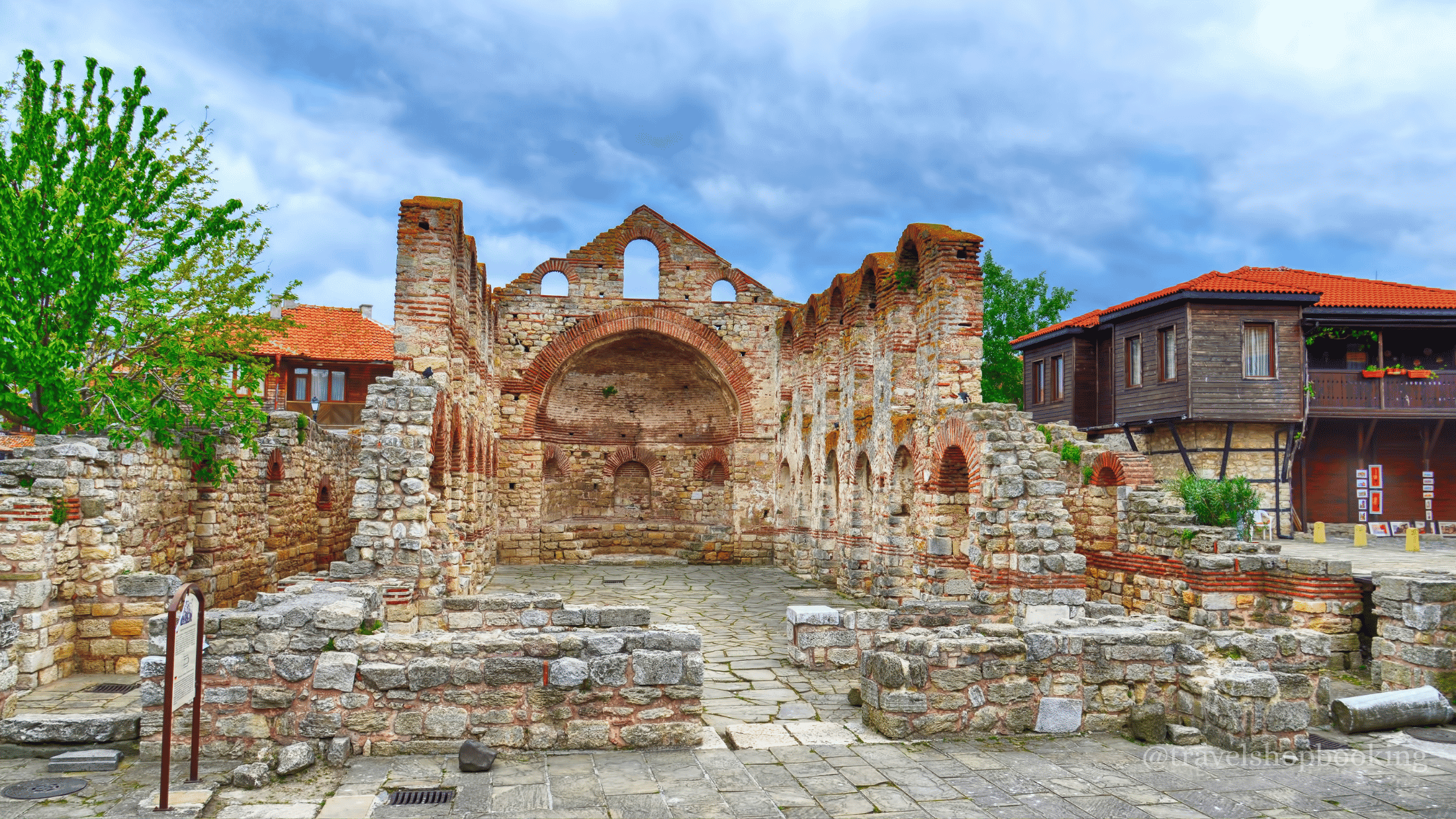
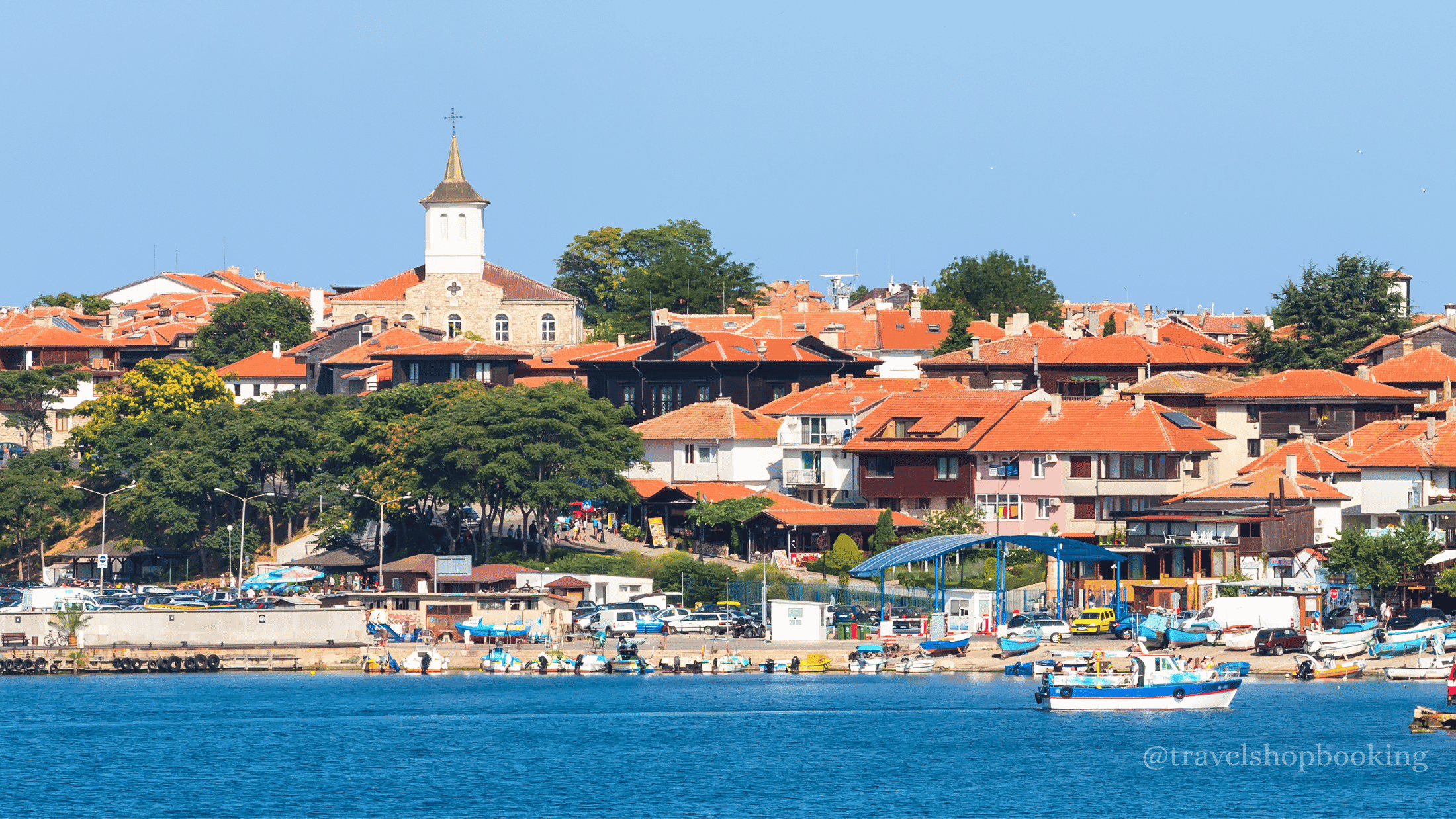
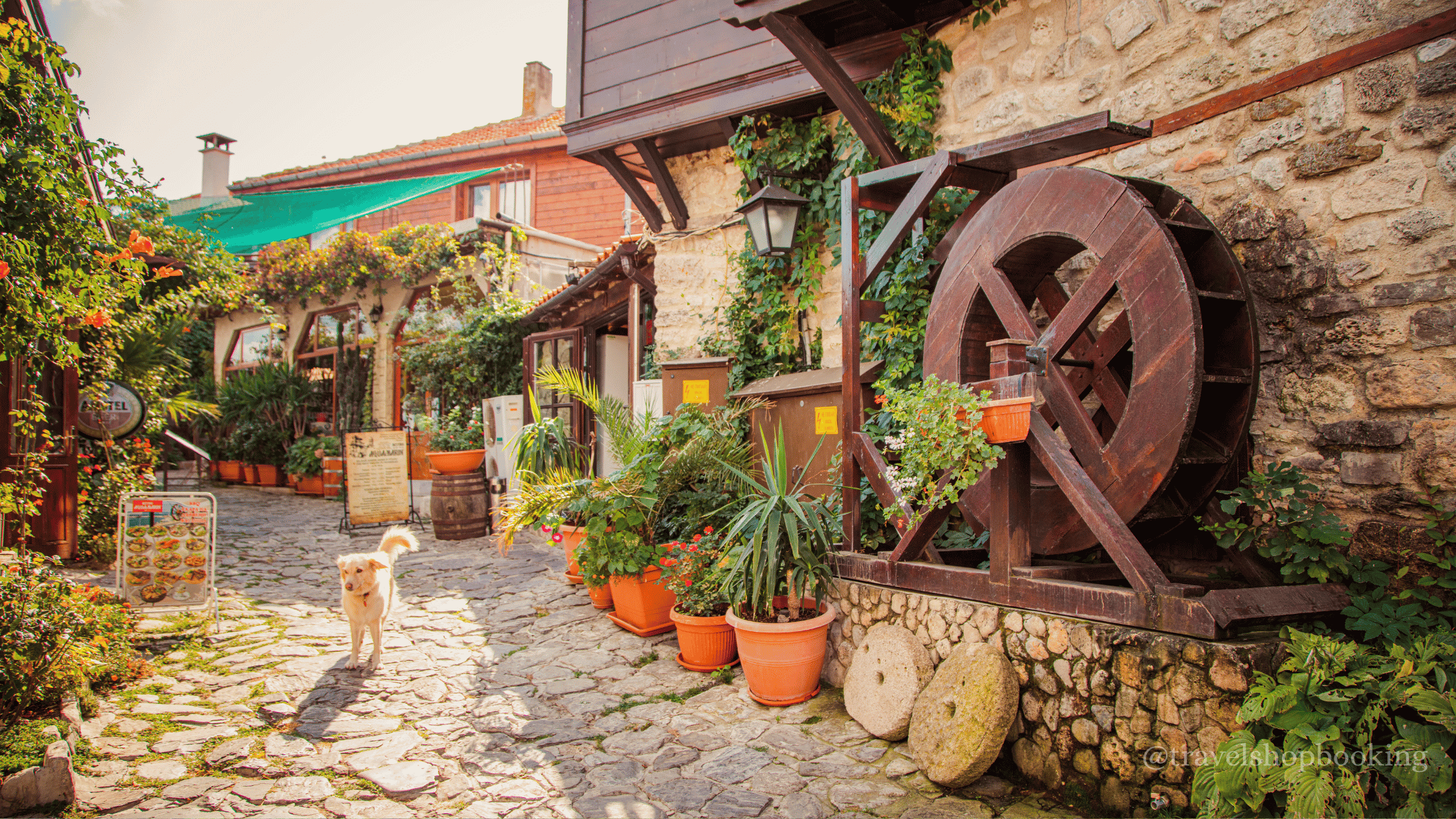
Nessebar Old Town
Situated on a small peninsula along the Black Sea coast, Nessebar is another UNESCO World Heritage Site.
The old town is filled with ancient churches, stone houses, narrow streets, and seaside restaurants. Its combination of history and coastal scenery makes it one of Bulgaria's most unique destinations.
Visitors often combine Nessebar with nearby Sunny Beach.
Tsarevets Fortress
The Tsarevets Fortress dominates the skyline of Veliko Tarnovo and was once the political and military center of medieval Bulgaria.
Visitors can walk along the fortress walls, explore archaeological remains, and enjoy panoramic views over the surrounding hills and river valley.
The evening sound and light show is particularly popular during the tourist season.
Boyana Church
Located on the outskirts of Sofia, Boyana Church is famous for its exceptionally preserved medieval frescoes.
The church is recognized as a UNESCO World Heritage Site and is considered one of Bulgaria's most important examples of medieval art.
Its location also makes it easy to combine with a visit to Vitosha Mountain.
Best Natural Attractions in Bulgaria
Bulgaria offers some of the most varied landscapes in the Balkans, from mountain peaks and glacial lakes to caves, waterfalls, and national parks.
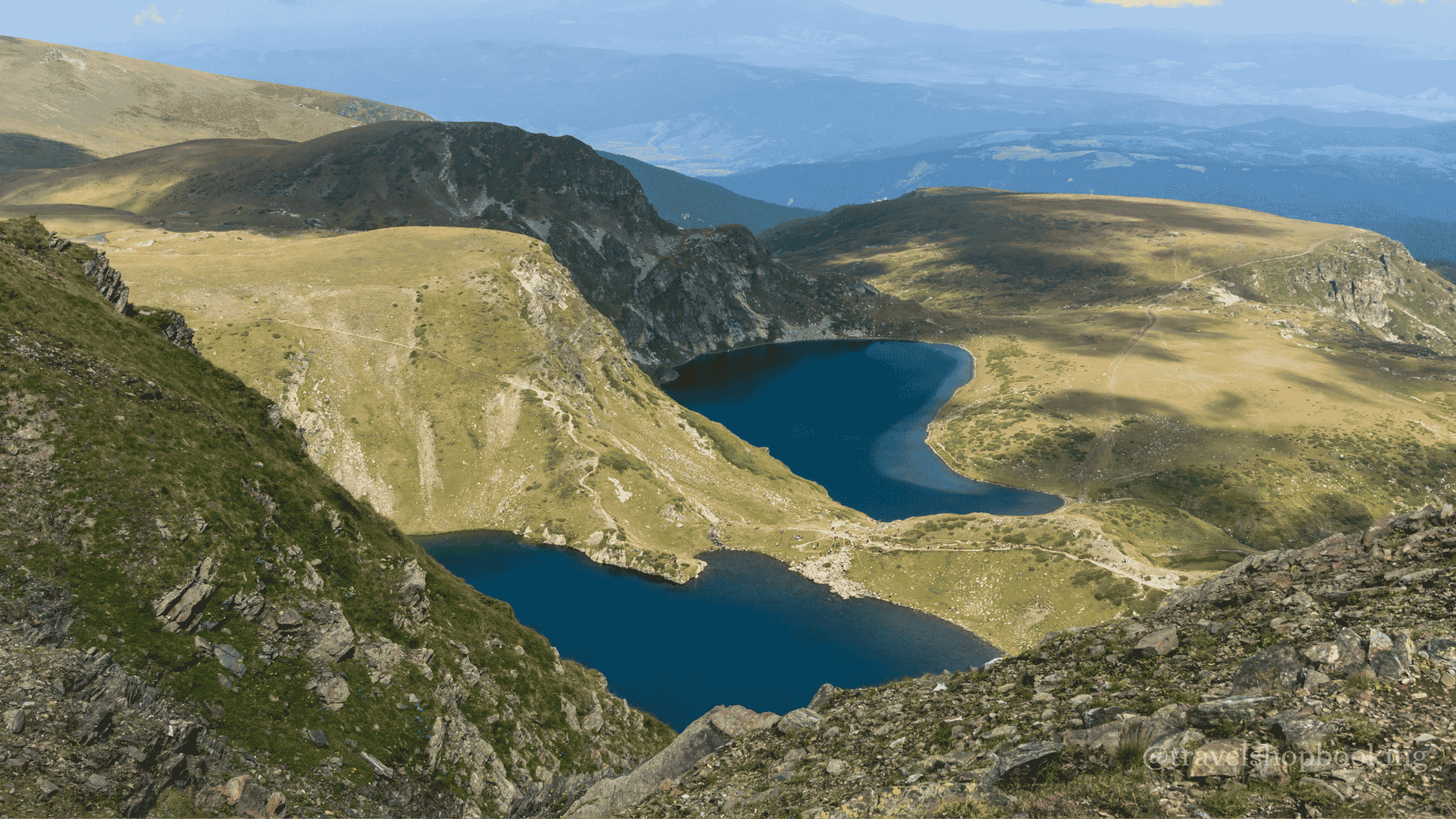
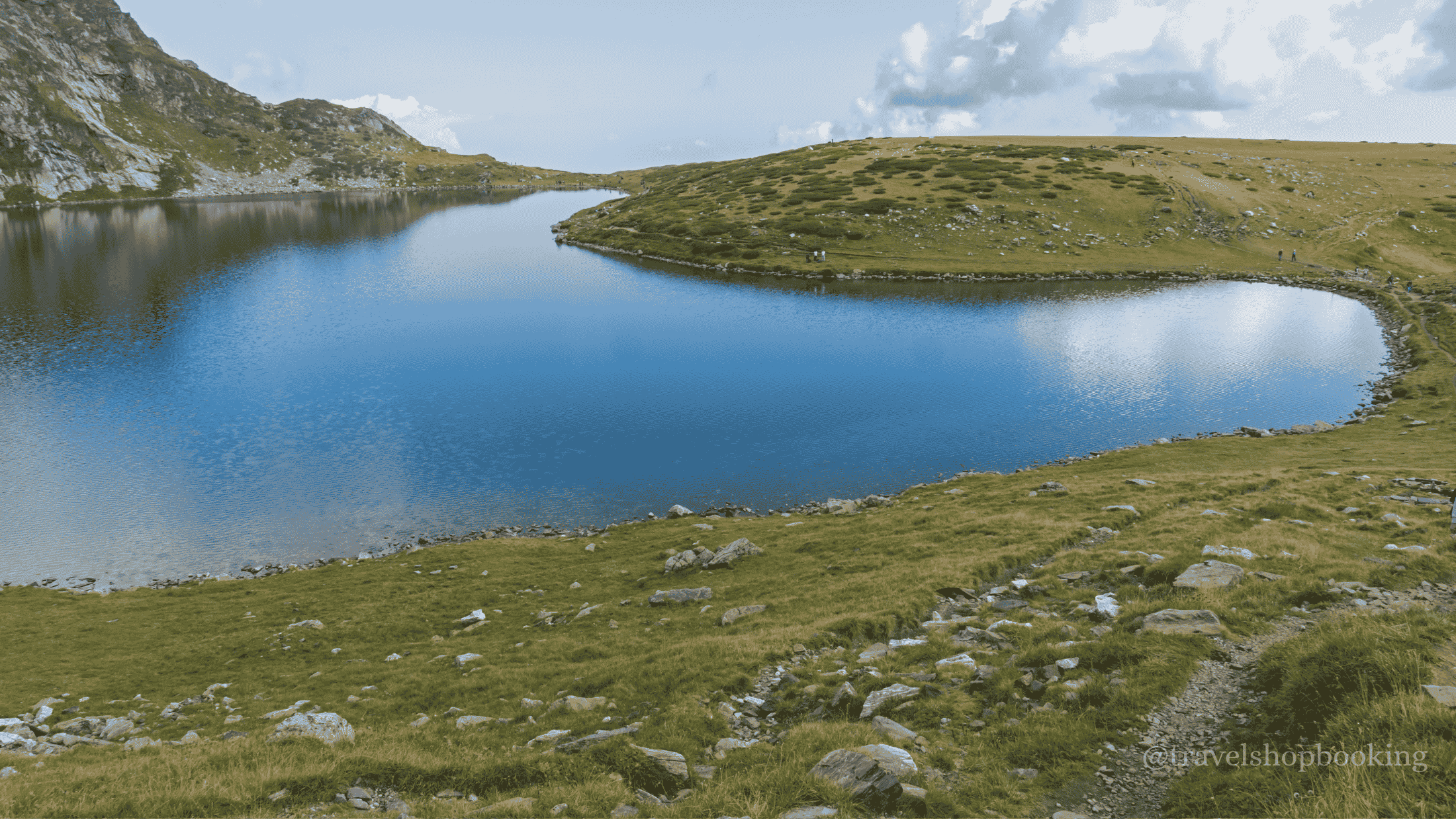
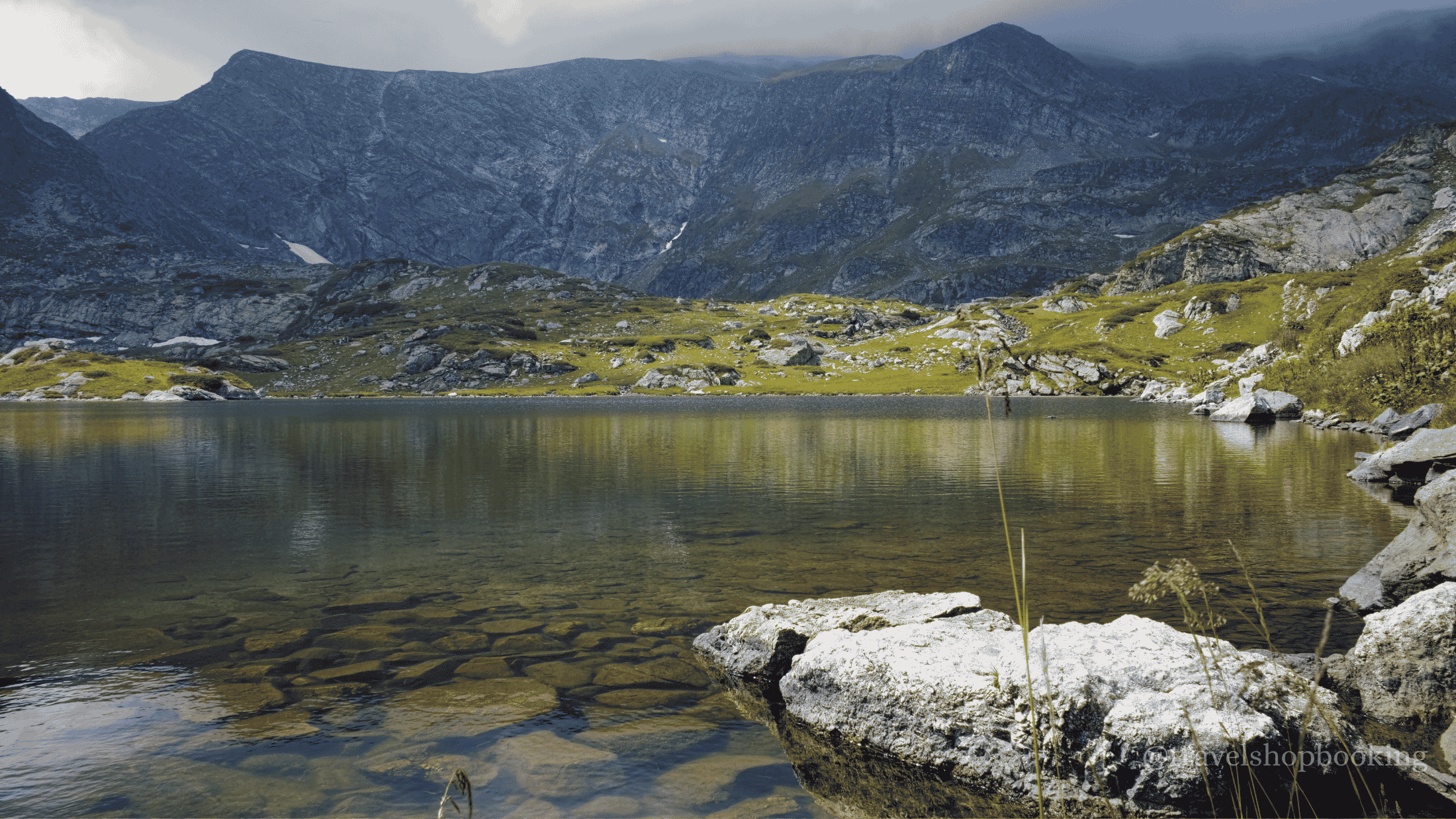
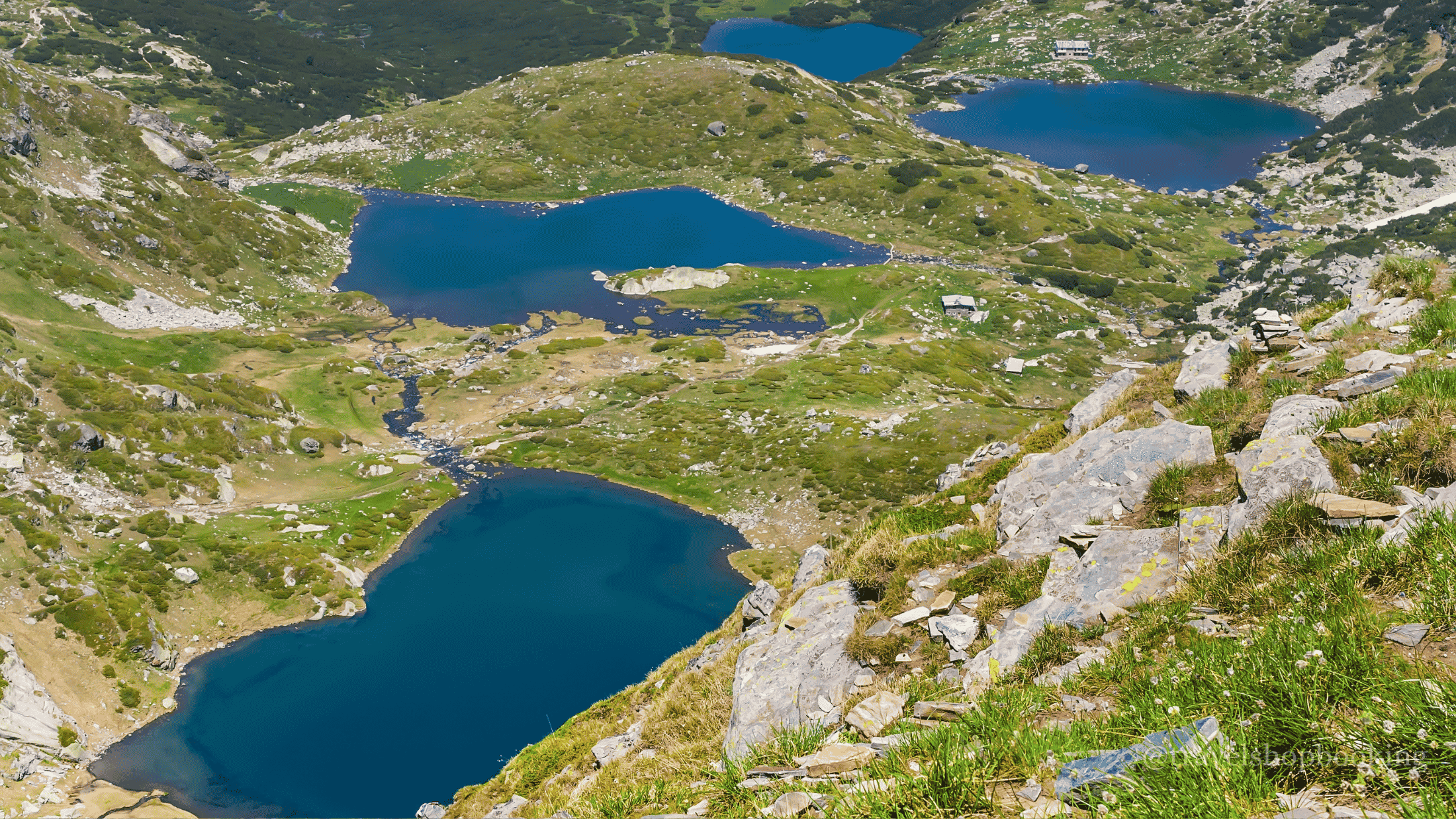
Seven Rila Lakes
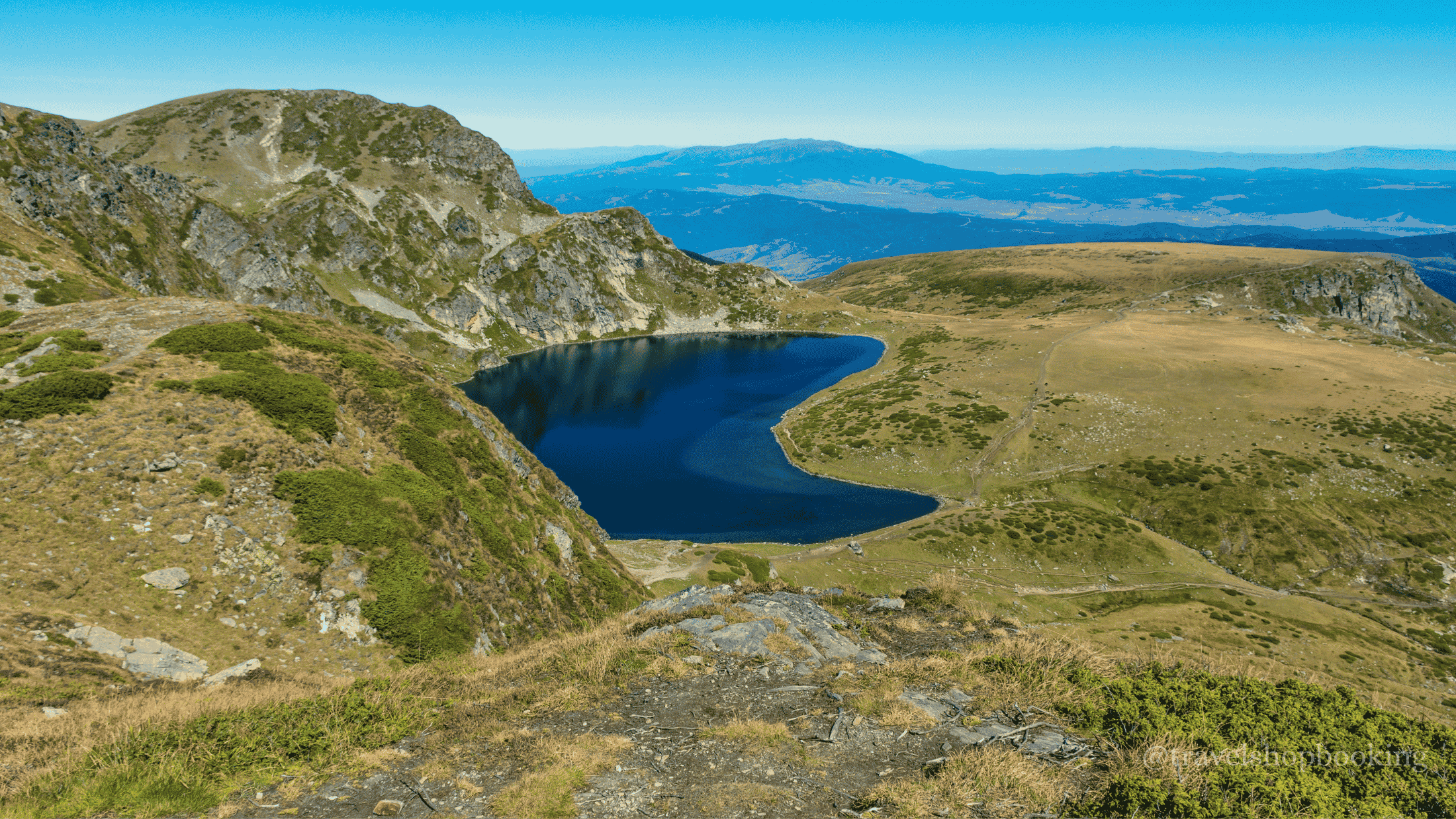
The Seven Rila Lakes are among Bulgaria's most famous natural attractions.
Located high in the Rila Mountains, the lakes are connected by scenic hiking trails and offer spectacular alpine views during the summer months.
This area is particularly popular with hikers, photographers, and nature lovers.
Pirin National Park
A UNESCO World Heritage Site, Pirin National Park is home to rugged mountain peaks, glacial lakes, forests, and diverse wildlife.
The park attracts hikers throughout the warmer months and becomes a gateway to winter sports around Bansko during the ski season.
Rhodope Mountains
The Rhodope Mountains are known for their forests, traditional villages, caves, and local folklore.
Visitors can explore scenic hiking routes, natural rock formations, and small villages that preserve Bulgarian traditions and architecture.
The region offers a quieter alternative to Bulgaria's more popular mountain destinations.
Belogradchik Rocks
The Belogradchik Rocks are one of Bulgaria's most unusual natural landmarks.
These massive sandstone formations stretch across the landscape and surround the historic Belogradchik Fortress, creating one of the country's most impressive views.
The area is especially popular for photography and hiking.
Best Beach Destinations in Bulgaria
Bulgaria's Black Sea coastline offers sandy beaches, family-friendly resorts, historic towns, and lively nightlife.
Sunny Beach
Sunny Beach is Bulgaria's largest and busiest beach resort.
The area is known for its long sandy beach, hotels, restaurants, nightlife, and wide range of water sports.
It is particularly popular with younger travelers and families during the summer season.
Sozopol
Sozopol combines beautiful beaches with one of Bulgaria's oldest historic towns.
Visitors can enjoy traditional wooden houses, narrow streets, seafood restaurants, and scenic coastal views while exploring the old town.
The town offers a more relaxed atmosphere than many larger beach resorts.
Golden Sands
Located north of Varna, Golden Sands is famous for its wide beaches, modern resorts, and nearby nature park.
The destination is suitable for families, couples, and travelers looking for a combination of beach relaxation and outdoor activities.
Albena
Albena is one of Bulgaria's most family-friendly coastal resorts.
Its long sandy beach, shallow waters, parks, and recreational facilities make it particularly popular with visitors traveling with children.
Hidden Gems in Bulgaria
Away from the country's best-known attractions, Bulgaria has many charming towns and lesser-known destinations worth exploring.
Koprivshtitsa
This beautifully preserved historic town is famous for its colorful National Revival architecture and its role in Bulgaria's struggle for independence.
Walking through its quiet streets feels like stepping back into the nineteenth century.
Melnik
Melnik is Bulgaria's smallest town and one of its best-known wine-producing regions.
Visitors can explore traditional houses, local wineries, nearby monasteries, and the unusual sandstone pyramids surrounding the town.
Devetashka Cave
Devetashka Cave is one of Bulgaria's largest caves and has become well known for its enormous natural openings and impressive interior.
The cave is home to several protected bat species and has also appeared in international films.
Etar Open-Air Museum
Located near Gabrovo, the Etar Architectural-Ethnographic Complex showcases traditional Bulgarian crafts, workshops, water-powered mills, and historic houses.
It provides visitors with an excellent introduction to Bulgaria's traditional rural life.
Frequently Asked Questions
What are the best places to visit in Bulgaria for first-time visitors?
Sofia, Plovdiv, Veliko Tarnovo, Rila Monastery, Nessebar, and the Seven Rila Lakes are among the best destinations for a first trip to Bulgaria.
What is the most beautiful place in Bulgaria?
Many travelers consider the Seven Rila Lakes, Belogradchik Rocks, Pirin National Park, Rila Monastery, and the Rhodope Mountains among Bulgaria's most beautiful places.
Is Bulgaria worth visiting?
Yes. Bulgaria offers a rich combination of history, mountain scenery, beaches, UNESCO World Heritage Sites, traditional villages, and affordable travel experiences.
How many days are enough for Bulgaria?
A 7 to 10-day itinerary allows visitors to explore Sofia, Plovdiv, Veliko Tarnovo, Rila Monastery, and part of the Black Sea coast. Travelers wanting to include hiking or multiple mountain regions should consider 10 to 14 days.
What is Bulgaria famous for?
Bulgaria is known for its Orthodox monasteries, Thracian history, Roman ruins, Black Sea beaches, mountain ranges, ski resorts, rose oil production, and traditional Bulgarian cuisine.
Which city should I visit in Bulgaria?
Sofia is ideal for history, museums, and city life, while Plovdiv is famous for its ancient Roman heritage. Varna is the top choice for beach holidays, and Veliko Tarnovo is perfect for travelers interested in medieval history.
Loading comments…