
.jpg&w=1920&q=75)
Best Places to Visit in Japan
Japan offers an extraordinary mix of modern cities, ancient temples, scenic mountains, hot springs, and picturesque coastlines. From the neon-lit streets of Tokyo to the peaceful shrines of Kyoto and the snowy landscapes of Hokkaido, the country provides unforgettable experiences for every type of traveler.
Tokyo
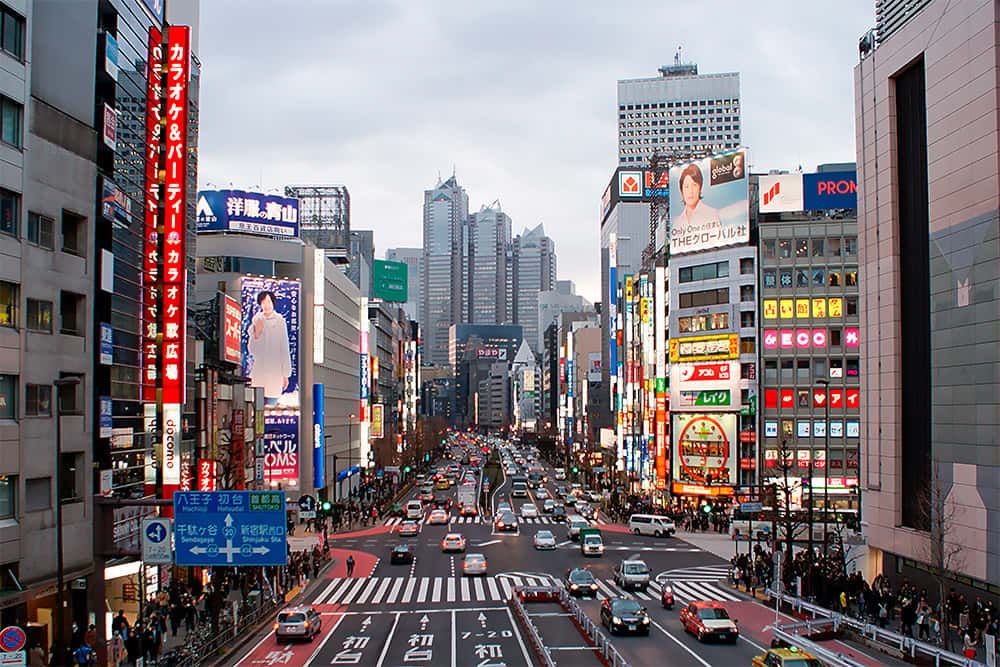
Japan's capital is a dynamic city where futuristic skyscrapers stand alongside centuries-old temples. Visitors can explore famous districts such as Shibuya, Shinjuku, Asakusa, and Ginza, visit the historic Sensō-ji Temple, enjoy panoramic views from Tokyo Skytree, and experience world-class shopping, dining, and entertainment. Tokyo is also an excellent base for day trips to Mount Fuji and Nikko.
Kyoto
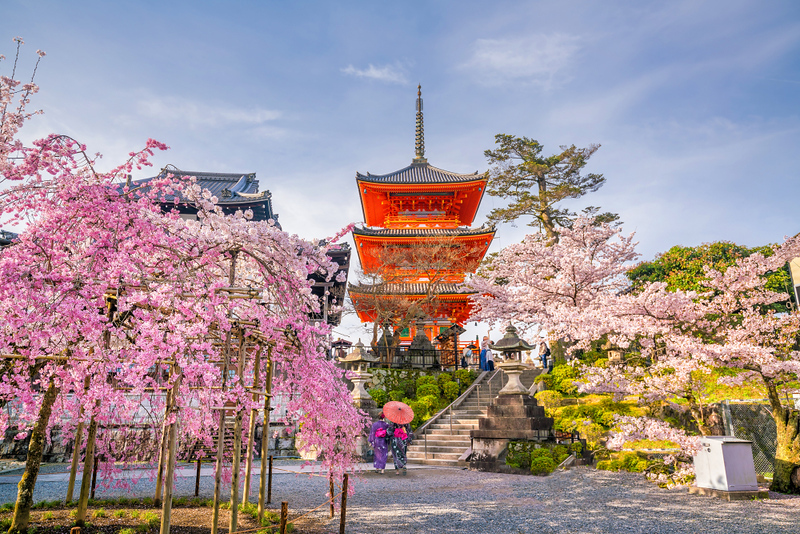
Kyoto is Japan's cultural heart and home to more than 1,000 temples and shrines. Highlights include Fushimi Inari Taisha with its thousands of vermilion torii gates, Kinkaku-ji (the Golden Pavilion), Kiyomizu-dera Temple, and the traditional streets of Gion, where visitors may spot geisha. Kyoto is especially beautiful during the cherry blossom and autumn foliage seasons.
Osaka
Known for its friendly atmosphere and outstanding food scene, Osaka is one of Japan's most vibrant cities. Top attractions include Osaka Castle, Dotonbori, Universal Studios Japan, and the Umeda Sky Building. The city is famous for local specialties such as takoyaki and okonomiyaki.
Mount Fuji
Japan's highest mountain is one of the country's most recognizable landmarks. Visitors can admire Mount Fuji from nearby lakes, hiking trails, and observation points, or climb to the summit during the official climbing season. Popular viewpoints include Lake Kawaguchi and Chureito Pagoda.
Nara
Nara was Japan's first permanent capital and is renowned for its historic temples and friendly free-roaming deer. The city's most famous attraction is Todai-ji Temple, home to one of the world's largest bronze Buddha statues. Nara Park and Kasuga Taisha Shrine are also must-see landmarks.
Hiroshima
Hiroshima is a city of remembrance, resilience, and peace. Visitors can explore the Hiroshima Peace Memorial Park, the Atomic Bomb Dome, and the Peace Memorial Museum to learn about the city's history. Hiroshima also offers excellent local cuisine, including its famous style of okonomiyaki.
Miyajima Island
Located just off the coast of Hiroshima, Miyajima is famous for the iconic floating torii gate of Itsukushima Shrine, a UNESCO World Heritage Site. Visitors can hike Mount Misen, interact with friendly deer, and enjoy panoramic views over the Seto Inland Sea.
Hokkaido
Japan's northernmost island is known for its spectacular natural scenery, powder snow, and outdoor activities. During winter, destinations such as Niseko and Furano attract skiers and snowboarders from around the world, while summer brings flower fields, hiking trails, and cooler temperatures.
Nikko
A UNESCO World Heritage Site, Nikko is famous for Toshogu Shrine, one of Japan's most elaborately decorated temples. The surrounding national park features waterfalls, lakes, forests, and scenic mountain roads, making it an excellent destination for nature lovers.
Hakone
Located less than two hours from Tokyo, Hakone is one of Japan's most popular hot spring destinations. Visitors can relax in traditional ryokan inns, soak in onsen baths, cruise across Lake Ashi, and enjoy stunning views of Mount Fuji on clear days.
Kanazawa
Kanazawa is known for its beautifully preserved samurai and geisha districts, traditional gardens, and thriving arts scene. Kenroku-en is considered one of Japan's three most beautiful landscape gardens, while Omicho Market offers fresh seafood and regional specialties.
Takayama
Nestled in the Japanese Alps, Takayama is celebrated for its well-preserved Edo-period old town. Visitors can stroll through historic streets, visit morning markets, explore traditional wooden houses, and experience authentic mountain-town culture.
Okinawa
Okinawa offers a completely different side of Japan with its tropical climate, white-sand beaches, coral reefs, and relaxed island lifestyle. The islands are ideal for snorkeling, scuba diving, kayaking, and exploring the unique Ryukyuan culture.
Kamakura
Just south of Tokyo, Kamakura is famous for its historic temples, bamboo groves, and the Great Buddha (Daibutsu), a monumental bronze statue dating back to the 13th century. The city is an easy and rewarding day trip from the capital.
Shirakawa-go
This UNESCO World Heritage village is renowned for its traditional gassho-zukuri farmhouses with steep thatched roofs designed to withstand heavy snowfall. Surrounded by mountains, Shirakawa-go is particularly picturesque in winter when the village is covered in snow.
Frequently Asked Questions
Which city should I visit first in Japan?
Tokyo is the most common starting point thanks to its international airports, excellent transportation network, and wide range of attractions.
What is Japan's most famous tourist attraction?
Mount Fuji is Japan's most iconic natural landmark, while Kyoto's temples and shrines are among the country's most visited cultural attractions.
Is Kyoto or Tokyo better for tourists?
Tokyo offers modern attractions, shopping, and nightlife, while Kyoto is ideal for traditional temples, gardens, and historic neighborhoods. Most travelers include both cities in their itinerary.
How many days are enough to explore Japan?
A 10–14 day trip allows enough time to visit Tokyo, Kyoto, Osaka, Mount Fuji, Hiroshima, and one or two additional destinations.
What is the best destination for nature lovers?
Hokkaido, Hakone, Nikko, Mount Fuji, and the Japanese Alps provide outstanding opportunities for hiking, wildlife, scenic drives, and outdoor activities.
Which place is best for beaches in Japan?
Okinawa is Japan's premier beach destination, offering warm weather, crystal-clear waters, coral reefs, and excellent conditions for diving and snorkeling.
Loading comments…