

Valletta
Why Visit Valletta?
Valletta is Malta's compact capital and the best place to begin understanding the country's history. Built by the Knights of St. John, the city is filled with honey-colored limestone buildings, churches, palaces, and impressive harbor views.
Top Attractions
Explore St. John's Co-Cathedral, the Grand Master's Palace, Upper Barrakka Gardens, and the National Archaeology Museum. Spend time simply walking the narrow streets, where cafés, balconies, and historic buildings reveal something interesting around almost every corner.
Mdina
Why Visit Mdina?
Known as the Silent City, Mdina is one of Malta's most atmospheric destinations. Its medieval walls, narrow lanes, and quiet squares create a very different experience from the busy coastal areas.
Best Experiences
Walk through the fortified Old Town, visit St. Paul's Cathedral, explore the historic streets, and watch the sunset from the city walls. Early morning and late afternoon are especially pleasant for exploring.
Rabat
Why Visit Rabat?
Located directly outside Mdina, Rabat is home to some of Malta's most important underground historical sites.
Top Attractions
Visit St. Paul's Catacombs, explore Wignacourt Museum, and walk through the older parts of the town. Rabat and Mdina can easily be explored together in one day.
Gozo
Why Visit Gozo?
Gozo offers a quieter and more rural side of Malta. The island is known for countryside landscapes, dramatic cliffs, small villages, archaeological sites, and clear coastal waters.
Best Experiences
Explore Victoria, visit the Citadel, swim at beaches such as Ramla Bay, and explore the island's coastal viewpoints. Allow at least one full day, although two days gives you more time to slow down.
Victoria
Why Visit Victoria?
Victoria, also known as Rabat, is Gozo's main town and the center of island life.
Top Attractions
Visit the Citadel, explore its cathedral and museums, and walk through the narrow streets around the historic center. The elevated position of the Citadel also provides excellent views across Gozo.
Comino
Why Visit Comino?
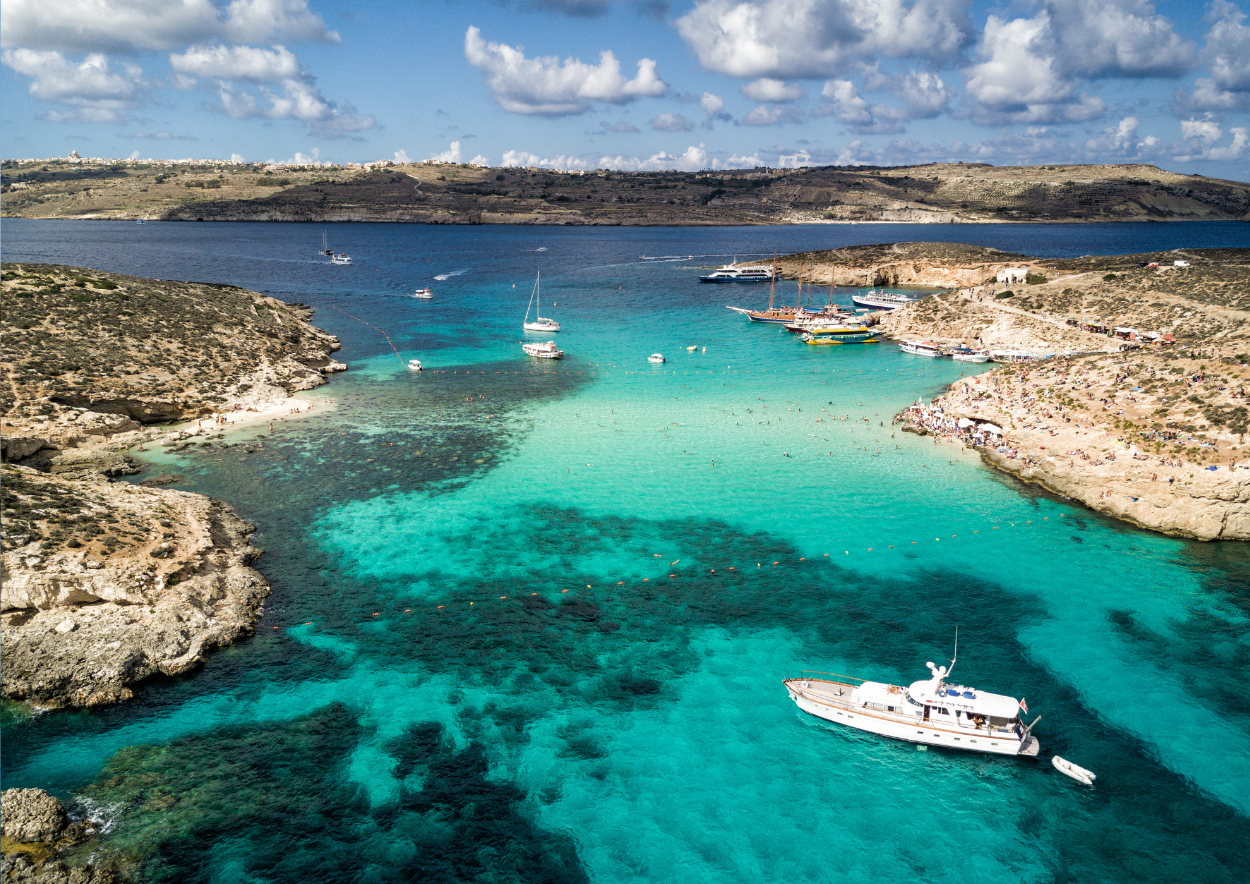
Comino is famous for its turquoise water and dramatic coastline. The tiny island is largely undeveloped, making it one of Malta's most popular destinations for a day on the water.
Best Experiences
Walk along the island's coastal paths, swim in secluded coves, and take a boat trip around the coastline. The island can become extremely busy during summer, so arriving early makes a significant difference.
Blue Lagoon
Why Visit the Blue Lagoon?
The Blue Lagoon is Malta's most famous swimming spot, known for exceptionally clear turquoise water surrounded by rocky cliffs.
Visitor Tips
The lagoon can become crowded during July and August. Visiting in the morning or outside the peak summer season offers a much more enjoyable experience. Bring water shoes if you plan to explore the rocky shoreline.
Marsaxlokk
Why Visit Marsaxlokk?
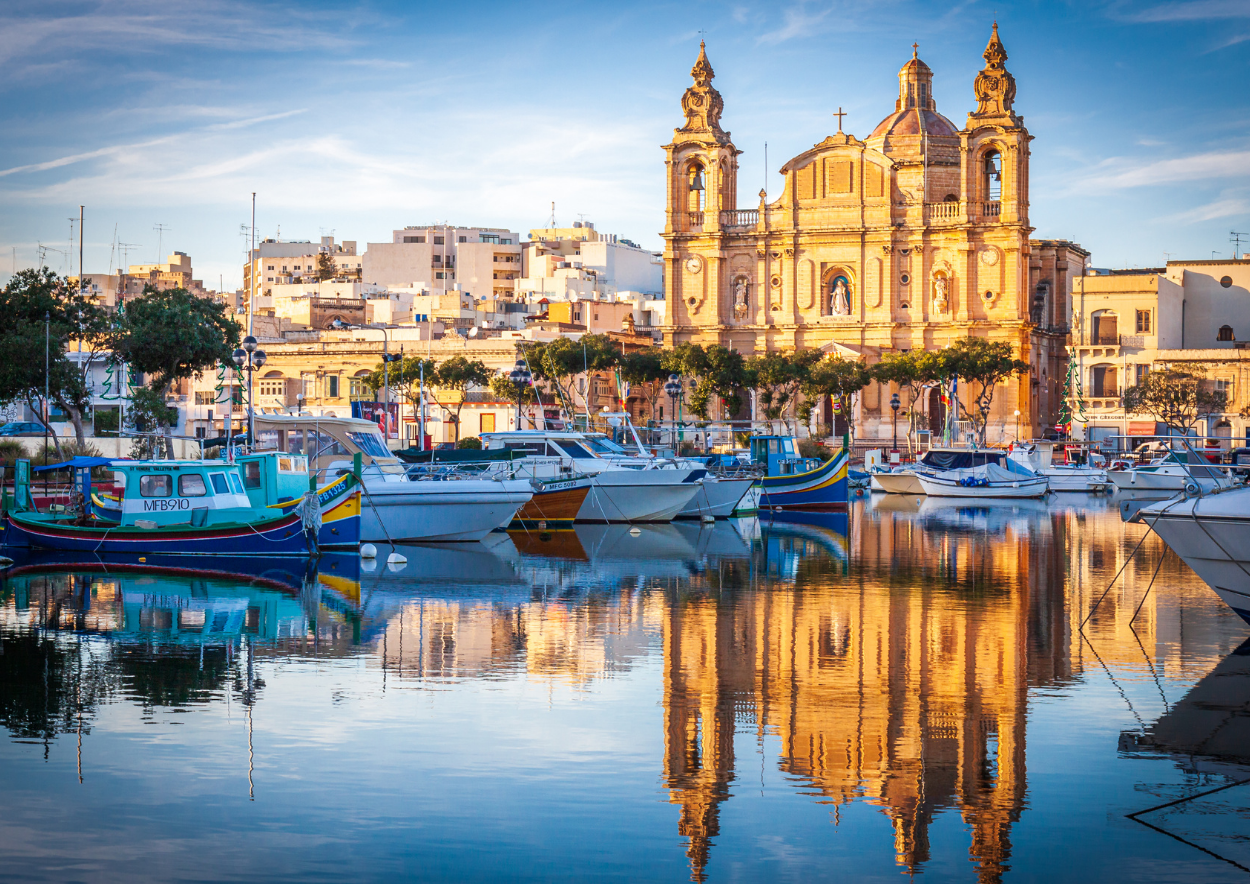
Marsaxlokk is a traditional fishing village in southeastern Malta, recognizable by the colorful luzzu boats lining its harbor.
Best Experiences
Walk along the waterfront, visit the famous Sunday fish market, and enjoy fresh seafood at a harbor restaurant. The village is particularly photogenic in the morning when the fishing boats are illuminated by the sun.
St. Julian's
Why Visit St. Julian's?
St. Julian's is one of Malta's liveliest coastal areas, known for restaurants, hotels, nightlife, and waterfront views.
Best Experiences
Explore Spinola Bay, walk along the coast, enjoy Maltese and Mediterranean food, and experience the area's nightlife around Paceville.
Sliema
Why Visit Sliema?
Sliema is a modern waterfront town directly across the harbor from Valletta. It offers a large selection of hotels, restaurants, cafés, and shops.
Best Experiences
Walk along the Sliema Promenade, swim from the rocky coastline, and take a ferry across to Valletta. Staying in Sliema is also convenient for travelers who want easy access to the capital without staying inside the historic center.
Three Cities
Why Visit the Three Cities?
Vittoriosa, Senglea, and Cospicua form one of Malta's most historically significant areas. Their fortified streets and harbor views provide a quieter alternative to Valletta.
Best Experiences
Explore Fort St. Angelo, walk through Vittoriosa's historic streets, and enjoy views across the Grand Harbour. The area is particularly atmospheric in the late afternoon.
St. Paul's Bay
Why Visit St. Paul's Bay?
St. Paul's Bay is a popular northern coastal destination with swimming areas, restaurants, and easy access to nearby attractions.
Best Experiences
Explore the waterfront, visit nearby Bugibba and Qawra, and use the area as a base for boat trips and northern Malta excursions.
Mellieħa
Why Visit Mellieħa?
Mellieħa is one of Malta's best areas for beaches and countryside. Its elevated position also provides impressive views toward Comino and Gozo.
Top Attractions
Visit Mellieħa Bay, explore the Mellieħa Parish Church, and hike through the surrounding countryside. The area is particularly useful as a base for exploring Malta's northern coast.
Golden Bay
Why Visit Golden Bay?
Golden Bay is one of Malta's most attractive sandy beaches and is especially popular with travelers looking for a traditional beach day.
Best Experiences
Swim in the clear water, relax on the sand, and stay until sunset. The surrounding cliffs provide excellent viewpoints over the Mediterranean.
Għajn Tuffieħa
Why Visit Għajn Tuffieħa?
Located close to Golden Bay, Għajn Tuffieħa is a quieter beach surrounded by rugged countryside and cliffs.
Visitor Tips
A long staircase leads down to the beach, so the return journey can be tiring in hot weather. Visit early or late in the afternoon during summer for more comfortable conditions.
Ħaġar Qim and Mnajdra Temples
Why Visit the Megalithic Temples?
The Ħaġar Qim and Mnajdra temple complexes are among Malta's most important prehistoric sites. Built thousands of years ago, they demonstrate how advanced Malta's early civilizations were.
Best Experiences
Explore the archaeological site, visit the nearby visitor center, and walk along the surrounding coastal landscape. Go early during summer because there is limited shade.
Hal Saflieni Hypogeum
Why Visit the Hypogeum?
The Hal Saflieni Hypogeum is a remarkable underground prehistoric complex and one of Malta's most important archaeological attractions.
Visitor Tips
Entry is strictly limited, and tickets can sell out well in advance. If visiting Malta during peak season, book as early as possible.
Blue Grotto
Why Visit Blue Grotto?
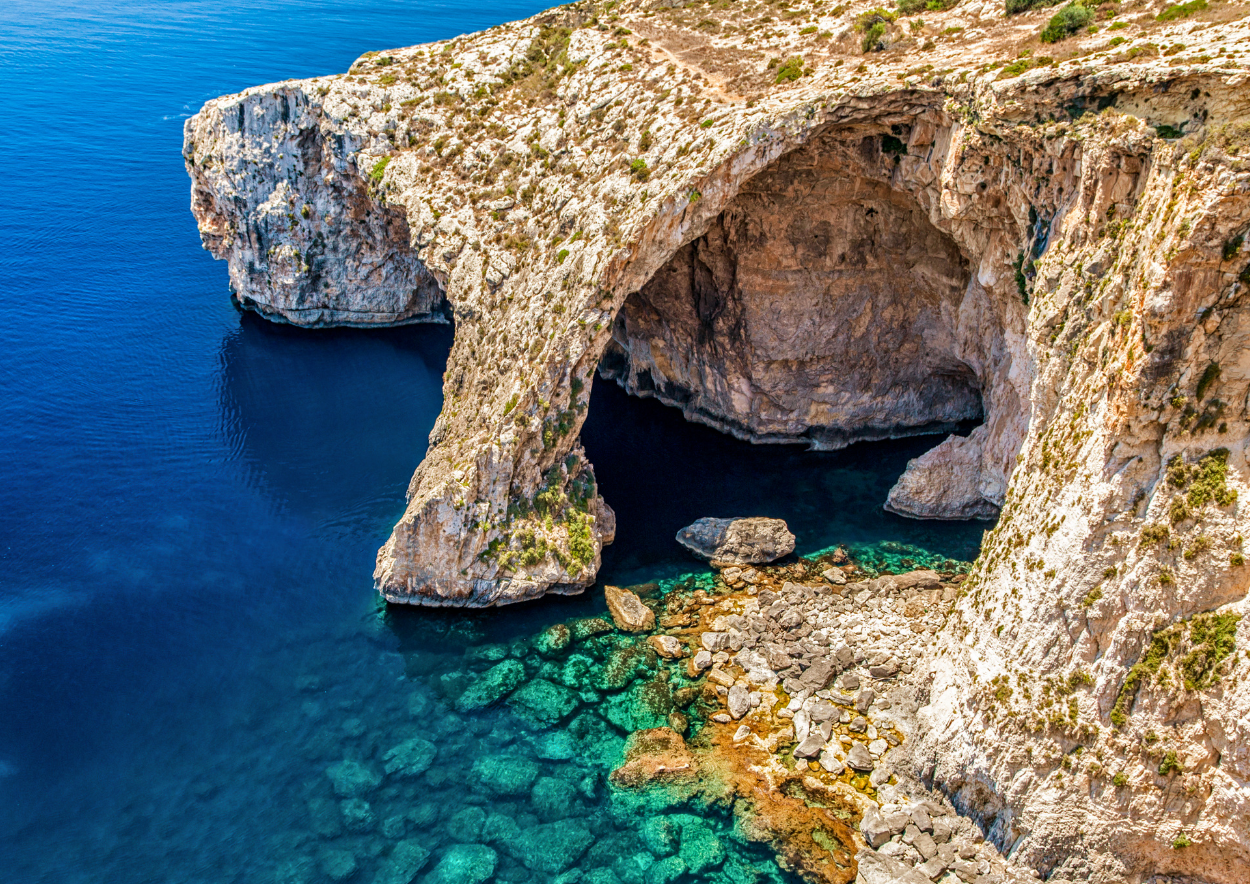
The Blue Grotto is one of Malta's most famous coastal viewpoints, known for dramatic cliffs, sea caves, and intensely blue water.
Best Experiences
Take a traditional boat trip through the sea caves when conditions allow, or enjoy the panoramic views from the nearby viewpoint. Morning light can be particularly attractive for photography.
Dingli Cliffs
Why Visit Dingli Cliffs?
At around 250 meters above sea level, the Dingli Cliffs form one of Malta's highest coastal areas and offer spectacular views across the Mediterranean.
Best Experiences
Walk along the cliff-top paths, visit the nearby Dingli Chapel, and stay for sunset. The area is especially enjoyable outside the hottest part of the day.
Għar Lapsi
Why Visit Għar Lapsi?
Għar Lapsi is a small coastal area known for rocky swimming spots, clear water, and a quieter atmosphere than Malta's major beaches.
Best Experiences
Swim in the sheltered inlet, explore the coastline, and enjoy a meal overlooking the Mediterranean. It is particularly suitable for travelers who prefer natural swimming areas to busy sandy beaches.
Best Places to Visit in Malta for History
Malta is one of Europe's best destinations for history lovers. Valletta, Mdina, the Three Cities, Ħaġar Qim, Mnajdra, and the Hal Saflieni Hypogeum provide an extraordinary range of historical experiences.
The island's story includes prehistoric civilizations, the Phoenicians, Romans, Arabs, the Knights of St. John, and the British period. You can see evidence of these different eras throughout the country.
Best Places to Visit in Malta for Beaches
For swimming and beach days, head toward Mellieħa Bay, Golden Bay, Għajn Tuffieħa, Comino, and the Blue Lagoon.
Gozo also offers beautiful coastal areas and generally feels quieter than the main island. If you want to avoid the busiest conditions, visit the beaches early in the morning or travel during June or September.
Best Places to Visit in Malta for Food
For a taste of Maltese cuisine, explore the fishing village of Marsaxlokk, the restaurants around Valletta, and traditional eateries in smaller towns.
Try local specialties such as pastizzi, rabbit stew, ġbejna, and Maltese-style seafood. Marsaxlokk is particularly good for fresh fish and seafood served near the harbor.
How Many Days Do You Need in Malta?
A 3-day trip is enough to explore Valletta, Mdina, Rabat, and one or two coastal attractions.
With 5 to 7 days, you can add Gozo, Comino, Marsaxlokk, the Three Cities, and several beaches without rushing.
For travelers who want to explore archaeological sites, beaches, villages, and Gozo at a slower pace, 7 to 10 days is ideal.
Best Time to Visit Malta's Top Attractions
The best overall period is April to June and September to October. These months provide comfortable weather for sightseeing and outdoor activities without the peak summer crowds.
For swimming and beach trips, June through October is generally best. For historic sightseeing and walking tours, spring and autumn are more comfortable.
If you want to combine beaches with sightseeing, May, June, and September are particularly good choices.
Frequently Asked Questions
What is the most beautiful place to visit in Malta?
Mdina, the Blue Lagoon, Gozo, and the Blue Grotto are among Malta's most scenic destinations, each offering a different type of landscape.
What should I not miss in Malta?
For a first trip, prioritize Valletta, Mdina, Gozo, Comino, the Blue Lagoon, Marsaxlokk, and the Ħaġar Qim and Mnajdra temples.
How many days are enough for Malta?
Five to seven days is a good amount of time for a first visit. It allows you to combine historical attractions, beaches, Valletta, and a day trip to Gozo.
Is Malta good for nature lovers?
Yes. Gozo, Comino, Dingli Cliffs, Għajn Tuffieħa, and the Blue Grotto offer excellent opportunities for coastal walks, swimming, boat trips, and exploring Malta's natural landscapes.
Is Valletta worth visiting?
Absolutely. Valletta's historic architecture, museums, churches, harbor views, and compact layout make it one of Malta's essential destinations.
Which part of Malta is best for beaches?
Mellieħa and Malta's northern coast are among the best areas for sandy beaches, while Comino and Gozo offer some of the clearest water and most dramatic coastal scenery.
When is the best time to visit Malta?
April to June and September to October are ideal for most travelers. September is particularly good if you want warm sea temperatures without the peak summer crowds.
Loading comments…