
Best Places to Visit in Mongolia
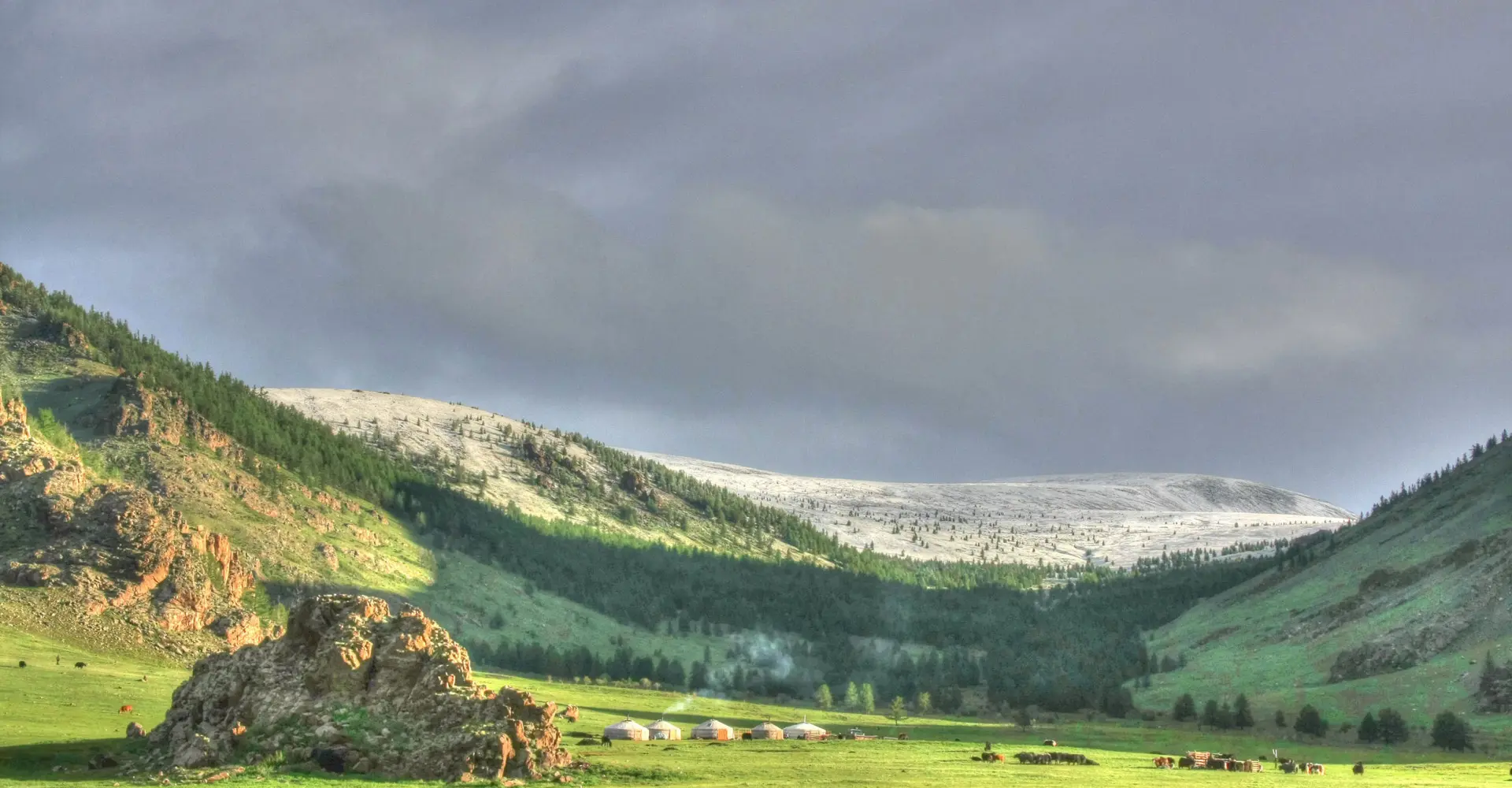
Mongolia is a land of vast open steppes, rugged mountains, pristine lakes, and one of the world's last remaining nomadic cultures. From the dramatic landscapes of the Gobi Desert to ancient monasteries and wildlife-rich national parks, the country offers unforgettable experiences for adventure travelers and nature lovers.
Ulaanbaatar
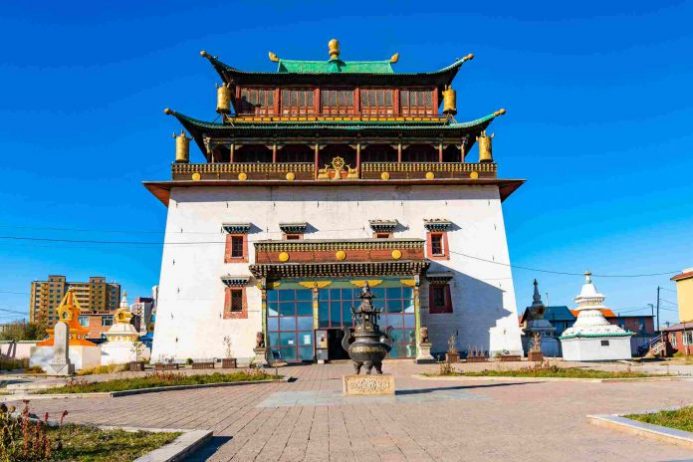
Ulaanbaatar, Mongolia's capital, is the country's cultural and economic center. Visitors can explore Gandan Monastery, Sükhbaatar Square, the National Museum of Mongolia, the Bogd Khan Palace Museum, and the Zaisan Memorial. The city also offers a growing selection of restaurants, museums, and cultural performances showcasing traditional Mongolian music and dance.
Gobi Desert
The Gobi Desert is Mongolia's most famous natural attraction, covering much of the country's south. Visitors can explore the towering Khongoryn Els sand dunes, the colorful cliffs of Bayanzag (Flaming Cliffs), Yolyn Am gorge, and vast desert landscapes. Camel trekking, stargazing, and staying in traditional ger camps are among the most popular experiences.
Khövsgöl Lake
Often called the "Blue Pearl of Mongolia," Khövsgöl Lake is one of the country's most beautiful natural destinations. Surrounded by forests and mountains, it offers opportunities for hiking, horseback riding, kayaking, fishing, and meeting the local Tsaatan reindeer herding communities.
Terelj National Park
Located about 70 kilometers (43 miles) from Ulaanbaatar, Gorkhi-Terelj National Park is one of Mongolia's most accessible natural attractions. Visitors can hike through granite rock formations, visit Turtle Rock and Aryabal Meditation Temple, ride horses across open grasslands, and stay in traditional ger camps.
Orkhon Valley
A UNESCO World Heritage Site, the Orkhon Valley has been the center of Mongolian civilization for centuries. Visitors can explore ancient archaeological sites, waterfalls, monasteries, and scenic grasslands while learning about Mongolia's nomadic history.
Karakorum (Kharkhorin)
Karakorum was once the capital of the Mongol Empire under Genghis Khan. Today, visitors can explore the ruins of the ancient city, the impressive Erdene Zuu Monastery, and museums displaying artifacts from Mongolia's imperial past.
Erdene Zuu Monastery
Built in the 16th century using stones from the ruins of Karakorum, Erdene Zuu is Mongolia's oldest surviving Buddhist monastery. Its impressive walls, temples, and Buddhist artwork make it one of the country's most significant historical and religious sites.
Altai Tavan Bogd National Park
Located in western Mongolia, Altai Tavan Bogd National Park features snow-capped peaks, glaciers, alpine lakes, and some of the country's most spectacular trekking routes. The park is also home to Kazakh eagle hunters and offers opportunities to experience their unique traditions.
Hustai National Park
Hustai National Park is famous for the successful reintroduction of the endangered Przewalski's horse, the world's last truly wild horse species. Visitors can also spot red deer, marmots, wolves, and numerous bird species while exploring the park's rolling grasslands.
Amarbayasgalant Monastery
One of Mongolia's largest and best-preserved monasteries, Amarbayasgalant sits in a peaceful valley surrounded by mountains. The monastery is renowned for its traditional Buddhist architecture and serene atmosphere.
Khongoryn Els
Stretching for more than 180 kilometers (112 miles), Khongoryn Els is the largest sand dune system in Mongolia. Some dunes rise over 300 meters (984 feet), offering spectacular views, camel rides, and the unique phenomenon of the "singing sands."
Bayanzag (Flaming Cliffs)
Bayanzag is internationally famous for its red sandstone cliffs and dinosaur fossil discoveries. It was here that the world's first dinosaur eggs were discovered, making it an essential destination for paleontology enthusiasts and photographers.
Yolyn Am (Vulture Valley)
Situated within Gobi Gurvansaikhan National Park, Yolyn Am is a dramatic canyon known for its steep cliffs, wildlife, and lingering ice fields that can remain even during summer. Hiking through the gorge is one of the highlights of a Gobi Desert tour.
Tsagaan Suvarga (White Stupa)
Tsagaan Suvarga is a striking series of colorful limestone cliffs formed by millions of years of erosion. The layered formations resemble ancient city walls and are particularly impressive at sunrise and sunset.
Ulgii
Located in western Mongolia, Ulgii is the cultural center of the country's Kazakh minority. It is the best base for attending the Golden Eagle Festival, visiting traditional eagle hunters, and exploring the nearby Altai Mountains.
Frequently Asked Questions
Which place should I visit first in Mongolia?
Ulaanbaatar is the ideal starting point, offering easy access to museums, monasteries, and nearby attractions such as Terelj National Park.
What is the most famous destination in Mongolia?
The Gobi Desert is Mongolia's most famous destination, known for its sand dunes, dramatic rock formations, camel trekking, and unique desert landscapes.
Is Khövsgöl Lake worth visiting?
Yes. Khövsgöl Lake is one of Mongolia's most scenic destinations, offering hiking, horseback riding, boating, and opportunities to experience traditional nomadic culture.
How many days are enough to explore Mongolia?
A 10–14 day itinerary allows visitors to experience Ulaanbaatar, the Gobi Desert, Karakorum, Terelj National Park, and one or two additional regions at a comfortable pace.
What is the best destination for hiking?
Altai Tavan Bogd National Park, Terelj National Park, Khövsgöl Lake, and Yolyn Am offer some of Mongolia's finest hiking opportunities.
Which place is best for learning about Mongolian history?
Karakorum, Erdene Zuu Monastery, the Orkhon Valley, and the National Museum of Mongolia provide the best insights into the country's rich history, the Mongol Empire, and Buddhist heritage.
Loading comments…