
.png&w=1920&q=75)
Kotor
Why Visit Kotor?
Kotor is Montenegro's most famous destination and the natural starting point for a first visit. Its UNESCO-listed Old Town sits between steep mountains and the waters of the Bay of Kotor.
Top Attractions
Explore St. Tryphon Cathedral, Kotor Old Town, Sea Gate, and the narrow medieval streets. For the best views, climb toward San Giovanni Fortress early in the morning before the heat becomes intense.
Perast
Why Visit Perast?
Perast is a small historic waterfront town known for its stone houses, Venetian architecture, and spectacular position along the Bay of Kotor.
Best Experiences
Take a boat to Our Lady of the Rocks, explore the waterfront, and enjoy a coffee overlooking the bay. Perast is easy to visit as a half-day trip from Kotor.
Budva
Why Visit Budva?
Budva combines a historic Old Town with beaches, restaurants, and a lively summer atmosphere. It is one of Montenegro's main seaside destinations.
Top Attractions
Walk through Budva Old Town, visit the Citadel, and explore nearby beaches such as Mogren Beach. Summer is lively, while June and September are more comfortable for sightseeing.
Sveti Stefan
Why Visit Sveti Stefan?
Sveti Stefan is one of Montenegro's most recognizable coastal landmarks. The former fishing village sits on a small island connected to the mainland by a narrow stone causeway.
Visitor Tips
The island itself may have restricted access depending on current hotel operations, but the viewpoints from the surrounding coastline are still worth visiting. Miločer Park is also nearby.
Herceg Novi
Why Visit Herceg Novi?
Located near the entrance to the Bay of Kotor, Herceg Novi is known for its Mediterranean gardens, historic fortresses, and waterfront promenade.
Top Attractions
Explore Forte Mare, Kanli Kula, the Old Town, and the long seaside promenade. The city is particularly pleasant for travelers who prefer a quieter alternative to Budva.
Lovćen National Park
Why Visit Lovćen National Park?
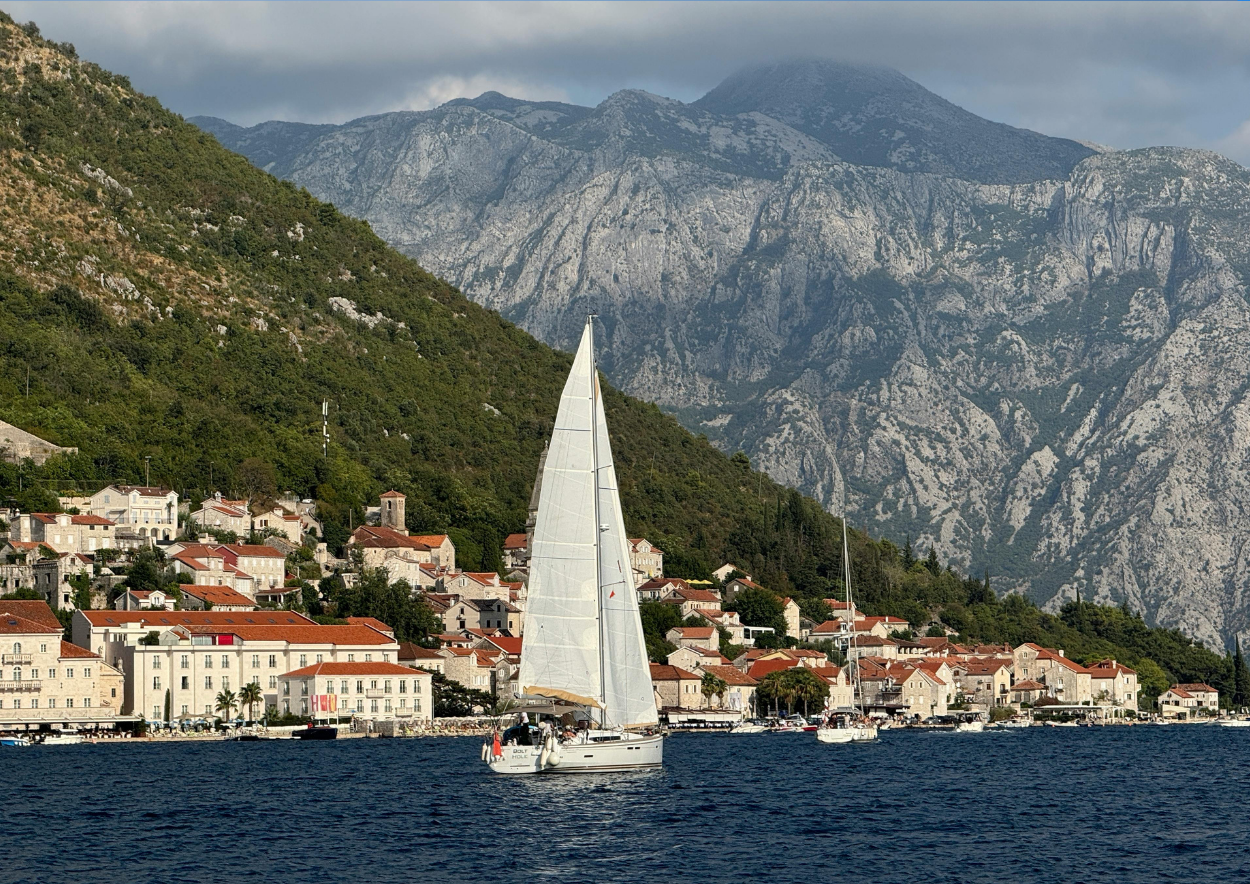
Lovćen combines dramatic mountain scenery with important Montenegrin history. The park rises above the Bay of Kotor and offers panoramic views across the surrounding landscape.
Best Experiences
Visit the Njegoš Mausoleum on Jezerski Vrh and drive the famous winding road connecting the mountains with Kotor and Cetinje.
Cetinje
Why Visit Cetinje?
Cetinje is Montenegro's historic royal capital and one of the country's most important cultural destinations. It has a quieter atmosphere than the coastal cities.
Top Attractions
Visit the Cetinje Monastery, King Nikola's Palace, and the former royal residences. Cetinje also works well as a stop between Kotor and Lovćen National Park.
Durmitor National Park
Why Visit Durmitor?
Durmitor is one of Montenegro's best destinations for mountain scenery and outdoor adventure. The landscape includes rugged peaks, glacial lakes, deep valleys, and extensive hiking trails.
Best Experiences
Hike around Black Lake, explore mountain trails, and use Žabljak as a base for exploring the park. Summer is best for most hiking routes, while winter brings skiing and snow activities.
Žabljak
Why Visit Žabljak?
Žabljak is Montenegro's highest town and the main gateway to Durmitor National Park. It is a practical base for travelers interested in hiking, rafting, and winter sports.
What to Do
Use the town as a starting point for Black Lake, Durmitor hiking trails, and excursions into the Tara Canyon.
Tara River Canyon
Why Visit Tara Canyon?
The Tara River Canyon is one of Europe's deepest river canyons and one of Montenegro's most dramatic natural attractions.
Best Experiences
The Đurđevića Tara Bridge provides an excellent viewpoint, while rafting is one of the most popular ways to experience the canyon. Summer is generally the easiest season for outdoor activities.
Biogradska Gora National Park
Why Visit Biogradska Gora?
Biogradska Gora protects one of Europe's remaining primeval forests and is an excellent destination for travelers who prefer forests and lakes to dramatic coastal scenery.
Best Experiences
Walk around Biogradsko Lake, explore forest trails, and enjoy the peaceful atmosphere. Spring, summer, and early autumn are ideal for hiking.
Lake Skadar
Why Visit Lake Skadar?
Lake Skadar is the largest lake in Southern Europe and stretches across Montenegro and Albania. It is known for wetlands, birdlife, traditional villages, and dramatic karst landscapes.
Best Experiences
Take a boat trip, explore lakeside villages, and visit viewpoints around Virpazar. Spring and autumn are particularly good for birdwatching.
Virpazar
Why Visit Virpazar?
Virpazar is a small lakeside village and one of the main gateways to Lake Skadar National Park.
What to Do
Join a boat tour through the lake's wetlands, sample local food, and explore the village before heading into the surrounding countryside.
Ulcinj
Why Visit Ulcinj?
Ulcinj offers a different cultural atmosphere from Montenegro's northern coastal towns. Its history reflects centuries of Venetian, Ottoman, and Balkan influence.
Top Attractions
Explore Ulcinj Old Town, visit the historic fortress, and relax on the nearby beaches. The city is also known for its strong Albanian cultural influence.
Ada Bojana
Why Visit Ada Bojana?
Ada Bojana is a triangular island at the southern end of Montenegro, where the Bojana River meets the Adriatic Sea. It is known for its long sandy beach and relaxed atmosphere.
Best Experiences
Enjoy the beach, try local seafood, or explore the riverbanks. It is a good choice for travelers looking for a more laid-back coastal experience.
Bar
Why Visit Bar?
Bar combines a modern coastal city with one of Montenegro's most interesting historical sites: Stari Bar, an abandoned medieval settlement located inland from the modern city.
Top Attractions
Explore Stari Bar, visit the Old Olive Tree, and spend time along the modern waterfront. The contrast between old and new Bar makes the city worth a stop.
Stari Bar
Why Visit Stari Bar?
Stari Bar is one of Montenegro's most atmospheric historical sites. The ruins sit beneath the Rumija Mountains and contain remnants of medieval churches, Ottoman buildings, fortifications, and old streets.
Best Experiences
Allow several hours to explore the ruins and visit the small shops and cafés around the entrance. Morning or late afternoon is more comfortable during summer.
Plav and Lake Plav
Why Visit Plav?
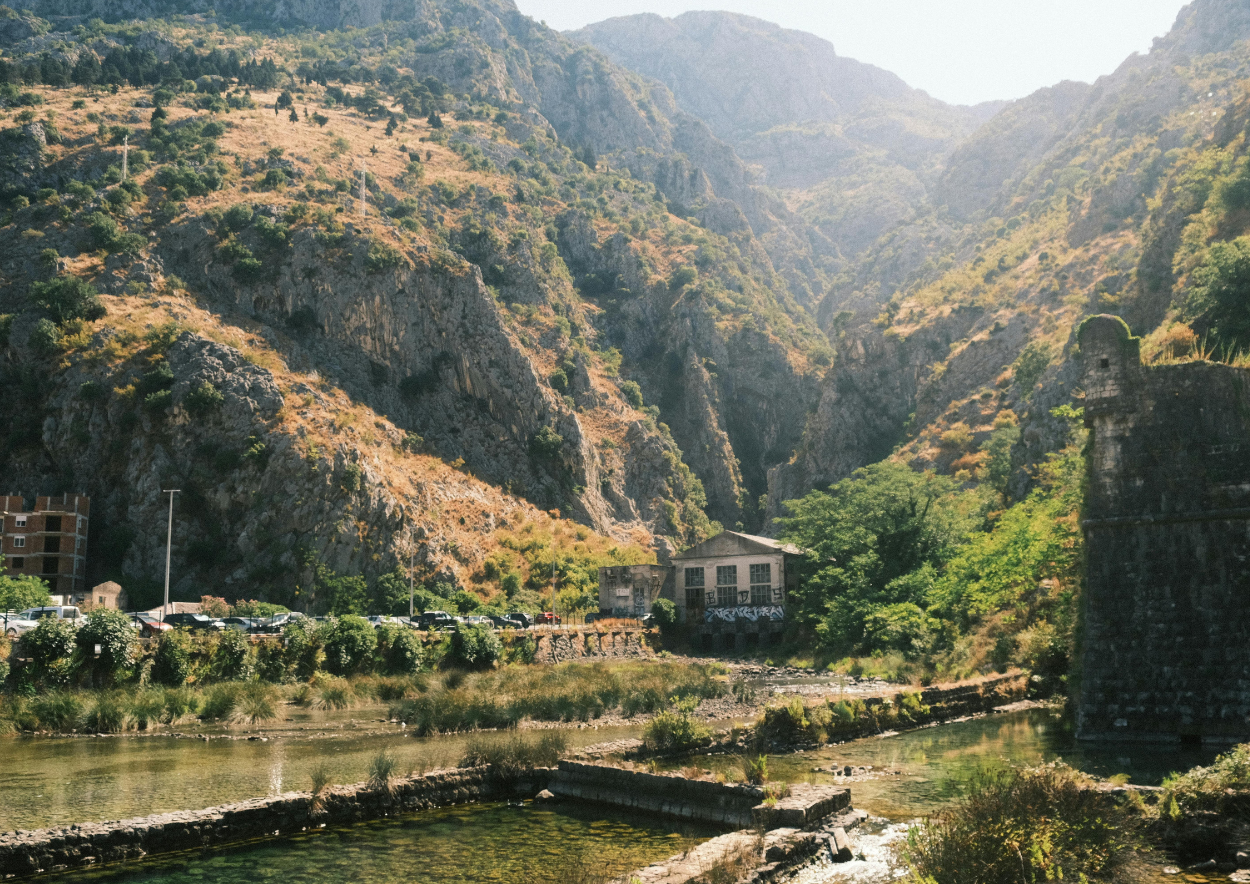
Plav is a peaceful mountain destination in northeastern Montenegro, surrounded by high peaks, forests, and lakes.
Best Experiences
Explore Lake Plav, walk around the town, and use the area as a base for hiking in the Prokletije Mountains.
Prokletije National Park
Why Visit Prokletije?
Prokletije is one of Montenegro's wildest mountain regions, with sharp limestone peaks, remote valleys, and challenging hiking routes.
Best Experiences
The area around Grebaje Valley is particularly impressive. Experienced hikers can explore longer mountain routes, while shorter walks provide access to spectacular scenery without technical climbing.
Ostrog Monastery
Why Visit Ostrog Monastery?
Ostrog Monastery is one of Montenegro's most important religious sites and one of its most remarkable architectural sights. The upper monastery is built directly into a vertical rock face.
Visitor Tips
The monastery attracts pilgrims and tourists throughout the year. Dress respectfully and expect winding mountain roads on the approach.
Best Places to Visit in Montenegro for Nature
For outdoor scenery, Durmitor National Park, Tara Canyon, Biogradska Gora, Lake Skadar, and Prokletije National Park should be at the top of your list.
Durmitor is best for mountain hikes and glacial lakes, while Tara is ideal for rafting and canyon views. Lake Skadar offers wetlands and birdwatching, and Prokletije provides some of the country's most dramatic high-mountain landscapes.
Best Coastal Destinations in Montenegro
Montenegro's Adriatic coast is best explored by combining historic towns with beach stops.
Kotor is the essential cultural destination, while Budva is better for beaches and nightlife. Perast is ideal for architecture and scenery, Herceg Novi offers a quieter atmosphere, and Ulcinj and Ada Bojana provide a more relaxed southern coastal experience.
How Many Days Do You Need in Montenegro?
A 3-day trip can cover Kotor, Perast, Budva, and a few nearby coastal attractions.
With 5 to 7 days, you can combine the Bay of Kotor with Budva, Lovćen, Lake Skadar, and one or two mountain destinations.
For a more complete trip, 10 to 14 days allows you to explore the coast, Durmitor, Tara Canyon, Lake Skadar, and the northern mountains without constantly rushing between destinations.
Best Time to Visit Montenegro's Top Attractions
The best overall period is May to October. For beaches, June through September offers the warmest conditions. For hiking, May to June and September to October are generally more comfortable.
If you want to combine beaches and mountains, June or September is an excellent choice. These months provide warm coastal weather while avoiding some of the intense crowds of July and August.
Frequently Asked Questions
What is the most beautiful place to visit in Montenegro?
Kotor Bay, Durmitor National Park, and the Tara Canyon are among Montenegro's most spectacular destinations, each offering a very different type of scenery.
What should I not miss in Montenegro?
For a first trip, prioritize Kotor, Perast, Budva, Lovćen National Park, Durmitor National Park, Lake Skadar, and Ostrog Monastery.
How many days are enough for Montenegro?
Five to seven days is a good starting point for combining the coast with several inland attractions. A 10- to 14-day trip allows a much deeper exploration.
Is Montenegro good for nature lovers?
Yes. Montenegro is particularly strong for hiking, rafting, mountain scenery, national parks, lakes, and coastal landscapes.
Is Kotor worth visiting?
Absolutely. Kotor's medieval Old Town, mountain setting, historic churches, and Bay of Kotor views make it one of Montenegro's essential destinations.
What is the best national park in Montenegro?
Durmitor National Park is the best choice for dramatic mountain scenery and hiking, while Biogradska Gora is better suited to travelers interested in forests and peaceful lake landscapes.
When is the best time to visit Montenegro?
May to October is the best overall period. June and September offer an especially good combination of pleasant weather, outdoor activities, and fewer crowds than peak summer.
Loading comments…