
.png&w=1920&q=75)
Belgrade
Why Visit Belgrade?
Belgrade is Serbia's capital and the natural starting point for most trips. Built around the meeting point of the Sava and Danube Rivers, the city combines a historic fortress, lively neighborhoods, cafés, restaurants, nightlife, and a relaxed riverside culture.
Top Attractions
Explore Belgrade Fortress, walk through Knez Mihailova Street, visit St. Sava Temple, and explore the historic Skadarlija district. For river views, head to Kalemegdan Park or spend an evening along the Sava and Danube waterfronts.
Novi Sad
Why Visit Novi Sad?
Novi Sad is Serbia's second-largest city and has a noticeably more relaxed atmosphere than Belgrade. Its pedestrian-friendly center, colorful architecture, and position beside the Danube make it an easy addition to a Serbia itinerary.
Top Attractions
Explore Liberty Square, visit Petrovaradin Fortress, walk along the Danube, and discover the cafés and restaurants around the historic center. The fortress also hosts the famous EXIT Festival each summer.
Petrovaradin Fortress
Why Visit Petrovaradin Fortress?
Overlooking the Danube in Novi Sad, Petrovaradin Fortress is one of Serbia's most recognizable landmarks. Its extensive underground tunnels and panoramic views make it worth visiting even when no festival is taking place.
Best Experiences
Walk through the fortress grounds, see the famous Clock Tower, visit its museums and galleries, and enjoy views over Novi Sad and the Danube.
Niš
Why Visit Niš?
Niš is one of Serbia's oldest cities and has played an important role throughout Roman, Byzantine, Ottoman, and modern Serbian history.
Top Attractions
Explore Niš Fortress, visit the Skull Tower, walk through the historic center, and learn about the city's Roman heritage. Niš is also a good base for exploring southern Serbia.
Subotica
Why Visit Subotica?
Near Serbia's northern border, Subotica is known for its striking Art Nouveau architecture and multicultural heritage. Its elegant buildings give the city a visual character unlike many other Serbian destinations.
Top Attractions
See the Subotica City Hall, visit Synagogue of Subotica, walk through the main square, and continue to nearby Palić Lake.
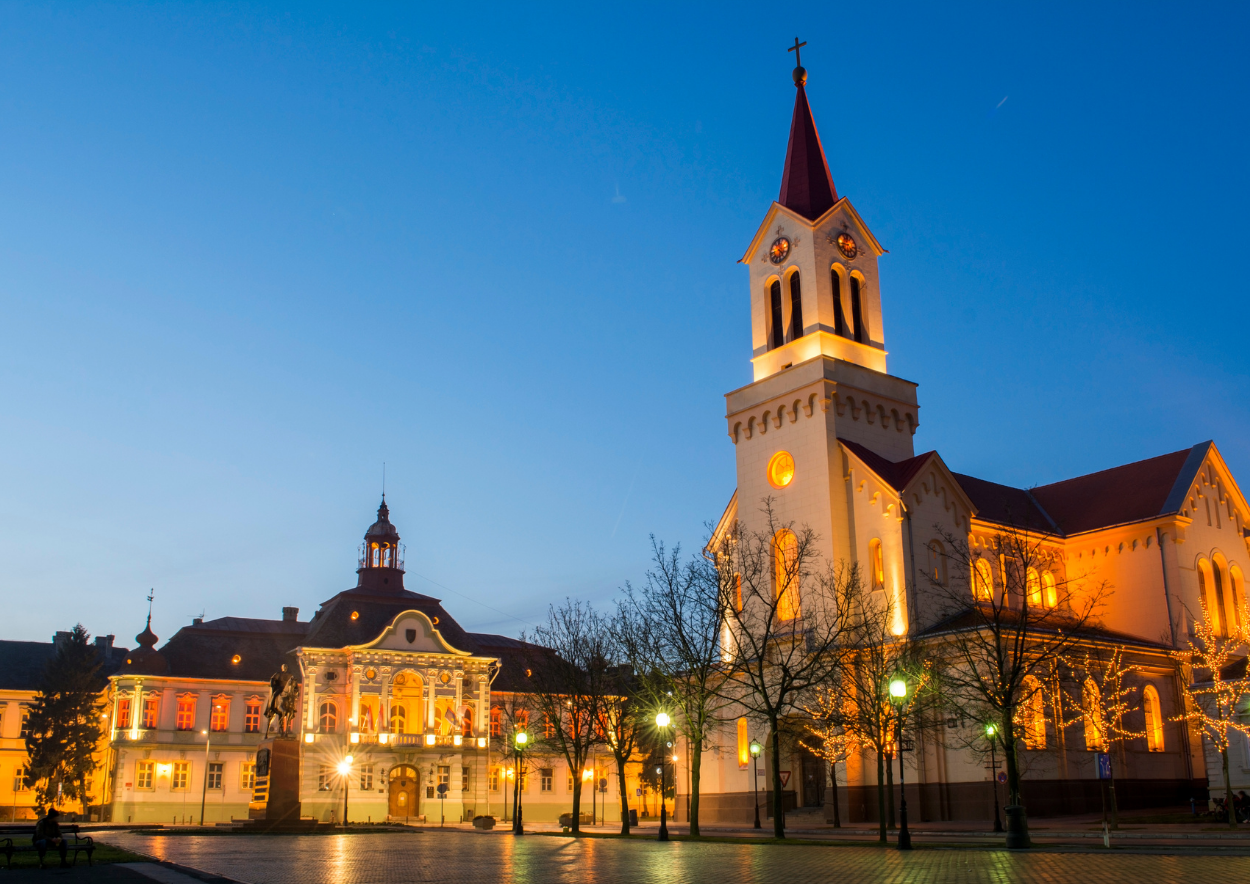
Palić Lake
Why Visit Palić Lake?
Palić is a popular lakeside destination near Subotica, known for its parks, historic villas, and peaceful waterfront.
Best Experiences
Walk or cycle around the lake, explore the surrounding park, enjoy local restaurants, and combine the visit with Subotica for an easy northern Serbia day trip.
Zlatibor
Why Visit Zlatibor?
Zlatibor is one of Serbia's best-known mountain destinations. Its combination of forests, rolling hills, hiking trails, and tourism infrastructure makes it popular throughout the year.
Best Experiences
Explore the surrounding countryside, hike through mountain landscapes, ride the Gold Gondola, and visit nearby viewpoints and villages.
Kopaonik
Why Visit Kopaonik?
Kopaonik is Serbia's leading mountain resort and the country's main destination for skiing and snowboarding.
Best Experiences
Visit during winter for skiing and snow activities, or come in summer for hiking, mountain biking, and outdoor adventures.
Tara National Park
Why Visit Tara National Park?
Tara National Park is one of Serbia's most beautiful natural areas, covered by dense forests and surrounded by mountain scenery.
Best Experiences
Hike through the park, visit scenic viewpoints, explore the Banjska Stena lookout, and enjoy views toward the winding Drina River.
Uvac Special Nature Reserve
Why Visit Uvac?
The Uvac Special Nature Reserve is famous for its spectacular river meanders, limestone cliffs, and population of griffon vultures.
Best Experiences
Take a boat trip along the river, hike to panoramic viewpoints, and photograph the famous bends of the Uvac River from above.
The reserve is particularly impressive during clear weather, when the river's unusual curves are easiest to see.
Drvengrad
Why Visit Drvengrad?
Drvengrad is a traditional-style wooden village created by filmmaker Emir Kusturica. Located in the hills of western Serbia, it offers a glimpse into a carefully designed interpretation of a traditional Balkan village.
Best Experiences
Walk through the wooden streets, see traditional houses, visit the small cultural venues, and combine the trip with nearby mountain attractions.
Mokra Gora
Why Visit Mokra Gora?
Mokra Gora is a beautiful mountain village surrounded by forests and valleys. It is particularly famous for its historic railway.
Best Experiences
Take a ride on the Šargan Eight Railway, explore the mountain scenery, and visit nearby Drvengrad.
Đerdap National Park
Why Visit Đerdap National Park?
Located along the Danube near the Romanian border, Đerdap National Park contains one of Europe's most dramatic river landscapes.
Best Experiences
Drive along the Iron Gates, hike to panoramic viewpoints, explore archaeological sites, and enjoy views across the Danube.
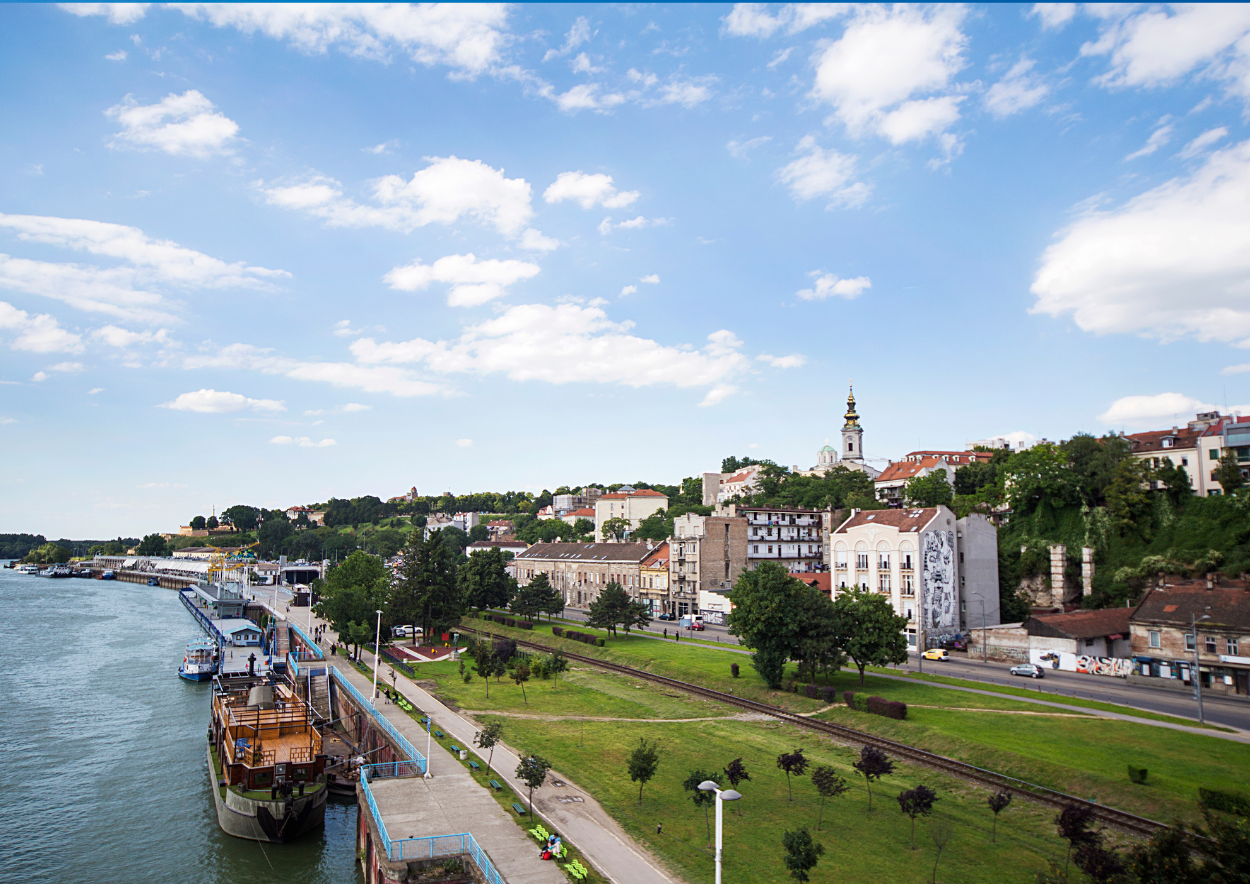
Golubac Fortress
Why Visit Golubac Fortress?
Golubac Fortress stands dramatically beside the Danube at the entrance to the Đerdap Gorge. Its towers and walls rising above the river make it one of Serbia's most impressive medieval landmarks.
Visitor Tips
Allow time to explore the fortress complex and surrounding viewpoints. It works particularly well as part of a road trip through eastern Serbia.
Studenica Monastery
Why Visit Studenica Monastery?
Studenica is one of Serbia's most important medieval monasteries and a UNESCO World Heritage Site. Its white marble architecture and historic frescoes make it a major cultural destination.
Best Experiences
Explore the monastery complex, admire its medieval frescoes, and combine the visit with other monasteries in central and southern Serbia.
Žiča Monastery
Why Visit Žiča Monastery?
Žiča Monastery played an important role in medieval Serbian history and is closely associated with the country's royal and religious heritage.
Best Experiences
Visit the red-painted church, explore the peaceful monastery grounds, and combine it with nearby Kraljevo and Studenica.
Sremski Karlovci
Why Visit Sremski Karlovci?
Sremski Karlovci is a small historic town near Novi Sad known for its elegant architecture, wine traditions, and cultural heritage.
Best Experiences
Walk through the historic center, visit local wineries, see the Patriarchal Palace, and explore the town's churches and traditional cafés.
Fruška Gora National Park
Why Visit Fruška Gora?
Fruška Gora is one of Serbia's best destinations for hiking, wine tourism, and cultural exploration. The mountain is surrounded by vineyards and contains numerous historic monasteries.
Best Experiences
Hike through the forests, visit the region's monasteries, explore local wineries, and combine the trip with Sremski Karlovci and Novi Sad.
Ovčar-Kablar Gorge
Why Visit Ovčar-Kablar Gorge?
The Ovčar-Kablar Gorge is a scenic area of steep mountains, forests, and the winding West Morava River. The region is also known for its concentration of historic monasteries.
Best Experiences
Hike into the surrounding hills, visit the monasteries, enjoy views over the gorge, and explore the nearby spa town of Ovčar Banja.
Devil's Town
Why Visit Devil's Town?
Đavolja Varoš, or Devil's Town, is one of Serbia's most unusual natural attractions. It consists of tall rock formations created by erosion, many topped with distinctive stone caps.
Best Experiences
Walk along the marked trails, photograph the unusual formations, and combine the visit with a trip through southern Serbia.
Best Places to Visit in Serbia for History
Serbia has a complex history shaped by Roman, Byzantine, Ottoman, medieval Serbian, Austro-Hungarian, and modern influences.
Belgrade, Niš, Novi Sad, Golubac Fortress, Studenica Monastery, and Žiča Monastery are among the best destinations for understanding this history.
For medieval heritage, central Serbia's monasteries and fortresses are particularly rewarding, while Belgrade and Novi Sad show how the country developed into a modern Balkan state.
Best Places to Visit in Serbia for Nature
Serbia's landscapes are often overlooked by travelers who focus only on Belgrade.
The Uvac Special Nature Reserve, Tara National Park, Đerdap National Park, Fruška Gora, and Ovčar-Kablar Gorge offer hiking, wildlife watching, river scenery, and panoramic viewpoints.
For dramatic landscapes, the Uvac meanders and Đerdap Gorge are particularly impressive.
Best Places to Visit in Serbia for Mountains
Zlatibor and Kopaonik are the country's best-known mountain destinations, but they offer very different experiences.
Kopaonik is the better choice for skiing and developed mountain-resort facilities, while Zlatibor offers a wider mix of countryside scenery, hiking, family activities, and year-round tourism.
Tara National Park is a better option for travelers who prefer forests and nature rather than busy resorts.
Best Places to Visit in Serbia for Food and Wine
Serbia's food culture is one of the highlights of traveling through the country.
Belgrade and Novi Sad have the widest selection of restaurants, while wine lovers should explore Fruška Gora and Sremski Karlovci.
Traditional dishes worth trying include ćevapi, pljeskavica, kajmak, sarma, and ajvar. Local rakija is also an important part of Serbian food culture, particularly in rural areas.
Best Places to Visit in Serbia for a First Trip
For a first visit, Belgrade, Novi Sad, Zlatibor, Tara National Park, and Niš provide a good introduction to Serbia.
If you're interested in medieval history, add Golubac Fortress and Studenica Monastery. For a nature-focused itinerary, prioritize Uvac and Đerdap National Parks.
How Many Days Do You Need in Serbia?
A 3-day trip is enough for exploring Belgrade and its major attractions.
With 7 days, you can combine Belgrade, Novi Sad, Fruška Gora, Zlatibor, and Tara National Park.
A 10 to 14-day itinerary gives you enough time to add Uvac, Niš, Đerdap National Park, Golubac Fortress, and several monasteries without spending the entire trip driving.
Best Time to Visit Serbia's Top Destinations
The best overall period is April to June and September to October. These months offer comfortable temperatures for city sightseeing, hiking, road trips, and exploring historical sites.
July and August are best for festivals, river activities, and summer events, although temperatures can be high.
For skiing and snowy mountain landscapes, visit December through March, particularly in Kopaonik and Zlatibor.
Frequently Asked Questions
What is the most beautiful place to visit in Serbia?
Uvac Special Nature Reserve, Tara National Park, Zlatibor, and Đerdap National Park are among Serbia's most scenic destinations. Each offers a different type of landscape.
What should I not miss in Serbia?
For a first trip, prioritize Belgrade, Novi Sad, Tara National Park, Zlatibor, Uvac, and Golubac Fortress. If you have more time, add Serbia's medieval monasteries.
How many days are enough for Serbia?
Seven to ten days is a good starting point, while 10 to 14 days allows you to explore the country's cities, mountains, rivers, and historic sites more comfortably.
Is Serbia good for nature lovers?
Yes. Tara, Uvac, Đerdap, Fruška Gora, and Ovčar-Kablar Gorge offer hiking, wildlife, river landscapes, caves, forests, and panoramic viewpoints.
What is the best city to visit in Serbia?
Belgrade is the best choice for first-time visitors because it combines history, nightlife, food, museums, and riverside attractions.
Where can I see the best Serbian castles and fortresses?
Golubac Fortress, Belgrade Fortress, and Petrovaradin Fortress are among the most impressive, each representing a different period of Serbian history.
When is the best time to visit Serbia?
April to June and September to October are generally the best periods for sightseeing and outdoor activities. Summer is better for festivals and river activities, while winter is ideal for skiing.
What is the best way to travel around Serbia?
Renting a car is the most flexible option for exploring mountain areas, national parks, monasteries, and smaller towns. Buses are useful between major cities, while Belgrade and Novi Sad are relatively easy to explore without a car.
Loading comments…