
.png&w=1920&q=75)
Ljubljana
Ljubljana is the natural starting point for exploring Slovenia. The compact capital is easy to explore on foot and combines historic architecture with a relaxed riverside atmosphere.
The Ljubljana Castle, Triple Bridge, Prešeren Square, Central Market, and Tivoli Park are among the city's main attractions. The Ljubljanica River is lined with cafés and restaurants, making the city especially enjoyable in spring and summer.
Lake Bled
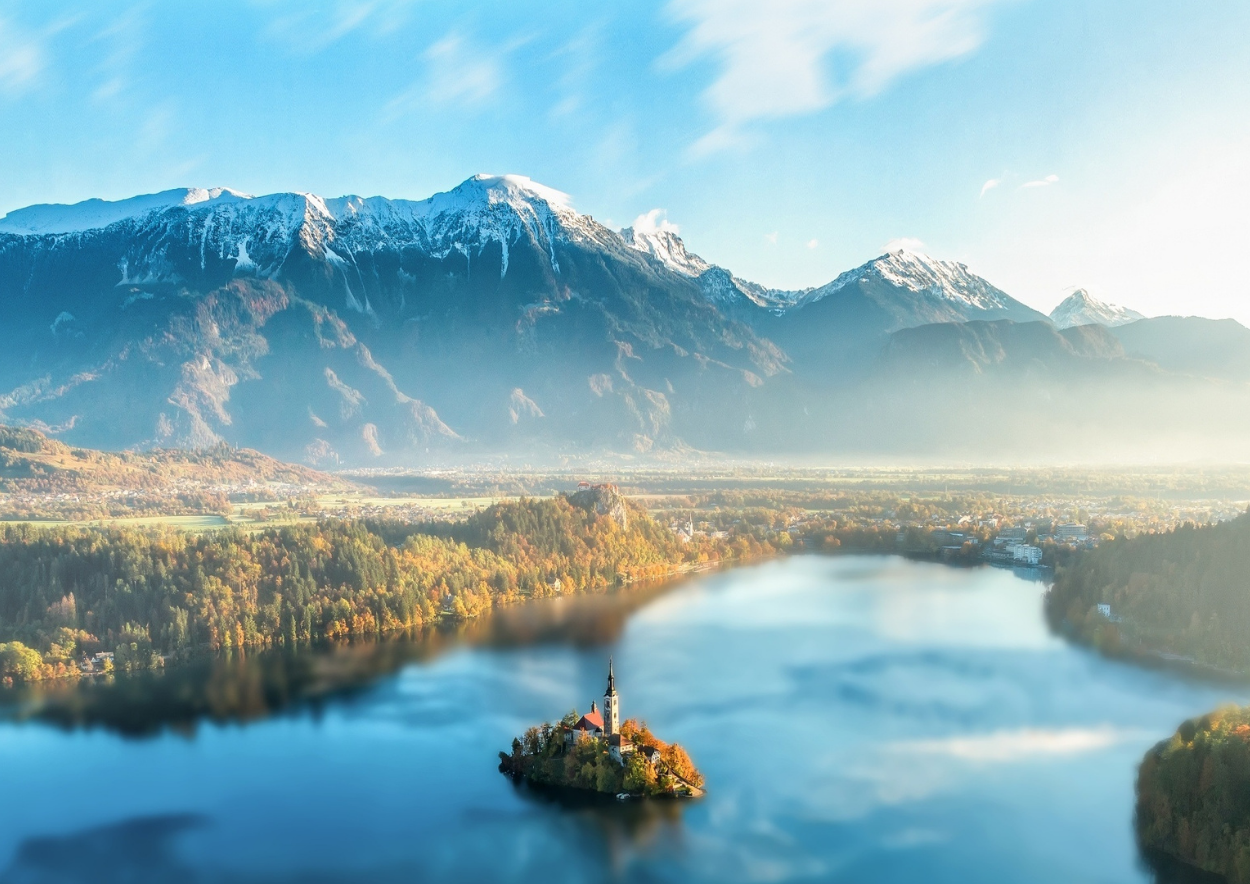
Lake Bled is Slovenia's most famous destination and one of the country's most recognizable landscapes.
The small island in the middle of the lake, Bled Castle, and the surrounding Julian Alps create the classic Slovenian view. Visitors can walk around the lake, take a traditional pletna boat to the island, or enjoy panoramic views from nearby trails.
Lake Bohinj
Lake Bohinj offers a quieter alternative to Lake Bled. Located inside Triglav National Park, it is surrounded by forests and mountains.
Summer is ideal for swimming, kayaking, hiking, and cycling. The lake is also a good base for exploring the Julian Alps and reaching Mount Vogel by cable car.
Soča Valley
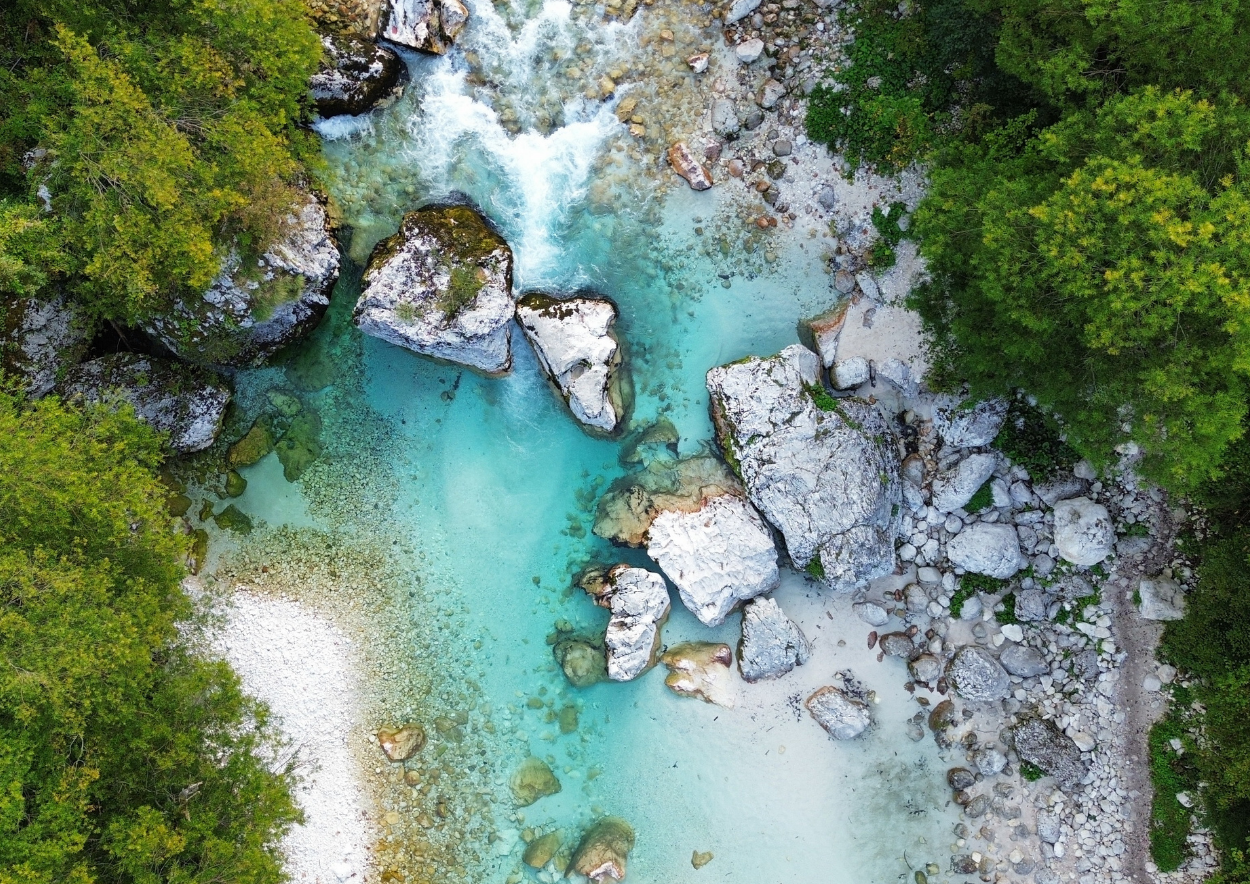
The Soča Valley is famous for the bright turquoise color of the Soča River and its dramatic alpine scenery.
It is one of Slovenia's best destinations for outdoor activities. Travelers can go rafting, kayaking, hiking, cycling, or simply follow scenic roads through the valley.
Bovec
Bovec is the main adventure center of the Soča Valley. Its location near the Julian Alps makes it particularly popular with active travelers.
Rafting and canyoning are popular in summer, while nearby hiking routes provide access to spectacular mountain scenery. The town is also a convenient base for exploring the surrounding valleys.
Piran
Piran is Slovenia's most atmospheric coastal town. Its narrow streets, Venetian-style architecture, and location on the Adriatic give it a completely different character from inland Slovenia.
Walk through Tartini Square, explore the old town, climb to the Church of St. George, and enjoy the sunset along the waterfront.
Portorož
Portorož is Slovenia's best-known seaside resort. It offers beaches, waterfront hotels, restaurants, and wellness facilities.
It is particularly popular during summer, when travelers combine beach time with visits to nearby Piran and the surrounding coast.
Postojna Cave
Postojna Cave is one of Slovenia's most famous natural attractions and one of Europe's best-known cave systems.
Visitors can explore its enormous underground chambers and passages on a combination of a cave train and walking tour. The cave is suitable for visits throughout the year because temperatures underground remain relatively stable.
Predjama Castle
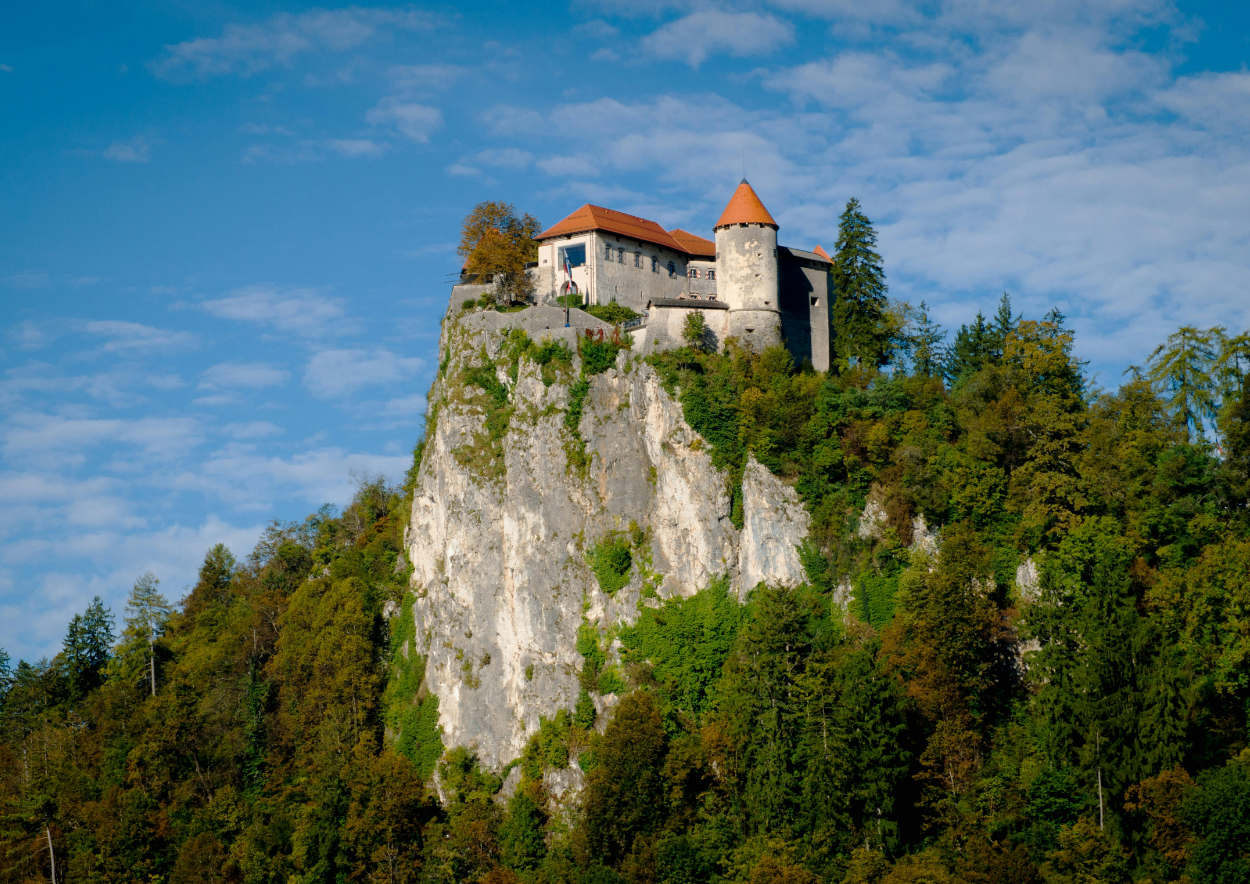
Predjama Castle is one of Slovenia's most unusual historic attractions. Built into the side of a dramatic limestone cliff, the medieval castle looks as though it is part of the mountain itself.
It can easily be combined with a visit to Postojna Cave, as the two attractions are relatively close to each other.
Škocjan Caves
The Škocjan Caves are among Slovenia's most impressive natural landmarks and are recognized as a UNESCO World Heritage Site.
The underground canyon, enormous chambers, and dramatic rock formations make the experience very different from a typical cave tour. It is an excellent destination for travelers interested in geology and nature.
Triglav National Park
Triglav National Park protects some of Slovenia's most spectacular alpine landscapes.
The park includes mountains, forests, waterfalls, valleys, and Lake Bohinj. Hiking is the main attraction, with routes ranging from easy walks to demanding mountain trails.
Kranjska Gora
Kranjska Gora is one of Slovenia's most popular mountain resorts. It is surrounded by the Julian Alps and offers outdoor activities throughout the year.
Winter brings skiing and snowboarding, while summer is ideal for hiking, cycling, and exploring nearby mountain roads. Lake Jasna is one of the area's most scenic spots.
Vršič Pass
Vršič Pass is Slovenia's highest mountain pass and one of the country's best scenic drives.
The road connects Kranjska Gora with the Soča Valley and includes numerous hairpin bends and spectacular viewpoints. During summer, it is popular with road-trippers, cyclists, and motorcyclists.
Velika Planina
Velika Planina is a high alpine plateau known for its traditional herdsmen's huts and mountain scenery.
The area is accessible by cable car and chairlift, making it easier to visit than many higher mountain destinations. Summer is ideal for hiking, while winter can bring snow-covered landscapes.
Maribor
Maribor is Slovenia's second-largest city and an important center of wine production.
The city is famous for the Old Vine, believed to be one of the world's oldest producing grapevines. Visitors can also explore the riverside, historic center, and nearby vineyards.
Ptuj
Ptuj is one of Slovenia's oldest towns and has a rich Roman and medieval heritage.
Its Ptuj Castle, historic streets, and traditional architecture make it an interesting stop for travelers exploring eastern Slovenia. The town is also famous for the Kurent carnival tradition.
Lake Jasna
Lake Jasna is a small but beautiful alpine lake near Kranjska Gora.
Its clear water, mountain backdrop, and easy access make it a popular place for short walks and photography. It is especially attractive in summer and early autumn.
Logar Valley
Logar Valley is one of Slovenia's most scenic alpine valleys. The area is surrounded by dramatic peaks, green meadows, forests, and waterfalls.
The valley is ideal for hiking and cycling, while the peaceful landscape makes it a good alternative to Slovenia's busier tourist destinations.
Vipava Valley
Vipava Valley is one of Slovenia's most appealing wine regions. Vineyards cover the hillsides, while small villages and historic farmhouses are scattered throughout the countryside.
It is a particularly good destination for travelers interested in local wine, food, cycling, and rural landscapes.
Brda
Brda lies in western Slovenia near the Italian border and is often compared to Tuscany because of its rolling hills and vineyards.
The region is known for wine, stone villages, orchards, and panoramic views. Spring and autumn are particularly attractive for exploring the countryside.
Frequently Asked Questions
What are the best places to visit in Slovenia?
Ljubljana, Lake Bled, Lake Bohinj, the Soča Valley, Piran, Postojna Cave, and Triglav National Park are among the best destinations for a first trip.
Which place is best for first-time visitors?
Ljubljana and Lake Bled are the easiest places to start. They combine Slovenia's history, culture, scenery, and convenient access to other destinations.
What is the most beautiful place in Slovenia?
Lake Bled, Lake Bohinj, the Soča Valley, Logar Valley, and Triglav National Park are often considered among the country's most scenic areas.
Where should I go in Slovenia for nature?
Triglav National Park, Lake Bohinj, the Soča Valley, Logar Valley, and Velika Planina are excellent choices for hiking and outdoor activities.
What is the best coastal town in Slovenia?
Piran is the most popular choice for its historic streets, Venetian architecture, waterfront setting, and Mediterranean atmosphere.
How many days do you need in Slovenia?
A 7-day itinerary is enough to visit Ljubljana, Lake Bled, Lake Bohinj, the Soča Valley, and one or two additional destinations. With 10 to 14 days, you can explore the coast, caves, wine regions, and eastern Slovenia as well.
What is the best time to visit Slovenia?
May to June and September are excellent for sightseeing and outdoor activities. July and August are best for swimming and mountain activities but are generally busier. Winter is better for skiing and snow-covered alpine scenery.
Loading comments…