
.png&w=1920&q=75)
Best Places to Visit in Sweden
Sweden combines elegant cities, quiet islands, dense forests, Arctic landscapes, historic towns, and thousands of lakes. A trip can be as urban as exploring Stockholm's museums and waterfront neighborhoods or as adventurous as hiking above the Arctic Circle. The country is especially rewarding for travelers who enjoy nature, design, history, and outdoor activities.
For a first visit, Stockholm, Gothenburg, Malmö, and the Stockholm Archipelago are easy places to start. With more time, northern destinations such as Abisko and Kiruna, along with areas like Gotland, Swedish Lapland, and the High Coast, reveal a very different side of the country.
Stockholm
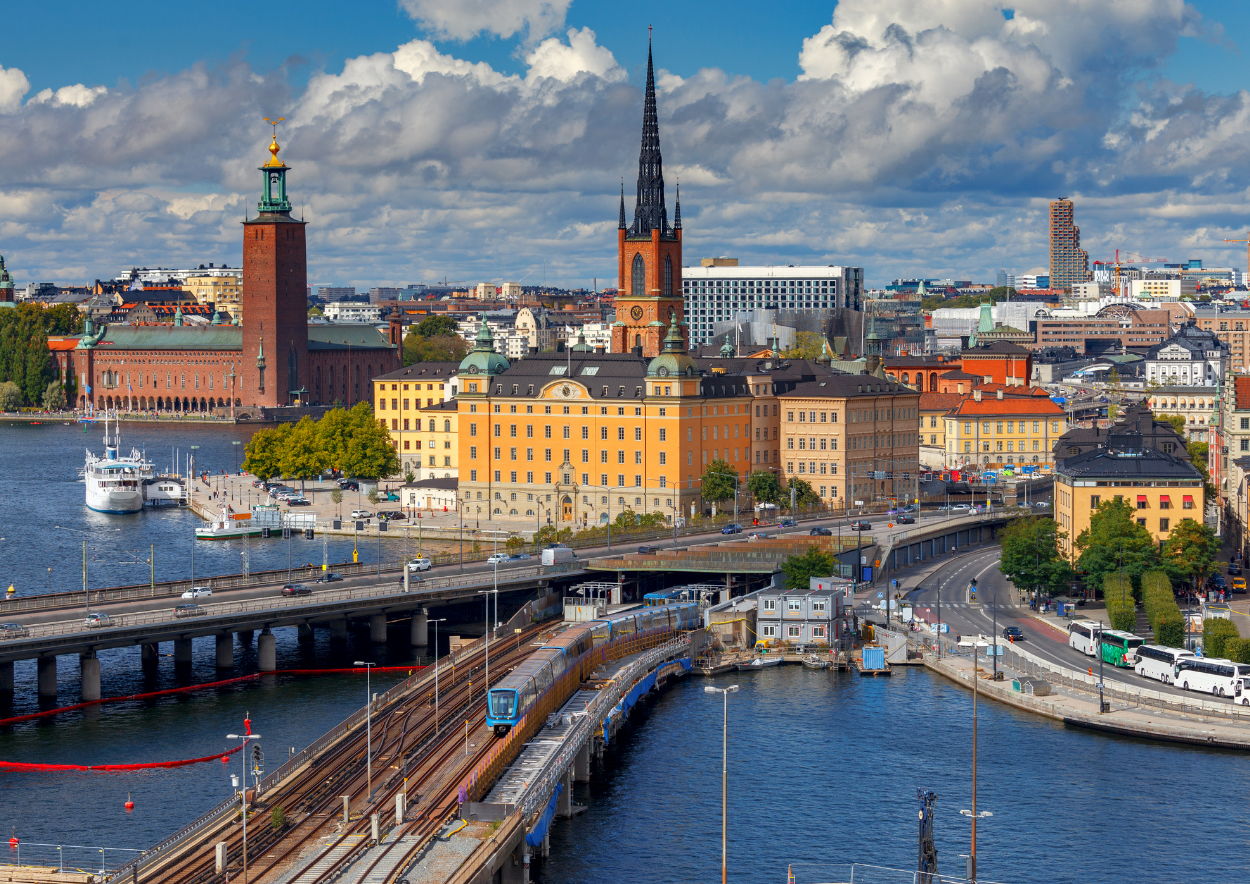
Stockholm is the natural starting point for most trips to Sweden. Built across several islands, the capital combines historic architecture with modern Scandinavian design.
The Gamla Stan, Royal Palace, Vasa Museum, Stockholm City Hall, and ABBA The Museum are among the city's main attractions. Spending time around the waterfront is also worthwhile, particularly during the long summer evenings.
Gothenburg
Gothenburg has a more relaxed atmosphere than Stockholm and is known for its canals, seafood, parks, and maritime heritage.
The Haga district, Gothenburg Museum of Art, Liseberg amusement park, and fish market are popular stops. The city is also a convenient base for exploring the islands along Sweden's western coast.
Malmö
Malmö is located in southern Sweden, close to Denmark and connected to Copenhagen by the Öresund Bridge.
The city is known for Turning Torso, Malmö Castle, Lilla Torg, and Ribersborg Beach. Its multicultural food scene and compact center make it easy to explore over a short stay.
Stockholm Archipelago
The Stockholm Archipelago stretches across thousands of islands and is one of the best places to experience Sweden's coastal landscape.
Summer is the ideal time to explore the islands by boat. Vaxholm, Sandhamn, and Grinda are among the better-known destinations, offering beaches, forests, small villages, and quiet walking trails.
Abisko
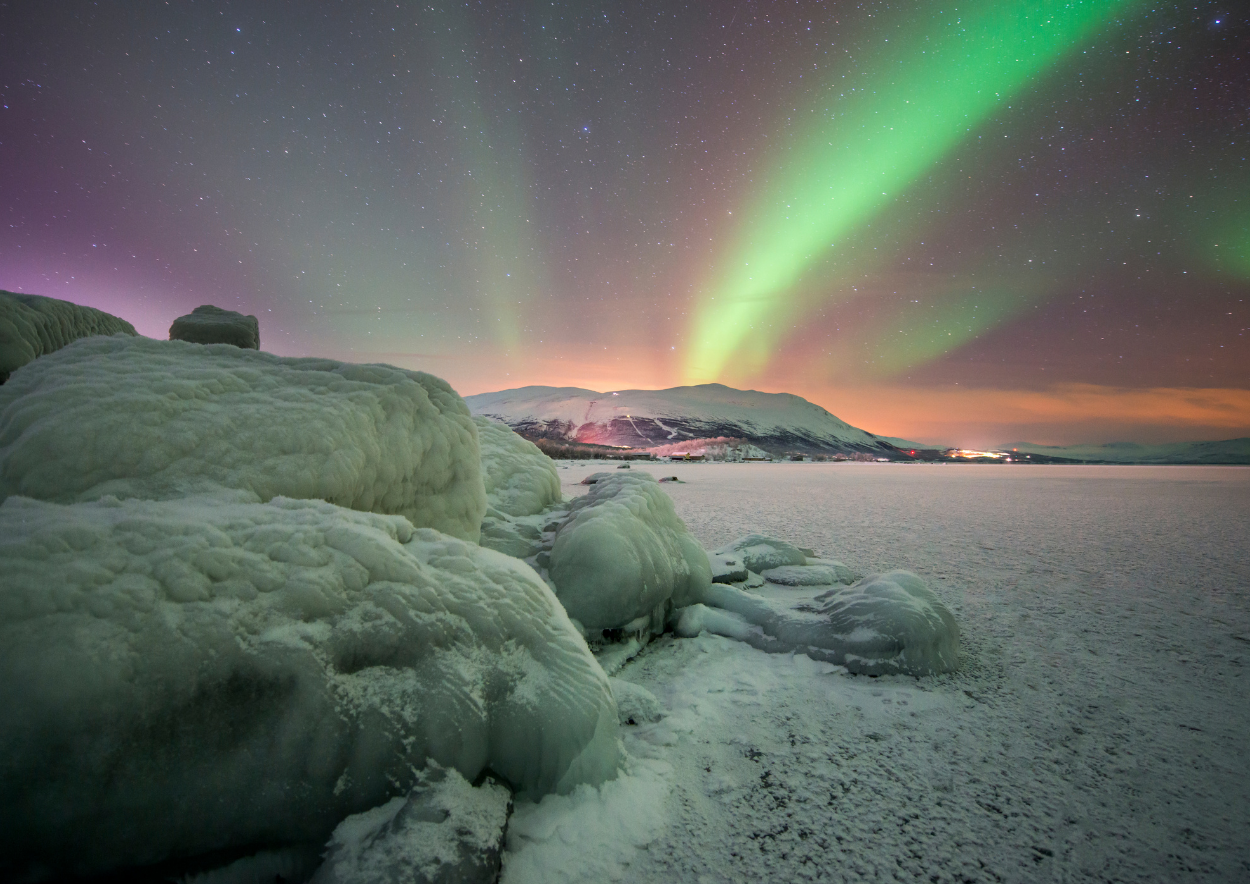
Abisko is one of the best destinations in Sweden for hiking and northern landscapes. It lies above the Arctic Circle and is surrounded by mountains and open wilderness.
The area is particularly famous for the Kungsleden hiking trail and its opportunities for seeing the Northern Lights during the darker months.
Kiruna
Kiruna is one of Sweden's northernmost towns and a popular base for exploring Swedish Lapland.
Visitors come for winter activities, snowmobile excursions, dog sledding, and Northern Lights tours. The nearby ICEHOTEL in Jukkasjärvi is another major attraction.
Gotland
Gotland is Sweden's largest island and offers a combination of beaches, medieval history, countryside, and coastal scenery.
The main town, Visby, is surrounded by medieval walls and is a UNESCO World Heritage Site. Summer is particularly enjoyable for exploring the island's beaches, small villages, and limestone formations.
Visby
Visby deserves special attention because of its remarkably preserved medieval character.
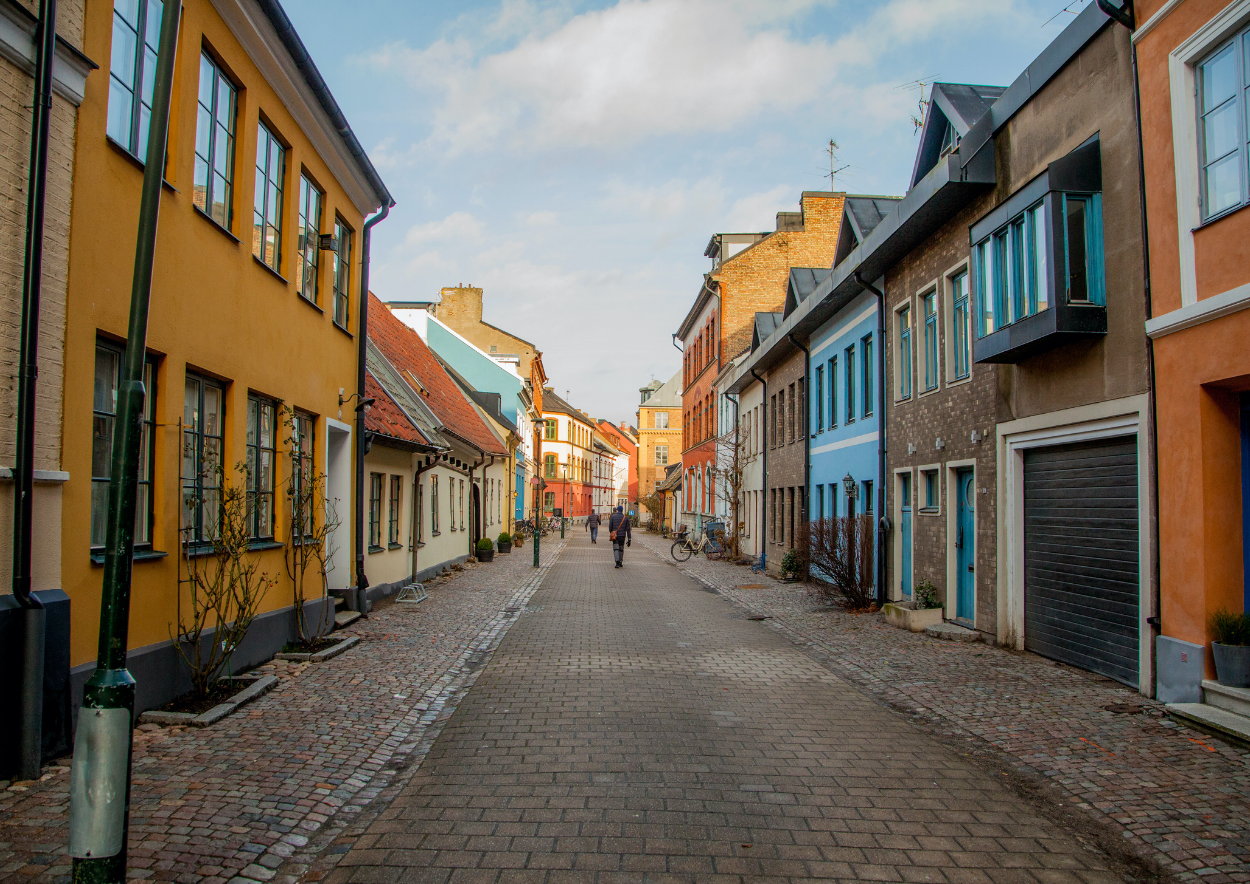
Walking along the old city walls, exploring cobbled streets, and visiting medieval churches make Visby one of Sweden's most distinctive historic destinations. The town becomes especially lively during Medieval Week in August.
High Coast
Sweden's High Coast is known for dramatic cliffs, forests, islands, and views over the Gulf of Bothnia.
The region is ideal for hiking and road trips. The Skuleberget mountain and surrounding national park provide some of the area's best viewpoints and walking routes.
Swedish Lapland
Swedish Lapland covers a huge area of northern Sweden and is one of the country's best regions for wilderness experiences.
Summer brings long daylight hours and opportunities for hiking and wildlife watching. Winter is better suited to snow activities and Northern Lights excursions.
Kiruna and the Icehotel
The ICEHOTEL near Kiruna is rebuilt from ice and snow each winter, making it one of Sweden's most unusual places to stay.
Even visitors who do not spend the night can usually visit the property and see the seasonal ice rooms. The surrounding area also offers dog sledding, snowmobiling, and winter excursions.
Sarek National Park
Sarek is one of Europe's most remote wilderness areas and is best suited to experienced hikers.
The landscape includes rugged mountains, glaciers, deep valleys, and few developed facilities. Visitors need to be prepared for changing weather and self-sufficient hiking conditions.
Göta Canal
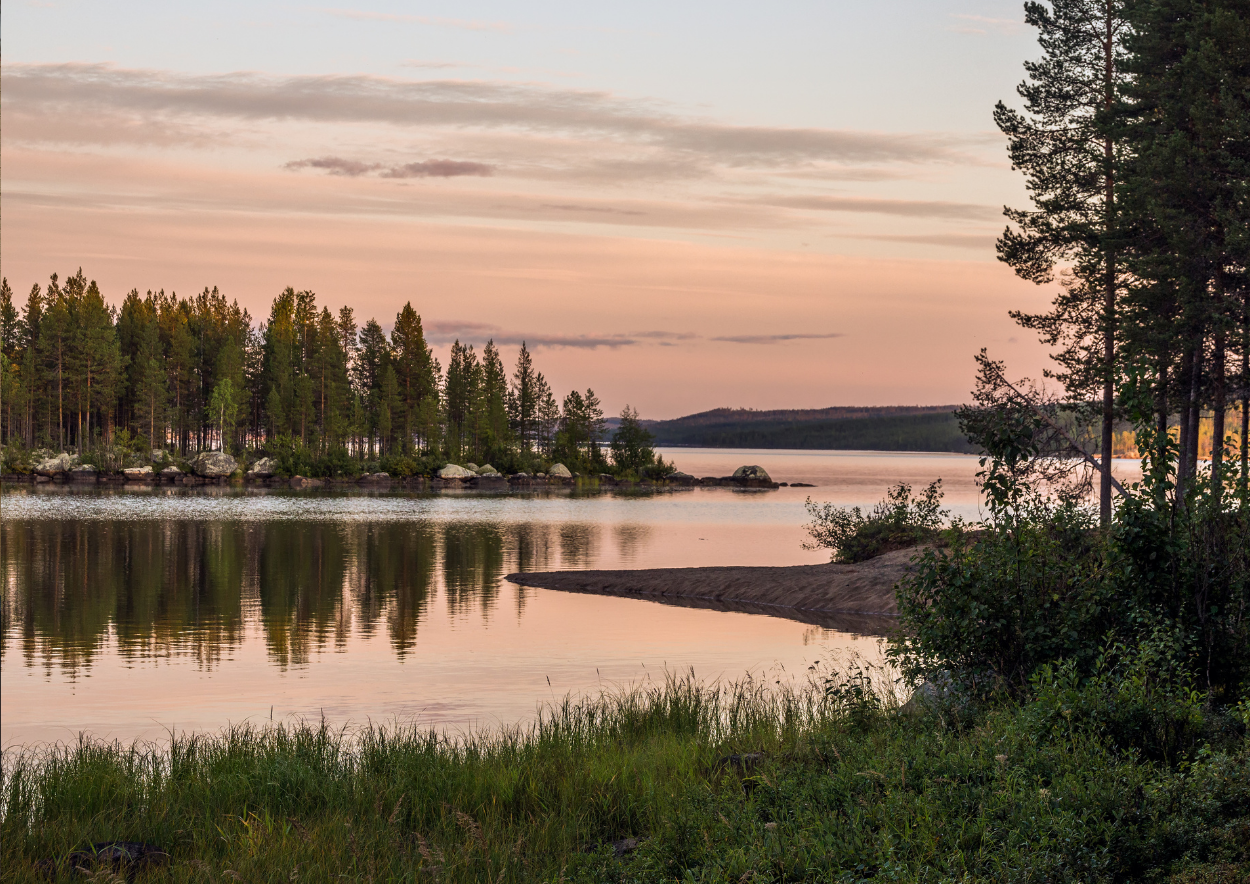
The Göta Canal is one of Sweden's most famous historic waterways. It crosses the country between the east and west coasts and passes through lakes, countryside, and small towns.
You can explore sections of the canal by boat, bicycle, or on foot. Summer is the most convenient season for enjoying the surrounding landscape.
Lund
Lund is a historic university city in southern Sweden with a compact center and a strong academic atmosphere.
The Lund Cathedral, historic university buildings, botanical garden, and cobbled streets are the main attractions. Its location also makes it easy to combine with a trip to Malmö.
Uppsala
Uppsala is one of Sweden's oldest cities and an important center of Swedish history and education.
The Uppsala Cathedral, Uppsala University, Gustavianum, and Uppsala Castle are among the city's highlights. It is close enough to Stockholm for a convenient day trip.
Västerås
Västerås lies beside Lake Mälaren and has a long history dating back centuries.
The city is known for its cathedral, historic center, waterfront, and access to the surrounding countryside. It can work well as a quieter stop between Stockholm and central Sweden.
Öland
Öland is an island off Sweden's southeastern coast, connected to the mainland by a long bridge.
It is known for beaches, windmills, open landscapes, and historic sites. The island's southern agricultural landscape, known as Stora Alvaret, is a UNESCO World Heritage Site.
Dalarna
Dalarna is one of the best regions for experiencing traditional Swedish culture and countryside.
The region is famous for Lake Siljan, red wooden houses, folk traditions, and the Dala horse. Summer is particularly pleasant for exploring the lakes and villages, while winter attracts visitors for skiing.
Åre
Åre is Sweden's best-known mountain resort and a major destination for skiing and outdoor activities.
Winter is the main season for skiing and snowboarding, while summer brings hiking, mountain biking, and scenic activities. The surrounding mountains offer some of Sweden's best alpine landscapes.
Frequently Asked Questions
What are the best places to visit in Sweden?
Stockholm, Gothenburg, Malmö, Gotland, Abisko, Kiruna, the Stockholm Archipelago, and the High Coast are among the best destinations for a first trip.
Which place is best for first-time visitors?
Stockholm is the easiest starting point because it combines history, museums, architecture, food, and access to the archipelago.
Where should I go in Sweden for nature?
Abisko, Swedish Lapland, the High Coast, Sarek National Park, Dalarna, and Gotland are excellent choices for travelers who want to spend more time outdoors.
Where can I see the Northern Lights in Sweden?
Abisko and Kiruna are among the most popular places for Northern Lights trips because of their location in northern Sweden and relatively low light pollution.
What is the most beautiful city in Sweden?
Stockholm is often considered the most scenic city because of its islands, historic buildings, waterfronts, and surrounding archipelago.
How many days do you need in Sweden?
A 7-day trip works well for Stockholm and nearby destinations. For a broader itinerary including Gothenburg, Gotland, or northern Sweden, 10 to 14 days is more comfortable.
What is the best time to visit Sweden?
June to August is best for most sightseeing and outdoor activities. For Northern Lights experiences, visit northern Sweden between September and March.
Loading comments…