
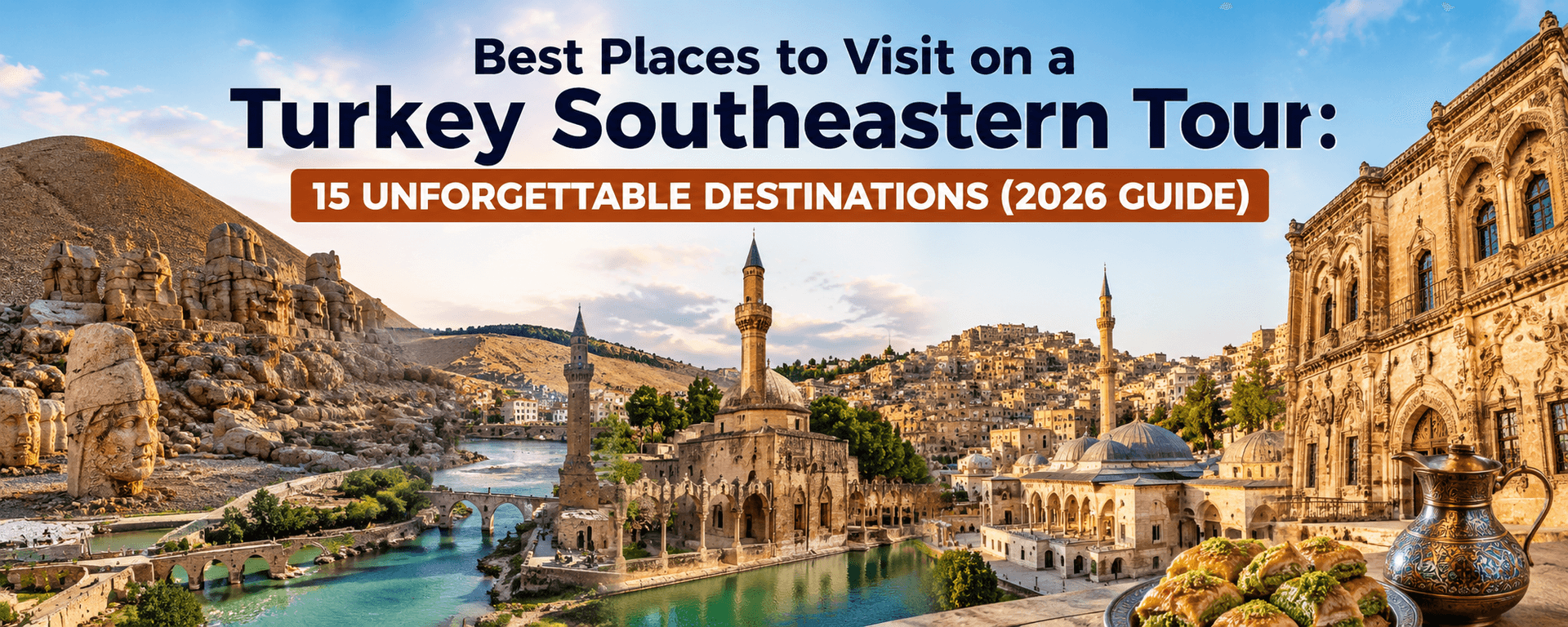
Gaziantep
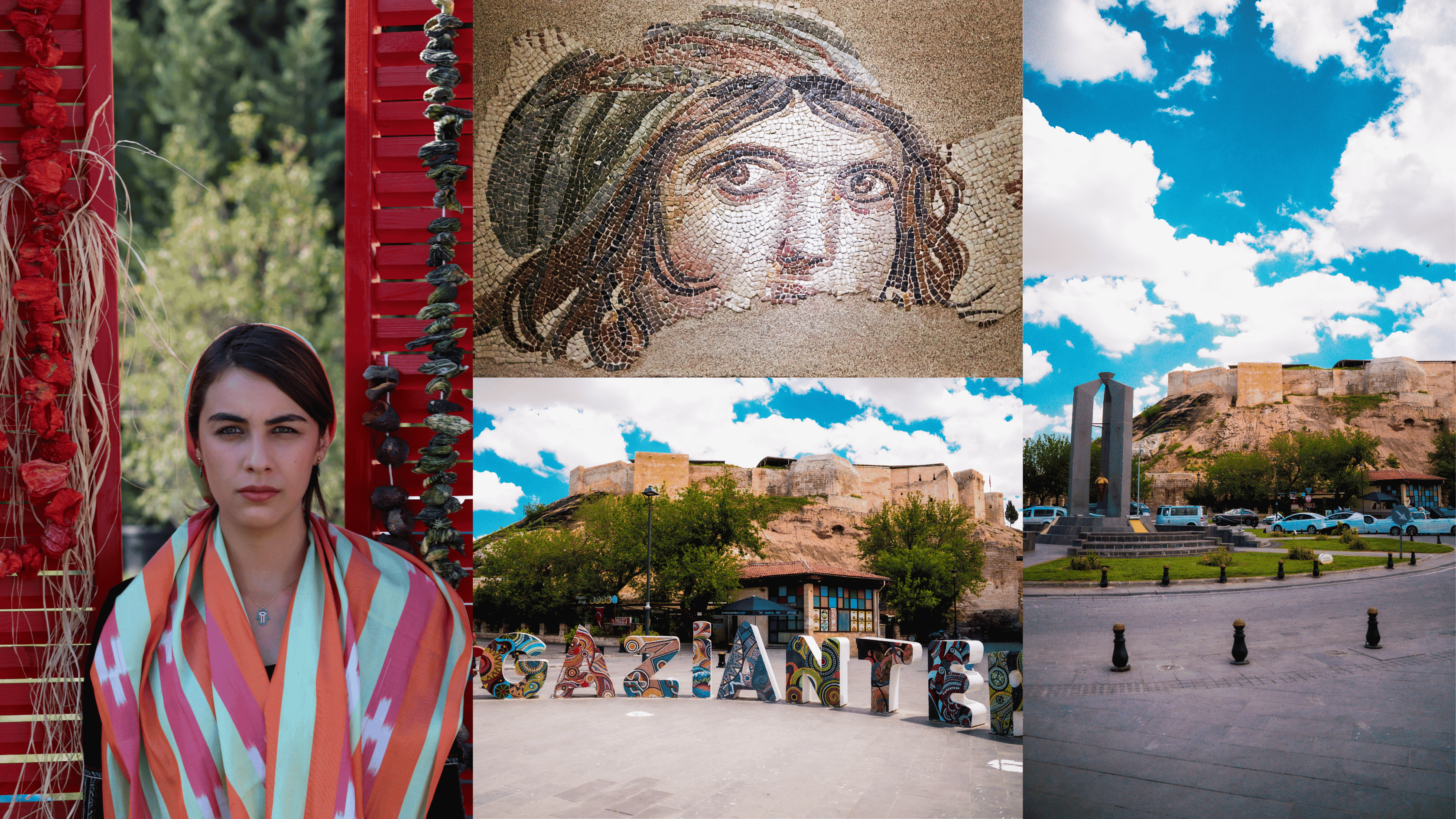
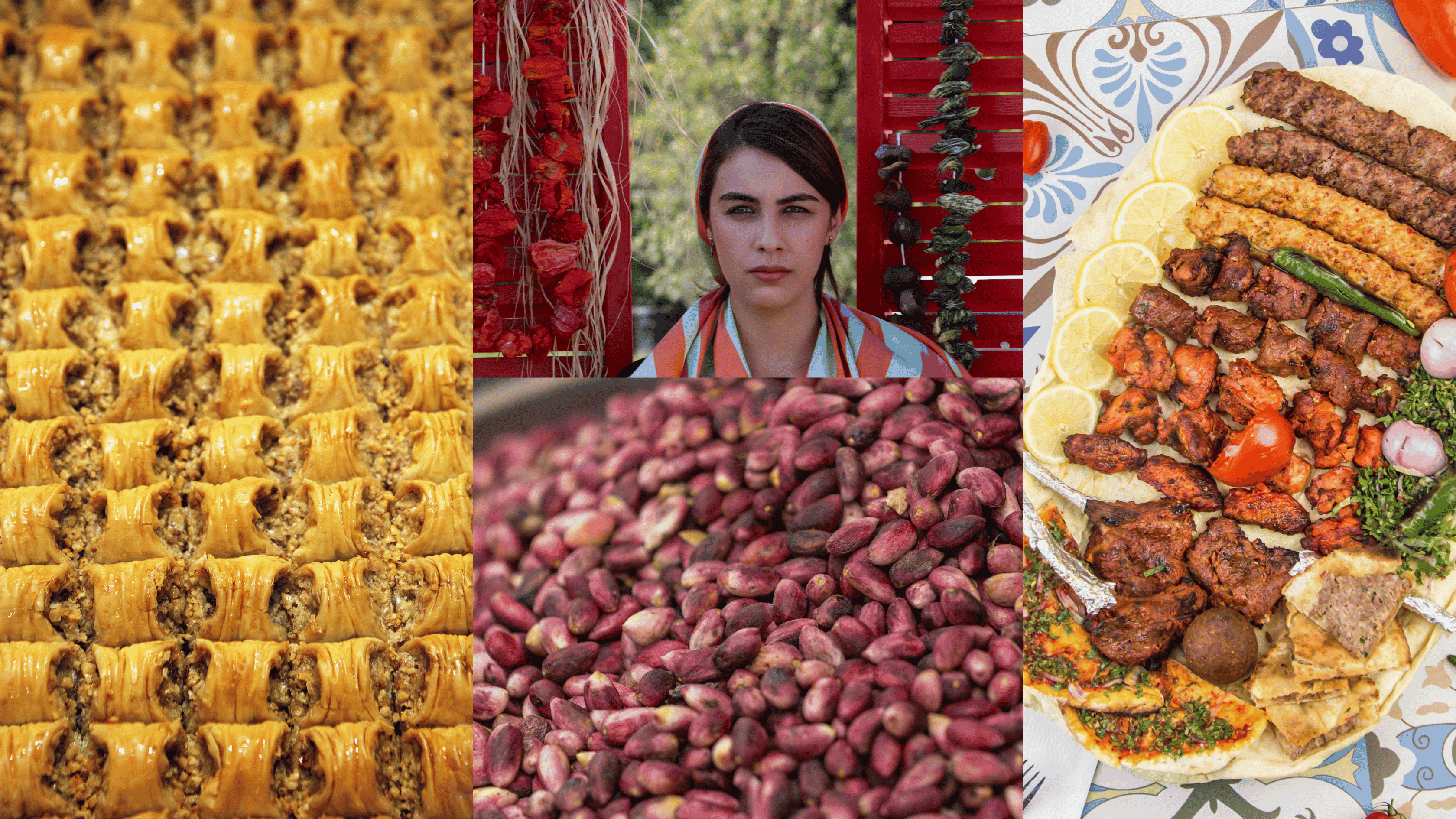
Gaziantep is one of the best places to begin a southeastern Turkey tour, particularly if food is an important part of your trip. The city is famous for its pistachios, baklava, kebabs, and rich culinary traditions, but it also has an impressive historical center.
The Zeugma Mosaic Museum is the city's major cultural attraction and houses some of the finest Roman mosaics discovered in the region. In the old city, you can explore Gaziantep Castle, traditional stone buildings, historic bazaars, and local food markets. Allow at least one full day if you want to combine sightseeing with a serious exploration of Gaziantep's cuisine.
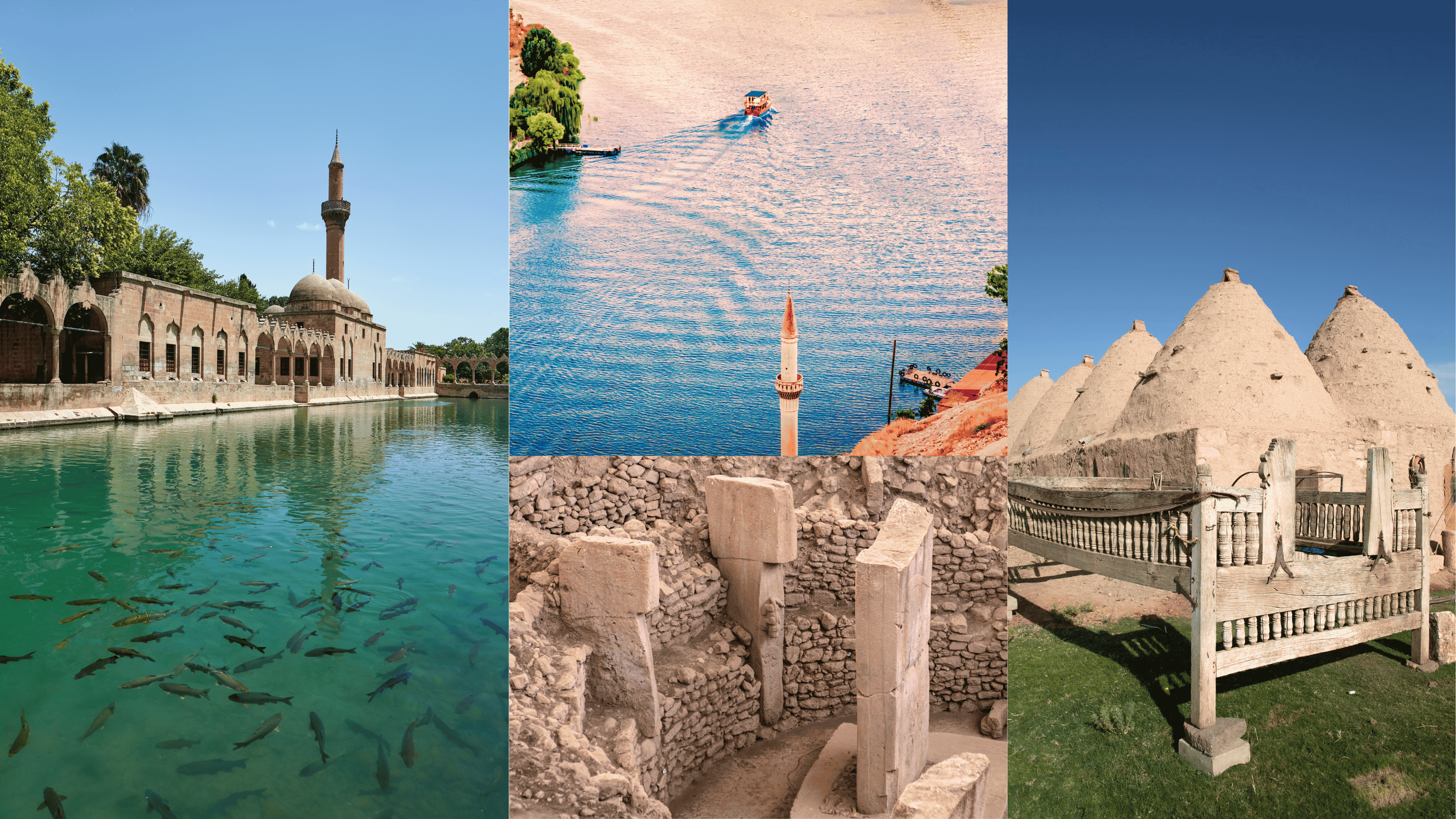
Şanlıurfa
Şanlıurfa, often called simply Urfa, has deep connections to ancient Mesopotamian history and religious traditions. Its old neighborhoods, courtyards, bazaars, and stone architecture give the city a distinctive atmosphere.
The Balıklıgöl complex is one of the most important places to visit, while the surrounding old town is best explored on foot. Visit the Urfa Castle, walk through the historic bazaars, and try regional specialties such as çiğ köfte and lahmacun. Şanlıurfa is also the ideal base for visiting Göbekli Tepe.
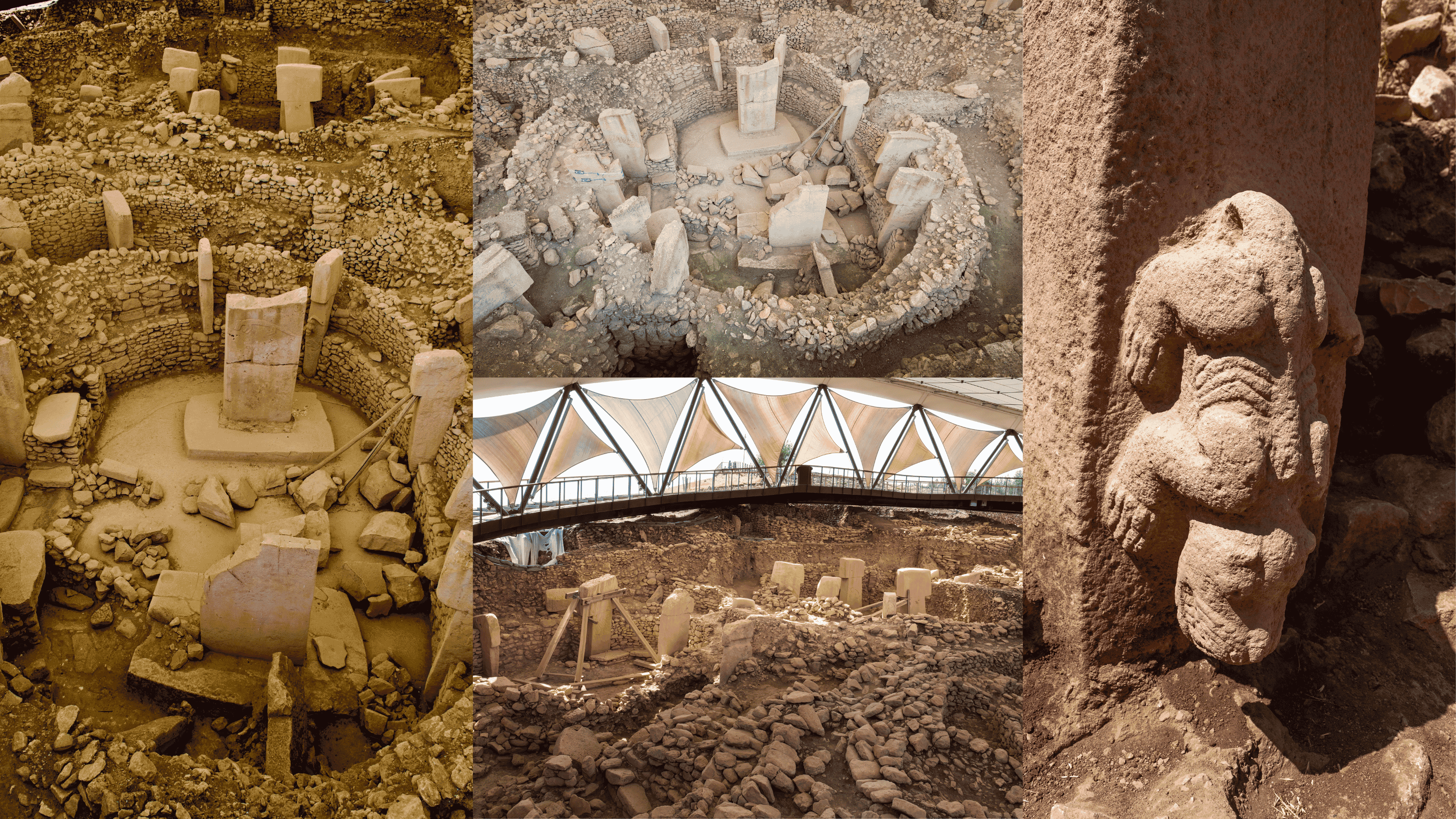
Göbekli Tepe
Göbekli Tepe is one of the most important archaeological sites in the world and a major reason to include southeastern Turkey in your itinerary. The site contains monumental stone structures dating back thousands of years, long before the construction of many famous monuments of the ancient world.
The carved pillars and circular structures provide an extraordinary insight into prehistoric societies. A visit usually takes several hours, and it is worth combining Göbekli Tepe with Şanlıurfa on the same day.
Mount Nemrut
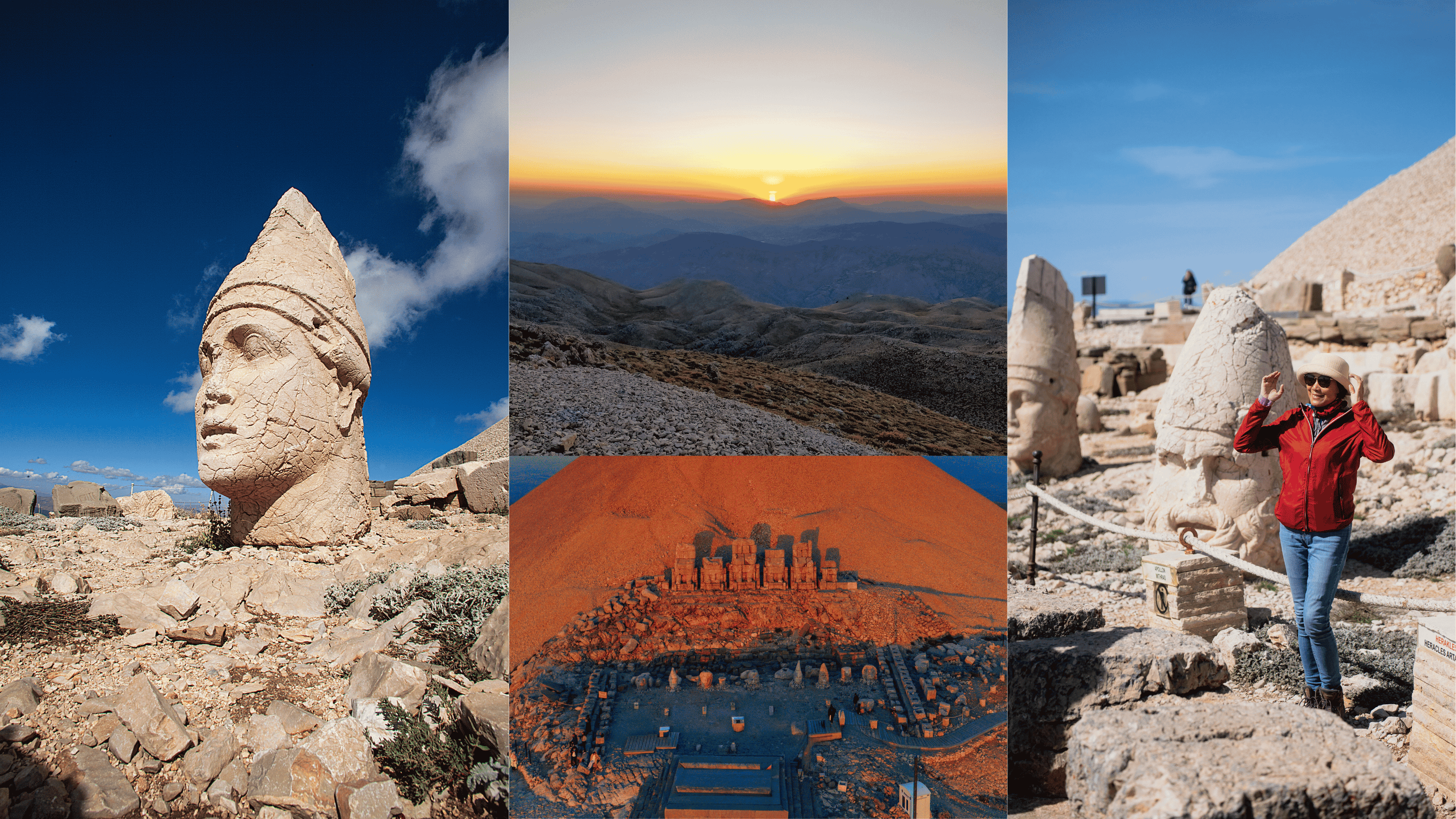
Mount Nemrut is one of the most spectacular archaeological destinations in southeastern Turkey. At the summit, enormous stone heads and statues belonging to the ancient Kingdom of Commagene overlook the surrounding mountains.
The site is particularly impressive around sunrise and sunset, when the changing light creates dramatic views across the landscape. Because of the elevation, temperatures can be surprisingly cold even during warmer months, so bring an extra layer if you plan to visit early in the morning.
Adıyaman
Adıyaman is an important gateway to Mount Nemrut and the surrounding archaeological sites. Although many travelers use the city primarily as a base, the region deserves more attention than a quick overnight stop.
Nearby attractions include ancient burial monuments, historic settlements, and scenic mountain landscapes. Adıyaman works particularly well as part of a route connecting southeastern Turkey with Mount Nemrut and the Euphrates region.
Halfeti
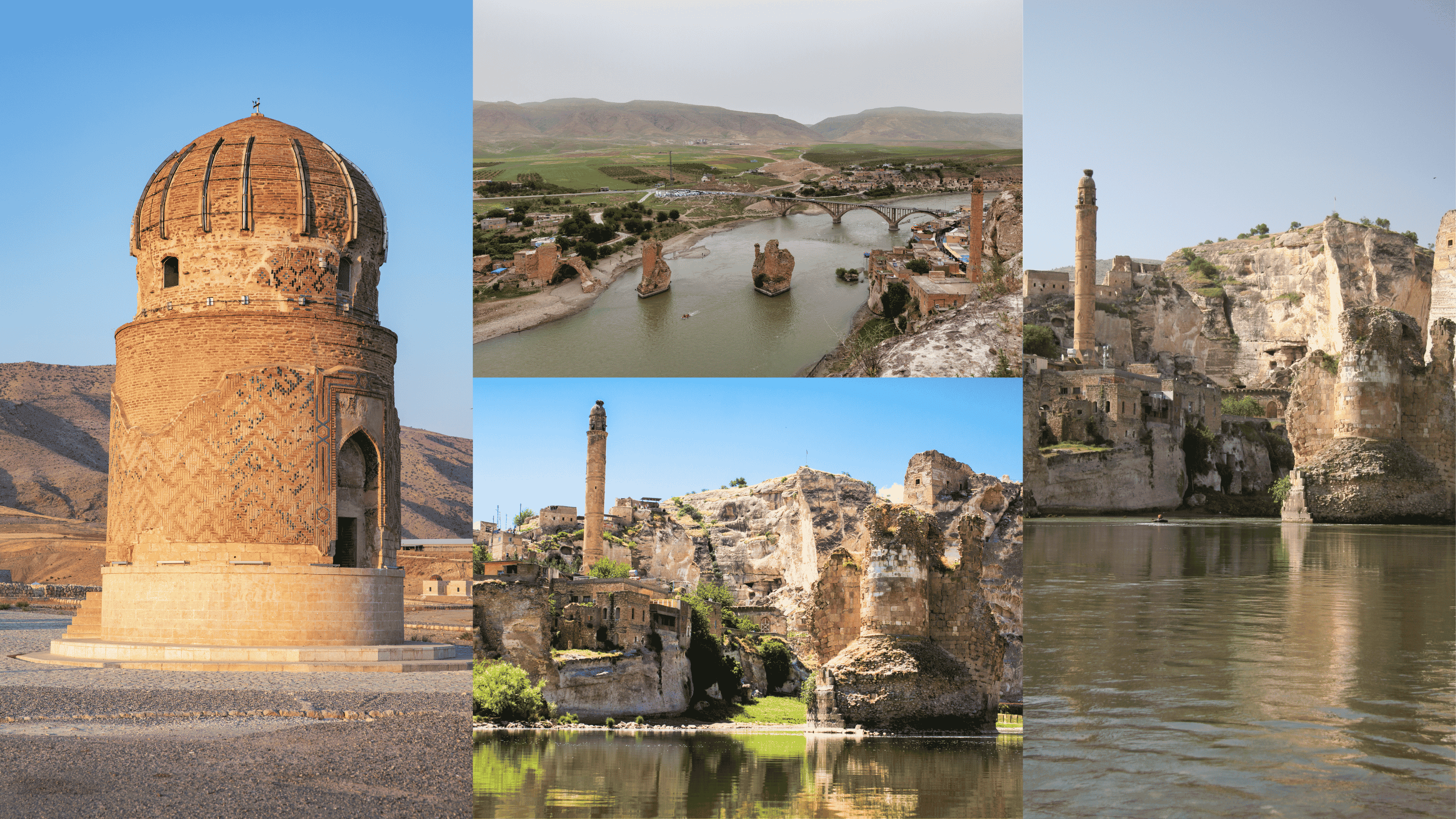
Halfeti is famous for its peaceful location along the Euphrates River and its partially submerged old settlement. The construction of the Birecik Dam changed the landscape dramatically, leaving parts of the historic town beneath the water.
A boat trip on the Euphrates is the best way to appreciate the area. You can see the submerged minaret, rocky riverbanks, and nearby villages from the water. Halfeti is also associated with the famous dark-colored Şanlıurfa rose, known locally as the black rose.
Birecik
Birecik sits along the Euphrates River and is particularly known for its connection with the Northern Bald Ibis, a rare bird species that has been protected in the area for decades.
The town can be combined with Halfeti and Şanlıurfa on a southeastern Turkey road trip. Riverside walks, local restaurants, and the bird conservation area offer a different experience from the region's archaeological attractions.
Mardin
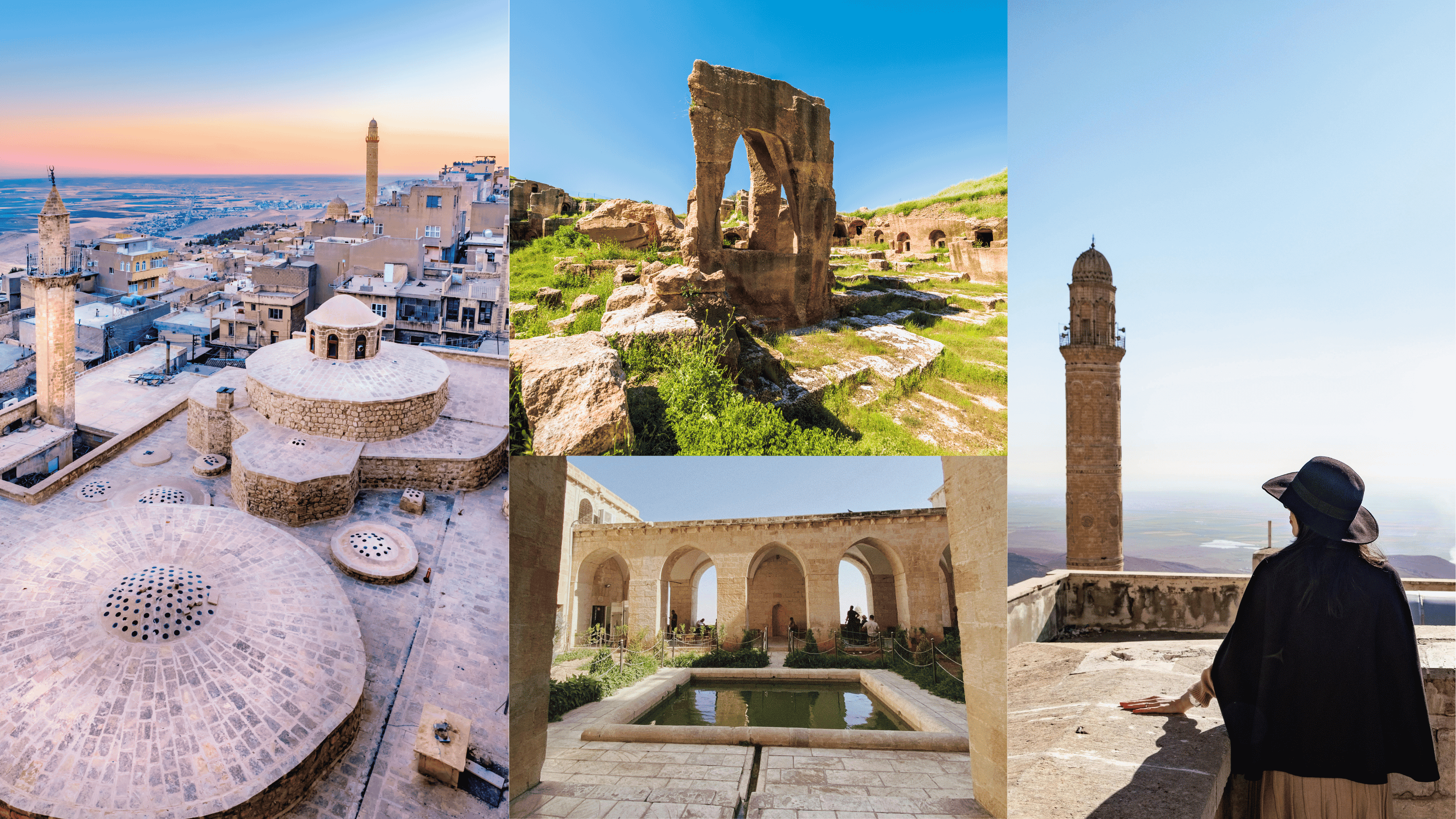
Mardin is one of southeastern Turkey's most distinctive destinations. Built dramatically on a hillside overlooking the Mesopotamian plains, the city is known for its honey-colored stone buildings, narrow streets, historic churches, mosques, and traditional houses.
Spend time walking through Mardin Old Town, visit Zinciriye Medrese, see the Great Mosque, and explore the city's historic bazaars. The views across the plains are particularly impressive in the late afternoon.
Midyat
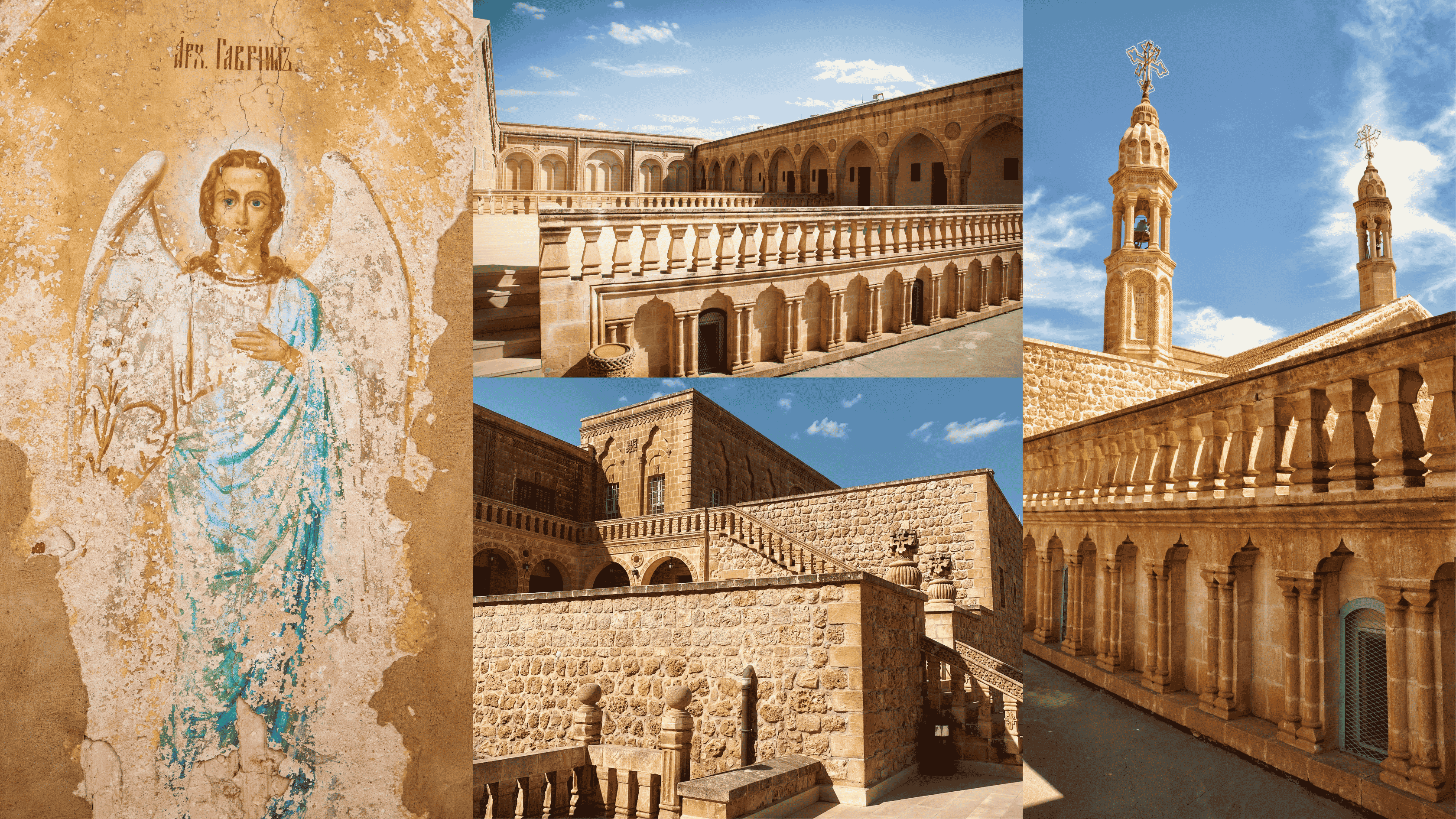
Midyat is another excellent destination for experiencing the architectural and cultural character of southeastern Turkey. The historic center is filled with stone mansions, narrow lanes, churches, monasteries, and traditional courtyards.
The nearby Mor Gabriel Monastery is one of the region's most important Syriac Christian sites. Midyat is best explored slowly, as many of its most interesting details are found in its historic streets rather than at a single major attraction.
Dara Ancient City
Located near Mardin, Dara Ancient City is one of the region's most impressive archaeological sites. The ancient settlement was an important military center of the Eastern Roman Empire and contains remains of city walls, cisterns, churches, and other structures.
The underground rock-cut areas and large ancient water systems are particularly interesting. Dara is an easy addition to a Mardin itinerary and can be combined with other historic sites around the city.
Hasankeyf
Hasankeyf has a complicated recent history because much of the historic settlement was affected by the construction of the Ilısu Dam. Despite these changes, the surrounding landscape and surviving historical structures remain important attractions in southeastern Turkey.
The area along the Tigris River offers dramatic scenery, while the remaining archaeological structures provide an insight into the region's long history. It is worth checking current access conditions before traveling because parts of the site can change over time.
Diyarbakır
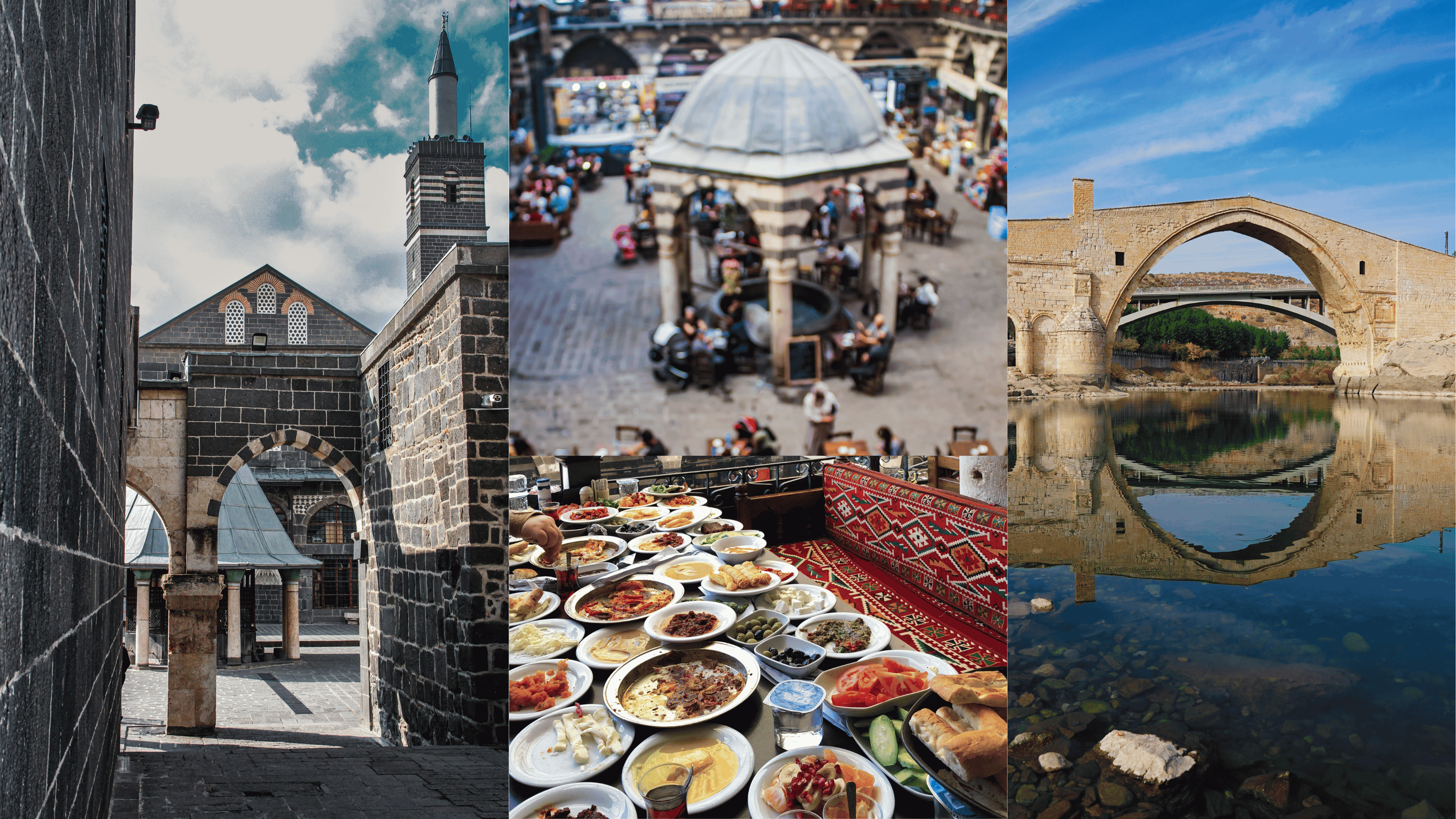
Diyarbakır is one of southeastern Turkey's major historic cities and is famous for its enormous basalt city walls. The old city contains centuries of architectural heritage, mosques, churches, courtyards, and traditional markets.
Walk along the Diyarbakır city walls, visit Ulu Cami, explore Hasan Paşa Hanı, and cross the historic Ten-Eyed Bridge outside the center. Diyarbakır is also an excellent place to sample regional dishes such as kaburga dolması and meftune.
Zeugma Ancient City
Near Gaziantep, the ancient city of Zeugma provides another opportunity to explore the Roman heritage of southeastern Anatolia. Zeugma was an important settlement on the Euphrates and became especially prosperous during the Roman period.
Although part of the ancient city was affected by dam construction, the archaeological remains that survive are significant. Many of the site's most famous mosaics can now be seen at the Zeugma Mosaic Museum in Gaziantep.
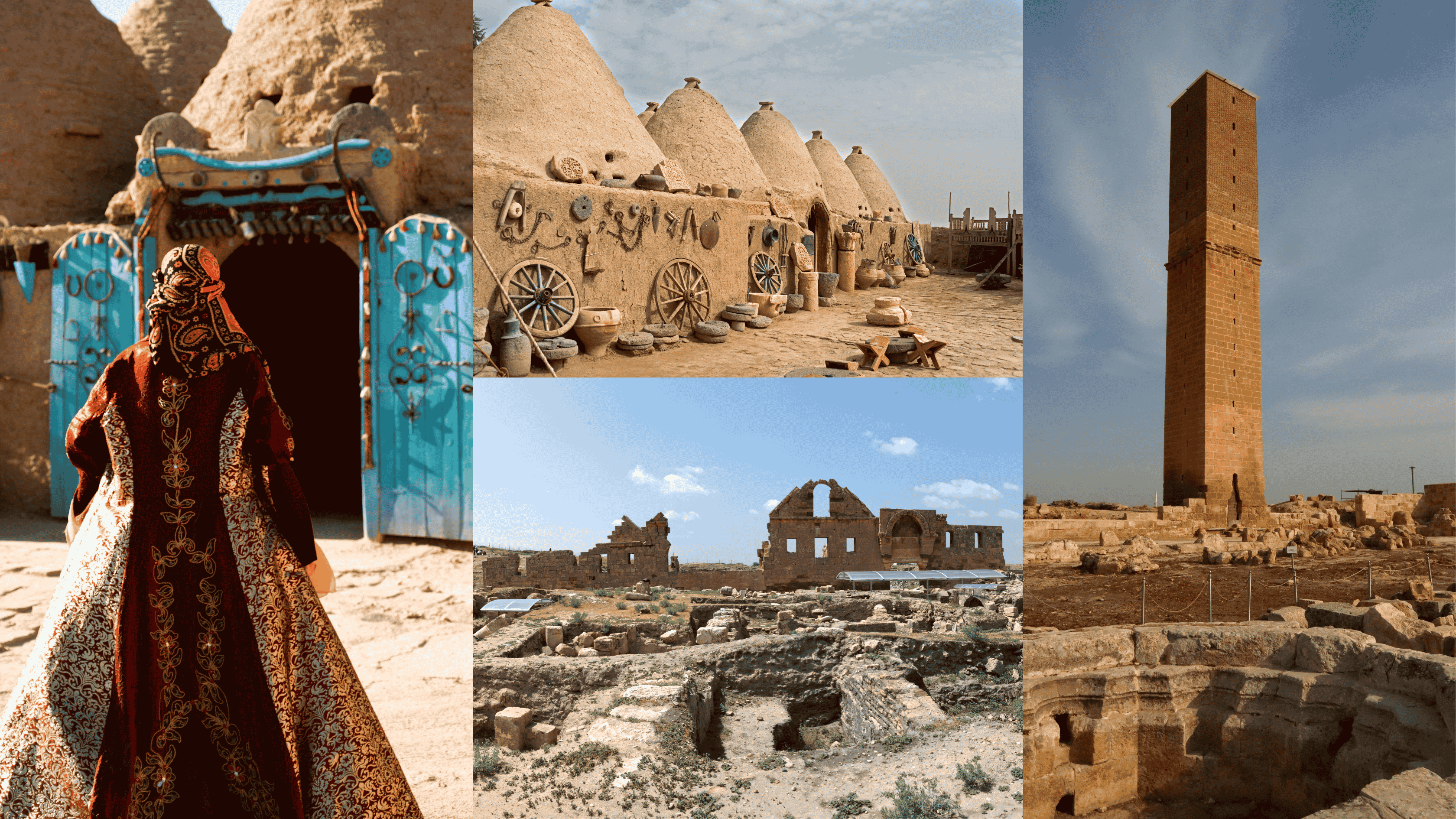
Harran
Harran is one of the oldest continuously inhabited areas in the region and is famous for its distinctive traditional beehive-shaped houses. The settlement lies south of Şanlıurfa and has a landscape that feels very different from the region's larger cities.
Explore the old houses, ancient ruins, city walls, and the remains of the historic university. Harran is particularly interesting for travelers who want to understand the ancient connections between Mesopotamia and southeastern Anatolia.
Karahantepe
Karahantepe has become increasingly important for travelers interested in prehistoric archaeology. Located in Şanlıurfa Province, the site is part of the wider group of Neolithic archaeological discoveries that have changed our understanding of early settled societies in the region.
The site contains monumental stone structures and carved elements dating back thousands of years. It can be combined with Göbekli Tepe for travelers who want to explore the prehistoric heritage of the Şanlıurfa region.
Best Places to Visit in Southeastern Turkey for History
For history-focused travelers, the strongest destinations include Göbekli Tepe, Mount Nemrut, Mardin, Dara, Harran, Zeugma, and Diyarbakır.
The region covers an extraordinary range of history, from prehistoric settlements and ancient kingdoms to Roman, Byzantine, Islamic, and Ottoman heritage. Rather than trying to see everything quickly, choose several destinations that fit your interests and allow enough time to explore them properly.
Best Places to Visit in Southeastern Turkey for Food
Southeastern Turkey is one of the country's strongest culinary regions. Gaziantep is the standout destination for baklava, pistachios, kebabs, and meze, while Şanlıurfa is known for dishes such as lahmacun, kebabs, and çiğ köfte.
In Mardin and Diyarbakır, look for regional specialties that are less common elsewhere in Turkey. Local restaurants and traditional markets are often the best places to experience these dishes.
How Many Days Do You Need for a Southeastern Turkey Tour?
A 5 to 7-day trip can cover Gaziantep, Şanlıurfa, Göbekli Tepe, Halfeti, and Mount Nemrut.
With 8 to 10 days, you can add Mardin, Midyat, Dara, Diyarbakır, and Harran without making the itinerary excessively rushed.
For a more comprehensive road trip, 10 to 14 days allows enough time to explore the region at a slower pace and include smaller archaeological and cultural stops.
Best Time to Visit Southeastern Turkey
The most comfortable periods are generally April to June and September to October. Spring brings pleasant temperatures and green landscapes, while early autumn is particularly good for road trips and archaeological sightseeing.
Summer can be extremely hot, especially around Şanlıurfa, Harran, and Gaziantep. If traveling between June and August, plan outdoor sightseeing for the morning and late afternoon.
Winter can be cold in higher areas such as Mount Nemrut, and some mountain roads may be affected by snow or weather conditions.
Frequently Asked Questions
What should I not miss in Southeastern Turkey?
For a first trip, prioritize Gaziantep, Şanlıurfa, Göbekli Tepe, Mount Nemrut, Mardin, and Halfeti.
How many days are enough for Southeastern Turkey?
7 to 10 days is a good starting point, while 10 to 14 days allows a more relaxed road trip covering the major archaeological and cultural destinations.
Is Southeastern Turkey safe for tourists?
Many travelers visit the region without problems, but conditions can vary by province and border area. Check current official travel advice and local conditions before your trip, particularly if planning to travel near international borders.
What is the best way to travel around Southeastern Turkey?
A rental car provides the most flexibility for visiting archaeological sites, villages, and remote landscapes. Domestic flights and intercity buses are useful for connecting major cities.
What is Southeastern Turkey famous for?
The region is known for Mesopotamian history, Göbekli Tepe, Mount Nemrut, Mardin's stone architecture, Gaziantep cuisine, the Euphrates River, and its diverse cultural heritage.
When is the best time to visit Mount Nemrut?
May through October generally offers the easiest access, although weather can change quickly at the summit. Sunrise and sunset are particularly popular times to visit.
Is Gaziantep worth visiting?
Yes. Gaziantep combines important historical attractions with one of Turkey's strongest regional food cultures. The Zeugma Mosaic Museum and local cuisine alone make it worth including in a southeastern Turkey itinerary.
Loading comments…