
1. Ulu Cami (The
Grand Mosque of Bursa)
The
Grand Mosque (Ulu Cami) is one of the earliest and most important examples of
Ottoman religious architecture. Built between 1396 and 1399 by Sultan Bayezid
I, the mosque symbolizes the transition from Seljuk to classical Ottoman style.
Highlights include:
20
domes supported by massive columns
One
of the finest collections of Islamic calligraphy in Turkey
A
peaceful interior fountain representing spiritual purity
📍 Located in Bursa city center, within
walking distance of the old bazaar.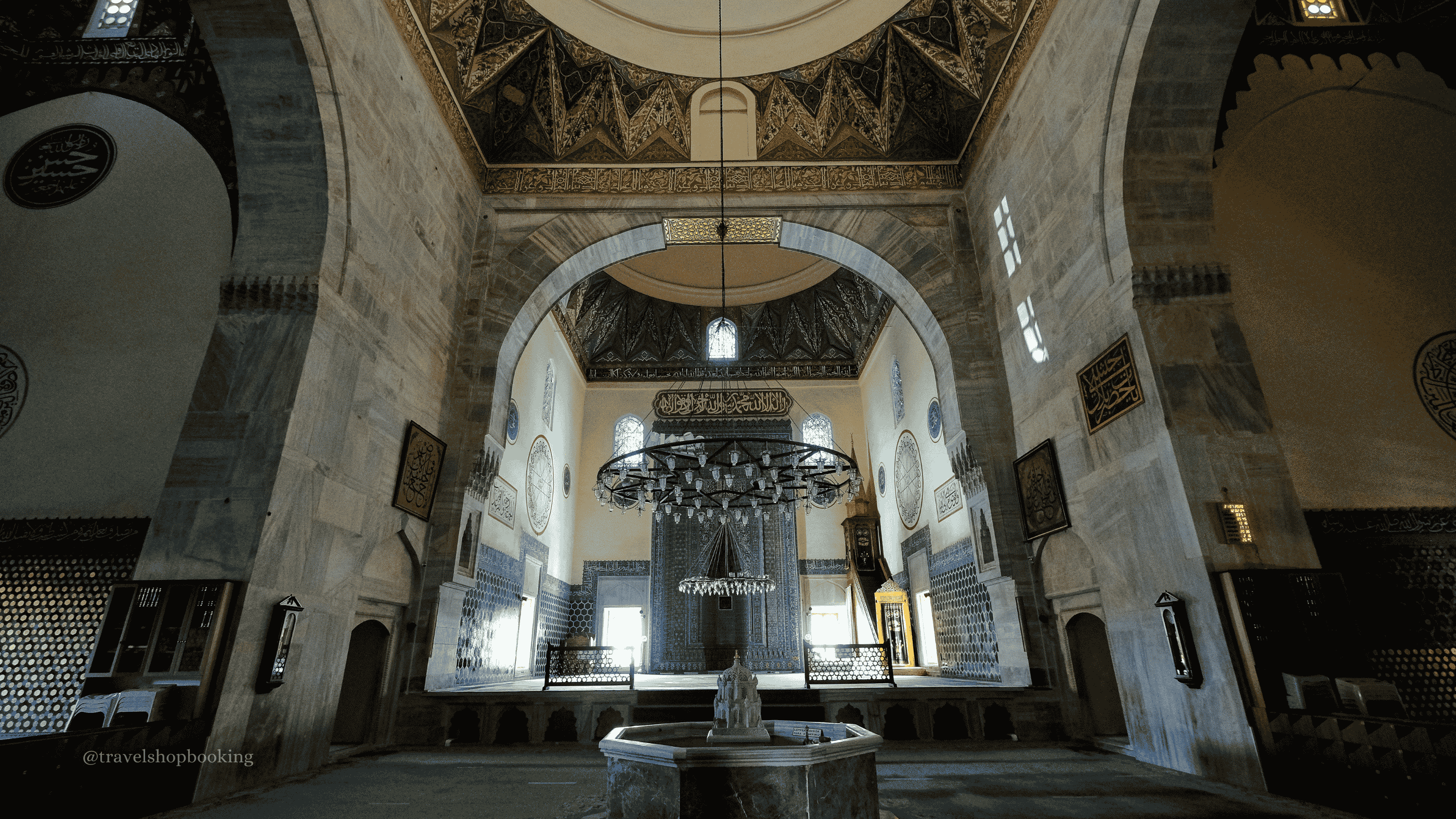
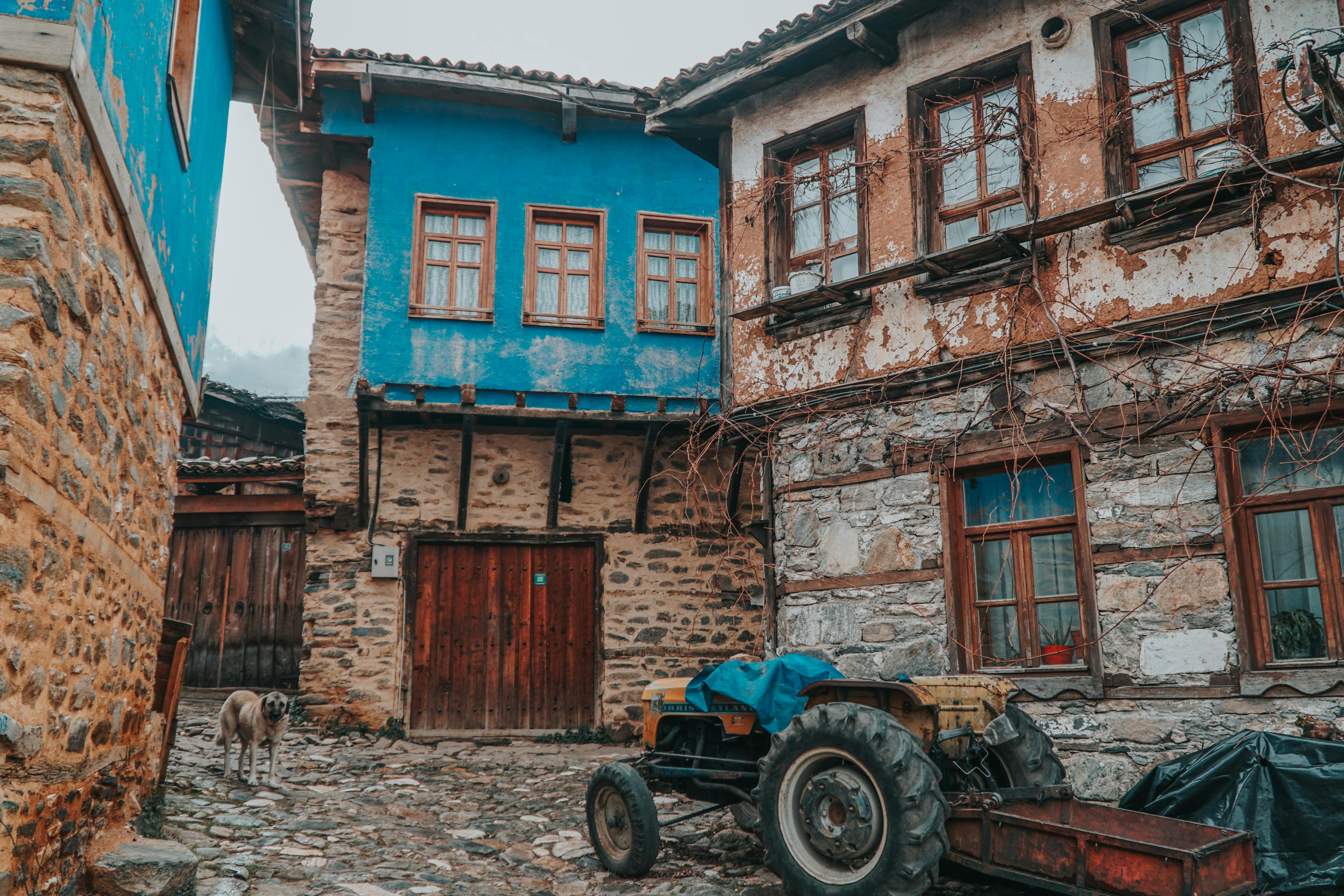
2. Cumalıkızık
Village – A Living Ottoman Heritage
Declared
a UNESCO World Heritage Site, Cumalıkızık is one of the best-preserved Ottoman
villages in Turkey. Founded in the early 14th century, the village reflects the
rural life that supported the early Ottoman state.
Why visit
Cumalıkızık?
Authentic
Ottoman-era houses
Narrow
stone streets unchanged for centuries
Traditional
village breakfasts and local products
This
village offers a rare opportunity to experience Ottoman daily life as it once
was.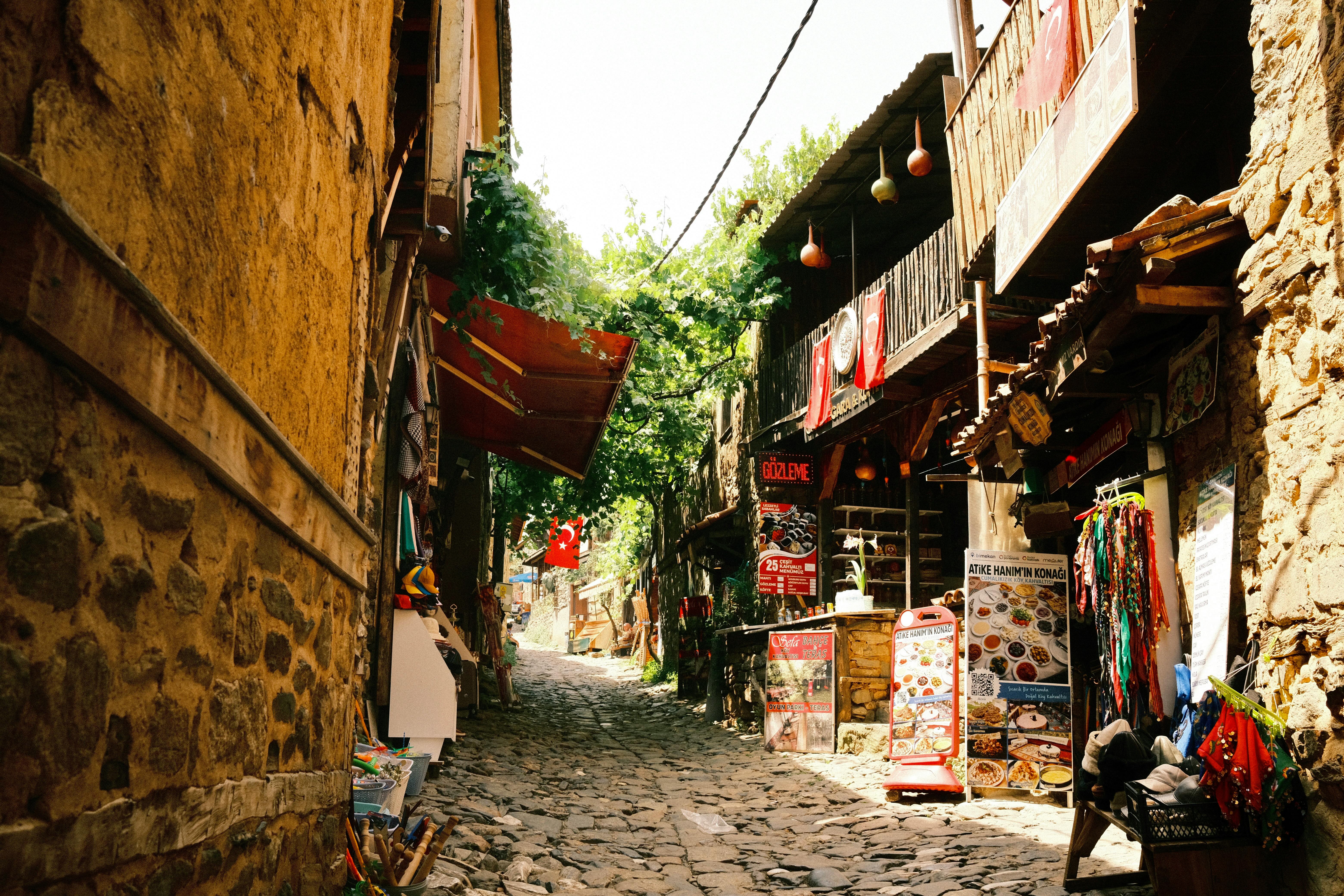
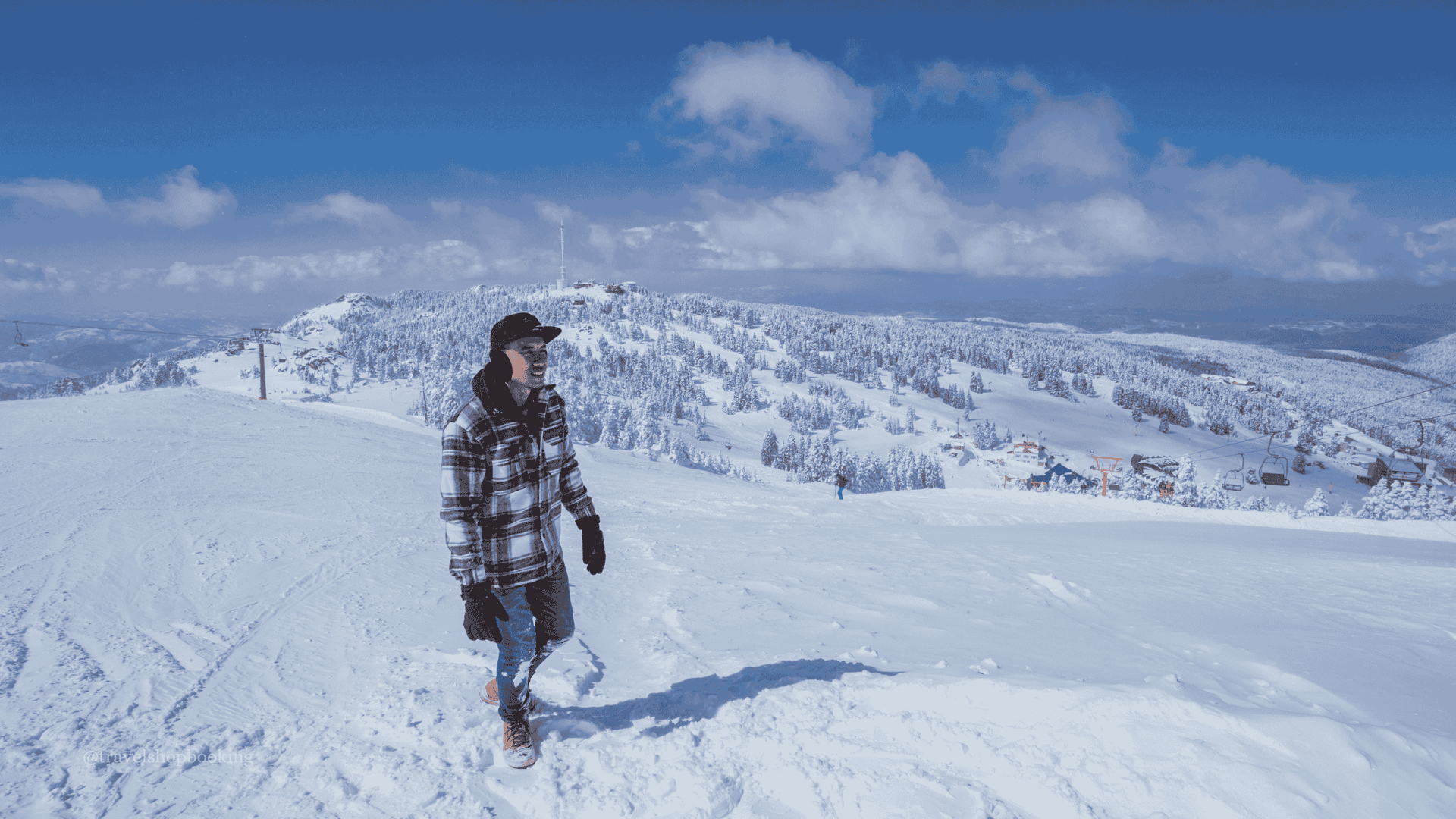
3. Uludağ Mountain
& Cable Car Experience
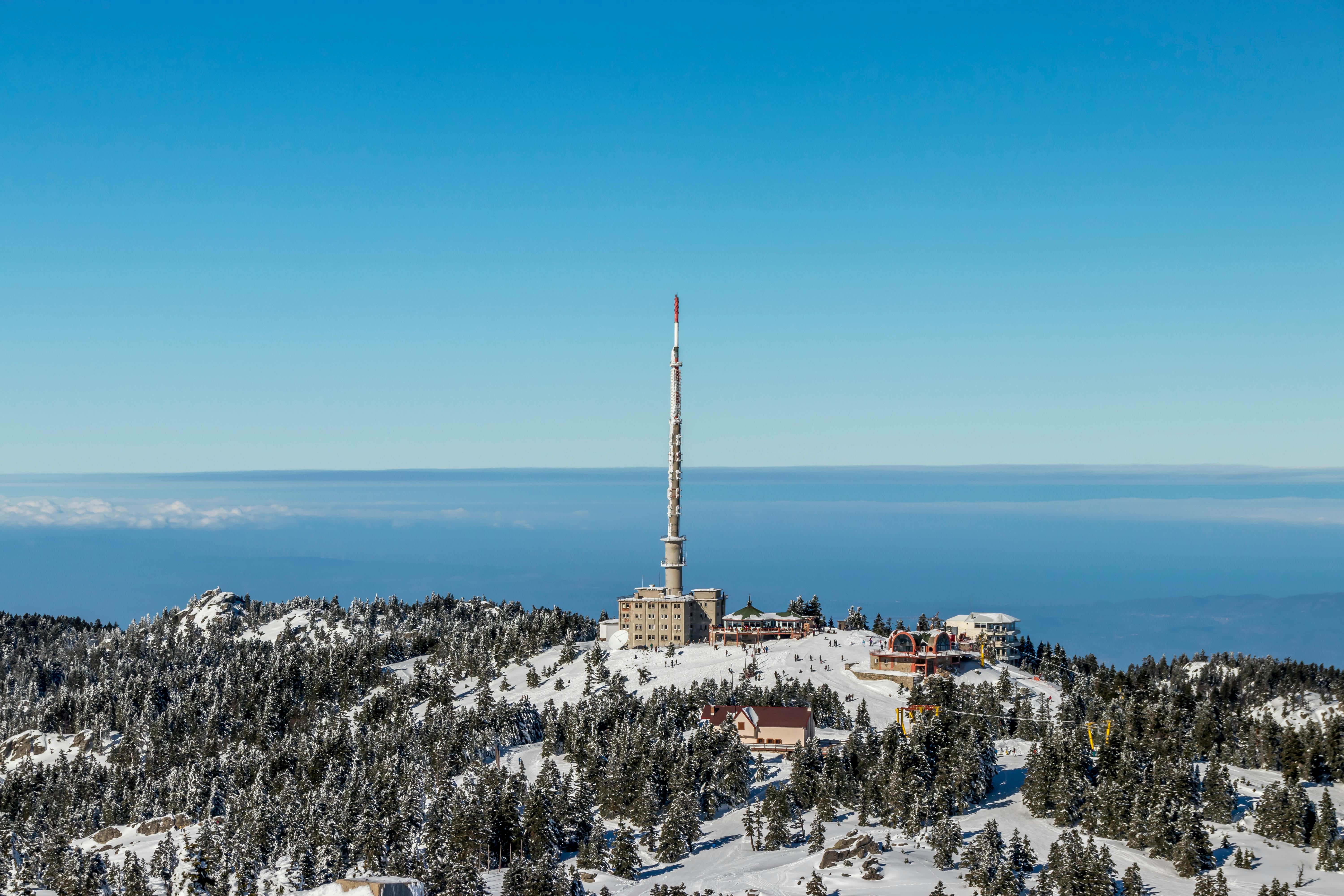
Uludağ,
known in ancient times as Mount Olympus of Mysia, has been a sacred and
strategic mountain throughout history. Today, it is Turkey’s most popular
winter sports destination and a year-round nature escape.
Things to do in
Uludağ:
Skiing
and snowboarding in winter
Hiking
and nature walks in summer
Panoramic
cable car ride—one of the longest in the world
Uludağ
also played a historical role as a natural defense for early Bursa.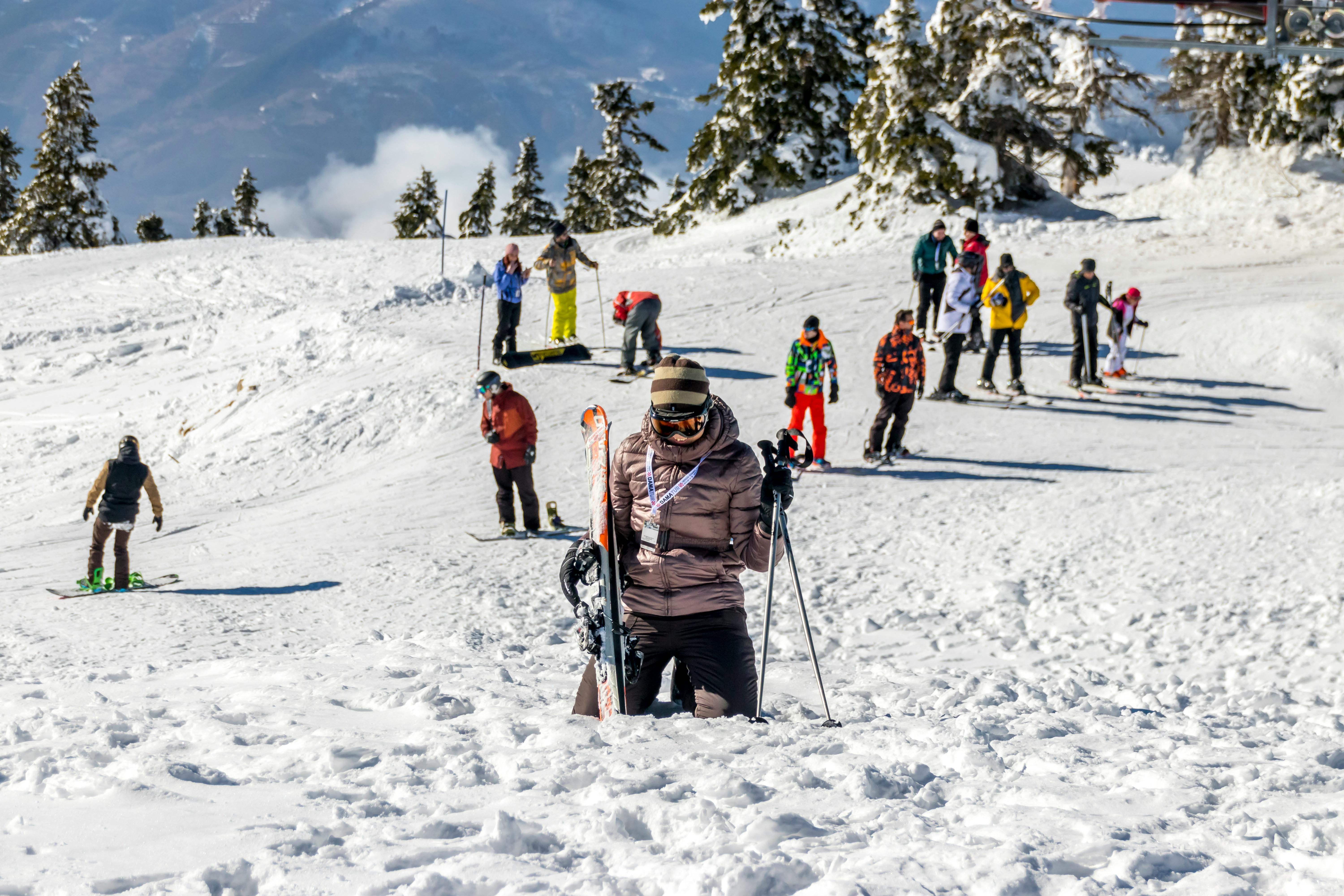
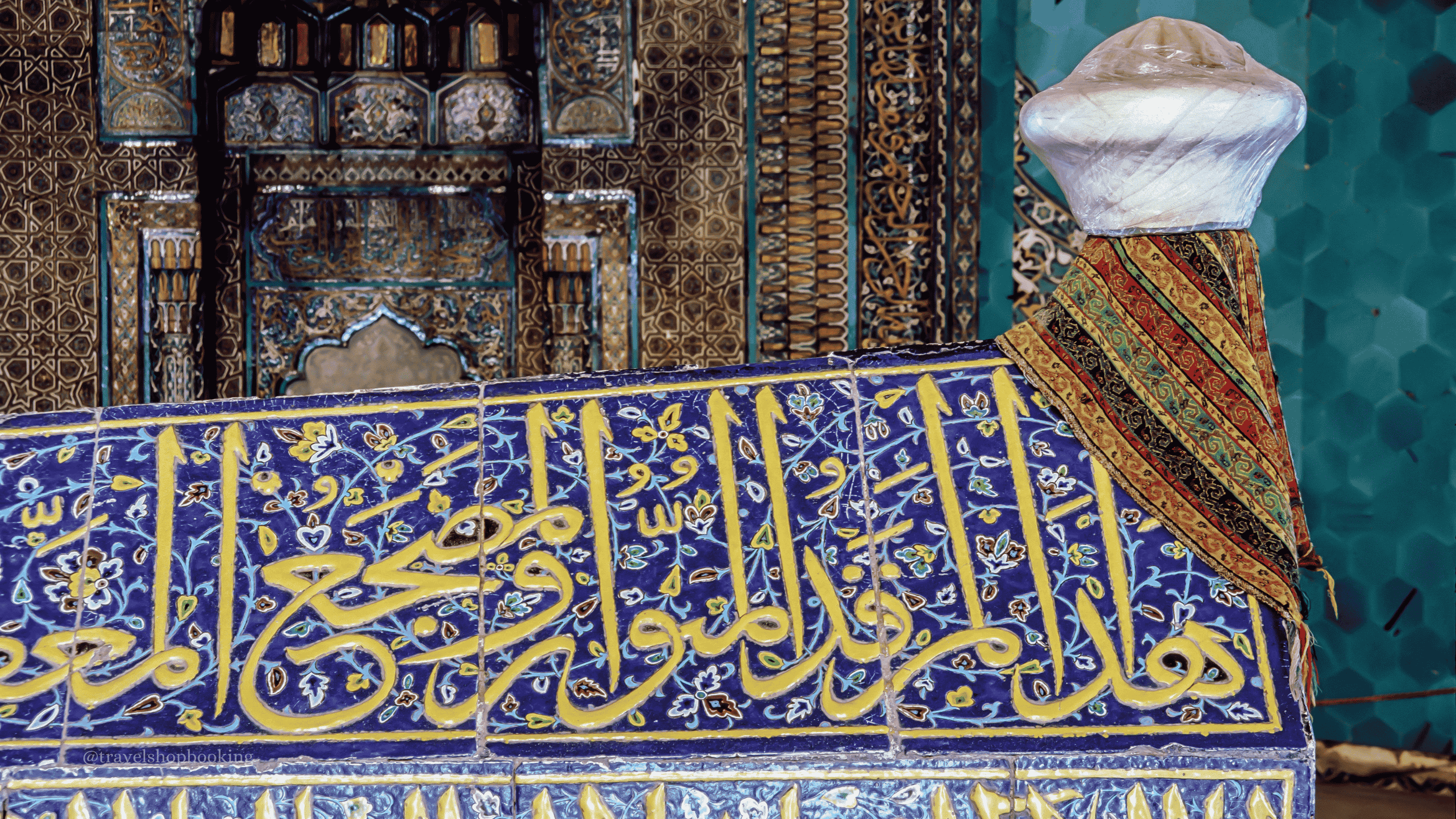
4. Green Mosque &
Green Tomb (Yeşil Camii & Yeşil Türbe)
These
iconic landmarks represent the aesthetic peak of early Ottoman tile art. Built
in the 15th century for Sultan Mehmed I, the complex is famous for its
turquoise and green Iznik tiles.
The
Green Tomb houses the sultan’s mausoleum and remains one of the most
photographed sites in Bursa. 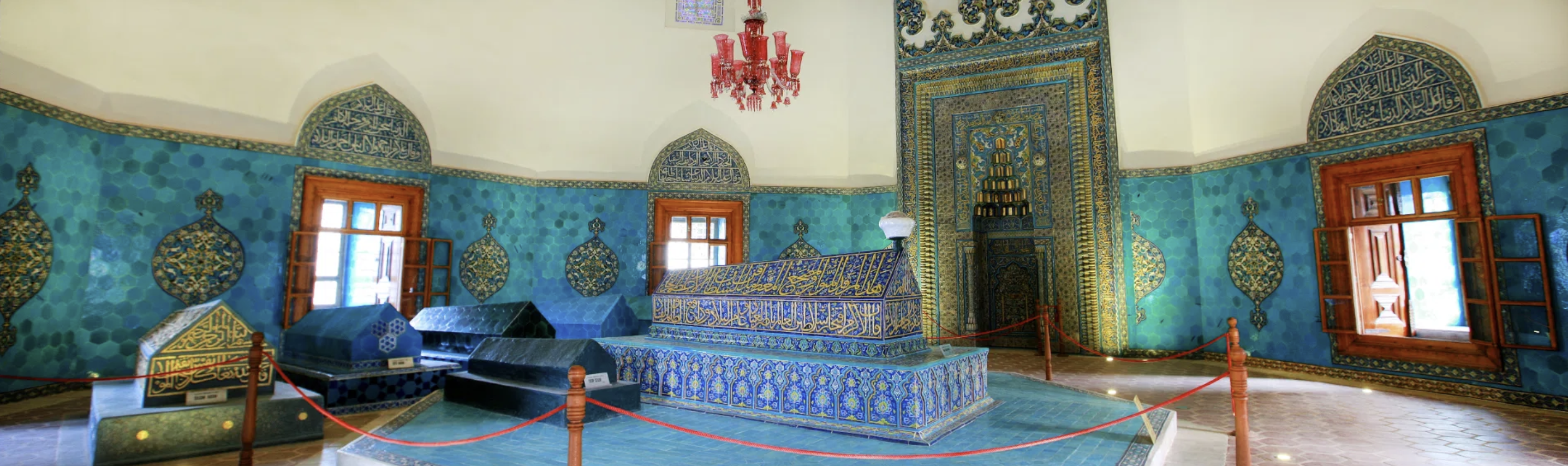
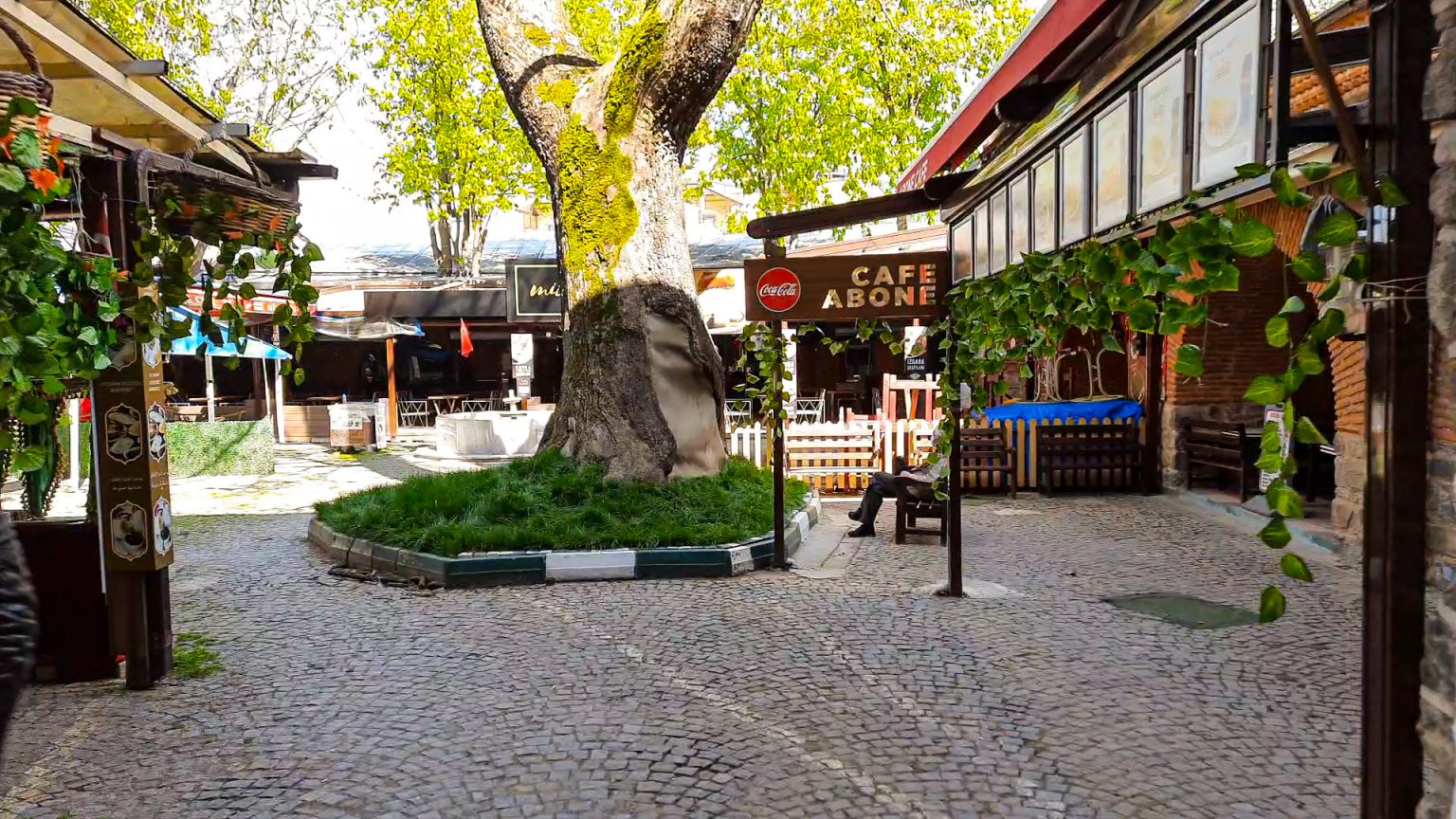
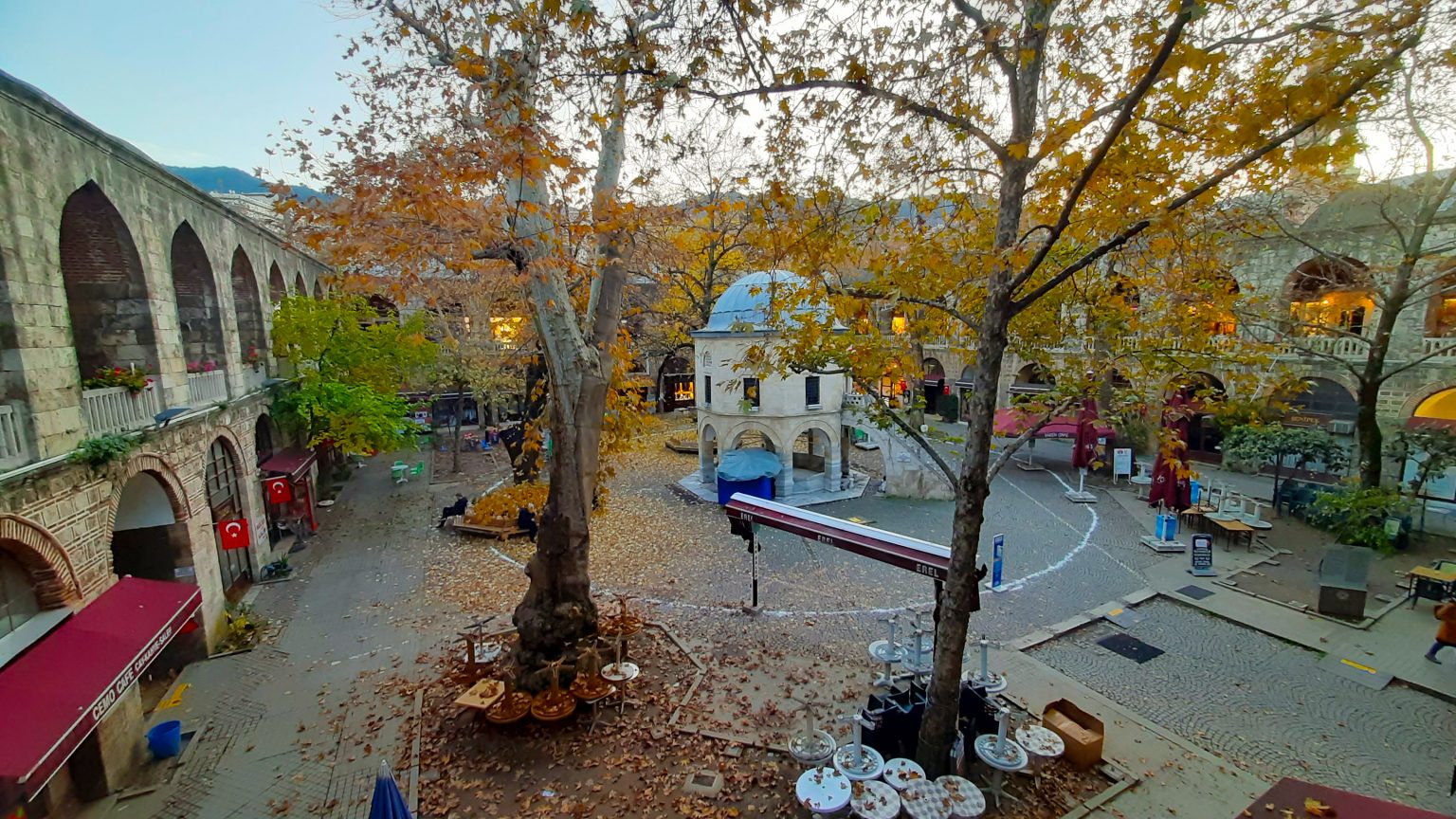
5. Koza Han – The
Heart of the Silk Road
Bursa
was a major stop on the Silk Road, and Koza Han (built in 1491) was its
commercial heart. The han played a vital role in the Ottoman silk trade,
connecting Bursa to Europe and Asia.
Today,
visitors can:
Shop
for authentic silk products
Enjoy
Turkish tea in the historic courtyard
Experience
Ottoman commercial architecture
6. Experience Bursa’s
Famous Thermal Baths
Bursa
has been a spa city since Roman times, thanks to its natural hot springs. The
Ottomans later developed bath complexes that combined health, architecture, and
social life.
The
Çekirge district remains the center of thermal tourism, offering:
Historic
Ottoman baths
Modern
spa hotels
Natural
healing waters
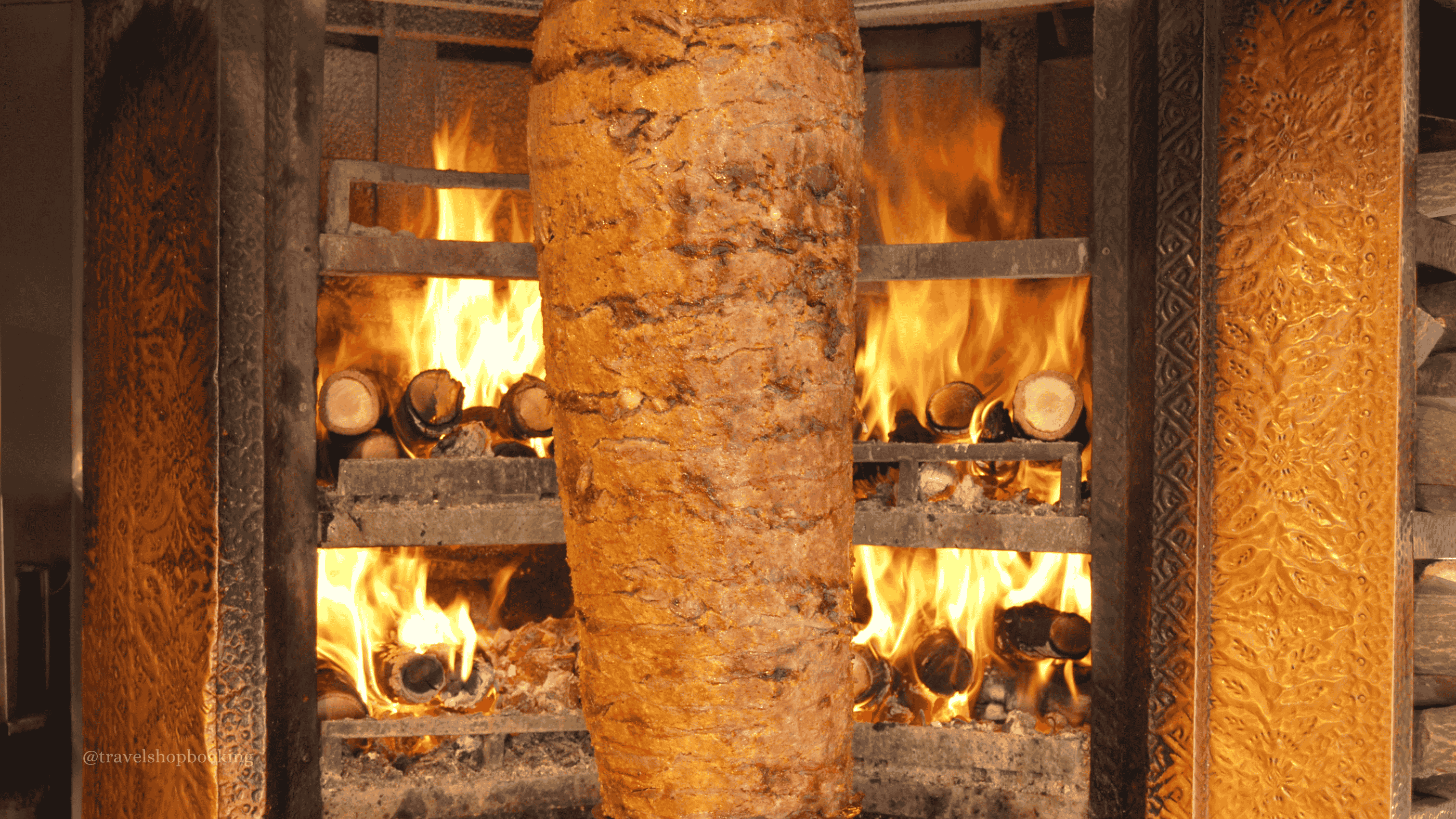
7. Taste the
Legendary İskender Kebab
Bursa
is the birthplace of İskender Kebab, one of Turkey’s most famous dishes.
Invented in the late 19th century, this culinary icon reflects Bursa’s role in
shaping Turkish cuisine.
Made with:
Thinly
sliced döner
Pita
bread
Tomato
sauce
Melted
butter & yogurt
Eating
İskender in Bursa is not just a meal—it’s a cultural experience.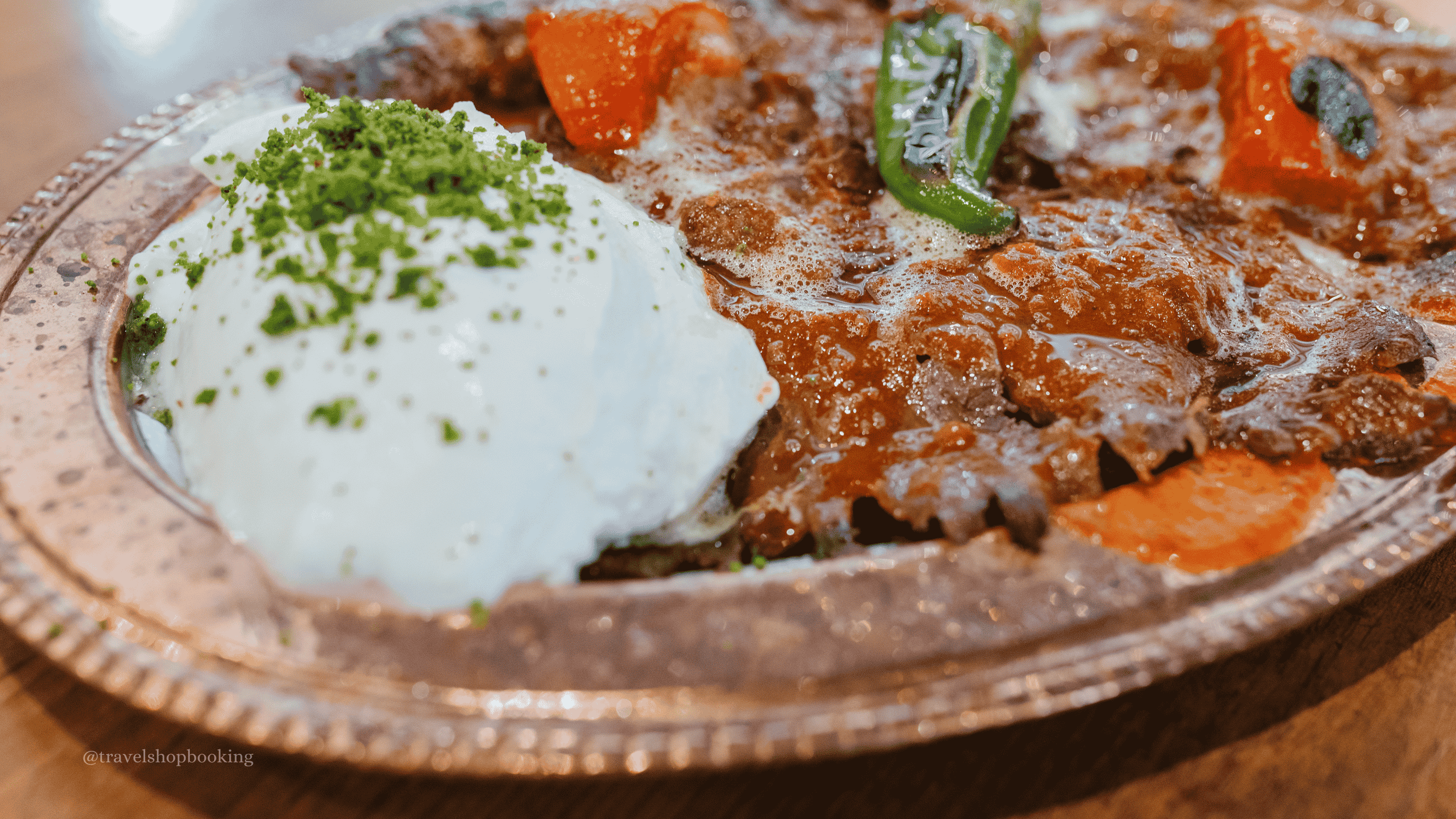
Best Time to Visit
Bursa
Spring
(April–June): Ideal weather and blooming nature
Winter
(December–February): Ski season in Uludağ
Summer:
Cooler climate compared to coastal cities
Why
Bursa Matters in Turkish History
Bursa
is more than a destination—it is where the Ottoman identity was formed. The
city shaped early Ottoman governance, architecture, religious life, and trade
systems that later influenced Istanbul and beyond.
Final Thoughts
Bursa
offers travelers a rare combination of:
Deep
historical significance
UNESCO-protected
heritage
Natural
beauty
World-class
cuisine
Wellness
tourism
Whether
you are a history enthusiast, cultural explorer, or nature lover, Bursa is one
of Turkey’s most meaningful travel destinations.
Loading comments…