
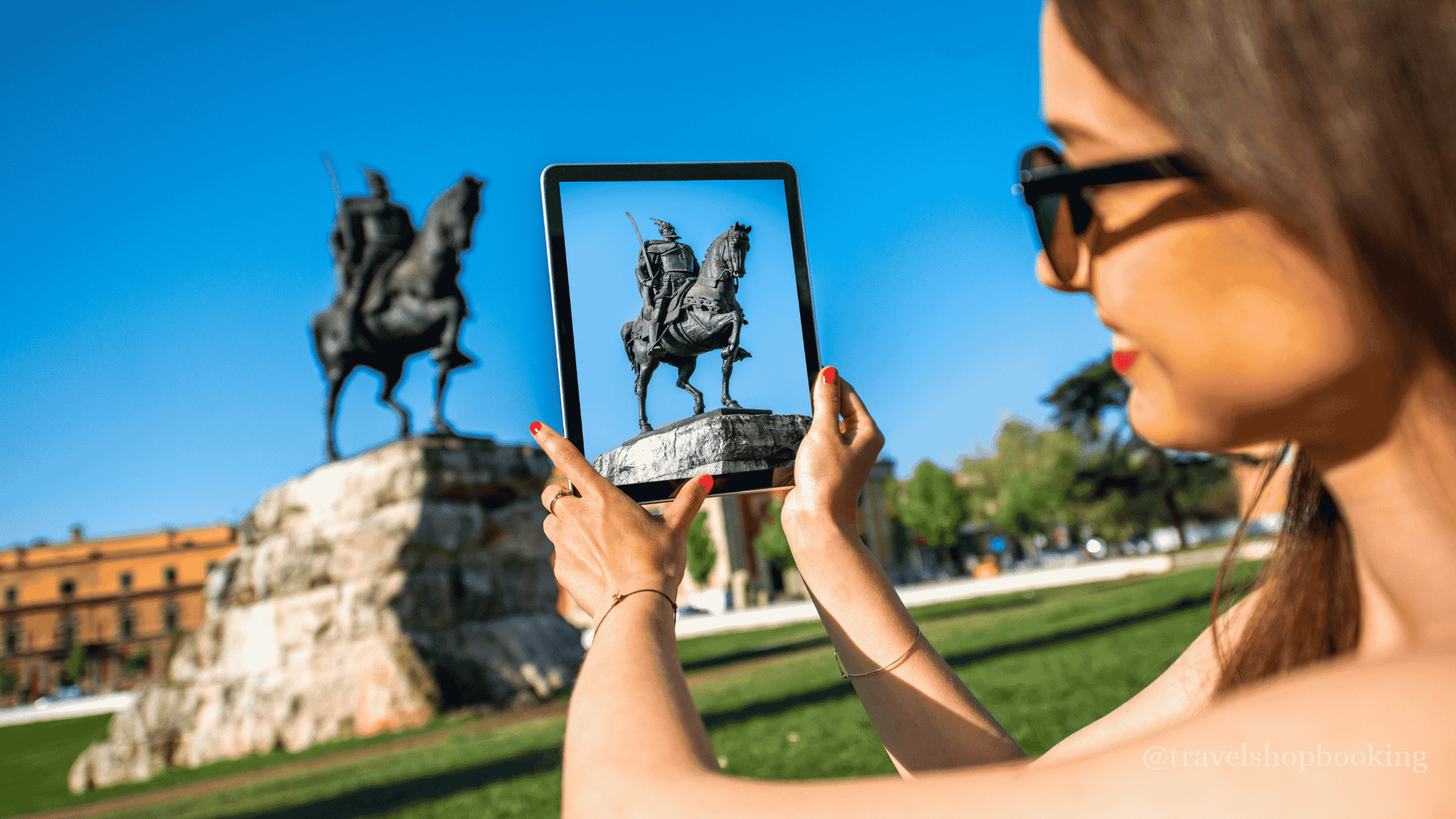
For most trips, the best time to visit Albania is late spring or early autumn, particularly May–June and September. These months are useful for exploring Tirana, Berat and Gjirokastër without the intense heat of midsummer. For swimming and lively beach resorts, choose June–September; for high routes in the Albanian Alps, plan around summer trail conditions rather than assuming that every May hike is accessible.
Albania stretches from the Adriatic and Ionian coasts to the mountains of the north, so the right month depends on where you are going. The beach season, historic-city sightseeing season and high-altitude trekking window do not follow exactly the same calendar.
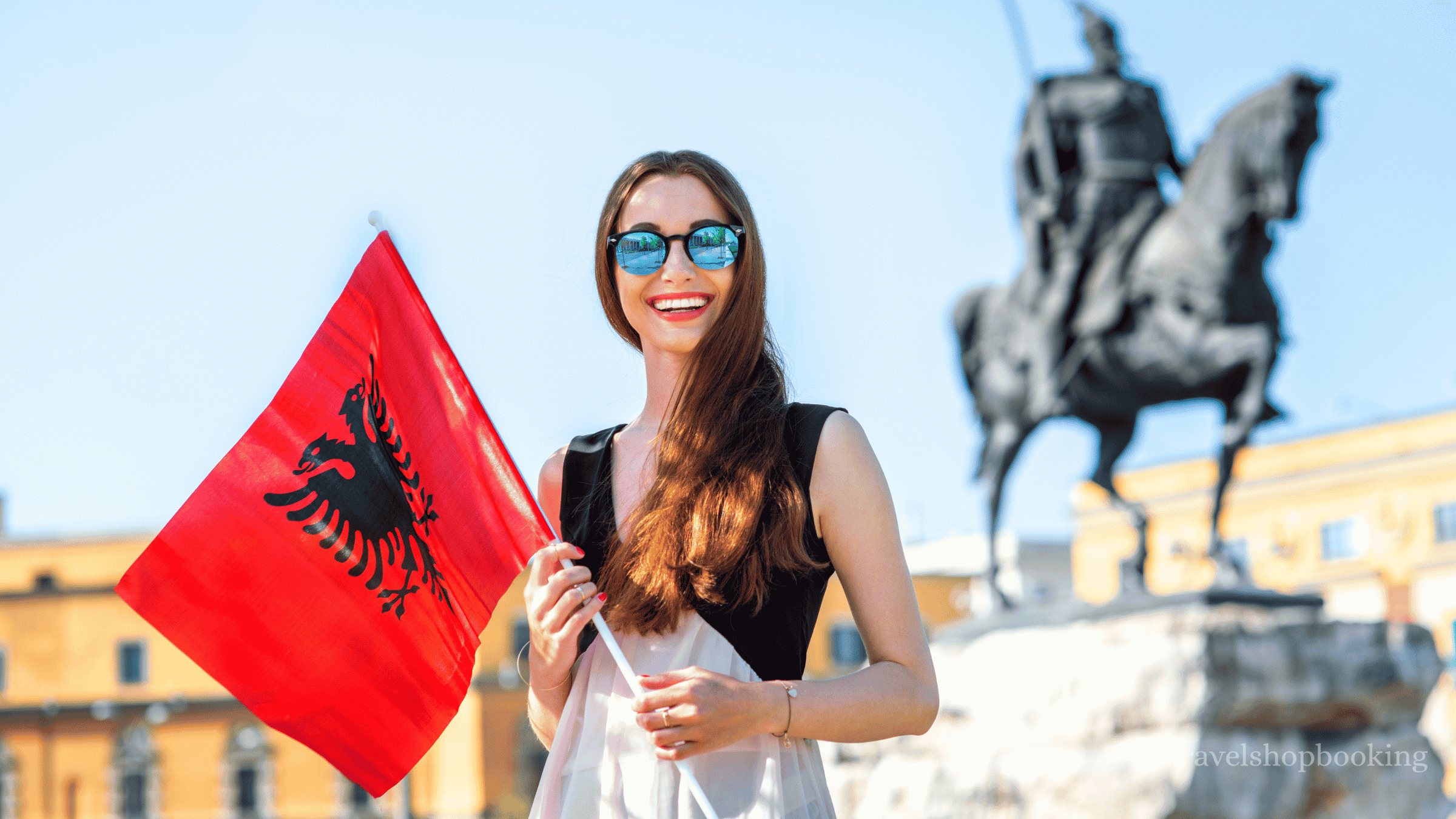
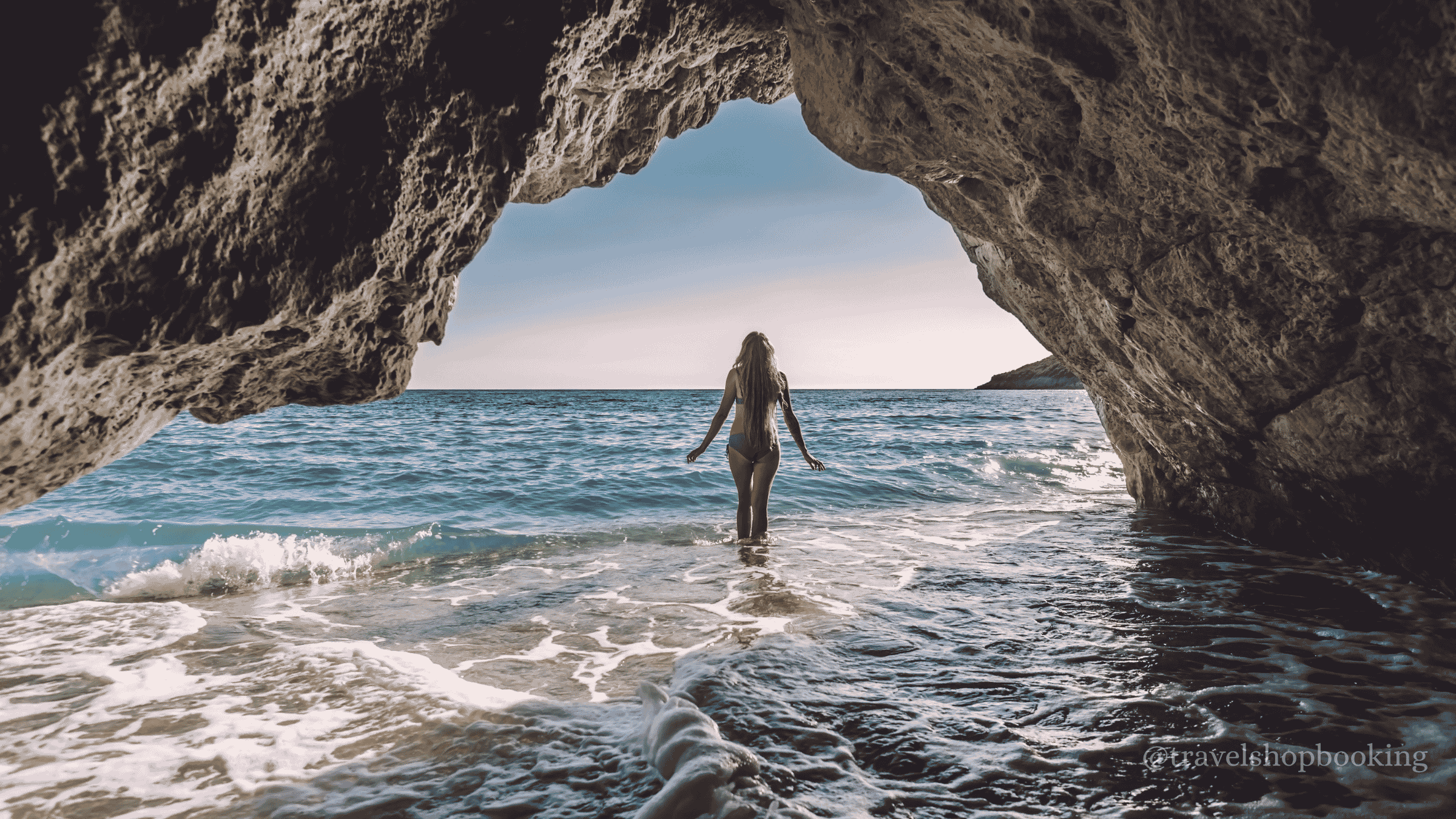
When Is the Best Time to Visit Albania?
May–October is a useful overall travel window, not a promise that every attraction, mountain trail or seasonal business is operating throughout it. Choose your dates around your main activity:
Beach holidays — June to September: July and August are the busiest resort months; September often offers a quieter balance of swimming and sightseeing.
Historic cities — April to June, September and October: More comfortable for walking around Berat, Gjirokastër and Tirana than the hottest summer afternoons.
Low-elevation nature walks — spring and autumn: Southern coastal trails are particularly appealing outside the hottest summer weeks.
High Alpine hiking — mainly summer: Routes around Theth and Valbona can retain snow into June; check the specific crossing and local conditions before committing.
Potentially lower accommodation costs — outside the summer peak: Compare actual dates and locations; cheaper stays and fully operating beach services do not always coincide.
For a multi-region visit, September is a practical compromise if you want the coast and historic cities together. It is not automatically the best month for every mountain route or every traveler. If you prefer to see several destinations on an organized itinerary, compare Albania tours by route, date and inclusions.
Albania Weather Throughout the Year
Albania's coastal lowlands have a Mediterranean climate, while inland and mountainous areas experience cooler conditions and more winter snow. This difference matters more than a single countrywide temperature range. The Albanian National Tourism Agency's Theth information describes substantial winter snowfall in the northern mountains; coastal conditions cannot be used to judge the safety of high trails.
Visiting Albania in Spring (March to May)
Spring is particularly good for cultural sightseeing. Walk through Berat's Mangalem and Gorica quarters, explore Gjirokastër's old streets, or spend time in Tirana and Shkodër before peak summer heat. Rain remains possible, so allow flexibility for outdoor activities. Travelers focusing on Berat can compare Berat tours alongside independent sightseeing plans.
In the north, the valleys begin to green up as snow melts, but visiting Theth village is not the same as crossing a high mountain pass. Do not assume the Theth–Valbona route is passable in April or May.
Visiting Albania in Summer (June to August)
Summer is the main beach-holiday season along the Riviera. Ksamil, Sarandë, Dhërmi, Himarë and nearby coastal villages are popular for swimming, boat outings and seaside dining. July and August bring stronger demand for accommodation and beach facilities; secure essential bookings in advance if your dates are fixed.
For a family trip, check the beach location, transport arrangements and each property's facilities rather than assuming every coastal package offers the same services. You can also compare Albania family holiday tours if an organized itinerary suits your group.
Summer is also the main period to consider higher routes in the Albanian Alps, once snow has cleared and trail conditions have been confirmed. Even then, mountain weather can change quickly.
Visiting Albania in Autumn (September to November)
September is often a strong option for travelers who want to combine the coast with Tirana, Berat or Gjirokastër. Swimming may remain comfortable on warmer days, while the busiest summer holiday period has passed. By October, sea conditions and weather become less predictable, particularly for a beach-centred trip.
Autumn also suits southern coastal walking and cultural visits. However, some beach bars, small restaurants and local services may reduce hours or close after the summer season, especially away from the larger towns. The official Southern Coastal Trail guide specifically advises arranging accommodation and checking services outside the main beach season.
Visiting Albania in Winter (December to February)
Winter suits city breaks, local food and cultural attractions more than a conventional beach holiday. Tirana remains a year-round city destination; Korçë, Dardha and Voskopoja offer a different experience with cold-weather landscapes and local traditions. Travelers can explore Tirana tours as one option for a city-focused visit.
The Albanian Alps receive heavy snow. Mountain roads, guesthouses and walks require separate checks, and a winter visit to a village should never be presented as an ordinary high-pass trekking trip.
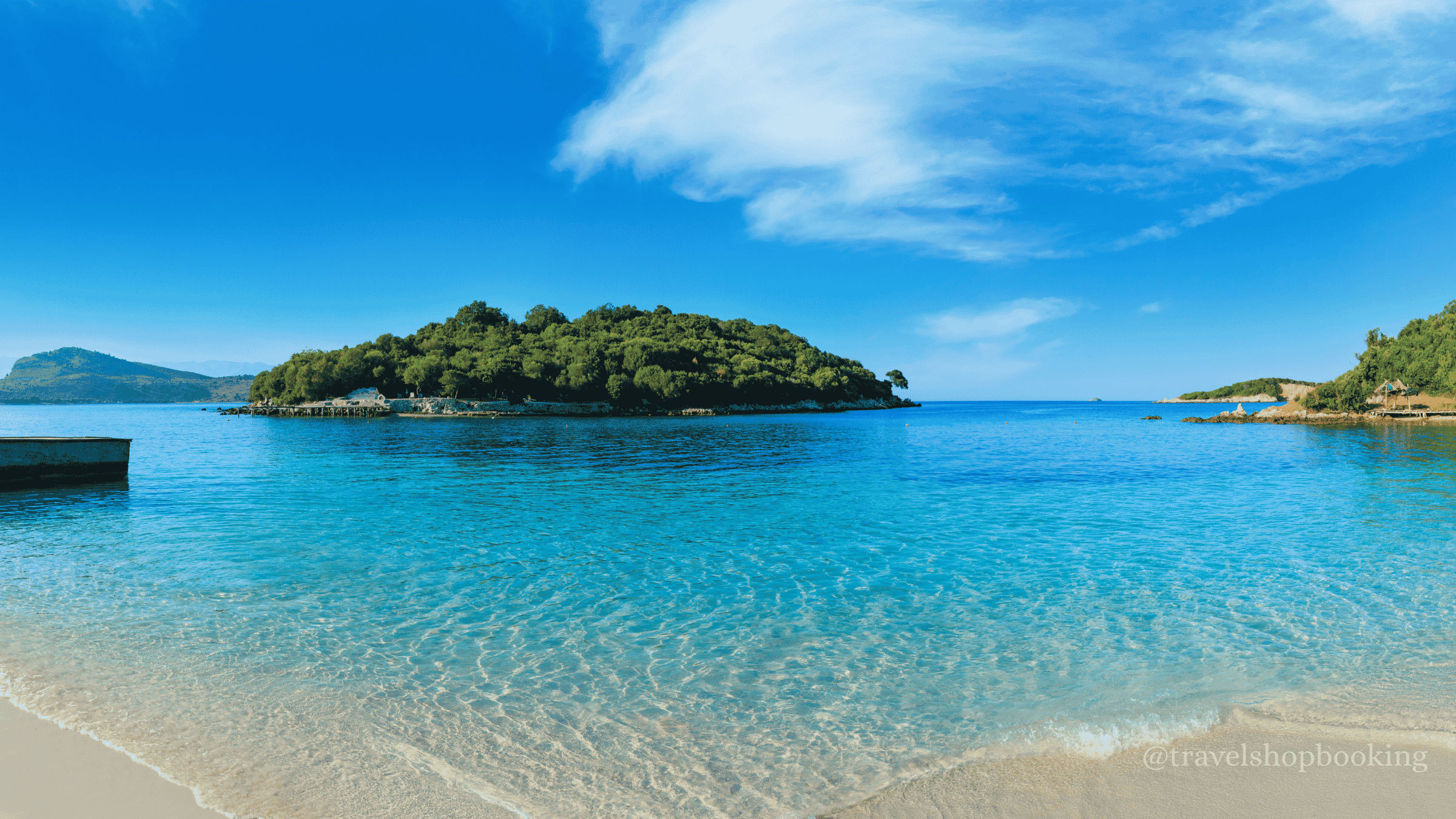
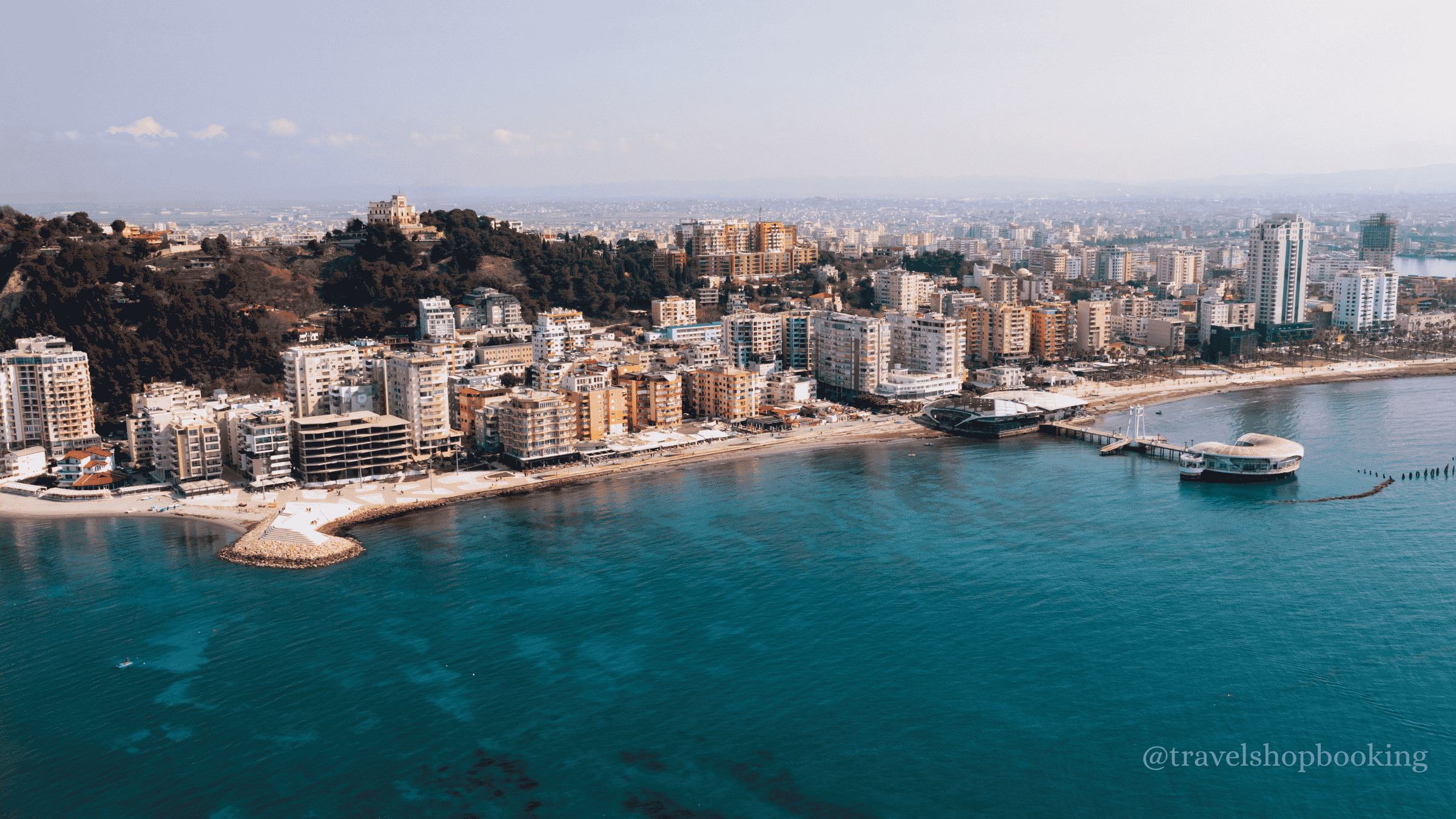
Best Time to Visit Albania for Beaches
June–September is the main period to plan a beach-focused holiday. July and August suit travelers who prioritize the warmest resort atmosphere and a wide choice of seasonal services. June and September may be more comfortable if you also want sightseeing and dislike the busiest weeks, although conditions vary by year.
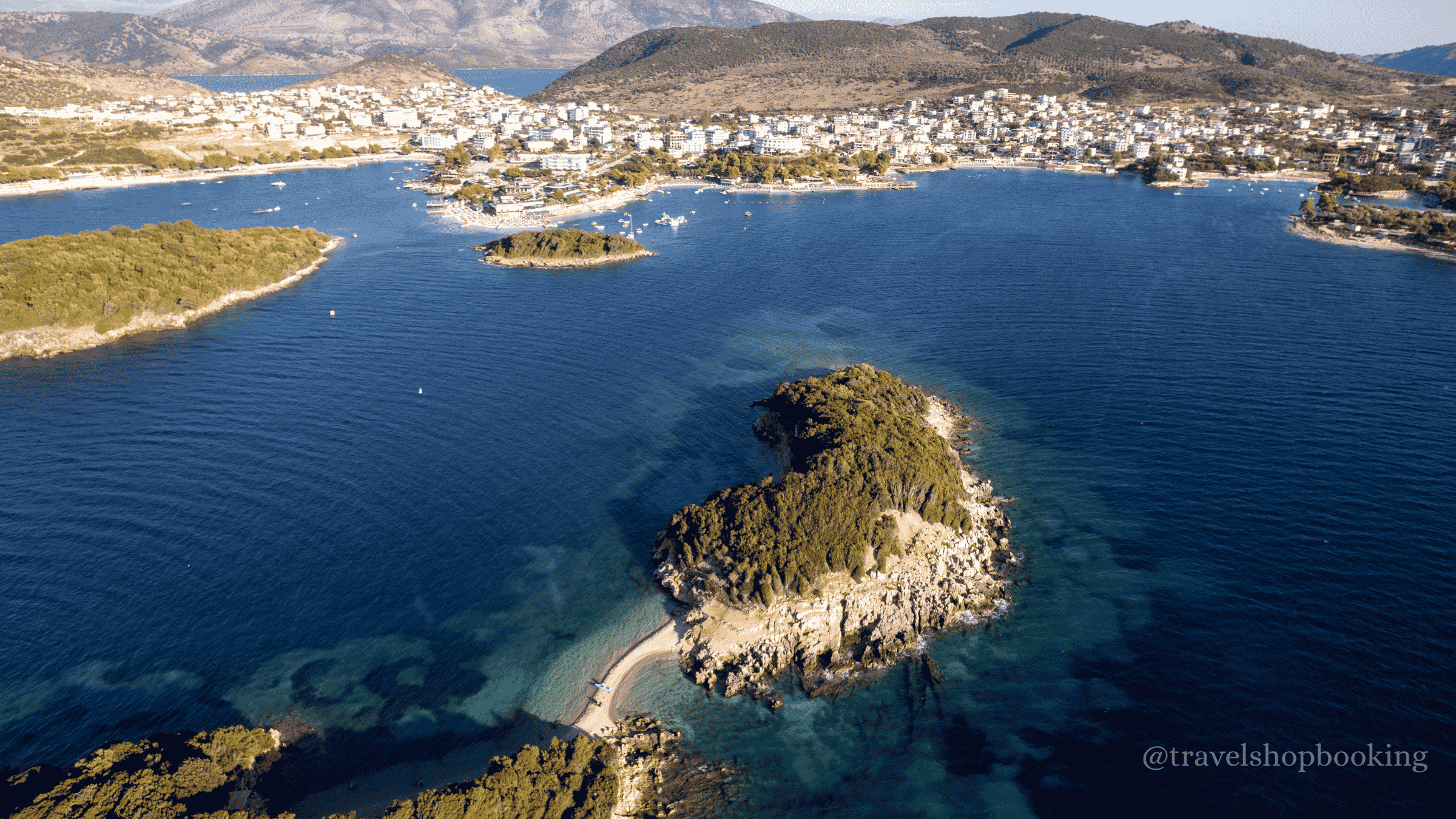
Ksamil and Sarandë work well for a southern coastal stay, with Butrint and other nearby sights adding cultural options. Dhërmi, Himarë, Jalë (Jale Beach) and Borsh appeal to visitors interested in different bays and stretches of the Riviera. Accessibility, travel between beaches and the availability of boat services vary by location and season.
If you are travelling in April, May or October, confirm that your chosen accommodation and the specific restaurants or beach facilities you want are operating. For place-by-place details, read the Albanian Riviera travel guide.
Best Time to Visit Albania for Hiking and Nature
There is no single hiking season for all of Albania. Lower, warmer southern routes, including walks near Llogara and sections of the Southern Coastal Trail, are often more pleasant in spring or autumn than in July and August. The coastal trail guide recommends spring and autumn because peak summer can be too hot for extended active walks.
Theth, Valbona and the Albanian Alps require a different approach. High passes may hold snow well into the warmer months, and routes such as the Theth–Valbona crossing should be planned as summer hikes subject to current local advice, not as guaranteed spring activities. Valley walks can have different conditions from a full crossing. Check trail conditions, weather forecasts, road access and overnight accommodation before setting out.
Lake Koman (Komani Lake) is another northern option, but boat services and onward connections can be seasonal; do not assume a particular ferry will operate on your intended date. Travelers comparing organized activities can browse Albania adventure tours, checking each itinerary's actual destinations, inclusions and dates.
Best Places to Visit in Albania by Season
Use the following regional choices after deciding whether your priority is swimming, city sightseeing or mountain travel. For broader destination inspiration, see best places to visit in Albania.
Spring Destinations
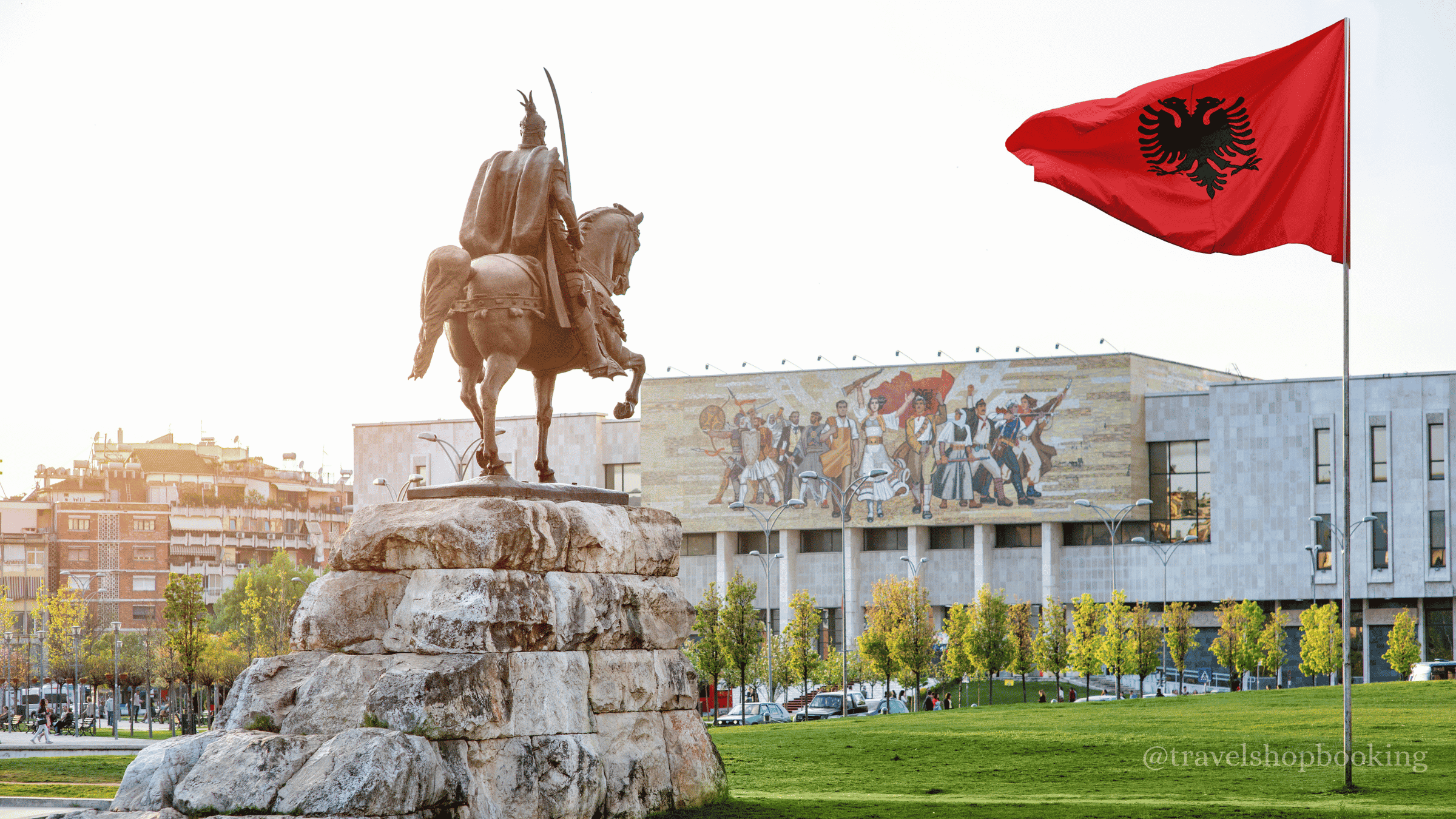
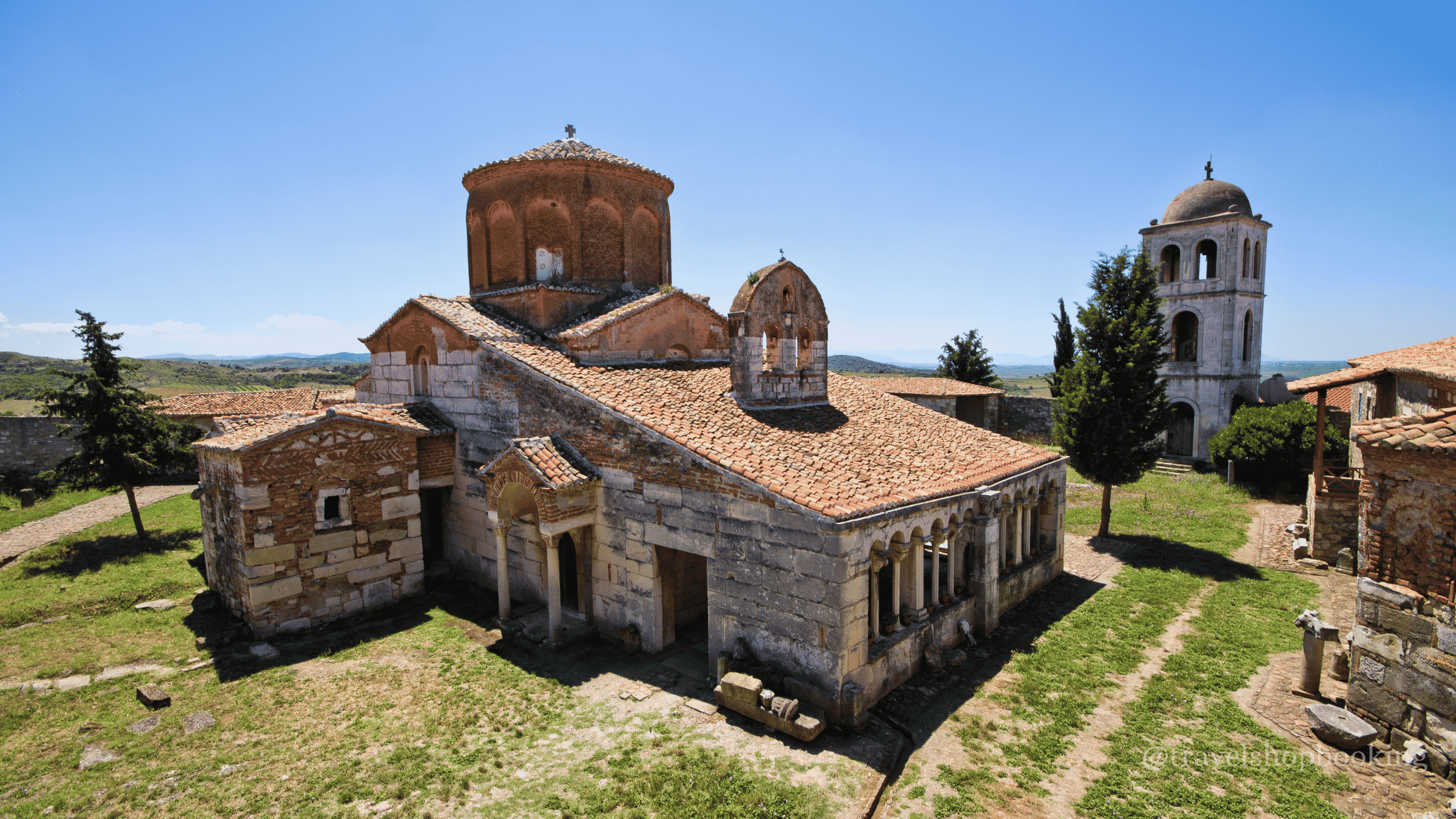
Berat, Gjirokastër, Tirana and Shkodër are good cultural choices when you want time to walk around historic districts. Theth village may become more approachable later in spring, but high trails remain condition-dependent.
Summer Destinations
Ksamil, Sarandë, Dhërmi, Himarë, Jalë and Borsh are central to a Riviera beach itinerary. For mountain-focused travel, the valleys of Theth and Valbona can offer cooler surroundings, with high crossings reserved for suitable conditions.
Autumn Destinations
The Albanian Riviera in early autumn can combine quieter beaches with cultural stops. Berat, Gjirokastër, Korçë and the Lake Ohrid area suit a sightseeing-focused route. Late-season mountain trips need weather, daylight and accommodation checks.
Winter Destinations
Tirana, Korçë, Dardha and Voskopoja fit winter city and cultural travel. The Albanian Alps are a snow-covered landscape rather than a routine summer-style hiking option; avoid planning high passes without specialized local guidance.
Frequently Asked Questions
What is the best month to visit Albania?
September is a useful all-round choice for combining the Riviera with cultural sightseeing. May and June may be better for city walks; July and August suit peak-season beach holidays; high-altitude hikers must consider actual trail conditions.
Is Albania worth visiting in summer?
Yes, particularly for swimming, beach resorts and some high-mountain excursions. Expect more demand in popular coastal towns during July and August, and avoid scheduling strenuous low-altitude walks for the hottest part of the day.
Can you swim in Albania in September?
Often, yes, especially along the southern coast when the weather remains warm. Swimming conditions vary by day and location, and seasonal beach facilities may begin winding down as autumn progresses.
What is the cheapest time to visit Albania?
There is no reliably cheapest month for every destination. Off-peak travel may bring lower accommodation quotes, but compare your exact dates and confirm whether transport, restaurants and accommodation are operating.
Does Albania get cold in winter?
Yes. Northern and high mountain areas can experience significant snow, while the coast is generally milder and wetter. Check local forecasts rather than relying on one national average.
Is Albania crowded during July and August?
Popular Riviera destinations such as Ksamil, Sarandë and Dhërmi generally attract their strongest summer demand then. Booking accommodation ahead is sensible, but crowding differs between towns and individual beaches.
Loading comments…