
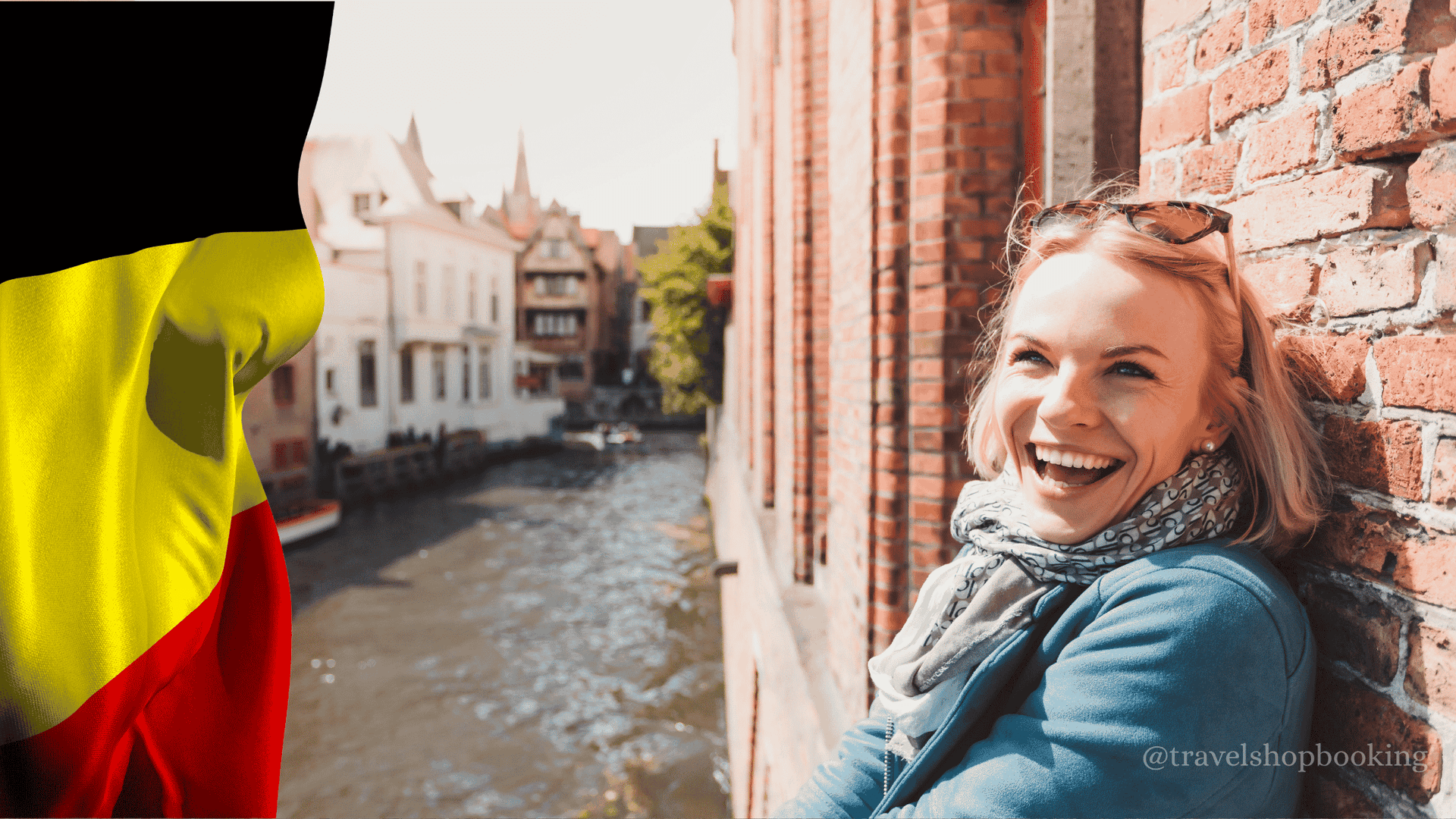
Belgium is a compact European destination known for medieval cities, Gothic architecture, art museums, historic squares, canals, chocolate, waffles, and a strong beer culture. Travelers can explore Brussels, Bruges, Ghent, and Antwerp within the same trip, while smaller towns and countryside areas offer quieter experiences beyond the main cities.
The best time to visit Belgium depends on the type of holiday you are planning. Spring is suitable for gardens and city tours, summer offers long days and outdoor events, autumn is ideal for cultural trips with fewer visitors, and winter brings Christmas markets and festive city centers.
When Is the Best Time to Visit Belgium?
For most travelers, the best time to visit Belgium is between April and October. During these months, temperatures are generally suitable for walking tours, canal trips, outdoor dining, festivals, and day trips between cities.
May, June, September, and early October offer a good balance of mild weather and manageable crowds. July and August bring the warmest conditions, but major destinations such as Bruges and Brussels can become busier.
Travel Style Best Months
Sightseeing April – June, September – October
Outdoor Activities May – September
Festivals and Events June – August
Christmas Markets Late November – December
Budget Travel January – March, November
Fewer Crowds March – April, October – November
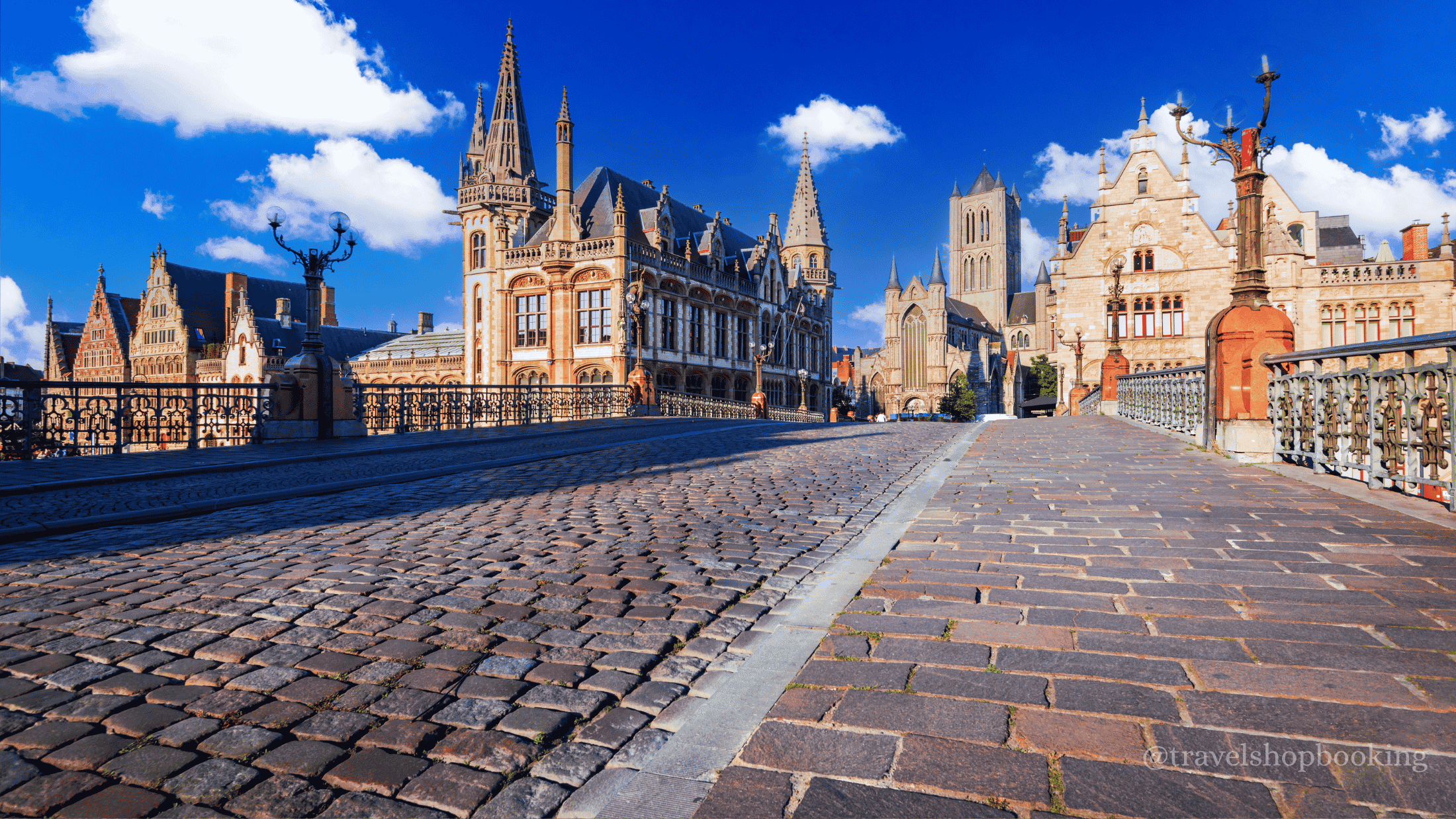
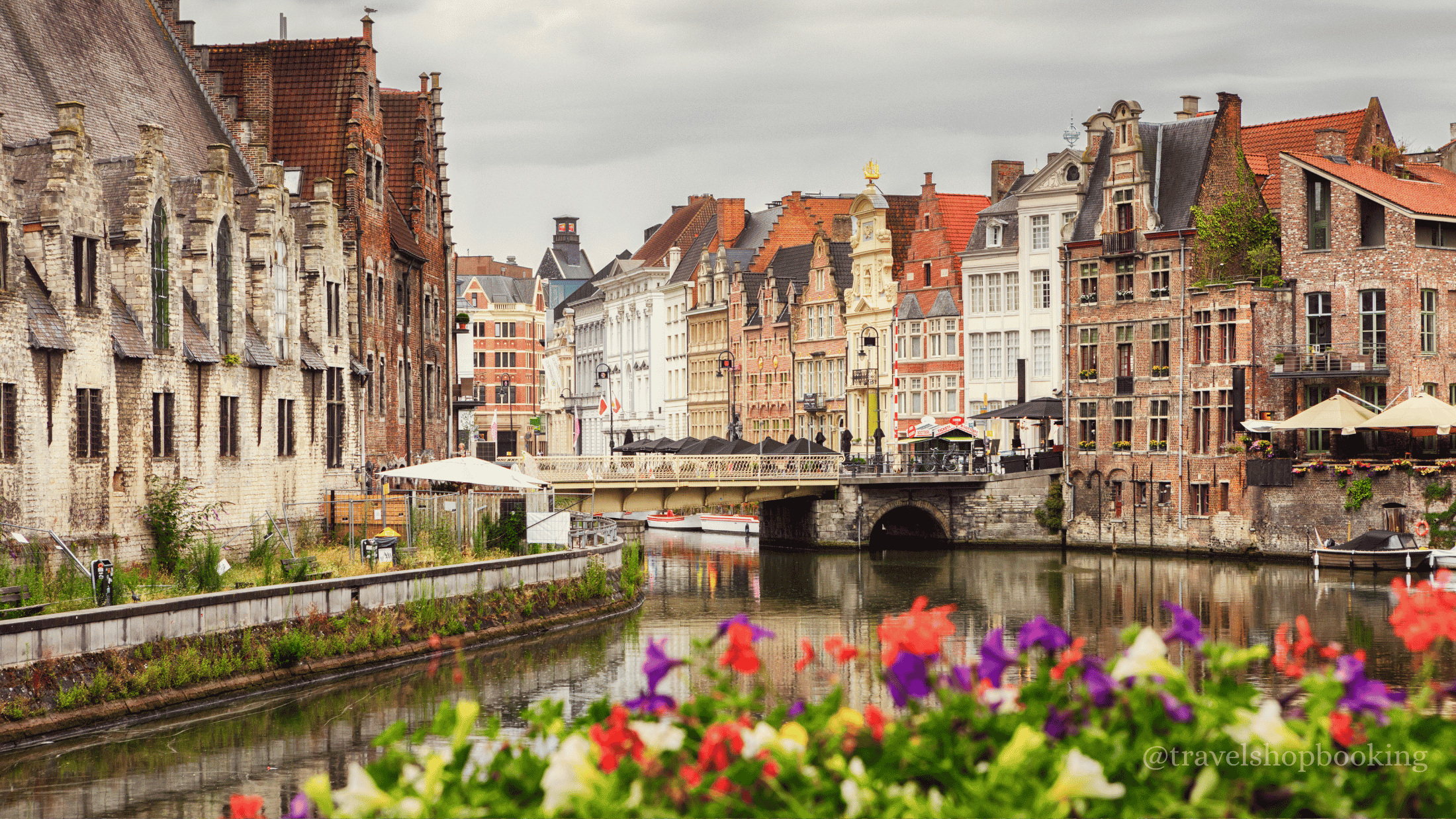
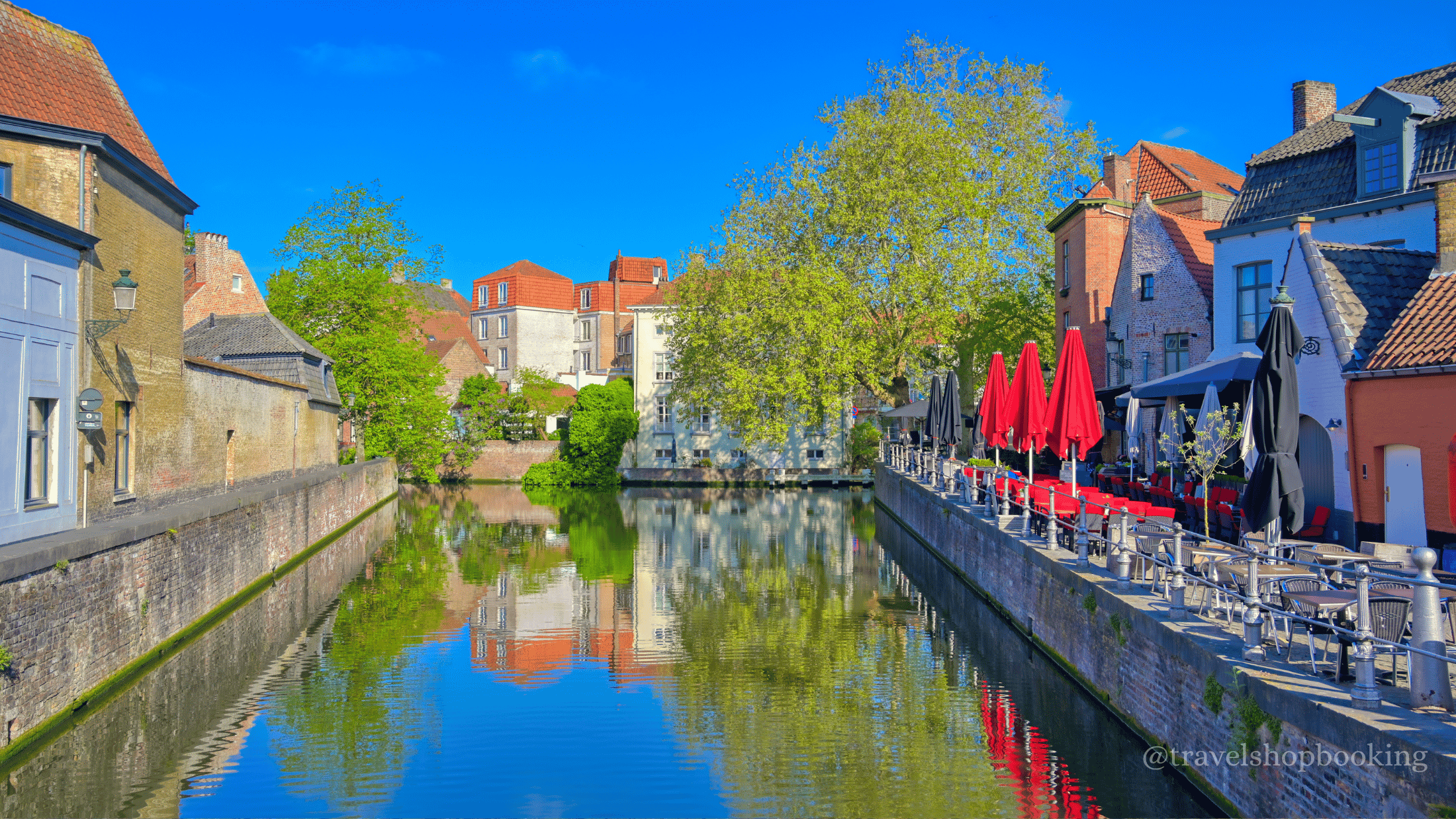
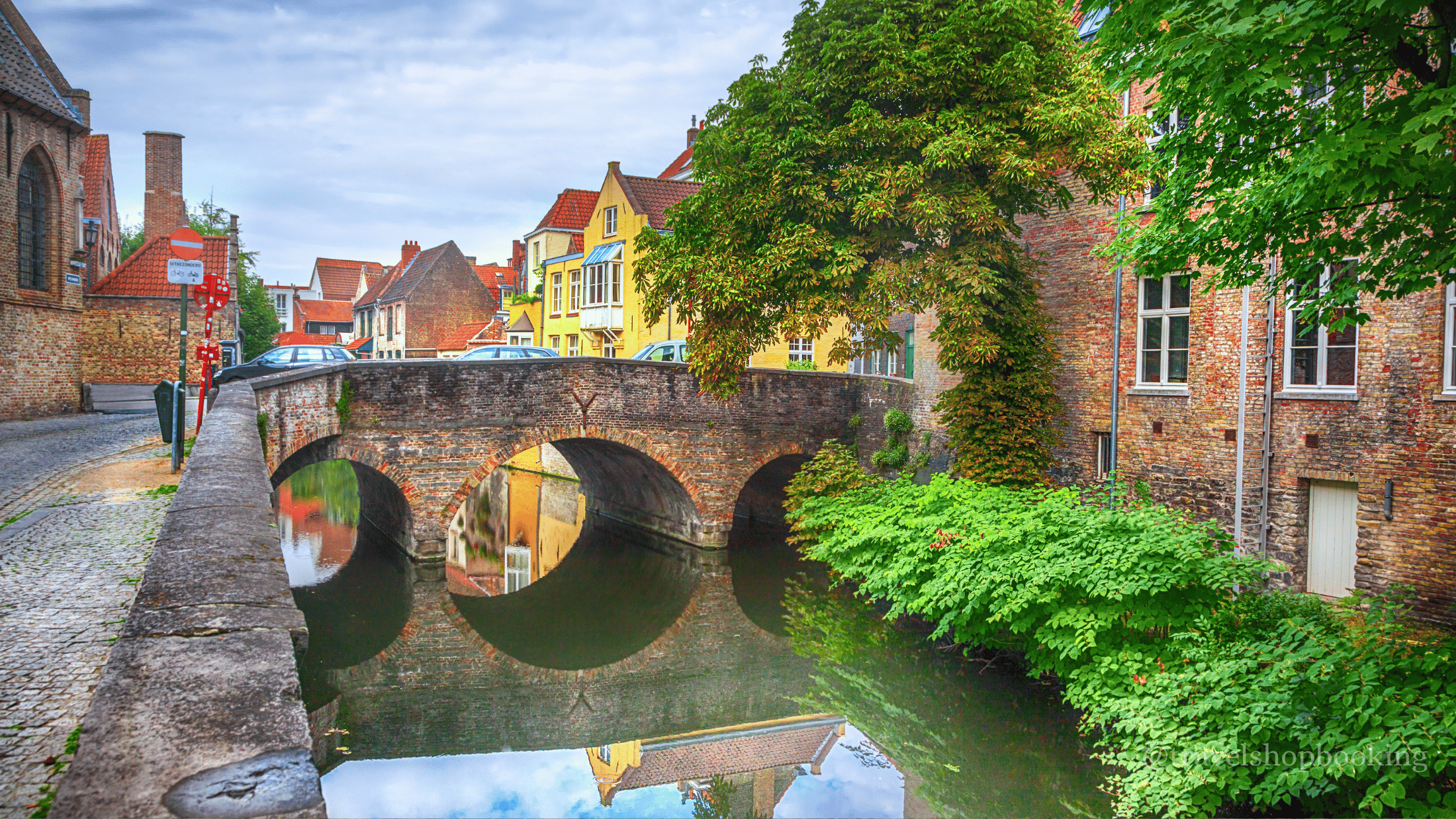
Belgium Weather Throughout the Year
Belgium has a temperate maritime climate, which means the weather can be changeable throughout the year. Rain is possible in every season, and sunny periods may be followed by cloudy or wet conditions.
Winters are usually cool rather than extremely cold, while summers are mild to warm. Coastal areas are often windier, and the Ardennes region is generally cooler than Brussels, Bruges, Ghent, and Antwerp.
Visiting Belgium in Spring (March to May)
Spring is one of the most pleasant periods for visiting Belgium. Temperatures gradually increase, parks and gardens begin to bloom, and the main cities are usually less crowded than in summer.
March can still be cold and wet, but April and May offer better conditions for walking through historic centers and taking day trips. Brussels, Bruges, Ghent, Antwerp, and Leuven are all suitable destinations during this season.
Spring is also a good period for visiting gardens and flower displays. Travelers should still carry a waterproof jacket or umbrella because rainfall can occur without much warning.
Visiting Belgium in Summer (June to August)
Summer is the warmest and busiest travel season in Belgium. Days are longer, outdoor terraces become lively, and festivals take place in cities and towns across the country.
Average daytime temperatures are often between 20°C and 25°C, although warmer periods can occur. The weather is usually comfortable for sightseeing, canal tours, cycling, and outdoor dining.
Bruges and Brussels can become crowded during July and August, particularly on weekends. Booking accommodation in advance is recommended during major festivals and public holiday periods.
Visiting Belgium in Autumn (September to November)
Autumn is an excellent season for travelers interested in museums, architecture, local food, and quieter city breaks. September often remains mild, while October brings cooler temperatures and colorful parks.
Brussels, Ghent, Antwerp, and Bruges remain active throughout autumn. The lower visitor numbers make it easier to explore popular museums, historic buildings, and central squares.
November is colder and wetter, but accommodation can be more affordable. It is a suitable month for travelers who plan to focus on indoor attractions, cafés, restaurants, and cultural experiences.
Visiting Belgium in Winter (December to February)
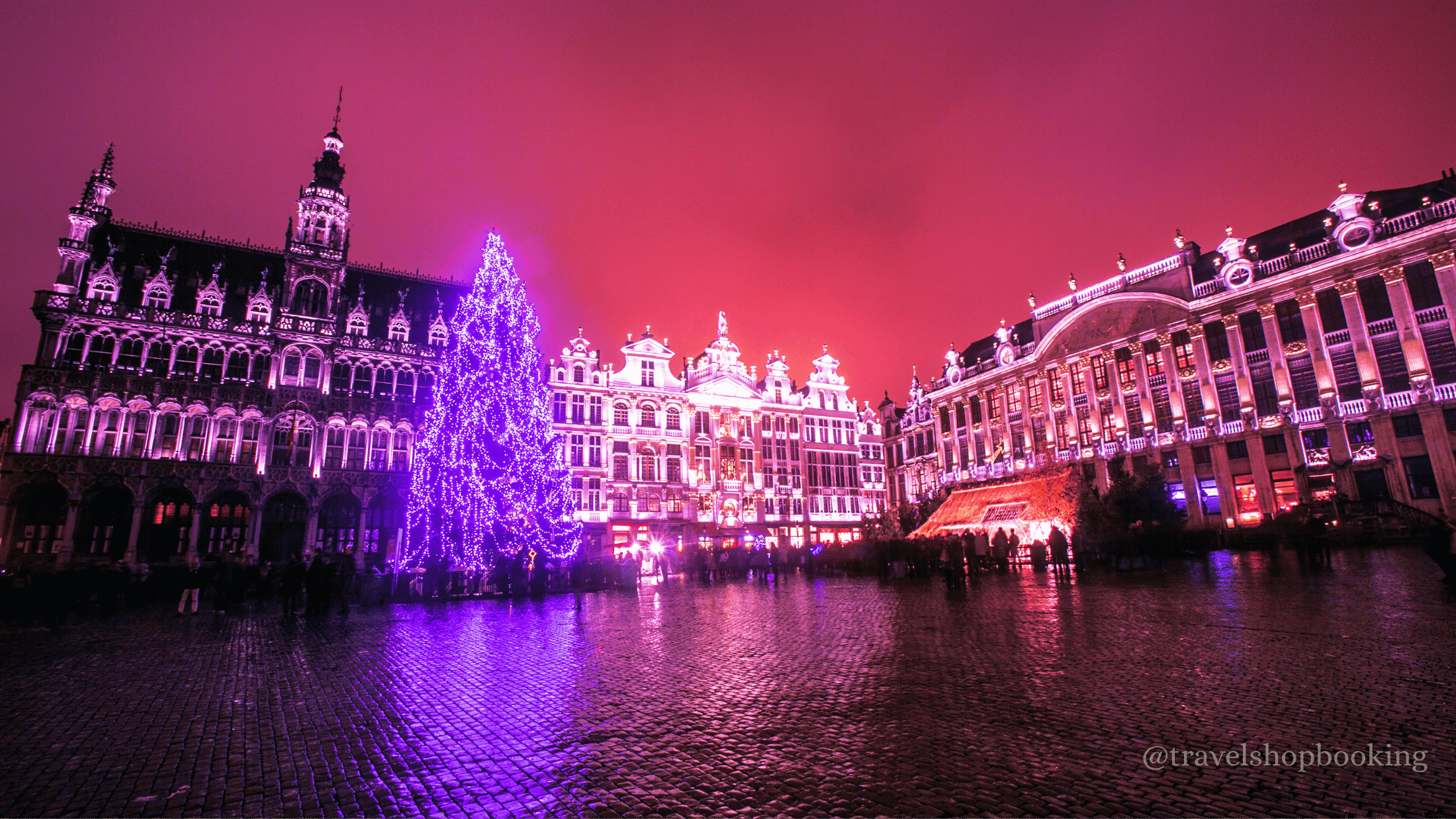
Winter is cold, damp, and often cloudy, but it is also one of the most atmospheric times to visit Belgium. Christmas markets, decorated squares, seasonal lights, and winter food create a different experience in December.
Brussels, Bruges, Ghent, Antwerp, and Leuven organize festive events during the Christmas period. Bruges is especially attractive in winter because its medieval streets and canals suit the seasonal atmosphere.
January and February are quieter and can offer lower hotel prices. Snow is possible but not guaranteed, especially in the main cities. The Ardennes region has a better chance of winter conditions.
Best Time to Visit Belgium for Sightseeing
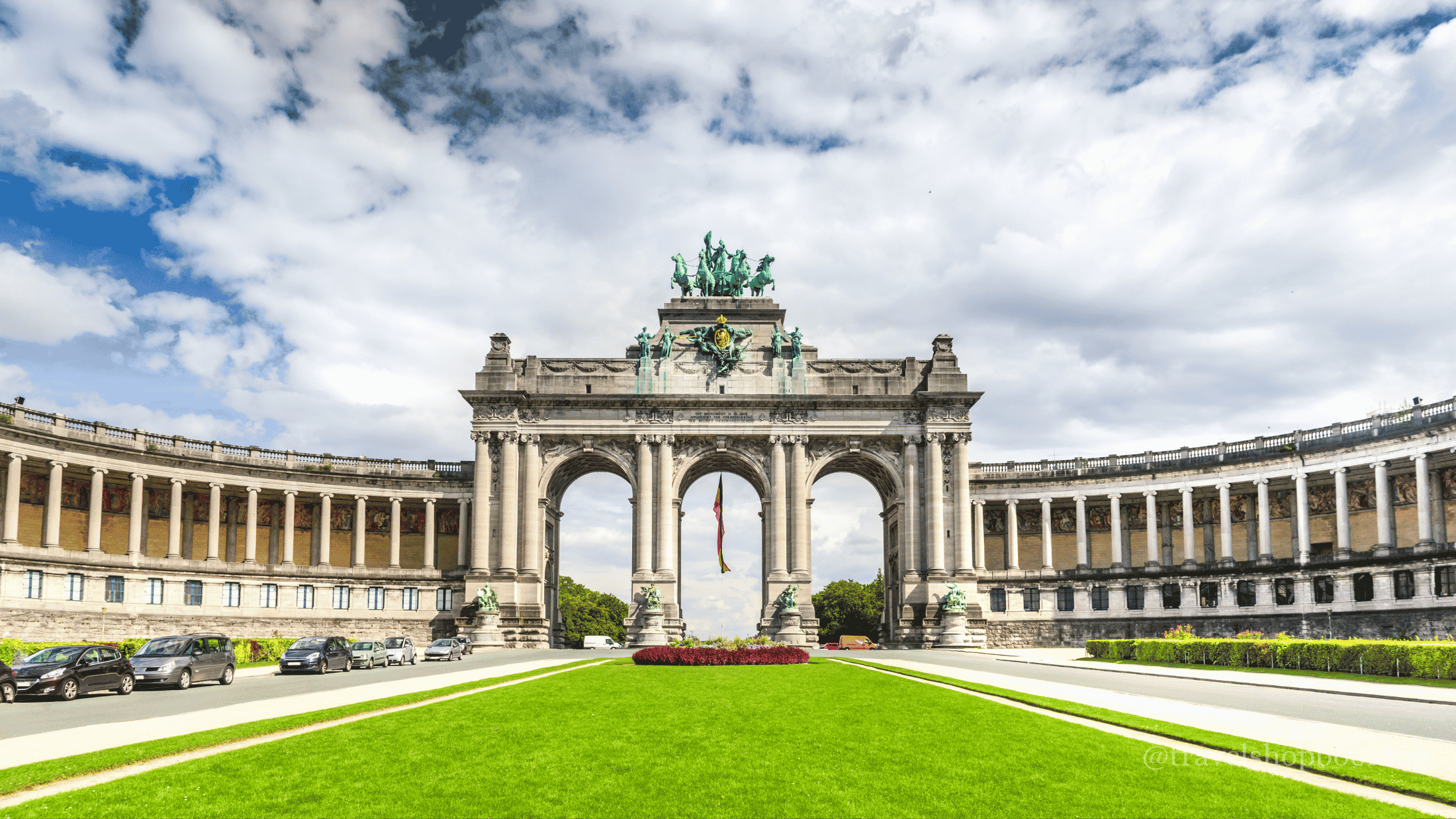
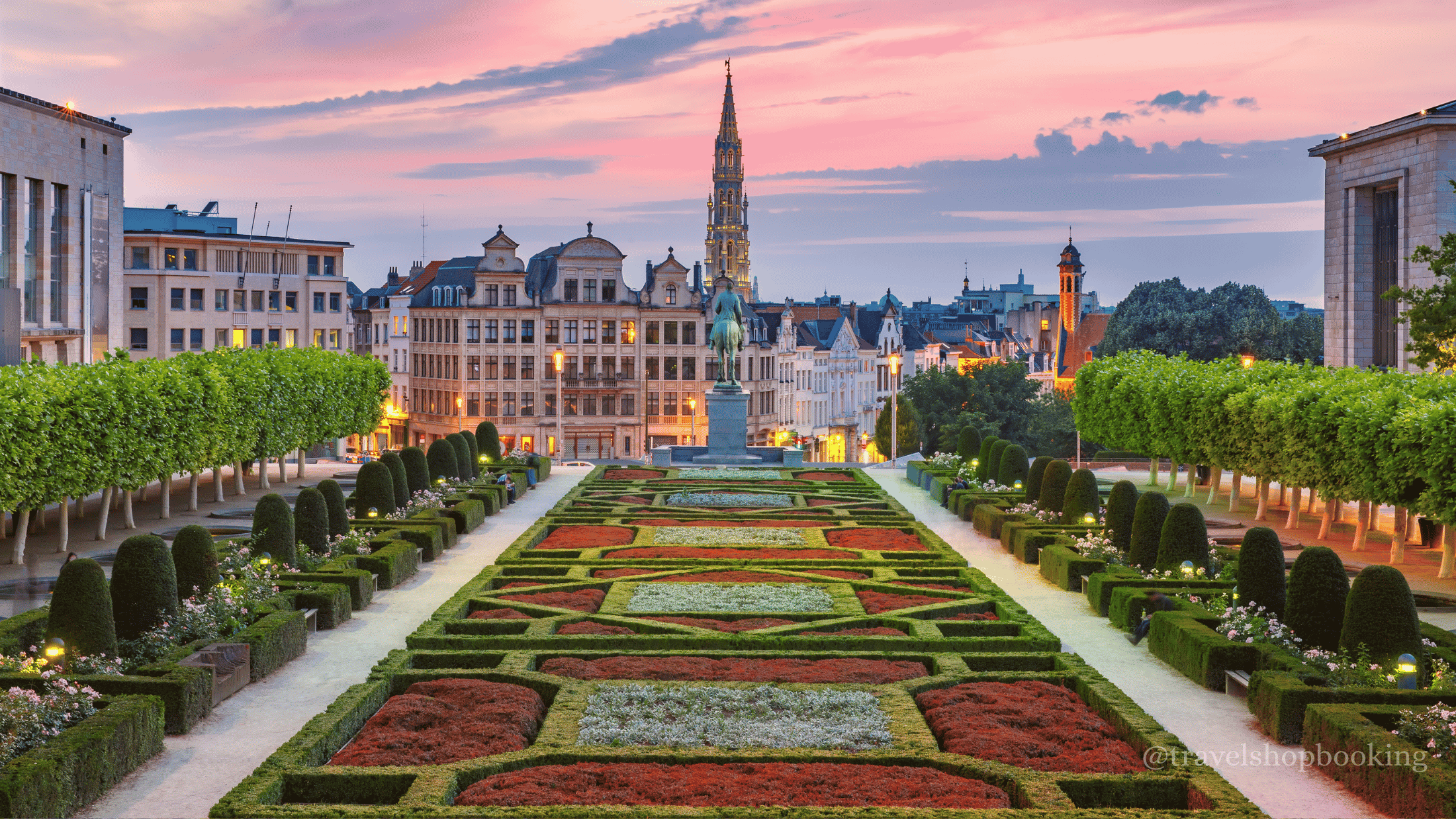
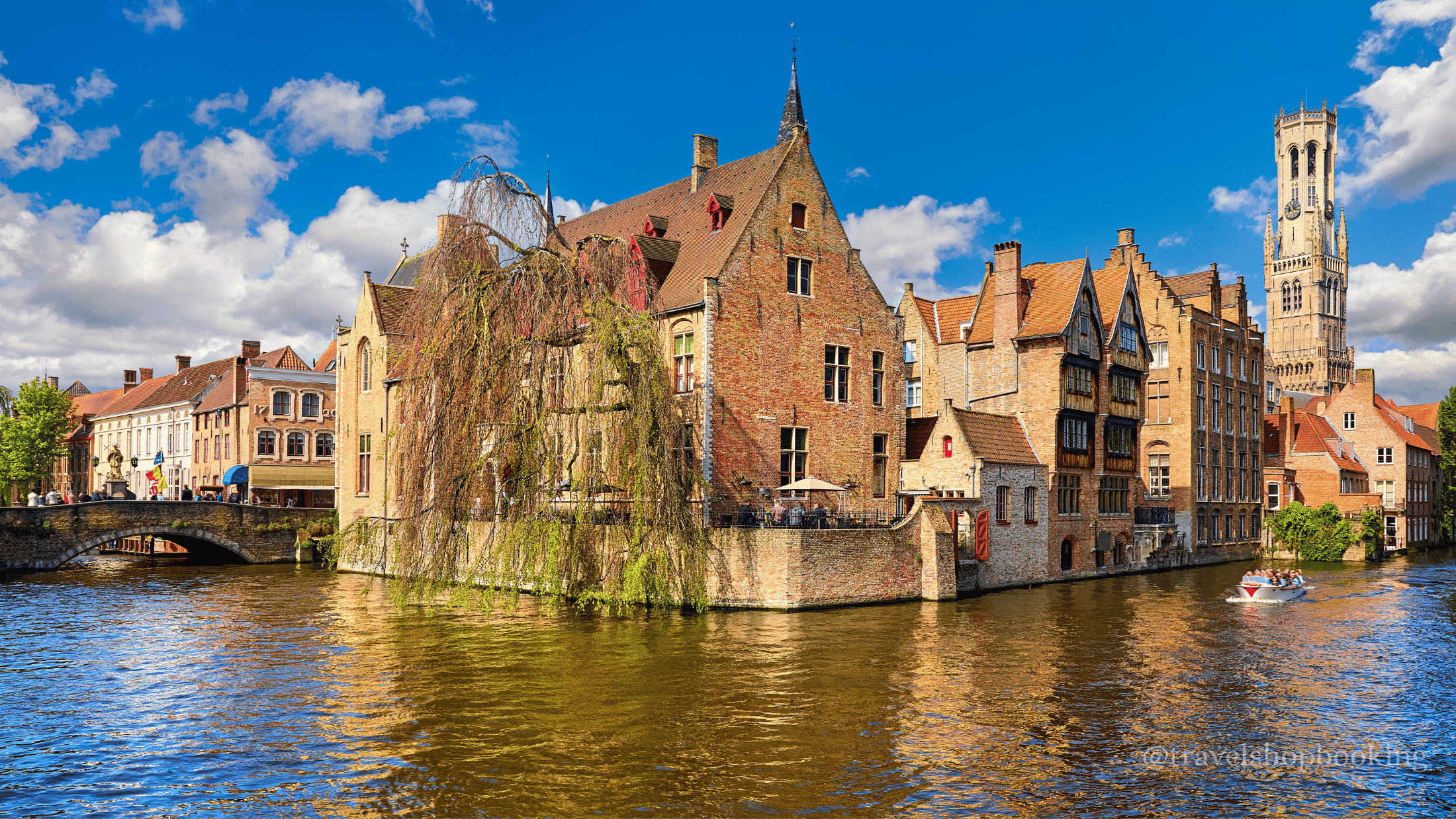
The best periods for sightseeing are April to June and September to October. These months usually provide comfortable temperatures for walking through historic centers without the largest summer crowds.
This period is ideal for visiting:
Brussels
Bruges
Ghent
Leuven
Mechelen
May and September are particularly practical for multi-city itineraries. The days are long enough for day trips, while train connections make it easy to travel between the main destinations.
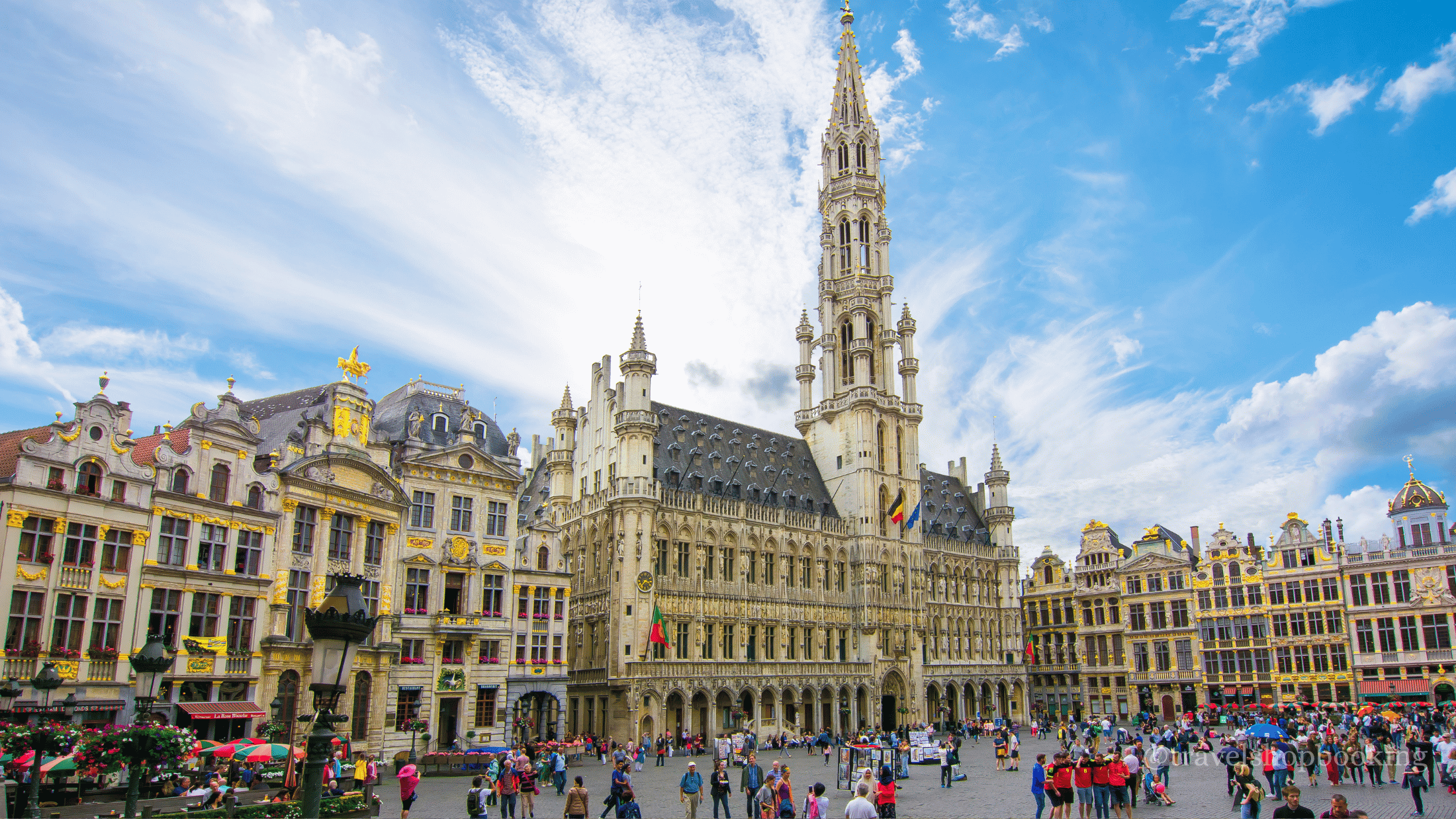
Best Time to Visit Belgium for Festivals and Events
The main festival season runs from June to August. Summer brings music festivals, city celebrations, cultural events, outdoor performances, and food-related activities.
Brussels, Ghent, Antwerp, and several smaller towns organize events throughout the warmer months. Some festivals attract large international audiences, which can increase accommodation prices and reduce availability.
Travelers visiting for a specific event should check the schedule and book hotels well in advance.
Best Time to Visit Belgium for Christmas Markets
The best time to visit Belgium for Christmas markets is from late November through December. Major cities decorate their historic centers with lights, market stalls, ice rinks, seasonal food, and public events.
Popular Christmas market destinations include:
Brussels
Bruges
Ghent
Antwerp
Leuven
Liège
December is busier and more expensive than January or February, but it offers the strongest festive atmosphere.
Best Places to Visit in Belgium by Season
Belgium can be explored throughout the year, but some destinations are better suited to particular seasons.
Spring Destinations
Spring is suitable for historic centers, gardens, parks, and walking tours.
Recommended places include:
Brussels
Bruges
Ghent
Leuven
Mechelen
Summer Destinations
Summer is best for outdoor terraces, festivals, canal trips, cycling, and coastal visits.
Top destinations include:
Bruges
Ghent
Antwerp
Ostend
Brussels
Belgian Coast
Autumn Destinations
Autumn is ideal for museums, architecture, food tours, and quieter city breaks.
Recommended destinations include:
Brussels
Antwerp
Ghent
Bruges
Dinant
Winter Destinations
Winter is suitable for Christmas markets, historic squares, museums, and seasonal food experiences.
Popular winter destinations include:
Brussels
Bruges
Ghent
Antwerp
Liège
Ardennes

Frequently Asked Questions
What is the best month to visit Belgium?
May and September are among the best months to visit Belgium. Both usually offer mild weather, reasonable visitor numbers, and suitable conditions for sightseeing.
When is the best time to visit Brussels?
The best time to visit Brussels is generally from April to June and September to October. December is also popular for Christmas markets and seasonal events.
When is the best time to visit Bruges?
Bruges is especially enjoyable in May, June, September, and early October. Winter is also attractive for travelers who want festive scenery and fewer daytime visitors.
Does it rain a lot in Belgium?
Rain can occur throughout the year, although it usually comes as light or moderate showers rather than continuous heavy rainfall. Carrying a compact umbrella or waterproof jacket is useful in every season.
Is Belgium worth visiting in winter?
Yes. Winter is suitable for Christmas markets, museums, historic architecture, chocolate shops, cafés, and quieter city trips. December offers the strongest festive atmosphere.
What is the cheapest time to visit Belgium?
January through March and November are generally more affordable, excluding major events and holiday weekends. The weather is cooler, but museums and city attractions remain open.
Is Belgium crowded during summer?
Brussels, Bruges, and Ghent can become busy in July and August. Weekends are often more crowded than weekdays, particularly in Bruges.
How many days are enough for Belgium?
Four to six days are enough for Brussels, Bruges, Ghent, and Antwerp. Travelers who want to include Dinant, Leuven, the Ardennes, or the Belgian coast should plan seven to ten days.
Loading comments…