
Best Time to Visit Bolivia
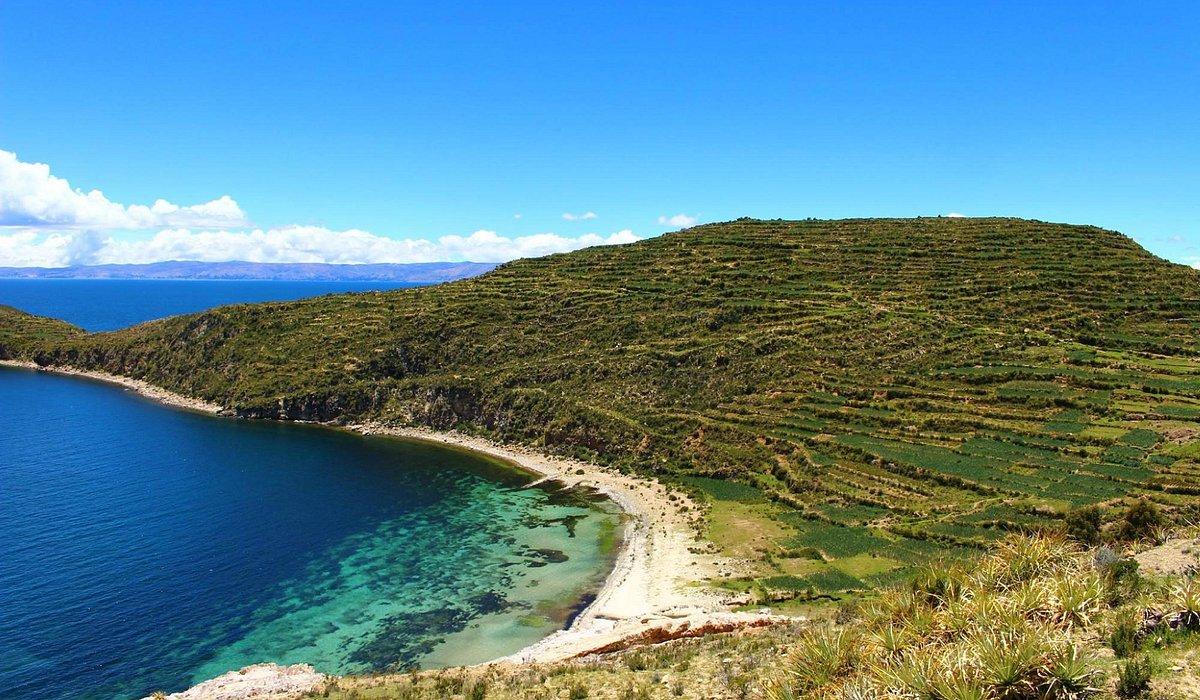
Bolivia is one of South America's most diverse destinations, featuring the towering Andes, the vast Uyuni Salt Flats, the Amazon rainforest, colorful colonial cities, and the world's highest navigable lake. Due to its varied geography, weather conditions differ significantly between regions. For most travelers, the best time to visit is May to October, during the dry season, when clear skies and stable weather make sightseeing and outdoor adventures more enjoyable.
Dry Season (May to October): Best Overall
The dry season is widely considered the best time to visit Bolivia.
Average daytime temperatures range from 10°C to 25°C (50°F to 77°F) depending on altitude.
Sunny days and clear skies across much of the country.
Excellent conditions for sightseeing, trekking, and photography.
Ideal for visiting La Paz, Sucre, Potosí, Lake Titicaca, and the Uyuni Salt Flats.
Nighttime temperatures, especially in the Altiplano, can drop well below freezing.
Wet Season (November to April): Best for Mirror Effect at Uyuni
The rainy season transforms many of Bolivia's landscapes.
Temperatures generally range from 15°C to 28°C (59°F to 82°F) in lower elevations.
Frequent afternoon showers, particularly in the Amazon and eastern lowlands.
Lush green scenery throughout the countryside.
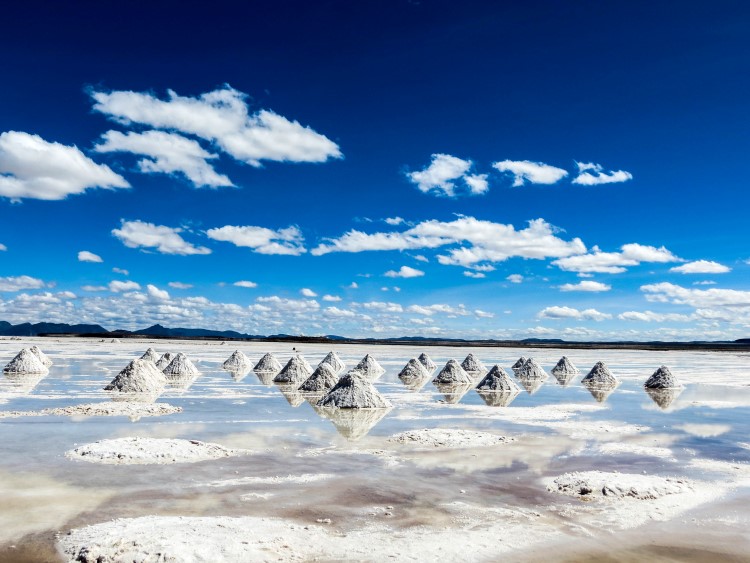
Thin layers of water on the Uyuni Salt Flats create the famous mirror-like reflections, especially between January and March.
Heavy rainfall may affect travel on unpaved roads in some regions.
Spring (September to November): Best for Mild Weather
Spring offers warmer temperatures before the rainy season begins.
Pleasant weather in most highland regions.
Excellent visibility for mountain views.
Good conditions for hiking and city sightseeing.
Increasing temperatures throughout the country.
This period is popular for visiting national parks and cultural attractions.
Winter (June to August): Best for Trekking
Although winter falls within the dry season, it deserves special mention for outdoor activities.
Cold nights in the Andes.
Very little rainfall.
Outstanding visibility for photography.
Peak season for trekking and mountain adventures.
Winter is the preferred season for exploring Bolivia's high-altitude landscapes.
Regional Climate Differences
Bolivia's climate varies greatly by elevation. The Altiplano, including La Paz, Uyuni, and Lake Titicaca, experiences cool temperatures year-round with dry winters and rainy summers. The colonial cities of Sucre and Potosí enjoy mild weather for much of the year. The Amazon Basin, including Rurrenabaque and Madidi National Park, remains warm and humid throughout the year, with the heaviest rainfall occurring from December to March.
Best Time by Activity
The best time for sightseeing is May through October, when dry weather and clear skies make exploring Bolivia's cities and natural attractions more comfortable. Visiting the Uyuni Salt Flats is ideal between May and October for dry conditions and endless white landscapes, while January through March is perfect for witnessing the spectacular mirror effect created by shallow rainwater. Hiking and trekking, including routes in the Cordillera Real and Sajama National Park, are best during the dry season. Wildlife viewing in the Amazon is excellent between June and October, when lower water levels make animals easier to spot. Travelers seeking budget-friendly trips often find lower accommodation prices during the rainy season, except around major holidays.
Festivals Worth Planning Around
Bolivia celebrates a variety of colorful cultural festivals throughout the year.
Popular events include:
Oruro Carnival (February or March) – A UNESCO-recognized festival featuring elaborate costumes, traditional dances, and religious celebrations.
Alasitas Festival (January) – Held in La Paz, celebrating prosperity with miniature handcrafted items.
Aymara New Year (June 21) – Marked by traditional ceremonies at Tiwanaku and other sacred sites during the winter solstice.
Independence Day (August 6) – National celebrations with parades, music, and cultural events across the country.
Best Month to Visit
For most travelers, July is the best month to visit Bolivia. Dry weather, clear skies, and excellent visibility create ideal conditions for exploring the Uyuni Salt Flats, Lake Titicaca, La Paz, and the country's mountain landscapes.
Frequently Asked Questions
What is the best time to visit Bolivia?
The best time to visit is May through October, when dry weather and clear skies make sightseeing and outdoor activities more enjoyable.
When is the best time to visit the Uyuni Salt Flats?
For the classic white salt landscape, visit between May and October. For the famous mirror reflection effect, January through March is the ideal period.
Is Bolivia worth visiting during the rainy season?
Yes. Although rainfall is more frequent, the rainy season offers lush scenery and the unique mirror effect on the Uyuni Salt Flats.
When is the best time for trekking in Bolivia?
June through September provides the driest conditions and the clearest mountain views for trekking in the Andes.
Can I visit the Amazon in Bolivia year-round?
Yes. However, June through October generally offers better wildlife viewing because lower water levels make animals easier to spot.
What is the cheapest time to visit Bolivia?
November through March often offers lower hotel prices and fewer visitors, though travelers should expect occasional rain, especially in lowland regions.
Loading comments…