
.jpg&w=1920&q=75)
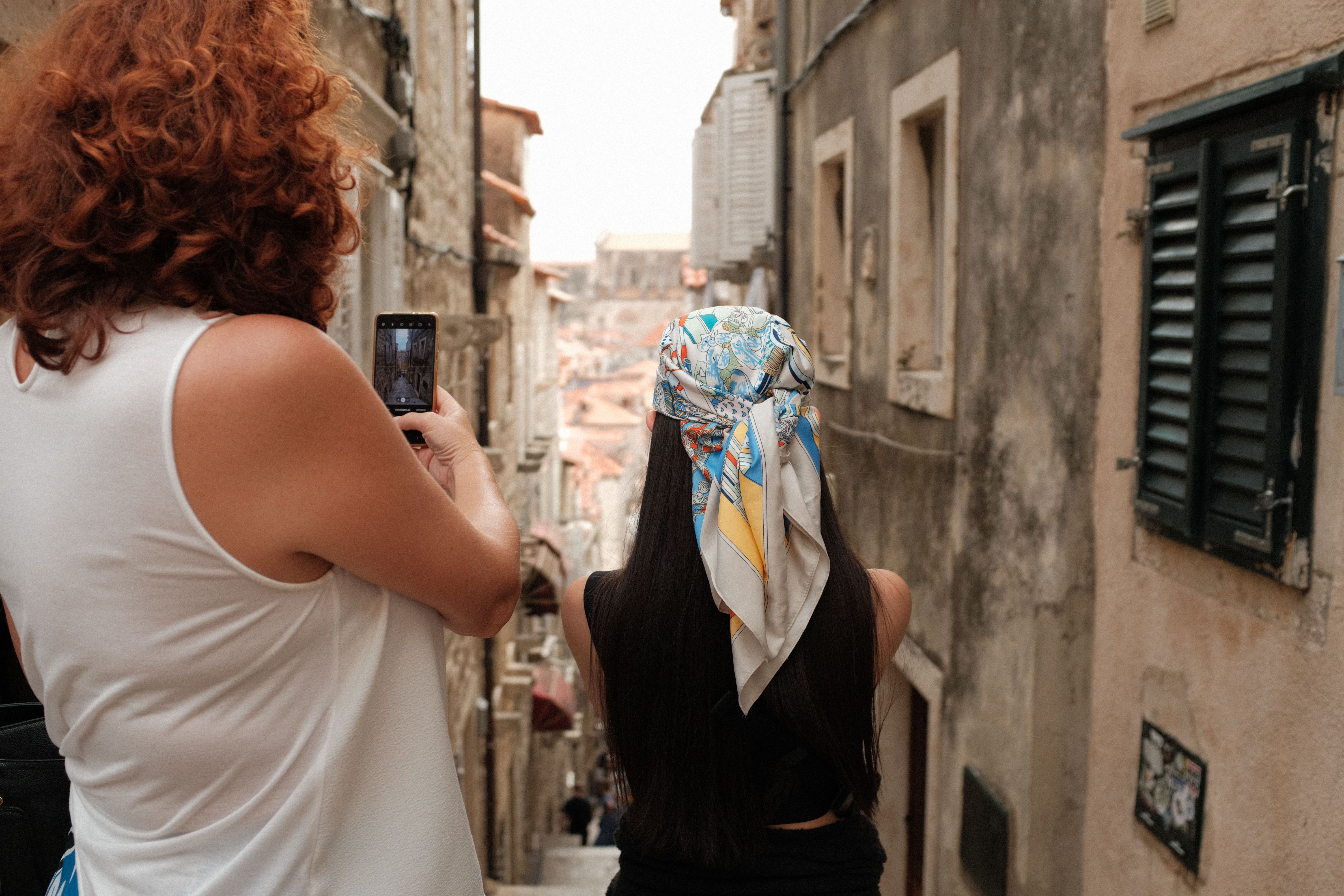
Spring (April to June): Best for Sightseeing and Nature
Mild Weather Across the Country
Spring is one of Croatia's most enjoyable seasons. Temperatures usually range from 15°C to 25°C (59°F to 77°F), making it comfortable to explore cities, national parks, and coastal towns without the intense summer heat.
Wildflowers bloom across the countryside, waterfalls are at their fullest, and outdoor cafés begin filling with locals.
Best Places to Visit in Spring
Spring is perfect for visiting Dubrovnik, Split, Zadar, and Šibenik before the peak tourist season begins. Inland destinations such as Plitvice Lakes National Park and Krka National Park are especially beautiful, with lush greenery and powerful waterfalls.
The islands are also peaceful during this period, offering a more authentic atmosphere.
Spring Travel Tips
Pack light layers, as mornings and evenings can still feel cool, especially inland. Ferry schedules increase toward late spring, making island hopping much easier than during winter.
Summer (July to August): Best for Beaches and Island Hopping
Croatia's Warmest Season
Summer brings long sunny days and temperatures between 28°C and 35°C (82°F to 95°F) along much of the Adriatic coast.
The sea becomes wonderfully warm for swimming, while restaurants and seaside promenades stay lively well into the evening.
Best Beaches and Islands
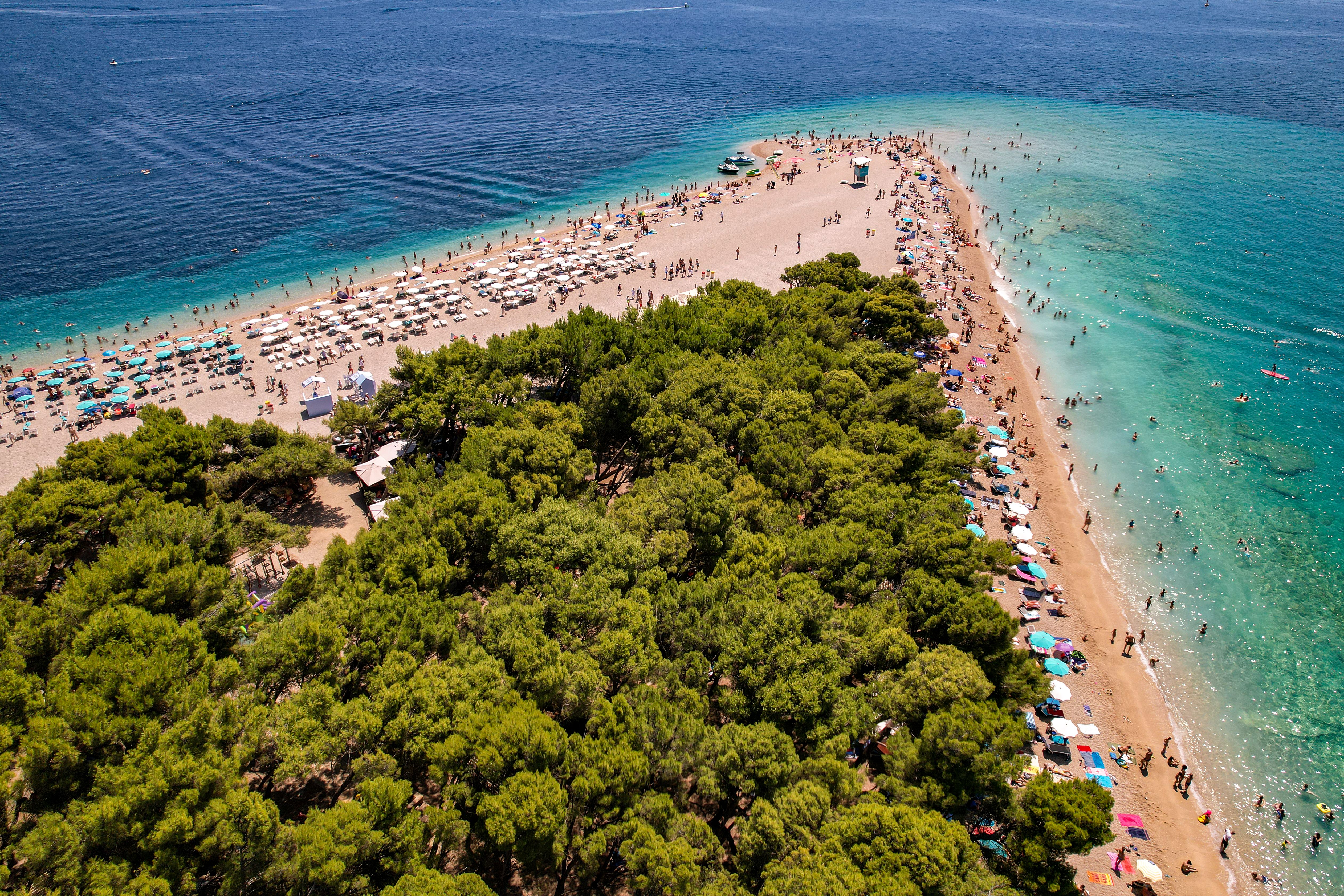
Summer is the perfect time to explore islands such as Hvar, Brač, Korčula, and Vis, each offering beautiful beaches, crystal-clear water, and charming harbors.
Popular beaches like Zlatni Rat on Brač attract visitors from around the world.
Festivals and Sailing
Summer is also festival season in Croatia. Music festivals, food events, and cultural celebrations take place across the coast, while sailing between islands becomes one of the country's most unforgettable experiences.
Autumn (September to October): Best Balance of Weather and Crowds
Warm Sea, Cooler Air
Autumn is often considered Croatia's hidden gem. Temperatures generally stay between 18°C and 28°C (64°F to 82°F), while the Adriatic Sea remains warm enough for swimming.
The biggest advantage is the noticeable drop in visitor numbers after August.
Ideal for Road Trips
This is one of the best seasons to drive along Croatia's spectacular coastline. Historic towns become more relaxed, restaurants are easier to book, and accommodation prices begin to fall.
Wine regions around Istria and Pelješac also become particularly attractive during harvest season.Note: July and August are the busiest and most expensive months.
Winter (November to March): Best for Quiet City Breaks
A Different Side of Croatia
Winter is much quieter than the rest of the year. Coastal temperatures generally remain between 8°C and 15°C (46°F to 59°F), while inland regions can experience snow.
Although beach holidays aren't possible, cities take on a more authentic atmosphere.
Christmas Markets and Historic Cities
Zagreb hosts one of Europe's most celebrated Christmas markets, while Dubrovnik and Split become wonderfully peaceful compared to the busy summer months.
Museums, restaurants, and historic sites remain open, making winter ideal for cultural travelers.
Winter (November to March): Best for Quiet City Breaks
A Different Side of Croatia
Winter is much quieter than the rest of the year. Coastal temperatures generally remain between 8°C and 15°C (46°F to 59°F), while inland regions can experience snow.
Although beach holidays aren't possible, cities take on a more authentic atmosphere.
Christmas Markets and Historic Cities
Zagreb hosts one of Europe's most celebrated Christmas markets, while Dubrovnik and Split become wonderfully peaceful compared to the busy summer months.
Museums, restaurants, and historic sites remain open, making winter ideal for cultural travelers.
Regional Climate Differences
Adriatic Coast
The coastline enjoys a classic Mediterranean climate with hot, dry summers and mild winters. Destinations such as Dubrovnik, Split, Zadar, and Rovinj receive plenty of sunshine throughout most of the year.
Inland Croatia
Cities like Zagreb and Osijek experience a more continental climate with colder winters, warmer summers, and greater seasonal variation.
Croatian Islands
The islands typically enjoy slightly warmer temperatures than the mainland, with long swimming seasons extending well into autumn.
Best Time by Activity
Best Time for Beaches
June through September offers warm sea temperatures and perfect beach weather.
Best Time for Island Hopping
Late May, June, and September provide pleasant weather, reliable ferry services, and fewer crowds than July and August.
Best Time for National Parks
Visit Plitvice Lakes and Krka National Park during spring or autumn, when waterfalls are at their most impressive and hiking conditions are ideal.
Best Time for Sailing
The sailing season peaks between June and September, when calm seas and consistent sunshine create perfect conditions.
Best Time for City Breaks
Explore Dubrovnik, Split, and Zagreb during April, May, September, or October for comfortable temperatures and quieter streets.
Frequently Asked Questions
What is the best time to visit Croatia?
For most travelers, May to June and September provide the best weather for sightseeing, beaches, and island hopping without peak summer crowds.
When is the best time to visit Dubrovnik?
May, June, and September offer pleasant temperatures while avoiding the busiest tourist season.
Is Croatia too crowded in summer?
Popular destinations can become very busy during July and August, particularly Dubrovnik, Split, and Hvar.
What is the best time for swimming in Croatia?
The Adriatic Sea is warmest between June and September, making these months ideal for beach holidays.
When is the cheapest time to visit Croatia?
November through March generally offers the lowest hotel prices, except during Christmas and New Year.
Is Croatia worth visiting in winter?
Yes. While it's not beach season, winter is perfect for exploring historic cities, enjoying Christmas markets, and experiencing Croatia without the summer crowds.
Loading comments…