

Czechia is one of Central Europe’s most popular cultural destinations, known for Prague’s historic streets, medieval castles, spa towns, traditional villages, national parks, and well-preserved city centers. Although Prague attracts most international visitors, destinations such as Český Krumlov, Karlovy Vary, Brno, Kutná Hora, and Bohemian Switzerland provide many reasons to explore beyond the capital.
The best time to visit Czechia depends on the type of trip you are planning. Spring and autumn offer comfortable weather for sightseeing, summer is suitable for festivals and outdoor activities, while winter brings Christmas markets, seasonal decorations, and a quieter atmosphere outside the holiday period.
When Is the Best Time to Visit Czechia?
For most travelers, the best time to visit Czechia is between April and October. During these months, temperatures are generally suitable for walking tours, castle visits, countryside trips, and outdoor attractions.
May, June, September, and early October offer the best balance of pleasant weather and manageable visitor numbers. July and August are the warmest months, but Prague, Český Krumlov, and other popular destinations can become crowded.
Travel Style Best Months
Sightseeing April – June, September – October
Castles and Historic Towns May – October
Hiking and Nature May – September
Festivals and Events June – August
Christmas Markets Late November – December
Budget Travel January – March, November
Czechia Weather Throughout the Year
Czechia has a temperate continental climate with four distinct seasons. Summers are generally warm, winters are cold, and spring and autumn bring changing temperatures.
Prague, Brno, and other lowland cities usually have milder conditions than the mountain regions. Rain can occur throughout the year, while snow is common in winter, especially at higher elevations.
Visiting Czechia in Spring (March to May)
Spring is one of the best seasons for visiting Czechia. Temperatures gradually become warmer, parks begin to bloom, and outdoor attractions reopen after winter.
March can still feel cold, especially during the mornings and evenings. April offers milder conditions, while May is usually warm enough for long walking tours, castle visits, and day trips.
Prague, Český Krumlov, Kutná Hora, Karlovy Vary, and the South Moravian wine region are particularly attractive during spring. Visitor numbers are also generally lower than in July and August.
Visiting Czechia in Summer (June to August)
Summer is the busiest travel season in Czechia. Days are long, temperatures are warm, and festivals, outdoor concerts, and cultural events take place across the country.
Average daytime temperatures generally range between 22°C and 28°C, although hotter periods are possible. Prague and other major cities can feel crowded during July and August.
Summer is also a good season for hiking in Bohemian Switzerland, exploring the Šumava region, cycling through South Moravia, and visiting castles that may have reduced opening schedules during winter.
Visiting Czechia in Autumn (September to November)
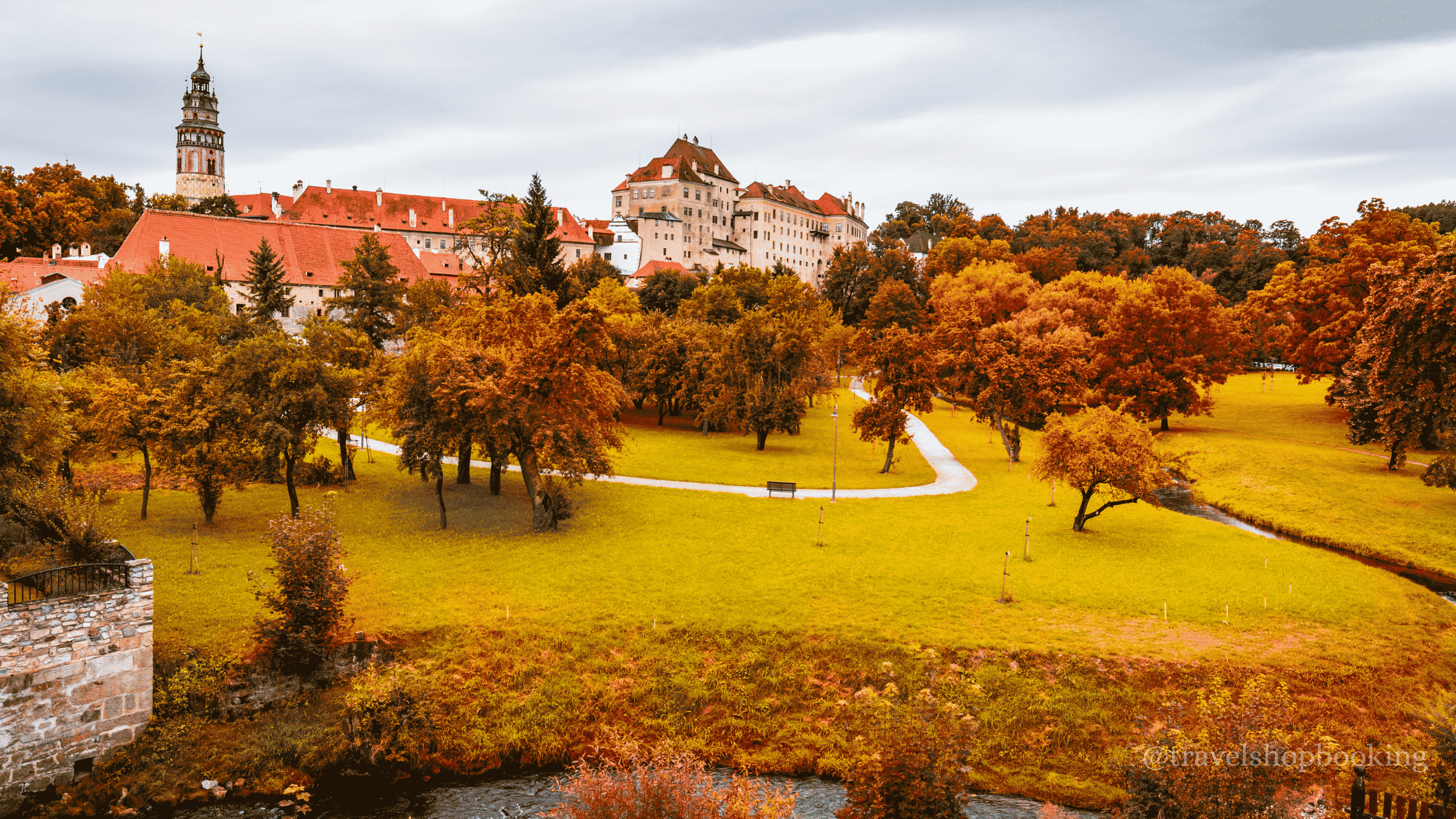
Autumn is one of the most comfortable seasons for exploring Czechia. September often remains warm, while October brings cooler temperatures and colorful landscapes.
This period is ideal for city tours, photography, wine trips, castle visits, and scenic road journeys. Prague, Brno, Mikulov, Český Krumlov, and the countryside of South Moravia are especially attractive.
By November, temperatures become colder and daylight hours shorten. However, accommodation can be more affordable, and the main cities are usually less crowded.
Visiting Czechia in Winter (December to February)
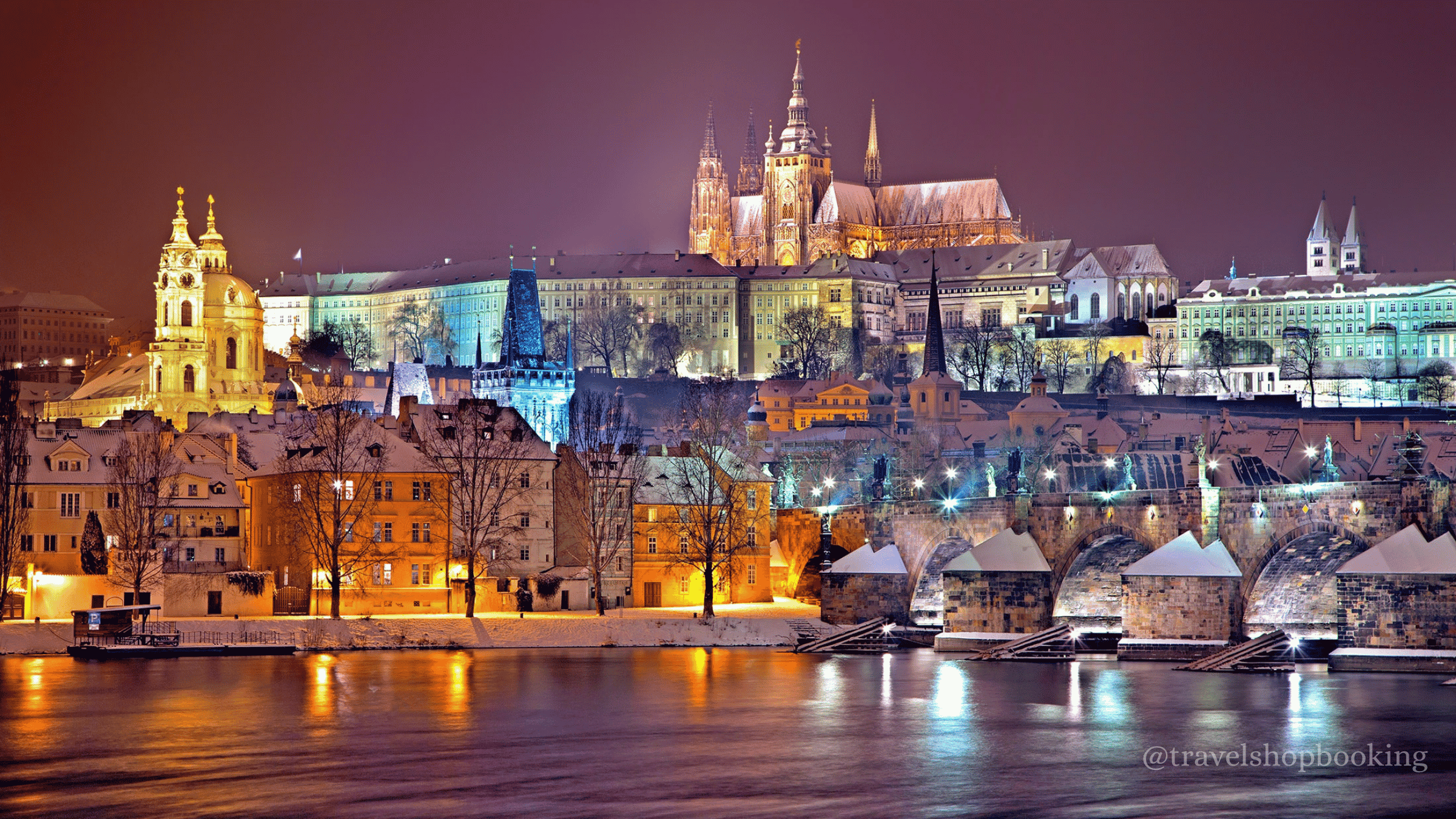
Winter brings cold temperatures, shorter days, Christmas markets, and occasional snowfall. Prague’s Old Town, Český Krumlov, Brno, and Olomouc become especially atmospheric during December.
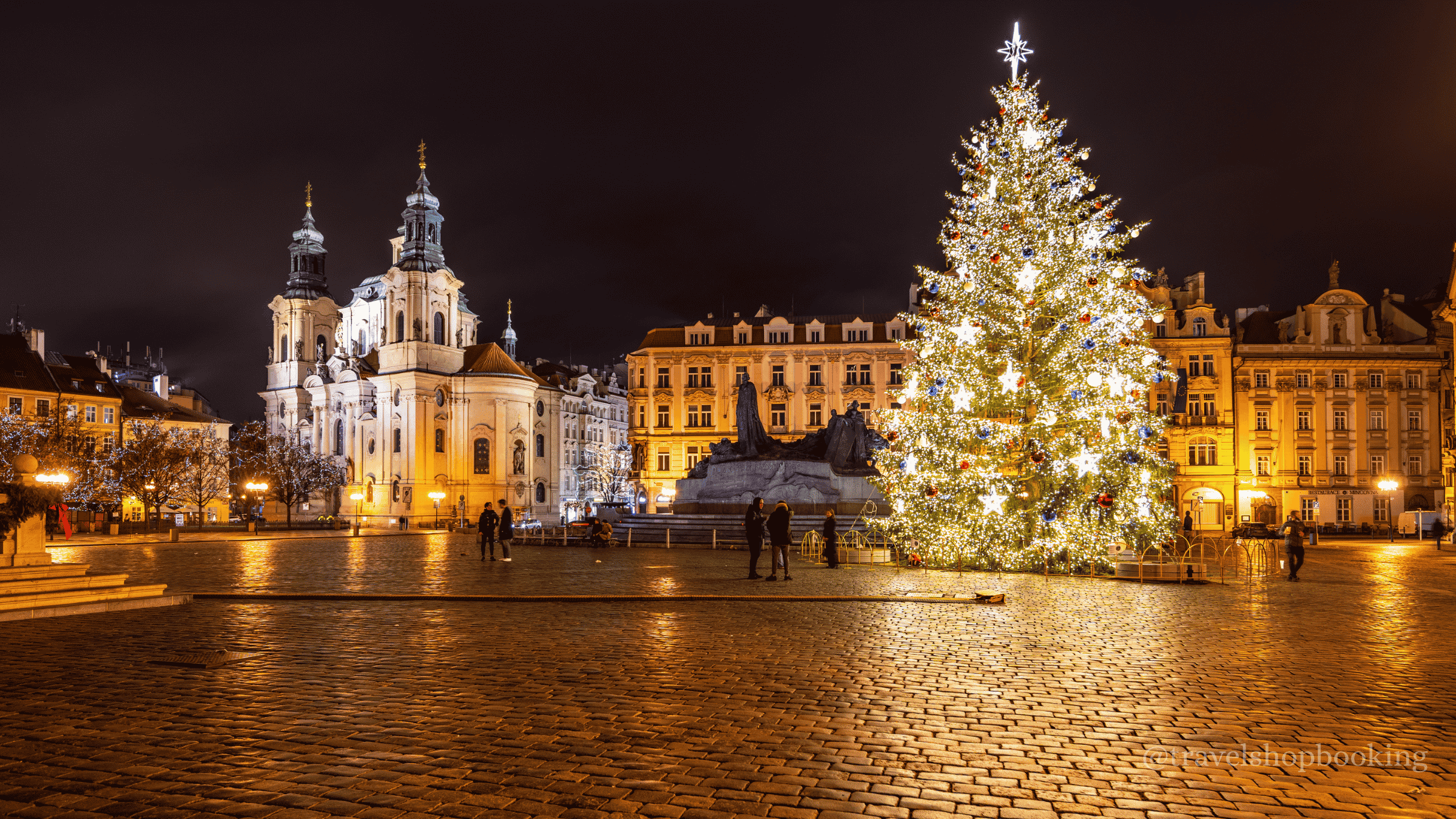
The main Christmas market period generally begins in late November and continues through December. Historic squares are decorated with lights, market stalls, seasonal food, and public events.
January and February are quieter and can offer lower prices. Mountain regions such as Krkonoše and Šumava also attract visitors for skiing and winter activities.

Best Time to Visit Czechia for Sightseeing
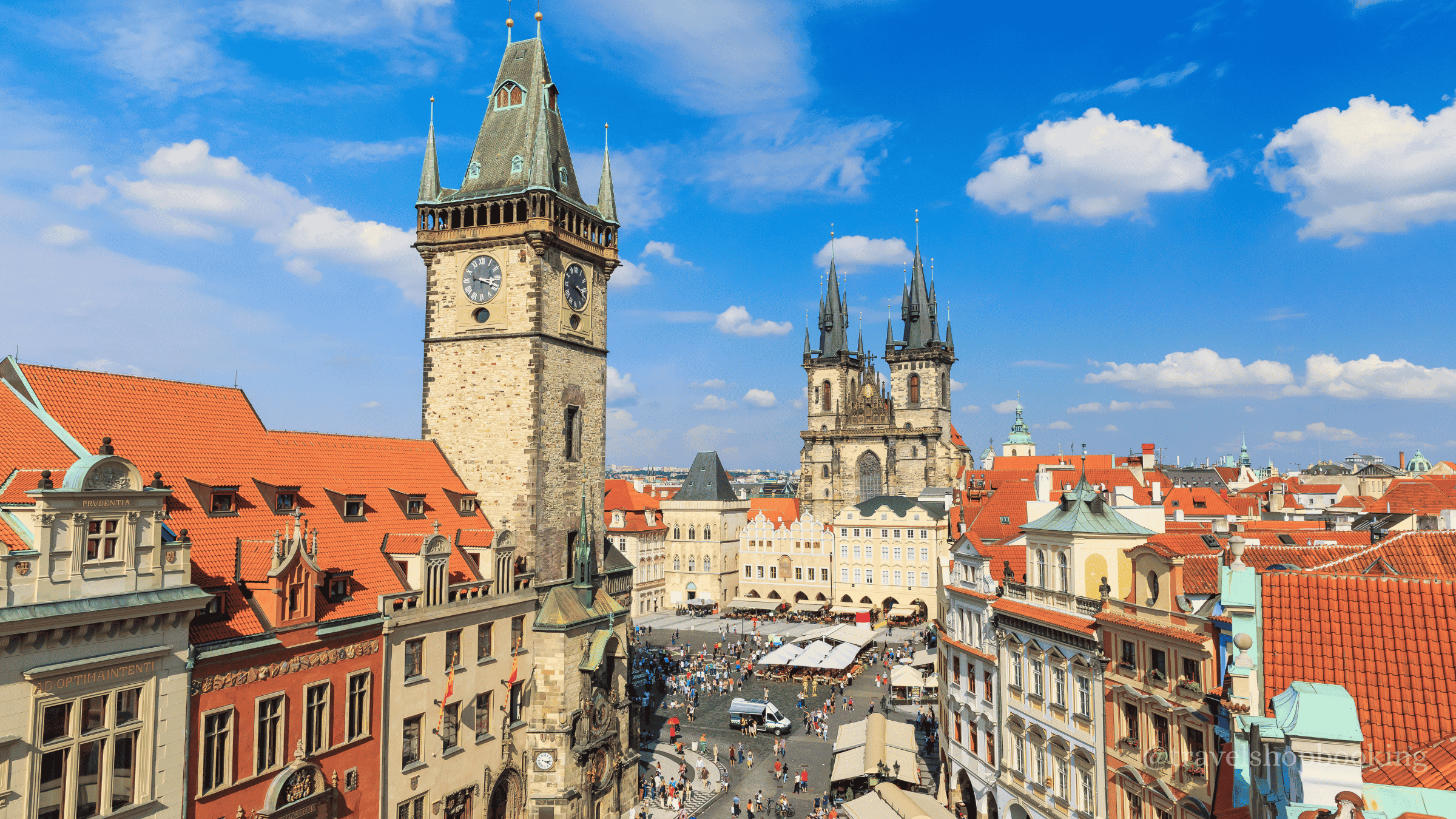
The best time for sightseeing is April to June and September to October. These months provide comfortable conditions for exploring historic centers, castles, museums, churches, and public squares.
This period is ideal for visiting:
Prague
Český Krumlov
Kutná Hora
Brno
Olomouc
Karlovy Vary
May and September are particularly suitable for multi-city itineraries because the weather is usually mild and visitor numbers are lower than during midsummer.
Best Time to Visit Prague
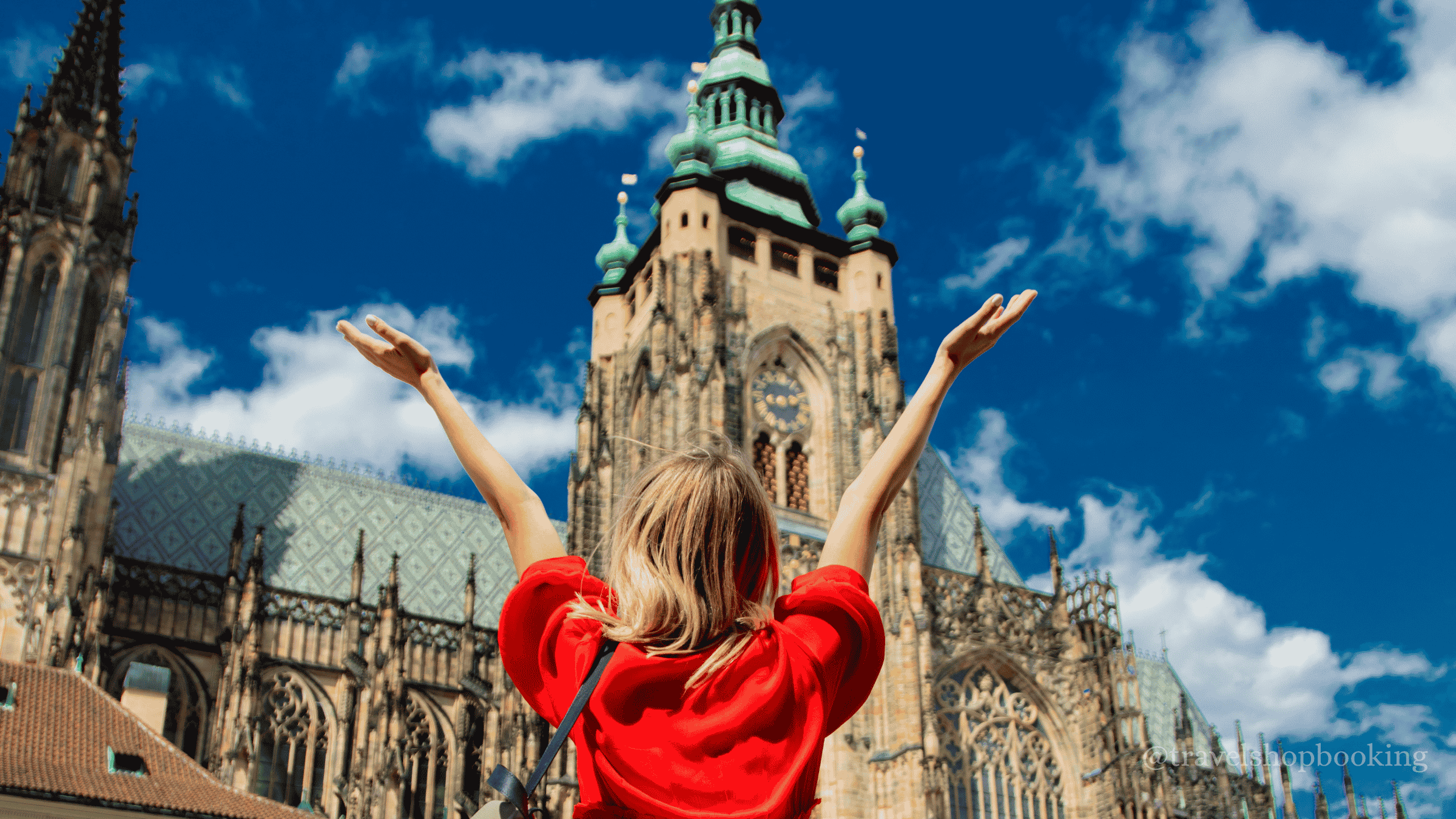
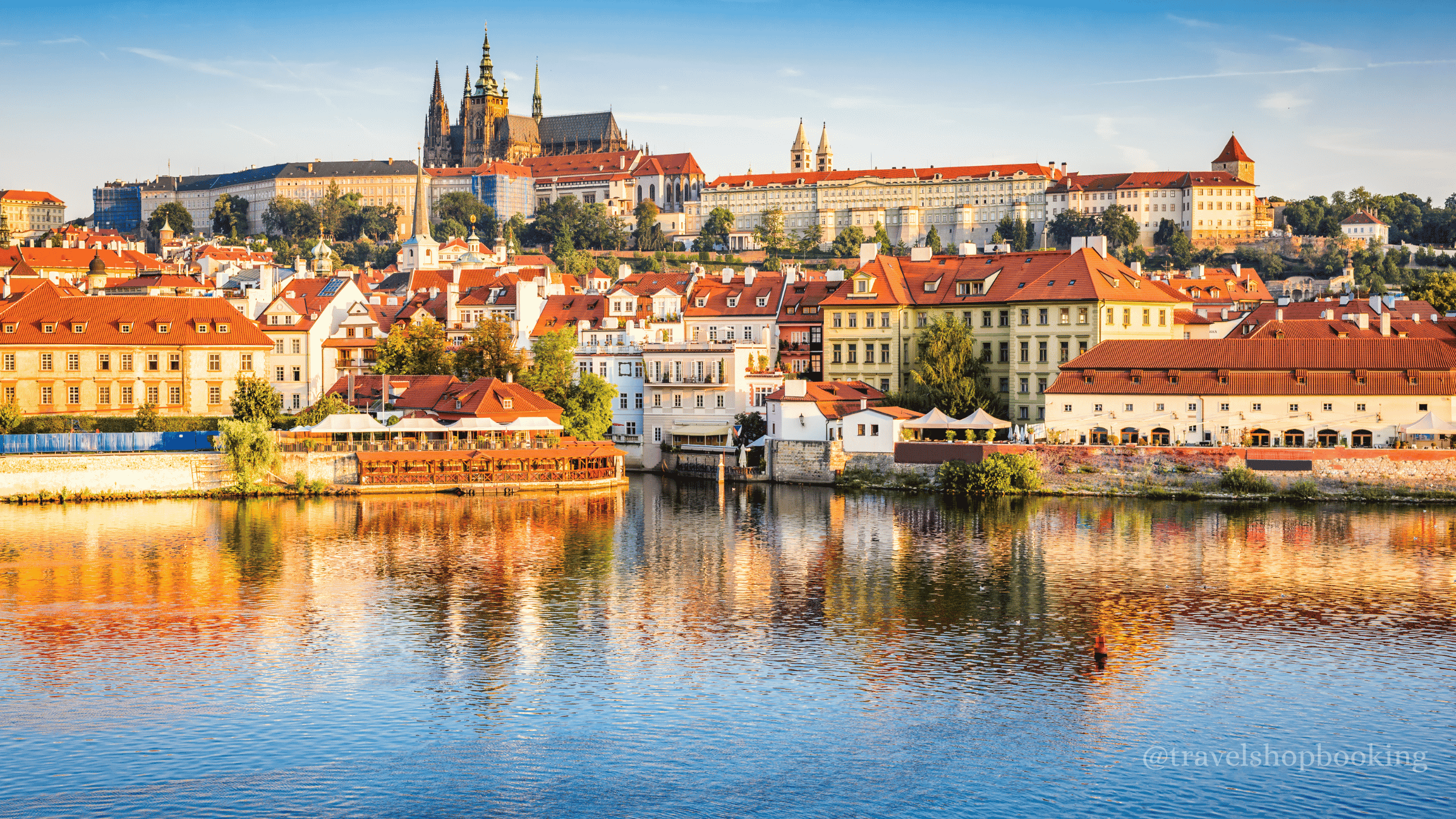
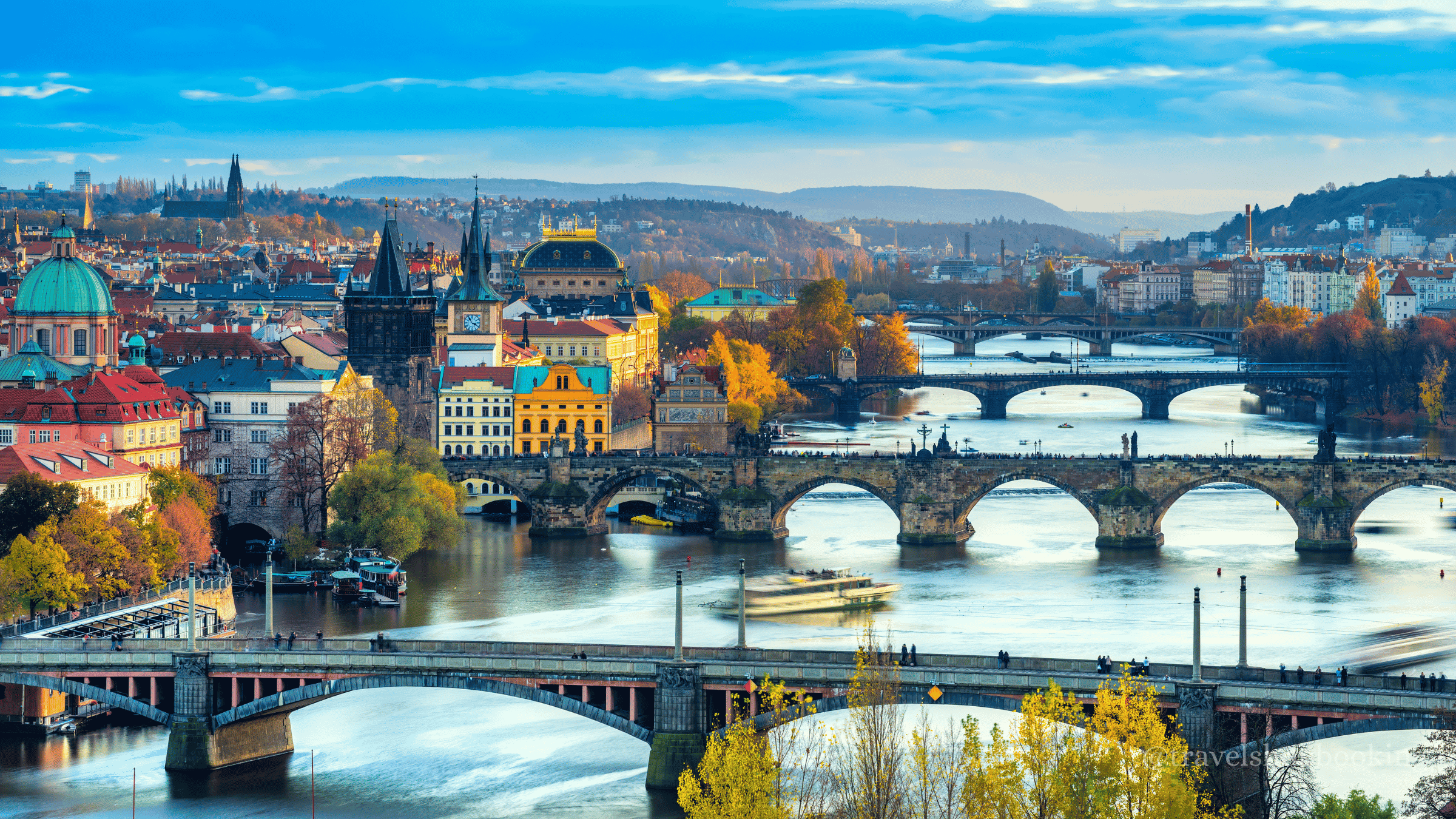
The best time to visit Prague is generally from April to June and September to October. These months are suitable for walking through the Old Town, Prague Castle, Malá Strana, and the riverfront without the strongest summer crowds.
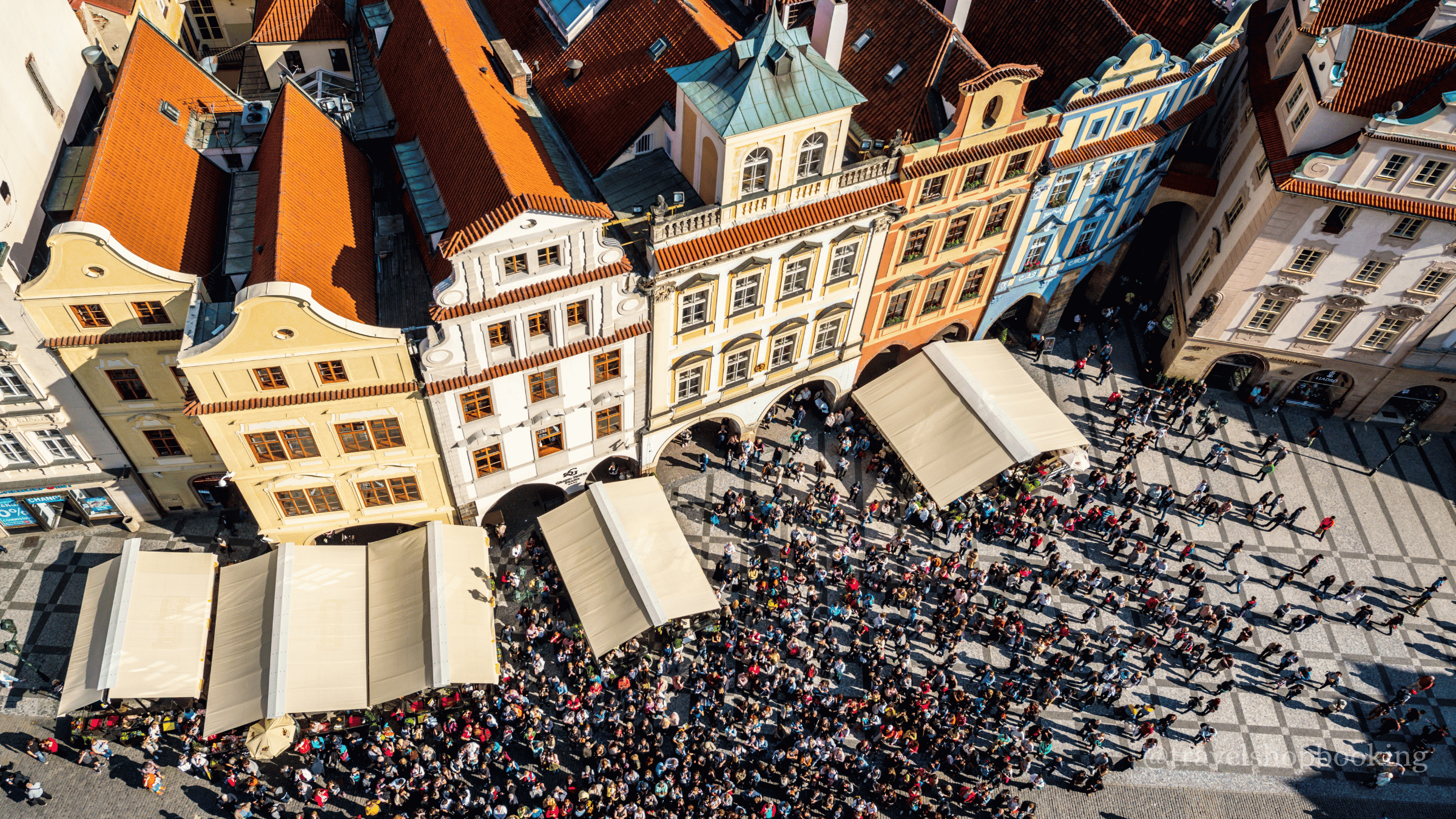
July and August provide long daylight hours but are also the busiest months. December is popular for Christmas markets, although accommodation prices may rise around weekends and holidays.
Travelers looking for lower prices and fewer visitors can consider January, February, or November, provided they are comfortable with colder weather.
Best Time to Visit Czechia for Castles and Historic Towns
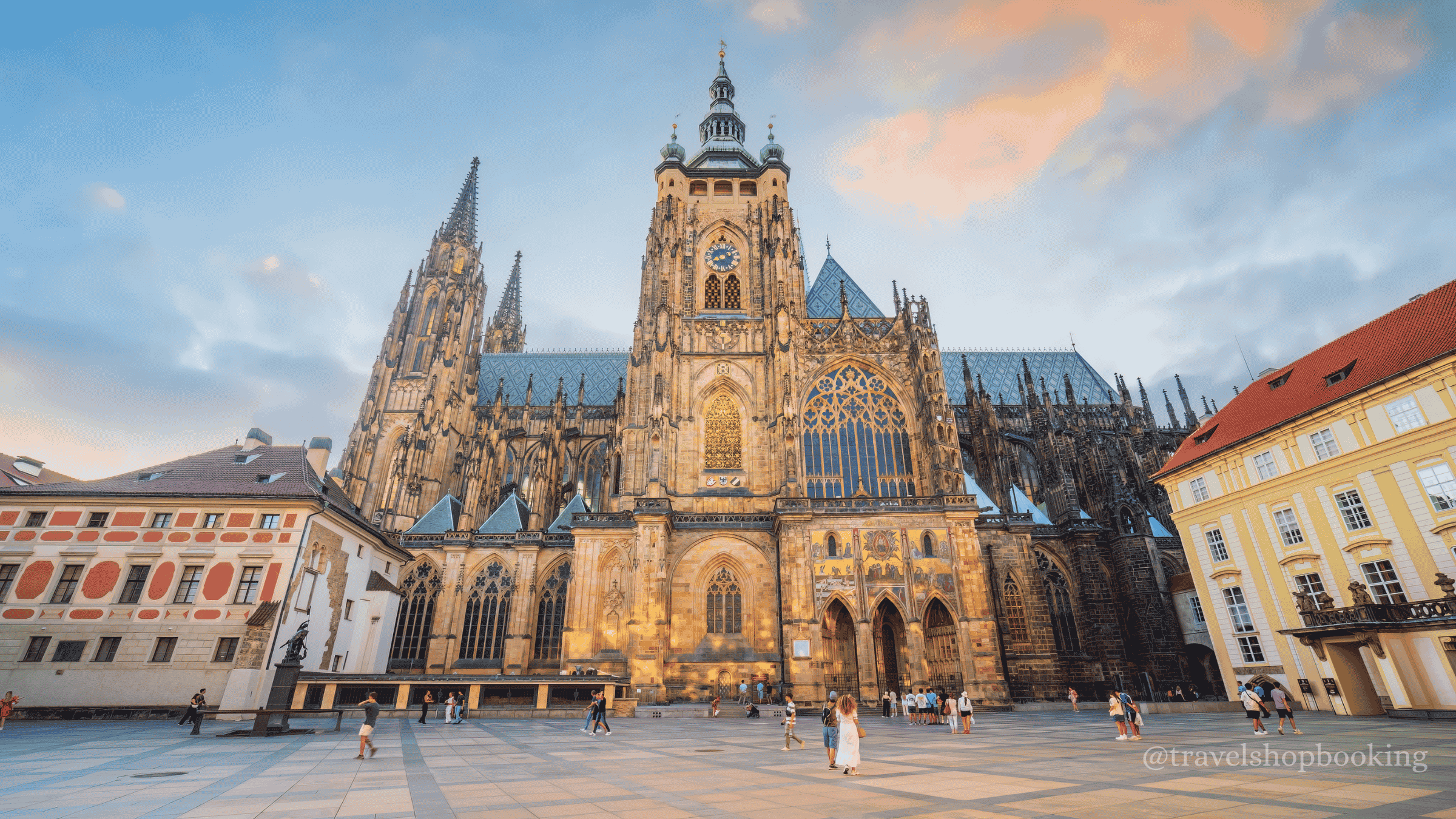
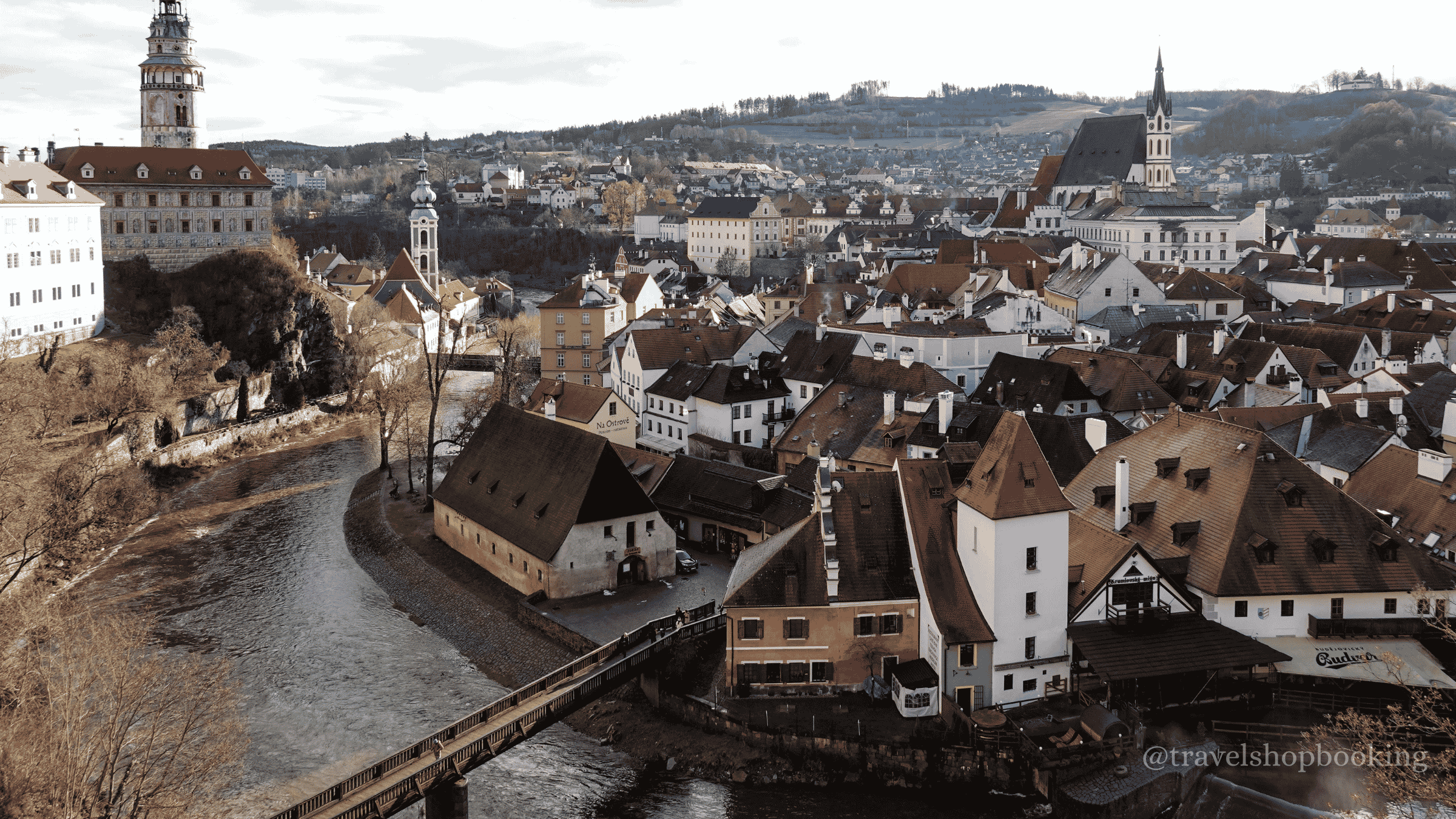
The main season for castles and châteaux runs from April or May through October. Many properties have broader opening hours during late spring and summer, while some reduce access or close certain sections during winter.
Popular historic destinations include:
Prague Castle
Karlštejn Castle
Český Krumlov Castle
Hluboká Castle
Lednice Castle
Konopiště Castle
May, June, and September are usually the best months because the weather is comfortable and popular sites are less crowded than in July and August.
Best Time to Visit Czechia for Hiking and Nature
The best period for hiking and nature trips is generally May to September. Trails are more accessible, days are longer, and most regional transport and tourism services operate regularly.
Popular outdoor destinations include:
Bohemian Switzerland National Park
Bohemian Paradise
Krkonoše National Park
Šumava National Park
Moravian Karst
Adršpach-Teplice Rocks
June and September are especially suitable for hiking because temperatures are usually comfortable. Summer thunderstorms are possible, so travelers should check local weather conditions before longer routes.
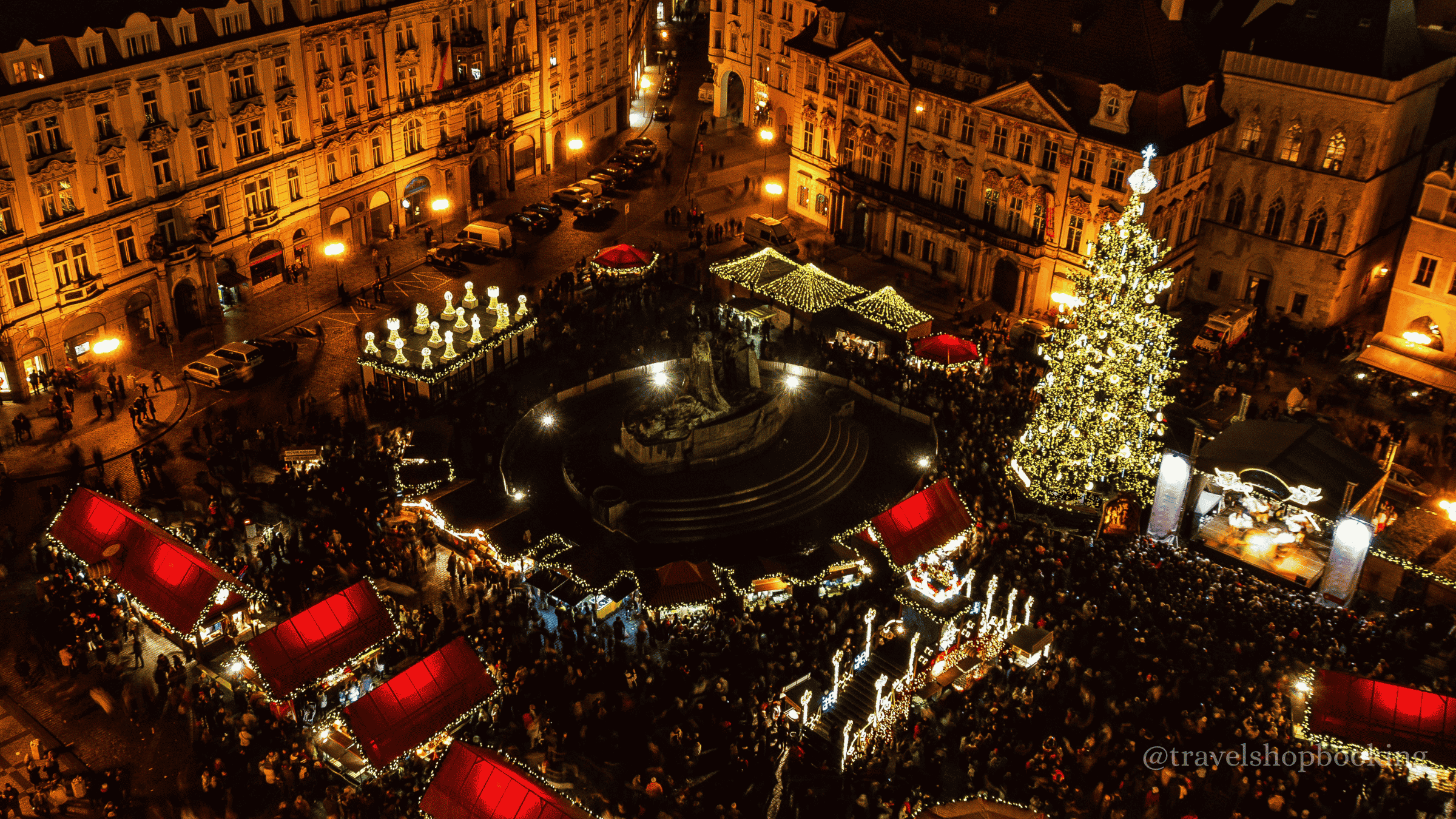
Best Time to Visit Czechia for Christmas Markets
The best time to visit Czechia for Christmas markets is from late November through December. Prague hosts the country’s best-known markets, but Brno, Olomouc, Český Krumlov, and several smaller cities also organize festive events.
Popular Christmas market destinations include:
Prague Old Town Square
Wenceslas Square
Brno
Olomouc
Český Krumlov
Plzeň
Early December may provide a better balance of festive atmosphere and manageable visitor numbers than the final days before Christmas.
Best Places to Visit in Czechia by Season
Different regions of Czechia are better suited to different seasons. A seasonal itinerary can combine cities, castles, nature, spa towns, and cultural events.
Spring Destinations
Spring is ideal for historic towns, city walks, parks, and castle visits.
Recommended places include:
Prague
Český Krumlov
Kutná Hora
Karlovy Vary
Lednice
Brno
Summer Destinations
Summer is best for hiking, festivals, countryside trips, and outdoor attractions.
Top destinations include:
Bohemian Switzerland
Bohemian Paradise
Šumava National Park
South Moravia
Prague
Český Krumlov
Autumn Destinations
Autumn is suitable for photography, cultural trips, wine regions, and colorful landscapes.
Recommended destinations include:
Prague
Mikulov
Lednice-Valtice
Český Krumlov
Karlovy Vary
Bohemian Paradise
Winter Destinations
Winter is ideal for Christmas markets, historic city breaks, museums, and mountain activities.
Popular winter destinations include:
Prague
Brno
Olomouc
Český Krumlov
Krkonoše Mountains
Špindlerův Mlýn
Frequently Asked Questions
What is the best month to visit Czechia?
May, June, and September are among the best months to visit Czechia. They usually offer pleasant weather, long enough daylight hours, and fewer crowds than July and August.
When is the best time to visit Prague?
The best time to visit Prague is generally from April to June and September to October. December is also popular for Christmas markets and festive city scenery.
Is Czechia worth visiting in winter?
Yes. Winter is suitable for Christmas markets, museums, historic architecture, local food, and quieter city breaks. Mountain regions also offer skiing and other snow activities.
Does it snow in Czechia?
Yes. Snow is possible throughout the country during winter, although it may not remain on the ground for long in Prague. Mountain regions receive more reliable snowfall.
What is the cheapest time to visit Czechia?
January through March and November are generally among the most affordable periods, excluding major events and holiday weekends.
Is Czechia crowded during summer?
Prague and Český Krumlov can become crowded during July and August. Smaller cities and countryside destinations are generally quieter, especially on weekdays.
How many days are enough for Czechia?
Four to five days are enough for Prague and one nearby day trip. Seven to ten days allow travelers to include Český Krumlov, Brno, Kutná Hora, Karlovy Vary, or one of the country’s national parks.
Is Czechia easy to travel around without a car?
Yes. Prague, Brno, Český Krumlov, Kutná Hora, Olomouc, and Karlovy Vary are connected by trains or buses. A car can be more convenient for national parks, rural castles, and smaller villages.
Loading comments…