

Summer Is When Estonia Truly Comes Alive
Experience the Magic of the White Nights
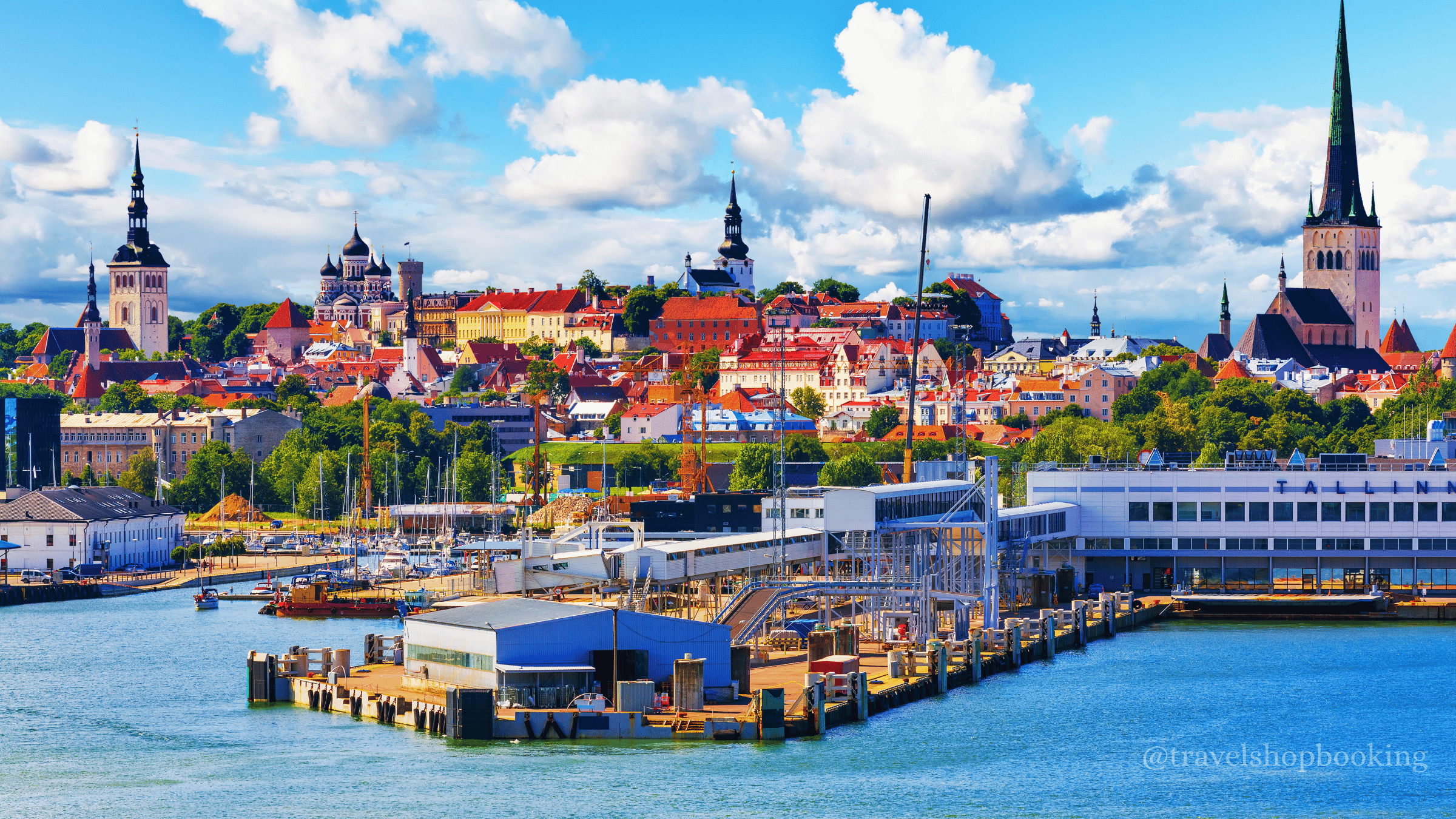
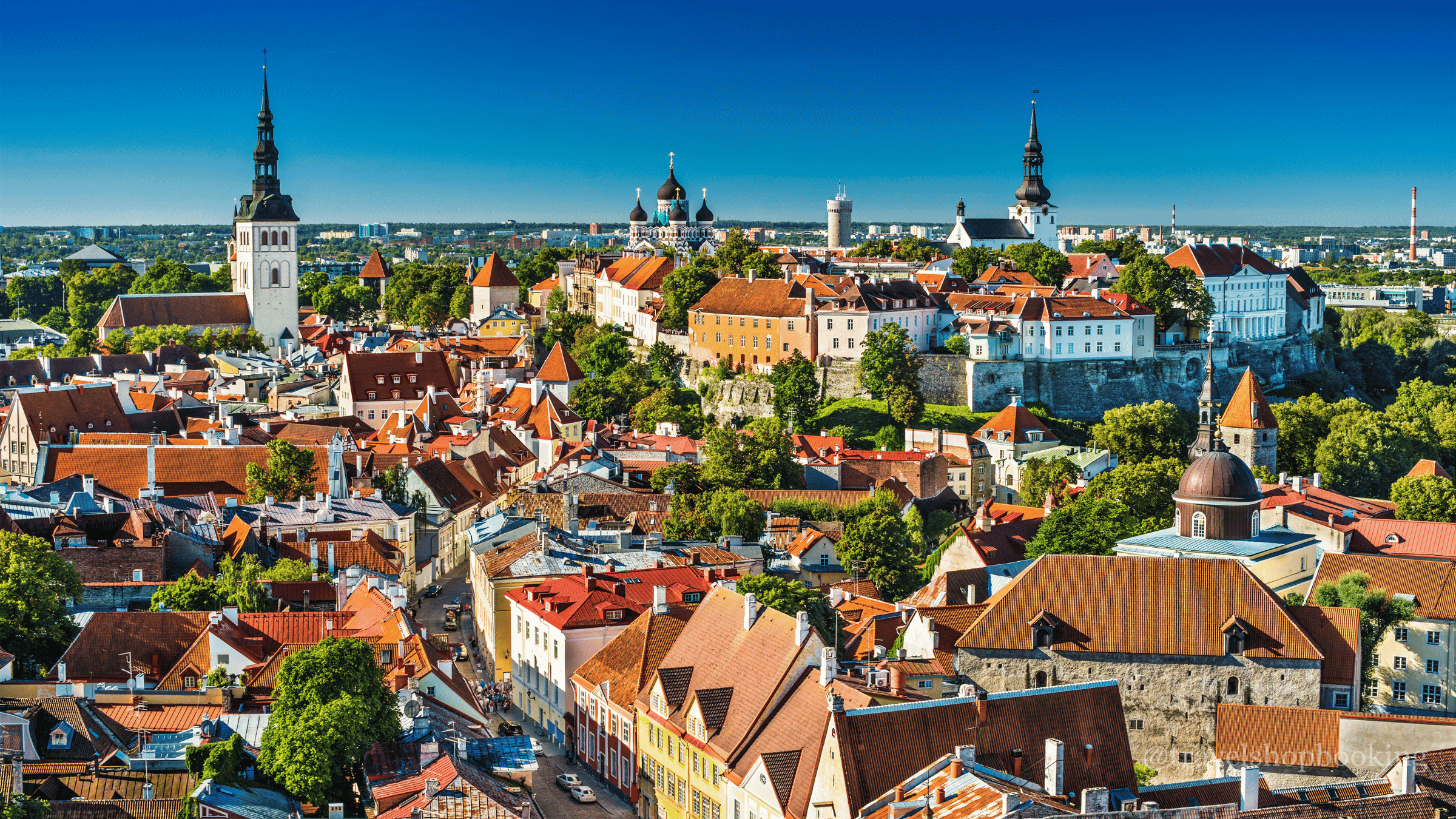
If there's one season that captures Estonia at its liveliest, it's summer. Between June and August, daylight stretches well into the evening, and around the summer solstice the sky barely becomes dark. Instead of rushing through attractions, you'll find yourself lingering on café terraces, walking along the city walls at 10 p.m., or taking a late-evening stroll beside the Baltic Sea while the horizon still glows.
Explore Estonia Beyond Tallinn
Many travelers never leave the capital, but summer is the perfect excuse to do exactly that. Ferries run frequently to Saaremaa and Hiiumaa, where quiet villages, old lighthouses, and empty beaches replace busy city streets. Inland, Soomaa National Park offers canoe routes through wetlands and forests that feel almost untouched.
Even simple drives through the countryside become memorable as endless pine forests, wooden farmhouses, and wildflower-filled meadows unfold around every bend.
Why Summer Never Feels Overcrowded
Despite being the busiest season, Estonia remains refreshingly calm. Tallinn welcomes cruise ships during the day, but just a few streets away you'll still discover peaceful cafés and hidden courtyards. Outside the capital, it's entirely possible to have hiking trails, beaches, or scenic viewpoints almost entirely to yourself.
Spring Is Estonia's Quietest Secret
Watching the Country Wake Up
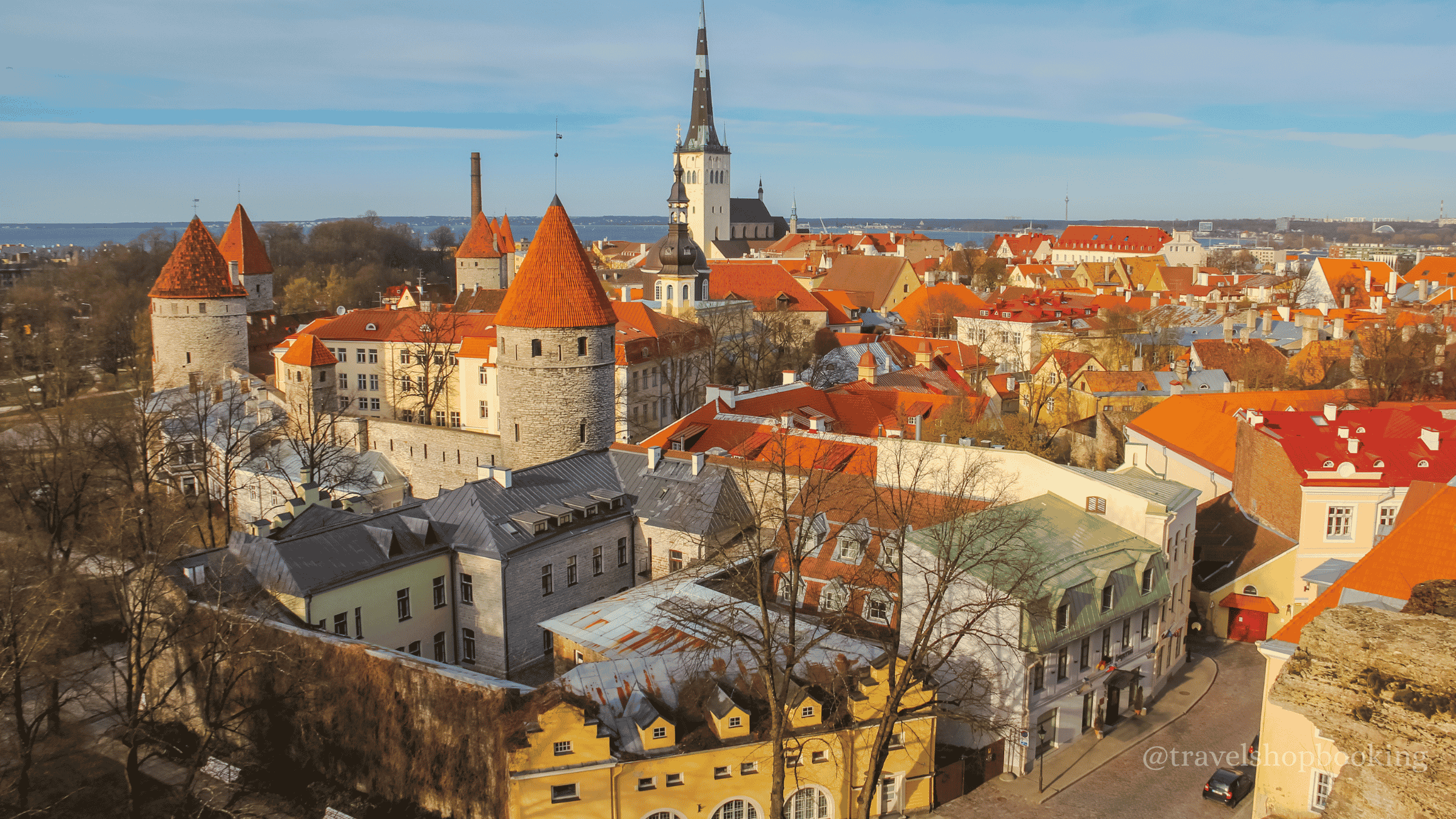
Spring arrives slowly in Estonia, but that's part of its charm. As the snow disappears, forests become bright green, migratory birds return, and outdoor markets begin reopening. By May, temperatures are comfortable enough for walking through Tallinn's Old Town without a jacket for much of the day.
Why Locals Love This Time of Year
Spring doesn't receive the attention of summer, yet many Estonians consider it one of the most enjoyable seasons. Nature feels fresh, accommodation prices remain reasonable, and attractions are wonderfully uncrowded.
If you enjoy peaceful mornings, photography, and slow travel, spring offers one of the country's most authentic experiences.
Autumn Is Made for Nature Lovers
Estonia's Forests Become the Main Attraction
More than half of Estonia is covered by forests, and autumn transforms them into a spectacular mix of gold, orange, and crimson. Walking through Lahemaa National Park in late September often feels like stepping into a painting, with quiet trails winding between colorful trees and mirror-like lakes.
A Different Kind of Baltic Escape
While beaches become quieter after summer, the coastline gains a completely different atmosphere. Fishing villages return to their everyday rhythm, seafood restaurants begin serving seasonal dishes, and the cooler weather makes long coastal walks surprisingly enjoyable.
It's also one of the best seasons to discover Estonia's food culture, with restaurants highlighting mushrooms, berries, smoked fish, and locally foraged ingredients.
Winter Shows Estonia at Its Most Magical
Tallinn Feels Like a Christmas Story
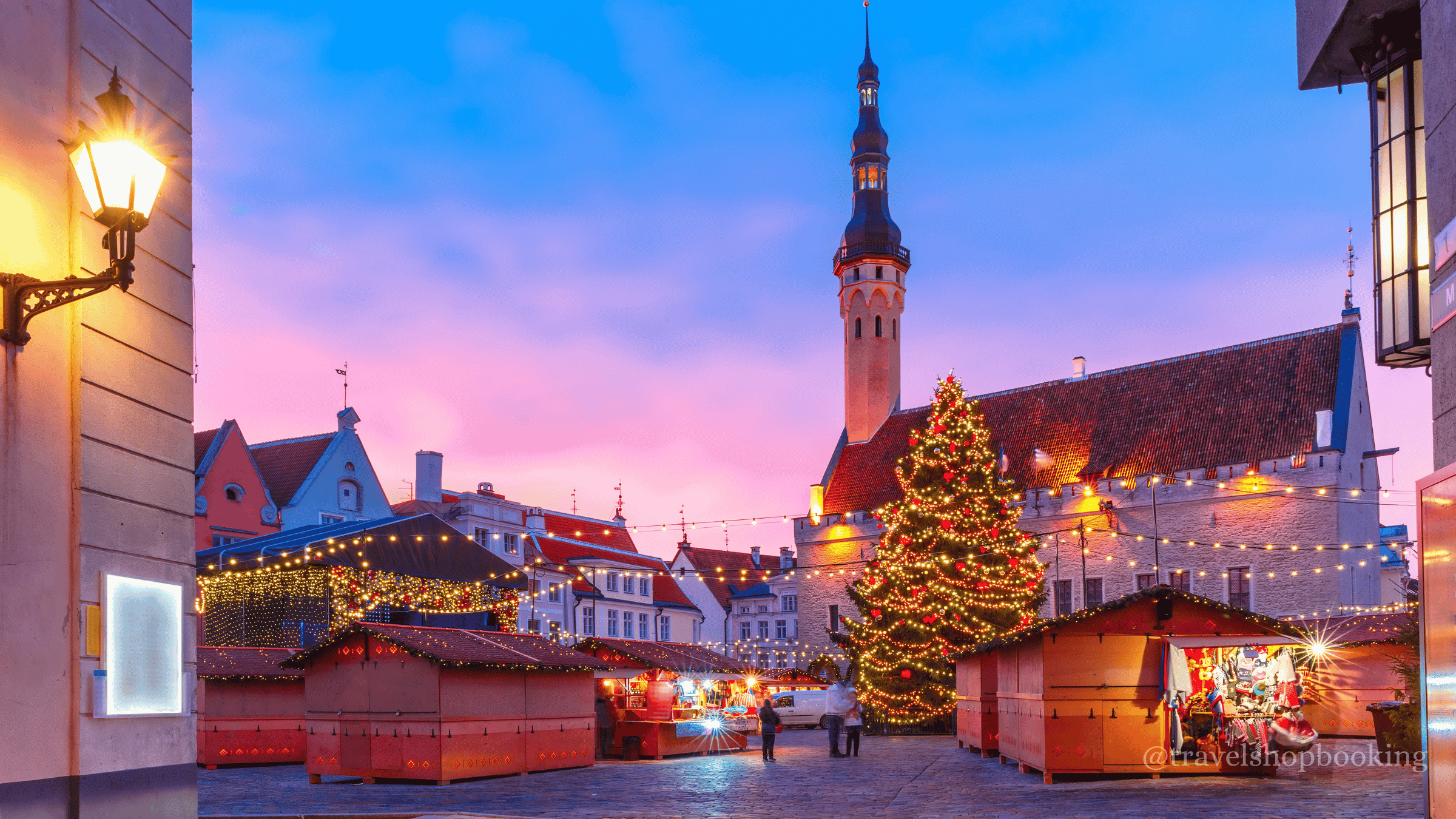
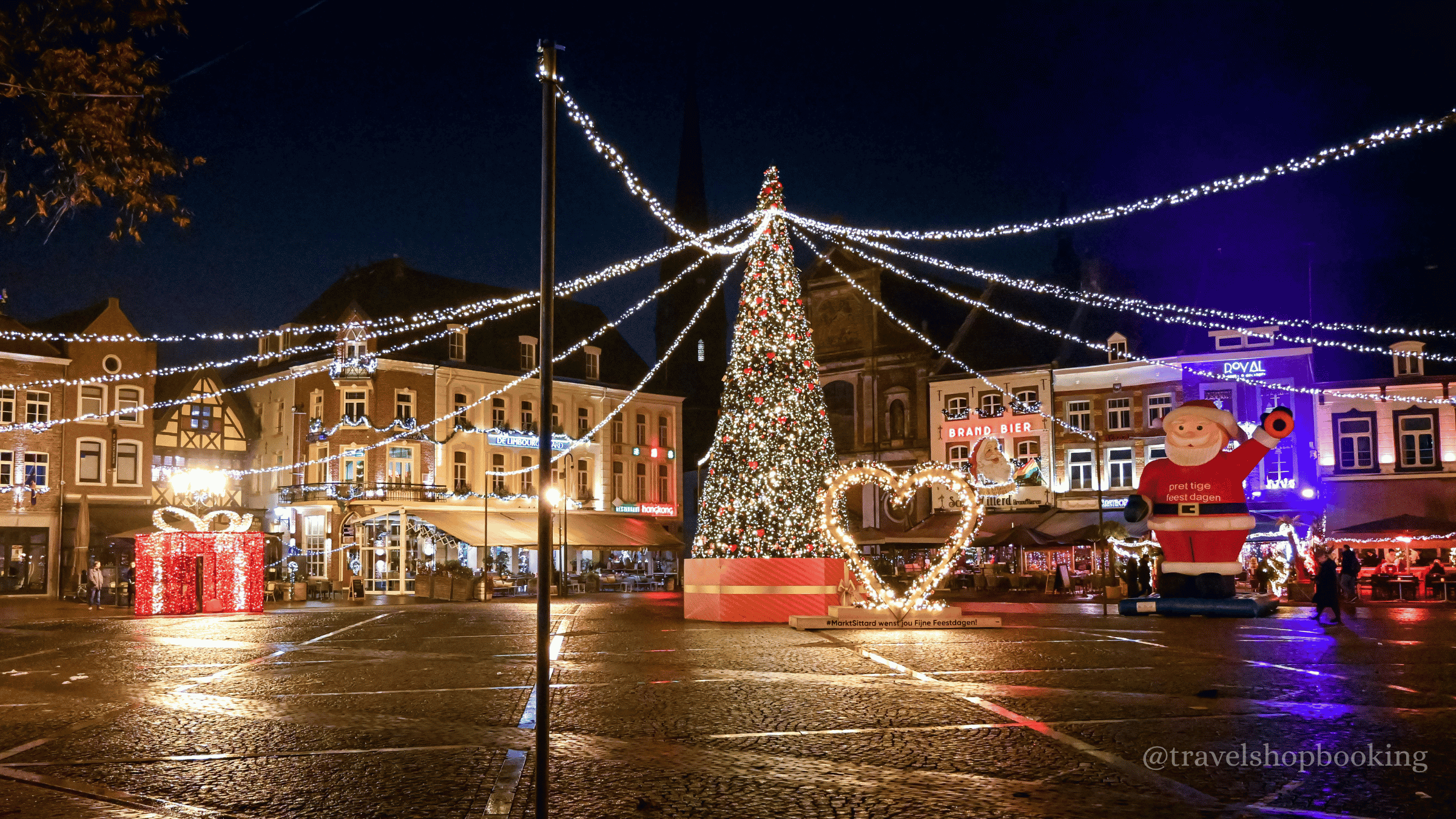
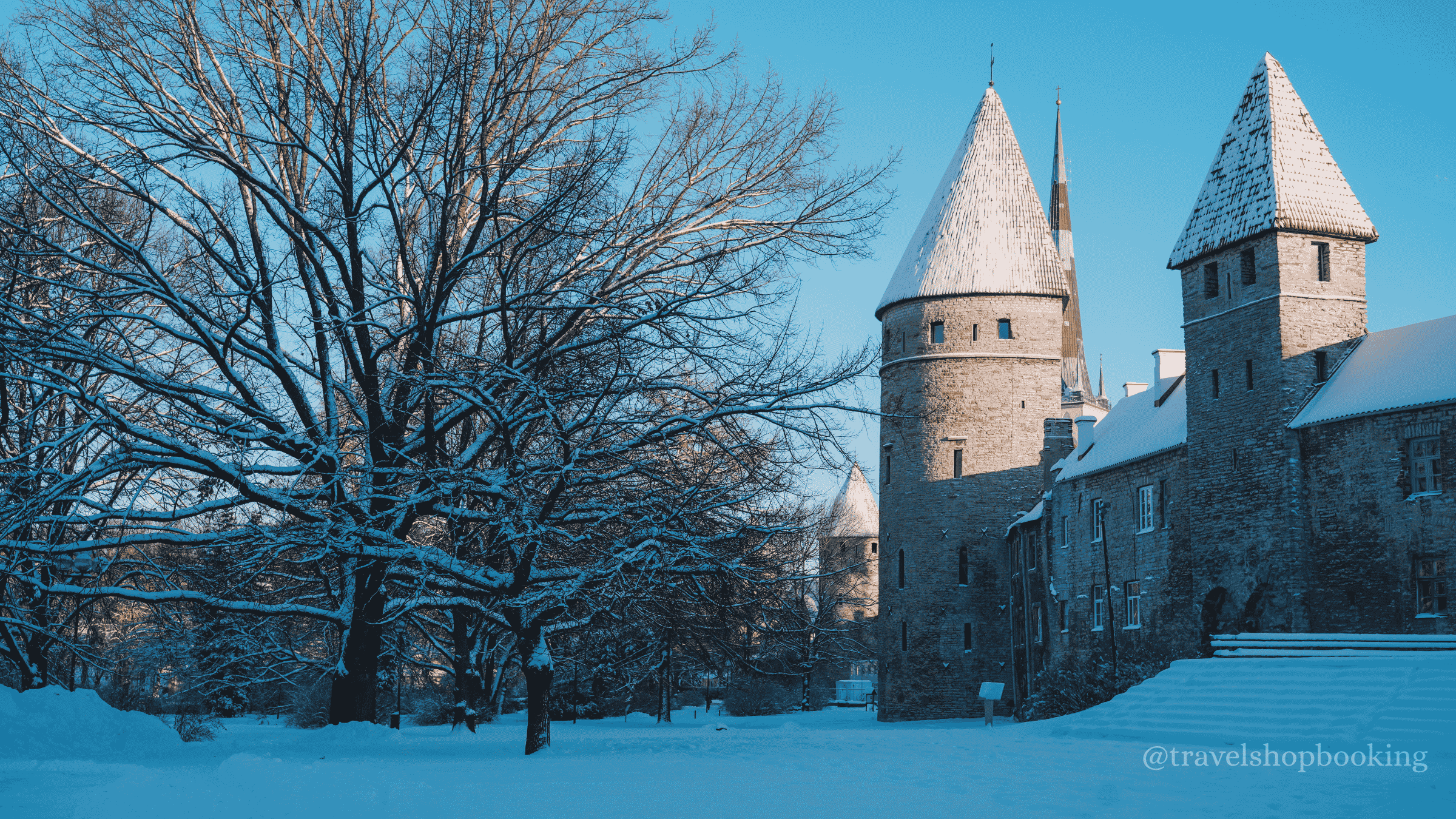
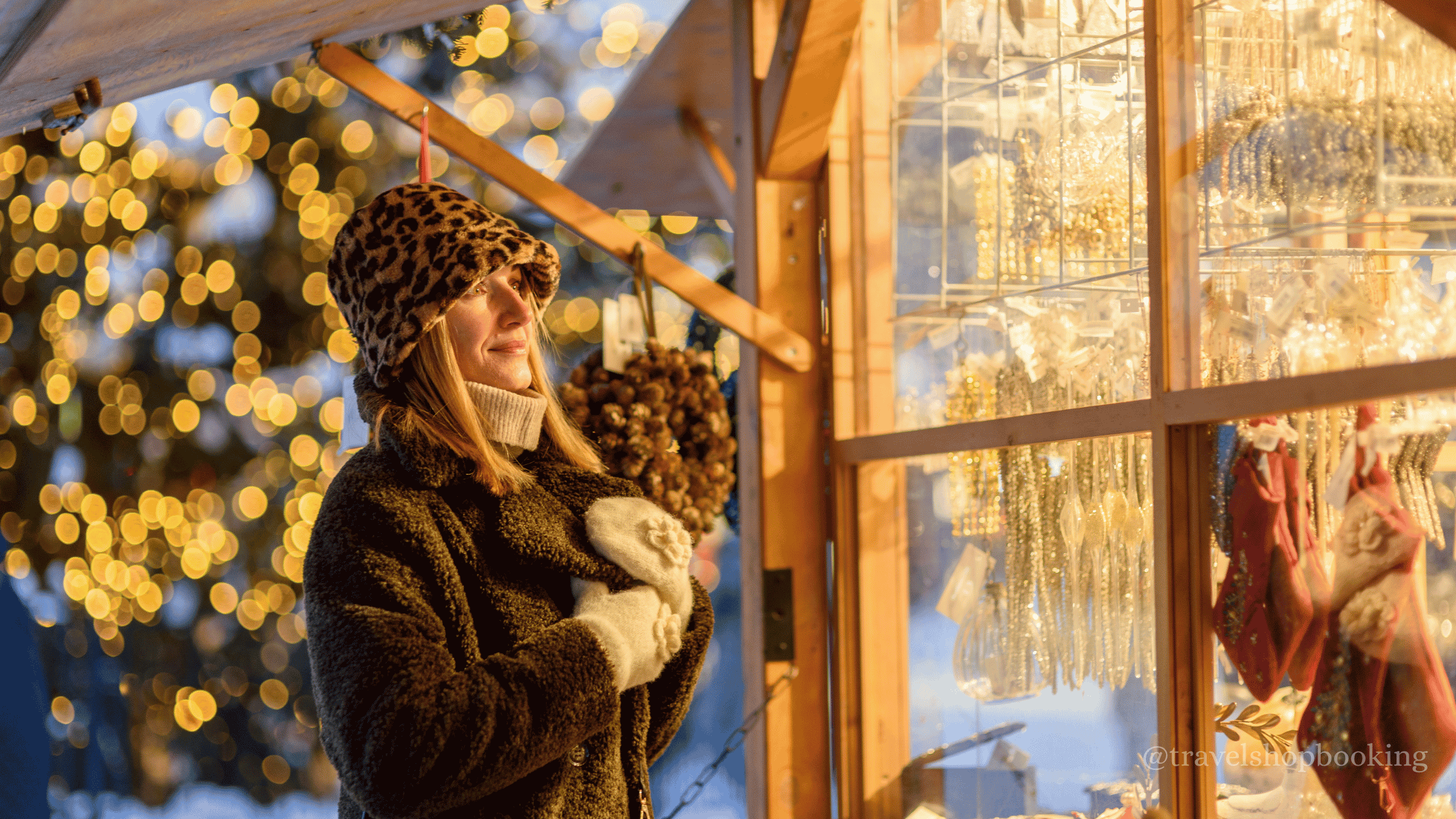
There are Christmas markets, and then there's Tallinn in December. Snow-covered rooftops, medieval towers, warm lights, and the scent of cinnamon drifting through Town Hall Square create an atmosphere that feels almost unreal.
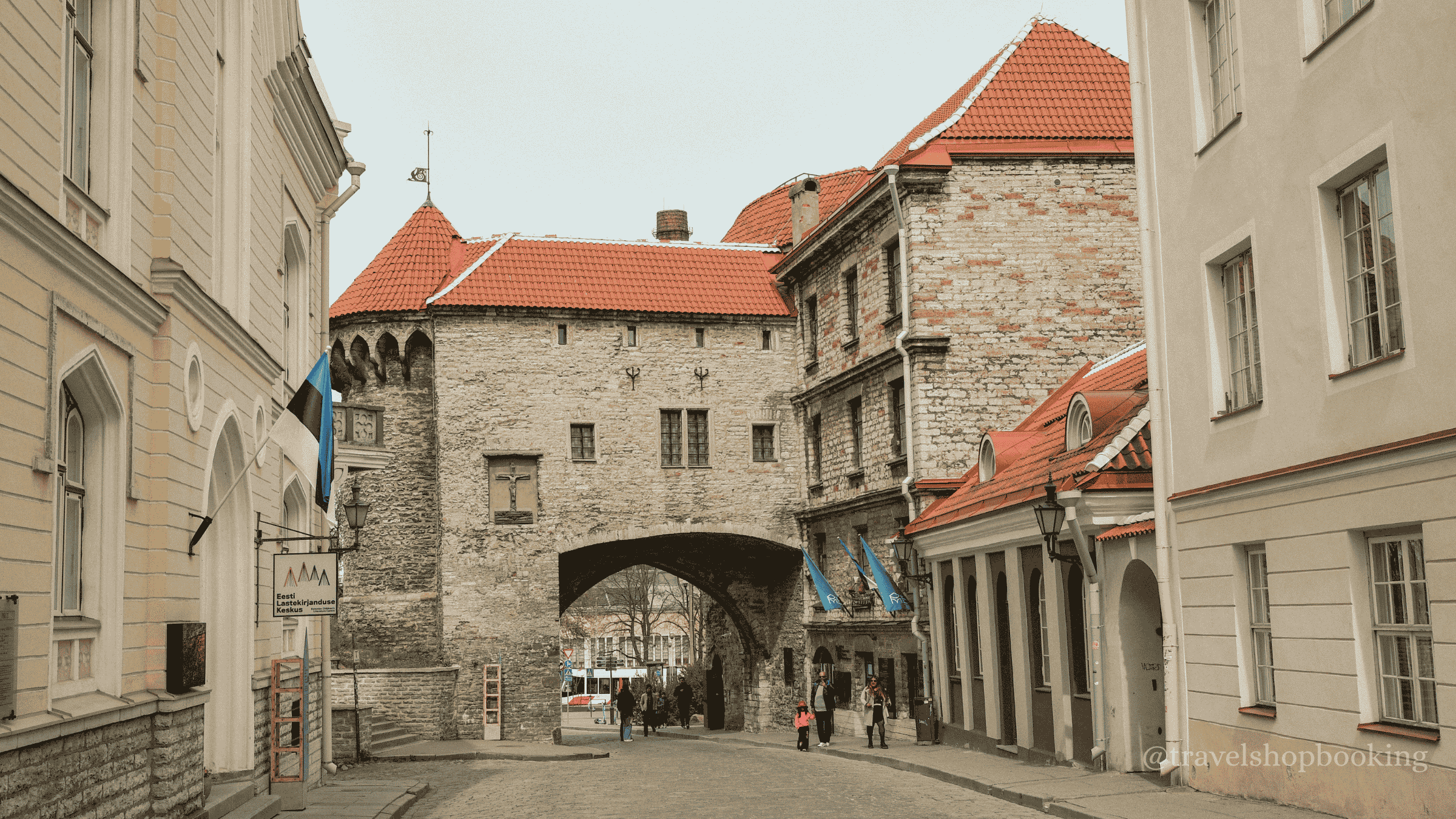
Unlike larger European capitals, Tallinn's compact Old Town makes it easy to experience everything on foot, moving from festive market stalls to cozy cafés within minutes.
Discover Estonia's Sauna Culture
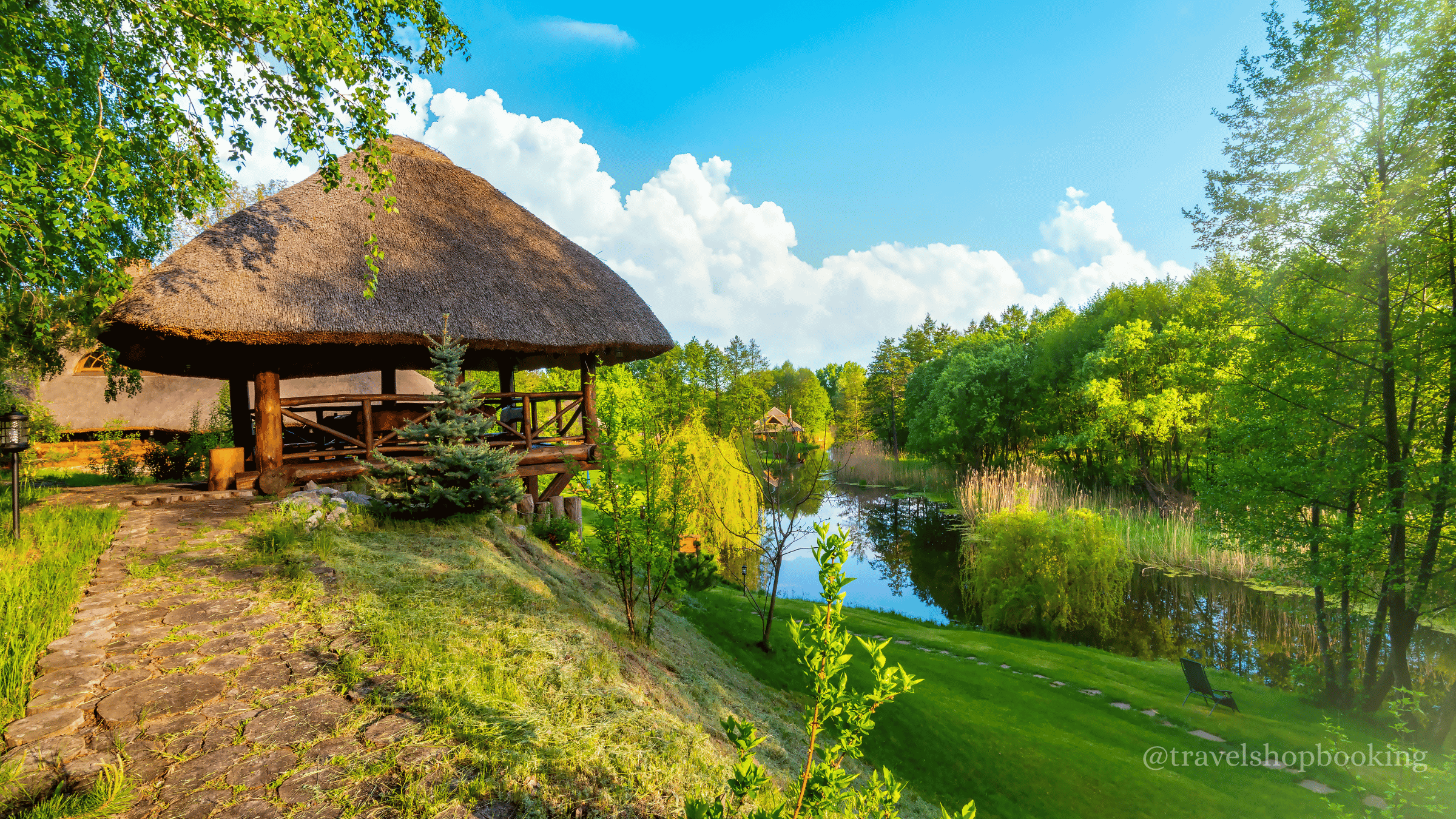
Winter is also the best time to embrace one of Estonia's oldest traditions—a proper sauna. Many countryside guesthouses combine traditional wood-fired saunas with icy lakes or fresh snow outside, creating an experience locals have enjoyed for generations.
After a day exploring frozen landscapes, few things feel more rewarding than warming up beside a crackling fire with a hot drink.
Estonia Is More Than Just Tallinn
Northern Estonia
Tallinn may be the highlight, but nearby attractions such as Lahemaa National Park, coastal cliffs, and historic manor houses make Northern Estonia worth exploring for several days.
The Western Islands
Life slows down considerably on Estonia's islands. Saaremaa is known for its medieval castle and windmills, while Hiiumaa attracts visitors looking for peaceful beaches, forests, and some of the country's oldest lighthouses.
Southern Estonia
Rolling hills, lakes, and dense forests make southern Estonia perfect for travelers who enjoy hiking, cycling, and escaping the crowds.
Choosing the Best Season for Your Travel Style
If your dream trip includes medieval cities, long walks, and outdoor cafés, visit in late spring or early summer.
If you're hoping to hike through forests and national parks, June through September offers the most reliable weather.
Photographers will find September especially rewarding thanks to colorful forests and softer evening light.
For festive city breaks, December delivers one of Northern Europe's most memorable Christmas atmospheres.
Budget-conscious travelers can often find the best accommodation deals during March, April, and November, when visitor numbers are much lower.
So, When Is the Best Month to Visit Estonia?
If you asked ten Estonians, you'd probably hear several different answers. But for most international travelers, June offers the perfect introduction. The weather is comfortably warm, the countryside is vibrant, ferries operate at full capacity, and the famous White Nights give every day the feeling that it lasts just a little bit longer. It's the month when Estonia feels most alive without yet reaching its busiest period.
Frequently Asked Questions
What is the best time to visit Estonia?
Late May through early September provides the best combination of pleasant weather, long daylight hours, and outdoor activities.
Is Estonia worth visiting in winter?
Yes. Tallinn's Christmas Market, snowy medieval streets, and traditional sauna experiences make winter one of Estonia's most memorable seasons.
Which month has the longest daylight hours?
June offers exceptionally long days, with twilight lasting until late evening.
Is Estonia expensive during summer?
Prices rise slightly in July, particularly in Tallinn and on popular islands, but Estonia remains more affordable than many Northern European countries.
What is the cheapest time to visit Estonia?
Accommodation is generally most affordable between March and April, before the main tourist season begins.
How many days do you need in Estonia?
A 5 to 7-day itinerary allows enough time to experience Tallinn, at least one national park, and either the Baltic coastline or one of Estonia's beautiful islands.
Loading comments…