

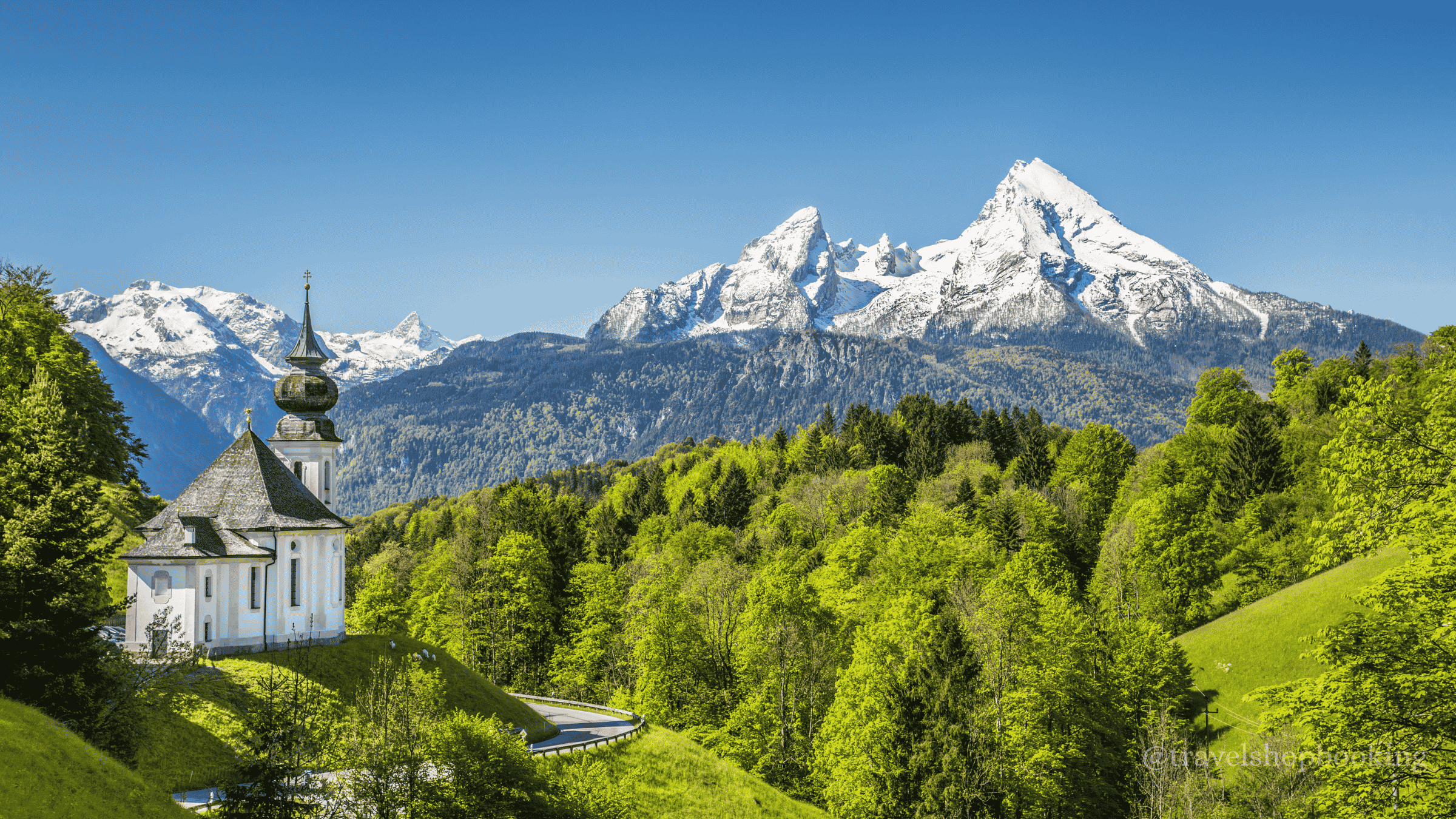
Germany is a destination that changes dramatically with the seasons. In spring, city parks burst into bloom and café terraces fill with locals enjoying the first warm days. Summer brings long daylight hours, open-air festivals, and hiking trails in the Alps. Autumn is all about colorful forests, vineyard harvests, and the world-famous Oktoberfest, while winter transforms historic town squares into magical Christmas markets. The best time to visit Germany depends on what you want to experience, but for most travelers, May to September offers the best balance of pleasant weather, outdoor activities, and cultural events.
Spring (March to May): Best for Sightseeing and Festivals
Weather in Spring
Spring arrives gradually across Germany. March can still feel chilly, especially in the north, but by April and May, parks, gardens, and countryside landscapes begin to bloom. Daytime temperatures usually range between 10°C and 20°C (50°F to 68°F), making it comfortable to explore cities on foot without the summer crowds.
Best Places to Visit in Spring
Spring is one of the best times to explore Berlin, Munich, Heidelberg, and Dresden, where historic streets are pleasant to wander before peak tourist season begins. The Rhine Valley becomes especially beautiful as vineyards turn green, while the Black Forest offers excellent hiking with waterfalls at their fullest after winter snowmelt.
Spring Travel Tips
Spring weather can change quickly, so packing layers is essential. A lightweight waterproof jacket is useful, particularly during April showers. Since visitor numbers remain relatively low compared to summer, it's also easier to find good hotel deals and enjoy popular attractions without long queues.
Summer (June to August): Best for Outdoor Activities
Summer Weather
Summer is Germany's warmest and busiest season. Temperatures generally range from 20°C to 30°C (68°F to 86°F), although occasional heatwaves can push temperatures even higher. Long daylight hours allow travelers to fit much more into each day.
Best Beaches, Lakes, and National Parks
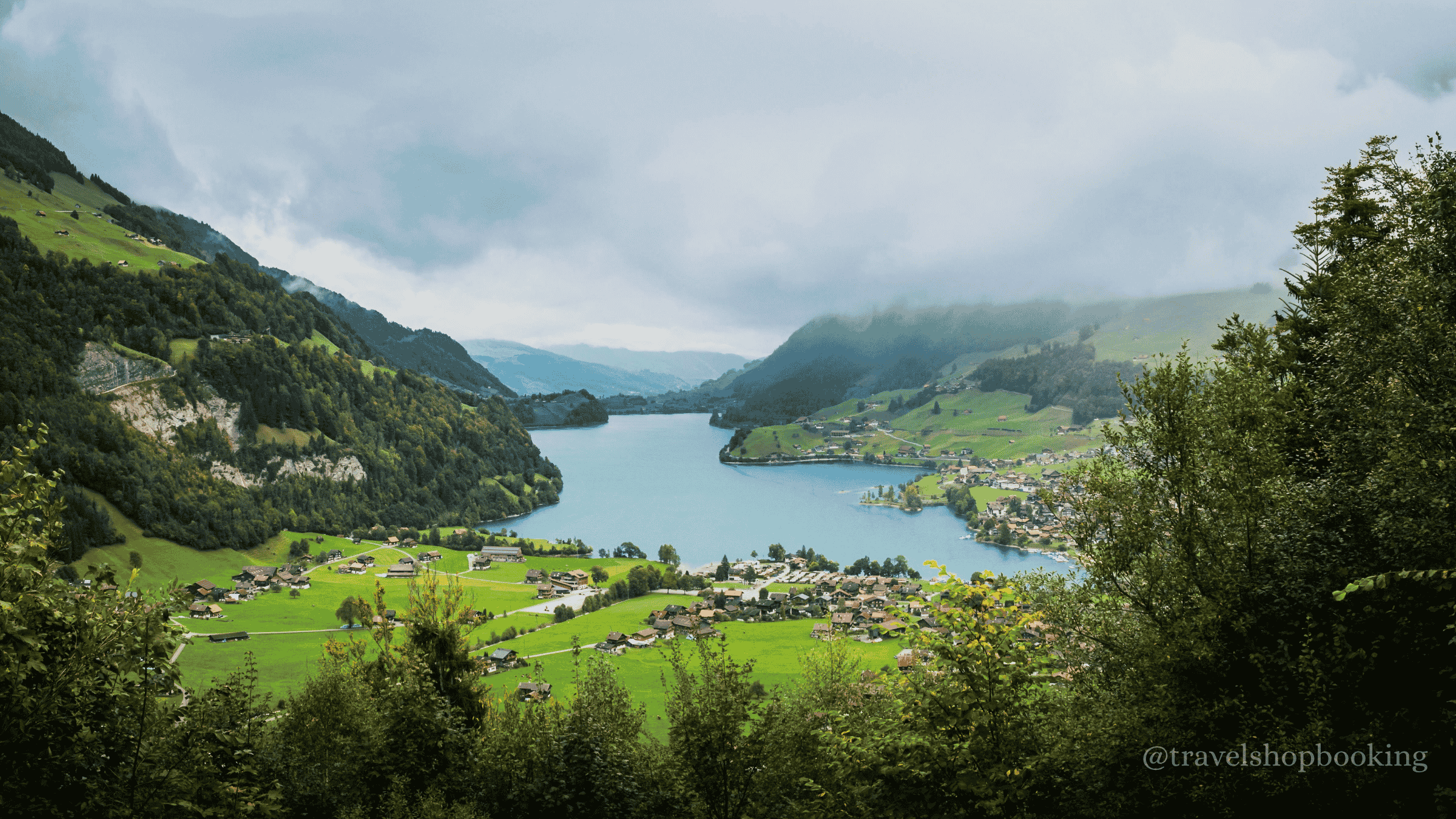
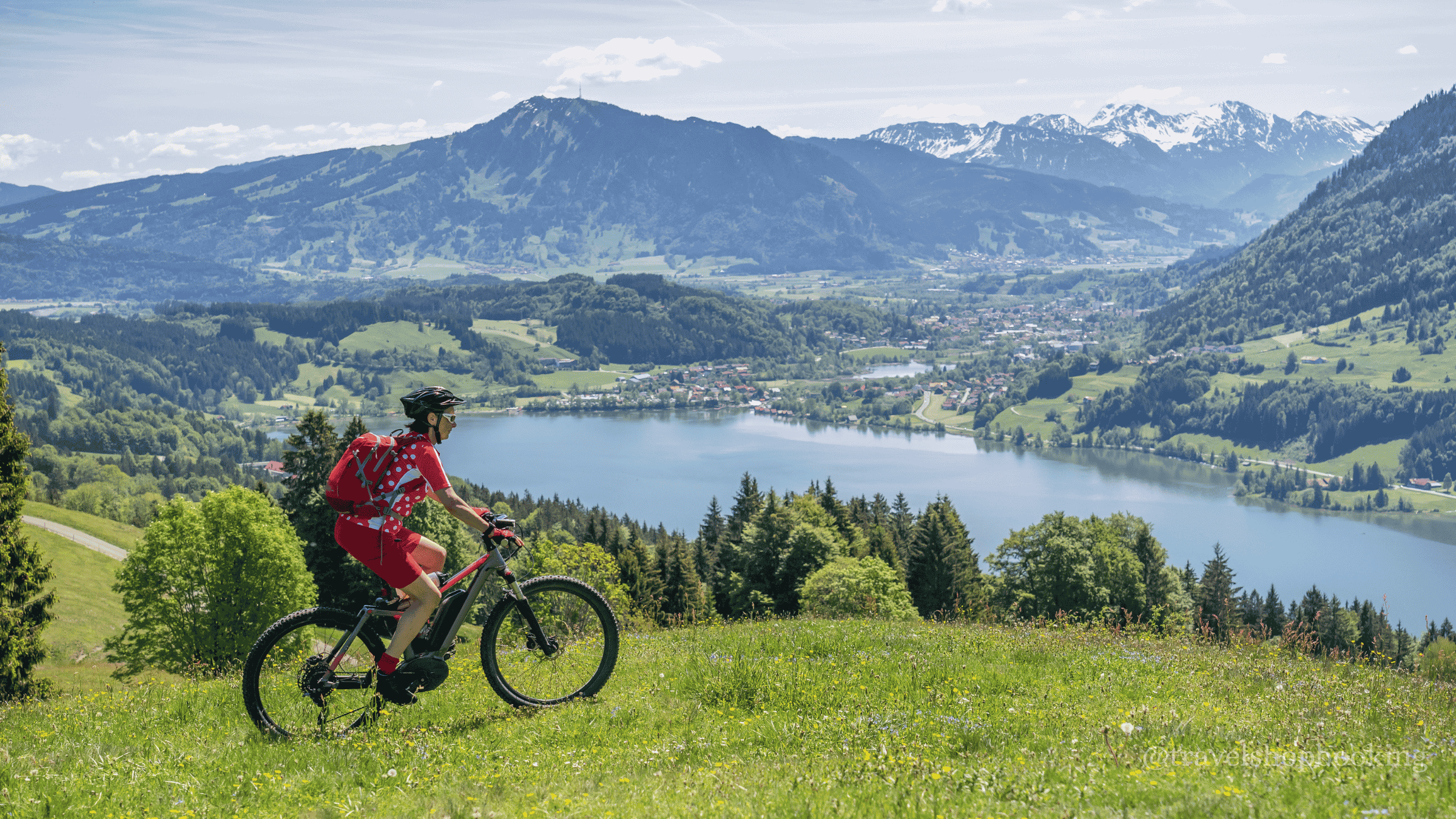
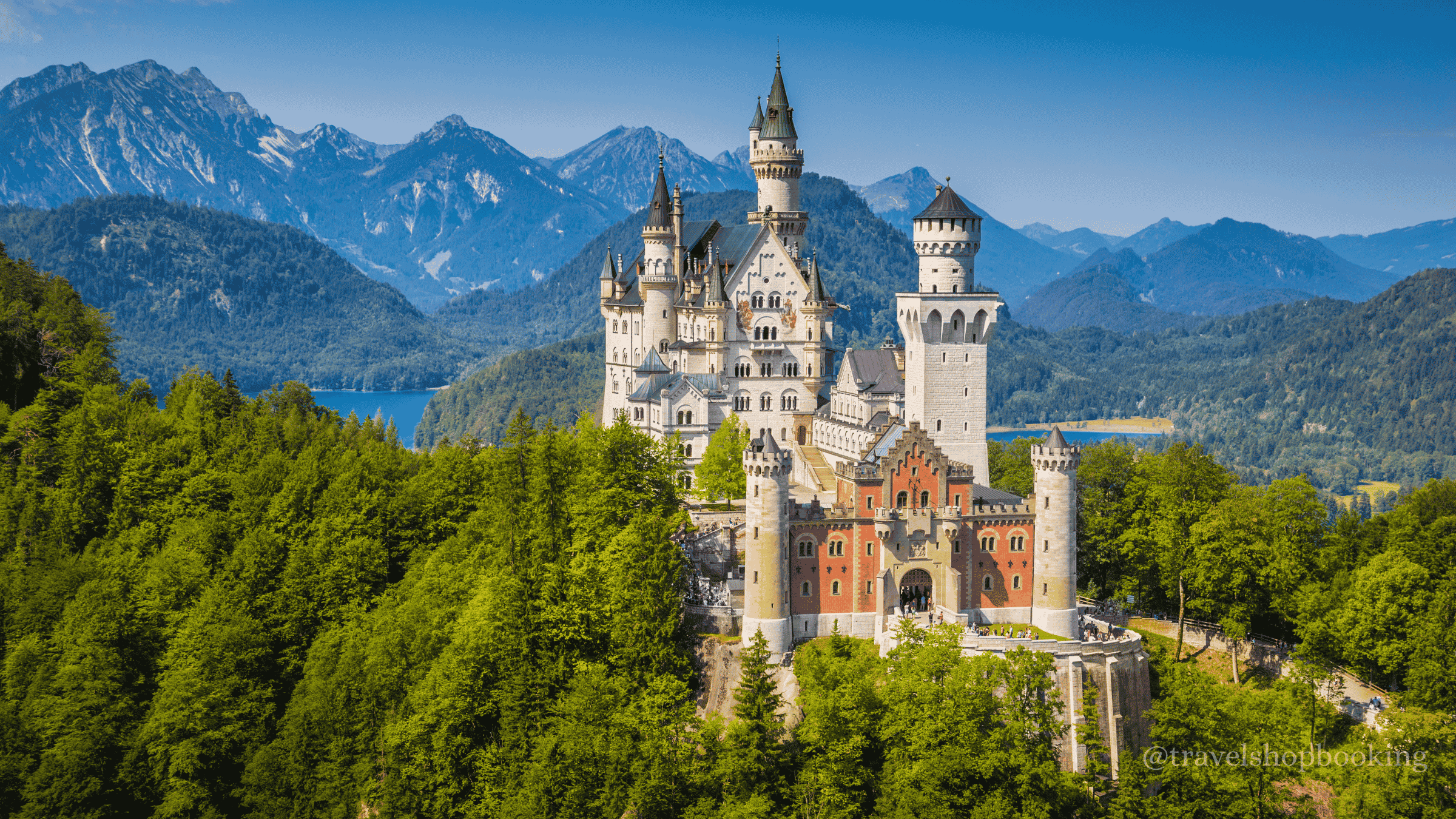
Many visitors are surprised to discover that Germany has excellent summer destinations beyond its cities. The Baltic Sea and North Sea coasts become popular beach escapes, while lakes such as Lake Constance and Lake Königssee are perfect for swimming, boating, and cycling. The Bavarian Alps offer spectacular hiking trails with panoramic mountain views.
Summer Festivals and Events
Summer is packed with open-air concerts, wine festivals, food markets, and cultural celebrations. Beer gardens are at their liveliest, especially in Bavaria, where locals gather outdoors well into the evening. River cruises along the Rhine and Moselle are also particularly enjoyable during the warm months.
Autumn (September to November): Best for Oktoberfest and Fall Colors
Weather in Autumn
Autumn brings cooler temperatures between 8°C and 22°C (46°F to 72°F) and some of Germany's most beautiful scenery. Forests turn brilliant shades of red, orange, and gold, creating ideal conditions for scenic drives and photography.
Visiting Oktoberfest
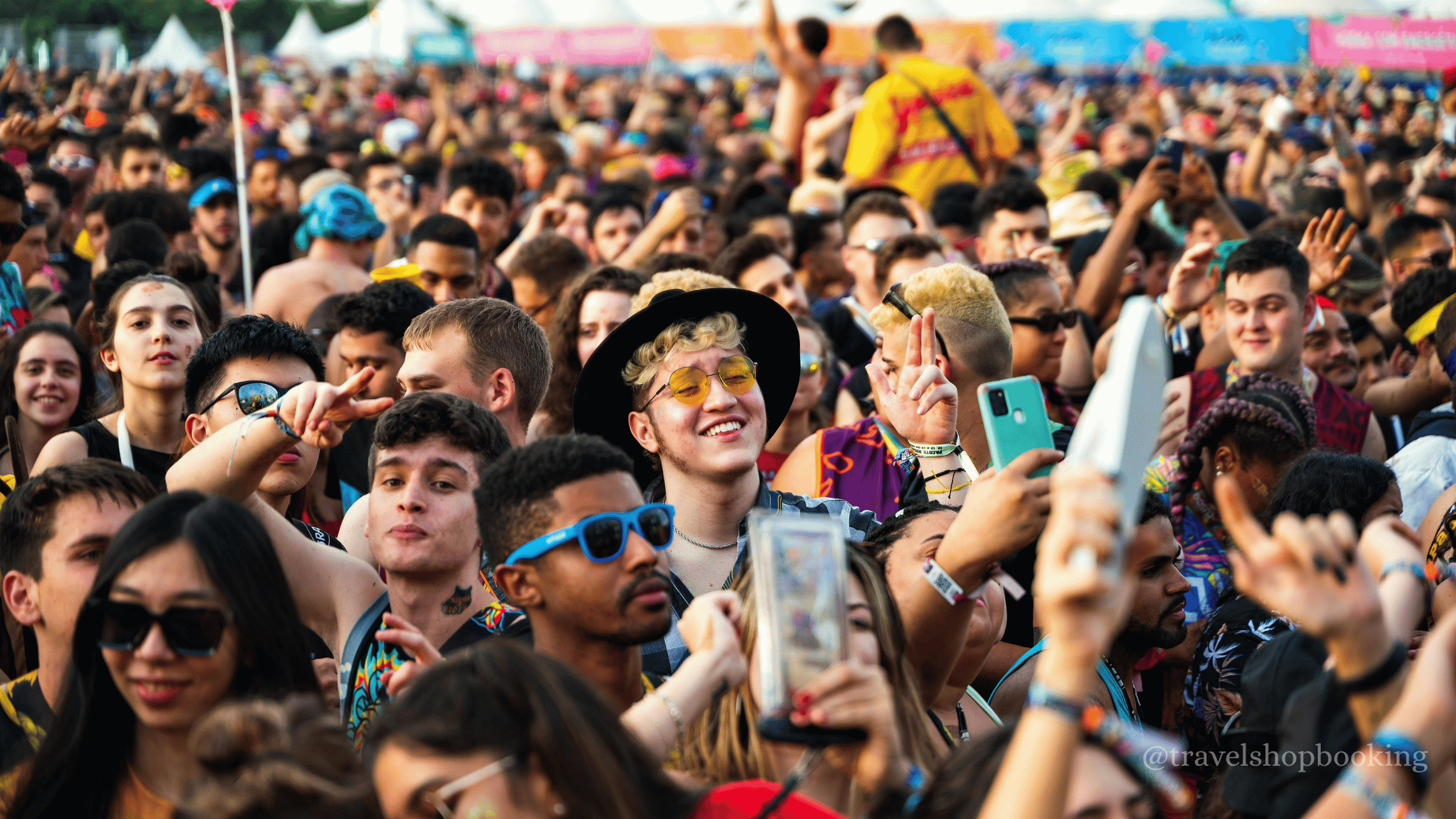
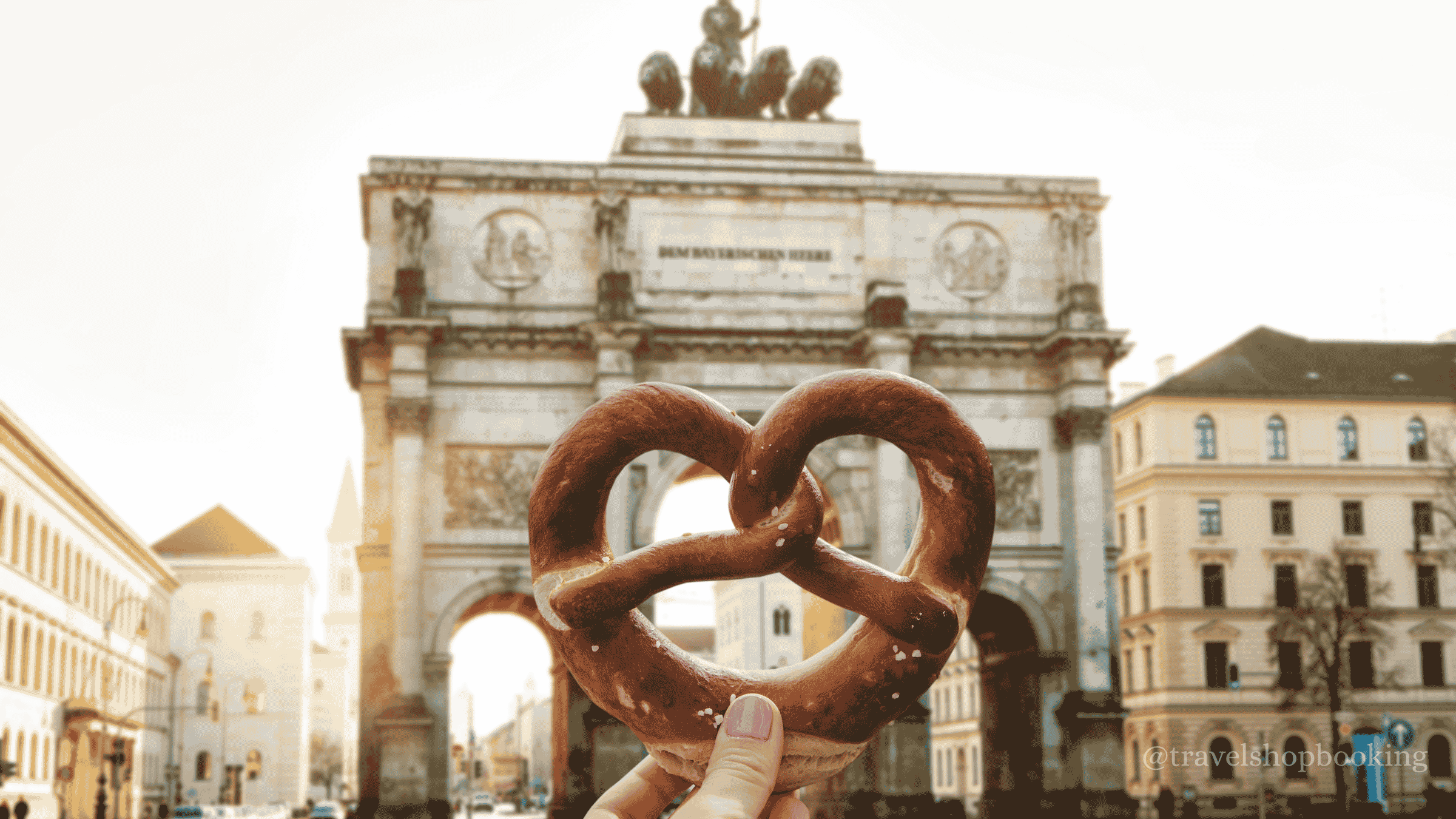
September is the highlight of Germany's festival calendar thanks to Oktoberfest in Munich. Although famous for beer, the festival is also about Bavarian culture, traditional music, local food, and historic customs. Hotels fill quickly during this period, so booking well in advance is essential.
Best Places for Autumn Scenery
The Black Forest, Bavarian Alps, Harz Mountains, and the Moselle Valley are particularly stunning in autumn. Vineyard landscapes around Rüdesheim, Cochem, and Bernkastel-Kues become especially picturesque during the grape harvest.
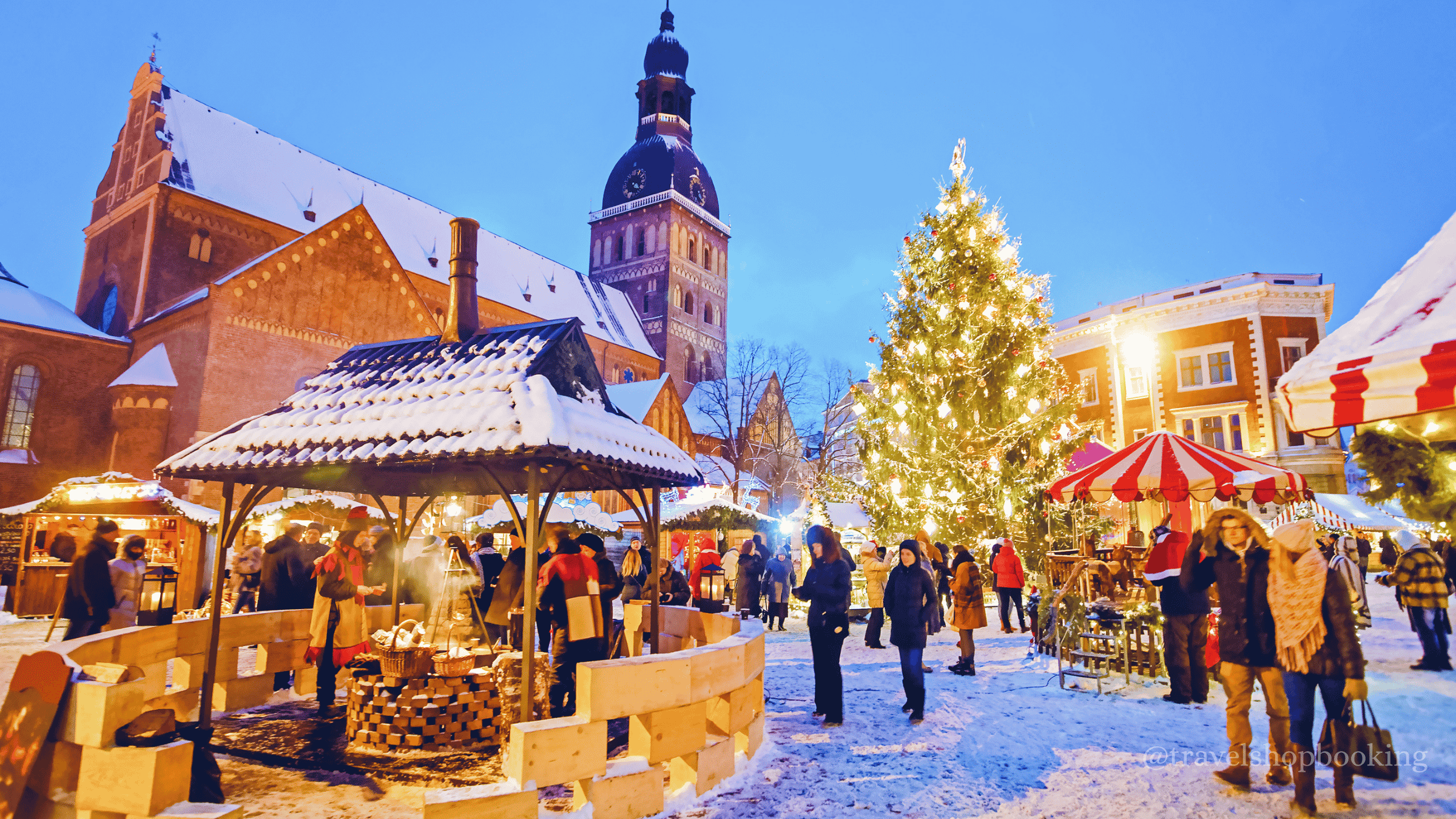
Winter (December to February): Best for Christmas Markets
Winter Weather
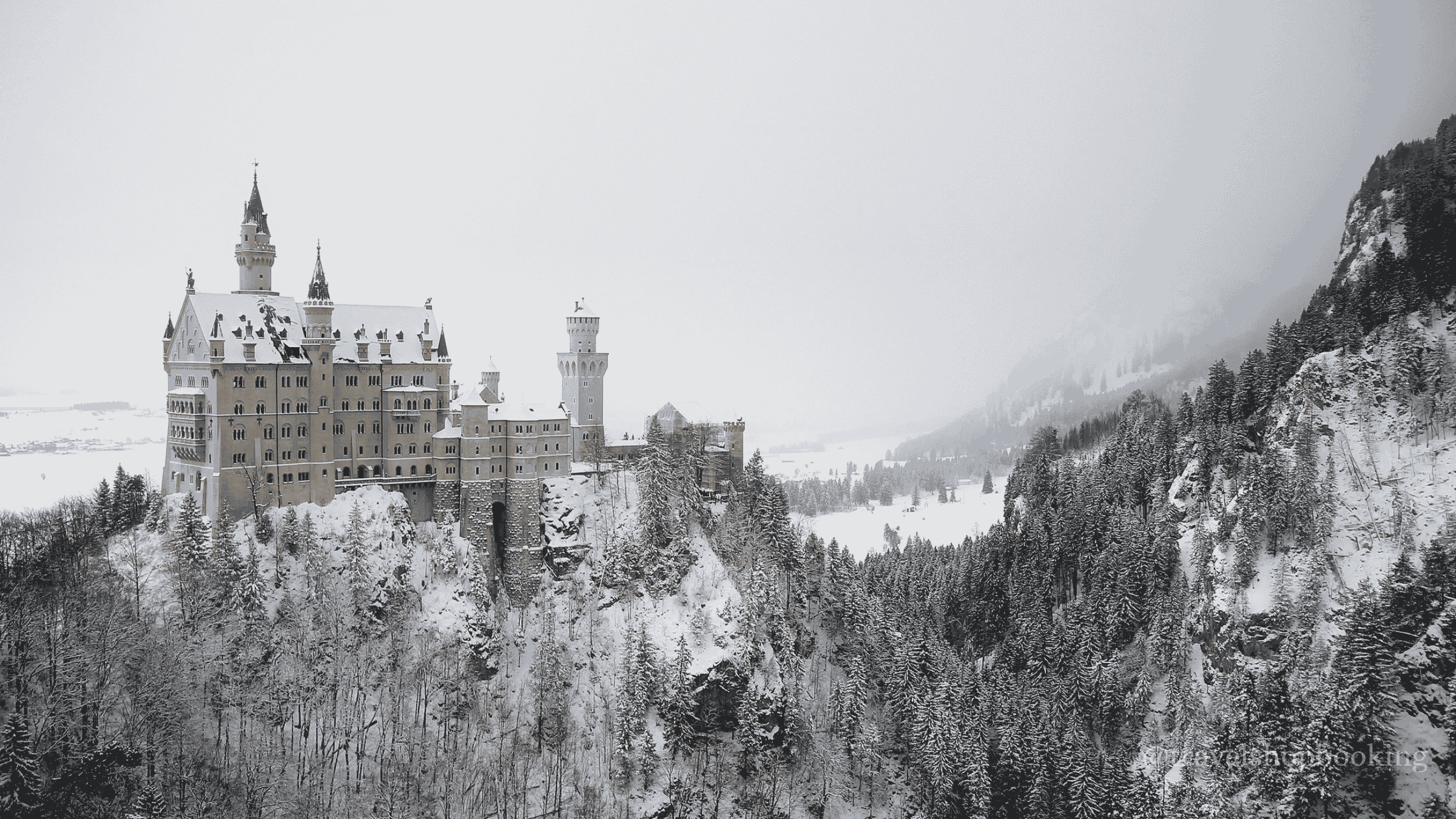
Winter temperatures generally range between -2°C and 7°C (28°F to 45°F). Snow is common in southern Germany and mountainous regions, while northern cities experience colder winds and occasional frost.
Germany's Famous Christmas Markets
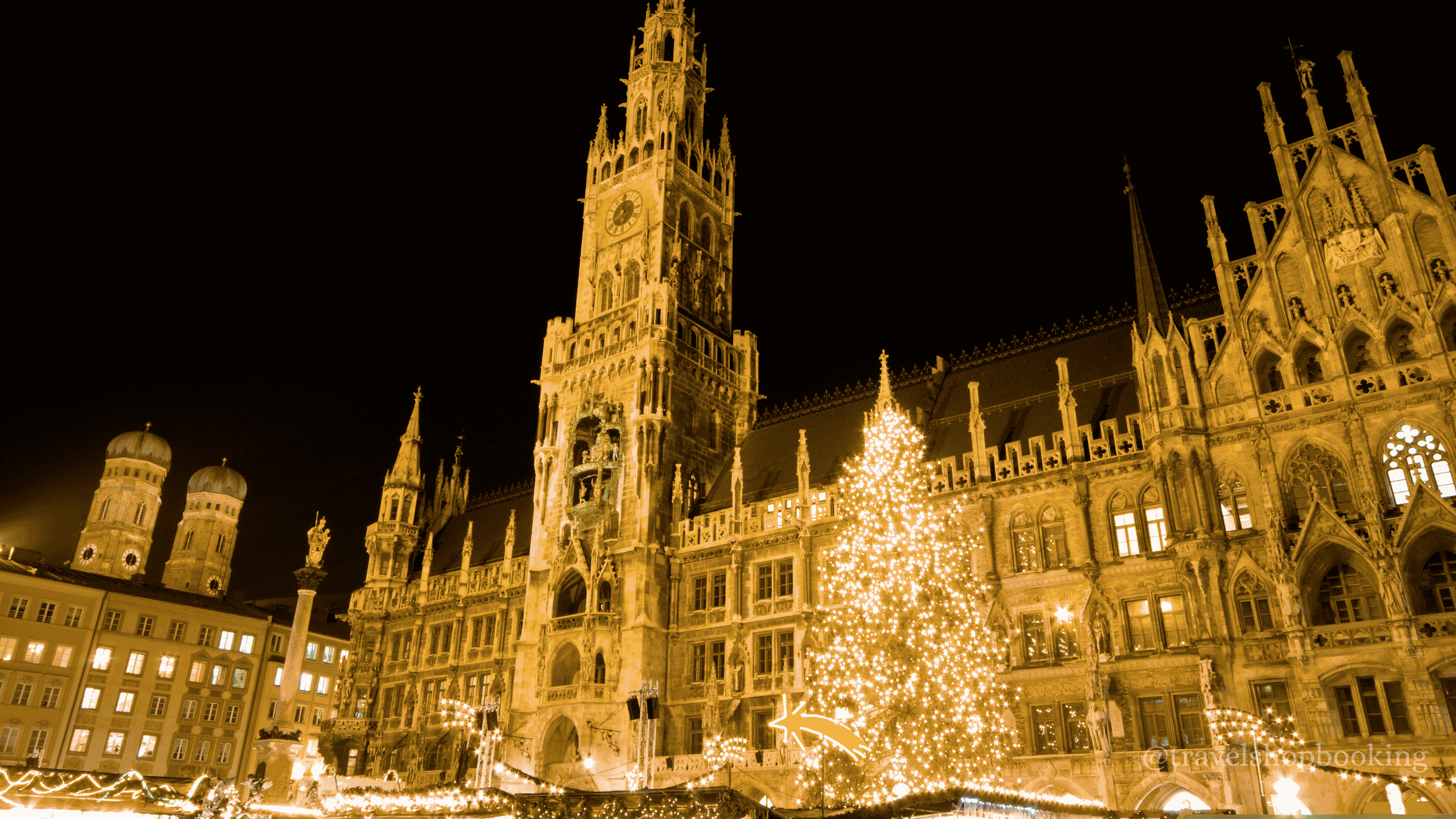
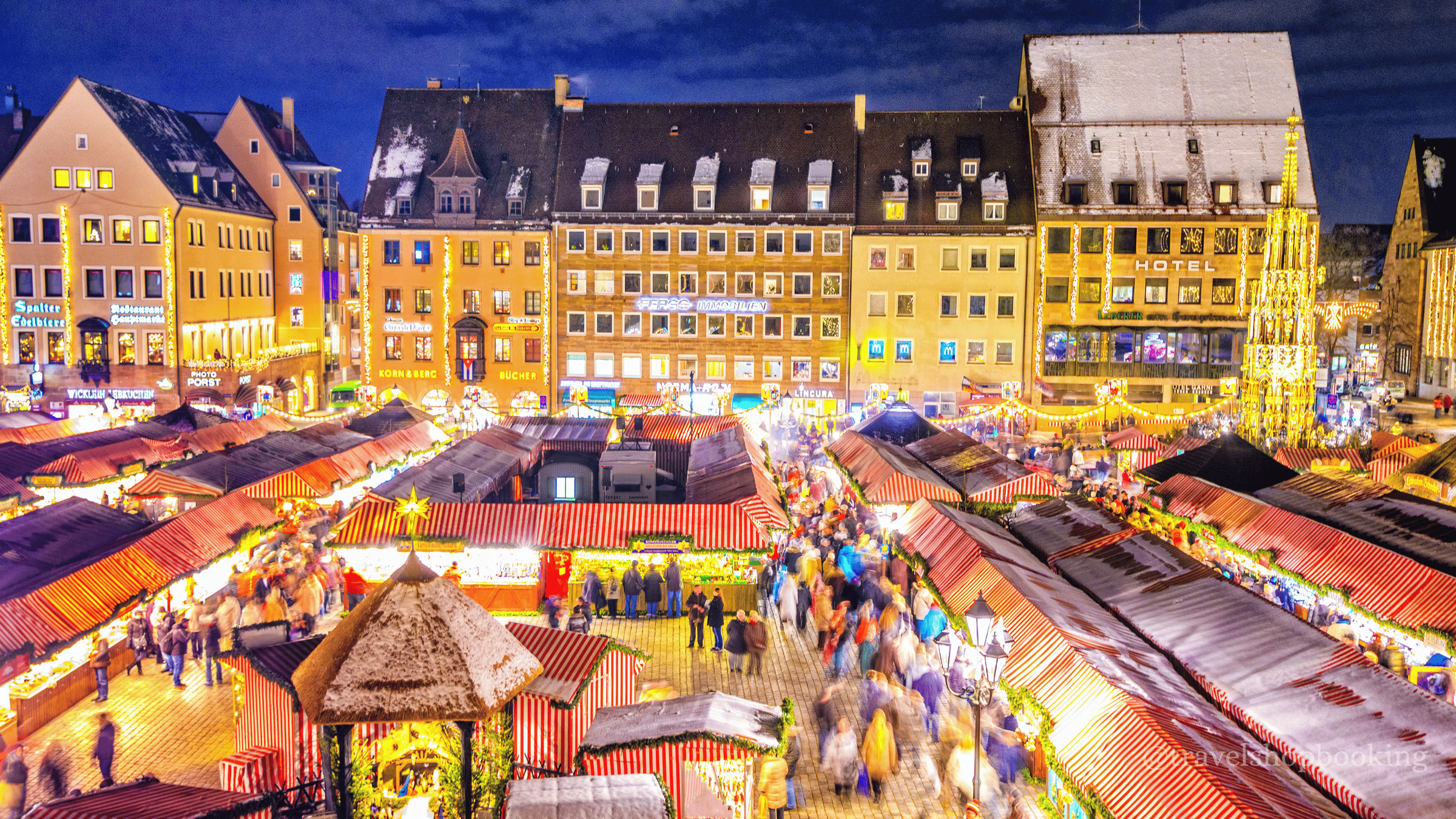
Germany's Christmas markets are among the country's biggest attractions. From late November through December, cities such as Nuremberg, Dresden, Cologne, and Munich are filled with wooden market stalls selling handcrafted gifts, roasted almonds, gingerbread, mulled wine, and festive decorations.
Best Winter Destinations
For winter sports, head to Garmisch-Partenkirchen or the Bavarian Alps, where skiing, snowboarding, and winter hiking are popular. Cities like Berlin and Hamburg offer festive atmospheres with museums, concerts, and cozy cafés providing a warm escape from the cold.
Regional Climate Differences
Northern Germany
Northern Germany, including Hamburg, Bremen, and the Baltic coast, has a maritime climate. Summers are generally cooler, while winters are milder but windier than in the south.
Southern Germany and the Bavarian Alps
Southern Germany experiences warmer summers and colder winters. The Bavarian Alps receive significant snowfall, making them ideal for skiing and winter holidays.
Central Germany
Cities such as Frankfurt, Leipzig, and Erfurt experience a balanced continental climate with four distinct seasons and comfortable spring and autumn weather.
Rhine Valley and Wine Regions
The Rhine and Moselle valleys enjoy one of Germany's mildest climates, making them ideal for vineyards, river cruises, and scenic road trips from late spring through early autumn.

Best Time by Activity
Best Time for City Breaks
April to June and September to October offer pleasant temperatures for exploring Berlin, Munich, Cologne, and other major cities without the peak summer crowds.
Best Time for Hiking
The best hiking conditions are between May and September, when mountain trails are accessible and forests are at their greenest.
Best Time for Skiing
The ski season generally runs from December through March, with the most reliable snow conditions found in the Bavarian Alps.
Best Time for River Cruises
River cruises along the Rhine, Moselle, and Danube are most enjoyable between May and September, when vineyards, castles, and riverside villages are at their most scenic.
Best Time for Castles and Scenic Drives
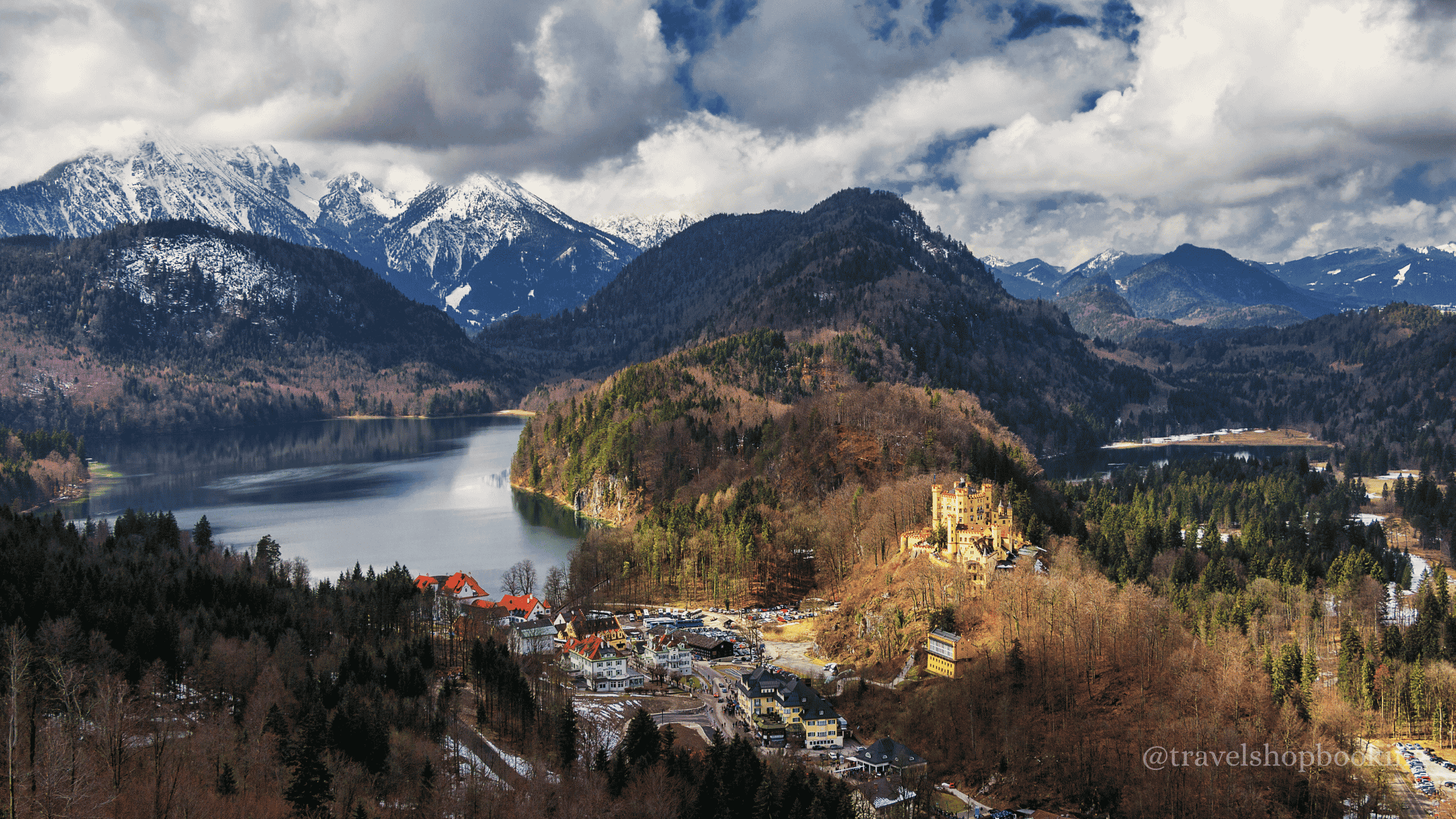
Late spring and early autumn provide ideal conditions for driving routes such as the Romantic Road, visiting Neuschwanstein Castle, and exploring Germany's historic villages.
Festivals Worth Planning Around
Oktoberfest
Held annually in Munich from late September into early October, Oktoberfest is Germany's most famous cultural celebration.
Christmas Markets
From late November until Christmas Eve, nearly every German city hosts festive markets featuring traditional crafts, seasonal food, and holiday entertainment.
Rhine in Flames
This spectacular series of fireworks festivals takes place along the Rhine River between May and September, combining illuminated boat parades with fireworks displays.
Berlinale Film Festival
Every February, Berlin hosts one of the world's leading international film festivals, attracting filmmakers and cinema lovers from around the globe.
Carnival (Karneval)
Celebrated mainly in Cologne, Düsseldorf, and Mainz, Carnival reaches its peak before Lent with colorful parades, costumes, music, and street celebrations.
Best Month to Visit
Why September Is the Best Month
September offers one of the most complete German travel experiences. The weather remains comfortably warm, landscapes begin turning colorful, wine harvests are underway, hiking conditions are excellent, and Oktoberfest adds a unique cultural highlight to the calendar. It is a month that combines pleasant weather with unforgettable local traditions.
Frequently Asked Questions
What is the best time to visit Germany?
For most travelers, May through September provides the best weather for sightseeing, outdoor activities, and festivals.
When is the best time to visit Berlin?
May, June, September, and early October offer comfortable temperatures and fewer crowds than the peak summer months.
When is Oktoberfest held?
Oktoberfest usually begins in late September and continues into the first weekend of October in Munich.
What is the best time for Christmas markets?
Germany's Christmas markets typically open from late November until December 24, with early December offering the most festive atmosphere.
When is the cheapest time to visit Germany?
January, February, and November (excluding the Christmas market period) generally offer the lowest hotel prices and fewer tourists.
Is Germany worth visiting in winter?
Absolutely. Winter offers magical Christmas markets, excellent skiing in the Alps, festive city breaks, and a cozy atmosphere that is completely different from the warmer seasons.
Loading comments…