

Greece is one of Europe's most popular travel destinations, welcoming millions of visitors each year with its ancient history, beautiful islands, crystal-clear beaches, and vibrant local culture. From exploring world-famous archaeological sites in Athens to relaxing on the beaches of Santorini and Mykonos, every season offers a different way to experience this Mediterranean country.
The best time to visit Greece depends on the type of holiday you're planning. Summer is perfect for island hopping and beach vacations, while spring and autumn provide comfortable weather for sightseeing, hiking, and discovering traditional villages. Even winter has its own appeal, especially for travelers looking to experience authentic Greek culture without the crowds.




When Is the Best Time to Visit Greece?
For most travelers, the best time to visit Greece is between May and October. During these months, the weather is warm, ferry services operate frequently, and most islands are fully open for tourism.
If you're planning to visit the Greek Islands, June through September offers ideal beach weather. Travelers interested in history, archaeology, and city sightseeing usually prefer May, June, September, or October when temperatures are pleasant and major attractions are less crowded.
Travel StyleBest MonthsBeach HolidaysJune – SeptemberIsland HoppingMay – OctoberSightseeingApril – June, September – OctoberHiking & NatureApril – June, September – OctoberBudget TravelNovember – March
Greece Weather Throughout the Year
Greece has a Mediterranean climate with long, hot summers and mild winters. Coastal areas enjoy plenty of sunshine throughout the year, while northern Greece and mountainous regions experience cooler temperatures and occasional snowfall.
Visiting Greece in Spring (March to May)
Spring is one of the best seasons to discover Greece. Temperatures are pleasant, wildflowers bloom across the countryside, and famous landmarks can be visited without the busy summer crowds.
Average temperatures range between 17°C and 25°C, making spring ideal for exploring Athens, Delphi, Meteora, and the Peloponnese.
This season is also perfect for hiking, photography, and enjoying traditional villages before the peak tourist season begins.
Visiting Greece in Summer (June to August)
Summer is the busiest tourism season in Greece. Long sunny days, warm sea temperatures, and vibrant nightlife attract millions of visitors to the mainland and Greek Islands.
Temperatures often exceed 30°C, especially in July and August, while the Aegean and Ionian Seas offer ideal swimming conditions.
Popular islands such as Santorini, Mykonos, Crete, Rhodes, and Corfu become lively with festivals, boat tours, beach clubs, and outdoor dining.
Visiting Greece in Autumn (September to November)
Autumn is widely considered one of the best times to visit Greece. September still offers warm sea temperatures, while October brings cooler weather that is perfect for sightseeing and island exploration.
Tourist crowds gradually decrease, accommodation prices become more affordable, and many destinations retain their lively atmosphere until late October.
Autumn is especially popular among couples, photographers, and travelers looking for a more relaxed experience.
Visiting Greece in Winter (December to February)
Winter offers a quieter side of Greece. While some islands become peaceful during the off-season, cities such as Athens and Thessaloniki remain active throughout the year.
Northern Greece and mountainous regions receive snowfall, creating opportunities for skiing and winter sports.
Winter is also an excellent time to visit museums, archaeological sites, and local restaurants without long queues.

Best Time to Visit Greece for Beaches
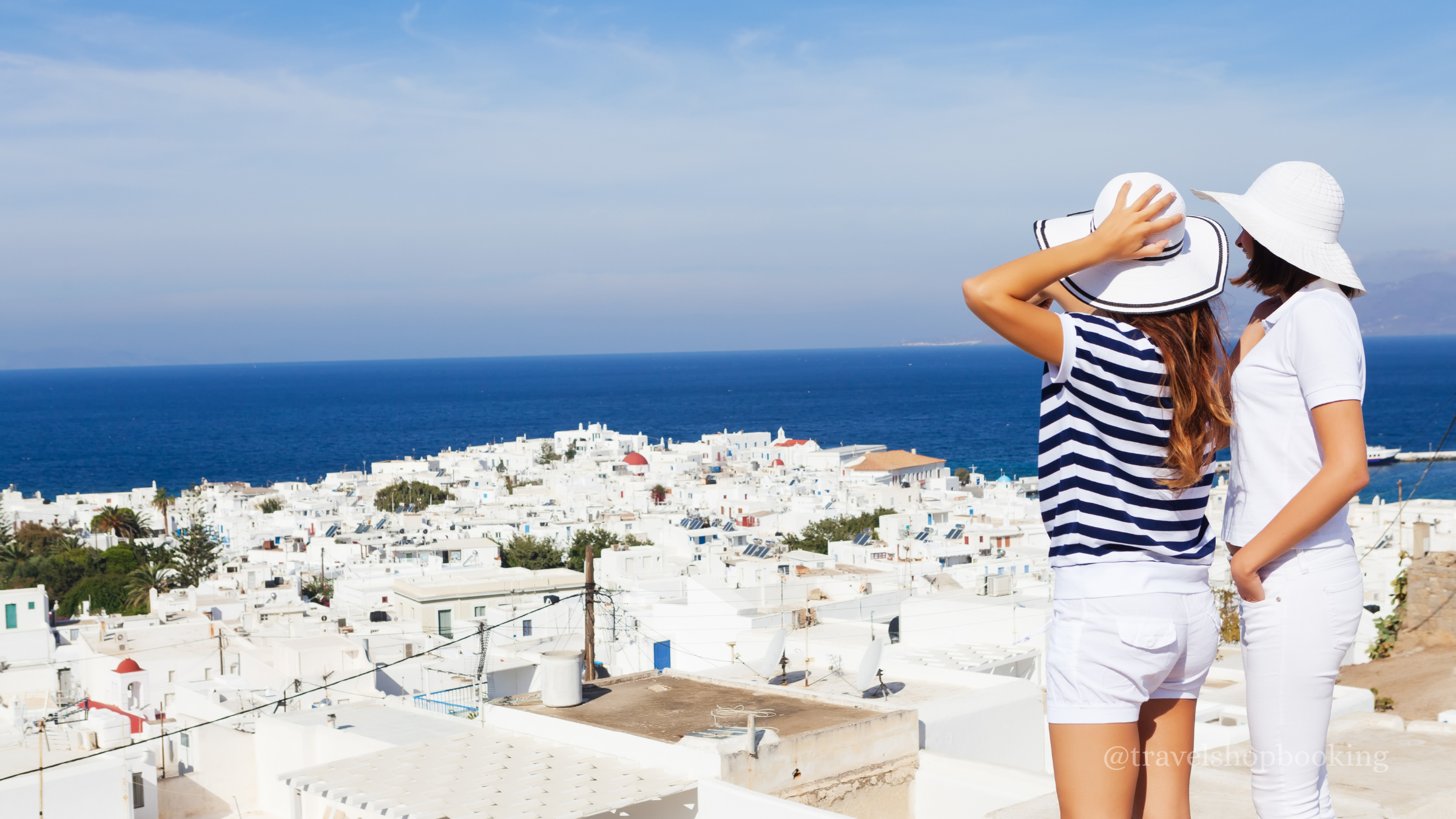
The beach season in Greece generally runs from June through September.
July and August are ideal for travelers looking for vibrant beach clubs, water sports, and lively coastal resorts. If you prefer fewer crowds while still enjoying warm sea temperatures, September is often considered the best month for a beach holiday.
Popular beach destinations include:
Santorini
Mykonos
Crete
Rhodes
Zakynthos
Corfu
Best Time to Visit Greece for Hiking and Nature
The best hiking season is April through June and September through October.
These months provide comfortable temperatures for exploring Greece's mountains, national parks, coastal trails, and traditional villages.
Popular outdoor destinations include:
Meteora
Mount Olympus
Samaria Gorge
Vikos Gorge
Pelion Peninsula
Best Places to Visit in Greece by Season
Each season offers different experiences, from island escapes and archaeological discoveries to mountain adventures and cultural festivals.
Spring Destinations
Spring is ideal for sightseeing and exploring Greece's historical landmarks.
Recommended places include:
Athens
Delphi
Meteora
Nafplio
Peloponnese
Summer Destinations
Summer is perfect for island hopping and beach holidays.
Top destinations include:
Santorini
Mykonos
Crete
Rhodes
Corfu
Zakynthos
Autumn Destinations
Autumn combines warm weather with fewer tourists, making it an excellent season for both cultural tours and relaxing holidays.
Recommended destinations include:
Santorini
Crete
Athens
Naxos
Paros
Winter Destinations
Winter offers visitors a quieter atmosphere and unique mountain scenery.
Popular winter destinations include:
Athens
Thessaloniki
Arachova
Mount Parnassus
Metsovo
Frequently Asked Questions
What is the best month to visit Greece?
Many travelers consider September the best month because it combines warm weather, comfortable sea temperatures, and fewer tourists than the peak summer season.
Is Greece worth visiting in summer?
Yes. Summer is the ideal season for island hopping, beach holidays, sailing trips, water sports, and experiencing Greece's famous nightlife.
Can you swim in Greece in October?
Yes. Sea temperatures remain warm in many parts of Greece throughout October, particularly around Crete, Rhodes, and the southern islands.
What is the cheapest time to visit Greece?
The most affordable travel period is generally November through March, excluding the Christmas and New Year holidays.
Is Greece crowded during July and August?
Yes. These are the busiest months of the year, especially in Santorini, Mykonos, and other popular islands. Booking accommodation and ferry tickets in advance is highly recommended.
How many days should I spend in Greece?
A 7 to 10-day itinerary allows visitors to explore Athens, visit several Greek Islands, experience ancient archaeological sites, and enjoy the country's famous beaches at a comfortable pace.
Loading comments…