
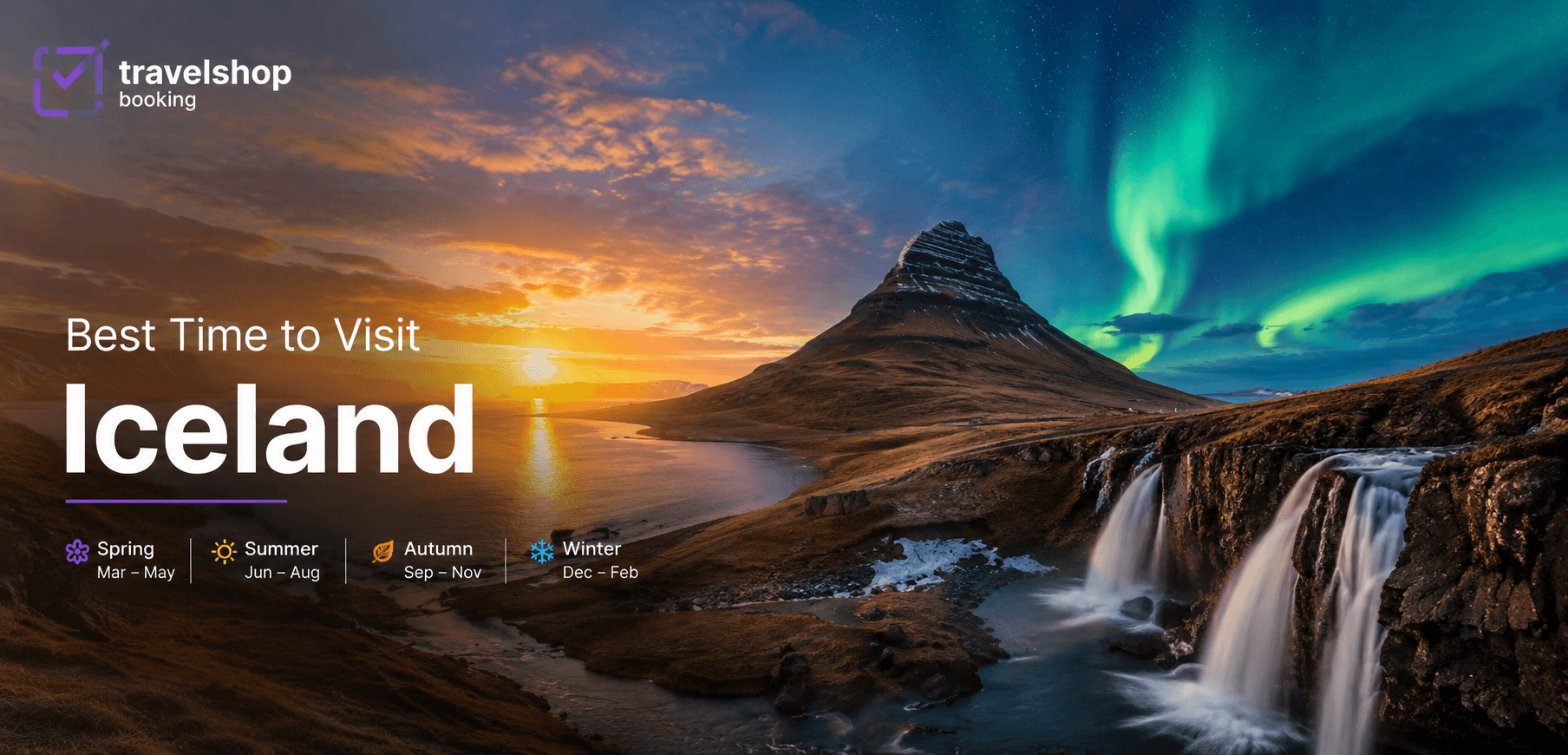
Spring (April to May): Best for Fewer Crowds and Wildlife
Weather in Spring
Spring arrives slowly in Iceland. Temperatures generally range between 2°C and 10°C (36°F to 50°F), and snow gradually disappears from lower elevations. Days become noticeably longer, giving travelers more time to explore while avoiding the busy summer season.
Best Places to Visit in Spring
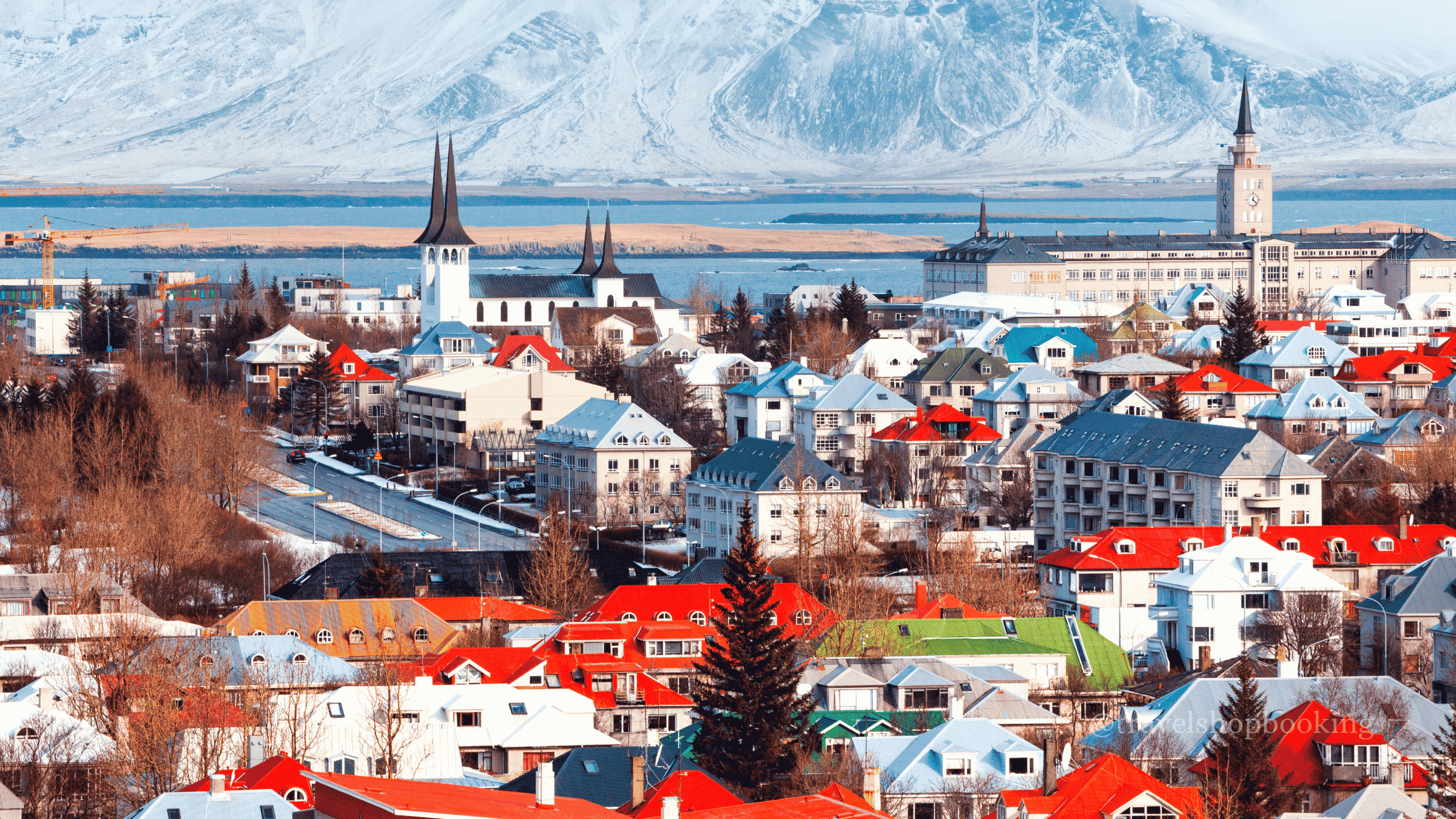
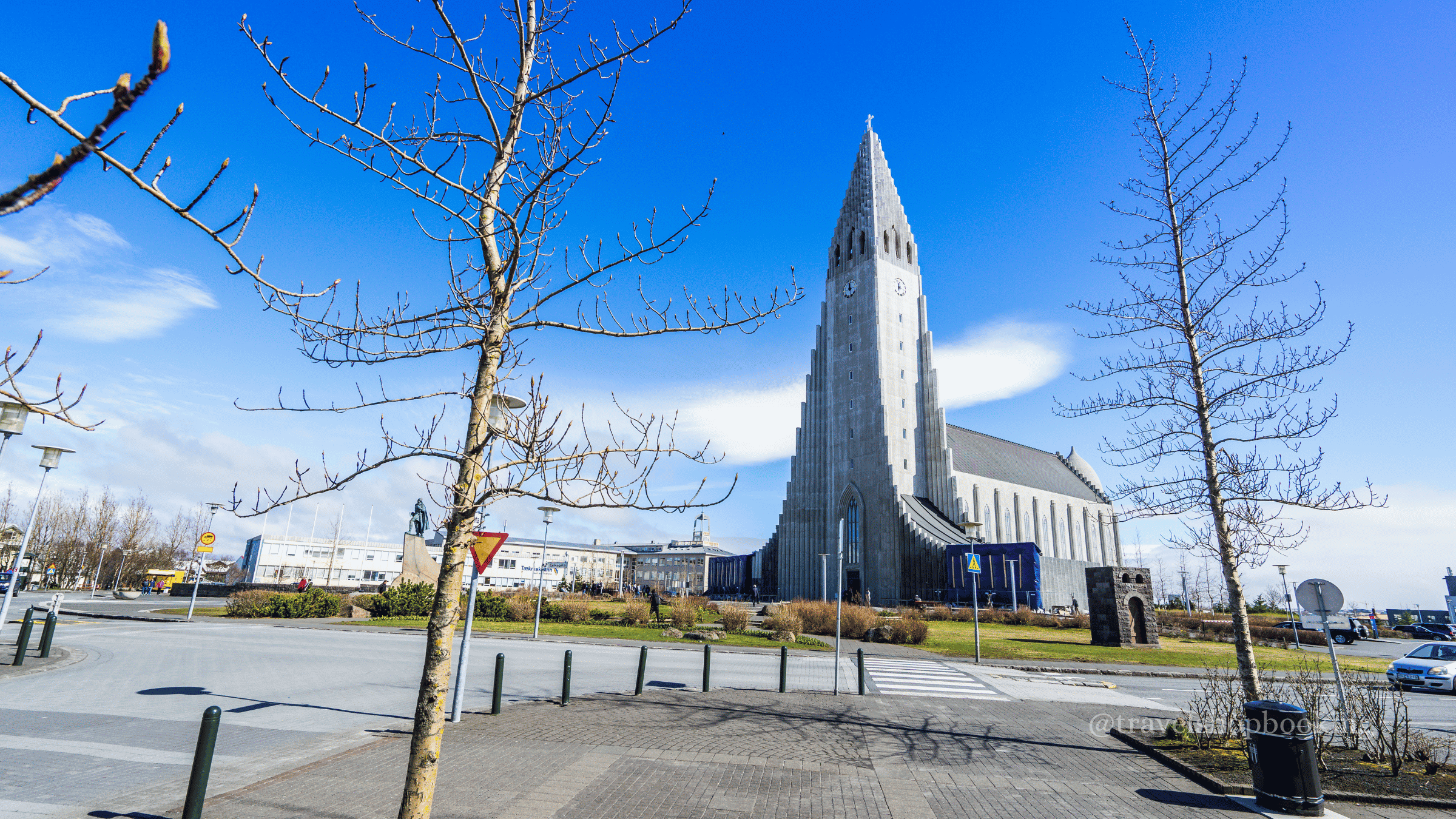
Spring is an excellent time to visit Reykjavík, the Golden Circle, South Coast, and Snæfellsnes Peninsula. Puffins begin returning to Iceland's cliffs during late spring, making this one of the best seasons for birdwatching.
Spring Travel Tips
Pack waterproof clothing and layers, as Icelandic weather changes quickly. Spring is also one of the best times to enjoy popular attractions without large crowds or peak-season accommodation prices.
Summer (June to August): Best for Road Trips and Midnight Sun
Summer Weather
Summer is Iceland's warmest season, with temperatures usually ranging from 10°C to 18°C (50°F to 64°F). Although it rarely becomes hot, long daylight hours allow visitors to make the most of every day.
In June, the famous Midnight Sun means daylight can last almost 24 hours.
Best Places to Visit in Summer
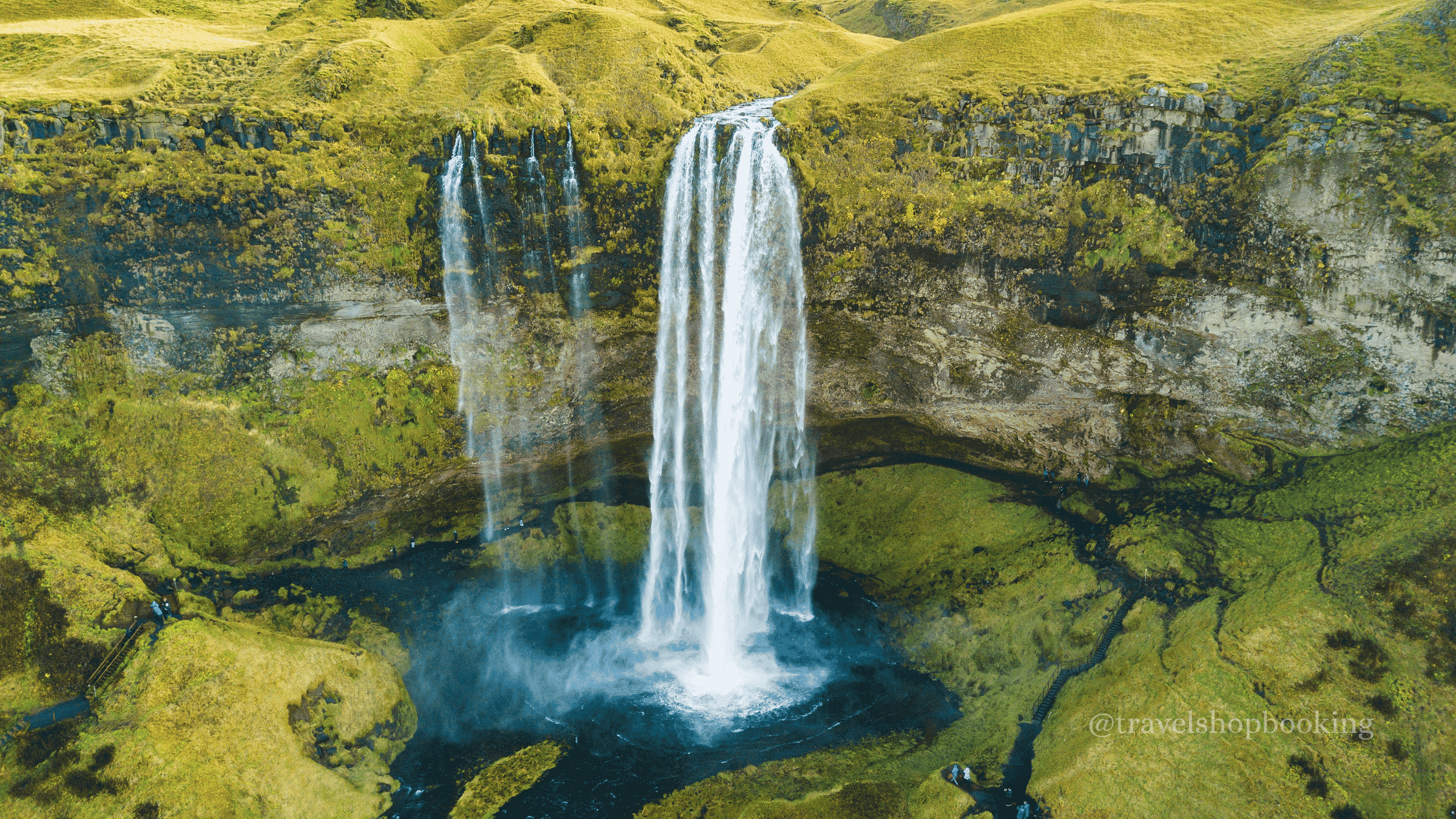
Summer is the perfect time to drive the Ring Road, visit the Westfjords, explore Landmannalaugar, hike across colorful mountains, and discover remote waterfalls that are inaccessible during winter.
The Highlands also open during summer, offering some of Iceland's most spectacular landscapes.
Summer Festivals and Activities
Summer is ideal for glacier hiking, whale watching, kayaking, horseback riding, and camping. Reykjavík also hosts numerous cultural events and outdoor festivals throughout the season.
Autumn (September to October): Best for Northern Lights
Weather in Autumn
Temperatures generally range between 3°C and 12°C (37°F to 54°F). While daylight hours become shorter, this creates ideal conditions for viewing the Northern Lights, one of Iceland's biggest attractions.
Best Places for Autumn Scenery
Autumn colors transform valleys, lava fields, and mountain landscapes. The Golden Circle, Thingvellir National Park, and the South Coast become especially beautiful during September.
This season also offers quieter roads compared to the busy summer months.
Winter (November to March): Best for Ice Caves and Snowy Landscapes
Winter Weather
Winter temperatures usually range between -2°C and 5°C (28°F to 41°F). Snowfall varies depending on the region, while coastal areas generally remain milder than inland locations.
Road conditions can change rapidly, making weather forecasts especially important.
Northern Lights and Winter Adventures
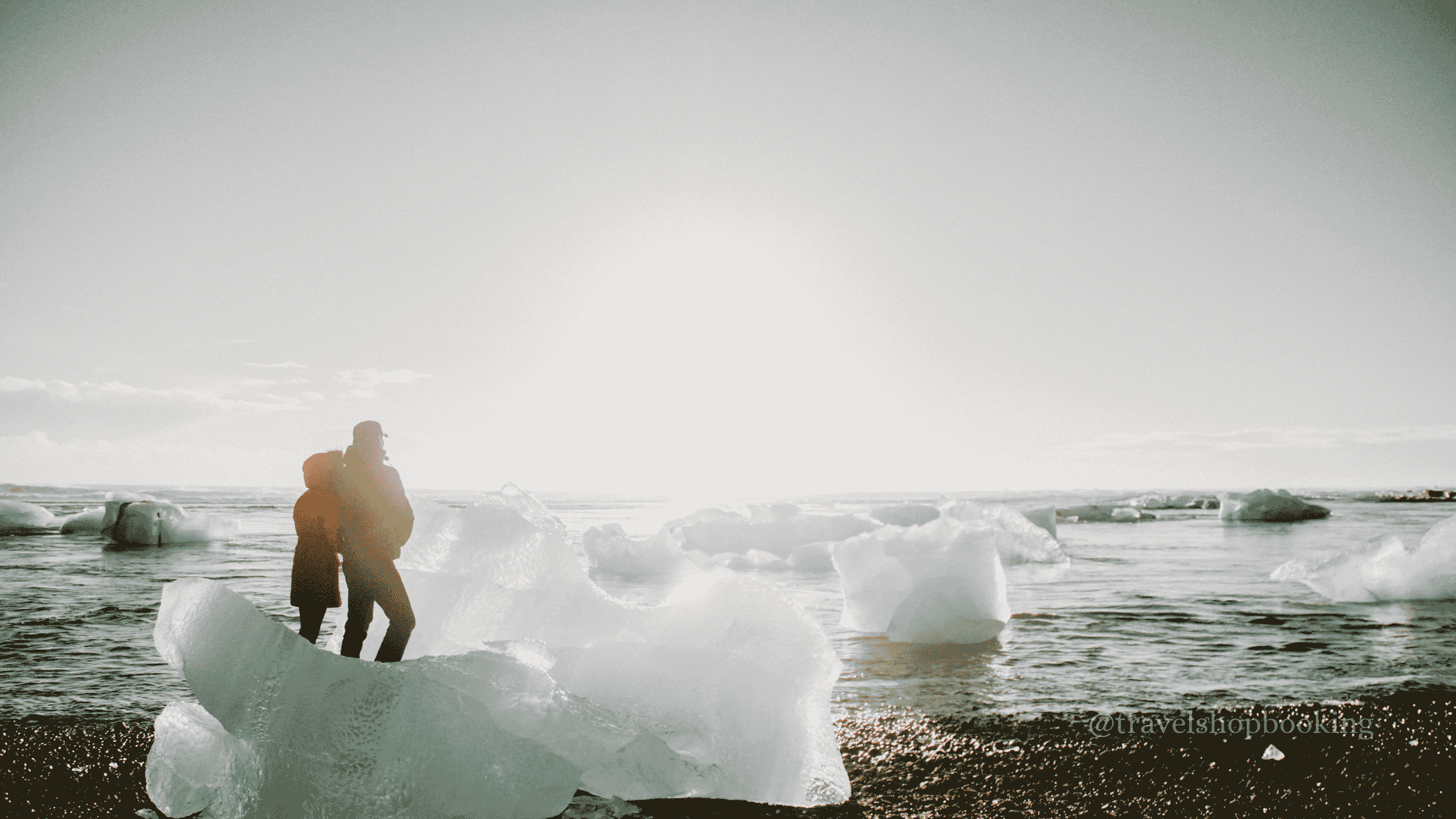
Winter is the best time to experience Iceland's famous Northern Lights. Visitors can also explore spectacular ice caves, snow-covered waterfalls, glacier lagoons, and geothermal hot springs surrounded by snowy landscapes.
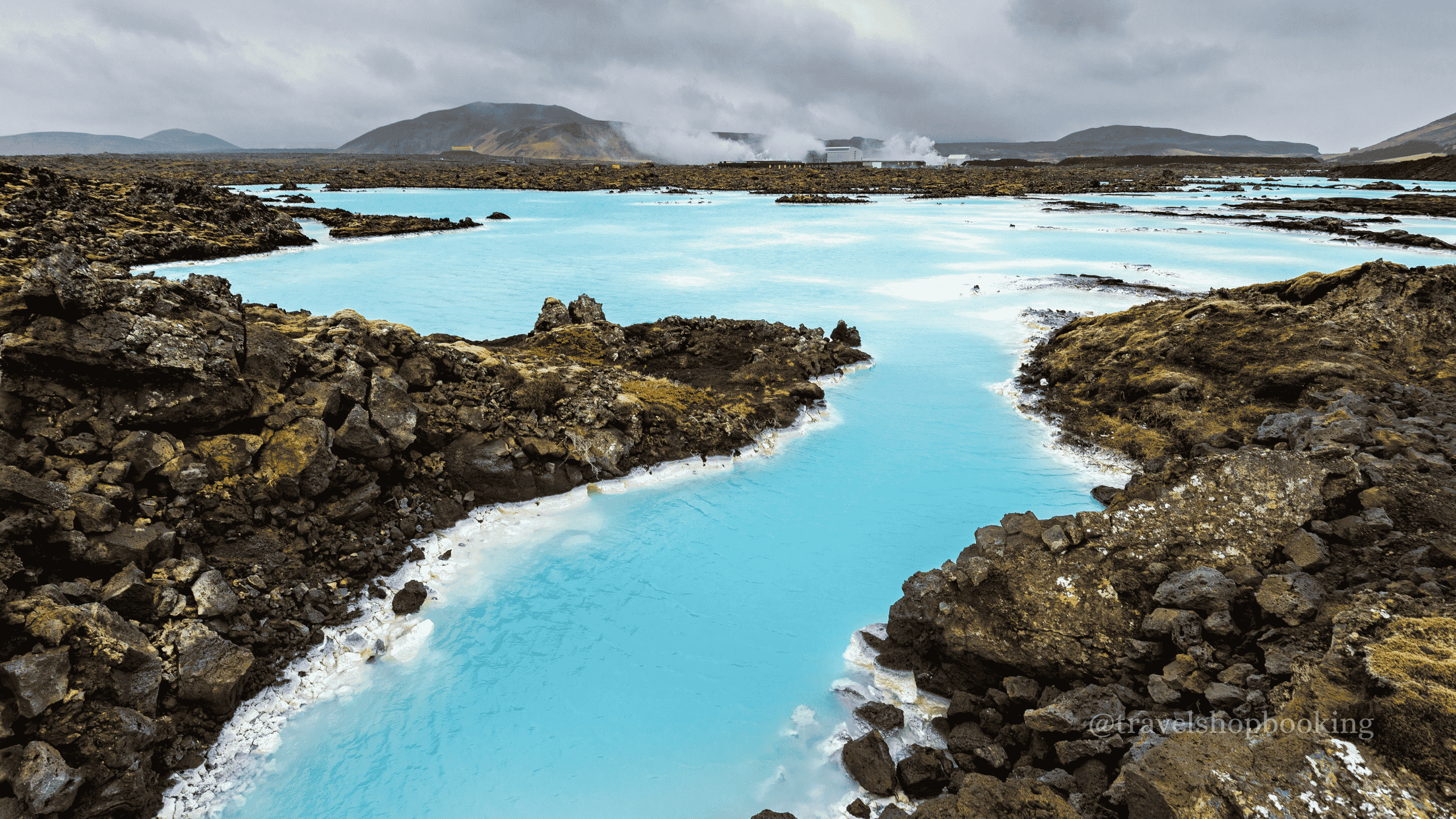
The Blue Lagoon and Sky Lagoon become even more memorable during the colder months.
Regional Climate Differences
Reykjavík and Southwest Iceland
The southwest enjoys Iceland's mildest climate, making Reykjavík a great year-round destination. Winters are cool rather than extremely cold, while summers remain comfortable.
South Coast
The South Coast receives more rainfall than other regions but also features some of Iceland's most famous waterfalls, black sand beaches, and glaciers.
North Iceland
Northern Iceland experiences colder winters and greater snowfall, making it one of the country's best regions for winter sports and Northern Lights viewing.
Icelandic Highlands
The Highlands are only accessible during summer, usually between late June and early September, when mountain roads officially open.
Best Time by Activity
Best Time for the Northern Lights
The best season is September through March, when nights are dark enough to maximize viewing opportunities.
Best Time for Road Trips
The Ring Road is easiest to drive between June and September, when weather conditions are most stable.
Best Time for Whale Watching
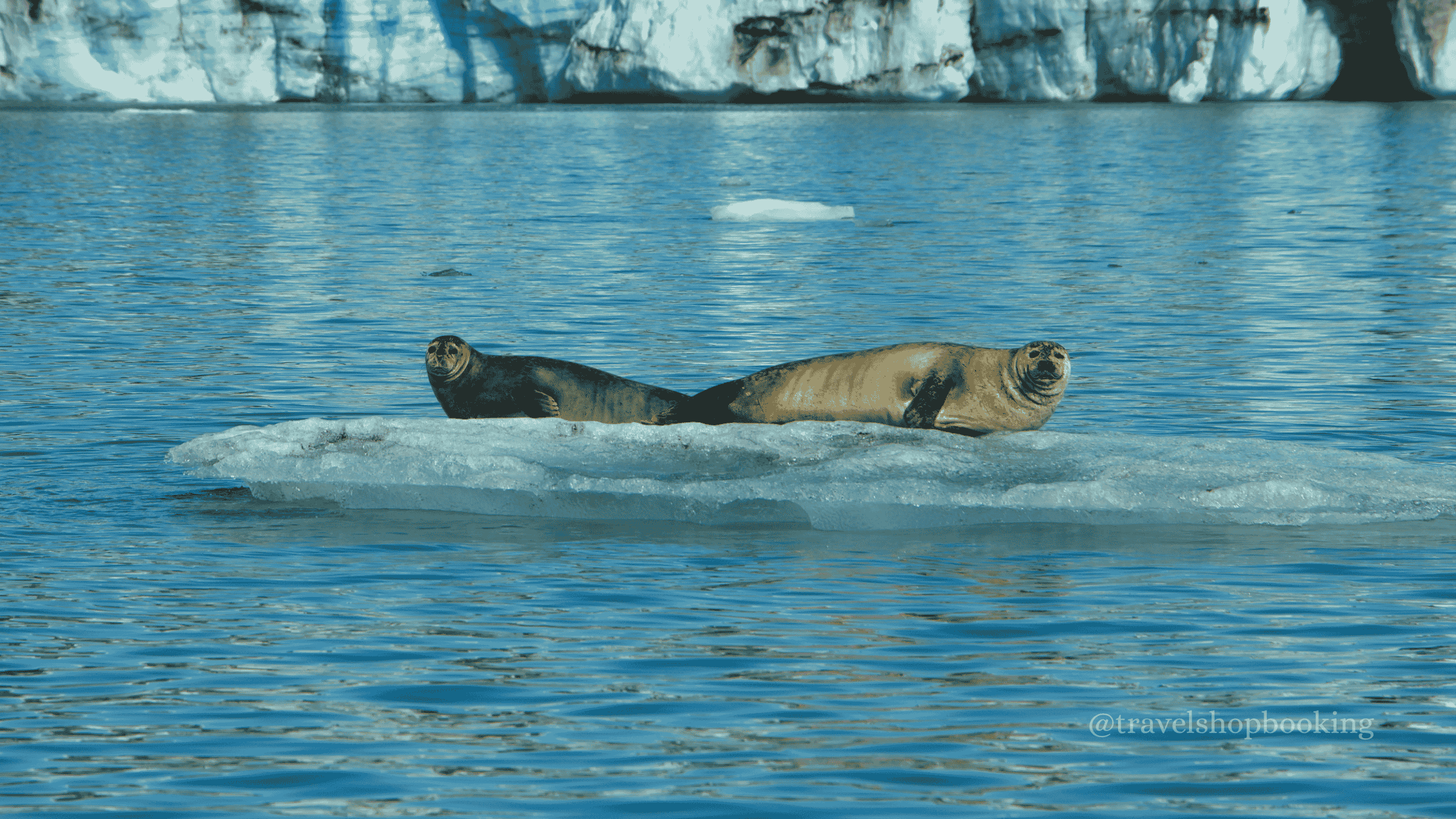
Whale watching is best between May and September, especially from Húsavík, often called Europe's whale-watching capital.
Best Time for Ice Caves
Natural ice cave tours operate mainly between November and March, when freezing temperatures make conditions safe.
Best Time for Hiking
Most hiking trails, including those in Landmannalaugar and the Highlands, are fully accessible between June and early September.
Festivals Worth Planning Around
Iceland National Day
Celebrated every June 17, this national holiday features parades, concerts, and cultural events across the country.
Reykjavík Culture Night
Held every August, this festival fills the capital with concerts, exhibitions, fireworks, and street performances.
Iceland Airwaves
Every November, Reykjavík hosts Iceland Airwaves, one of Europe's best-known music festivals featuring local and international artists.
Christmas and New Year Celebrations
December brings festive markets, Christmas traditions, and spectacular New Year's Eve fireworks throughout Iceland.
Best Month to Visit
Why July Is the Best Month
July offers the most reliable weather, nearly endless daylight, open Highland roads, comfortable hiking conditions, active wildlife, and excellent opportunities to explore every corner of the country. For first-time visitors hoping to experience Iceland's incredible landscapes with minimal weather disruption, July is often the ideal choice.
Frequently Asked Questions
What is the best time to visit Iceland?
For most travelers, June through September provides the best weather for sightseeing, road trips, and outdoor adventures.
When can you see the Northern Lights in Iceland?
The best season is September to March, when nights are dark enough for Aurora viewing.
What is the warmest month in Iceland?
July is generally the warmest month, with average temperatures between 10°C and 18°C (50°F to 64°F).
Is Iceland worth visiting in winter?
Absolutely. Winter offers Northern Lights, ice caves, snowy landscapes, and unforgettable geothermal spa experiences.
When is the cheapest time to visit Iceland?
Late autumn and early spring often provide lower hotel prices than the busy summer season.
What is the best time to drive Iceland's Ring Road?
The safest and most enjoyable period is June through September, when weather conditions are generally the most favorable.
Loading comments…