
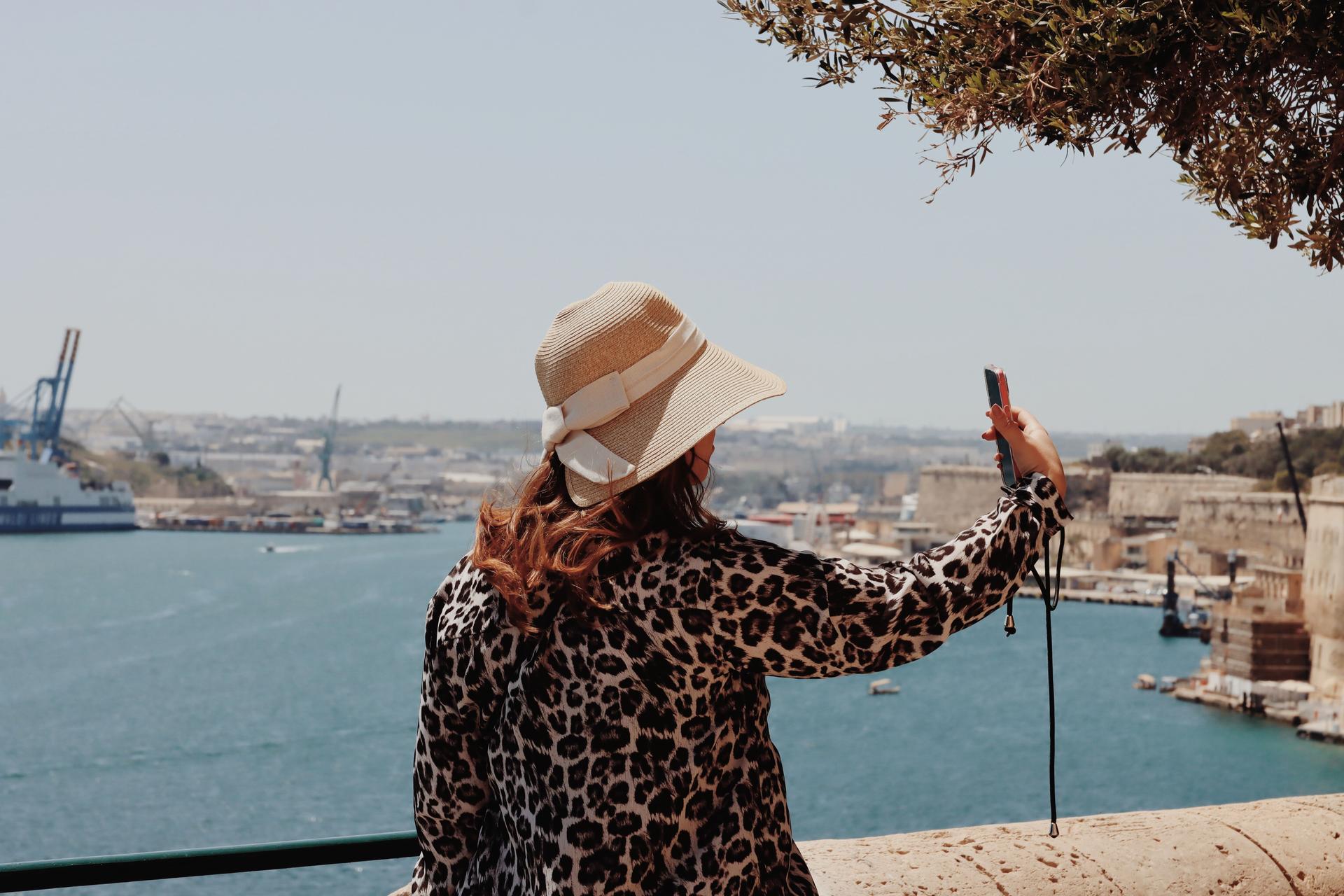
Spring in Malta
Spring is one of the most enjoyable times to visit Malta. By April, the weather is usually warm enough for long days outdoors, while the island is still relatively quiet compared with the summer months.
March can be a little unpredictable, but April and May bring increasingly sunny days and comfortable temperatures. The countryside becomes greener, wildflowers appear, and walking around historic towns is much easier without the summer heat.
This is an excellent season for exploring Valletta, Mdina, the Three Cities, Gozo, and Malta's archaeological sites. By late May and June, the sea also becomes more inviting for swimming.
Summer in Malta
June through August is Malta's peak season. The island becomes lively, beaches are busy, and the days are long and consistently sunny.
July and August are the hottest months, with daytime temperatures often reaching 30°C to 35°C (86°F to 95°F). Rain is rare, and the Mediterranean Sea is warm enough for swimming, snorkeling, and boat trips.
Summer is the best season if your main goal is a beach holiday. However, the heat can make sightseeing uncomfortable during the middle of the day, particularly in places such as Valletta and Mdina where much of the experience involves walking.
If you travel during July or August, start sightseeing early and save the hottest hours for lunch, swimming, or indoor attractions.
Autumn in Malta
September is one of the best months to visit Malta. Summer temperatures remain warm, the sea is still comfortable for swimming, and the biggest crowds begin to disappear.
October is cooler but often remains pleasant enough for outdoor sightseeing and coastal walks. The weather can become less predictable later in the month, but the island is generally much quieter than during peak summer.
Autumn works particularly well for travelers who want to combine beaches, historic towns, boat trips, and cultural sightseeing without dealing with the busiest summer atmosphere.
Winter in Malta
Winter in Malta is mild compared with much of Europe. From December through February, daytime temperatures are often around 15°C to 18°C (59°F to 64°F), although windy and rainy days are possible.
The sea is generally too cold for most visitors to swim comfortably, but winter is an excellent time to explore Malta's history and architecture.
Valletta, Mdina, Rabat, the Three Cities, and Malta's prehistoric temples are especially enjoyable when temperatures are cool enough for walking. Accommodation prices can also be significantly lower than in summer.
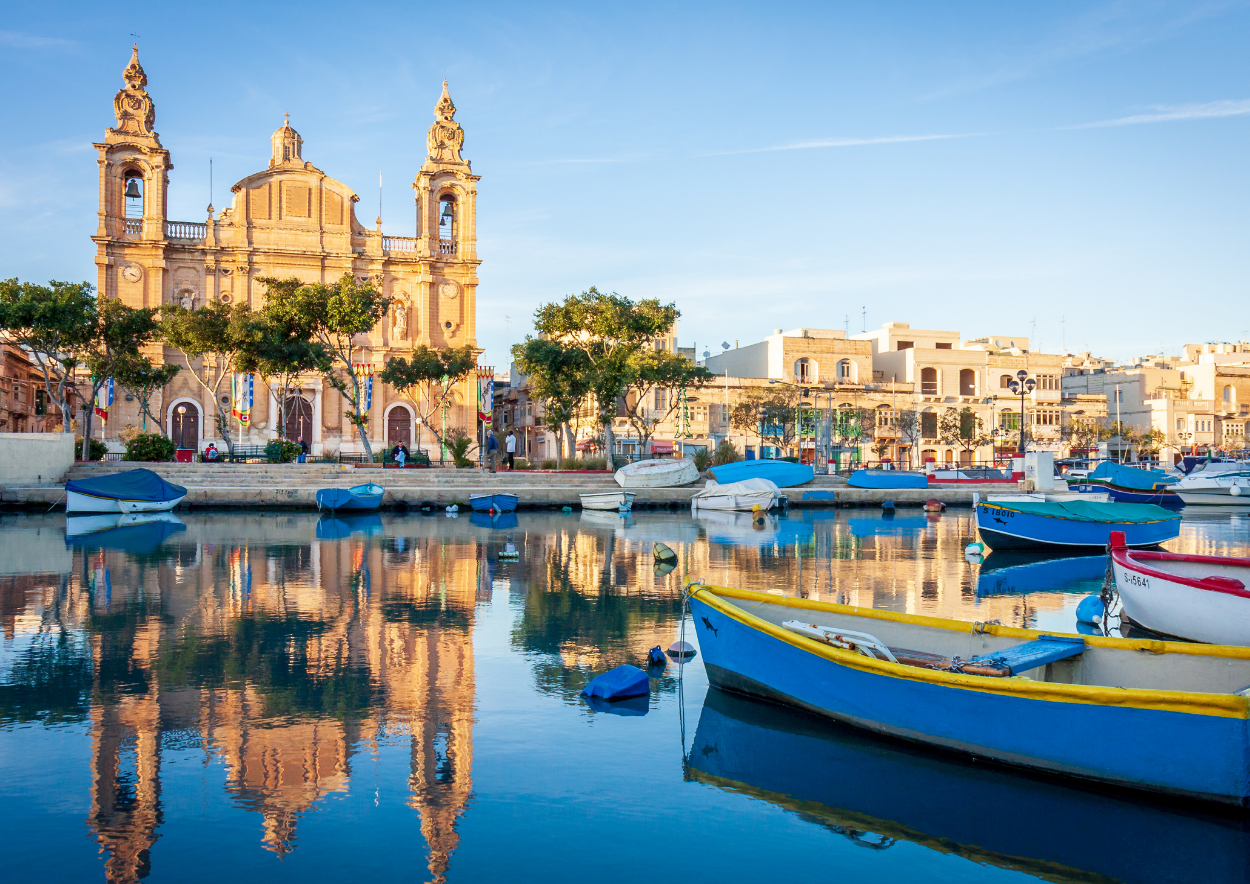
The Best Month to Visit Malta
For an all-around trip, May is arguably the best month to visit Malta. The weather is warm and generally comfortable, the countryside is still green, and the summer crowds have not yet reached their peak.
September is another excellent choice. The sea is warmer, summer temperatures remain pleasant, and the island starts to feel quieter after the August rush.
If swimming is your priority, September may actually be preferable to May because the Mediterranean has had the entire summer to warm up.
Best Time to Visit Valletta
The best time to explore Valletta is from April to June and September to October. These months are comfortable for walking through the narrow streets, visiting churches and museums, and enjoying views from the city's waterfront.
Valletta can become very hot during July and August. Visiting early in the morning and returning in the evening makes summer sightseeing much easier.
Winter is also a good option for travelers primarily interested in history and culture, especially if you want to avoid crowds.
Best Time to Visit Gozo
Gozo is enjoyable throughout the year, but April to June and September to October offer the best conditions for exploring the island.
Spring is particularly pleasant for walking and countryside excursions, while September is better for swimming and boat trips.
Gozo is generally quieter than Malta's main island, making it a good choice if you want a slower pace and more time outdoors.
Best Time for Beaches and Swimming
For swimming, snorkeling, and beach days, June through October is generally the best period.
July and August have the hottest weather, but September is often a better compromise. The sea remains warm while temperatures become more comfortable.
Popular swimming areas include Mellieħa Bay, Golden Bay, Għajn Tuffieħa, Comino, and the Blue Lagoon. During peak summer, the Blue Lagoon can become extremely crowded, so arriving early is highly recommended.
Best Time for Hiking and Outdoor Activities
Spring and autumn are the best seasons for hiking around Malta and Gozo. April, May, September, and October offer comfortable temperatures for walking along coastal paths and exploring rural landscapes.
Summer hiking is possible, but the combination of strong sun and limited shade can make longer walks uncomfortable. If hiking in summer, begin early and carry plenty of water.
Best Time to Visit Comino and the Blue Lagoon
The Blue Lagoon is one of Malta's most popular attractions and can become exceptionally busy during July and August.
If you want to enjoy the turquoise water without the peak crowds, visit in May, June, September, or October. Early morning is generally the best time during the warmer months.
For travelers who dislike crowds, visiting outside the main summer season can make a significant difference to the experience.
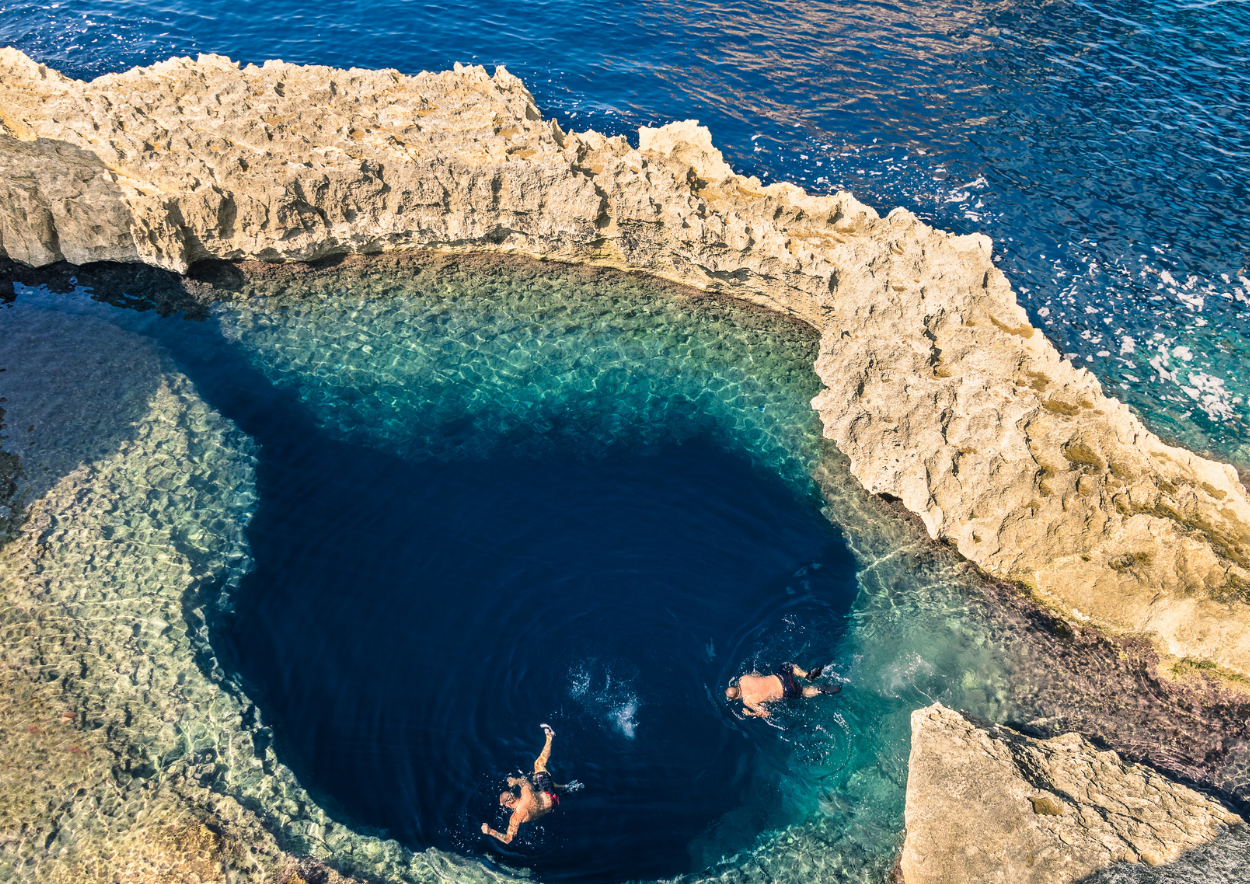
Best Time for Diving and Snorkeling
Malta is a popular European diving destination, and the diving season extends through much of the year.
The warmest water temperatures are generally found from June through October, while visibility can be excellent during much of the year.
September and October are particularly attractive because the sea remains warm while the busiest tourist period begins to fade.
Best Time for Festivals and Events
Malta has a busy calendar of religious feasts, music events, and cultural celebrations, particularly between late spring and summer.
The traditional village festas are held throughout the warmer months and combine religious ceremonies, fireworks, music, and decorated streets. Valletta also hosts cultural and music events during the summer.
If you want to experience Malta's local traditions rather than simply visit its major attractions, summer can be a rewarding time to travel. Check event dates before booking because individual festas take place on different dates throughout the season.
Best Time for a Budget Trip
For better prices, consider visiting during November through March, excluding major holiday periods.
Winter brings fewer visitors and lower demand for accommodation, while many historic attractions remain open. Spring and autumn can also offer good value compared with July and August.
The biggest savings are generally found outside the peak beach season, although flight and hotel prices can vary depending on weekends and events.
Malta's Regional Weather Differences
Malta is small, so weather differences across the islands are relatively limited. However, Gozo can feel quieter and slightly more exposed to winds, while coastal areas are often warmer and sunnier than inland locations.
The islands are also quite exposed to Mediterranean winds. Even during warm periods, evenings near the coast can feel cool, so a light jacket is useful outside the hottest summer months.
What to Pack for Malta
For summer, lightweight clothing, sunscreen, sunglasses, comfortable walking shoes, and swimwear are essential. A hat is also useful because shade can be limited at many outdoor attractions.
For spring and autumn, pack layers and a light jacket for evenings.
For winter, bring a waterproof jacket and comfortable shoes. Rain is not constant, but winter storms can be surprisingly windy.
Regardless of the season, comfortable shoes are important because exploring Malta often involves walking on uneven stone streets, steps, and coastal paths.
Is Malta Worth Visiting in Summer?
Yes, especially if your priority is swimming, beaches, snorkeling, diving, and boat trips.
The downside is the combination of heat and crowds. July and August are not necessarily the best months for travelers who want to spend long hours exploring Malta's historic sites on foot.
For a more balanced summer-style holiday, June or September is usually a better choice.
Is Malta Worth Visiting in Winter?
Absolutely, particularly for travelers interested in history, architecture, food, and quieter sightseeing.
Winter is too cool for most people to enjoy the sea, but it is a comfortable time to explore Valletta, Mdina, Rabat, the Three Cities, and Malta's ancient temples.
It is also one of the best seasons for travelers looking for lower accommodation prices and fewer tourists.
Frequently Asked Questions
What is the best time to visit Malta?
The best overall period is April to June and September to October, when the weather is warm and comfortable without the peak summer crowds.
What is the best month to visit Malta?
May is arguably the best all-around month, while September is particularly good for travelers who want warm sea temperatures and fewer crowds.
When is the best time to swim in Malta?
June through October offers the best conditions for swimming, with the warmest sea temperatures usually occurring in late summer and early autumn.
Is Malta too hot in July and August?
It can be. Temperatures often reach 30°C to 35°C (86°F to 95°F), and the strong Mediterranean sun can make sightseeing uncomfortable during the middle of the day.
What is the best time to visit Gozo?
April to June and September to October are excellent periods for exploring Gozo, hiking, sightseeing, and enjoying the coast.
When is the best time to visit the Blue Lagoon?
May, June, September, and October offer a better balance of warm weather and fewer visitors. During summer, visit early in the morning to avoid the largest crowds.
Is Malta worth visiting in winter?
Yes. Winter is particularly good for exploring Malta's historic sites, museums, churches, and cities without summer crowds, although it is generally too cool for comfortable swimming.
What is the cheapest time to visit Malta?
November through March is generally the quietest and potentially most affordable period, although prices can increase around Christmas, New Year, and other holiday dates.
Loading comments…