
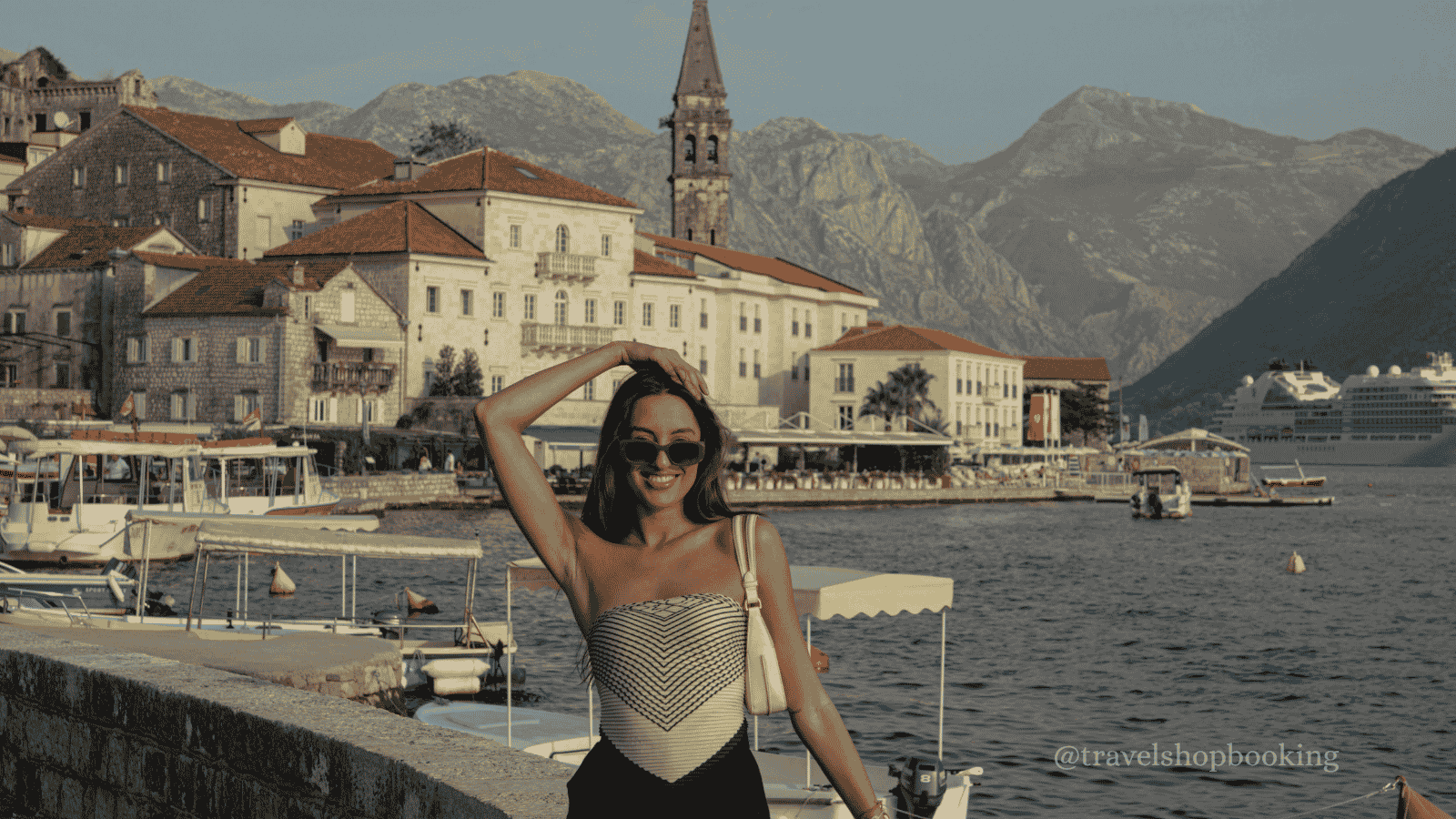
Spring (March to May): Best for Nature and Sightseeing
Spring brings warmer temperatures and greener landscapes across Montenegro. Coastal areas begin to warm up earlier, while the mountains remain cooler.
Temperatures generally range from 12°C to 23°C (54°F to 73°F).
Coastal towns become increasingly lively.
Mountain landscapes are green and fresh.
Hiking conditions improve toward May.
Tourist numbers remain relatively low.
May is particularly good for exploring Kotor, Budva, Perast, and Cetinje without the intense summer crowds.
Summer (June to August): Best for Beaches
Summer is Montenegro's peak travel season, especially along the Adriatic coast.
Temperatures commonly reach 28°C to 34°C (82°F to 93°F).
Sea temperatures are ideal for swimming.
Coastal towns are at their liveliest.
Outdoor restaurants and beach clubs operate at full capacity.
July and August are the busiest months.
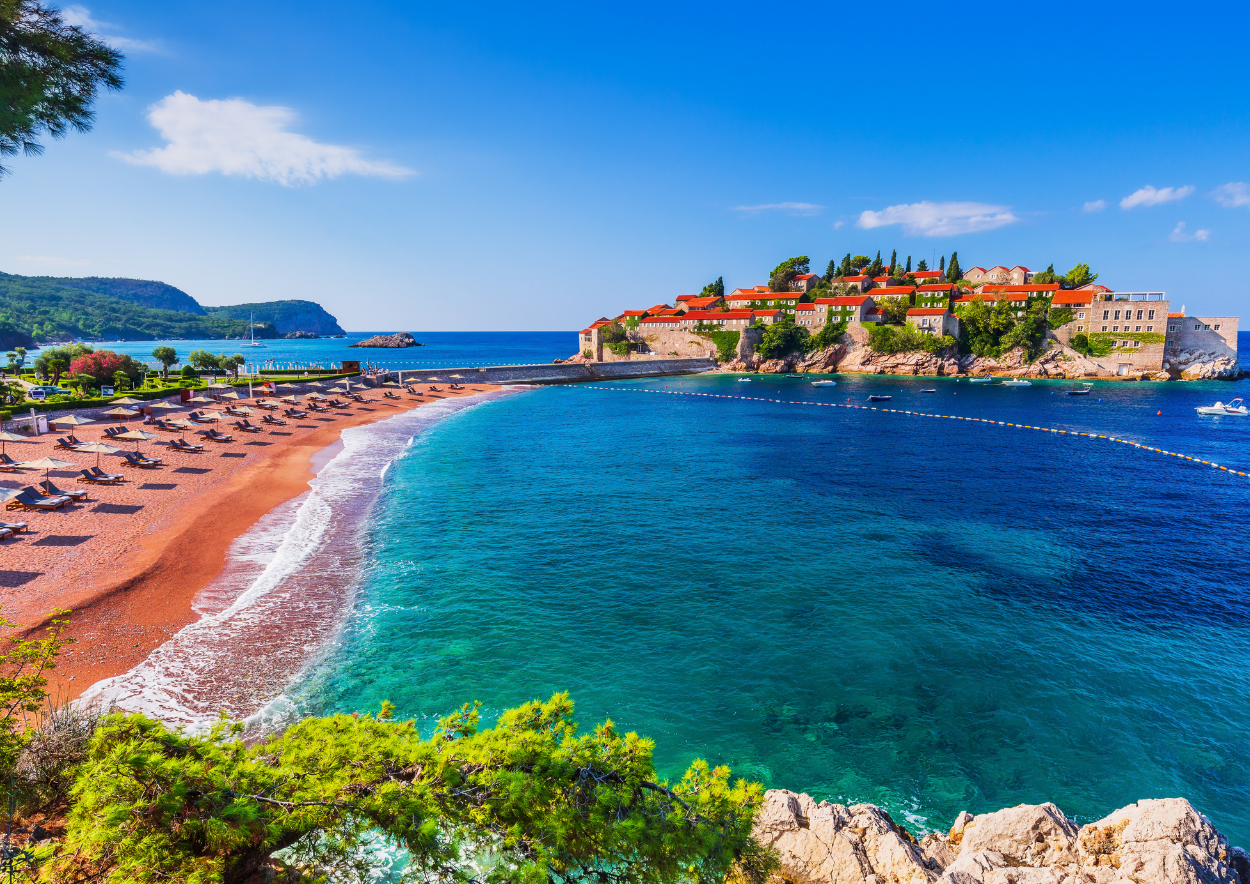
This is the best season for a classic Mediterranean holiday. Visit Budva, Sveti Stefan, Ulcinj, Kotor Bay, and Herceg Novi for beaches, boat trips, and coastal sightseeing.
If visiting in July or August, book accommodation and popular activities well in advance.
Autumn (September to November): Best Overall
For many travelers, early autumn is the best time to visit Montenegro. The weather remains warm, but the busiest summer crowds begin to disappear.
September temperatures often remain around 25°C to 30°C (77°F to 86°F).
The Adriatic Sea stays warm enough for swimming.
Hiking conditions become excellent.
Coastal towns are noticeably quieter.
Vineyards and countryside take on autumn colors later in the season.
September is particularly attractive because you can combine beach time with hiking and sightseeing without dealing with the peak summer crowds.
Winter (December to February): Best for Skiing
Winter transforms Montenegro's mountains into a destination for snow sports and winter landscapes.
Mountain temperatures can fall below 0°C (32°F).
Snow is common at higher elevations.
Žabljak and Kolašin are the main winter destinations.
Skiing and snowboarding are the main seasonal activities.
Coastal cities remain much milder but are quieter.
Winter is a good choice if you want to experience Montenegro's mountains rather than its beaches.
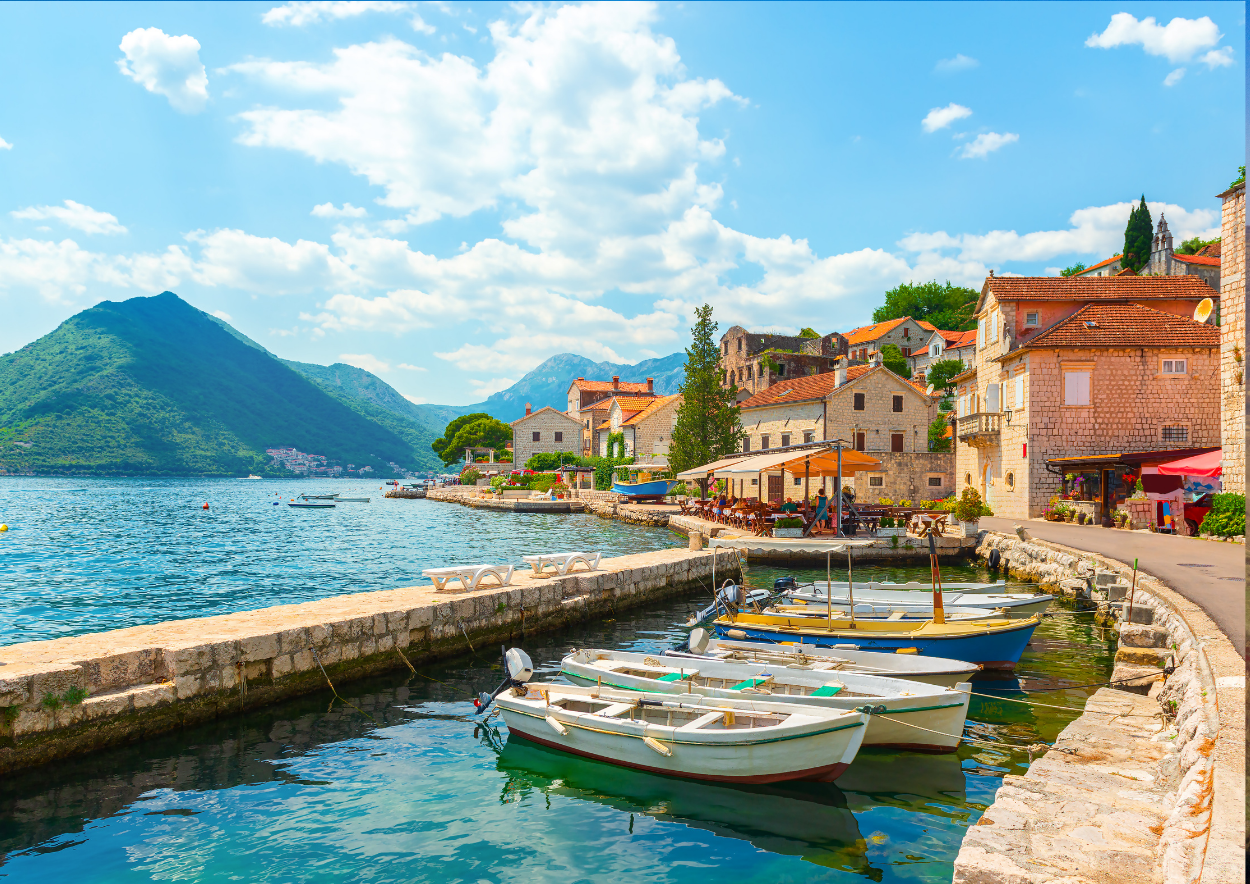
Best Month to Visit Montenegro
For an all-around trip, September is arguably the best month to visit Montenegro. The weather is still warm, the Adriatic remains pleasant for swimming, and summer crowds begin to thin out.
June is another excellent option, especially for travelers who want warm beach weather combined with good hiking conditions.
Best Time to Visit Kotor
The best time to visit Kotor is May, June, September, or early October. These months offer comfortable conditions for exploring the Old Town and climbing the famous Kotor Fortress trail.
July and August can be very hot and busy, particularly when cruise ships arrive. Starting sightseeing early in the morning is a good way to avoid the strongest heat and largest crowds.
Best Time for Beaches in Montenegro
For swimming and beach holidays, June through September is the best period.
July and August offer the hottest weather and warmest sea temperatures but also attract the largest crowds. If you want a quieter beach experience, June and September are better choices.
Popular coastal destinations include:
Budva
Sveti Stefan
Petrovac
Ulcinj
Herceg Novi
Kotor Bay
Best Time for Hiking
The best hiking periods are May to June and September to October.
During these months, temperatures are generally more comfortable for long walks, while mountain scenery is especially attractive. Popular areas include Durmitor National Park, Biogradska Gora National Park, and the mountains around Kolašin.
High-altitude trails can still have snow in spring, so check local trail conditions before setting out.
Best Time to Visit Durmitor National Park
For hiking, sightseeing, and scenic drives, June through September is generally the best period for Durmitor National Park.
The park is home to dramatic mountain peaks, glacial lakes, deep valleys, and the Tara River Canyon. July and August provide the most reliable conditions for higher trails, while September offers cooler temperatures and fewer visitors.
Best Time for a Road Trip
May, June, September, and early October are excellent months for a Montenegro road trip.
These periods combine pleasant temperatures with good conditions for exploring the coast and mountains. A road trip can include Kotor, Perast, Budva, Cetinje, Durmitor, Žabljak, and the Tara Canyon.
Driving in July and August is still possible, but coastal roads can become congested, particularly around Budva and Kotor.
Best Time for Visiting Montenegro's National Parks
Late spring through early autumn is the best period for exploring Montenegro's national parks.
Durmitor National Park is ideal for mountain scenery and hiking, while Biogradska Gora is known for its ancient forest and Lake Biograd. Lovćen National Park offers panoramic views toward the Adriatic and Bay of Kotor.
May and June bring lush vegetation, while September and October provide cooler conditions and autumn colors.
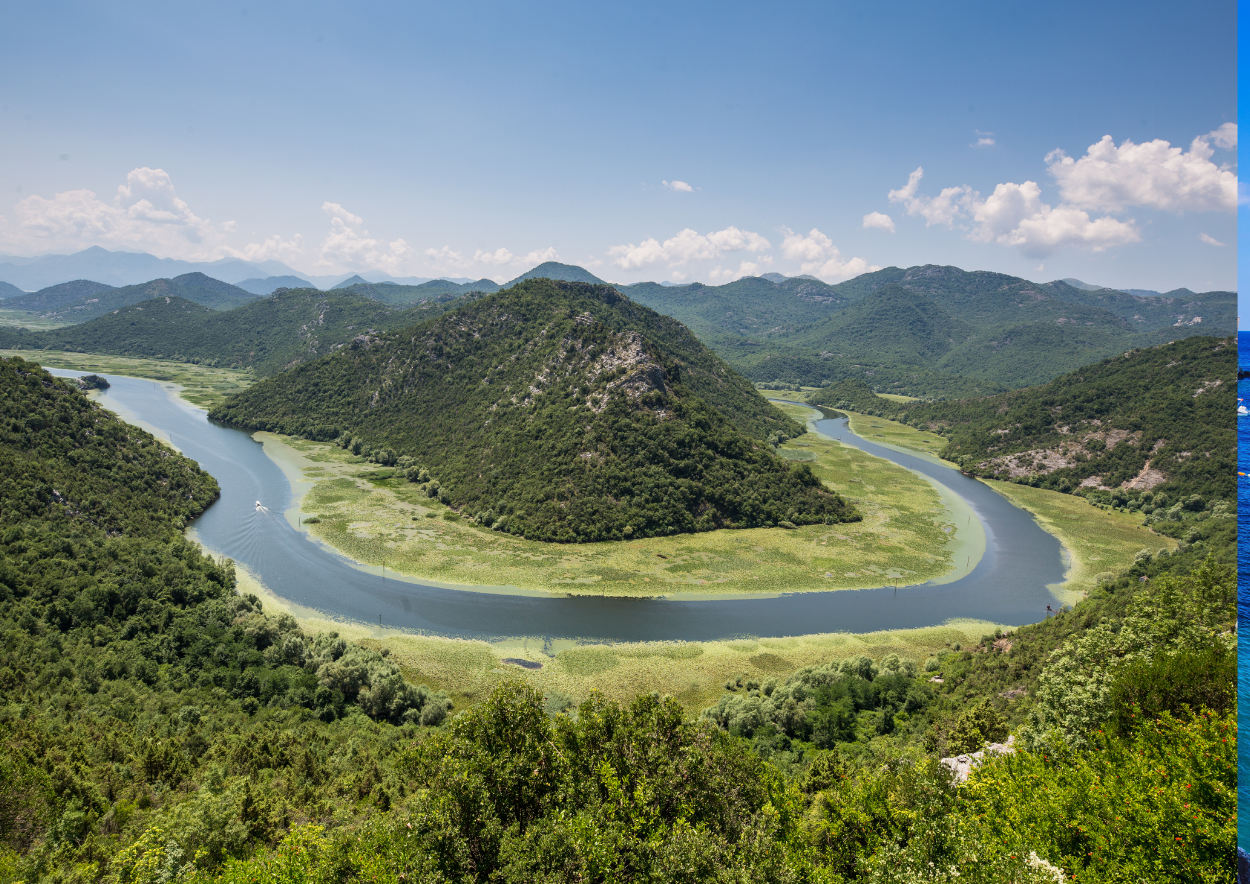
Best Time for Wine Tourism
Montenegro's wine regions are especially attractive from September to October, when vineyards enter the harvest period.
The area around Lake Skadar and the Crmnica Valley is particularly suitable for wine-focused trips. Travelers can combine winery visits with countryside drives, lake excursions, and traditional restaurants.
Best Time for Festivals and Events
Montenegro hosts cultural, music, and traditional events throughout the year, with the busiest calendar generally occurring during the warmer months.
Summer is particularly lively in coastal towns such as Budva, Kotor, and Herceg Novi, where outdoor concerts and cultural events are common.
If you are planning a trip around a specific festival, check the official event schedule because dates can change from year to year.
Best Time for Budget Travel
For travelers looking for lower prices, April, May, October, and November can offer better value than the peak summer months.
July and August are generally the most expensive period for coastal accommodation. Prices can also rise around major festivals and popular events.
Winter can be affordable on the coast, while ski resorts become more expensive during periods of heavy snowfall and holiday demand.
Regional Climate Differences
Montenegro has significant climate differences despite its small size.
The Adriatic coast has a Mediterranean climate with hot, dry summers and mild winters. Kotor and Budva can become very warm during July and August.
The central region around Cetinje and Lake Skadar is generally warmer than the mountains but can still experience significant temperature changes.
The northern mountains are much colder, with snow in winter and cool evenings even during summer. This means you may need very different clothing depending on whether your itinerary focuses on the coast, mountains, or both.
What to Pack for Montenegro
Your packing list should reflect the region and season.
For summer, bring lightweight clothing, swimwear, sunscreen, comfortable walking shoes, and a light layer for evenings.
For spring and autumn, pack layers, a light waterproof jacket, and comfortable shoes for hiking and city walks.
For mountain trips, even in summer, bring warmer layers because temperatures can drop quickly at higher elevations.
For winter, a warm waterproof jacket, sturdy footwear, gloves, and thermal layers are useful, particularly in Žabljak and Kolašin.
Is Montenegro Worth Visiting in Summer?
Yes. Summer is the best season for travelers focused on beaches, swimming, boat trips, and coastal nightlife.
The main disadvantage is the crowds. July and August can be extremely busy in Kotor and Budva, and accommodation prices are generally at their highest.
If you want warm weather without the peak-season intensity, choose June or September instead.
Is Montenegro Worth Visiting in Winter?
Yes, but mainly if you are interested in mountains and winter sports. Žabljak and Kolašin are the main destinations for skiing and snow activities.
The Adriatic coast is much quieter in winter, so travelers looking for nightlife and beach activities should choose another season.
Frequently Asked Questions
What is the best time to visit Montenegro?
The best overall period is May to October, with June and September offering an excellent balance of weather, activities, and fewer crowds.
What is the best month to visit Montenegro?
September is arguably the best month for an all-around trip because the weather remains warm while summer crowds decrease.
When is the best time to visit Kotor?
May, June, September, and early October are ideal for exploring Kotor, hiking, and sightseeing without the intense summer heat.
When is the best time for beaches in Montenegro?
June through September offers the best beach conditions, with July and August being the hottest and busiest months.
What is the best time for hiking in Montenegro?
May to June and September to October are generally the best hiking periods, although high-altitude trails can retain snow into late spring.
Is Montenegro expensive in summer?
It can be. July and August are the most expensive months for many coastal hotels and rentals. Traveling in May, June, or September can provide better value.
Does Montenegro get snow?
Yes. Northern and mountainous areas receive significant snowfall during winter. Žabljak and Kolašin are the main destinations for winter sports and snowy mountain scenery.
Loading comments…