
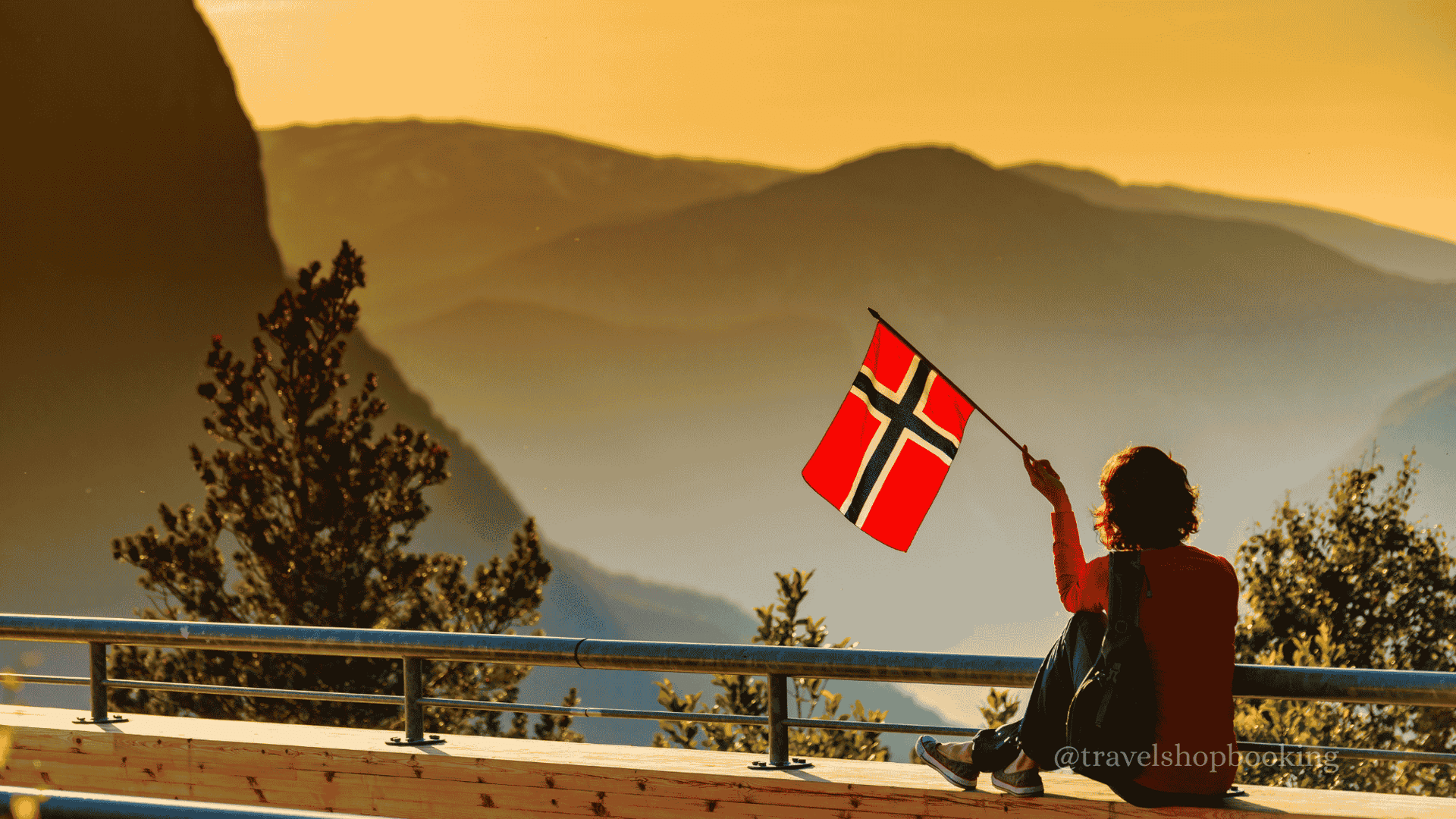
Spring in Norway
Spring arrives at different times across Norway. Southern cities such as Oslo and Bergen begin warming up during March and April, while northern and mountainous areas can remain covered in snow much longer.
By May, the days become noticeably longer and the landscape starts turning green. Snowmelt feeds Norway's waterfalls, making this a particularly impressive period for scenic drives and fjord landscapes.
Spring is a good time to explore Oslo, Bergen, Stavanger, and the fjord regions without the crowds of summer. May can also offer better accommodation prices than June and July.
If you're planning mountain hikes, however, check local conditions carefully. Many higher trails can still have significant snow until late spring or even early summer.
Summer in Norway
Summer is the most popular season for visiting Norway, particularly from June through August. The weather is generally at its mildest, mountain roads are accessible, and most hiking trails are open.
This is the best season for exploring the country's famous fjords, taking scenic train journeys, hiking in the mountains, and traveling through northern Norway.
In the north, the midnight sun creates an unusual experience where the sun remains above the horizon for much of the night. In places above the Arctic Circle, this can continue for several weeks during summer.
The main disadvantage is that summer is also Norway's busiest and most expensive travel period. Hotels, rental cars, and popular tours can sell out, especially in July.
Autumn in Norway
Autumn is one of the most beautiful but often overlooked times to visit Norway. From September onward, forests and mountains begin changing color, creating spectacular scenery around the fjords and national parks.
September is still relatively mild in many parts of the country, while October becomes cooler and wetter. The days also become noticeably shorter.
For travelers who want fewer crowds, September is an excellent compromise between summer and winter. You can still enjoy many outdoor activities while having a better chance of finding quieter hiking trails and lower accommodation prices.
By late autumn, northern Norway begins entering the season when the northern lights become increasingly visible.
Winter in Norway
Winter transforms Norway into a completely different destination. Snow covers much of the country, mountain resorts become busy with winter sports, and northern Norway becomes one of Europe's best regions for seeing the aurora borealis.
From December through February, daylight hours are limited, particularly in the far north. In places above the Arctic Circle, the polar night can last for several weeks.
This may sound challenging, but winter has its own appeal. Snow-covered landscapes, dog sledding, snowmobiling, skiing, and northern lights tours make it an exciting season for travelers looking for something different.
Southern cities such as Oslo and Bergen remain accessible, although winter weather can bring rain, snow, and icy conditions.
The Best Month to Visit Norway
For a general sightseeing trip, July is one of the best months to visit Norway. The weather is usually at its warmest, mountain roads are open, and most hiking trails are accessible.
However, July is also the busiest and most expensive month.
If you want a similar experience with fewer visitors, June or September can be better choices. June offers long daylight hours and excellent conditions for outdoor activities, while September brings autumn colors and the beginning of the northern lights season in the north.
Best Time to Visit the Norwegian Fjords
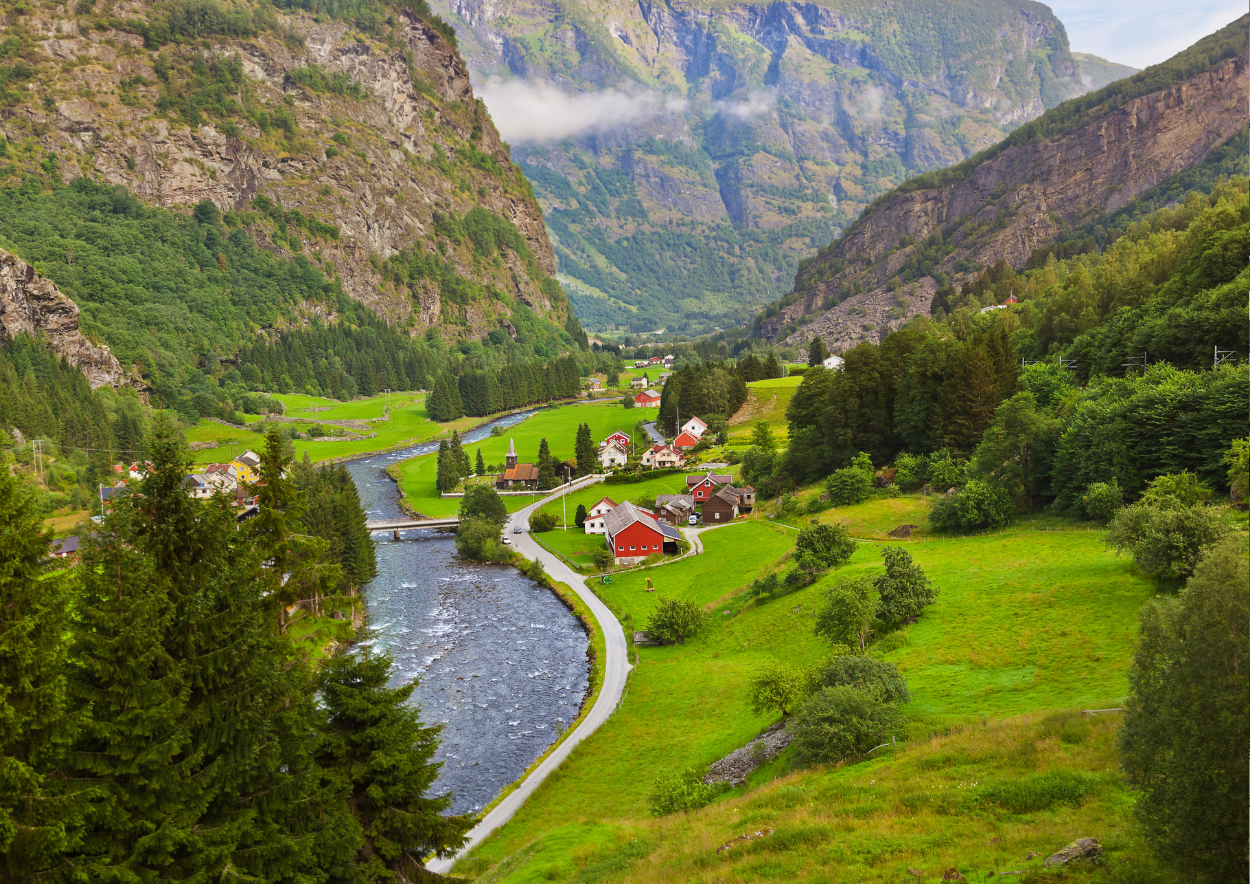
The best time to explore Norway's fjords is generally May through September.
Summer provides the most reliable conditions for boat trips, scenic drives, hiking, and kayaking. May is particularly impressive because snow remains on the higher mountains while waterfalls are fed by spring snowmelt.
The fjords are busiest during July and August. Travelers looking for a quieter experience should consider May, June, or September.
Popular areas include the Geirangerfjord, Nærøyfjord, Sognefjord, and Hardangerfjord.
Best Time to See the Northern Lights
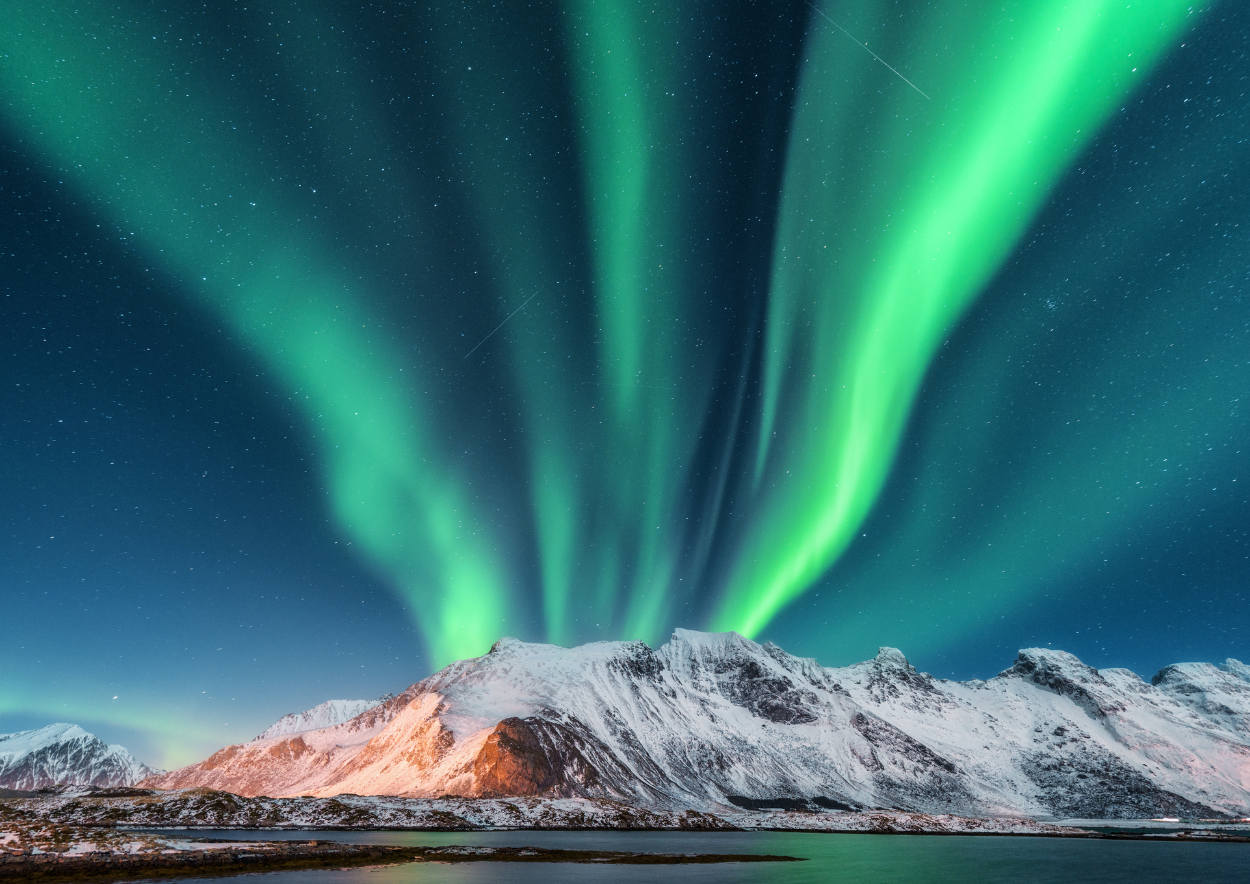
If seeing the northern lights is your main goal, visit northern Norway between September and March.
The aurora requires dark skies, so summer is not suitable because northern Norway experiences extremely long daylight hours and, in some areas, the midnight sun.
October through March offers long periods of darkness, while September and March can provide a useful combination of aurora opportunities and somewhat milder conditions.
Tromsø, Alta, the Lofoten Islands, and Kirkenes are among the most popular bases for northern lights trips.
Remember that the aurora is a natural phenomenon and can never be guaranteed on a particular night. Staying several nights increases your chances.
Best Time to Visit Lofoten Islands
The Lofoten Islands can be visited throughout the year, but the best season depends on what you want to do.
June through August is ideal for hiking, kayaking, fishing, photography, and experiencing the midnight sun.
For northern lights, September through March is more suitable. Winter also brings snow-covered mountains and a quieter atmosphere, although weather conditions can make travel more challenging.
Best Time for Hiking
For most hiking routes, June through September offers the best conditions.
July and August provide the most reliable access to higher mountain trails, but they are also the busiest months.
June can be excellent for long daylight hours, while September is attractive for cooler temperatures and autumn colors.
Some famous hikes, such as Trolltunga and Preikestolen, can be attempted outside peak summer, but snow and changing weather can make them considerably more difficult.
Best Time for a Scenic Road Trip
Norway's scenic roads are best explored between May and September, although exact conditions vary depending on the region and elevation.
Summer provides the easiest driving conditions and access to remote mountain roads. May and early June can be particularly beautiful because of waterfalls and snow-covered peaks.
Some mountain passes and scenic roads close during winter because of heavy snow, so always check road conditions before setting out.
Best Time to Visit Oslo
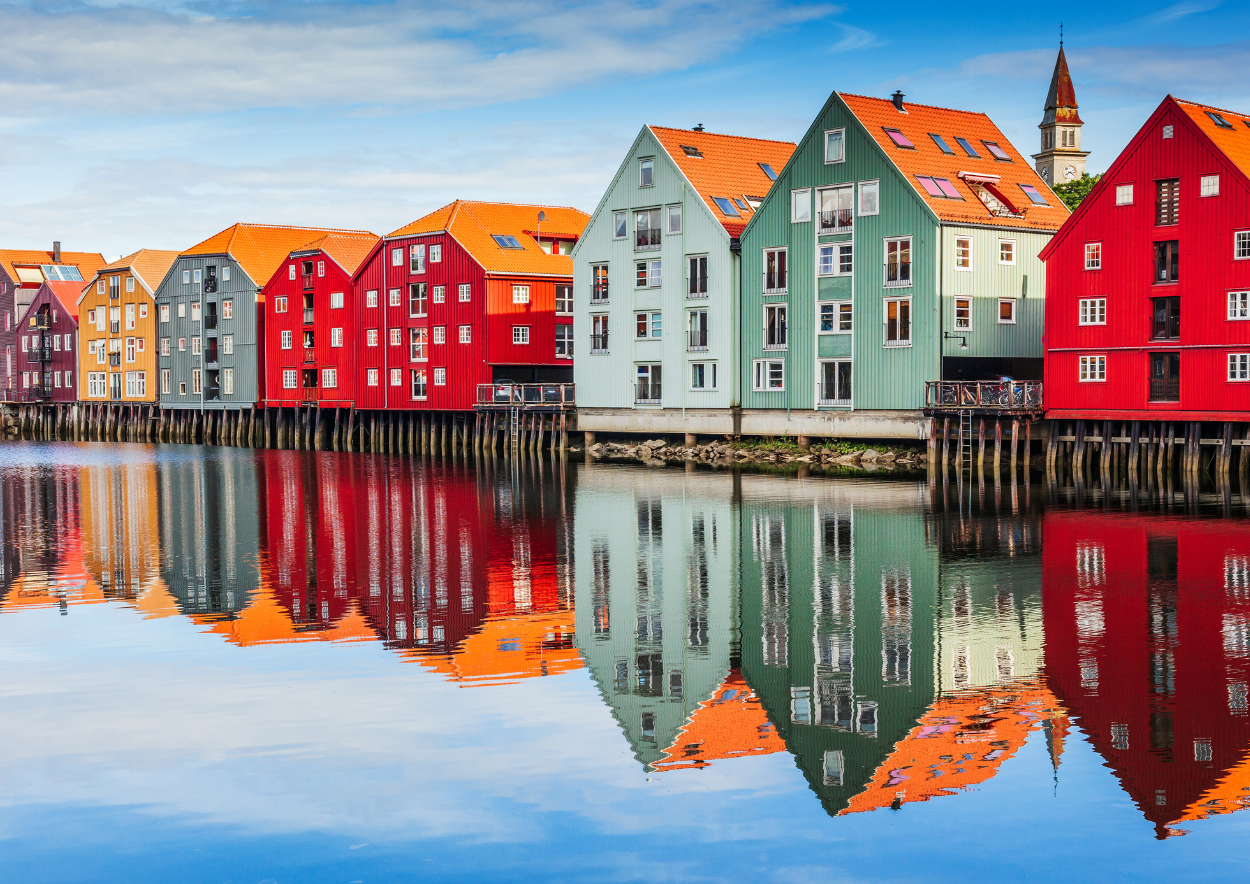
May through September is the most comfortable period for exploring Oslo. The city comes alive during summer, with outdoor cafés, parks, waterfront areas, and long daylight hours.
June and July are particularly pleasant for walking around the Opera House, Vigeland Sculpture Park, Aker Brygge, and the Bygdøy peninsula.
Winter can also be enjoyable if you're interested in museums, restaurants, and Christmas atmosphere rather than outdoor sightseeing.
Best Time to Visit Bergen
Bergen is worth visiting throughout the year, but May through September generally offers the most comfortable conditions.
Summer is ideal for exploring the harbor, taking fjord excursions, and riding the Fløibanen to the surrounding viewpoints.
Bergen is famously rainy, so don't assume that summer guarantees dry weather. A waterproof jacket is useful in every season.
Best Time for Winter Sports
For skiing and snow activities, December through April is generally the best period.
Norway has numerous ski resorts and mountain areas, with conditions varying depending on altitude and location. January and February usually provide reliable winter conditions, while March and April offer longer daylight hours.
Winter is also the season for dog sledding, snowshoeing, snowmobiling, and other Arctic activities in northern Norway.
Best Time for Whale Watching
Whale watching is possible in different parts of Norway depending on the season and species.
Northern Norway offers opportunities to see whales during the colder months, particularly around Tromsø and the Vesterålen region.
Because whale movements vary from year to year, check current local tour information before planning a trip specifically around whale watching.
Best Time for a Budget Trip
Norway is an expensive destination, but traveling outside the busiest summer period can help reduce costs.
April, May, September, and October can offer better accommodation rates than July and August, although prices vary considerably by destination.
Winter can also be expensive around ski resorts and northern lights destinations. If you're traveling for the aurora, compare prices carefully and consider staying outside the most popular tourist centers.
What Is the Weather Like Across Norway?
Norway's weather varies dramatically depending on geography. Coastal areas such as Bergen have relatively mild but wet winters, while inland regions can experience much colder temperatures.
Northern Norway has long, dark winters and very long summer days. Mountain regions can remain cold even when cities are warm.
This means that travelers should plan for changing conditions rather than relying only on seasonal averages. Weather can change quickly in the mountains, particularly during hikes.
What to Pack for Norway
Packing for Norway depends heavily on the season, but layers are useful year-round.
During summer, bring waterproof outerwear, comfortable hiking shoes, and warm layers for mountain areas.
For spring and autumn, pack a waterproof jacket, fleece or sweater, and shoes suitable for wet conditions.
For winter, you'll need a warm insulated coat, thermal layers, gloves, hat, and waterproof boots. If you're heading north for the northern lights, proper winter clothing is especially important because you may spend several hours outdoors at night.
Is Norway Worth Visiting in Summer?
Absolutely. Summer is the easiest season for a first trip because the days are long, roads and hiking trails are more accessible, and the fjords are easy to explore.
The main disadvantages are higher prices and larger crowds. Travelers with flexible dates may prefer June or September for a more relaxed experience.
Is Norway Worth Visiting in Winter?
Yes, especially if you want to see the northern lights or experience snow-covered landscapes.
Winter is not the easiest season for a classic fjord road trip, but it is excellent for skiing, dog sledding, snowmobiling, and Arctic experiences.
For a first-time visitor focused mainly on hiking and fjords, summer remains the more practical choice.
Frequently Asked Questions
What is the best time to visit Norway?
The best overall period is May through September, with June to August offering the most reliable conditions for hiking, fjords, road trips, and outdoor activities.
What is the best month to visit Norway?
July is one of the best months for general sightseeing because of mild weather and long daylight hours. June and September are better choices if you want fewer crowds.
When is the best time to see the northern lights in Norway?
The best period is September through March, when northern Norway has sufficiently dark skies for aurora viewing.
When is the best time to visit the Norwegian fjords?
May through September is generally the best period. May and June are particularly beautiful because of waterfalls and snow-covered mountains.
Is Norway expensive to visit?
Yes. Norway is generally more expensive than many European destinations. Traveling outside July and August, booking accommodation early, and using public transport can help control costs.
When is the best time to visit Lofoten?
June through August is best for hiking and experiencing the midnight sun, while September through March is better for northern lights and winter scenery.
Does Norway have midnight sun?
Yes. Northern Norway experiences the midnight sun during summer, with some areas having continuous daylight for several weeks.
Is Norway worth visiting in winter?
Yes, particularly for northern lights, skiing, dog sledding, and snowy landscapes. For hiking and classic fjord road trips, however, summer is generally easier.
Loading comments…