
.png&w=1920&q=75)
Spring in Poland
Spring is one of the most pleasant times to visit Poland. March can still feel cold, but by April and May temperatures become more comfortable and parks, gardens, and countryside begin turning green.
May is especially good for sightseeing because the weather is generally mild without the peak summer crowds. Cities such as Warsaw, Kraków, Wrocław, Gdańsk, and Poznań are enjoyable to explore on foot during this period.
Spring is also a good season for visiting Poland's castles, historic towns, and national parks. If you're planning outdoor activities, however, bring a light waterproof jacket because rain showers are common.
Summer in Poland
Summer is Poland's busiest travel season, particularly from June through August. Days are long, temperatures are generally warm, and most outdoor attractions are fully accessible.
This is the best season for combining city sightseeing with beaches, hiking, cycling, and countryside trips. Gdańsk, Sopot, and the Baltic Coast become especially popular during July and August.
Summer is also a good time to explore the Tatra Mountains around Zakopane. Hiking trails are generally easier to access, although popular routes can become crowded.
The main disadvantage is that accommodation prices can rise during July and August, especially in Kraków, Gdańsk, Zakopane, and coastal resorts.
Autumn in Poland
Autumn is an excellent choice for travelers who prefer cooler temperatures and fewer visitors. September can still feel like summer, while October brings beautiful autumn colors across forests and parks.
Kraków, Warsaw, Wrocław, and Gdańsk are particularly enjoyable during early autumn because temperatures remain comfortable for walking tours.
October is also a good month for visiting Poland's forests and national parks. The countryside becomes especially colorful, although rain and cooler evenings become more common.
For many travelers, September is one of the best months to visit Poland because it offers a good combination of mild weather, lower crowds, and generally pleasant sightseeing conditions.
Winter in Poland
Winter can be cold, snowy, and dark, but it also offers a completely different side of Poland. Historic city centers can feel particularly atmospheric around Christmas, while mountain resorts become popular for skiing and winter activities.
December is a good time to visit Kraków, Warsaw, Wrocław, and Gdańsk if you enjoy Christmas markets and festive decorations.
For winter sports, head to Zakopane and the Tatra Mountains. January and February generally offer the best chance of proper winter conditions.
If you're not comfortable with cold weather, winter is less suitable for long sightseeing days because daylight hours are limited.
The Best Month to Visit Poland
For most travelers, June is one of the best months to visit Poland. The days are long, temperatures are usually comfortable, and outdoor attractions are fully accessible.
If you want fewer crowds, May and September are excellent alternatives. September is particularly attractive for city breaks and countryside trips because the weather is often mild without the busiest summer conditions.
Best Time to Visit Kraków
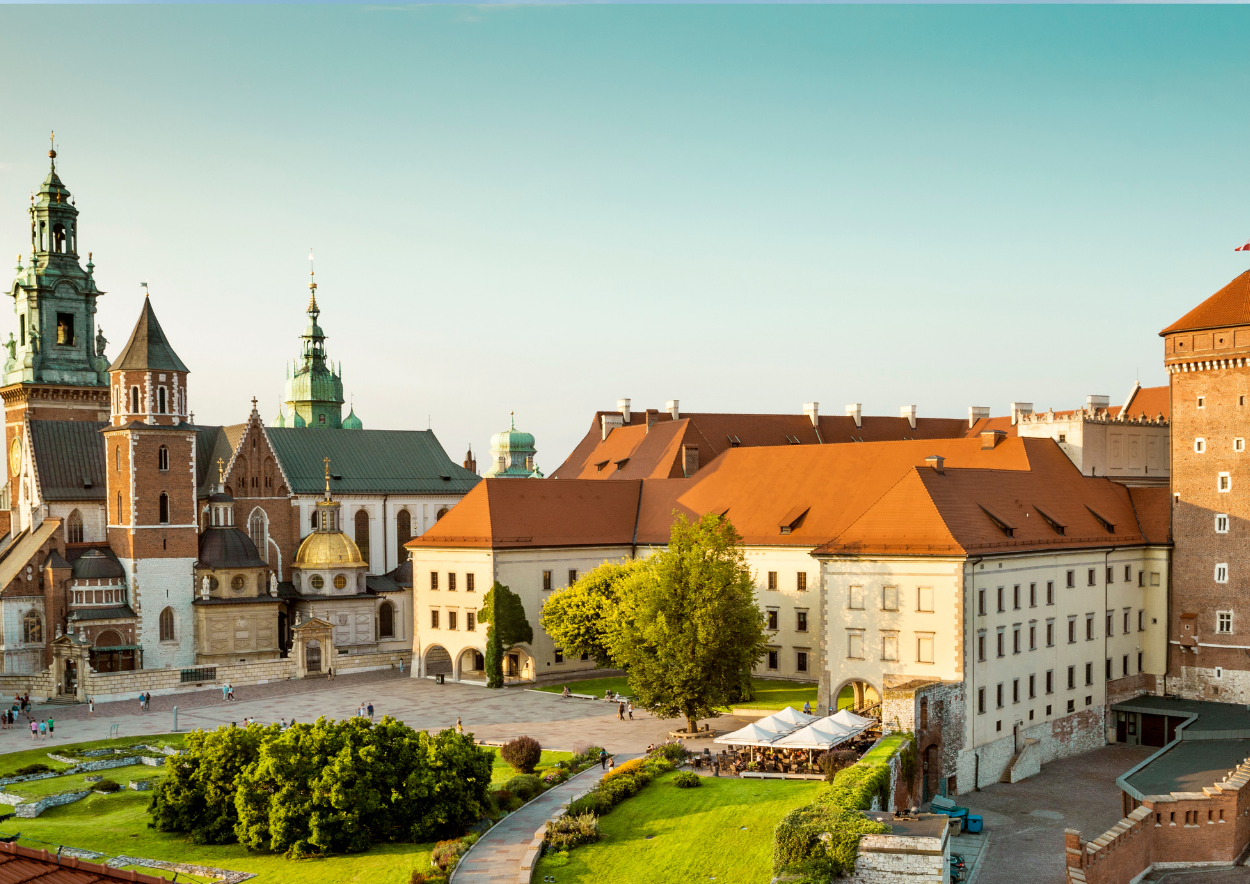
The best time to visit Kraków is generally May to June and September.
These months offer comfortable conditions for walking around the Old Town, visiting Wawel Castle, exploring Kazimierz, and taking day trips to places such as the Wieliczka Salt Mine and Auschwitz-Birkenau.
Summer is also enjoyable, but the historic center can become crowded during July and August.
Best Time to Visit Warsaw
May through September is the most comfortable period for exploring Warsaw.
Spring and early autumn are particularly good for walking through the Old Town, visiting museums, and exploring parks such as Łazienki Park.
Summer brings longer days and outdoor events, while winter is better suited to travelers who want to focus on museums, restaurants, and indoor attractions.
Best Time to Visit Gdańsk and the Baltic Coast
If you want to visit Gdańsk, Sopot, and the Polish Baltic Coast, the best period is generally June through August.
July and August offer the warmest conditions for spending time on the beaches, although the coast can become busy.
For a quieter coastal trip, consider June or September. The sea may be cooler, but the towns are generally less crowded.
Best Time to Visit Zakopane and the Tatra Mountains
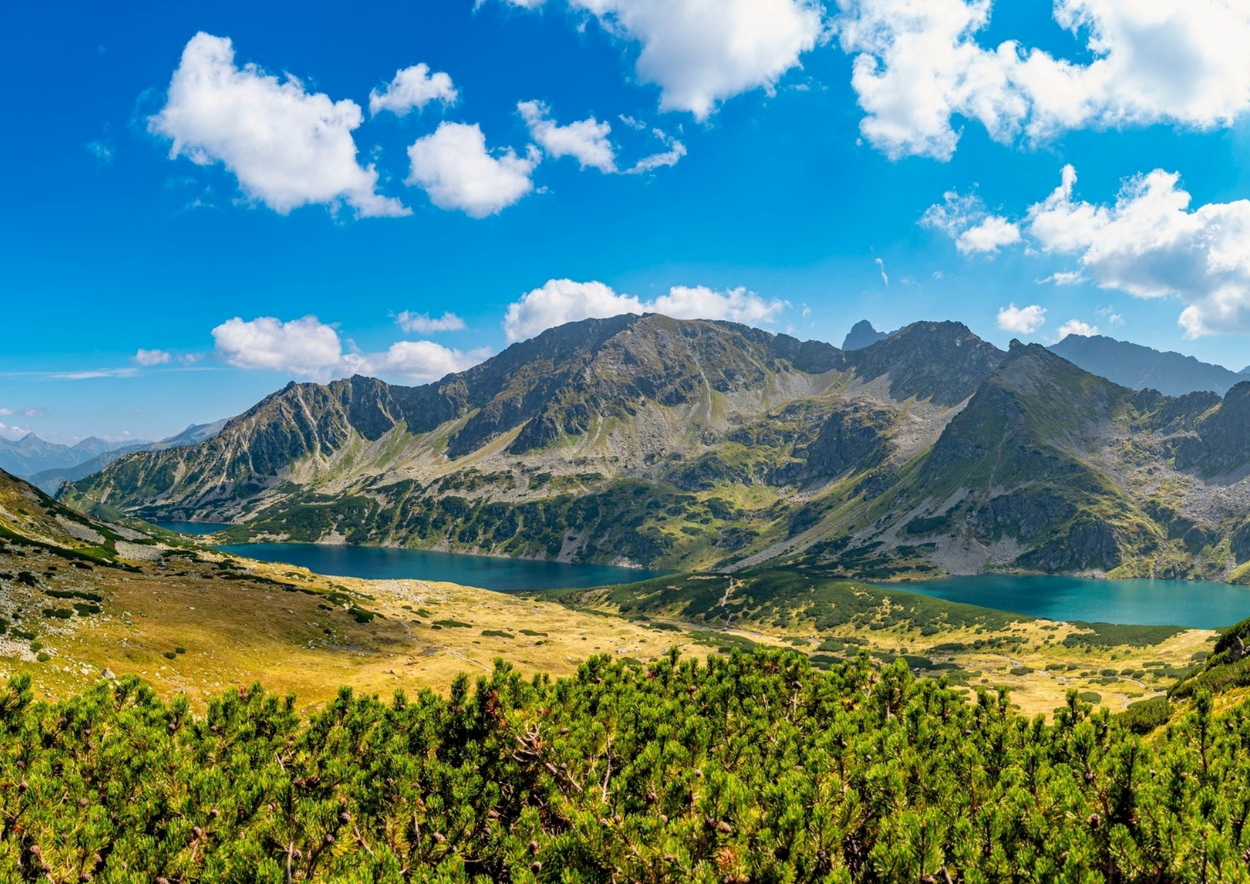
The best season depends on what you want to do.
For hiking, June through September is generally ideal. July and August offer the most reliable access to mountain trails, although popular routes can be crowded.
For skiing and winter activities, December through March is the better period, with January and February usually offering the most consistent snow conditions.
Best Time for Hiking in Poland
The best period for hiking is generally May through September.
The Tatra Mountains, Białowieża Forest, and other national parks are particularly enjoyable during late spring, summer, and early autumn.
September is a good choice for travelers who want cooler temperatures and fewer people on popular trails.
Always check local weather and trail conditions before heading into mountainous areas.
Best Time to Visit Poland's National Parks
Poland has more than 20 national parks, each offering a different landscape.
Spring and summer are excellent for forests, lakes, wildlife, and outdoor activities. Autumn is especially beautiful in forested areas because of the changing leaves.
Białowieża National Park, Tatra National Park, and Ojców National Park are particularly rewarding from late spring through early autumn.
Best Time for Christmas Markets
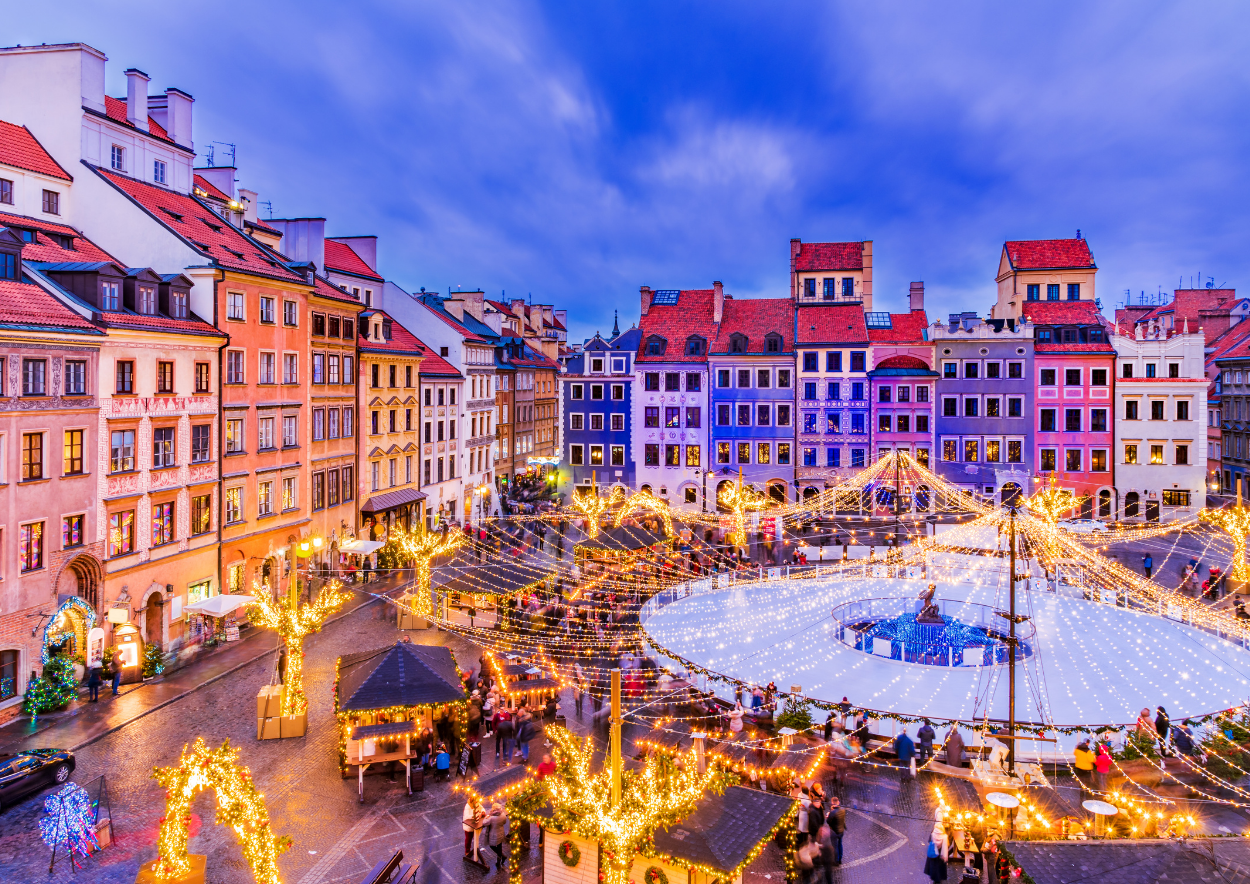
If you want to experience Poland's Christmas markets, visit between late November and December.
Markets in Kraków, Wrocław, Warsaw, Gdańsk, and Poznań fill historic squares with food stalls, decorations, traditional crafts, and seasonal drinks.
December is cold, so combine outdoor market visits with museums, cafés, and indoor attractions.
Best Time for Festivals and Events
Poland has festivals and cultural events throughout the year, but spring and summer have the busiest outdoor calendars.
Summer is particularly active in cities such as Kraków, Warsaw, Gdańsk, and Wrocław, with music festivals, cultural events, and outdoor performances.
If you plan your trip around a specific festival, check dates in advance because major events can affect hotel availability and prices.
Best Time for a Budget Trip
For travelers looking to save money, November through March can offer lower accommodation prices outside the Christmas and New Year period.
Another good option is traveling during the shoulder seasons of April, May, September, and October. You can often enjoy better prices while still having reasonable sightseeing conditions.
July and August tend to be more expensive, especially in popular coastal and mountain destinations.
Regional Weather Differences in Poland
Poland's weather varies somewhat between regions.
The Baltic Coast can be cooler and windier, while southern Poland and the Tatra Mountains experience colder winters and more variable mountain weather.
Cities such as Warsaw and Kraków have warm summers and cold winters, with spring and autumn providing the most moderate conditions.
If you plan to visit several regions in one trip, pack layers and be prepared for changing weather.
What to Pack for Poland
For spring and autumn, bring layers, comfortable walking shoes, and a waterproof jacket.
For summer, lightweight clothing is useful, but keep a light jacket for cooler evenings, especially near the Baltic Coast.
For winter, bring a warm coat, gloves, a hat, and waterproof footwear. If you're heading to Zakopane or the Tatra Mountains, proper winter clothing is essential.
Regardless of the season, comfortable shoes are important because many Polish cities are best explored on foot.
Is Poland Worth Visiting in Summer?
Yes. Summer is one of the easiest seasons for a first trip because of the long daylight hours and warm weather.
It is particularly good for combining historic cities with the Baltic Coast, national parks, and mountain destinations.
The main drawback is that popular places can become crowded and accommodation prices may increase.
Is Poland Worth Visiting in Winter?
Yes, especially if you enjoy Christmas markets, winter sports, snowy landscapes, and cozy city breaks.
Kraków, Wrocław, Warsaw, and Gdańsk are particularly atmospheric in December, while Zakopane is a popular winter destination.
For travelers mainly interested in outdoor sightseeing and walking tours, however, late spring through early autumn is more comfortable.
Frequently Asked Questions
What is the best time to visit Poland?
The best overall period is May through September, with May, June, and September offering a good balance of comfortable weather and manageable crowds.
What is the best month to visit Poland?
June is one of the best months for general sightseeing, while May and September are excellent choices if you want fewer crowds.
When is the best time to visit Kraków?
May, June, and September are ideal for exploring Kraków's historic center, museums, castles, and nearby attractions.
When is the best time to visit the Polish Baltic Coast?
June through August offers the warmest conditions for beaches, while June and September are better for travelers who prefer fewer crowds.
What is the best time to visit Zakopane?
For hiking, visit between June and September. For skiing and winter activities, December through March is generally the best period.
Is Poland expensive to visit?
Poland is generally more affordable than many Western European destinations, although prices rise in popular cities and during peak summer and major events.
When is the cheapest time to visit Poland?
November through March, excluding Christmas and New Year, can offer some of the lowest accommodation prices. Shoulder-season months such as May and September can also provide good value.
Does Poland get very cold in winter?
Yes. Temperatures can fall below freezing, particularly in southern and eastern regions. Snow is common in many areas, especially in the mountains.
Loading comments…