
.png&w=1920&q=75)
Spring in Russia: March to May
Spring arrives gradually in Russia, and conditions can vary considerably depending on where you travel. March can still feel like winter in Moscow and St. Petersburg, with cold temperatures and lingering snow. By April, the weather begins to improve, although rain and sudden temperature changes are still common.
May is a much more comfortable month for exploring European Russia. Parks begin to turn green, outdoor cafés reopen, and historic city centers become much more enjoyable to explore on foot. Moscow is particularly pleasant in late spring, while St. Petersburg begins preparing for its famous summer season.
Spring is a good choice if you want to combine museums and historical attractions with outdoor sightseeing. Moscow, St. Petersburg, Kazan, the Golden Ring towns, and the countryside around the major cities can all be considered during this period.
One advantage of traveling in spring is that you can experience Russia before the busiest part of the summer season. However, it is worth packing layers because mornings can still be cold while afternoons may feel surprisingly mild.
Summer in Russia: June to August
Summer is the most popular season for many visitors, particularly those traveling to Moscow and St. Petersburg. Days are long, temperatures are generally comfortable in northern and central areas, and many attractions remain open for extended hours.
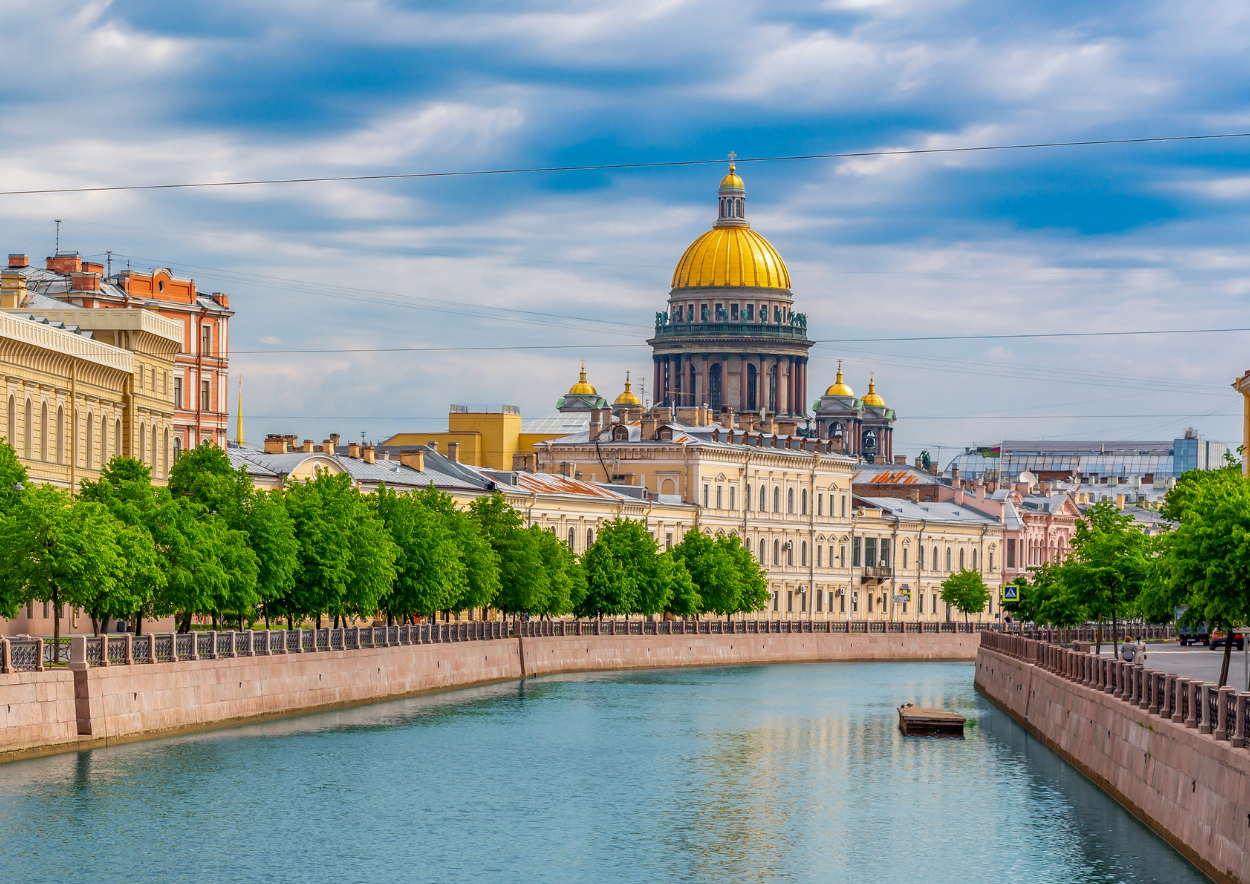
June is especially interesting because of the White Nights in St. Petersburg. Around this period, the city experiences extremely long daylight hours, with the sky remaining bright late into the night. Walking beside the Neva River, exploring the canals, and experiencing the city after midnight can feel completely different from a typical European city break.
St. Petersburg is particularly busy during the White Nights season, so accommodation and transportation should be arranged well in advance.
July and August are also good months for sightseeing, although they tend to be busier. Moscow's Red Square, the Kremlin area, city parks, and pedestrian streets become lively, while St. Petersburg's museums, palaces, and riverfront are full of visitors.
Summer is also a good season for exploring regions beyond the two major cities. Lake Baikal, Karelia, the Altai region, and other northern and eastern destinations are generally more accessible during the warmer months.
Autumn in Russia: September to November
September is one of the most attractive months for traveling around Russia. The intense summer season begins to fade, while temperatures are often still comfortable enough for long days of sightseeing.
Moscow is particularly enjoyable in September. Parks begin changing color, the historic center is easier to explore without the peak summer crowds, and the cooler air makes walking between attractions more comfortable.
St. Petersburg also remains appealing during early autumn. The city's palaces, museums, churches, and canals can be enjoyed without the intensity of the main summer season.
October becomes noticeably cooler, and by November winter begins to make its presence felt in many parts of the country. Travelers visiting during these months may prefer to focus on museums, galleries, theaters, historic buildings, and food experiences rather than spending long periods outdoors.
For travelers who want a quieter trip with beautiful autumn scenery, September is arguably the best autumn month.
Winter in Russia: December to February
Winter is one of the most distinctive times to visit Russia. Snow-covered streets, frozen rivers, illuminated buildings, and traditional winter activities create an atmosphere that is very different from the warmer months.
December can be particularly atmospheric in Moscow and St. Petersburg. The streets are decorated with winter lights, and landmarks such as Moscow's Red Square look dramatically different beneath a layer of snow.
January and February are generally the coldest months. Moscow and St. Petersburg can experience freezing temperatures, while Siberia and other inland regions can be considerably colder.
A winter trip requires proper clothing. A warm insulated coat, thermal layers, waterproof footwear, gloves, and a good hat are essential if you plan to spend significant time outdoors.
Despite the cold, winter can be rewarding for travelers who specifically want to experience Russia's traditional winter landscapes. It is also an interesting season for visiting thermal facilities, museums, theaters, restaurants, and other indoor attractions.
Regional Differences in Russia
Russia is so large that there is no single climate that describes the entire country. The weather in Moscow can be completely different from conditions around Lake Baikal or in Siberia.
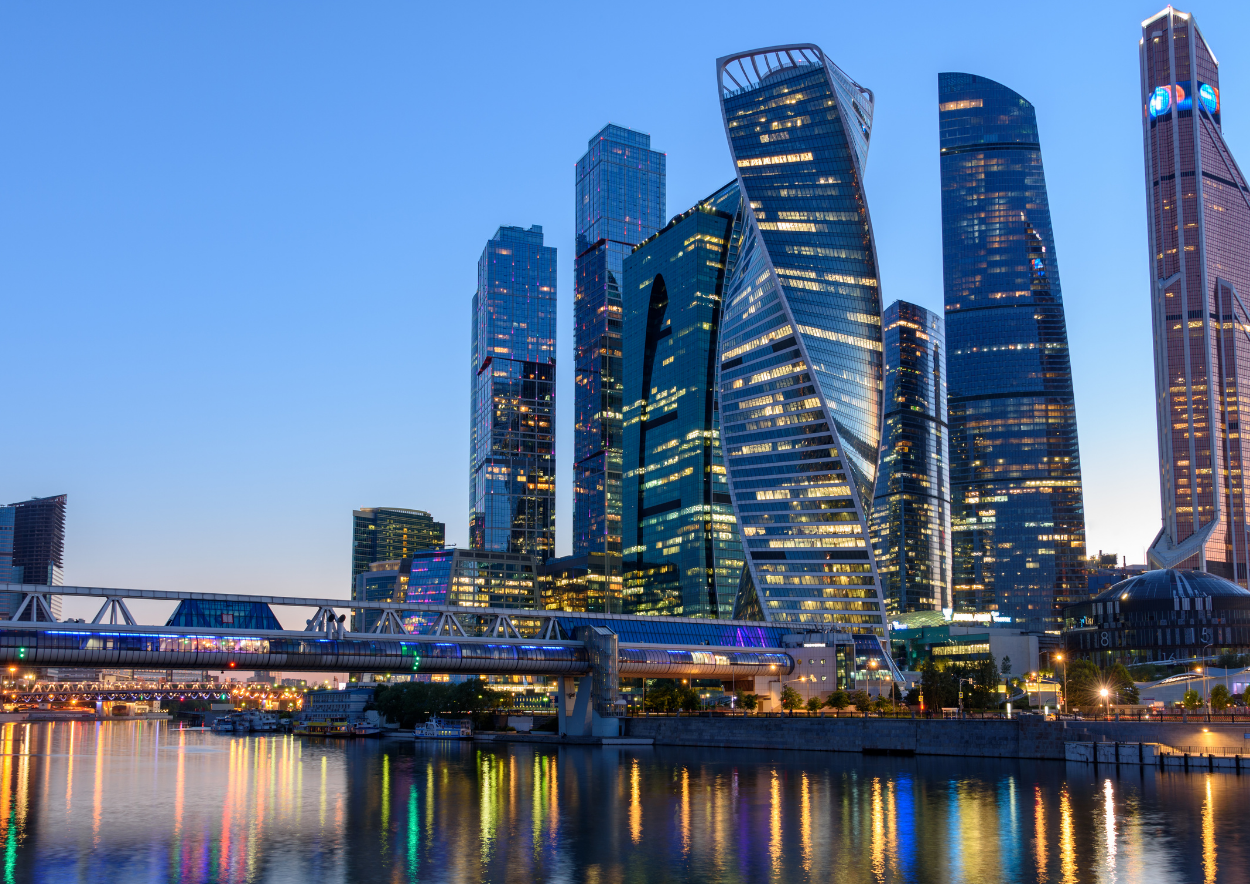
Moscow has cold winters and relatively warm summers. Late spring, early summer, and early autumn are generally the most comfortable periods for sightseeing.
St. Petersburg has a more northern climate, with cool summers and long daylight hours during June. The White Nights make early summer particularly popular.
Siberia has much more extreme seasonal conditions. Winter can be exceptionally cold, while summer provides a much more practical opportunity for hiking, exploring nature, and visiting remote areas.
Lake Baikal also changes dramatically throughout the year. Summer is suitable for hiking and exploring the surrounding landscape, while winter attracts travelers interested in seeing the lake's famous frozen surface.
Sochi and the Black Sea coast have a much milder climate than most of Russia. Summer is suitable for beach holidays, while the nearby mountains provide winter opportunities for skiing.
Best Time to Visit Moscow
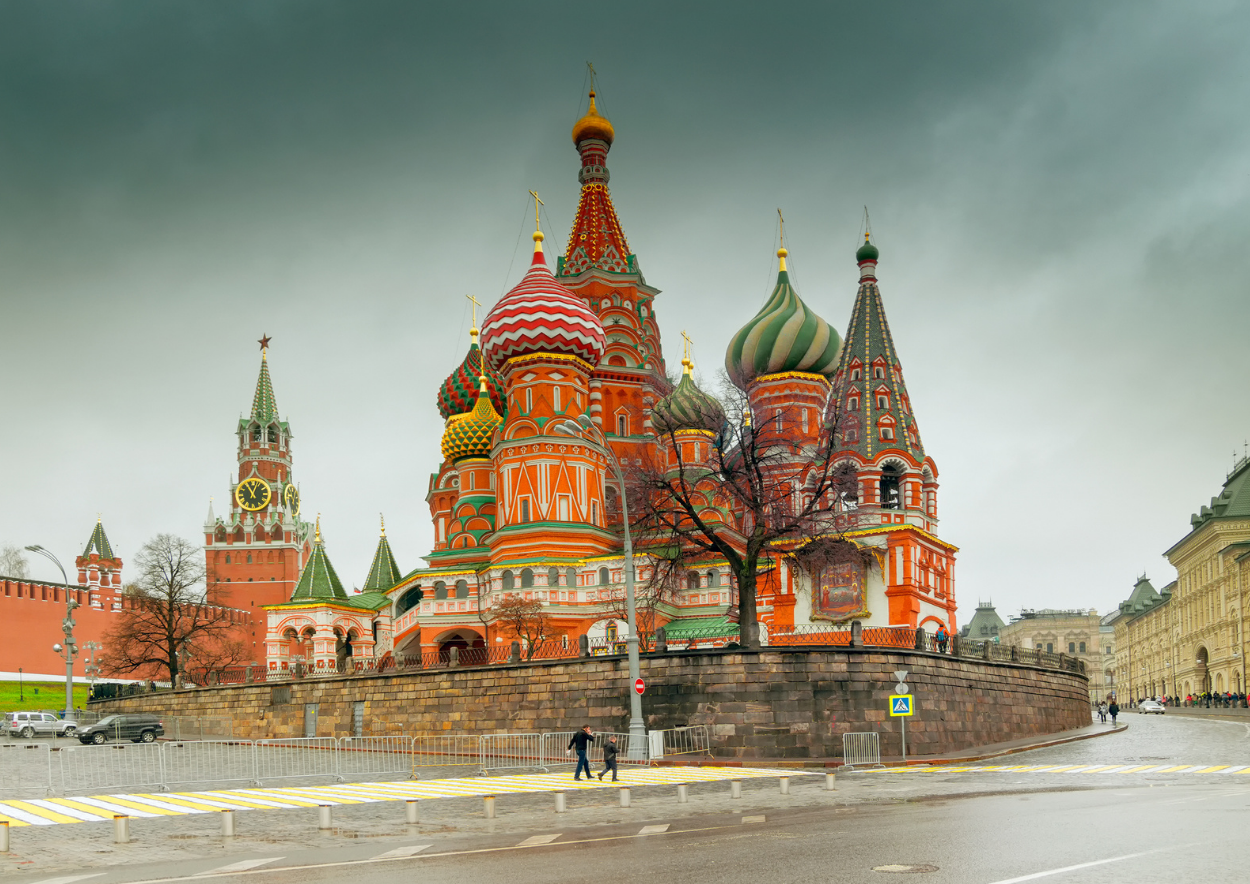
For a first visit to Moscow, May, June, and September are excellent choices. The weather is generally comfortable enough for walking around the historic center and visiting landmarks such as the Kremlin, Red Square, St. Basil's Cathedral, and the Arbat district.
September is especially appealing if you want cooler temperatures and a slightly calmer atmosphere. Winter is also an option if you want to see Moscow covered in snow, but outdoor sightseeing requires much more preparation.
Best Time to Visit St. Petersburg
The best period for St. Petersburg is generally May through September, with June being particularly special because of the White Nights.
June offers unusually long daylight hours and a lively atmosphere around the city's canals and rivers. July and August are warmer but can also be considerably busier.
September provides a quieter alternative while still offering reasonable conditions for exploring museums, palaces, churches, and historic neighborhoods.
Best Time to Visit Lake Baikal
Lake Baikal is a destination where the best travel season depends entirely on the experience you want.
Summer is ideal for hiking, boat trips, exploring villages, and enjoying the surrounding mountains and forests. Winter, on the other hand, offers the extraordinary sight of the lake covered with ice.
If your goal is to experience the frozen lake and its unusual ice formations, winter is the season to consider. If you prefer outdoor activities in milder conditions, summer is much more practical
Best Time for Russian Winter Experiences
Travelers who specifically want to experience Russia's snowy landscapes should consider December through February.
This period offers the strongest sense of winter in cities such as Moscow and in colder regions further east. Snow-covered architecture, frozen waterways, winter markets, and seasonal events create a very different atmosphere from summer.
However, winter conditions can affect transportation and outdoor plans, so flexibility is important.
Best Time for Cultural and Museum Trips
Russia's major museums and cultural attractions can be visited throughout the year. This makes winter a particularly useful option for travelers who prefer indoor attractions.
The Hermitage Museum in St. Petersburg, Moscow's Tretyakov Gallery, historic theaters, cathedrals, and palaces provide plenty of things to do when temperatures outside become uncomfortable.
For travelers who prefer combining indoor cultural attractions with outdoor sightseeing, May, June, September, and early October offer a better balance.
Best Month to Visit Russia
For a general first-time trip, September is one of the best months to visit Russia. The weather is generally more comfortable than the colder months, summer crowds begin to decrease, and many cities take on beautiful early autumn colors.
September is particularly suitable for combining Moscow and St. Petersburg. You can spend your days exploring historic neighborhoods, museums, palaces, parks, and riverfront areas without dealing with the extreme cold of winter or the busiest part of the summer season.
However, if the White Nights are your priority, June is the better choice. If your dream is to experience Russia beneath a blanket of snow, December through February will be much more suitable.
Frequently Asked Questions
What is the best time to visit Russia?
For most travelers, late May through June and September offer the best combination of comfortable weather, long days, and good sightseeing conditions.
What is the best month to visit Moscow?
May, June, and September are among the best months for exploring Moscow comfortably on foot.
When should I visit St. Petersburg for the White Nights?
June is the best time to experience St. Petersburg's famous White Nights and exceptionally long daylight hours.
Is Russia worth visiting in winter?
Yes, especially if you want to experience snow-covered cities and traditional Russian winter scenery. You should be prepared for very cold temperatures.
When is the best time to visit Lake Baikal?
Visit in summer for hiking and outdoor activities, or in winter if you want to see the lake frozen and experience its famous ice landscapes.
How many days do I need in Russia?
For a first trip combining Moscow and St. Petersburg, 8 to 10 days is a reasonable starting point. A longer trip allows you to include destinations such as Lake Baikal, Kazan, or other regions.
What is the coldest month in Russia?
January and February are generally the coldest months, although temperatures vary dramatically across Russia because of the country's enormous size.
Best Time to Visit Russia
The best time to visit Russia depends on what you want to see and do. For a first trip to Moscow and St. Petersburg, the most comfortable months are generally May, June, and September. During this period, temperatures are suitable for sightseeing, parks are open and pleasant, and daylight hours are long.
Russia is a huge country, so the weather can be very different from one region to another. Summer is best for general sightseeing and outdoor activities, while winter is ideal if you want to experience snowy cities and frozen landscapes.
Spring: March to May
Spring starts slowly in Russia. March can still feel like winter, especially in Moscow and St. Petersburg. By April, temperatures begin to rise, although rain and cold mornings are still common.
May is one of the best spring months for travel. The weather becomes more comfortable, parks turn green, and walking around Moscow or St. Petersburg becomes much easier.
Summer: June to August
Summer is the most popular season for visiting Russia. The weather is generally pleasant for sightseeing, and many cities have long daylight hours.
June is especially good for St. Petersburg because of the famous White Nights. The city stays bright late into the evening, making it possible to enjoy walks, river cruises, and sightseeing well after sunset.
July and August are warmer but also busier. They are good months for exploring Moscow, St. Petersburg, Lake Baikal, Karelia, and other outdoor destinations.
Autumn: September to November
September is one of the best months to visit Russia. The summer crowds begin to decrease, temperatures become cooler, and parks and countryside areas start showing autumn colors.
October can still be enjoyable, but temperatures drop quickly. November is generally colder and darker, so indoor attractions such as museums, galleries, theaters, and historic buildings become more appealing.
Winter: December to February
Winter gives Russia its most recognizable snowy atmosphere. Moscow and St. Petersburg can look spectacular under snow, especially around historic squares and major landmarks.
December is particularly attractive for travelers who enjoy winter decorations and festive city scenery. January and February are much colder, so warm clothing and suitable footwear are essential.
Winter is also a good choice for travelers interested in seeing frozen landscapes, especially around Lake Baikal.
Best Time by Destination
For Moscow, May, June, and September are the most comfortable months for sightseeing.
For St. Petersburg, May to September is generally the best period, with June being the most interesting month for the White Nights.
For Lake Baikal, summer is best for hiking and outdoor activities, while winter is ideal for seeing the frozen lake.
For Siberia, summer is much easier for travel because winter temperatures can be extremely low.
Best Month to Visit Russia
For most first-time travelers, September is the best overall month. The weather is usually comfortable, summer crowds are smaller, and autumn scenery adds color to cities and countryside.
If you want the White Nights, choose June. If you want snow and a traditional Russian winter, visit between December and February.
Frequently Asked Questions
What is the best time to visit Russia?
May, June, and September are generally the best months for comfortable sightseeing.
Is Russia worth visiting in winter?
Yes. Winter is ideal for travelers who want snow-covered cities and a traditional winter atmosphere.
When is the best time to visit St. Petersburg?
June to September is the best period, with June being especially popular because of the White Nights.
When is the best time to visit Lake Baikal?
Visit in summer for outdoor activities or in winter to see the lake frozen.
How many days are enough for Russia?
For a first trip covering Moscow and St. Petersburg, 8 to 10 days is a good starting point.
Loading comments…