
Spring Is When Spain Feels Most Alive
Cities Wake Up After Winter
Between March and May, Spain begins to bloom. Sidewalk cafés fill with locals, parks become vibrant with flowers, and daytime temperatures are comfortable enough for long walks without the intense summer heat. In cities like Madrid, Seville, and Valencia, this is when everyday life naturally spills into plazas and terraces.
You'll notice that sightseeing feels more enjoyable too. Exploring historic neighborhoods or climbing castle walls is far easier when temperatures hover between 18°C and 25°C (64°F to 77°F) instead of the scorching highs of midsummer.
The Perfect Time for Cultural Travel
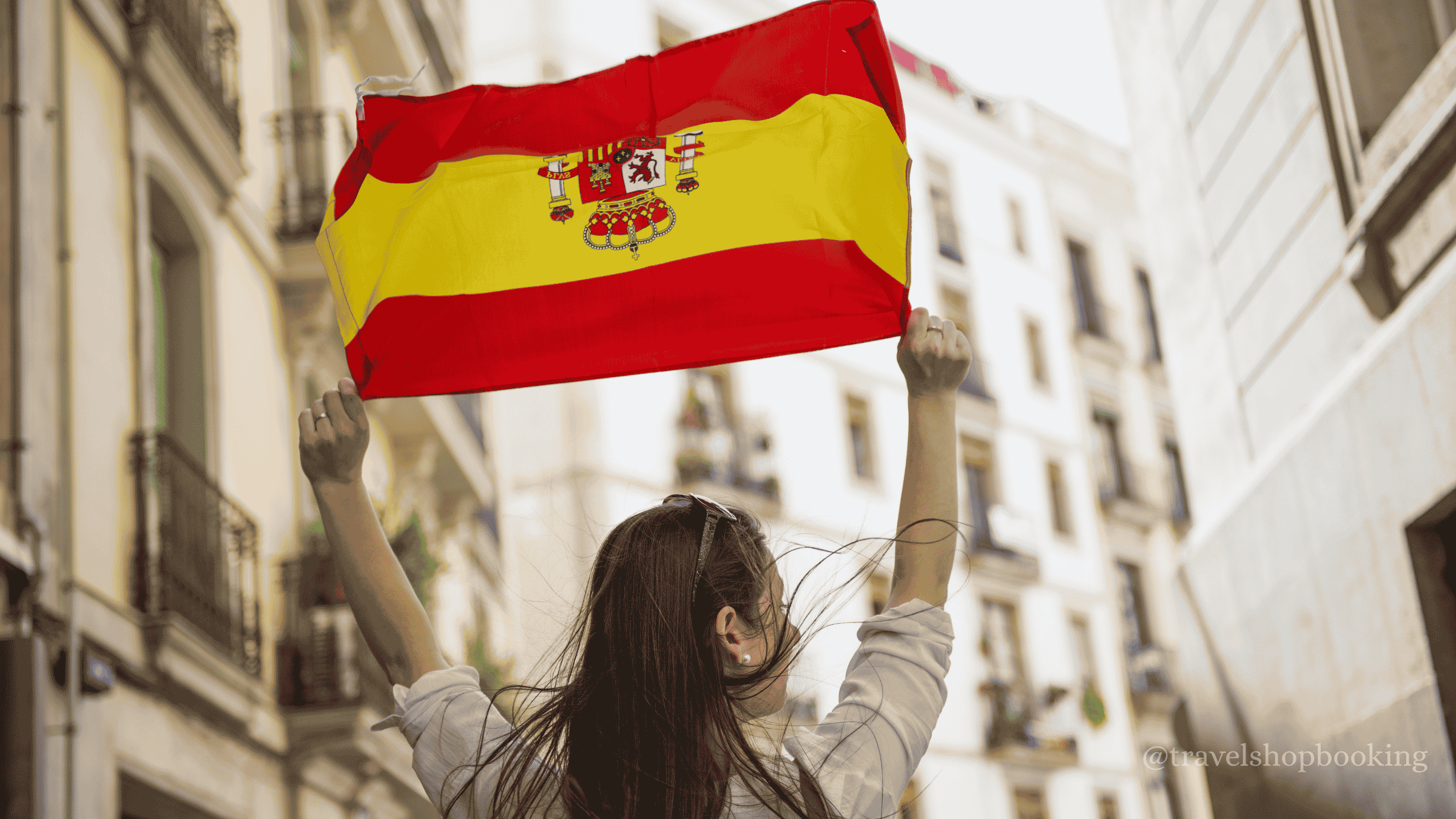
Spring is also festival season. From Semana Santa (Holy Week) processions to Seville's Feria de Abril, you'll experience traditions that have shaped Spanish culture for centuries. These aren't performances staged for tourists—they're celebrations where entire communities take part.
If it's your first trip to Spain, spring offers one of the most balanced experiences you'll find.
Summer Belongs to the Coast
Spain Moves Outdoors
By June, life in Spain shifts dramatically. Beaches become the center of attention, restaurants set tables outside until midnight, and evening strolls through old towns become part of everyday life.
The Mediterranean coastline—from Costa Brava to Costa del Sol—buzzes with energy, while islands like Mallorca, Menorca, and Ibiza enjoy their busiest season.
Escape the Heat Like the Locals Do
Summer temperatures in inland cities often exceed 35°C (95°F), especially in Seville, Córdoba, and parts of central Spain. Locals adapt by slowing down during the hottest hours and enjoying outdoor life later in the evening.
If you're visiting in July or August, consider combining famous cities with cooler destinations such as San Sebastián, Galicia, or Spain's northern Atlantic coast.

Autumn Is Spain's Most Rewarding Season
Comfortable Weather Returns
Once September arrives, Spain feels noticeably calmer. The beaches remain pleasant, cities become easier to explore, and vineyards begin their harvest season.
For many experienced travelers, this is the country's sweet spot. Temperatures remain warm, but the exhausting heat of midsummer fades away.
The Best Time for Food and Wine
Autumn is an exceptional season for discovering Spain's culinary traditions. Rioja, Ribera del Duero, and other famous wine regions celebrate the grape harvest, while local markets overflow with seasonal ingredients including mushrooms, chestnuts, figs, and fresh seafood.
Road trips through Andalusia, Castilla y León, or northern Spain become particularly enjoyable during this time of year.
Winter Reveals a Different Side of Spain
More Than Sunshine
Many travelers forget that Spain is also home to snow-covered mountains. While skiers head to Sierra Nevada and the Pyrenees, cities like Granada, Madrid, and Toledo offer quieter streets and a more relaxed atmosphere.
At the same time, destinations such as Málaga, Alicante, and the Canary Islands continue enjoying relatively mild temperatures, making them popular winter escapes.
Christmas the Spanish Way
December brings festive lights, Christmas markets, and lively public squares throughout the country. Unlike northern Europe, Spain combines holiday traditions with pleasant winter weather in many regions, allowing visitors to enjoy outdoor dining even during the holiday season.

Spain Isn't the Same Everywhere
Northern Spain
Regions such as Galicia, Asturias, and the Basque Country experience cooler temperatures and greener landscapes. They're excellent choices during summer when southern Spain becomes very hot.
Central Spain
Madrid and surrounding regions experience hot summers and cool winters, making spring and autumn the most comfortable seasons for sightseeing.
Southern Spain
Andalusia enjoys some of Europe's warmest weather. While summer can be extremely hot, winter often feels pleasantly mild.
Mediterranean Coast and Islands
Barcelona, Valencia, Costa Brava, Mallorca, and Ibiza enjoy long beach seasons stretching from late spring well into autumn.
Best Time to Visit Spain Based on Your Travel Style
For First-Time Visitors
Late April through early June provides pleasant weather, fewer crowds than summer, and ideal sightseeing conditions.
For Beach Holidays
June through September offers warm sea temperatures and long sunny days along Spain's Mediterranean coastline.
For Food and Wine Lovers
September and October are perfect for vineyard visits, seasonal cuisine, and food festivals across the country.
For Hiking Adventures
Spring and autumn provide the best conditions for exploring the Camino de Santiago, the Picos de Europa, and Spain's national parks.
For Budget Travelers
January, February, and November generally offer lower accommodation prices outside major holiday periods.
Festivals Worth Planning Around
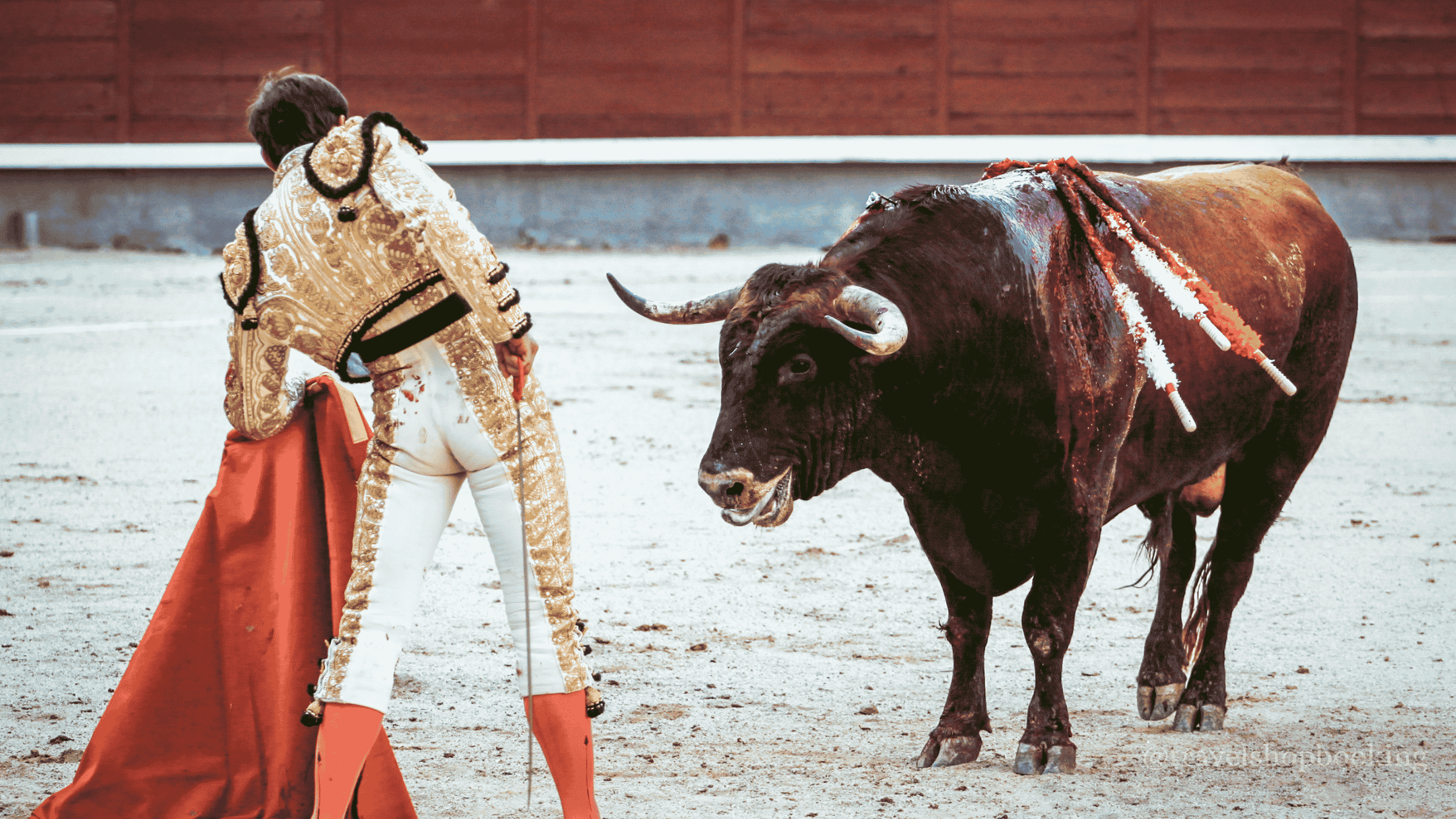
Spain celebrates some of Europe's most iconic festivals throughout the year. Semana Santa fills historic cities with emotional religious processions, Feria de Abril transforms Seville into a week-long celebration of Andalusian culture, while La Tomatina and the Running of the Bulls attract visitors from around the world. During summer, nearly every town hosts its own local fiesta, making it easy to experience authentic Spanish traditions wherever you travel.
So, When Is the Best Month to Visit Spain?
If you want to experience the country's cities, coastline, countryside, and culture all in one trip, May is hard to beat. The weather is comfortably warm across most of the country, flowers brighten historic streets, outdoor dining is in full swing, and visitor numbers haven't yet reached their summer peak. It captures everything that makes Spain special without many of the challenges that come with the hottest months.
Frequently Asked Questions
What is the best time to visit Spain?
For most travelers, May, June, September, and October offer the best combination of pleasant weather and manageable crowds.
When should I avoid visiting Spain?
July and August can be extremely hot in inland regions such as Madrid, Córdoba, and Seville, although they remain excellent months for beaches and islands.
Which month is best for Barcelona?
May, June, and September provide warm temperatures, comfortable sightseeing conditions, and fewer crowds than peak summer.
Is Spain worth visiting in winter?
Absolutely. Winter is ideal for cultural city breaks, skiing in the mountains, and enjoying mild weather along the southern coast and Canary Islands.
What is the cheapest time to visit Spain?
Accommodation prices are generally lowest during January, February, and November, excluding Christmas and New Year.
Is spring or autumn better for visiting Spain?
Both are excellent, but spring offers colorful festivals and blooming landscapes, while autumn provides harvest season, fewer tourists, and comfortably warm weather.
Loading comments…