
.png&w=1920&q=75)
Spring: March to May
Spring arrives gradually in Sweden. March can still be cold, particularly in northern areas, while April brings longer days and the first signs of warmer weather.
By May, Stockholm and southern Sweden become much more pleasant for walking and sightseeing. Parks turn green, outdoor cafés reopen, and the countryside begins to come alive.
Spring is a good choice for travelers who want to avoid the busiest summer period. However, temperatures can change quickly, so a light jacket and waterproof clothing are useful.
Summer: June to August
Summer is the most popular time to visit Sweden. Temperatures are generally comfortable, days are very long, and many outdoor attractions are open.
June and July are particularly good months for exploring Stockholm, visiting the archipelago, hiking, cycling, and enjoying Sweden's lakes and countryside.
Northern Sweden becomes especially interesting during summer because of the Midnight Sun. In areas above the Arctic Circle, the sun can remain above the horizon for extended periods, creating almost continuous daylight.
Summer is also the best season for boat trips through the Stockholm Archipelago and for exploring Sweden's national parks.
Autumn: September to November
September is one of the best months for travelers who prefer cooler weather and fewer tourists. The countryside begins changing color, while Stockholm remains comfortable for sightseeing.
October brings stronger autumn colors, especially in forests and rural areas. Temperatures become colder, and daylight hours decrease quickly.
By November, much of Sweden starts preparing for winter. This is a quieter period for tourism and can be a good option for travelers interested in museums, cafés, restaurants, and cultural attractions.
Winter: December to February
Winter transforms Sweden into a completely different destination. Snow, short daylight hours, Christmas markets, and winter activities become the main attractions.
December is especially enjoyable in Stockholm and other cities because of Christmas lights, seasonal markets, and traditional Swedish winter food.
In northern Sweden, winter is the best time for snowmobile tours, dog sledding, skiing, and Northern Lights experiences. Abisko and Kiruna are among the most popular places for travelers hoping to see the aurora.
Winter temperatures can be very low in the north, so warm layers, insulated boots, gloves, and a good winter coat are essential.
Best Time to Visit Stockholm
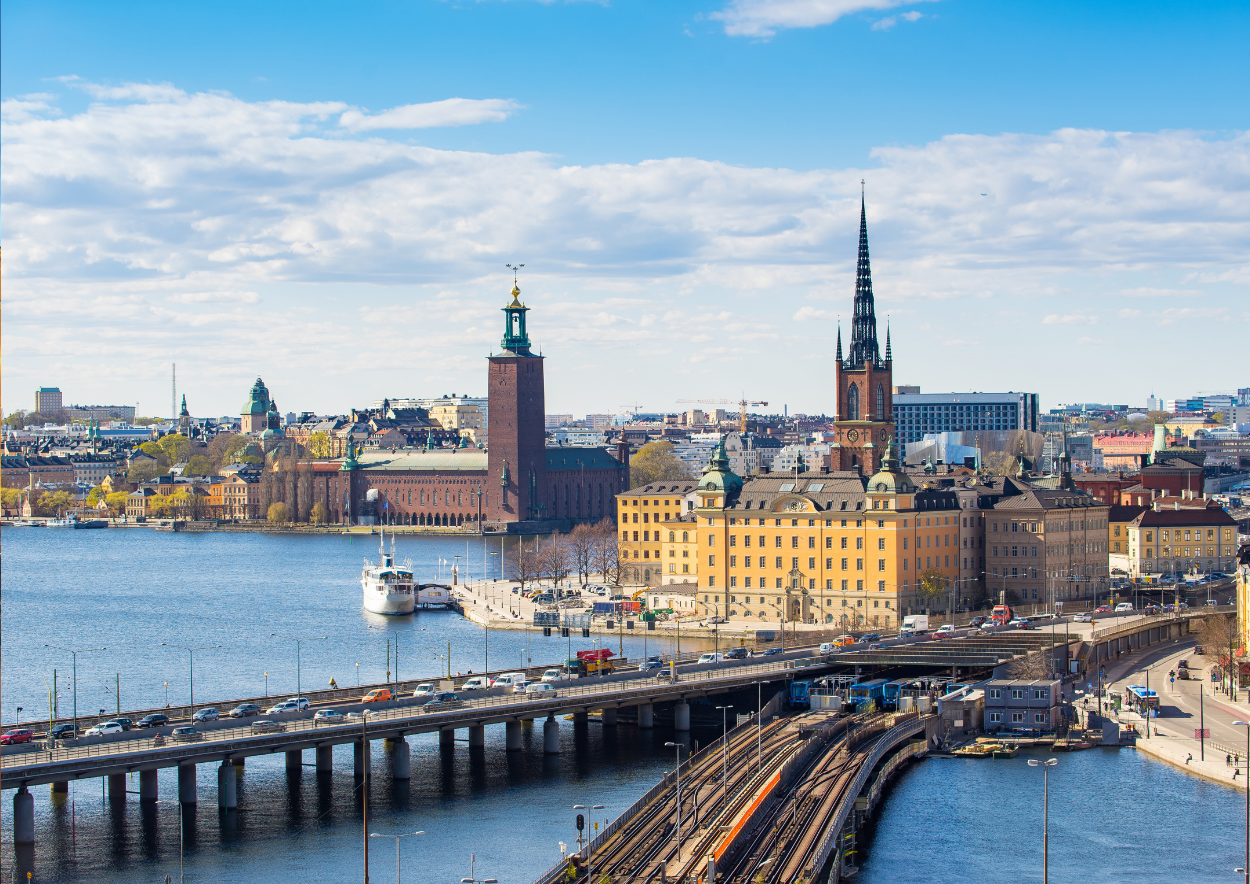
For most travelers, May to September is the best period to visit Stockholm. June, July, and August provide the longest days and the best conditions for exploring the city's islands and waterfront.
Summer is also ideal for taking a boat trip through the Stockholm Archipelago. If you prefer fewer tourists and cooler temperatures, September is a good alternative.
Best Time to Visit Northern Sweden
Northern Sweden is best visited according to the experience you want.
For hiking, camping, and experiencing the Midnight Sun, June to August is the best period.
For snow activities and Northern Lights trips, December to March is generally more suitable. The far north has long winter nights, creating good conditions for aurora viewing when the sky is clear.
Best Time for the Northern Lights
The Northern Lights can be seen in northern Sweden during the darker months, generally from September to March.
The strongest viewing opportunities are usually during the darkest part of winter, although September and March can offer a useful combination of aurora opportunities and somewhat more manageable temperatures.
Clear skies and low light pollution are more important than a specific date, so spending several nights in a suitable northern location increases your chances.
Best Time for Outdoor Activities
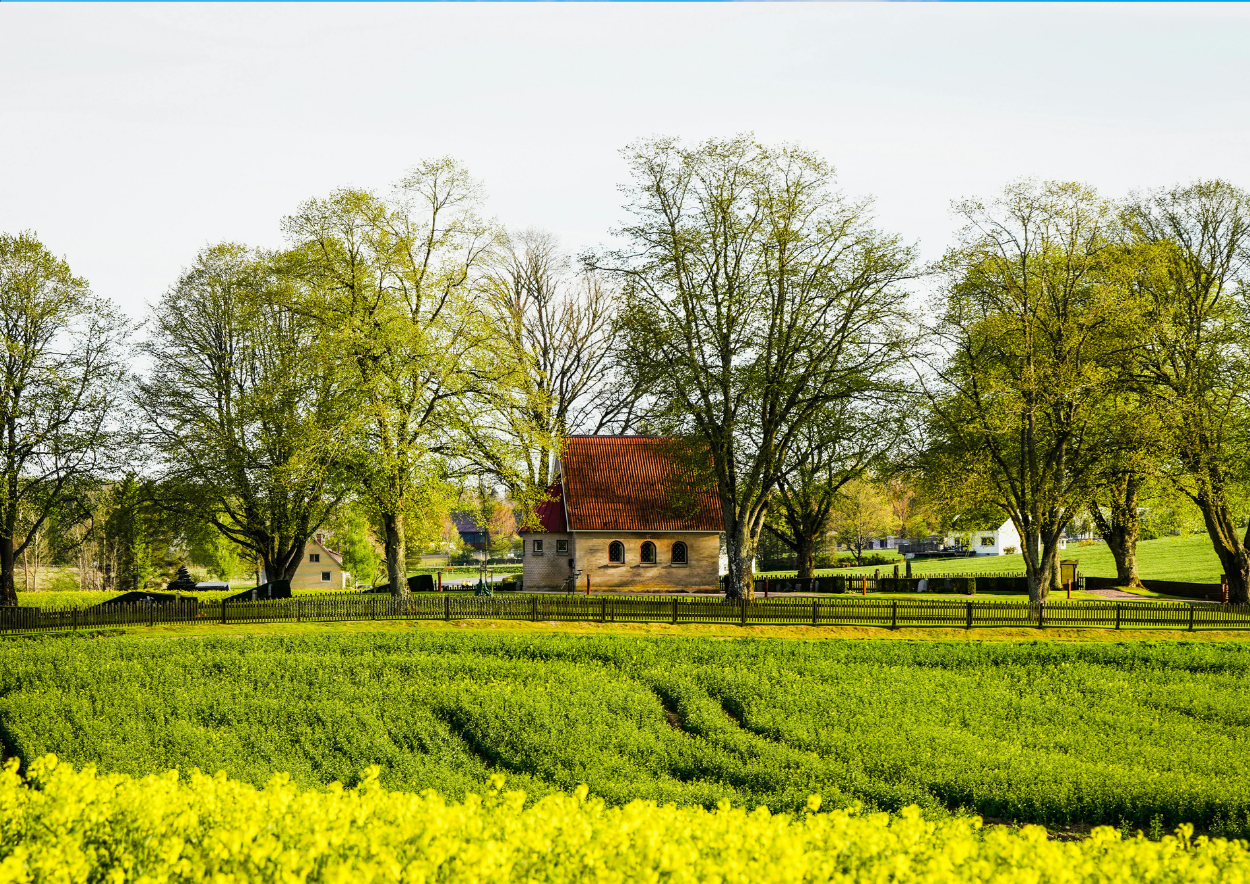
Summer is the best season for most outdoor activities in Sweden. Hiking trails are more accessible, lakes are suitable for swimming and kayaking, and the countryside is full of greenery.
The northern mountains, Stockholm Archipelago, and national parks are particularly enjoyable between June and August.
For skiing and other snow activities, winter is the obvious choice, especially in northern and central Sweden.
Best Month to Visit Sweden
For a general trip, July is one of the best months to visit Sweden. The weather is usually comfortable, daylight hours are long, and cities, islands, lakes, and hiking areas can all be enjoyed.
If you want fewer tourists, September is a better option. For Christmas markets and winter scenery, December is more suitable, while January through March are better for snow activities and Northern Lights trips.
Frequently Asked Questions
What is the best time to visit Sweden?
June to August is the best overall period for comfortable weather, long daylight hours, and outdoor activities.
Is Sweden worth visiting in winter?
Yes. Winter is ideal for snow activities, Christmas markets, skiing, and Northern Lights experiences in the north.
When is the best time to see the Northern Lights in Sweden?
The best period is generally September to March, particularly in northern Sweden.
When can you experience the Midnight Sun in Sweden?
The Midnight Sun can be experienced in northern Sweden during late May through July, with the longest periods of continuous daylight around June.
What is the best month to visit Stockholm?
June, July, and August are excellent for Stockholm, especially if you want to explore the archipelago and enjoy long summer days.
What is the cheapest time to visit Sweden?
Late autumn and parts of winter, excluding Christmas and New Year, can offer lower accommodation prices than the peak summer season.
How many days do you need in Sweden?
For a first trip focused on Stockholm and nearby areas, 5 to 7 days is a good starting point. A longer trip allows you to explore Gothenburg, the countryside, or northern Sweden.
Loading comments…