
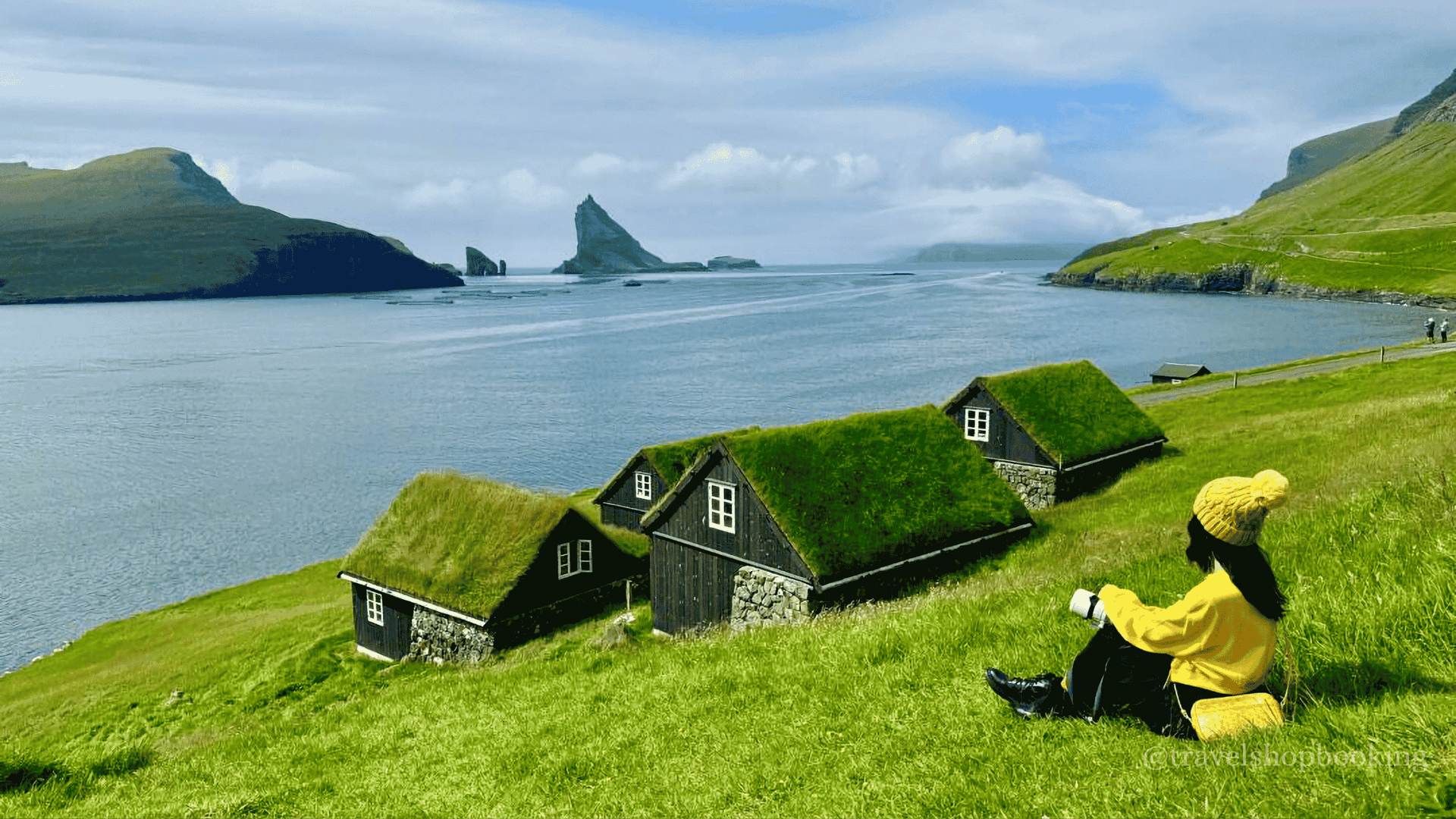
Summer Is When the Faroe Islands Open Up
Long Days Mean Endless Exploring
Summer is when the Faroe Islands feel at their most accessible. Between June and August, daylight lasts well into the evening, giving you plenty of time to explore several islands in a single day without feeling rushed.
It's common to finish dinner and still have enough daylight left for a coastal walk or an extra scenic drive through the mountains.
The Best Time for Hiking
Many of the Faroe Islands' most famous hiking trails are safest and easiest to access during summer. Routes leading to places like Lake Sørvágsvatn, Kallur Lighthouse, and the cliffs near Trælanípa are usually free of snow and much easier to navigate.
Even experienced hikers quickly realize that weather can still change rapidly, making waterproof clothing essential regardless of the forecast.
Puffins Return to the Cliffs
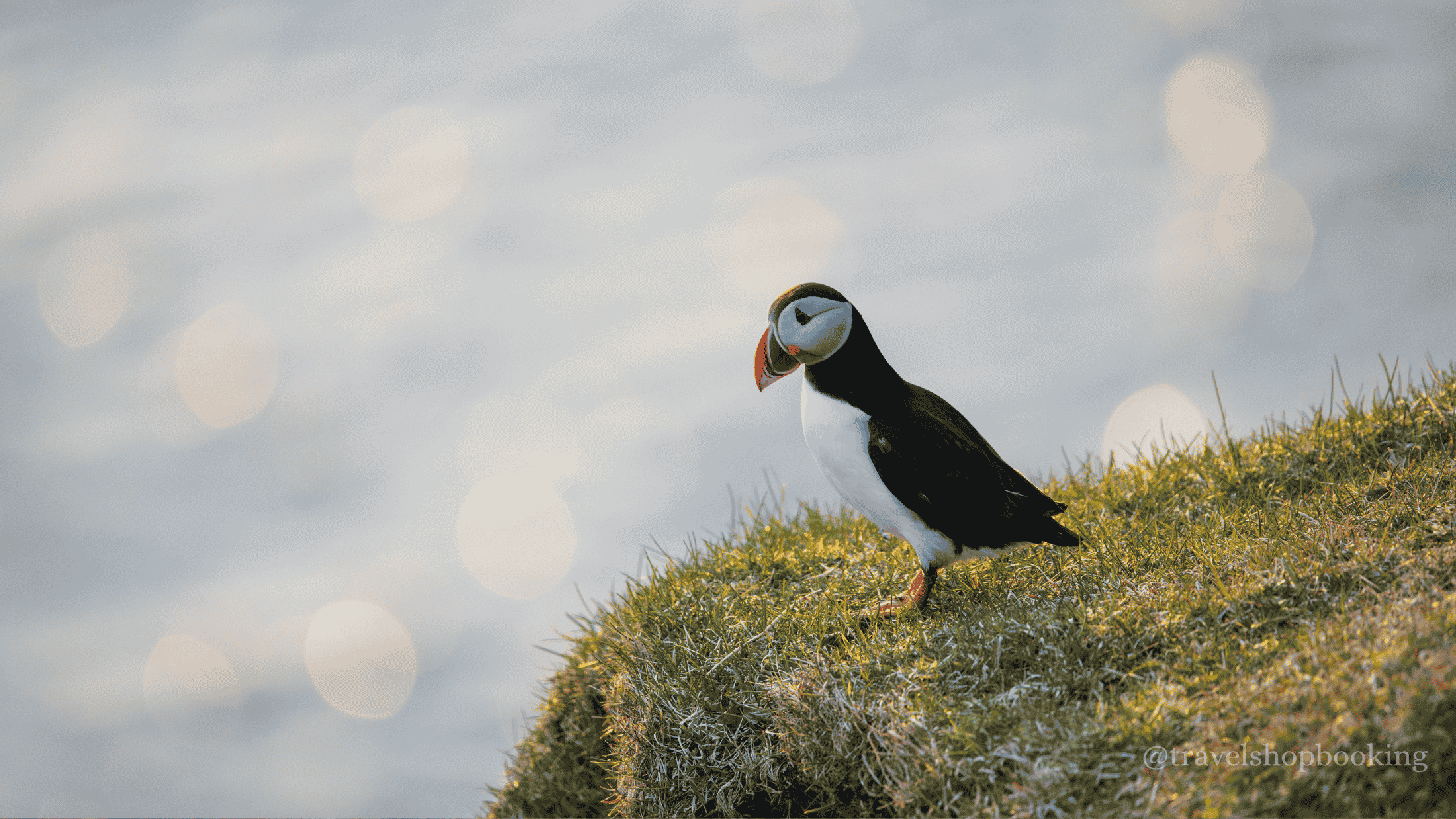
Summer is also puffin season. Thousands of these colorful seabirds nest along the cliffs of Mykines, making it one of the best wildlife experiences anywhere in Northern Europe.
Watching puffins land effortlessly on steep grassy cliffs while Atlantic waves crash hundreds of meters below is something few travelers ever forget.
Spring Brings Quiet Roads and Fresh Green Landscapes
Watching the Islands Wake Up
Spring arrives slowly in the Faroes, but by May the hills begin turning vibrant green and waterfalls become especially powerful after months of winter rain.
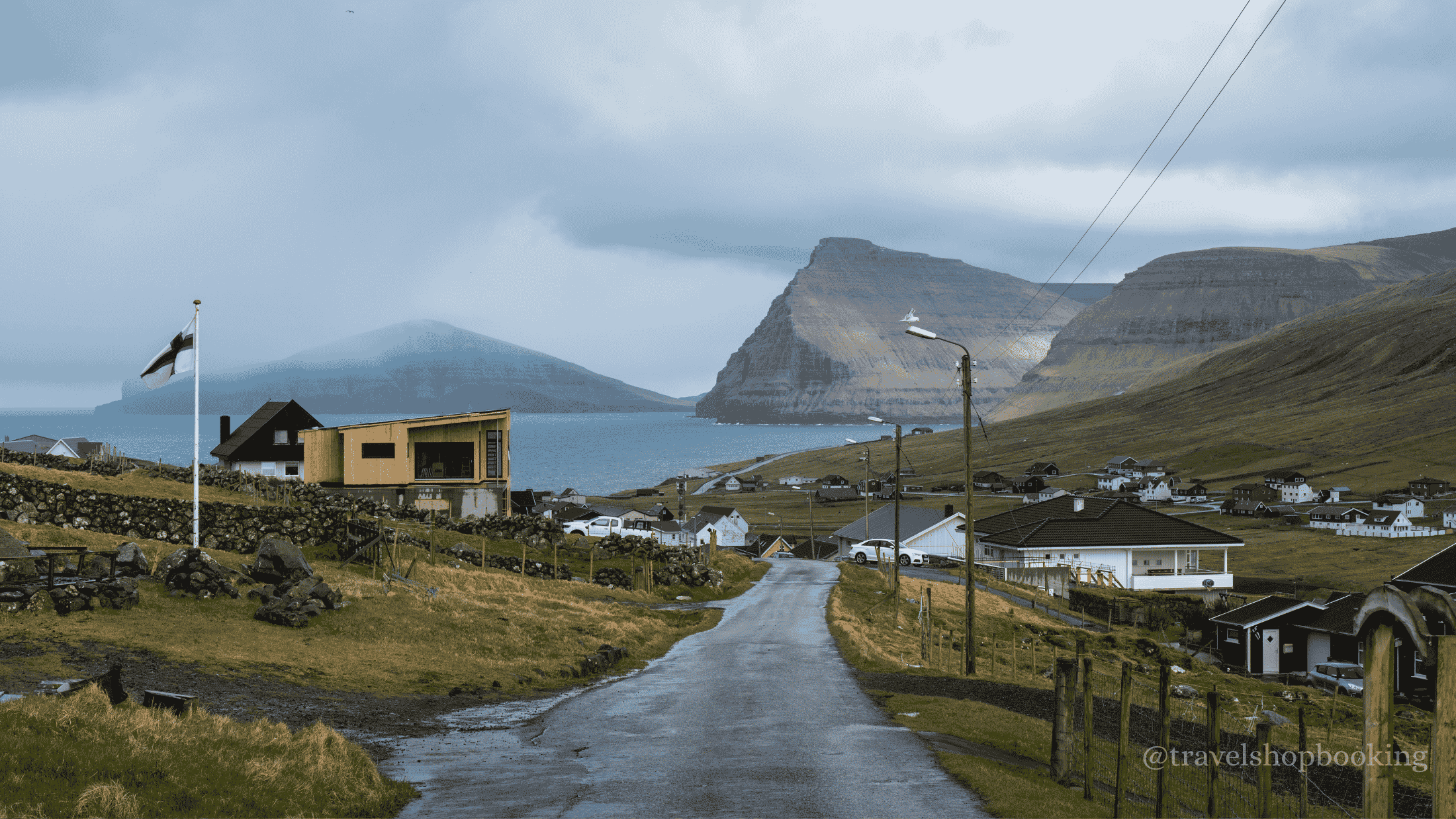
The islands feel incredibly peaceful during this season, with fewer visitors and quiet roads connecting small villages.
A Great Time for Photography
Spring often delivers dramatic contrasts between fresh green mountains, dark cliffs, and shifting clouds. Photographers frequently appreciate this season because changing light conditions create new landscapes almost every hour.
It's also easier to find accommodation before the summer rush begins.
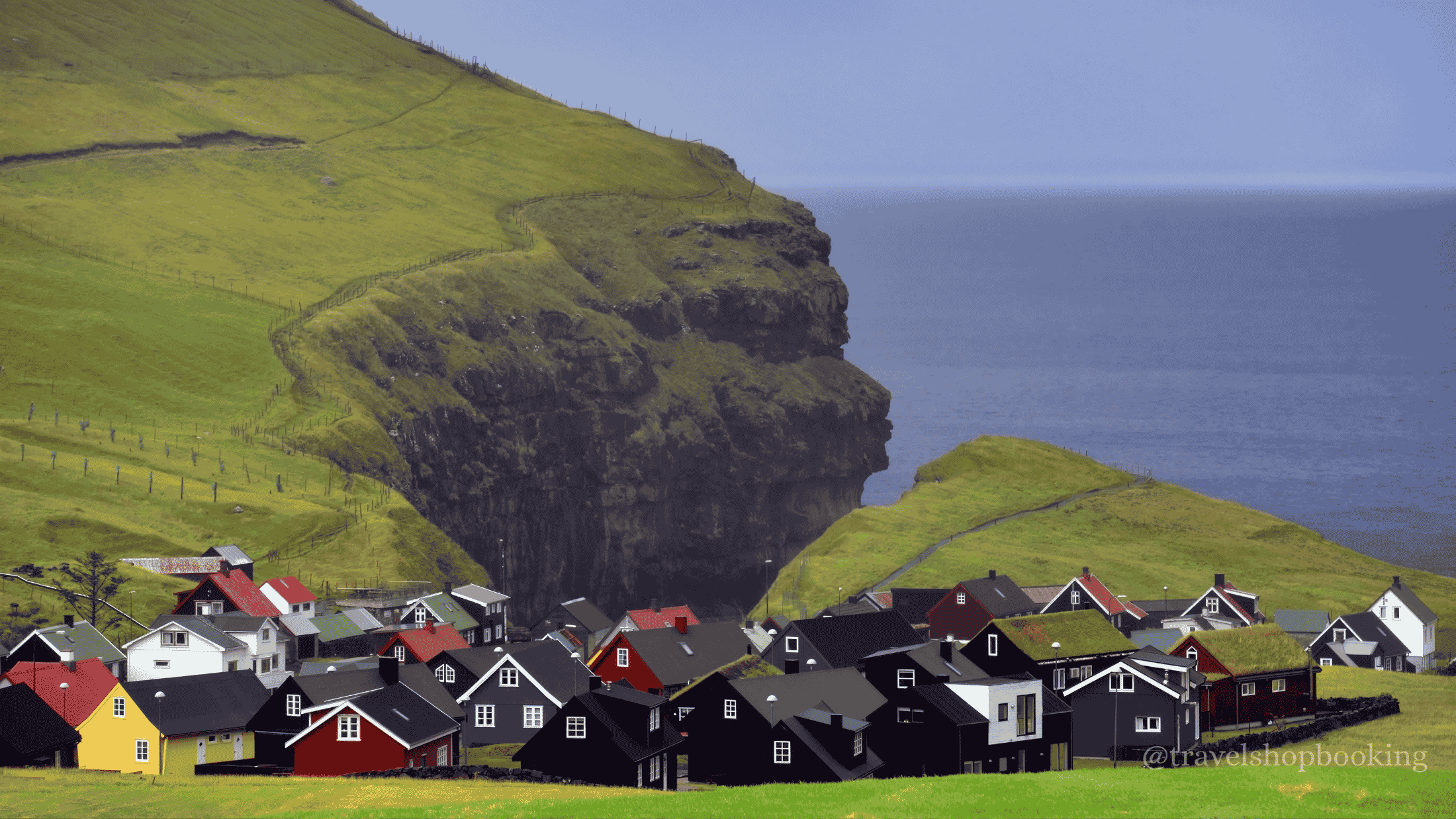
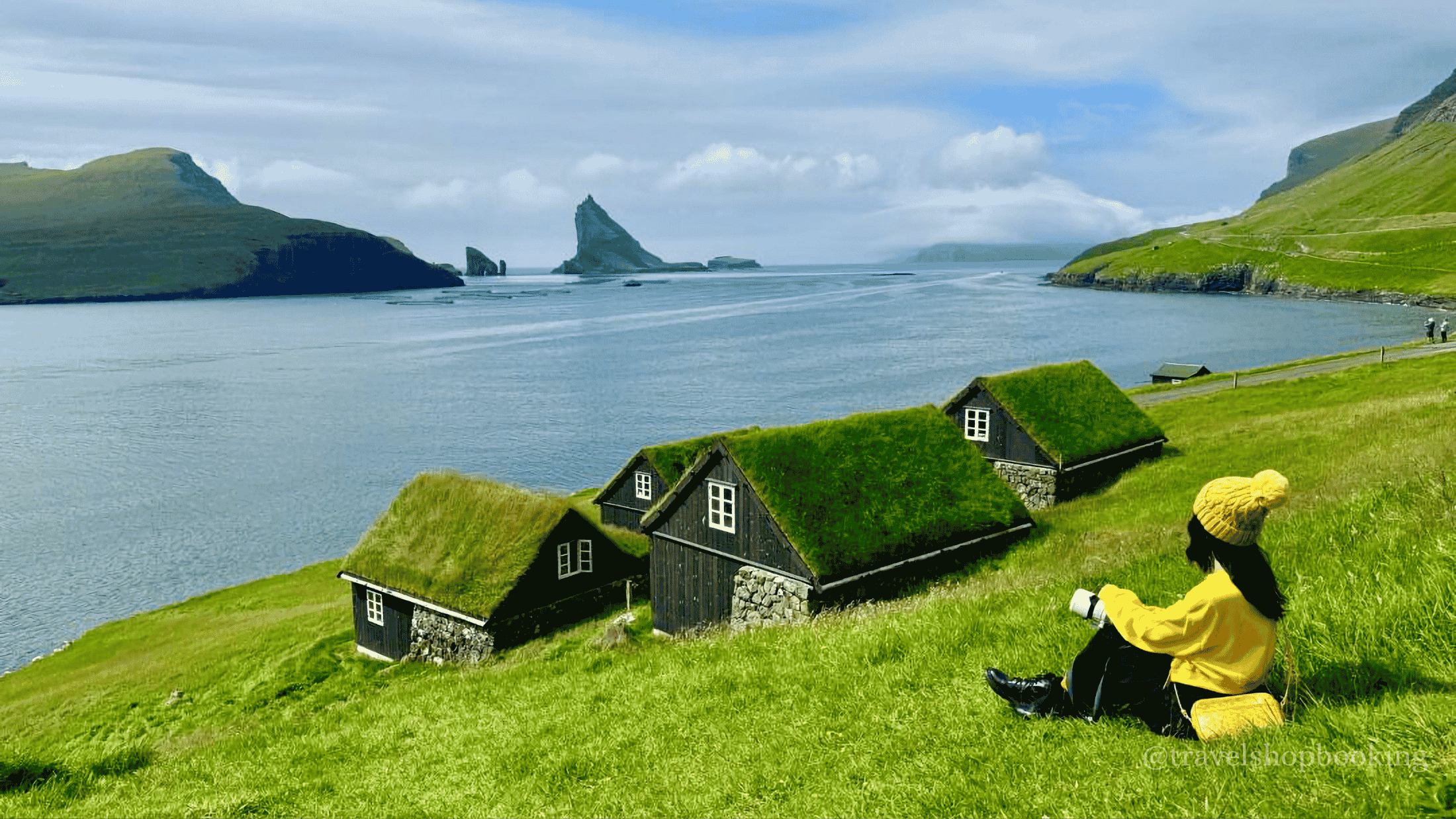
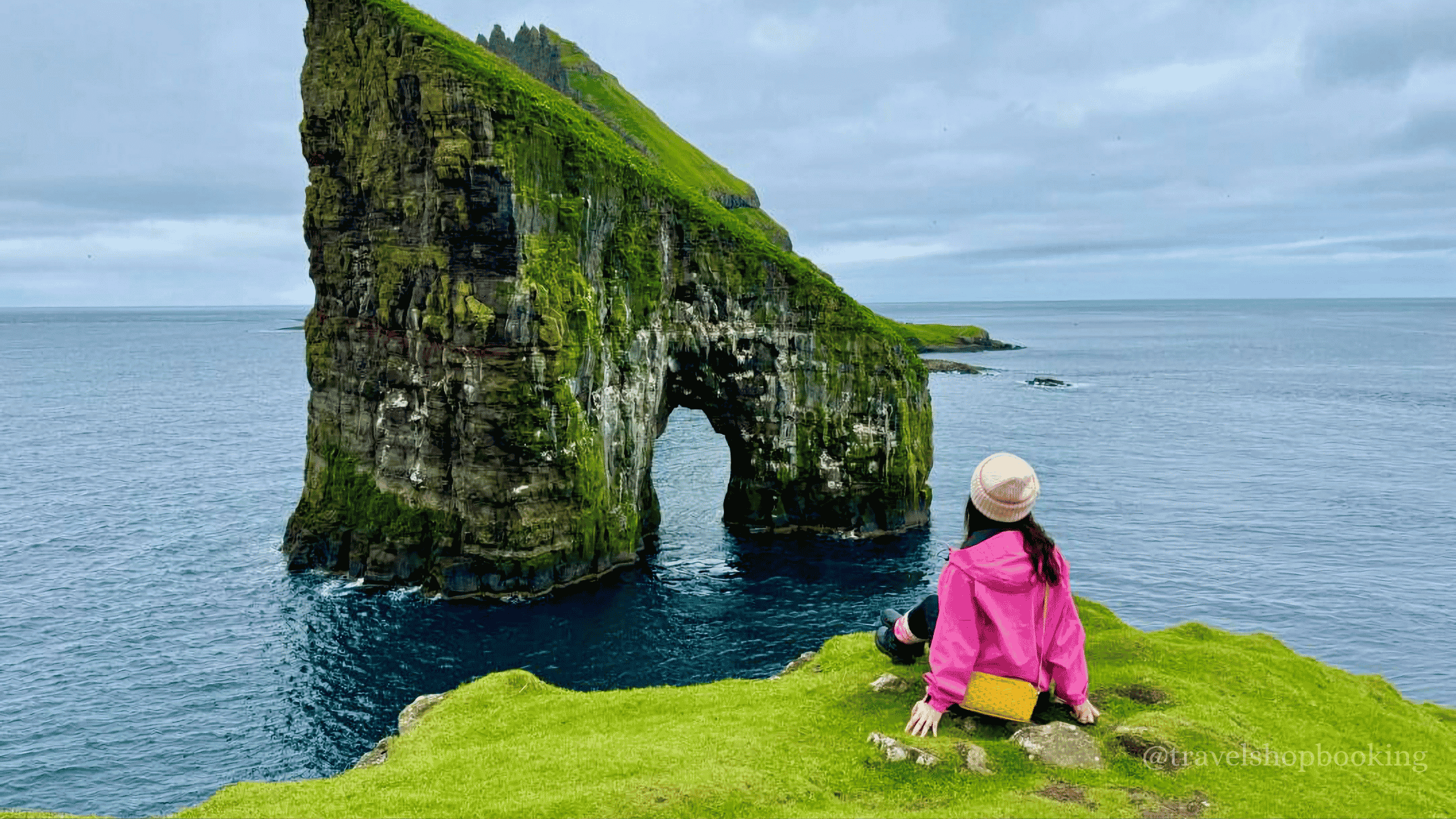
Autumn Makes the Islands Feel Even Wilder
Fewer Visitors, Bigger Landscapes
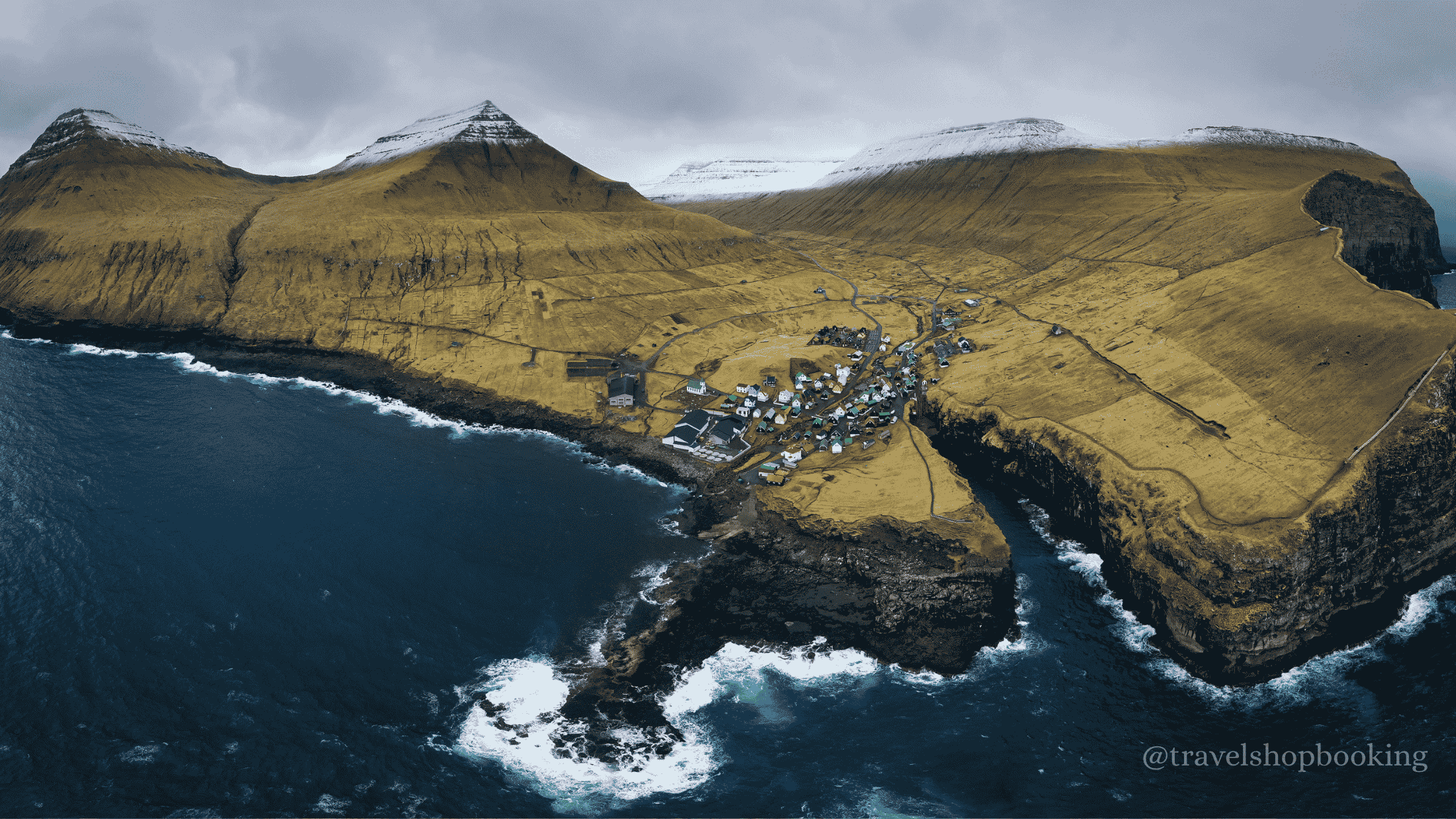
By September, visitor numbers begin to drop, leaving many hiking trails and viewpoints surprisingly quiet.
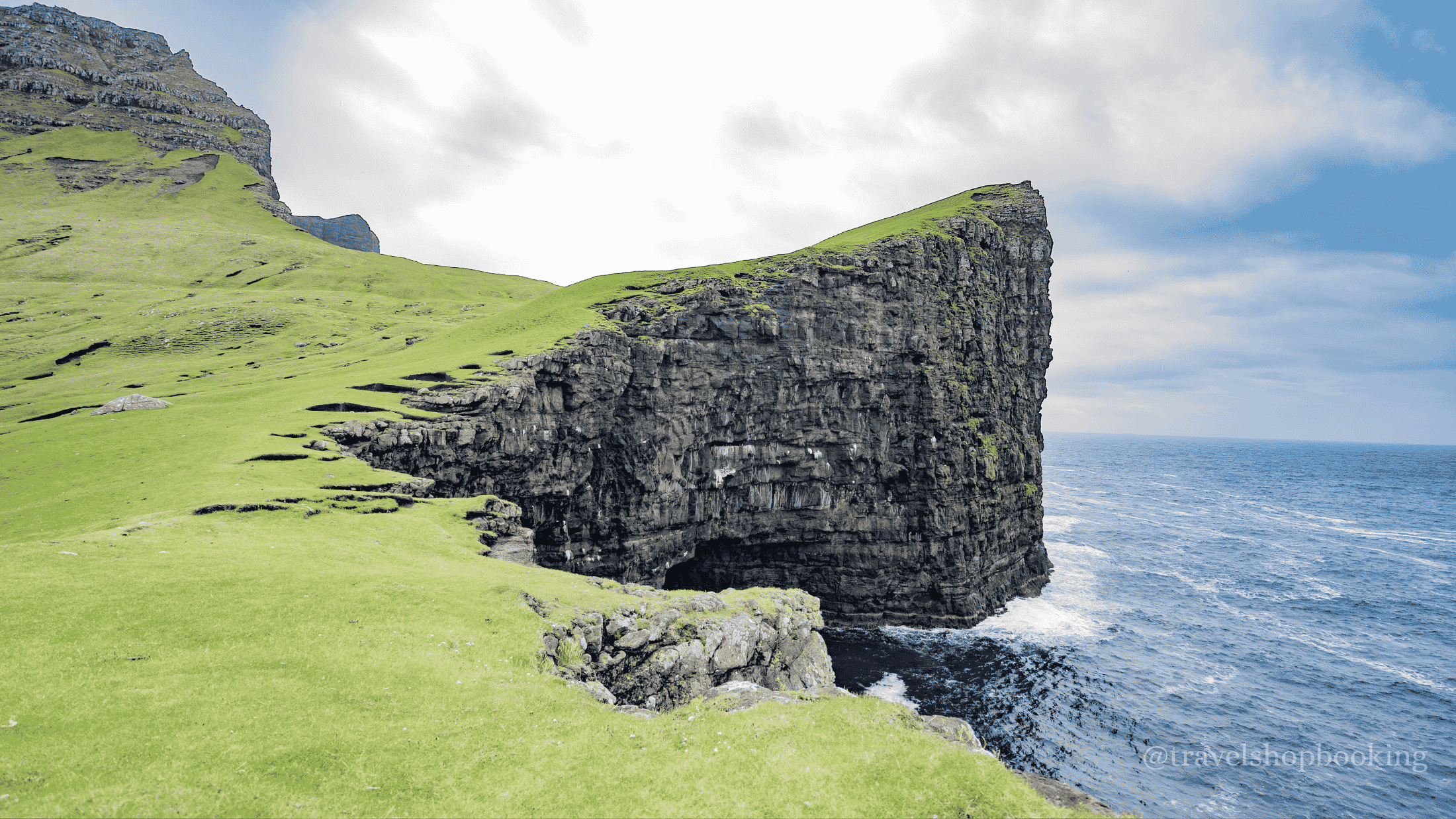
The scenery doesn't lose its beauty—in fact, autumn storms often make the cliffs, waterfalls, and Atlantic Ocean look even more dramatic.
A Season for Scenic Drives
Autumn is perfect for travelers who enjoy exploring by car. Driving through tunnels that connect the islands, stopping in tiny villages, and watching clouds drift across the mountains becomes part of the adventure itself.
The constantly changing weather creates completely different views every few kilometers.
Winter Is for Travelers Who Love Dramatic Weather
A Different Kind of Nordic Experience
Winter in the Faroe Islands isn't about deep snow or skiing. Instead, it brings dramatic Atlantic storms, powerful waves, and moody landscapes that attract photographers from around the world.
The islands become quieter than ever, allowing visitors to experience local life without the summer crowds.
Why Winter Isn't for Everyone
Short daylight hours and unpredictable weather can occasionally disrupt ferry schedules or hiking plans. However, travelers who don't mind flexibility often discover an even more authentic side of the Faroes.
After spending a windy afternoon along the cliffs, few things feel better than warming up inside a traditional café with fresh fish soup and homemade cake.
Every Island Has Its Own Personality
Streymoy
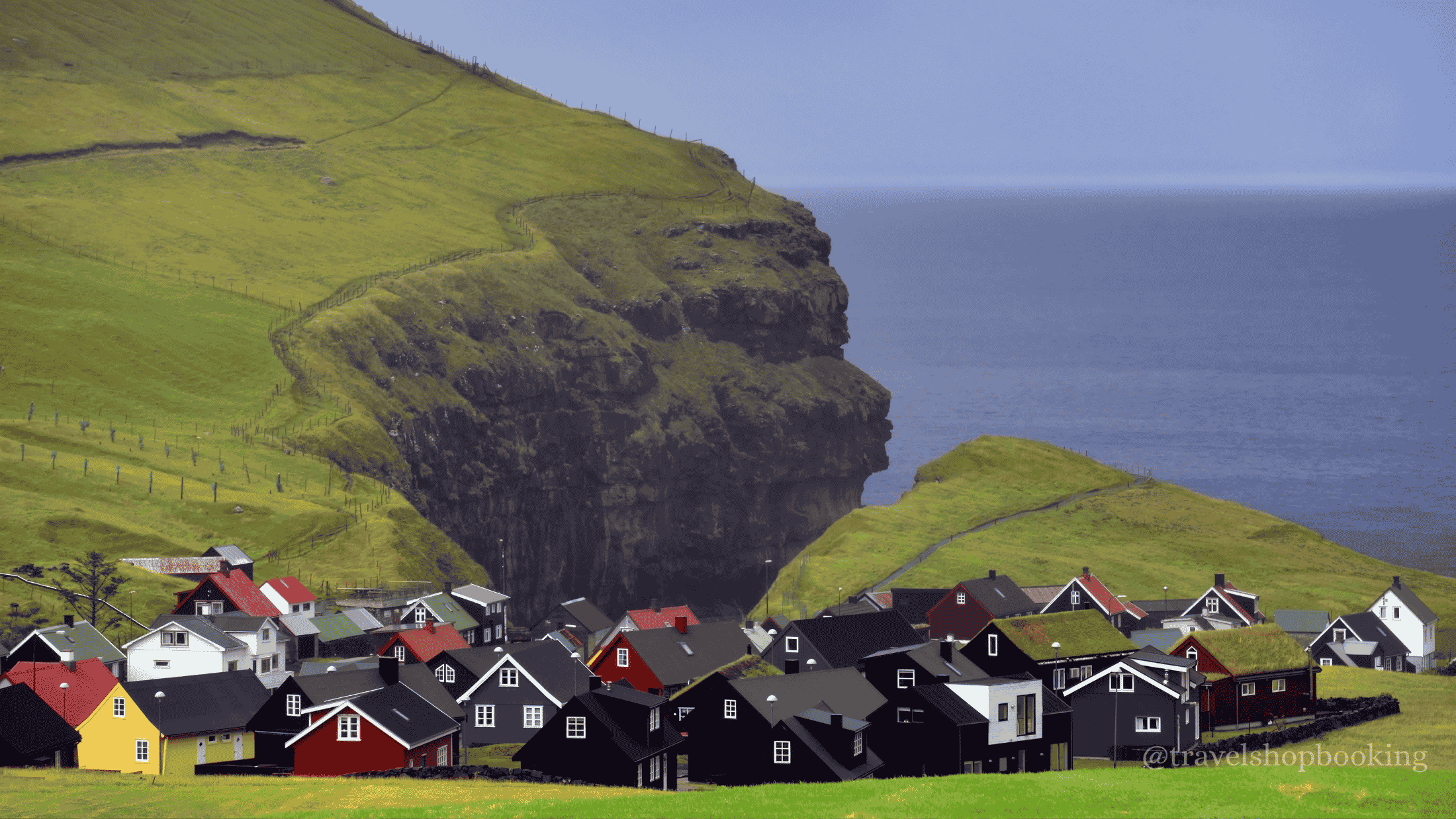
Home to Tórshavn, one of the world's smallest capitals, Streymoy combines colorful harbors, historic buildings, and easy access to nearby hiking trails.
Vágar
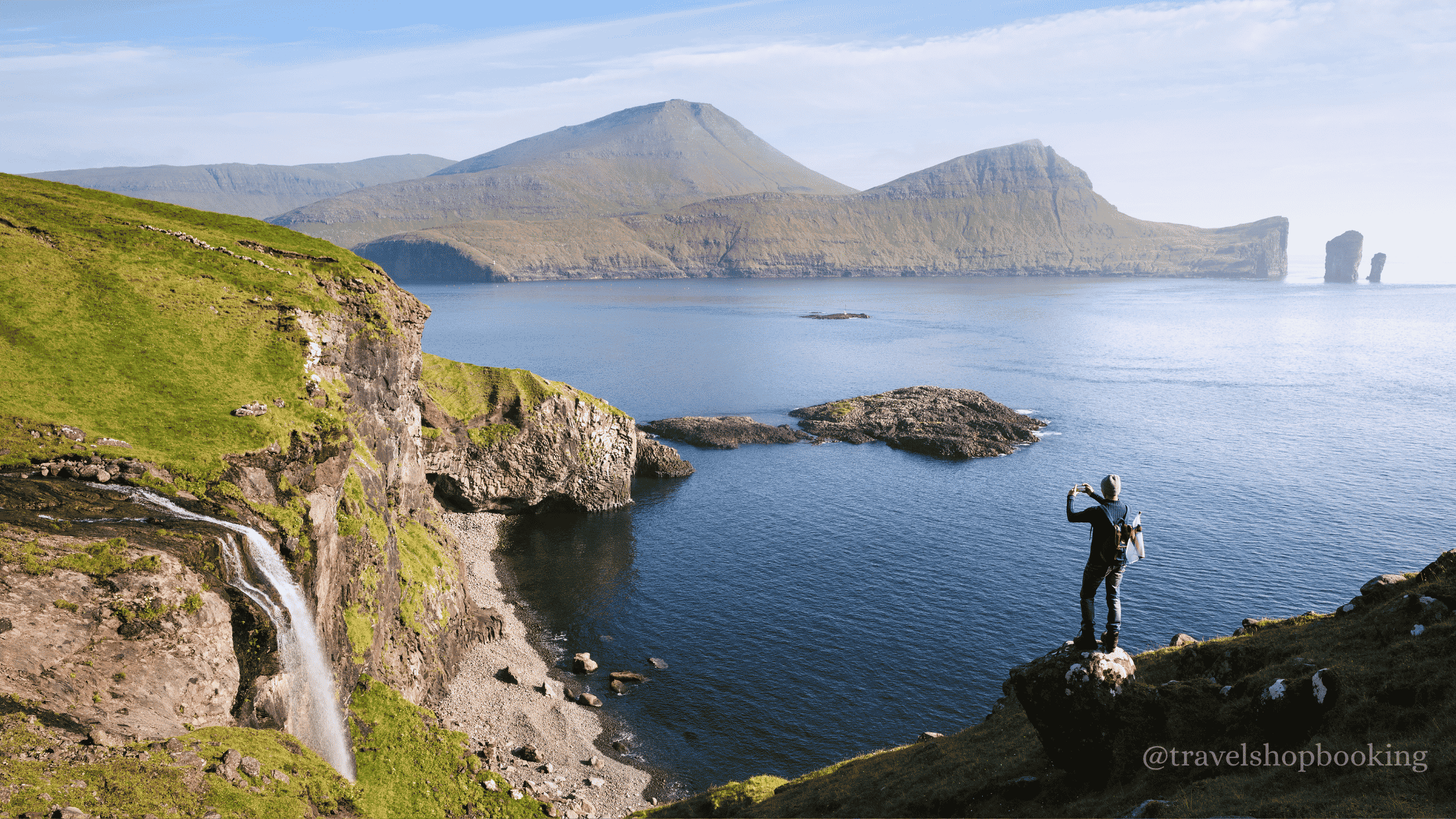
This island is where most visitors arrive, but it's much more than just the airport. Here you'll find the famous Lake Sørvágsvatn, Múlafossur Waterfall, and dramatic sea cliffs.
Eysturoy
Known for steep mountains, scenic roads, and traditional Faroese villages surrounded by breathtaking landscapes.
Mykines
Best visited during summer, Mykines is famous for puffins, dramatic hiking routes, and one of the most photographed lighthouses in the North Atlantic.
Best Time to Visit the Faroe Islands Based on Your Travel Style
For First-Time Visitors
June through August offers the most reliable conditions for hiking, sightseeing, and exploring multiple islands.
For Hiking Adventures
Late May through early September provides the safest trail conditions and the longest daylight hours.
For Wildlife Photography
June and July are ideal for photographing puffins, seabirds, and coastal wildlife.
For Road Trips
Summer and early autumn offer the best opportunities to drive between villages while enjoying spectacular mountain scenery.
For Budget Travelers
April, May, and October often provide lower accommodation prices while still offering beautiful landscapes and fewer visitors.
Festivals Worth Planning Around
Although the Faroe Islands are known primarily for nature, several local events are worth experiencing. Ólavsøka, held every July in Tórshavn, is the country's national celebration featuring rowing competitions, traditional music, dancing, and cultural events. Throughout summer, smaller village festivals showcase Faroese food, crafts, and community traditions, offering visitors an authentic glimpse into island life.
So, When Is the Best Month to Visit the Faroe Islands?
If you're hoping to experience the Faroe Islands at their very best, July stands out as the ideal month. Hiking trails are fully accessible, puffins are still nesting, ferries operate frequently, and the long daylight hours allow you to explore multiple islands in a single day. While brief rain showers remain part of the experience, July offers the best combination of scenery, accessibility, and unforgettable outdoor adventures.
Frequently Asked Questions
What is the best time to visit the Faroe Islands?
For most travelers, late May through early September offers the best weather for hiking, sightseeing, and exploring the islands.
When is the best time to see puffins?
Puffins are usually present between May and August, with June and July providing the best opportunities for wildlife photography.
Is the weather always rainy in the Faroe Islands?
Rain is possible throughout the year, but weather changes quickly. It's common to experience sunshine, fog, wind, and light rain all within the same day.
Can you visit the Faroe Islands in winter?
Yes. Winter offers dramatic coastal scenery and peaceful villages, although shorter daylight hours and changing weather require more flexible travel plans.
What is the warmest month in the Faroe Islands?
July is generally the warmest month, with average daytime temperatures around 13°C to 15°C (55°F to 59°F).
Is July or September better for visiting?
July is ideal for hiking, wildlife, and long daylight hours, while September offers quieter landscapes and fewer visitors without losing much of the natural beauty.
Loading comments…