

Spring Brings the Countryside Back to Life
Gardens, Castles, and Blooming Landscapes
After the long British winter, spring transforms the countryside into a patchwork of green fields, blooming gardens, and colorful woodlands. Historic estates become especially beautiful as flowers return to famous gardens like those at Kew, Sissinghurst, and countless country manors across England.
Temperatures usually range between 10°C and 18°C (50°F to 64°F), making long walks through historic towns and national parks particularly enjoyable.
Why Spring Feels More Relaxed
Unlike the busy summer months, spring offers quieter attractions and a slower pace. Walking through villages in the Cotswolds, exploring castles in Wales, or visiting Edinburgh before festival season allows you to experience these places without large crowds.
Rain remains possible, but it rarely lasts all day, and many travelers quickly discover that changing weather is simply part of visiting Britain.
Summer Is Made for Road Trips and Coastal Adventures
Long Days Across the UK
Between June and August, daylight lasts well into the evening, especially in northern Scotland where summer sunsets seem to stretch forever. Longer days allow travelers to explore more without feeling rushed.
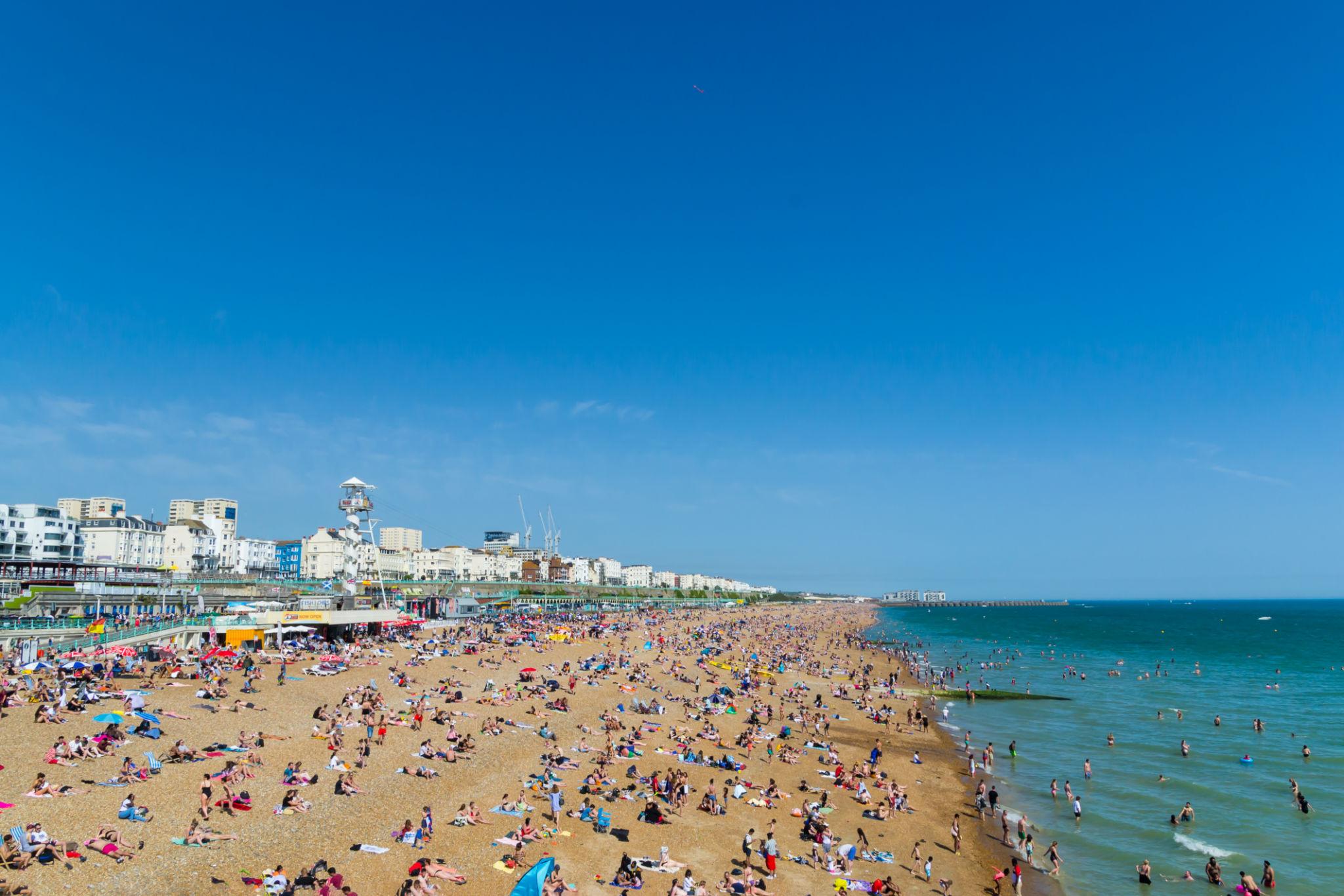
Whether you're driving through the Scottish Highlands, hiking in Snowdonia, or enjoying fish and chips beside the sea in Cornwall, summer provides the best conditions for outdoor travel.
Explore Beyond London
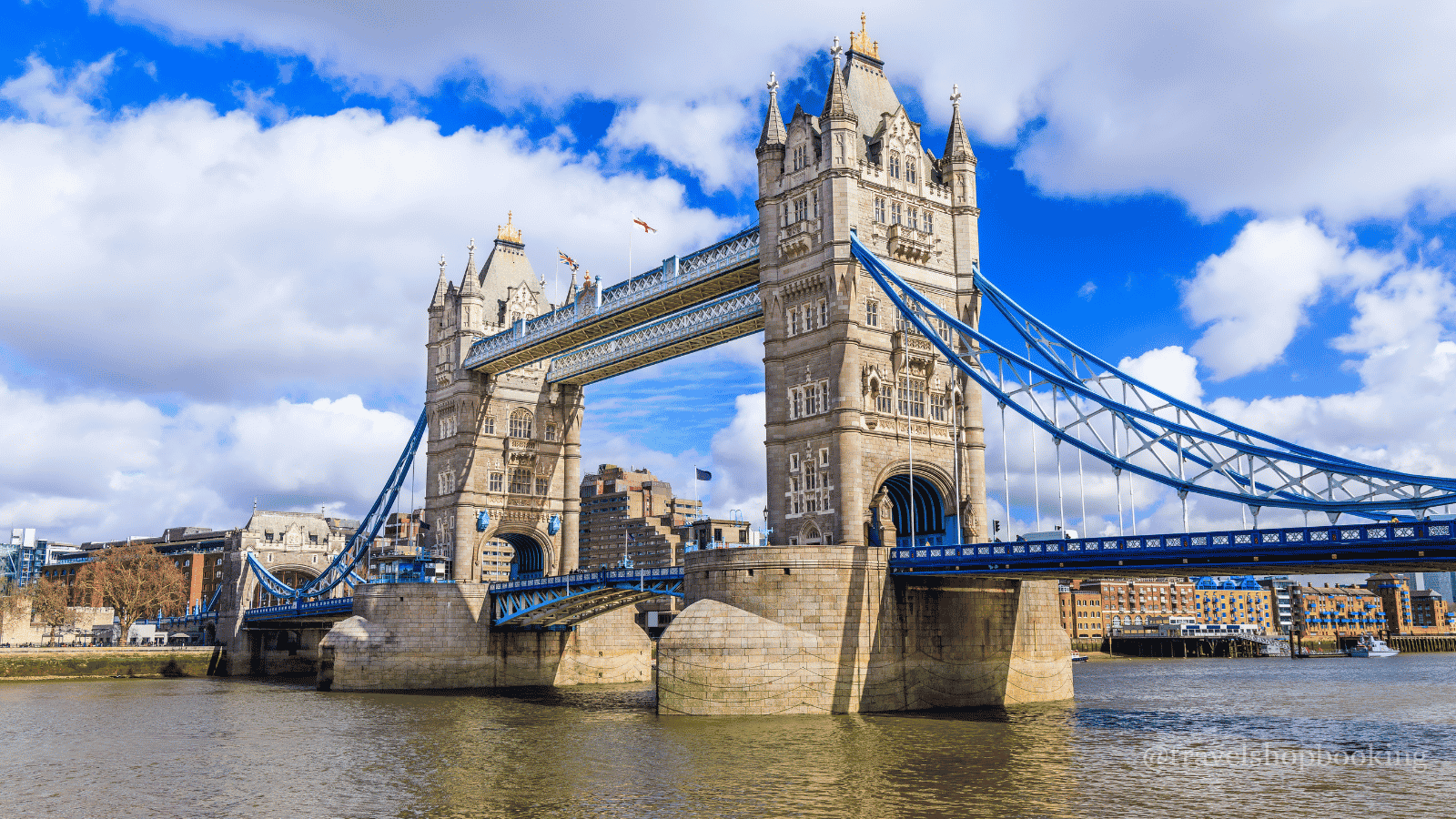
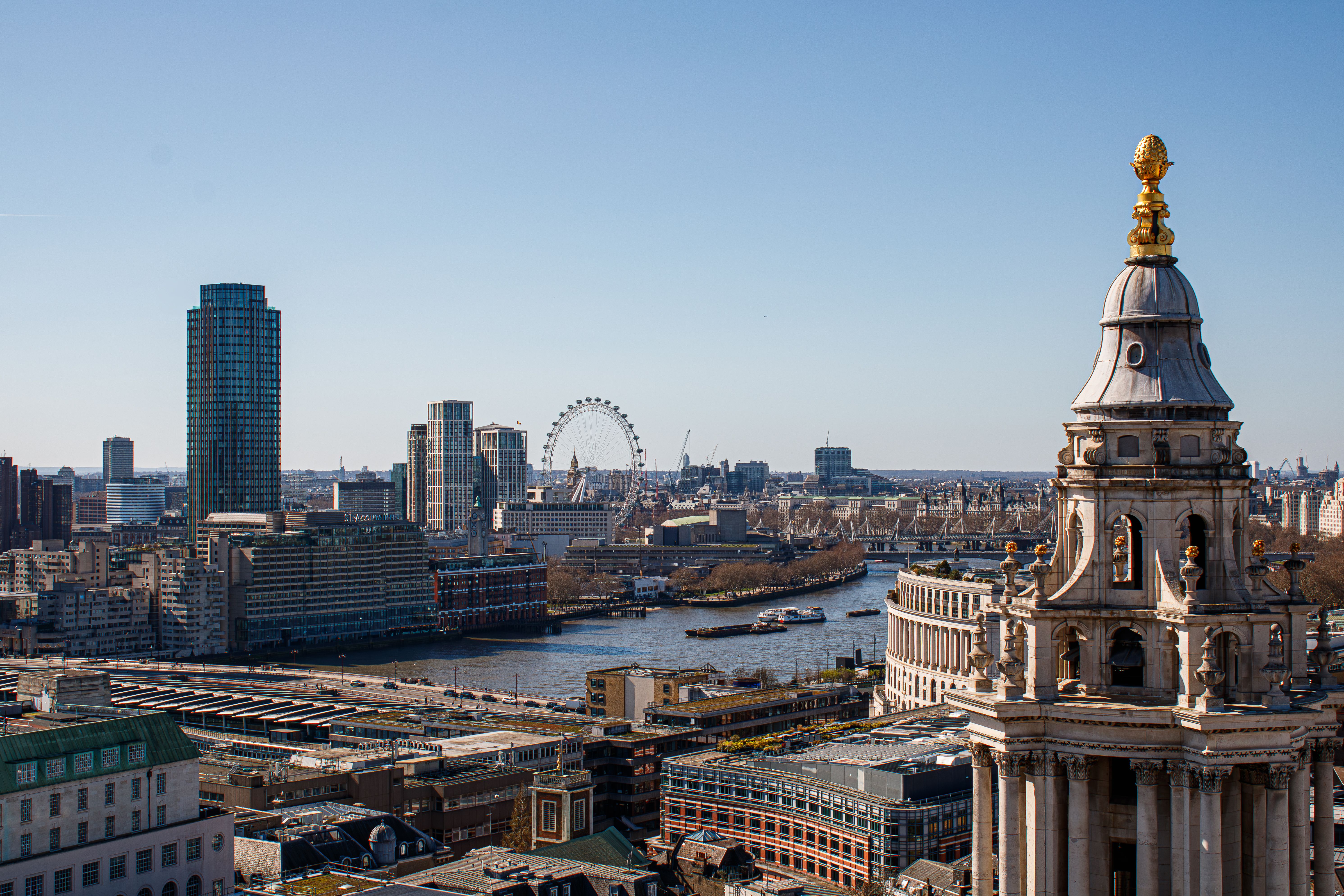
While London attracts visitors year-round, summer is the perfect opportunity to discover other regions. Coastal villages in Cornwall, the beaches of Pembrokeshire, the Lake District, and the Scottish Highlands all shine during the warmer months.
Many of Britain's famous walking trails are also at their most accessible.
Festivals Fill the Calendar
Summer is festival season throughout the United Kingdom. Music events, food festivals, flower shows, sporting competitions, and cultural celebrations take place almost every weekend, adding an extra layer of excitement to any itinerary.
Autumn Is Britain's Most Colorful Season
Golden Forests and Historic Landscapes
By September, forests begin changing into brilliant shades of gold, copper, and crimson. National parks like the Lake District, New Forest, and Cairngorms become spectacular destinations for hiking and photography.
Morning mist drifting across lakes and castles gives many landscapes a timeless atmosphere.
A Wonderful Time for Food Lovers
Autumn also marks harvest season across the countryside. Farmers' markets overflow with local cheeses, apples, mushrooms, game dishes, and freshly baked pies.
Country pubs become especially inviting after a day exploring nearby walking trails.
Winter Creates a Different Kind of Magic
Christmas Across the United Kingdom
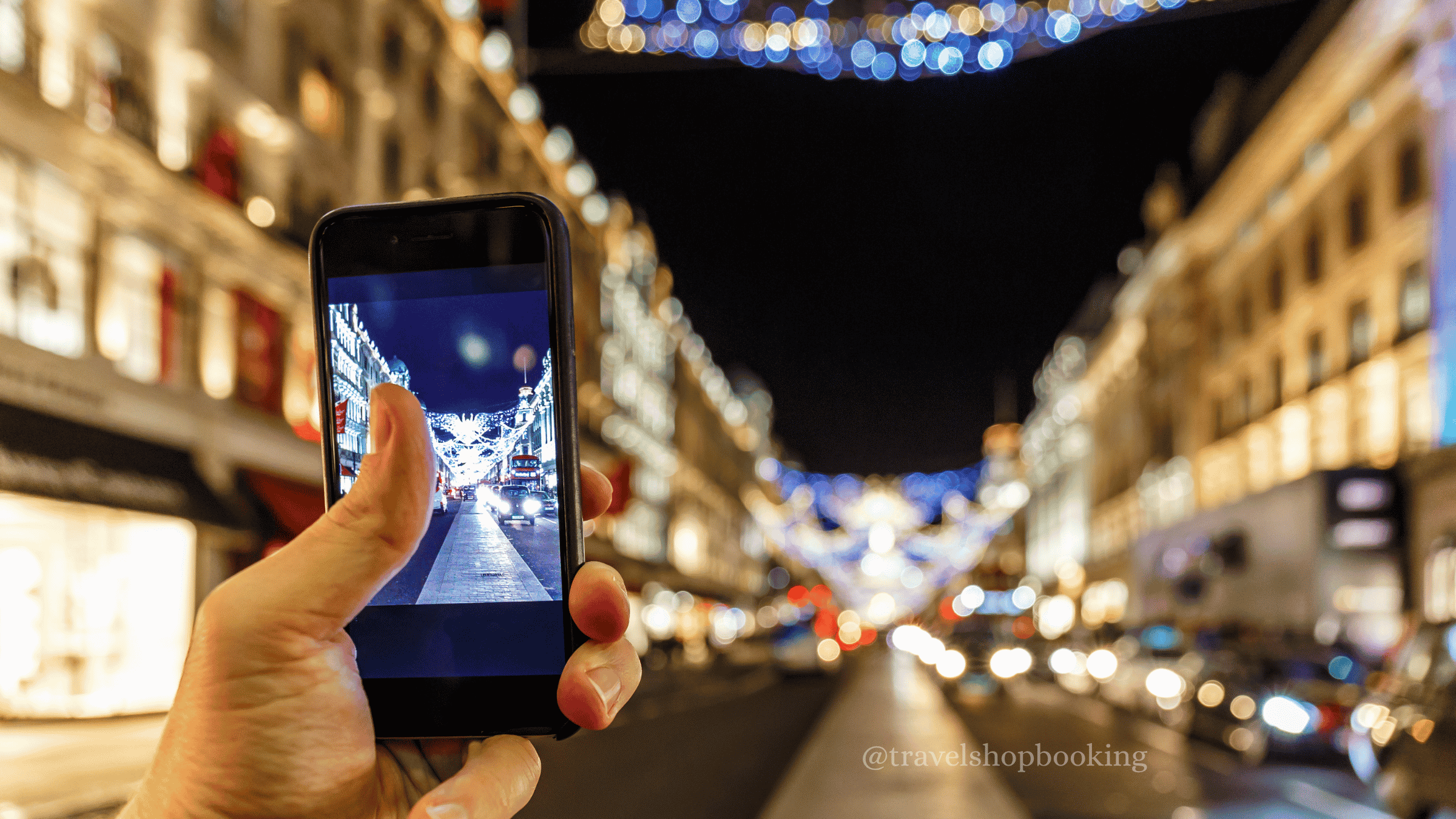
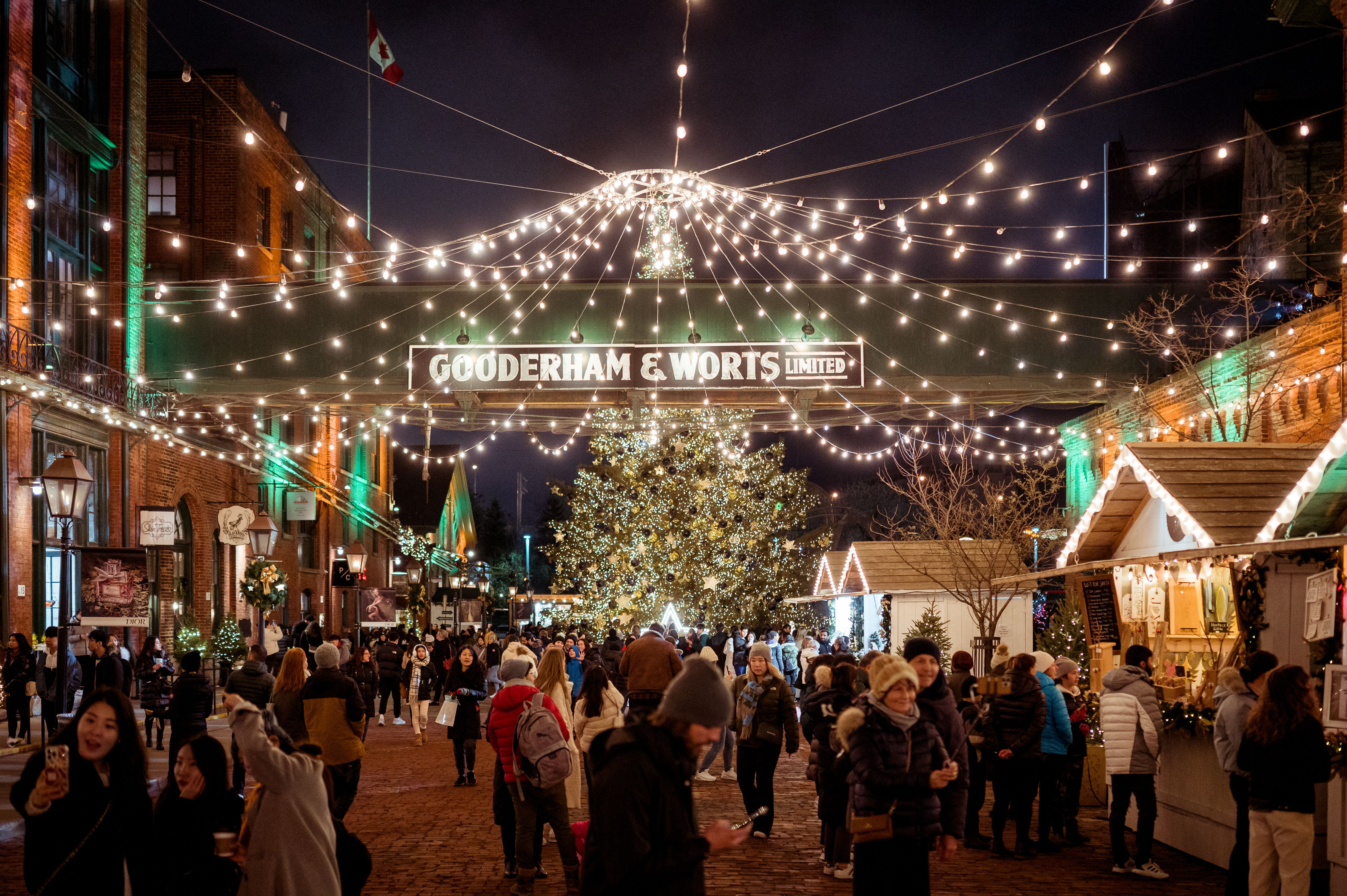
Few places celebrate Christmas quite like the UK. Historic streets fill with festive lights, Christmas markets appear in major cities, and centuries-old pubs become warm refuges from the cold.
London's decorations, Edinburgh's festive celebrations, and York's medieval streets create memorable winter experiences.
Snowy Mountains and Cozy Villages
While southern England often experiences relatively mild winters, Scotland's mountains frequently receive snowfall, attracting skiers and winter hikers.
Even if you don't enjoy winter sports, spending time in villages with roaring fireplaces, traditional pubs, and historic inns is part of Britain's seasonal charm.
Every Region Has Its Own Climate
Southern England
London, Brighton, Bath, and the southern counties generally enjoy the warmest weather and longest growing season.
Northern England
The Lake District, Yorkshire, and Northumberland experience cooler temperatures and dramatic landscapes throughout the year.
Scotland
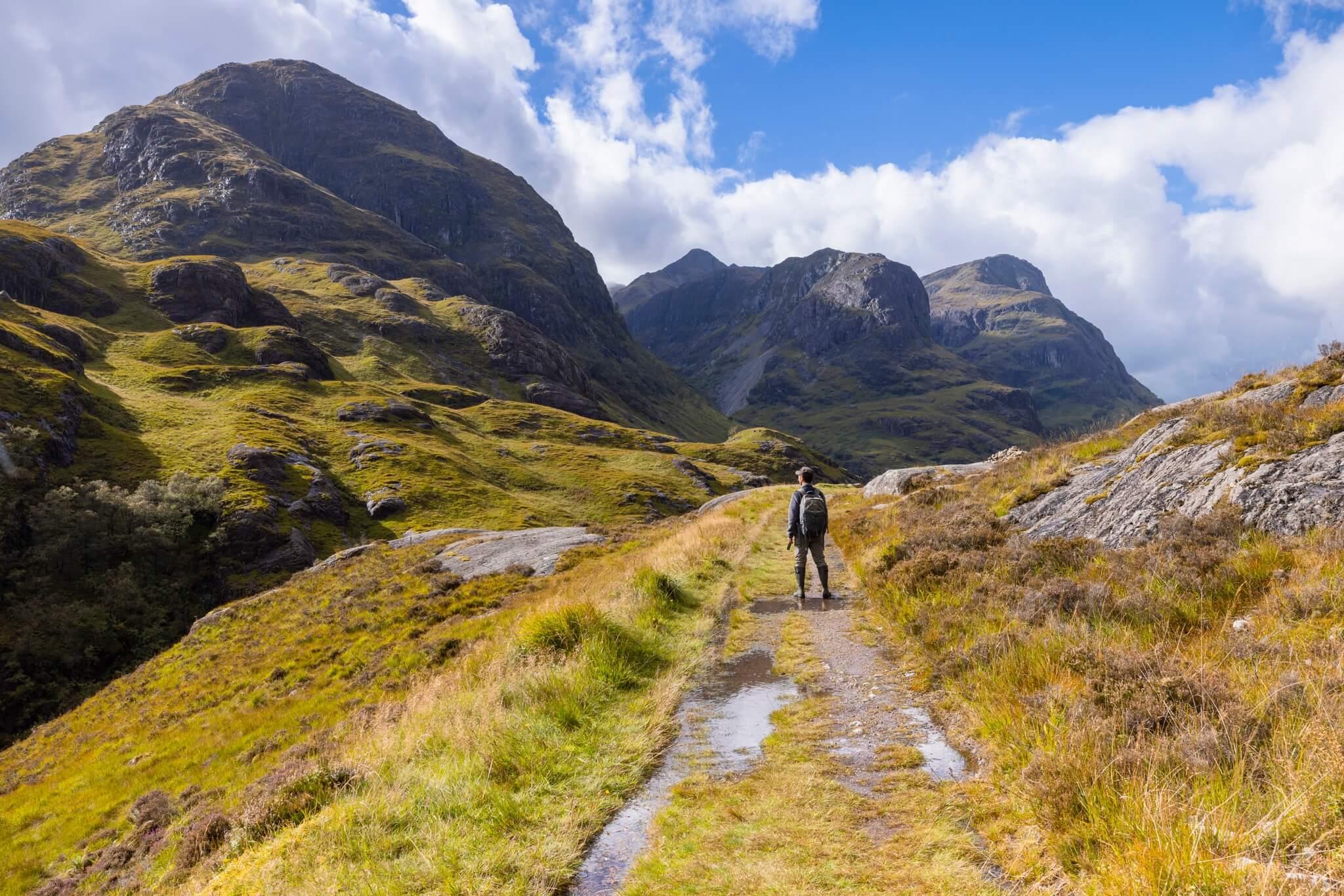
Scotland's weather changes quickly, but the Highlands reward visitors with some of Europe's most spectacular scenery in every season.
Wales and Northern Ireland
Both regions combine rugged coastlines, green mountains, and historic castles, with weather that can shift rapidly even during summer.
Best Time to Visit the United Kingdom Based on Your Travel Style
For First-Time Visitors
May, June, and September provide pleasant weather, manageable crowds, and excellent sightseeing conditions.
For Hiking and National Parks
Late spring through early autumn offers the best conditions for exploring the Lake District, Snowdonia, and the Scottish Highlands.
For Castles and Historic Cities
Spring and autumn allow comfortable exploration of castles, cathedrals, and medieval towns without peak summer crowds.
For Scenic Road Trips
Summer offers longer daylight hours, making drives through Scotland, Cornwall, Wales, and Northern Ireland especially rewarding.
For Budget Travelers
January, February, and November generally provide the lowest hotel prices outside holiday periods.
Festivals Worth Planning Around
The United Kingdom hosts world-famous events throughout the year. Summer brings the Edinburgh Festival Fringe, Wimbledon, Royal Ascot, and countless music festivals. Spring is highlighted by the Chelsea Flower Show, while autumn offers harvest festivals across rural England. During December, Christmas markets in cities such as Bath, York, Manchester, and Edinburgh create festive atmospheres that attract visitors from around the world.
So, When Is the Best Month to Visit the United Kingdom?
If you want to experience the very best of Britain, June is difficult to beat. The countryside is lush and green, daylight lasts well into the evening, temperatures are comfortable for sightseeing, and almost every region—from London's parks to Scotland's Highlands—is at its most inviting. It offers an ideal balance of good weather, outdoor activities, and cultural events before the busiest weeks of the summer holidays.


Frequently Asked Questions
What is the best time to visit the United Kingdom?
For most travelers, May through September offers the best combination of pleasant weather, longer daylight hours, and outdoor activities.
Which month has the best weather in the UK?
June is often considered the most comfortable month, with mild temperatures and relatively stable conditions across much of the country.
Is the United Kingdom worth visiting in winter?
Absolutely. Winter is perfect for Christmas markets, festive city breaks, cozy countryside escapes, and exploring historic attractions with fewer tourists.
What is the rainiest time to visit the UK?
Rain is possible throughout the year, although late autumn and winter generally experience the wettest conditions in many regions.
When is the cheapest time to visit the United Kingdom?
The most affordable months are typically January, February, and November, excluding Christmas and New Year.
Is spring or autumn better for visiting Britain?
Both are excellent. Spring offers blooming gardens and fresh countryside, while autumn provides colorful landscapes, harvest festivals, and quieter attractions.
Loading comments…