
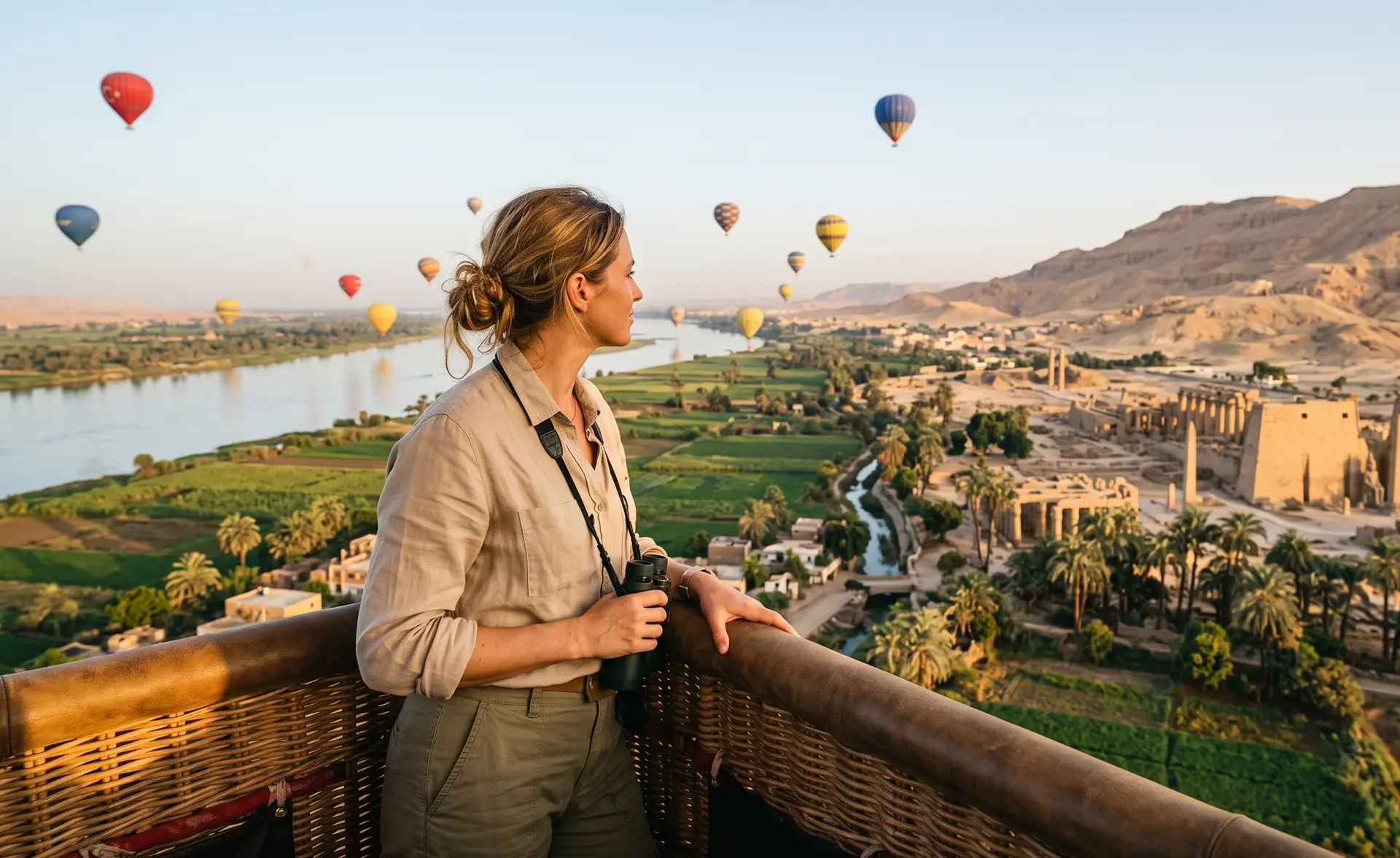
When most people picture Egypt, the first image that comes to mind is the Great Pyramids of Giza. They are every bit as impressive as you've imagined, but they only tell part of Egypt's story. If you have the time to travel beyond Cairo, you'll discover another side of the country that feels calmer, richer in history, and, in many ways, even more memorable.
Following the Nile into Upper Egypt brings you to Luxor and Aswan. These two cities are home to some of the world's most remarkable archaeological sites, yet they never feel like giant outdoor museums. History blends naturally with everyday life. Local boats drift along the river, markets bustle with activity, and ancient temples stand only a short distance from modern neighborhoods.
If you're wondering whether it's worth adding Upper Egypt to your itinerary, I'd say absolutely. Here's why.
Luxor: Where Ancient Egypt Feels Alive
Luxor stands on the site of ancient Thebes, once the capital of Egypt during the New Kingdom. Today it's often called the world's greatest open-air museum, and after spending time there, it's easy to understand why.
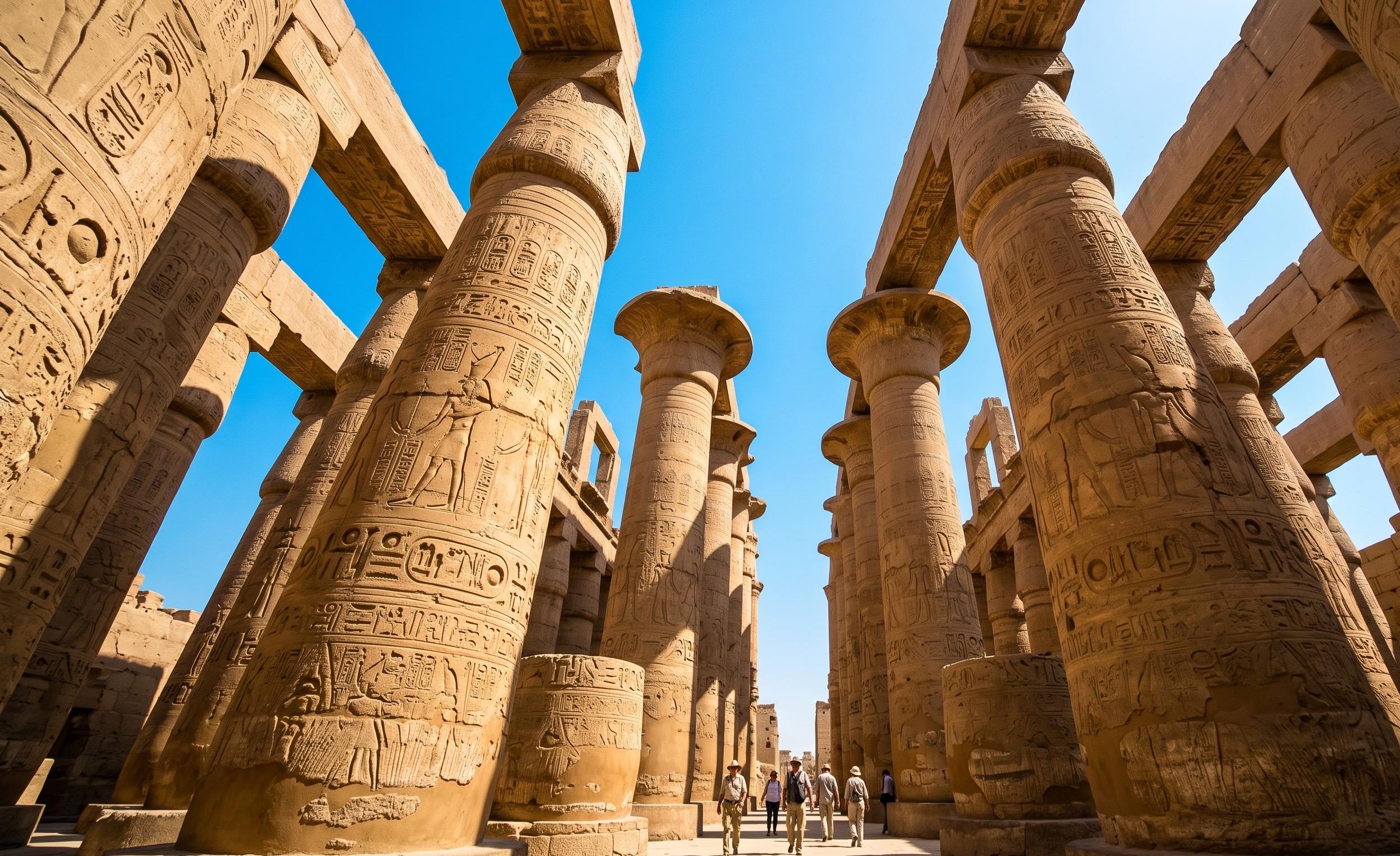
One place you shouldn't miss is Karnak Temple. Walking through its enormous Hypostyle Hall is difficult to describe until you've seen it yourself. Massive sandstone columns stretch in every direction, each one covered with carvings that have survived for thousands of years. Looking up at them, it's hard not to wonder how people managed to build something on such a huge scale without modern machinery.
I always think photos of Karnak make it look impressive, but standing there is a completely different experience. The size of the complex is something you really have to experience in person.
Crossing to Luxor's West Bank feels like entering another chapter of history.
This is where you'll find the Valley of the Kings, one of Egypt's most famous archaeological sites. Hidden beneath the rocky hills are the tombs of powerful pharaohs, including Tutankhamun. What surprised me most wasn't the size of the tombs but how vibrant the paintings still are. Thousands of years later, the reds, blues, and yellows remain remarkably well preserved.
Wear comfortable shoes because you'll do plenty of walking, especially during the warmer months. Carrying water and starting your sightseeing early in the morning also makes a big difference.
Cruising the Nile Between Luxor and Aswan
One of the highlights of visiting Upper Egypt isn't just the destinations themselves—it's the journey between them.
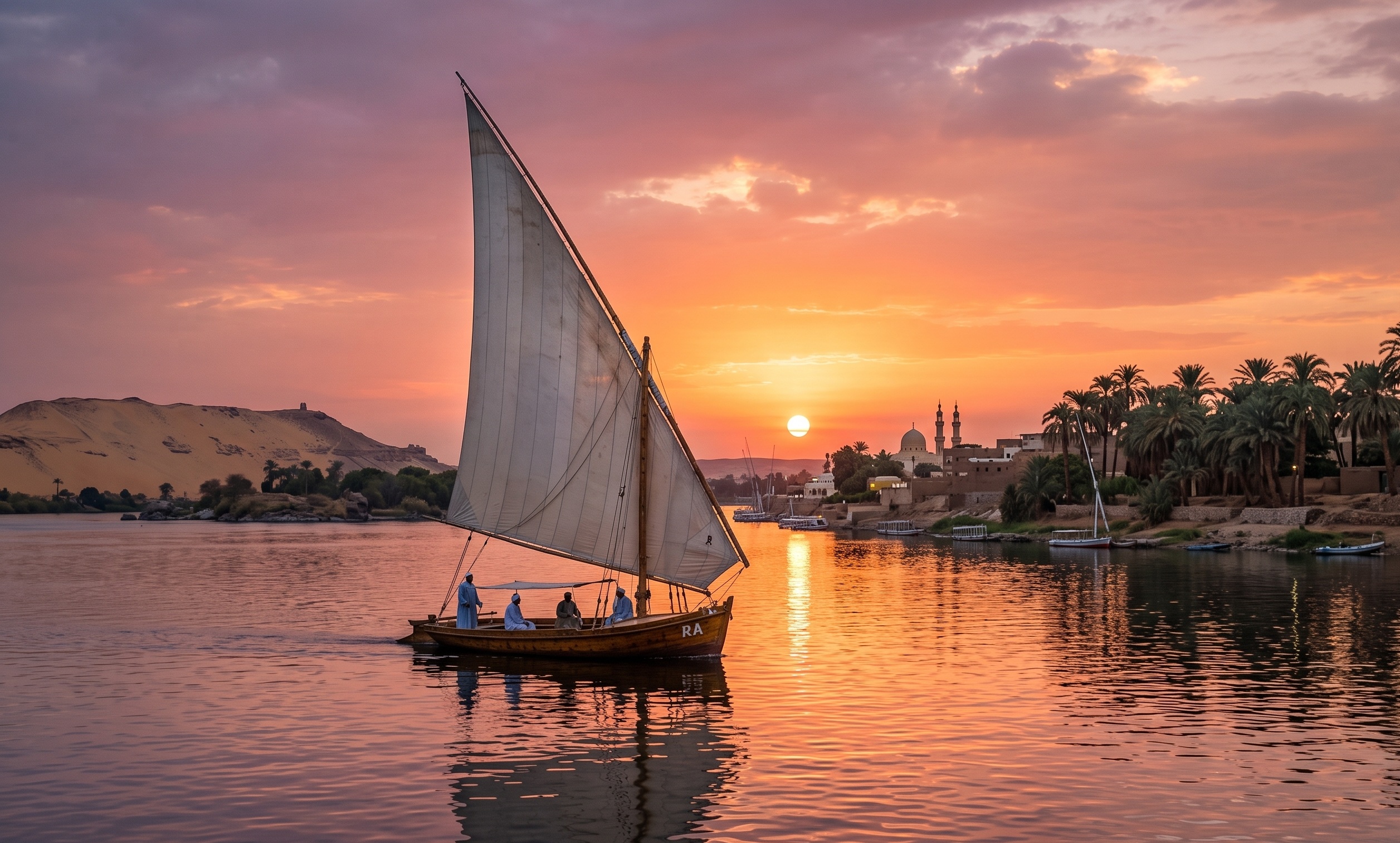
Many travelers choose a multi-day Nile cruise, while others prefer a traditional dahabiya or felucca for a quieter experience. Either way, traveling by river gives you a completely different perspective on Egypt.
Instead of rushing between attractions, you spend your time watching everyday life unfold along the banks of the Nile. Farmers work their fields, fishermen guide their small boats through the water, and children wave as your boat passes by. It's peaceful in a way that's difficult to explain until you're there.
I think this slower pace is what makes Upper Egypt feel so different from Cairo. You're not constantly moving from one attraction to another. Instead, you have time to appreciate the landscape and the people who call the Nile home.
Aswan: A More Relaxed Side of Egypt
After the grandeur of Luxor, Aswan feels noticeably more relaxed.
The Nile flows gently around small islands and smooth granite rocks, giving the city a peaceful atmosphere that's perfect after several busy days of sightseeing.
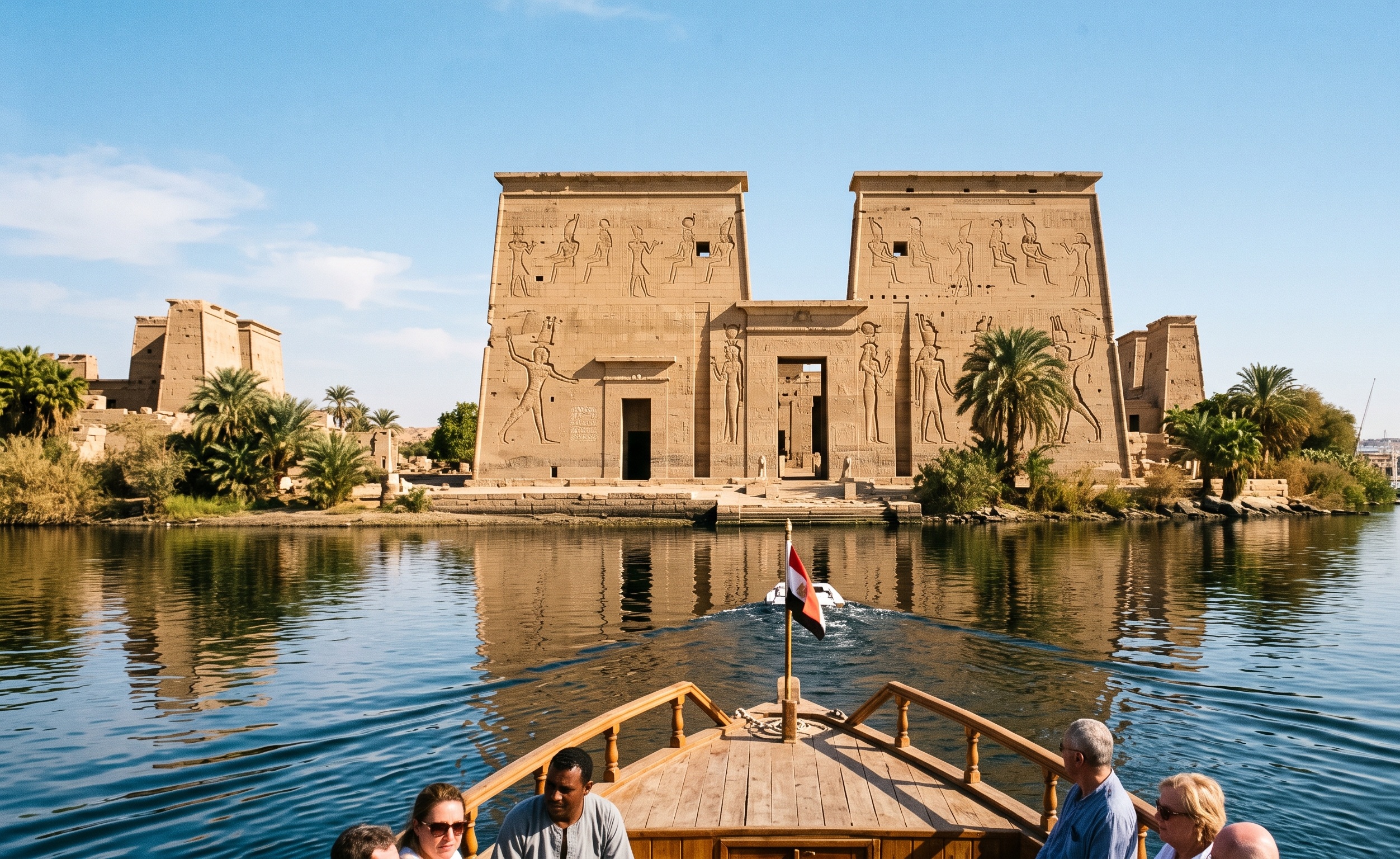
One of Aswan's highlights is Philae Temple, dedicated to the goddess Isis. Reaching it requires a short boat ride, which makes the visit feel even more special. Seeing the temple appear as your boat approaches across the water is one of those moments you'll probably remember long after your trip ends.
The temple itself is beautifully preserved, with detailed carvings covering many of its walls. It's easy to spend a couple of hours simply wandering through the courtyards and taking in the views of the surrounding river.
Aswan is also known for its Nubian heritage. Visiting a Nubian village offers a chance to experience a different side of Egypt, with colorful homes, welcoming communities, handmade crafts, and local cuisine.
If you enjoy learning about culture as much as visiting historical sites, don't skip this part of your trip. Spending time with local people often becomes just as memorable as seeing famous landmarks.
Abu Simbel Is Worth the Early Start
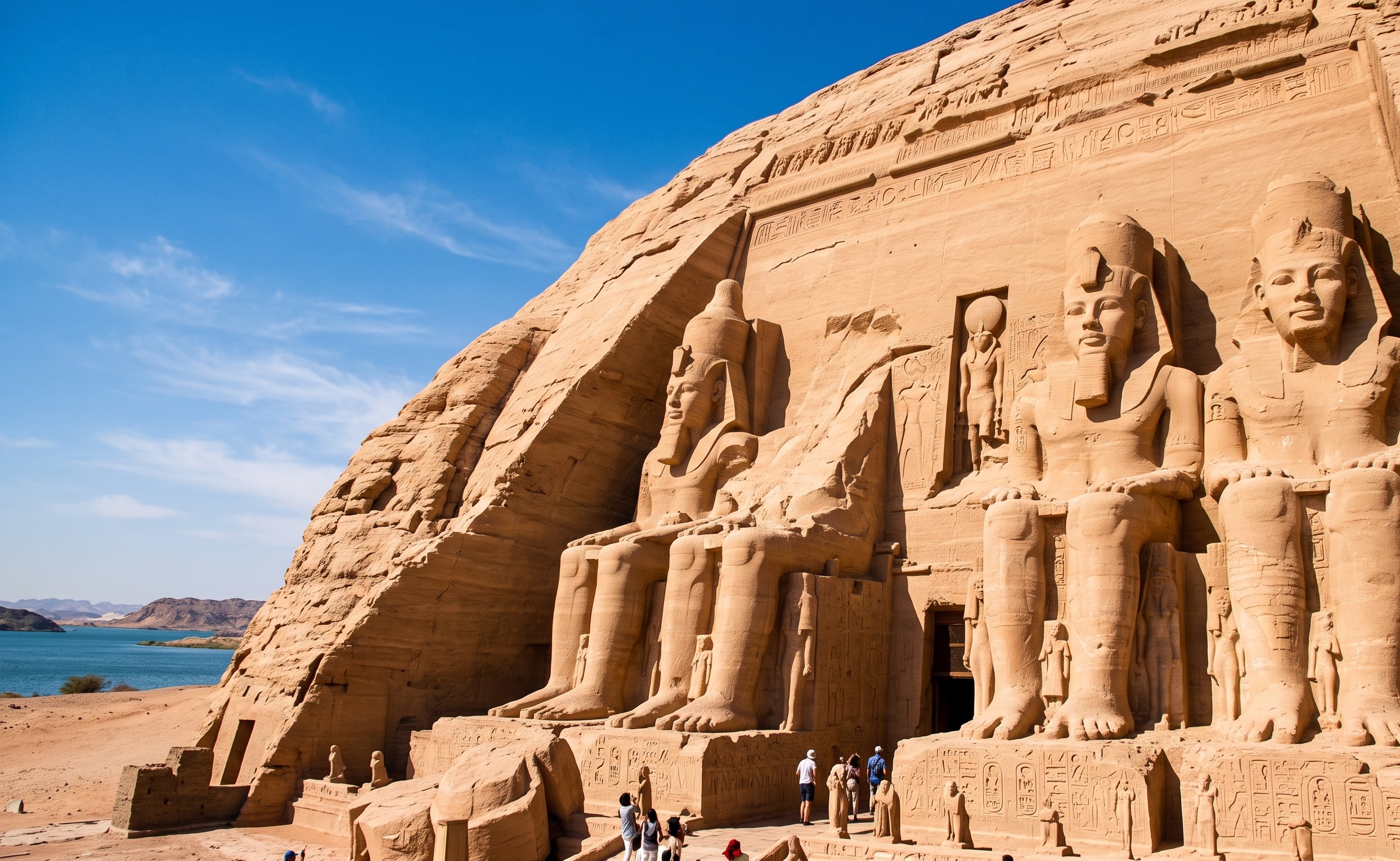
If you only have time for one day trip from Aswan, make it Abu Simbel.
You'll probably need to leave before sunrise, but once you arrive, you'll understand why so many travelers say it's one of the highlights of their Egyptian adventure.
The four enormous statues of Ramesses II standing at the entrance are even larger than they appear in photographs. It's one of those places where you naturally stop talking for a moment and simply look.
What makes Abu Simbel even more remarkable is its modern history. During the 1960s, the entire temple complex was carefully dismantled and rebuilt on higher ground to protect it from the rising waters created by the Aswan High Dam. Knowing that both ancient builders and modern engineers played a role in preserving the site makes the visit even more fascinating.
Final Thoughts
Before learning more about Egypt, I assumed the Pyramids would be the highlight of any trip. Now I think they're only the beginning.
Luxor and Aswan offer a deeper understanding of Egypt's history, but they also show you everyday life along the Nile, introduce you to Nubian culture, and give you time to slow down between incredible historical sites.
If you're planning an Egyptian adventure, I'd encourage you to look beyond Cairo. Give yourself a few extra days to explore Upper Egypt. Walk through temples that have stood for thousands of years, cruise along the Nile at sunset, and take time to appreciate the quieter moments between the famous landmarks.
Those are often the memories that stay with you the longest.
Loading comments…