
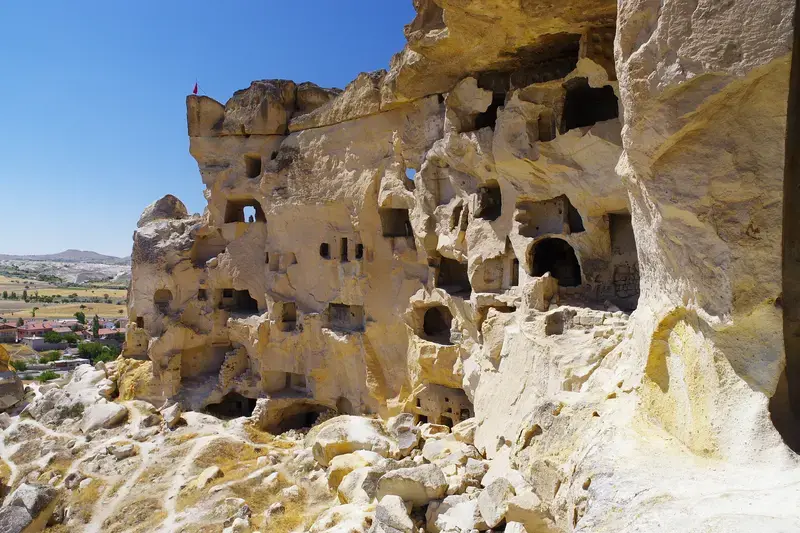
During my Cappadocian expedition, venturing below the earth's surface was an absolute non-negotiable. I cannot help but smile when I recall the local legends surrounding these subterranean labyrinths. If you ask a Turkish local, they will proudly tell you the indigenous people carved them. Western historians confidently attribute them to early Christians fleeing persecution. Meanwhile, Arab folklore firmly insists they are the handiwork of supernatural Jinn. Regardless of who actually wielded the pickaxes, one undeniable truth hits you the moment you step inside: the builders must have been remarkably short.
The night before my tour, I spent hours deeply researching the area. There are dozens of these buried settlements scattered across the region. Names like Özkonak, Derinkuyu, and Çardak popped up frequently as I looked into various Cappadocia underground tours. After weighing the options, I ultimately set my sights on the Kaymakli underground city. It felt like the perfect balance of historical depth and accessibility.
The Descent into the Earth
Morning arrived, and our incredibly knowledgeable guide set the ground rules immediately. Anyone suffering from asthma or claustrophobia was strictly advised not to venture past the second subterranean level. The rest of us were permitted to descend only as far as the fourth floor.
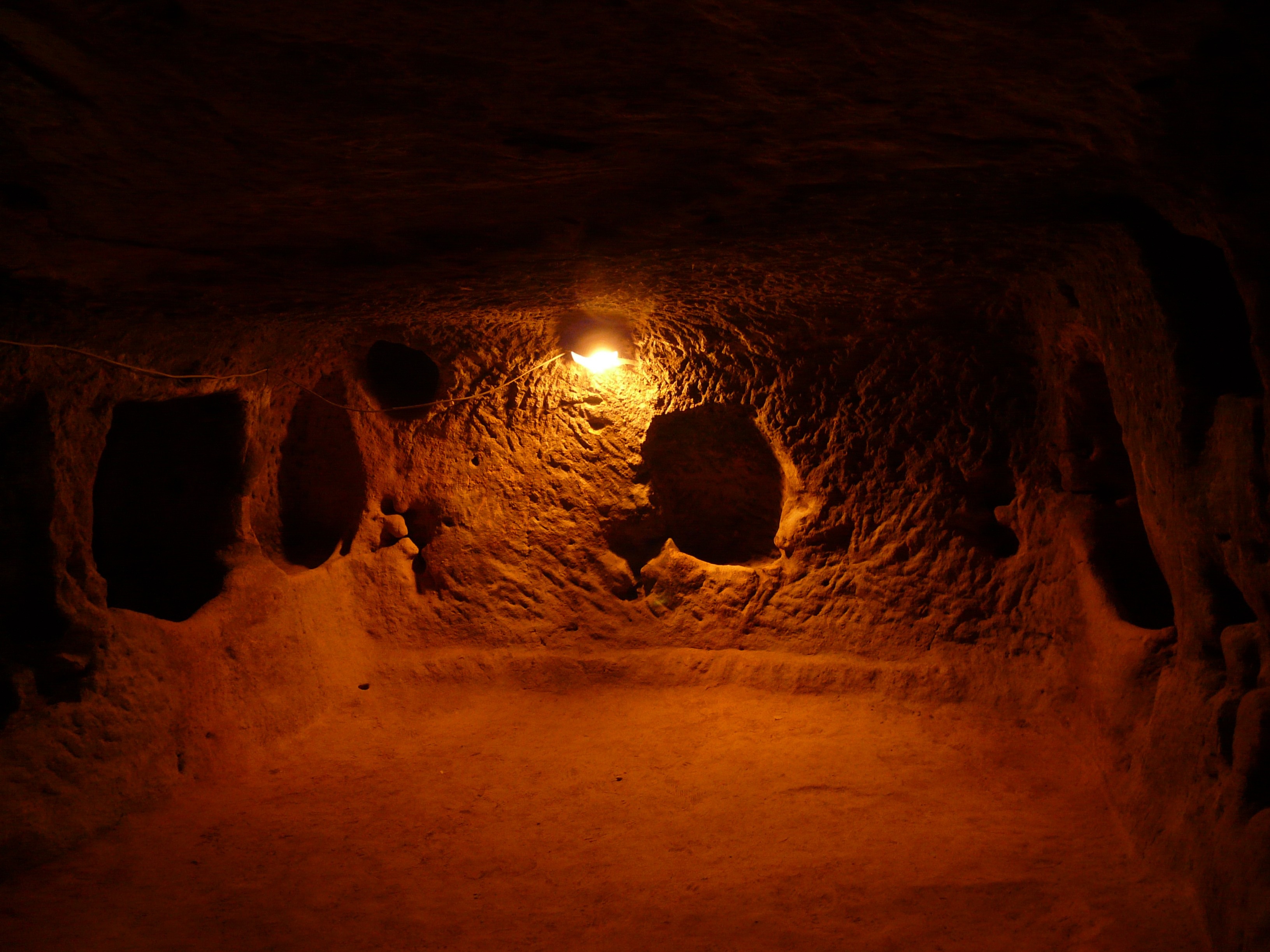
Plunging into the earth was a deeply awe-inspiring yet physically demanding experience. I found myself constantly hunched over while navigating through narrow, winding corridors. While historians claim these cities held thousands, the tight intimacy of the space made my mind envision a much smaller community. Walking through those narrow tunnels, it felt as though perhaps fifty or sixty people lived in the immediate cluster of rooms I explored.
The architectural purpose of this dark world was glaringly obvious. The massive circular stone doors waiting to seal the tunnels proved this was not a shelter from natural disasters; this was a subterranean fortress designed to protect against human threats. My personal theory is that local tribes constantly raided one another. They likely used these lightless depths to hide their women and children from invading forces. Yet, despite the grim reality of survival, they lived with astonishing sophistication. The ingenious ventilation shafts drawing fresh air deep underground and the dedicated wineries carved into the rock left me utterly speechless.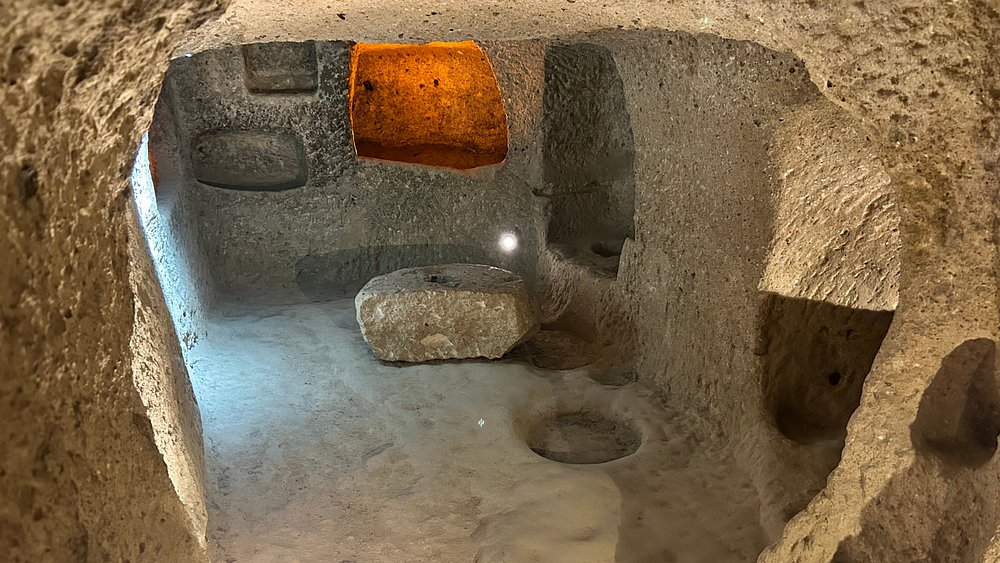
A Brief Pause at Pigeon Valley
Emerging back into the sunlight, we made a brief stop at Pigeon Valley Cappadocia. To be entirely honest, it did not leave a profound mark on my soul. You can certainly enjoy tossing seeds to the massive flocks of birds gathering there. However, it lacked the historical weight of the places we had just explored. It felt like a mere scenic pause rather than a profound discovery on my Turkey travel itinerary.
The Riddles of Cavusin Village
Our journey then led us to the hauntingly beautiful Cavusin village. This place instantly sparked a storm of theories in my head.
Upon arrival, we were greeted by a colossal rock wall punctured with countless geometric cavities. The standard narrative dismisses them as simple pigeon houses, but I found myself quietly disagreeing. The sheer scale and calculated engineering of these hollows suggested something far more complex than a natural bird sanctuary. There was an undeniable architectural intention there that felt too grand for birds alone.
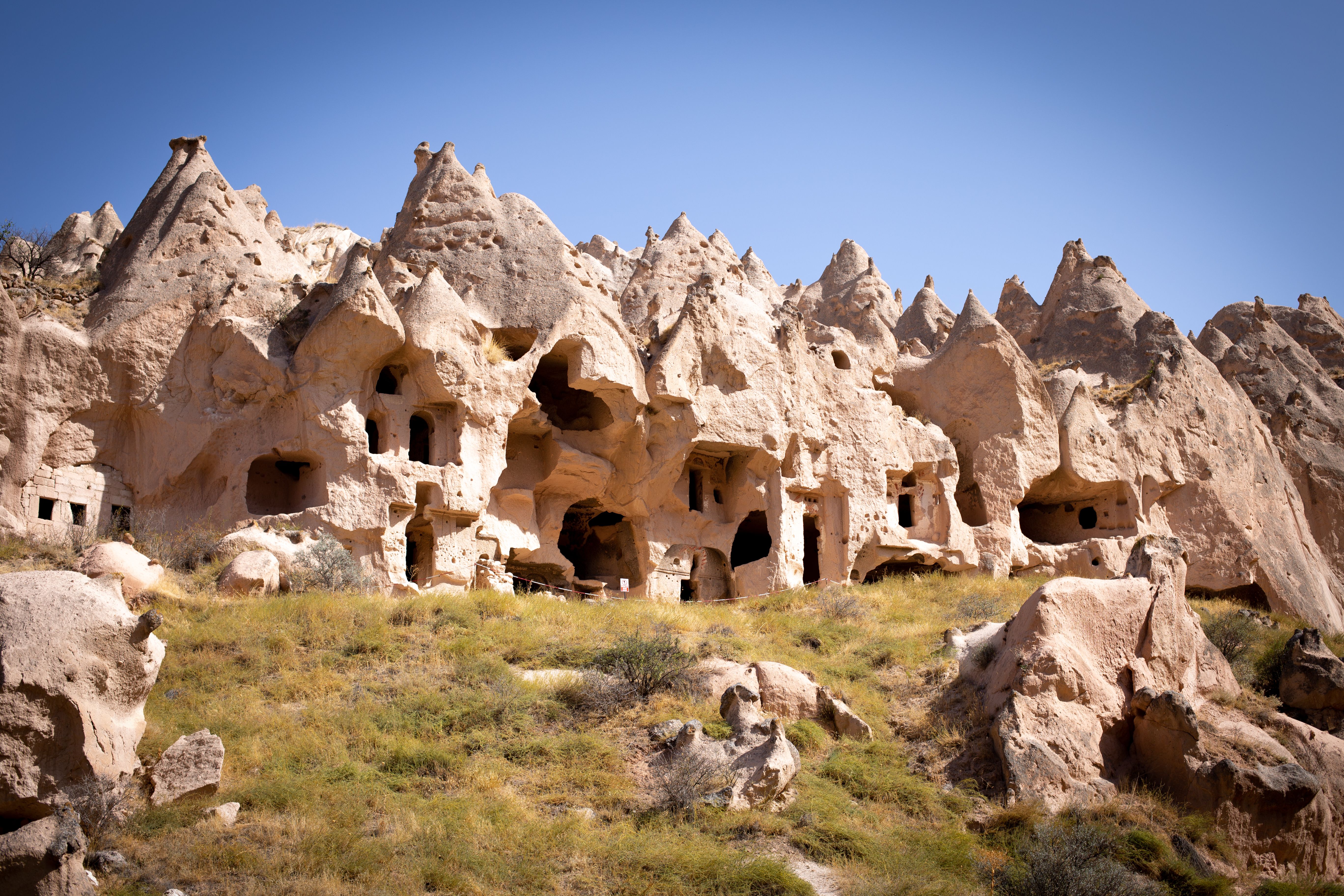
We began a steep ascent through the skeletal remains of abandoned stone houses, aiming for the summit that overlooks all of Cappadocia. Our guide was delivering a passionate historical lecture, but my mind was drifting elsewhere entirely.
As we reached the very top, I stumbled upon a cluster of tiny weathered graves. I interrupted the guide to ask who rested there, only to receive a perplexed shrug. He simply did not know.
That mystery ignited my imagination completely. Could these be remnants of ancient pagan rituals, or perhaps offerings to forgotten deities? Long before modern faiths took root, these lands were traversed by worshippers of the Sun God and the Storm God. Cappadocia has always been a restless crossroads of empires and beliefs. Staring at those tiny graves, the weight of a thousand untold stories hung heavily in the air.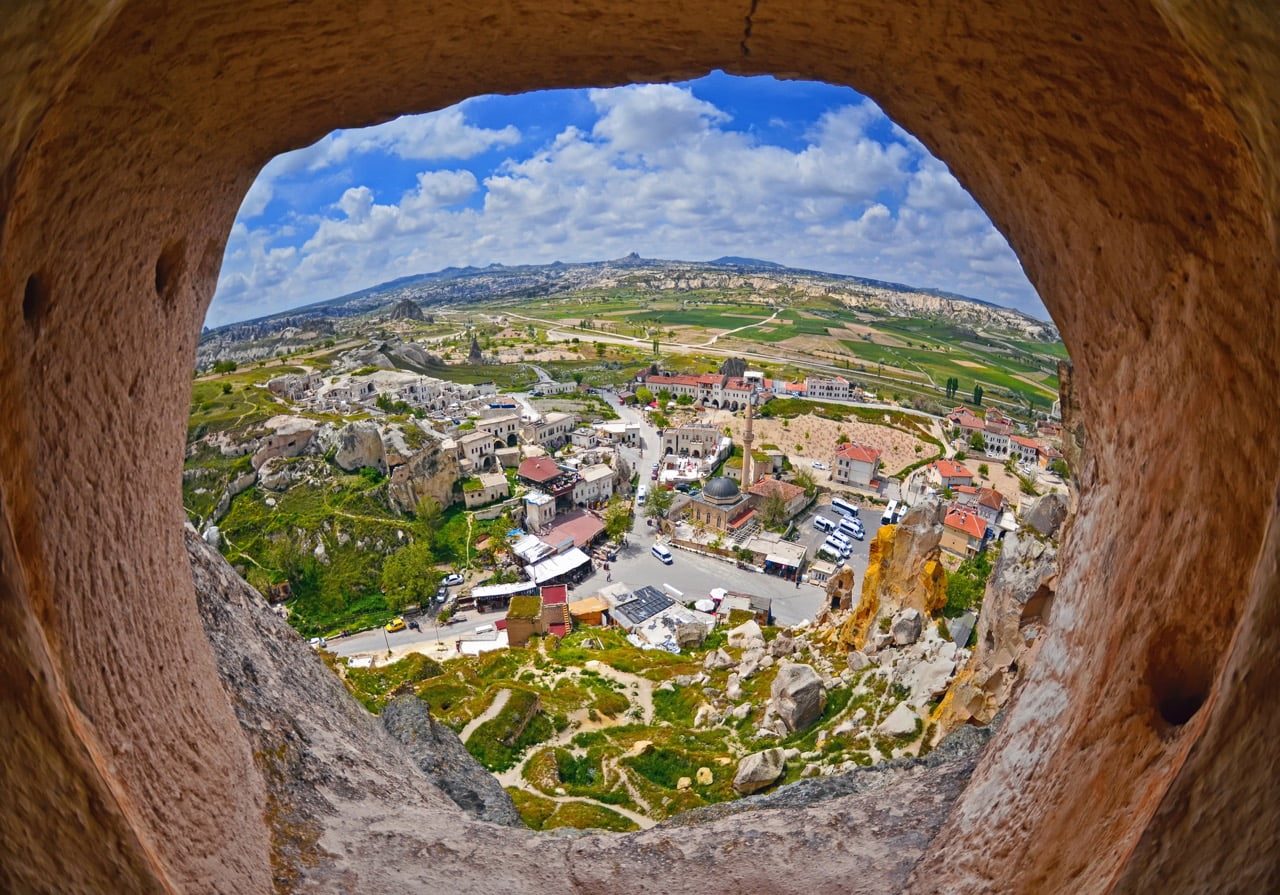
The greatest gift of that day was the company I kept. Instead of a group frantically chasing the perfect selfie, I was surrounded by curious travelers. We spent the afternoon debating, analyzing, and questioning the ruins together. We lingered on that peak until the sun melted into the horizon. Even as the golden hour faded into twilight, my mind remained anchored to the peak, still whispering the same question to the wind: Who is really buried up there?
Loading comments…