
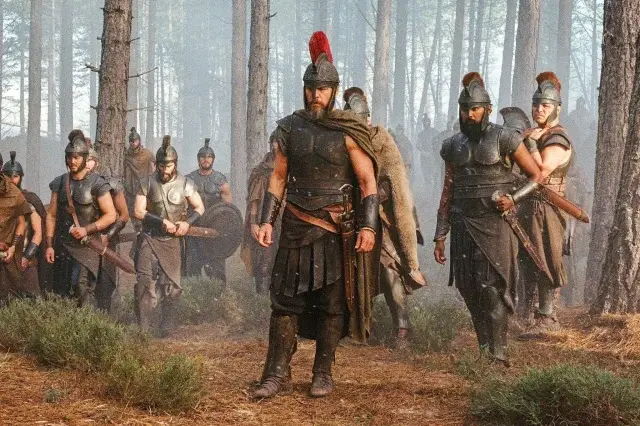
For centuries, The Odyssey has remained one of the world's most influential literary works. Written by the ancient Greek poet Homer, the epic follows the long and dangerous journey of Odysseus as he attempts to return home after the Trojan War. With the release of the new The Odyssey film, interest in the legendary story has grown once again, inspiring travelers to discover the real places connected to one of history's greatest epics.
Although much of the movie was filmed in stunning Mediterranean locations, the story itself begins with the legendary city of Troy an archaeological site that can still be visited today in northwestern Türkiye. For history lovers, mythology enthusiasts, and film fans alike, visiting Troy offers a unique opportunity to experience the setting that inspired one of the most famous stories ever told.
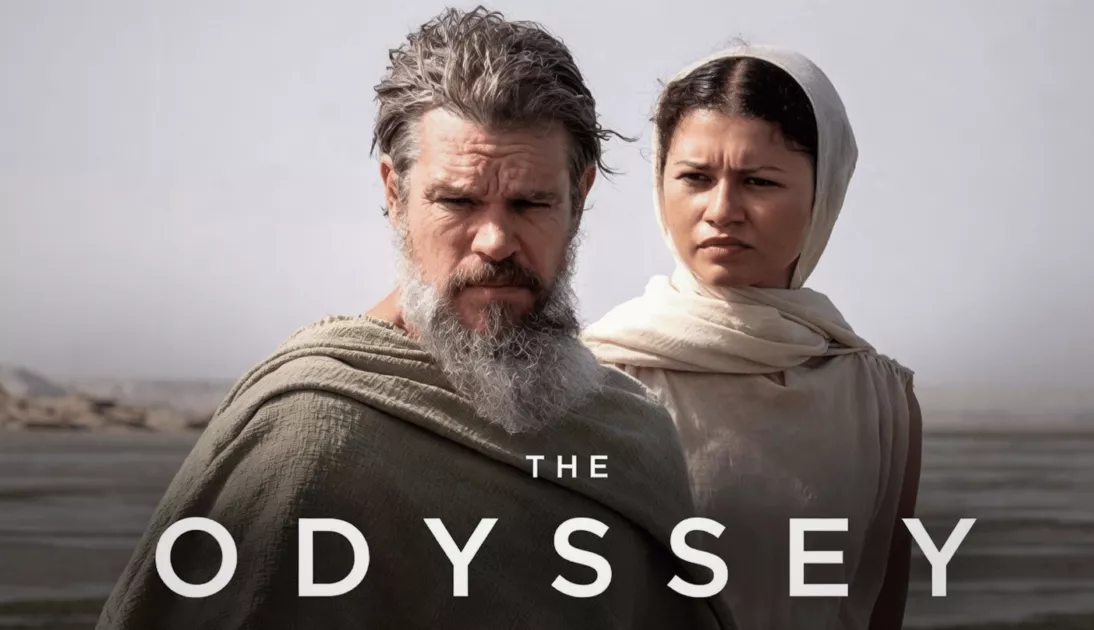
What Is The Odyssey About?
The Odyssey tells the story of Odysseus, the King of Ithaca, and his ten-year journey home after the end of the Trojan War. Throughout his voyage, he encounters mythical creatures, powerful gods, dangerous seas, and countless obstacles that test his intelligence, courage, and determination.
Rather than focusing on the war itself, The Odyssey explores the challenges faced after the conflict and highlights themes such as loyalty, perseverance, family, and the desire to return home. These timeless ideas have made the epic one of the foundations of Western literature and continue to inspire books, films, and television adaptations today.
Where Was The Odyssey Filmed?
The latest film adaptation of The Odyssey was filmed across several spectacular Mediterranean locations chosen for their dramatic landscapes and historical atmosphere.
Production took place in parts of Greece, Italy, Morocco, and other coastal regions that closely resemble the ancient world described in Homer's epic. Rugged cliffs, crystal-clear seas, traditional villages, and remote islands all help recreate the legendary journey of Odysseus.
While the movie showcases beautiful filming locations, it is important to remember that the story itself begins in the ancient city of Troy, located in modern day Türkiye. For many travelers, watching the film serves as inspiration to visit the real archaeological site where one of history's greatest legends begins.
Is Troy a Real Place?
Yes. Troy is not simply a mythical city it is a real archaeological site that has been excavated for more than 150 years.
Located near the Dardanelles in northwestern Türkiye, Troy was once a major settlement that witnessed thousands of years of continuous civilization. Archaeologists have discovered multiple layers of ancient cities built on top of one another, revealing a rich history stretching back to around 3000 BC.
Today, Troy is recognized as a UNESCO World Heritage Site and is considered one of the world's most significant archaeological discoveries.
Where Is Ancient Troy Today?
Ancient Troy is located near the village of Tevfikiye in Çanakkale Province, approximately 30 kilometers from the city of Çanakkale in northwestern Türkiye.
Its strategic location near the Dardanelles made it an important trading center connecting Europe and Asia throughout ancient history. The archaeological site is easily accessible by road and is frequently visited as part of guided tours departing from Istanbul, Çanakkale, and nearby destinations.
Many travelers also combine their visit with Gallipoli, creating a fascinating journey through both ancient mythology and modern history.
The Connection Between The Odyssey and the Trojan War
Although The Odyssey is often associated with Troy, the epic actually begins after the Trojan War has already ended.
The Trojan War itself is described in Homer's Iliad, while The Odyssey follows the aftermath of that conflict through the adventures of Odysseus as he attempts to return to Ithaca.
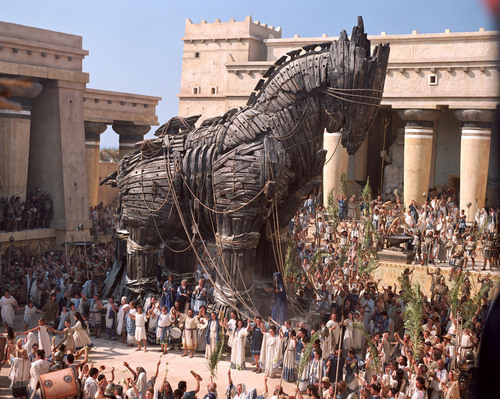
Without the fall of Troy, there would be no journey home, making the ancient city the starting point for one of literature's greatest adventures. The legendary Wooden Horse, the siege of Troy, and the victory of the Greek forces all provide the historical and mythological background for Odysseus' long voyage.
For visitors exploring the archaeological site today, Troy represents the place where mythology, history, and archaeology come together.
Can You Visit Troy?
Absolutely. Troy is open to visitors throughout the year and is one of Türkiye's most rewarding historical destinations.
Walking through the archaeological site allows visitors to see the remains of ancient city walls, defensive towers, temples, streets, and residential areas that have survived for thousands of years.
Guided tours provide valuable historical context, helping visitors understand both the archaeological discoveries and the legendary stories associated with the site. Whether you are interested in ancient civilizations or inspired by The Odyssey, visiting Troy offers a memorable cultural experience.
What to See at the Ancient City of Troy
A visit to Troy includes much more than the famous Wooden Horse. The archaeological site contains numerous important structures representing different periods of ancient history.
Highlights include:
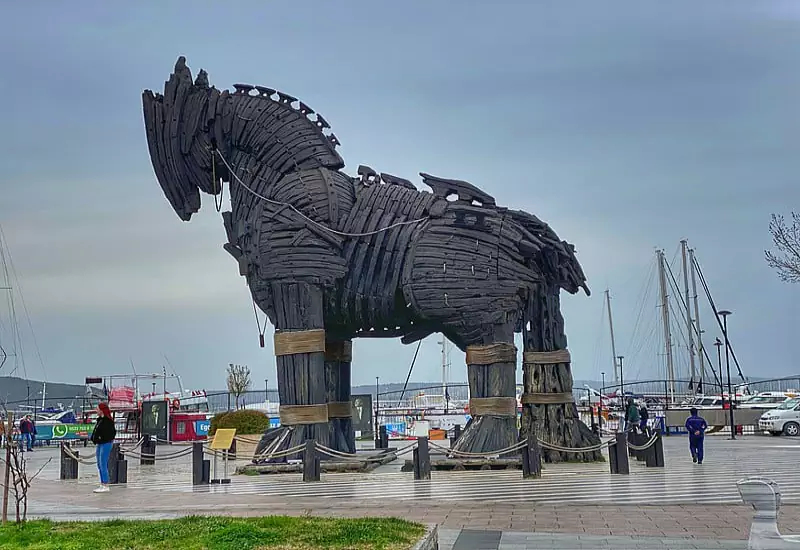
The reconstructed Trojan Horse
Ancient defensive walls
The East and South Gates
Temple foundations
Residential districts
Roman theatre remains
Excavation areas
Stone roads and public spaces
Panoramic viewpoints overlooking the surrounding countryside
As you walk through the site, each layer reveals a different chapter in the city's long history, making Troy one of the most fascinating archaeological experiences in Türkiye.
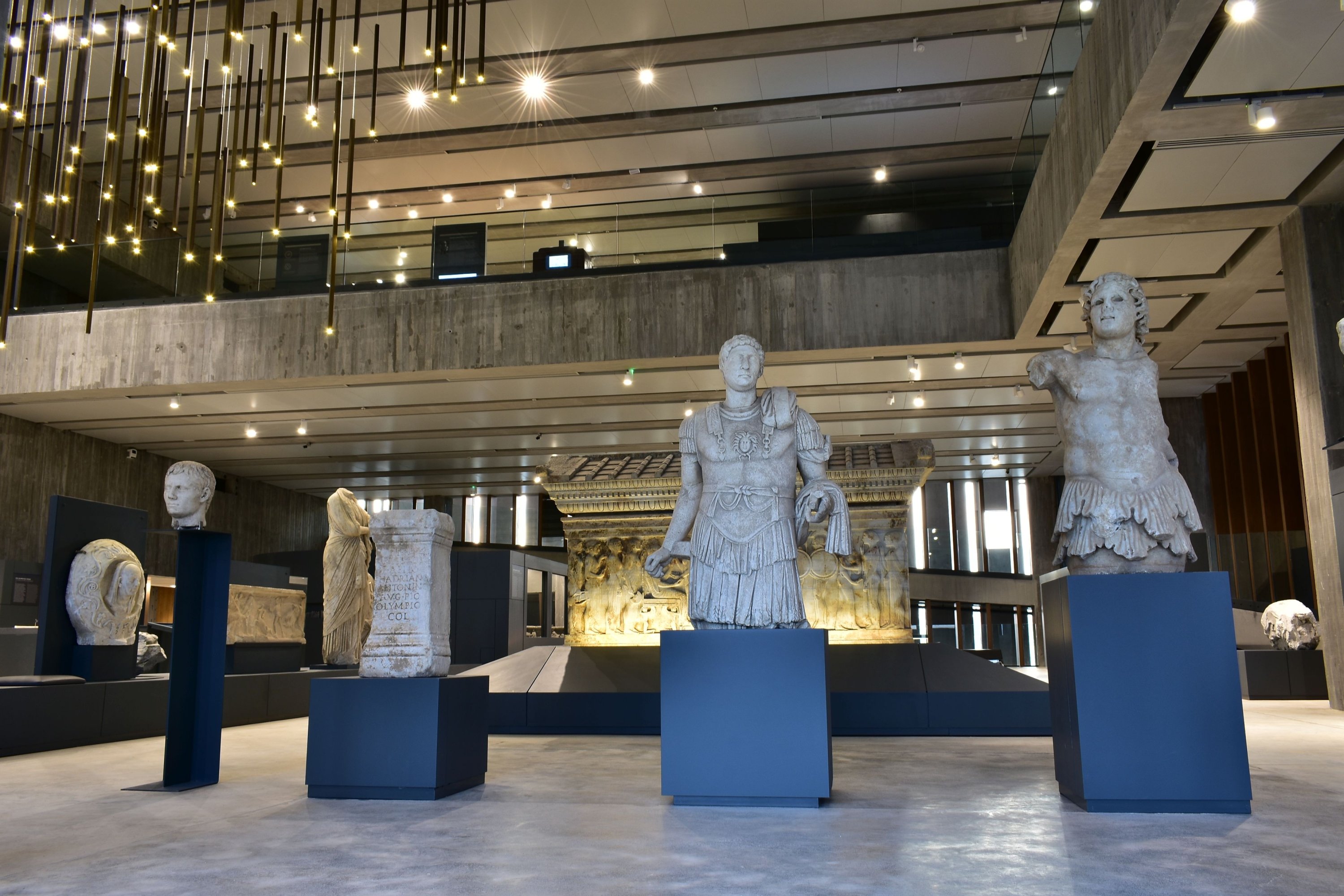
Troy Museum
Located just a few minutes from the archaeological site, the Troy Museum provides a deeper understanding of the city's history through an outstanding collection of artifacts discovered during excavations.
Visitors can explore ancient pottery, jewelry, sculptures, tools, inscriptions, coins, and everyday objects dating back thousands of years. Interactive exhibits explain the development of Troy across multiple civilizations while also separating archaeological evidence from legendary storytelling.
Many guided tours include both the archaeological site and the museum, offering a complete introduction to one of the world's most famous ancient cities.
Best Troy Tours from Istanbul
One of the easiest ways to visit Troy is by joining a guided tour from Istanbul. These tours remove the stress of transportation and provide expert commentary throughout the journey.
Depending on your travel plans, you can choose from:
Multi-day Troy and Gallipoli tours
Small-group cultural tours
Customized historical itineraries
Professional guides help bring Homer's legendary stories to life while explaining the archaeological discoveries that continue to shape our understanding of ancient Troy.
If watching The Odyssey has inspired you to discover the legendary city for yourself, exploring Troy with an experienced guide is one of the best ways to connect the film, the epic, and the real history behind both.
Frequently Asked Questions
Is The Odyssey based on a true story?
The Odyssey is an ancient Greek epic poem written by Homer. While many historians believe it was inspired by real places and historical events, much of the story includes mythology and legendary characters.
Where was The Odyssey filmed?
The film was primarily shot in several Mediterranean locations, including parts of Greece, Italy, and other coastal regions chosen to recreate the ancient world described in Homer's epic.
Is Troy worth visiting?
Yes. Troy is one of Türkiye's most important UNESCO World Heritage Sites and offers an exceptional combination of archaeology, history, and mythology.
Can I visit the real Troy?
Yes. Ancient Troy is open to visitors year-round and can be reached independently or through organized tours from Istanbul and Çanakkale.
What is the difference between The Illiad and The Odyssey?
The Iliad focuses on the events of the Trojan War, while The Odyssey tells the story of Odysseus' long journey home after the war has ended.
How far is Troy from Istanbul?
The distance between Istanbul and Troy is approximately 330 kilometers. Most guided tours reach the archaeological site in around five to six hours by road, often combining the visit with Gallipoli for a full historical experience.
Loading comments…