
Adana Ethnography Museum
Europe, Turkey
 1 / 10
Museum Information
Opening Hours
08:30 – 16:30
Open Days
About Adana Ethnography Museum
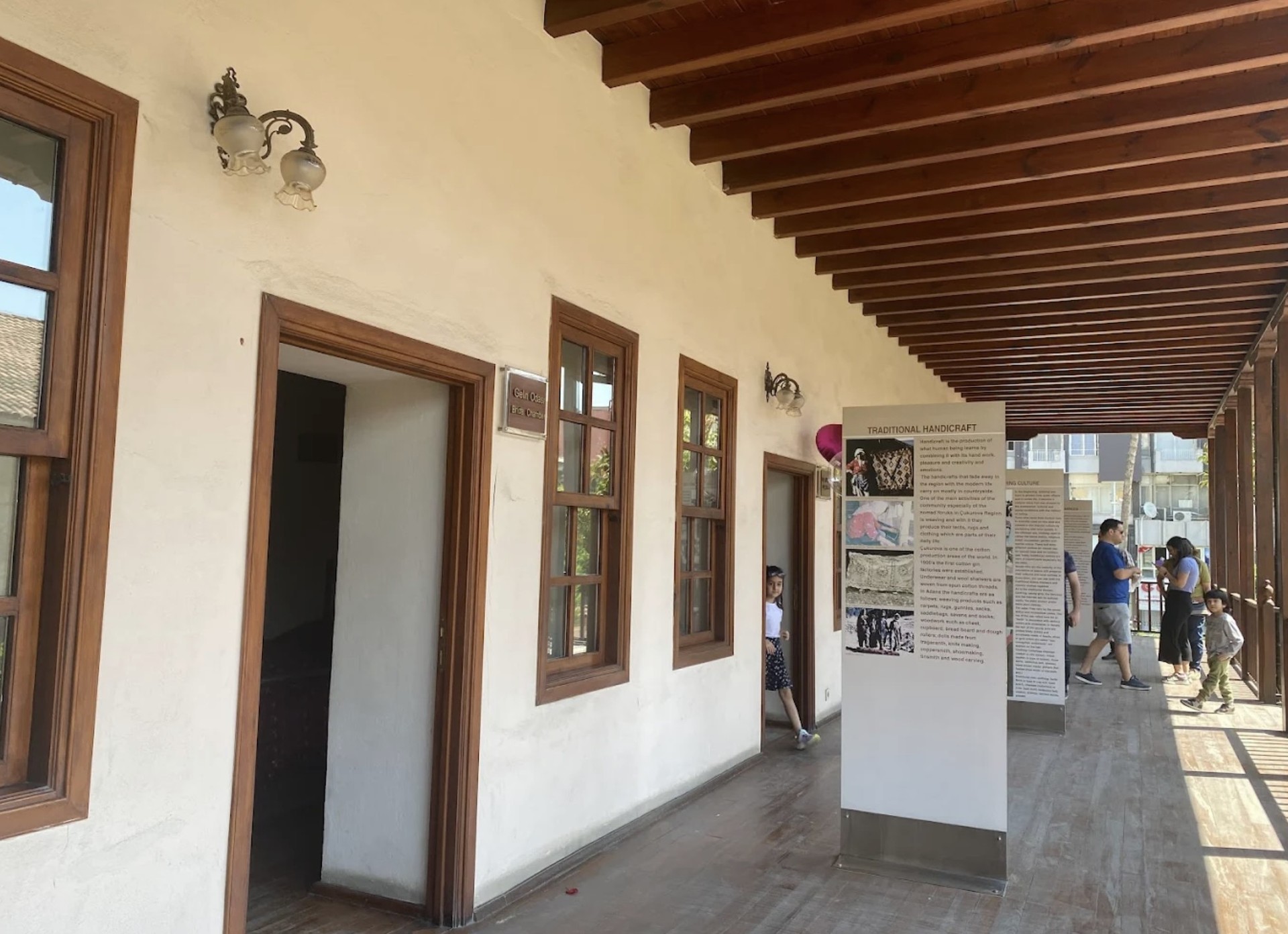
The Ethnography Museum is a cultural venue where ethnographic artifacts, symbolic structures, inscriptions, and gravestones representing important symbols of Adana are exhibited. The collections are displayed under several sections, including Stone Works, Ethnographic Studies, Weaving Products, Yörük Tents, Oriental Artifacts, and Panels.
In the Stone Works section, the museum garden features
gravestones inscribed with kufic, thuluth, and elegant calligraphy. On the
southern and northern sides, visitors can view gravestones from the 17th
century Ottoman period, including simple sikke-headed designs, mecidiye-type
stones, as well as male and female gravestones decorated with fez, turban, or
baroque-style crowns. On the western side, inscriptions from Turkish-Islamic
monuments are displayed. Notable examples include restoration inscriptions from
Misis Han, the Adana Governorship Building, Bahripaşa Fountain, Taşköprü
Bridge, Misis Bridge, and the Ottoman State Seal.
The museum’s
ethnographic collection includes:
- Rough leather footwear, a zemzem set, copper coffee urn, wooden
coffee grinders, brazier, bridal clogs, hedik, bellows, weaving
comb, sack, sundial
- Musical instruments: ney, kaval, tribal zurnas
- Gold jewelry: earrings, necklaces, bracelets
- Silver belts and belt buckles
- Silver ornaments and evil-eye beads
- Silver bracelets, rings, headpieces, bracelets, cigarette mouthpieces,
chain watches
- String instruments: kabak kemane, tambur, kemençe
- Weapons: sword and shield
- Traditional clothing: embroidered cepken, gilded women’s
garments, two bindallı dresses and a cepken displayed on
mannequins Weaving (Istar) Section
- Hand-weaving looms, weaving tools and equipment (loom, shuttle,
weaving comb, spring wheel, spindle, spinning wheel)
- Various samples of traditional kilims