

Paro
Why Visit Paro?
Paro is one of the best places to begin a Bhutan trip. The valley combines traditional Bhutanese architecture, historic monasteries, mountain scenery, and easy access to some of the country's most famous attractions.
The town itself is relatively small, making it pleasant to explore on foot. The surrounding valley contains rice fields, traditional farmhouses, temples, and forested hills.
Top Attractions
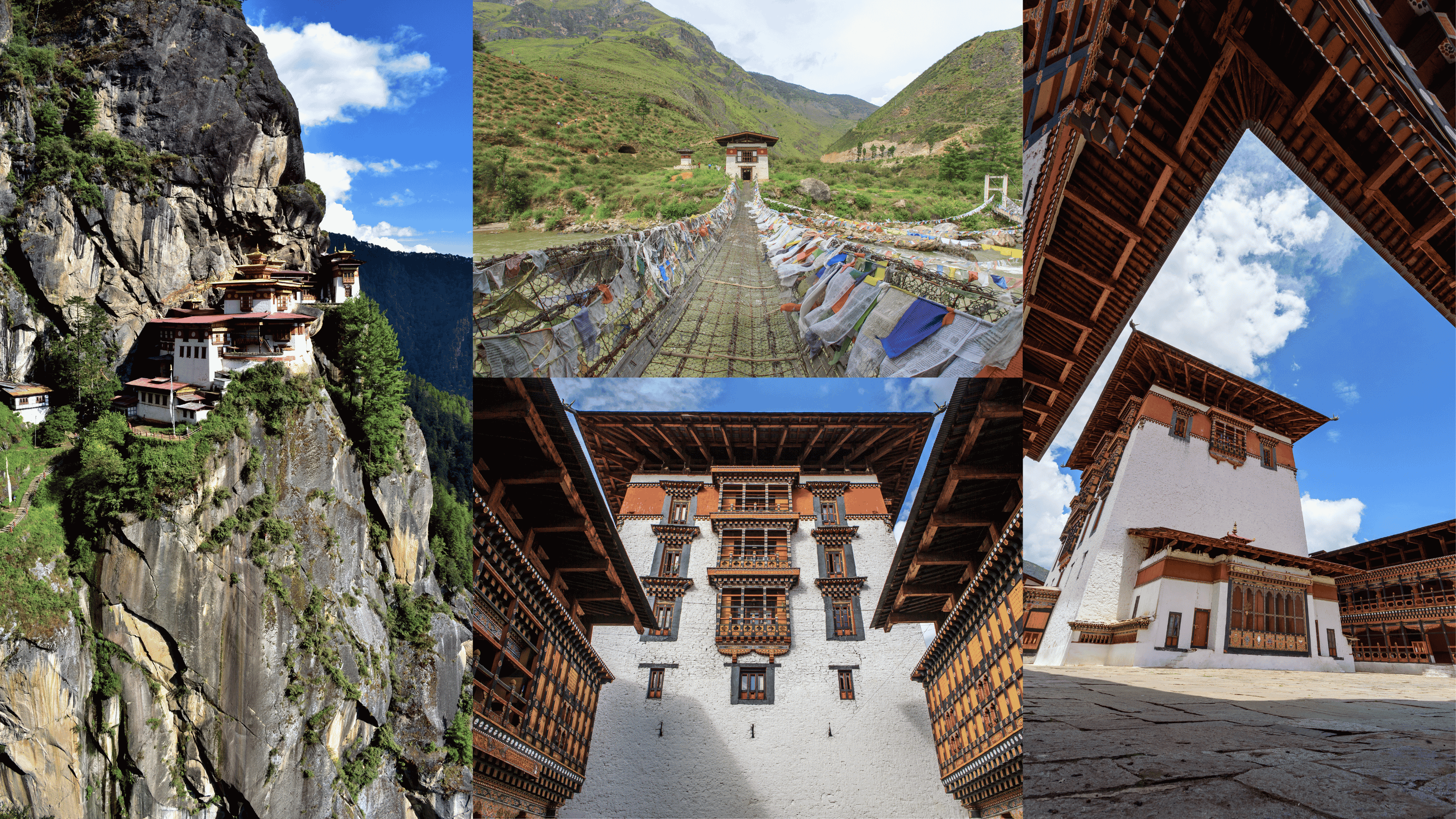
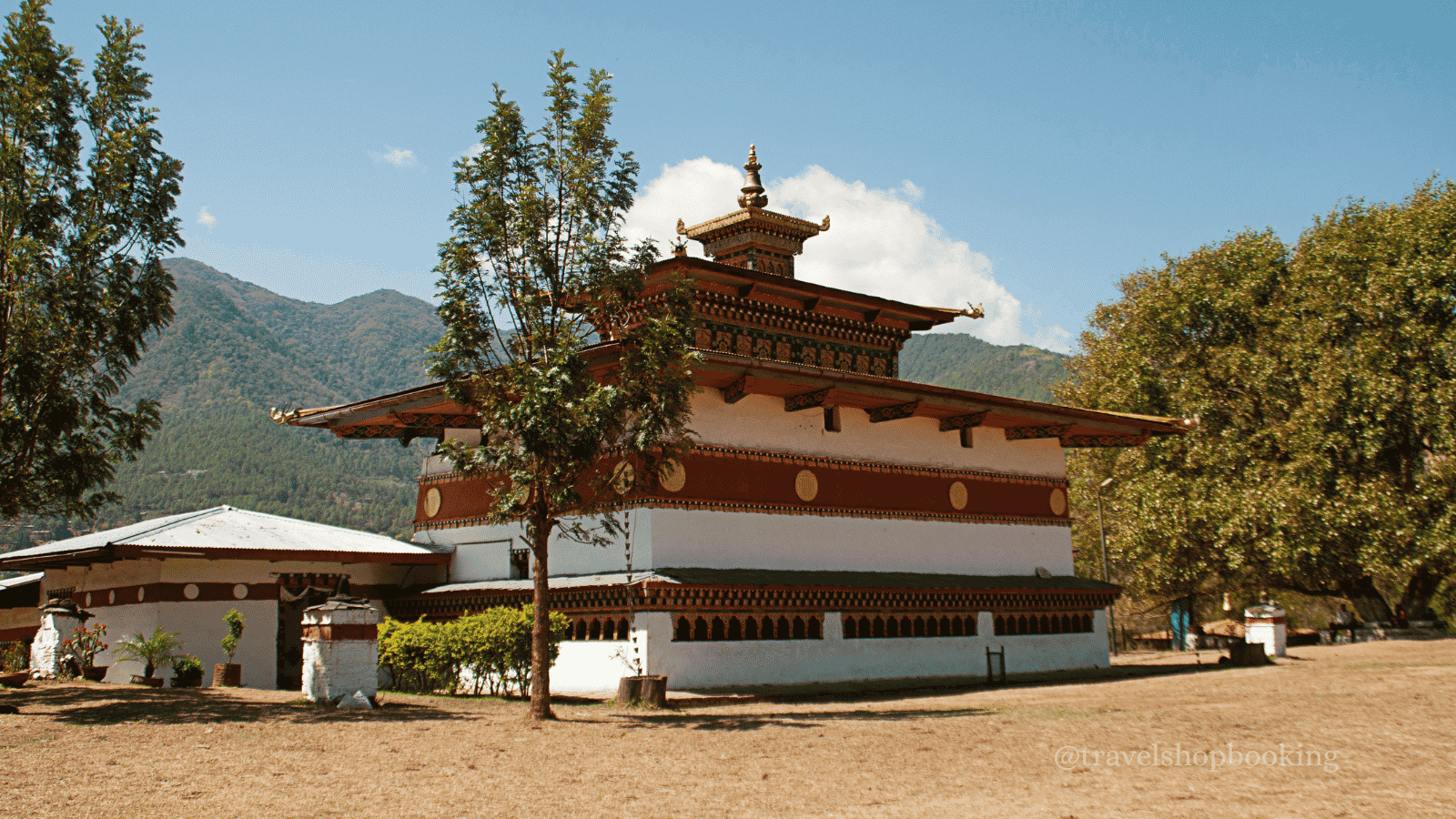
Visit Rinpung Dzong, explore Kyichu Lhakhang, walk around Paro's traditional streets, and set aside time for the hike to Tiger's Nest Monastery.
Paro is also a convenient base for exploring nearby mountain passes and rural villages.
Tiger's Nest Monastery
Why Visit Tiger's Nest?
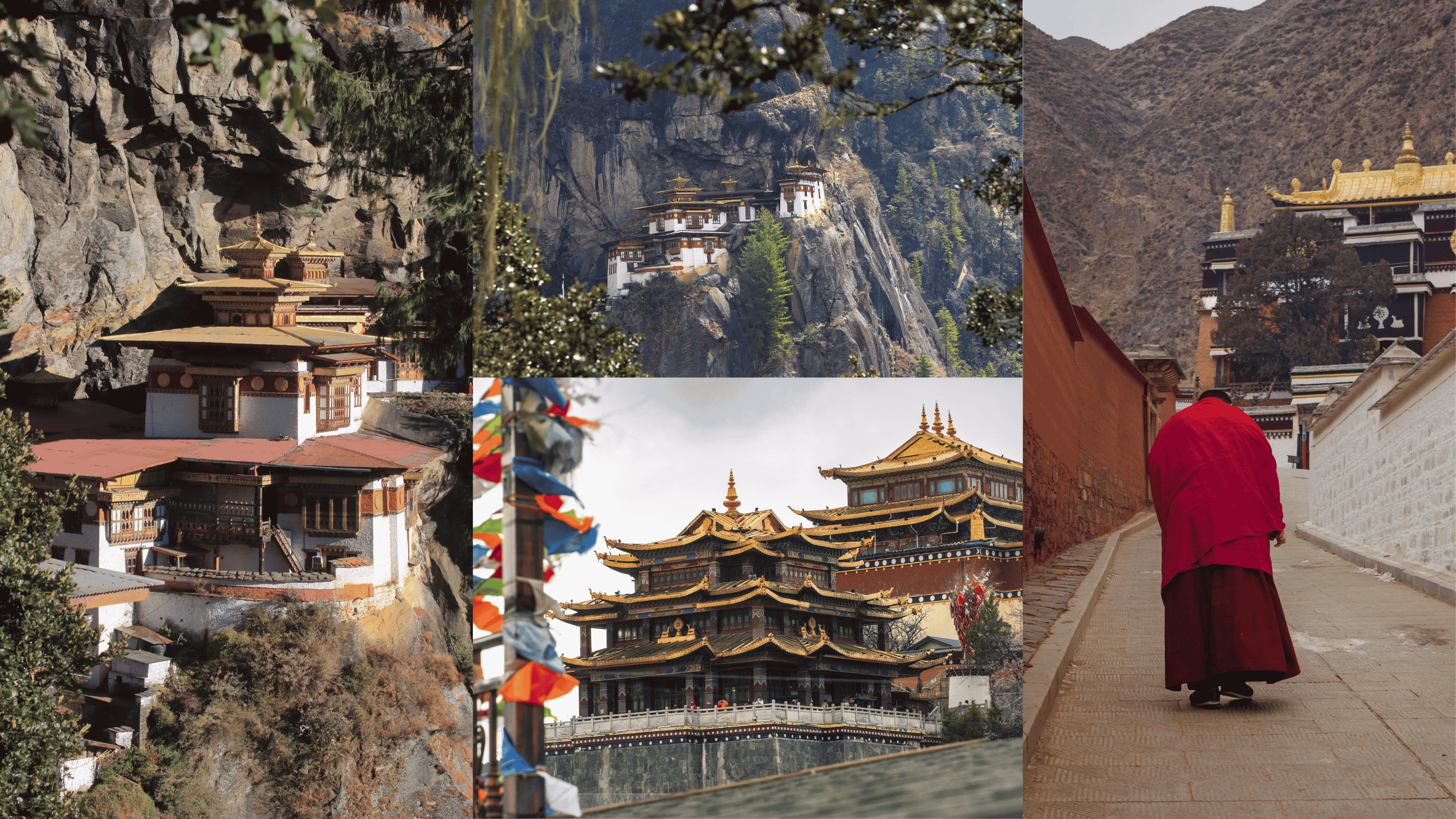
Paro Taktsang, commonly known as Tiger's Nest, is Bhutan's most famous landmark. The monastery complex appears to cling to a sheer cliff high above the Paro Valley.
The journey to the monastery is as important as the destination itself. The trail passes through pine forest and mountain viewpoints before reaching the monastery buildings.
Visitor Tips
Allow several hours for the round-trip hike. Start early to avoid the strongest afternoon heat and larger groups on the trail. Comfortable walking shoes are essential because the route includes steep sections and many stairs.
Thimphu
Why Visit Thimphu?
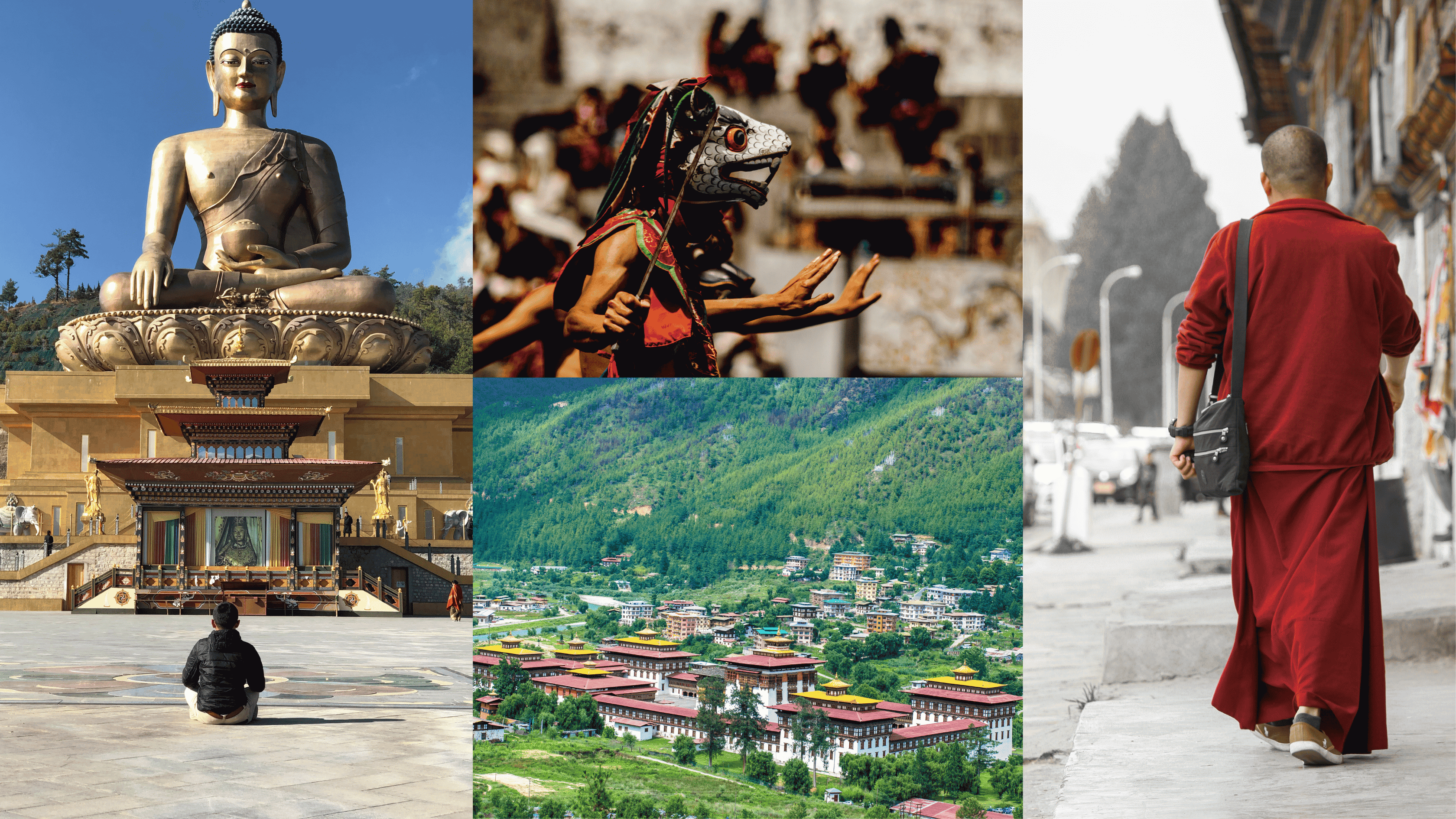
Thimphu is Bhutan's capital and the country's main center of government, culture, and commerce. Unlike many capitals, it has a relatively low-rise appearance and retains a strong traditional architectural character.
Top Attractions
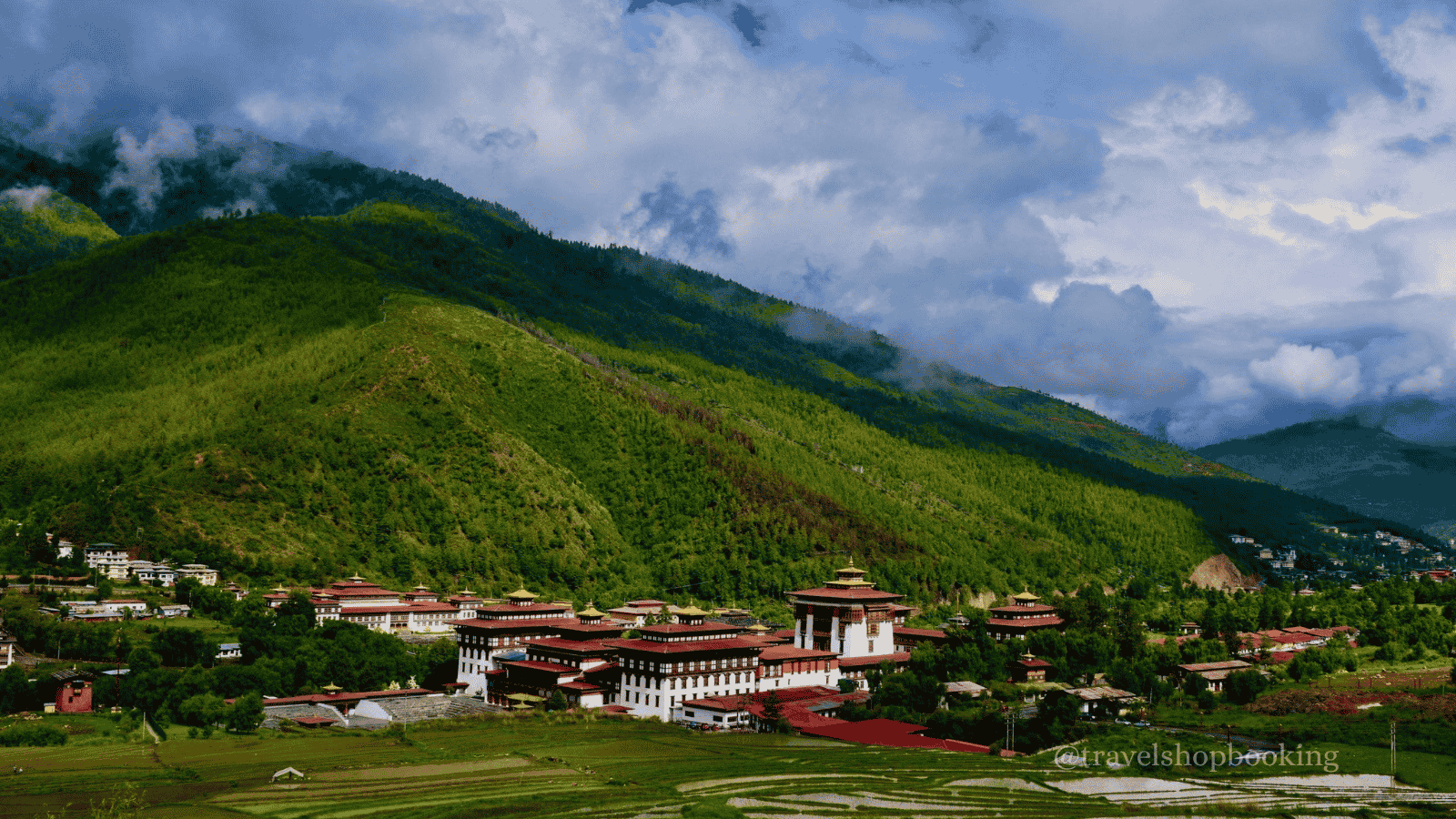
Explore Tashichho Dzong, visit the National Memorial Chorten, see the Buddha Dordenma, and walk through the city's markets.
Thimphu is also a good place to experience contemporary Bhutanese life, from cafés and restaurants to traditional handicraft shops.
Punakha
Why Visit Punakha?
Punakha was Bhutan's ancient capital and remains one of the country's most beautiful valleys. Its lower elevation gives it a warmer climate than Paro and Thimphu.
The valley is surrounded by mountains and agricultural land, creating a very different atmosphere from the higher Himalayan areas.
Top Attractions
The highlight is Punakha Dzong, dramatically positioned between the Pho Chhu and Mo Chhu rivers.
The nearby Punakha Suspension Bridge is another popular stop and provides excellent views of the river valley.
Punakha Dzong
Why Visit Punakha Dzong?
Punakha Dzong is one of Bhutan's most impressive architectural landmarks. Its white walls, elaborate wooden details, and riverside setting make it particularly photogenic.
The dzong also has major historical and religious importance and remains an active center of Bhutanese Buddhist life.
Allow enough time to explore the courtyards, temples, murals, and surrounding gardens rather than simply stopping for photographs.
Dochula Pass
Why Visit Dochula Pass?
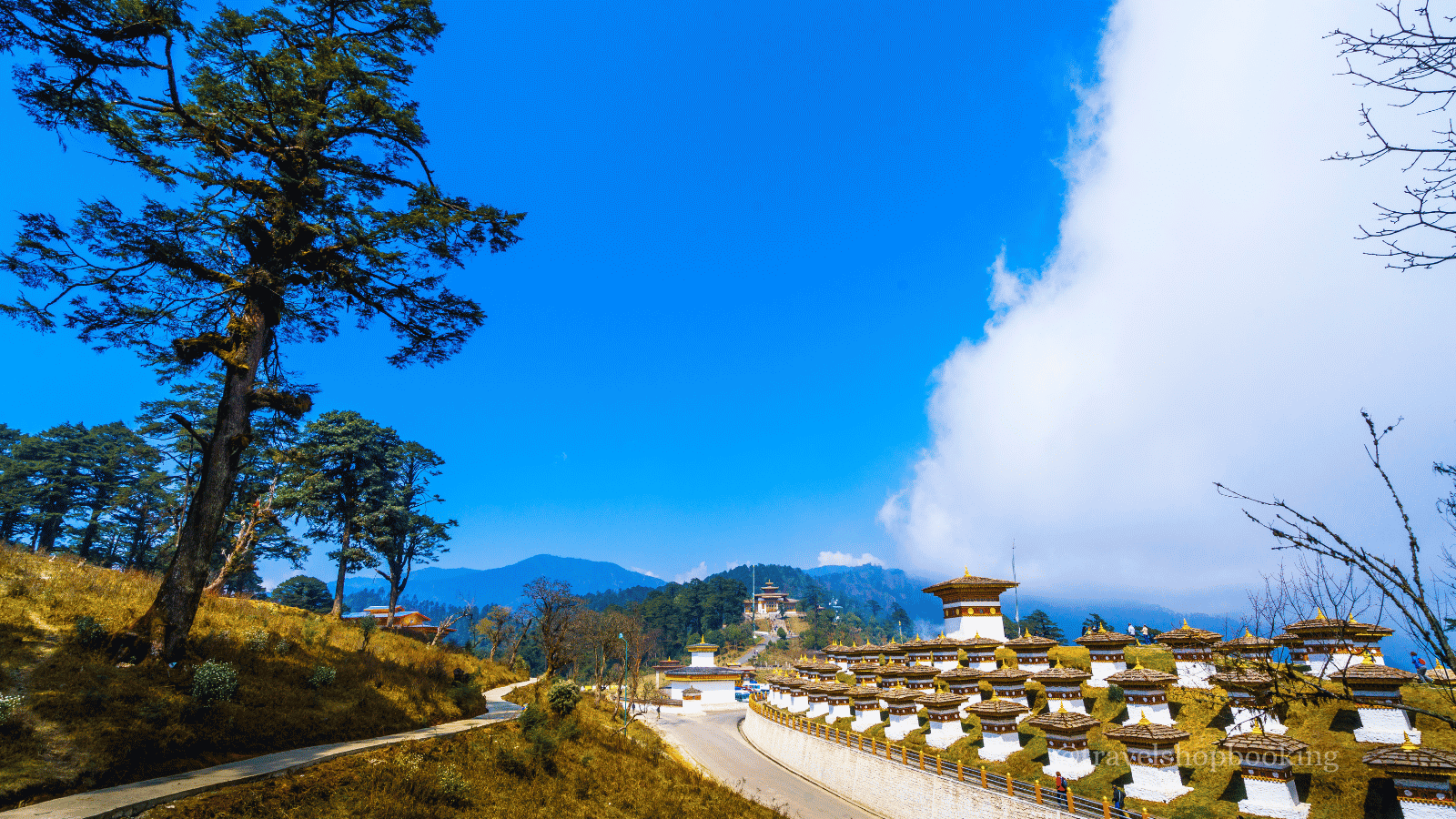
Located between Thimphu and Punakha, Dochula Pass is one of Bhutan's most scenic mountain viewpoints.
On clear days, the pass offers views toward snow-covered Himalayan peaks. The 108 Druk Wangyal Chortens create one of the country's most recognizable landscapes.
Best Time to Visit
Clear winter mornings can provide excellent mountain visibility, although the pass can be cold. Weather changes quickly at this elevation, so travelers should bring warm layers.
Phobjikha Valley
Why Visit Phobjikha Valley?
Phobjikha is a broad glacial valley surrounded by mountains and forests. It is best known for its natural scenery and its seasonal population of black-necked cranes.
The valley has a peaceful rural character, making it an excellent destination for travelers who want to experience Bhutan beyond its main towns.
Best Experiences
Visit Gangtey Monastery, walk through the valley, explore nearby villages, and learn about the conservation of black-necked cranes.
Winter is particularly interesting for birdwatchers, while spring and autumn offer excellent conditions for walking and photography.
Gangtey
Why Visit Gangtey?
Gangtey is a small mountain settlement overlooking the Phobjikha Valley. Its main attraction is Gangtey Monastery, an important center of Bhutanese Buddhism.
The surrounding countryside is ideal for slow travel, with hiking trails passing through forests, farmland, and traditional villages.
Gangtey works particularly well as an overnight stop rather than a short sightseeing detour.
Bumthang Valley
Why Visit Bumthang?
Bumthang is one of Bhutan's most important cultural regions and is often considered the spiritual heartland of the country.
The area consists of several valleys, including Chokhor, Tang, Ura, and Chhume, each with its own landscapes and historic sites.
Top Attractions
Visit Jakar Dzong, Jambay Lhakhang, Kurjey Lhakhang, and Tamshing Lhakhang.
Bumthang is also known for traditional handicrafts, local food, and a slower rural pace.
Jakar
Why Visit Jakar?
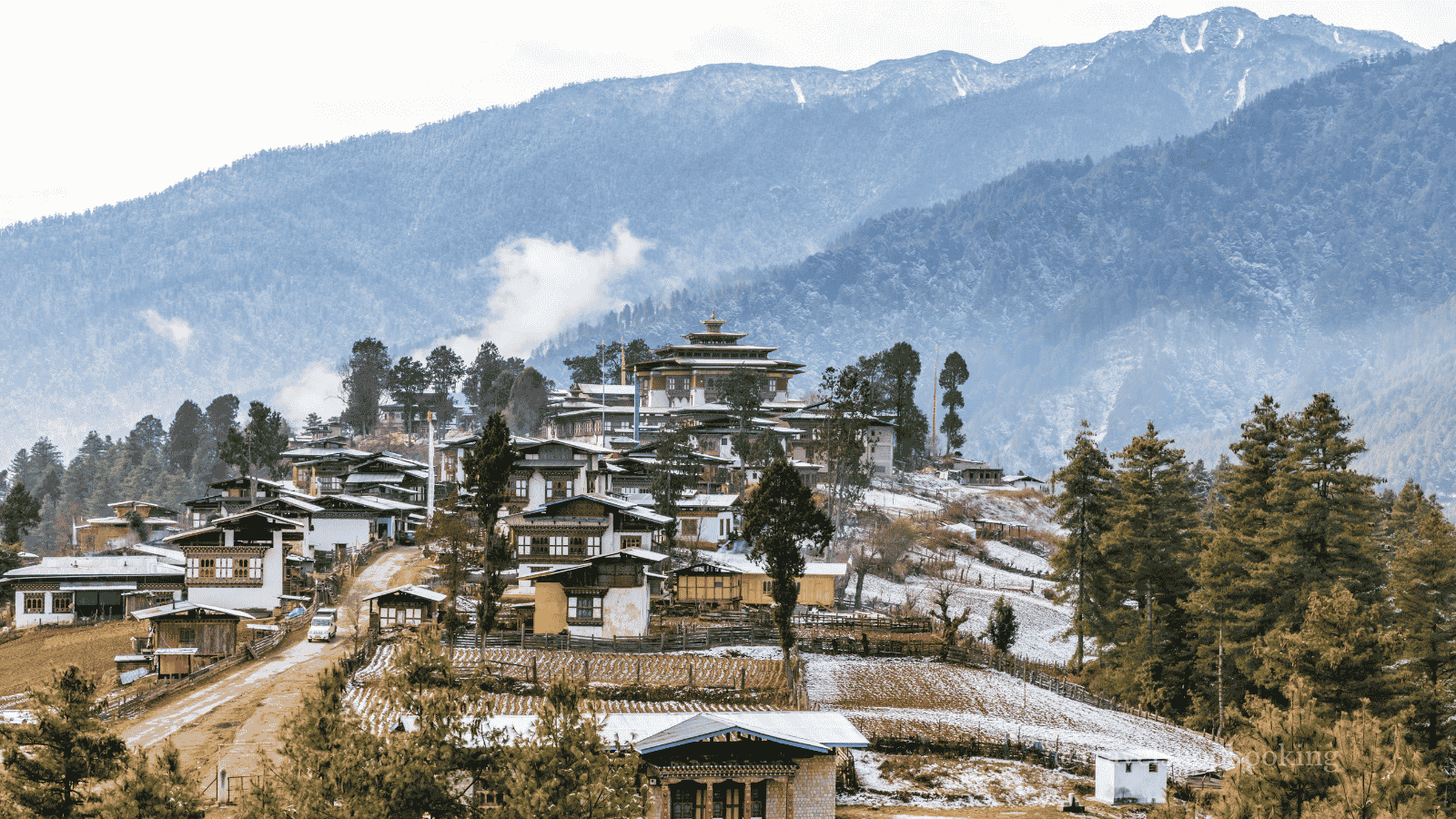
Jakar is the main town of Bumthang and a useful base for exploring the surrounding valleys.
The town is overlooked by Jakar Dzong, which sits on a ridge above the valley. The surrounding countryside is filled with monasteries, farmland, and traditional Bhutanese homes.
Jakar is especially worthwhile for travelers interested in religious history and rural Bhutanese culture.
Trongsa
Why Visit Trongsa?
Trongsa is located in central Bhutan and is dominated by its spectacular dzong, which stretches along a mountain ridge above a deep valley.
Historically, Trongsa was strategically important because of its position between eastern and western Bhutan.
Top Attractions
Explore Trongsa Dzong, visit the Ta Dzong, and walk through the town's historic streets.
The drive to Trongsa is also an important part of the experience, with winding mountain roads and dramatic Himalayan scenery.
Trongsa Dzong
Why Visit Trongsa Dzong?
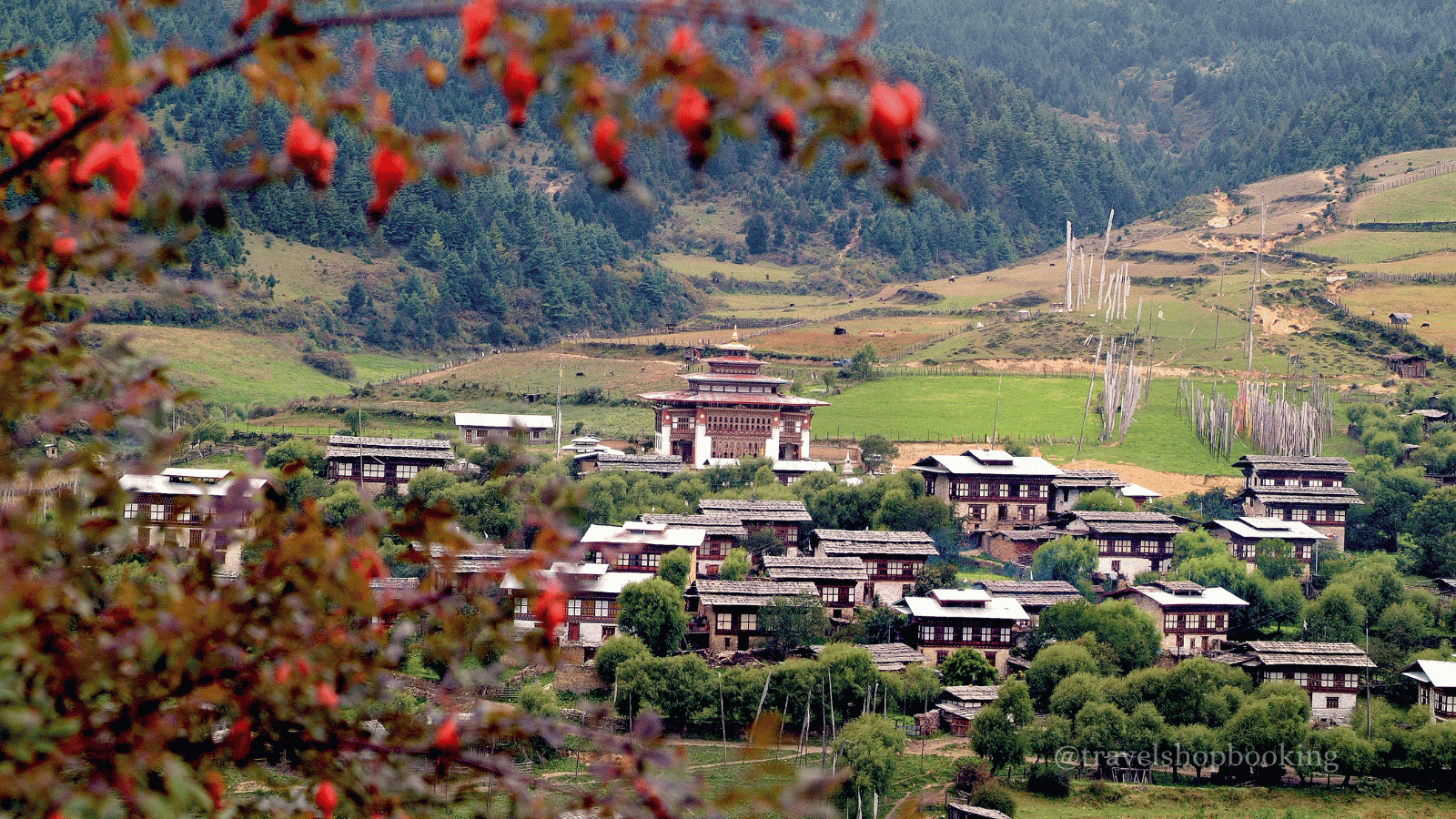
Trongsa Dzong is one of Bhutan's largest and most impressive fortress monasteries. Its architecture follows the contours of the mountain and seems to extend endlessly along the ridge.
The complex offers a fascinating insight into Bhutan's political and religious history.
Its elevated position also provides expansive views across the surrounding valleys.
Chele La Pass
Why Visit Chele La?
At an elevation of more than 3,900 meters, Chele La Pass is one of the highest motorable mountain passes in Bhutan.
The road connects the Paro Valley with the Haa Valley and provides spectacular views of surrounding mountains on clear days.
Best Experiences
Enjoy short walks, photograph Himalayan landscapes, and look for colorful prayer flags moving in the mountain wind.
Because of the altitude, temperatures can be considerably colder than in Paro, even during summer.
Haa Valley
Why Visit Haa Valley?
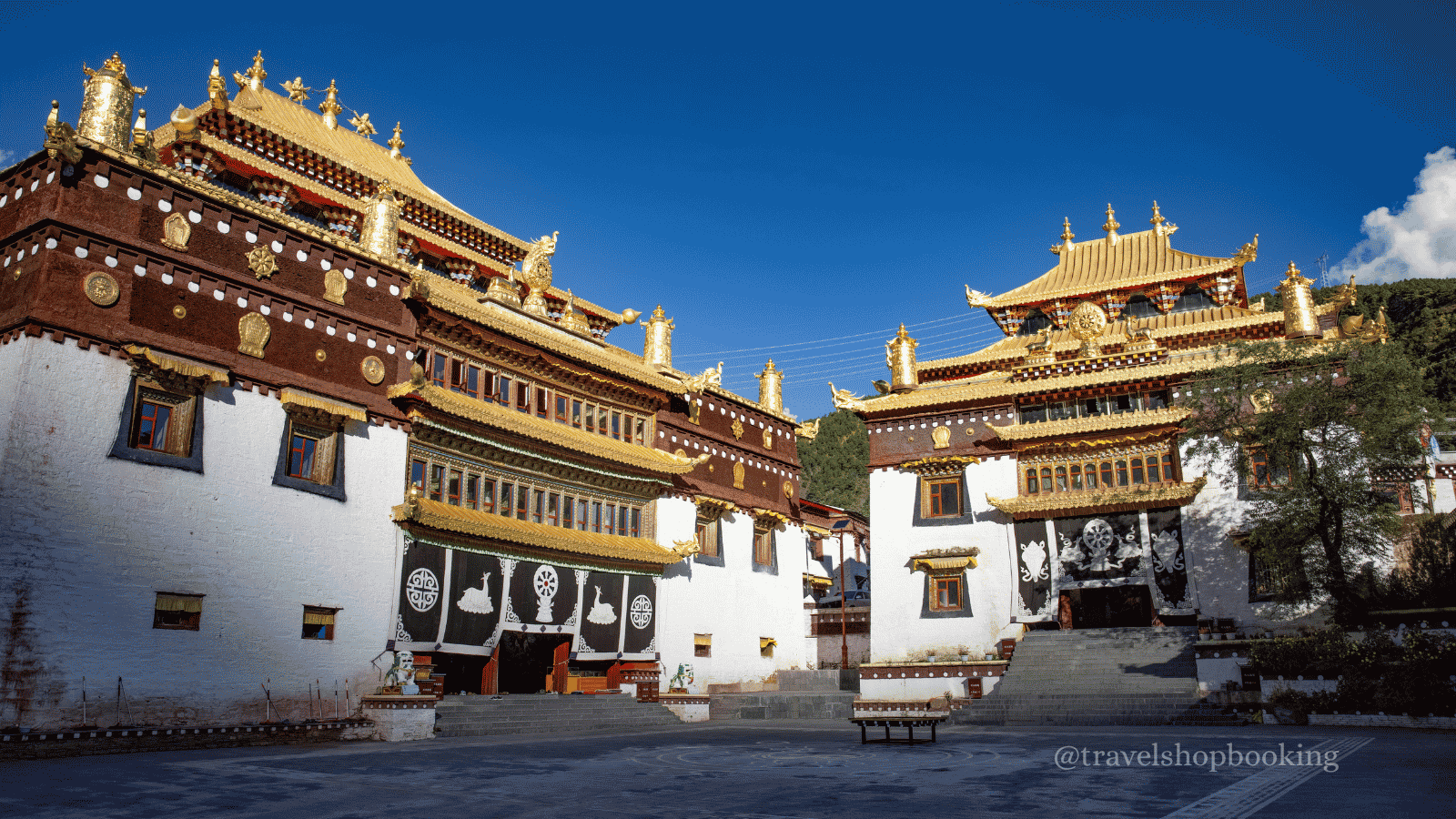
Haa Valley is one of Bhutan's quieter destinations and receives fewer visitors than Paro, Thimphu, or Punakha.
Its landscape consists of forested mountains, open farmland, traditional houses, and small Buddhist temples.
Best Experiences
Explore the villages, visit local temples, hike through the surrounding countryside, and combine the valley with a trip over Chele La Pass.
Haa is particularly suitable for travelers looking for a slower and less-developed side of Bhutan.
Wangdue Phodrang
Why Visit Wangdue Phodrang?
Wangdue Phodrang sits in a scenic valley surrounded by mountains and is an important stop between central Bhutan and Punakha.
The region is known for traditional villages, agricultural landscapes, and historic Buddhist sites.
Best Experiences
Explore the surrounding countryside, visit Gangtey and Phobjikha Valley as part of a wider route, and discover local villages and mountain viewpoints.
Laya
Why Visit Laya?
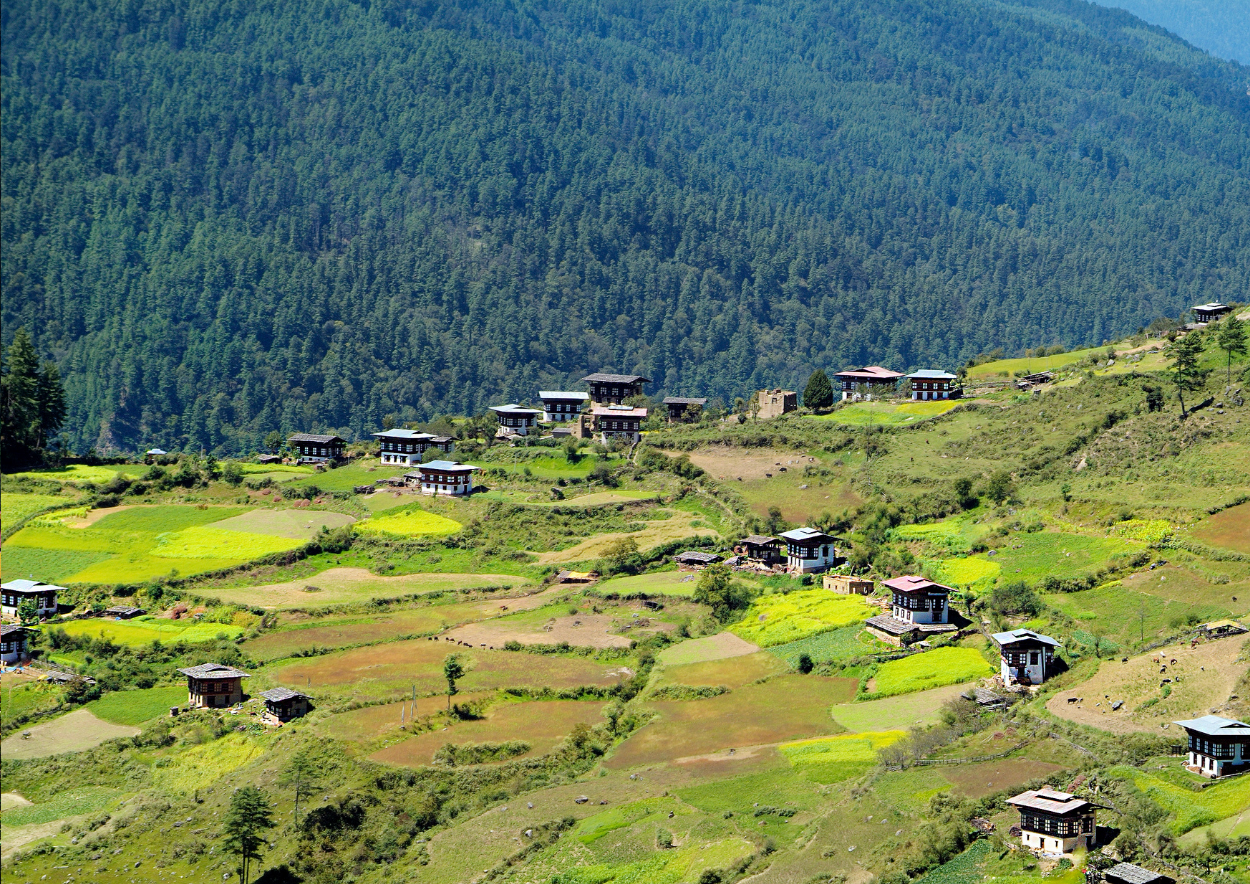
Laya is one of Bhutan's more remote highland communities. Located at a high elevation near the Tibetan border, it offers travelers a chance to experience a very different Himalayan environment.
The journey itself is challenging and generally requires trekking rather than conventional road travel.
Best Experiences
Trek through high mountain landscapes, experience traditional Laya culture, and enjoy views of some of Bhutan's most remote peaks.
Laya is best suited to experienced trekkers prepared for changing weather and demanding terrain.
Jigme Dorji National Park
Why Visit Jigme Dorji National Park?
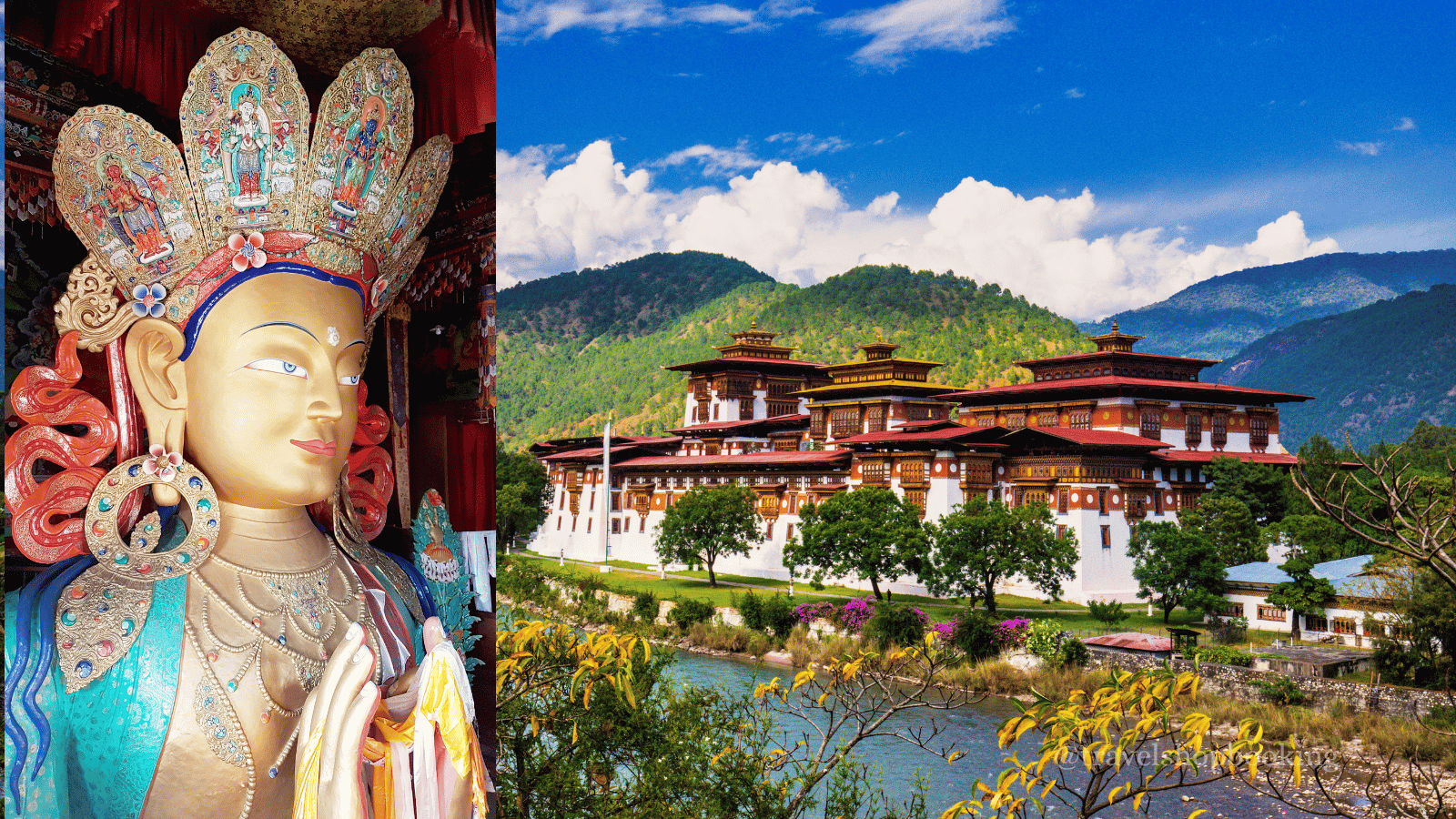
Jigme Dorji National Park is one of Bhutan's most important protected areas and contains an extraordinary range of ecosystems, from subtropical forests to high Himalayan environments.
The park is home to wildlife including snow leopards, Himalayan black bears, takins, and blue sheep.
Best Experiences
Trekking, wildlife observation, birdwatching, and exploring remote mountain landscapes are the main reasons to visit.
Because of the terrain and conservation requirements, many activities are best arranged with experienced local guides.
Jigme Singye Wangchuck National Park
Why Visit Jigme Singye Wangchuck National Park?
This central Bhutanese national park protects extensive forests and mountain ecosystems and provides opportunities to experience a quieter side of the country's wilderness.
It is less visited than the main cultural destinations, making it particularly appealing to nature-focused travelers.
The park supports a variety of Himalayan wildlife and bird species.
Royal Manas National Park
Why Visit Royal Manas National Park?
Located in southern Bhutan, Royal Manas National Park is one of the country's most important wildlife areas.
The park contains subtropical forests and supports species such as elephants, golden langurs, gaur, and numerous bird species.
Best Experiences
Wildlife watching, birdwatching, nature walks, and exploring subtropical landscapes are the main attractions.
The region provides a striking contrast to Bhutan's high mountain valleys.
Samdrup Jongkhar
Why Visit Samdrup Jongkhar?
Samdrup Jongkhar is an important town in southeastern Bhutan and provides a gateway to the country's subtropical eastern and southern regions.
The area feels very different from the high valleys around Paro and Thimphu, with warmer temperatures and more tropical vegetation.
It can be useful as part of a longer eastern Bhutan itinerary for travelers interested in exploring beyond the country's traditional tourist circuit.
Mongar
Why Visit Mongar?
Mongar is one of eastern Bhutan's important regional towns and is surrounded by steep mountains and forested valleys.
The journey to Mongar is an experience in itself, with winding mountain roads crossing some of the country's most dramatic terrain.
Mongar is a good stop for travelers taking an extended route through eastern Bhutan toward Trashigang and beyond.
Trashigang
Why Visit Trashigang?
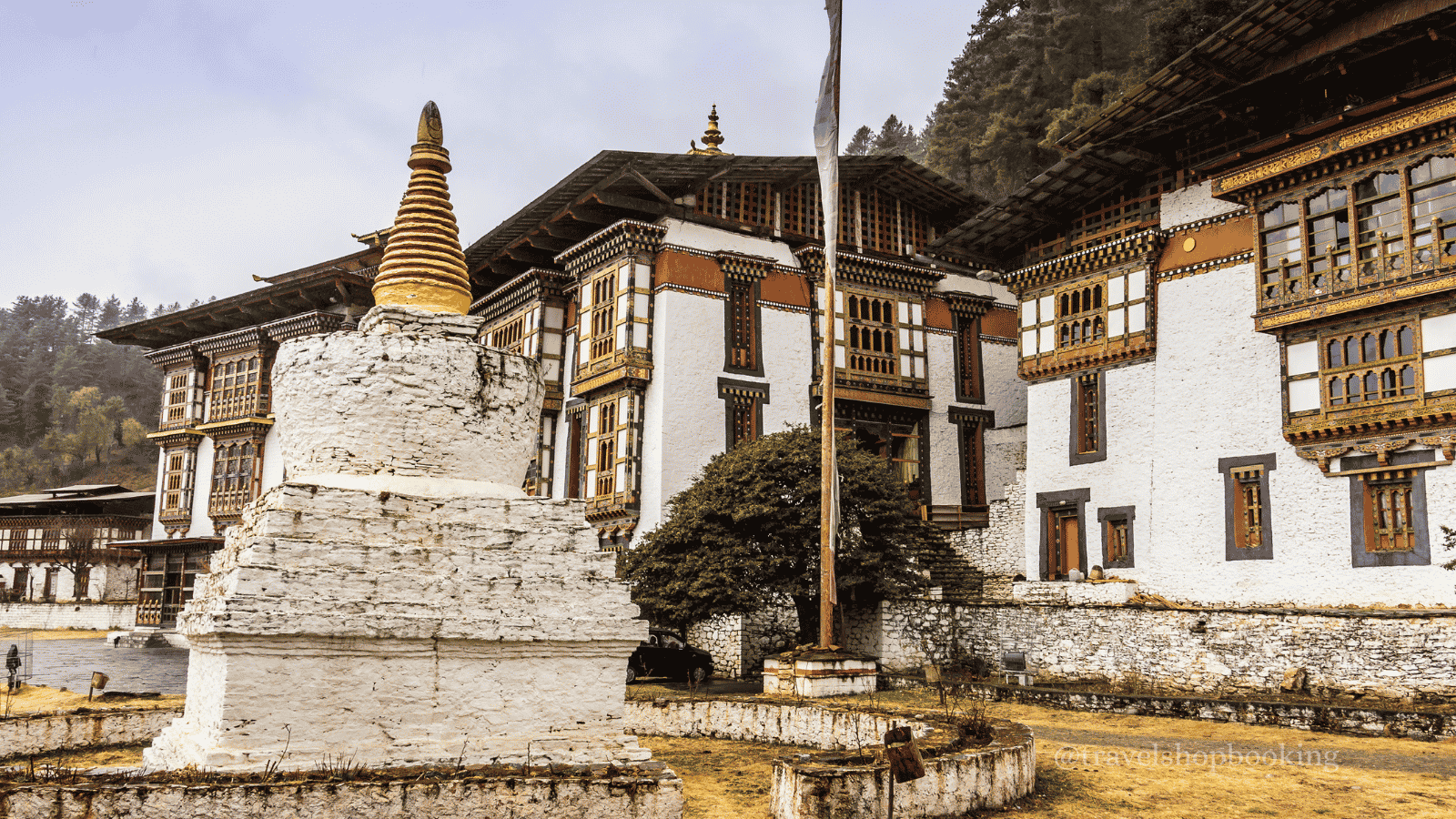
Trashigang is one of eastern Bhutan's largest towns and an important cultural center in the region.
The town sits on a hillside above the Drangme Chhu River and provides access to traditional villages and remote eastern landscapes.
For travelers with more time, Trashigang offers an opportunity to experience a part of Bhutan that receives fewer international visitors.
Best Places to Visit in Bhutan for Culture and History
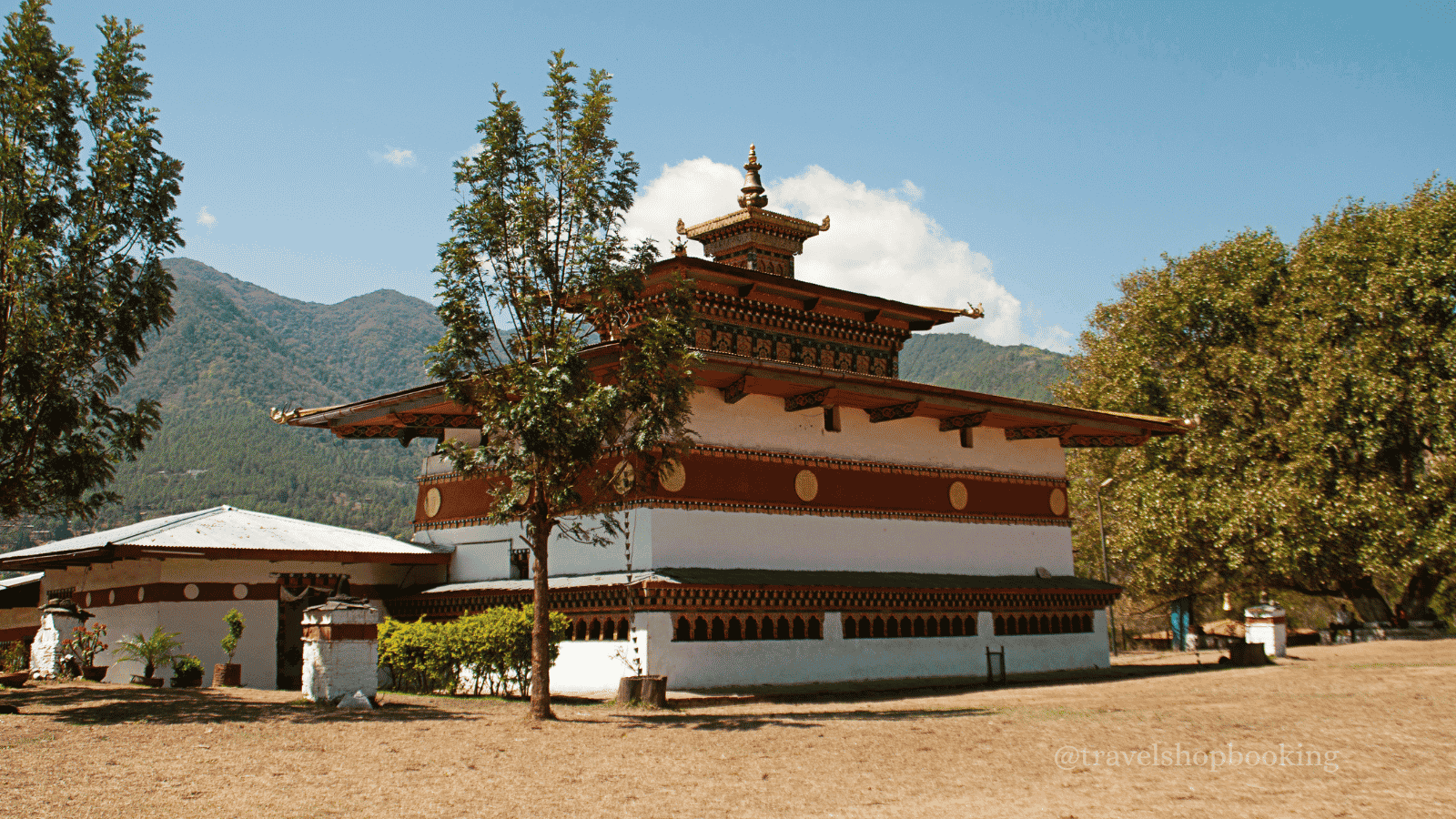
For cultural experiences, prioritize Paro, Thimphu, Punakha, Bumthang, Trongsa, and Haa Valley.
These destinations contain some of Bhutan's most important monasteries, dzongs, temples, and traditional settlements. Bumthang is particularly rewarding for travelers interested in Bhutanese Buddhism, while Paro and Punakha combine cultural landmarks with accessible mountain scenery.
Best Places to Visit in Bhutan for Nature
Bhutan is particularly rewarding for nature lovers because of its dramatic changes in elevation and protected landscapes.
Phobjikha Valley, Jigme Dorji National Park, Royal Manas National Park, Haa Valley, and the highland regions around Laya offer very different natural environments.
For mountain scenery without demanding trekking, Dochula Pass and Chele La are excellent options.
Best Places to Visit in Bhutan for Hiking
Bhutan offers hiking opportunities ranging from relatively easy valley walks to demanding multi-day Himalayan treks.
The Tiger's Nest trail is the country's most famous day hike, while Phobjikha Valley, Haa Valley, Laya, and Jigme Dorji National Park provide more extensive outdoor experiences.
Higher-altitude trekking requires careful preparation because weather conditions and temperatures can change quickly.
How Many Days Do You Need in Bhutan?
A 5 to 7-day itinerary can cover Paro, Tiger's Nest, Thimphu, Dochula Pass, and Punakha.
With 8 to 10 days, you can add Phobjikha Valley, Gangtey, and one or two additional cultural destinations.
A 10 to 14-day trip is better for travelers who want to include Bumthang, Trongsa, longer hikes, or less-visited valleys.
Travel times in Bhutan can be longer than they appear on a map because roads cross mountainous terrain, so avoiding an overly ambitious itinerary is important.
Best Time to Visit Bhutan's Top Destinations
The best overall periods for exploring Bhutan are generally March to May and September to November.
Spring is excellent for flowers and comfortable sightseeing, while autumn usually brings clearer skies and excellent mountain views.
Winter is particularly interesting for Punakha, cultural sightseeing, and black-necked crane watching in Phobjikha, although temperatures can be very cold.
Summer brings monsoon rain but also exceptionally green landscapes and fewer visitors.
Frequently Asked Questions
What is the most beautiful place to visit in Bhutan?
Tiger's Nest, Punakha Valley, Phobjikha Valley, and the mountain landscapes around Paro and Haa are among Bhutan's most scenic destinations.
What should I not miss in Bhutan?
For a first trip, prioritize Paro, Tiger's Nest Monastery, Thimphu, Punakha, Dochula Pass, and Phobjikha Valley.
How many days are enough for Bhutan?
7 to 10 days is a good length for a first visit, while 10 to 14 days allows you to explore more valleys and spend additional time hiking.
Which city is best for first-time visitors?
Paro and Thimphu are the most practical starting points. Paro provides access to Tiger's Nest and major cultural sites, while Thimphu offers museums, markets, and an introduction to contemporary Bhutanese life.
Is Bhutan good for nature lovers?
Yes. Bhutan's national parks, Himalayan valleys, forests, high mountain passes, and remote trekking routes make it particularly appealing for outdoor travelers.
What is the best place to see black-necked cranes?
Phobjikha Valley is Bhutan's best-known destination for observing black-necked cranes during their seasonal winter migration.
What is the best time to visit Bhutan?
March to May and September to November are generally the best periods for comfortable sightseeing, trekking, and clear mountain views.
Is Bhutan expensive to visit?
Bhutan can be more expensive than many neighboring destinations because eligible international travelers are subject to the country's Sustainable Development Fee, in addition to accommodation, transportation, guides, and other travel expenses.
Loading comments…