
Best Places to Visit in Laos
Laos is one of Southeast Asia's most peaceful destinations, known for its Buddhist temples, French colonial architecture, limestone mountains, waterfalls, and the mighty Mekong River. From UNESCO-listed heritage towns to remote mountain villages and tropical river islands, Laos offers a slower pace of travel and rich cultural experiences.
Luang Prabang
Luang Prabang is Laos' most famous destination and a UNESCO World Heritage Site. The city is renowned for its beautifully preserved Buddhist temples, colonial-era buildings, lively night market, and traditional morning alms-giving ceremony. Visitors can climb Mount Phousi for panoramic views, explore the Royal Palace Museum, and enjoy the town's riverside atmosphere.
Kuang Si Falls
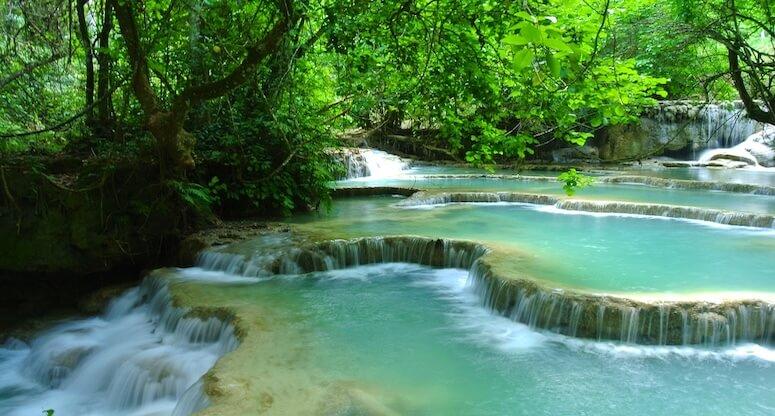
Located about 30 kilometers (19 miles) from Luang Prabang, Kuang Si Falls is one of Laos' most spectacular natural attractions. The multi-tiered turquoise waterfalls cascade into natural pools where visitors can swim. The surrounding park also includes walking trails and a bear rescue center.
Vang Vieng
Vang Vieng is famous for its dramatic limestone karst mountains, rivers, caves, and outdoor adventure activities. Popular experiences include kayaking on the Nam Song River, hot air balloon rides, hiking, rock climbing, zip-lining, and exploring caves such as Tham Chang.
Vientiane
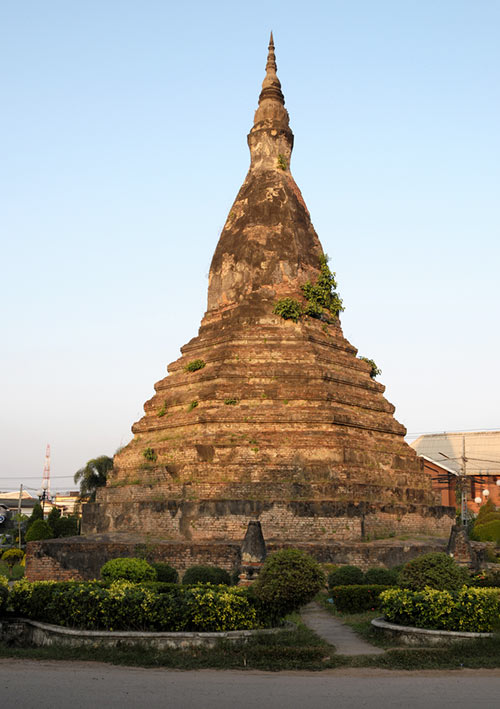
Laos' capital offers a relaxed atmosphere compared to many Southeast Asian cities. Top attractions include Pha That Luang, the country's most sacred Buddhist monument, Patuxai Victory Monument, Wat Si Saket, and the riverside promenade along the Mekong River.
Si Phan Don (4,000 Islands)
Located in southern Laos, Si Phan Don is a collection of islands scattered across the Mekong River. Don Det and Don Khon are the most popular islands for travelers, offering cycling, kayaking, river cruises, and opportunities to spot the rare Irrawaddy dolphins.
Bolaven Plateau
The Bolaven Plateau is known for its cool climate, coffee plantations, waterfalls, and scenic countryside. Visitors can tour coffee farms, visit impressive waterfalls such as Tad Fane and Tad Yuang, and explore traditional villages.
Plain of Jars
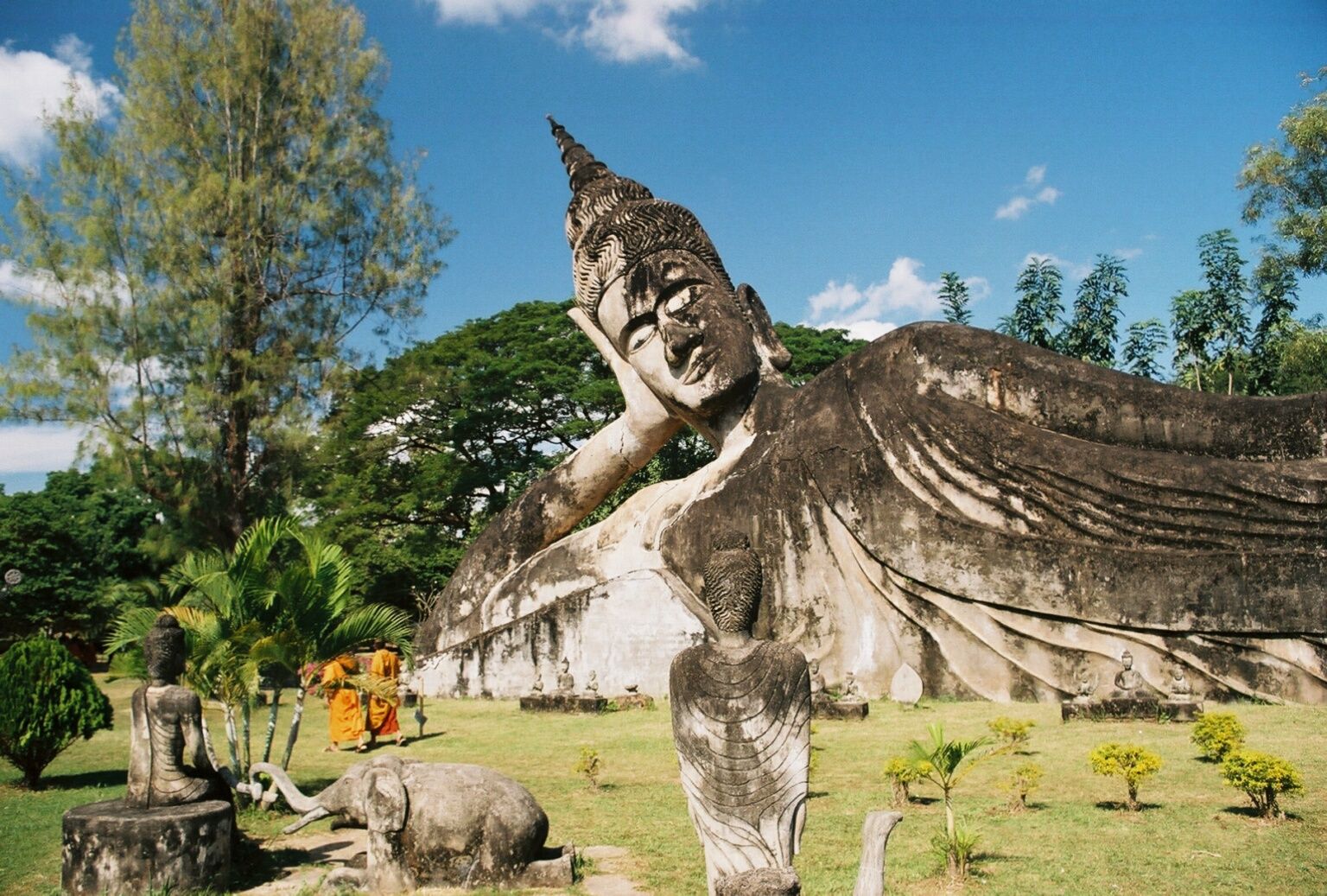
The Plain of Jars is one of Southeast Asia's most mysterious archaeological sites. Thousands of massive stone jars are scattered across the plateau near Phonsavan, and their exact purpose remains uncertain. The site is recognized as a UNESCO World Heritage Site.
Nong Khiaw
Nestled along the Nam Ou River, Nong Khiaw is surrounded by towering limestone mountains and is one of Laos' most picturesque villages. Travelers come for hiking, kayaking, boat trips, caves, and spectacular viewpoints overlooking the valley.
Thakhek Loop
The Thakhek Loop is one of Laos' most popular road-trip routes. This scenic circuit passes through limestone mountains, caves, rivers, waterfalls, and traditional villages. Highlights include Kong Lor Cave, one of the longest navigable river caves in Southeast Asia.
Kong Lor Cave
Located within Phou Hin Boun National Protected Area, Kong Lor Cave stretches for more than 7 kilometers (4.3 miles). Visitors travel through the cave by boat, passing enormous chambers, underground rivers, and impressive limestone formations.
Nam Et-Phou Louey National Park
One of Laos' most important protected areas, Nam Et-Phou Louey National Park is known for its wildlife conservation efforts. Guided night safaris provide opportunities to spot rare animals, including civets, deer, and various bird species.
Muang Ngoi
Accessible primarily by boat, Muang Ngoi is a peaceful riverside village surrounded by mountains and rice fields. It is an excellent destination for hiking, cycling, cave exploration, and experiencing traditional rural life.
Bokeo Nature Reserve
Bokeo Nature Reserve is home to the famous Gibbon Experience, where visitors stay in treehouses connected by zip lines while exploring one of Laos' largest remaining forests. The reserve protects diverse wildlife, including endangered black-crested gibbons.
Wat Phou
Wat Phou is an ancient Khmer temple complex located in southern Laos and recognized as a UNESCO World Heritage Site. Built centuries before Angkor Wat, the temple sits on the slopes of Mount Phou Kao and offers both historical significance and beautiful views.
Pakse
Pakse serves as the gateway to southern Laos and the Bolaven Plateau. The city itself offers riverside cafés, local markets, and temples, while its convenient location makes it an excellent base for exploring waterfalls, coffee plantations, and the 4,000 Islands.
Frequently Asked Questions
Which place should I visit first in Laos?
Luang Prabang is the ideal starting point thanks to its UNESCO World Heritage status, beautiful temples, waterfalls, and excellent tourist facilities.
What is the most famous attraction in Laos?
Luang Prabang and Kuang Si Falls are the country's most iconic attractions, while the Plain of Jars and Wat Phou are among its most important historical sites.
Is Vang Vieng worth visiting?
Yes. Vang Vieng is one of Laos' top adventure destinations, offering hiking, kayaking, cave exploration, hot air balloon rides, and stunning mountain scenery.
How many days are enough to explore Laos?
A 10–14 day itinerary allows visitors to experience Luang Prabang, Vang Vieng, Vientiane, the Bolaven Plateau, and the 4,000 Islands at a comfortable pace.
What is the best destination for nature lovers?
Kuang Si Falls, Nong Khiaw, Nam Et-Phou Louey National Park, the Bolaven Plateau, and Bokeo Nature Reserve offer some of Laos' finest natural landscapes and outdoor activities.
Which place is best for learning about Laos' history?
Luang Prabang, Wat Phou, the Plain of Jars, and Vientiane provide the best opportunities to explore Laos' rich cultural, religious, and historical heritage.
Loading comments…