
.jpg&w=1920&q=75)
Best Places to Visit in Lebanon
Lebanon is a compact country where visitors can explore ancient Roman temples, medieval cities, mountain villages, Mediterranean beaches, and vibrant urban neighborhoods within just a few hours of each other. Rich history, diverse landscapes, and exceptional cuisine make Lebanon one of the Middle East's most rewarding destinations.
Beirut
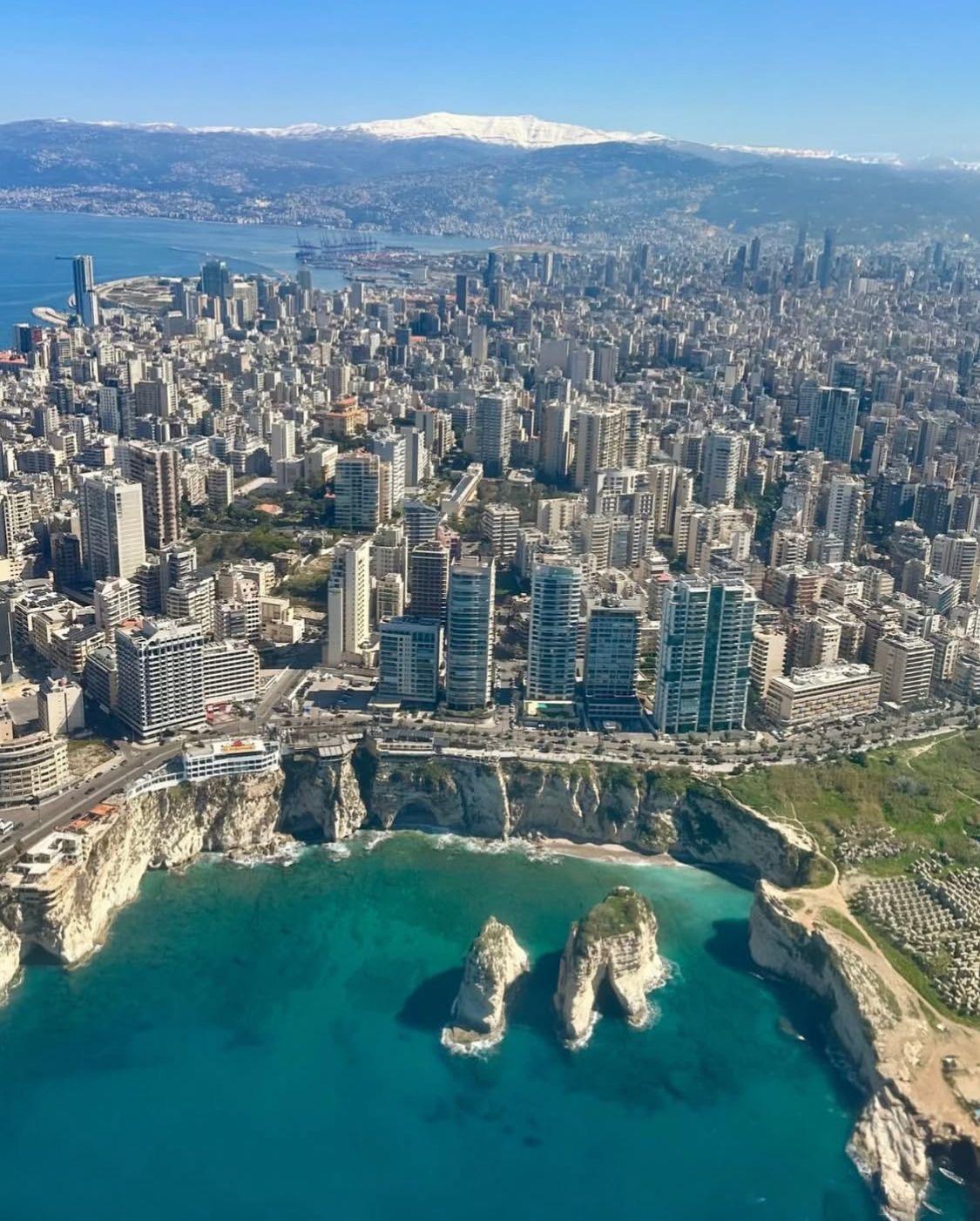
Beirut is Lebanon's capital and cultural center, offering a unique blend of historic landmarks, modern architecture, nightlife, and seaside promenades. Visitors can explore the National Museum of Beirut, Mohammad Al-Amin Mosque, the Roman Baths, Martyrs' Square, and the scenic Corniche. The city's cafés, restaurants, and art galleries showcase Lebanon's vibrant contemporary culture.
Byblos (Jbeil)
Byblos is one of the world's oldest continuously inhabited cities and a UNESCO World Heritage Site. Visitors can explore the Crusader Castle, ancient Phoenician ruins, historic harbor, medieval souks, and charming waterfront restaurants. The city combines thousands of years of history with a lively atmosphere.
Baalbek
Baalbek is home to some of the best-preserved Roman temples in the world. The UNESCO-listed archaeological complex includes the Temple of Jupiter, Temple of Bacchus, and Temple of Venus. The massive stone structures and intricate carvings make Baalbek one of the Middle East's greatest historical attractions.
Jeita Grotto
Jeita Grotto is Lebanon's most famous natural attraction. This spectacular limestone cave system consists of upper and lower chambers filled with impressive stalactites, stalagmites, and underground rivers. Visitors can explore the upper cave on foot and the lower cave by boat.
Cedars of God
The Cedars of God is a UNESCO World Heritage Site preserving some of the country's ancient cedar forests, the national symbol of Lebanon. Visitors can walk among centuries-old trees, enjoy mountain scenery, and visit nearby viewpoints and hiking trails.
Batroun
Batroun is one of Lebanon's oldest coastal towns, known for its sandy beaches, historic churches, Phoenician sea wall, and vibrant old town. It is also famous for its seafood restaurants, cafés, and lively nightlife during the summer months.
Tyre (Sour)
Located on Lebanon's southern coast, Tyre is another UNESCO World Heritage Site with impressive Roman ruins, ancient streets, hippodrome, and beautiful Mediterranean beaches. The city's archaeological sites highlight its importance as one of the great Phoenician ports.
Sidon (Saida)
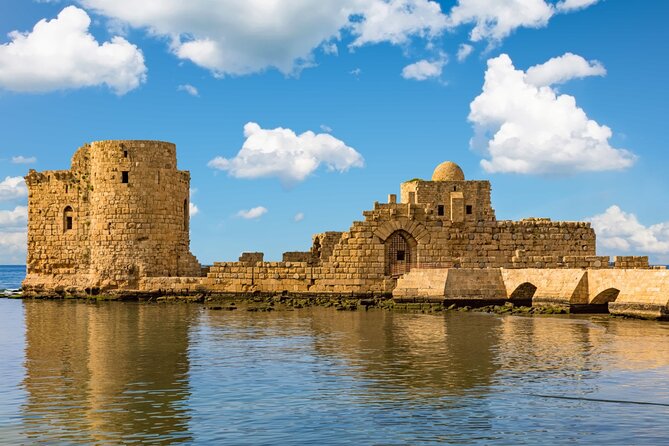
Sidon is a historic port city famous for the Sea Castle, old souks, Soap Museum, and Khan al-Franj. Visitors can experience traditional Lebanese markets while exploring centuries of Phoenician, Crusader, and Ottoman history.
Bcharre
Nestled in the mountains of northern Lebanon, Bcharre is best known as the birthplace of poet Khalil Gibran. Visitors can tour the Gibran Museum, enjoy panoramic mountain views, and use the town as a base for visiting the Cedars of God and nearby hiking trails.
Qadisha Valley
The UNESCO-listed Qadisha Valley is one of Lebanon's most important religious and natural sites. Deep canyons, ancient monasteries carved into cliffs, hiking trails, and dramatic mountain scenery make it a favorite destination for outdoor enthusiasts and history lovers.
Harissa
Harissa is one of Lebanon's most important Christian pilgrimage sites. The Shrine of Our Lady of Lebanon overlooks Jounieh Bay and offers breathtaking panoramic views. Visitors can reach the summit by cable car or road.
Jounieh
Jounieh is a popular coastal resort town known for its marina, beaches, waterfront restaurants, and vibrant nightlife. The city also serves as the gateway to Harissa and offers boat trips along the Mediterranean coast.
Chouf Biosphere Reserve
The Chouf Biosphere Reserve is Lebanon's largest protected natural area, home to forests, mountain villages, hiking trails, and diverse wildlife. It is especially popular among nature lovers and birdwatchers.
Beiteddine Palace
Built in the early 19th century, Beiteddine Palace is one of Lebanon's finest examples of traditional Lebanese architecture. Visitors can admire elegant courtyards, ornate halls, fountains, and gardens while learning about the country's history.
Mzaar Kfardebian
Lebanon's largest ski resort attracts visitors during the winter months with skiing, snowboarding, and mountain activities. In summer, the surrounding mountains offer hiking, scenic drives, and cooler temperatures than the coast.
Frequently Asked Questions
Which city should I visit first in Lebanon?
Beirut is the ideal starting point thanks to its international airport, cultural attractions, restaurants, and easy access to many of Lebanon's top destinations.
What is the most famous historical site in Lebanon?
Baalbek is Lebanon's most famous archaeological site, featuring some of the largest and best-preserved Roman temples in the world.
Is Jeita Grotto worth visiting?
Yes. Jeita Grotto is considered one of Lebanon's top natural attractions, with impressive limestone caves, underground rivers, and unique rock formations.
How many days are enough to explore Lebanon?
A 7–10 day itinerary allows visitors to experience Beirut, Byblos, Baalbek, Jeita Grotto, the Cedars of God, Tyre, and several mountain destinations.
What is the best destination for nature lovers?
The Cedars of God, Qadisha Valley, Chouf Biosphere Reserve, and Jeita Grotto offer some of Lebanon's most impressive natural landscapes.
Which place is best for beaches in Lebanon?
Batroun, Tyre, Jounieh, and the Beirut coastline are among Lebanon's best destinations for beaches, swimming, and enjoying the Mediterranean Sea.
Loading comments…