
Free Cancellation
Lebanon Tours cover a small country on the eastern Mediterranean coast, where Beirut's seafront corniche sits within an hour or two of Roman temples, Crusader-era towns and cedar forests in the mountains inland. Officially the Republic of Lebanon, the country's coastline has long made it a stop for summer travel and short cultural trips within the region.
Lebanon forms part of the wider Asia region covered on this site, and its small size means most of its key sites can be reached on day trips from Beirut.
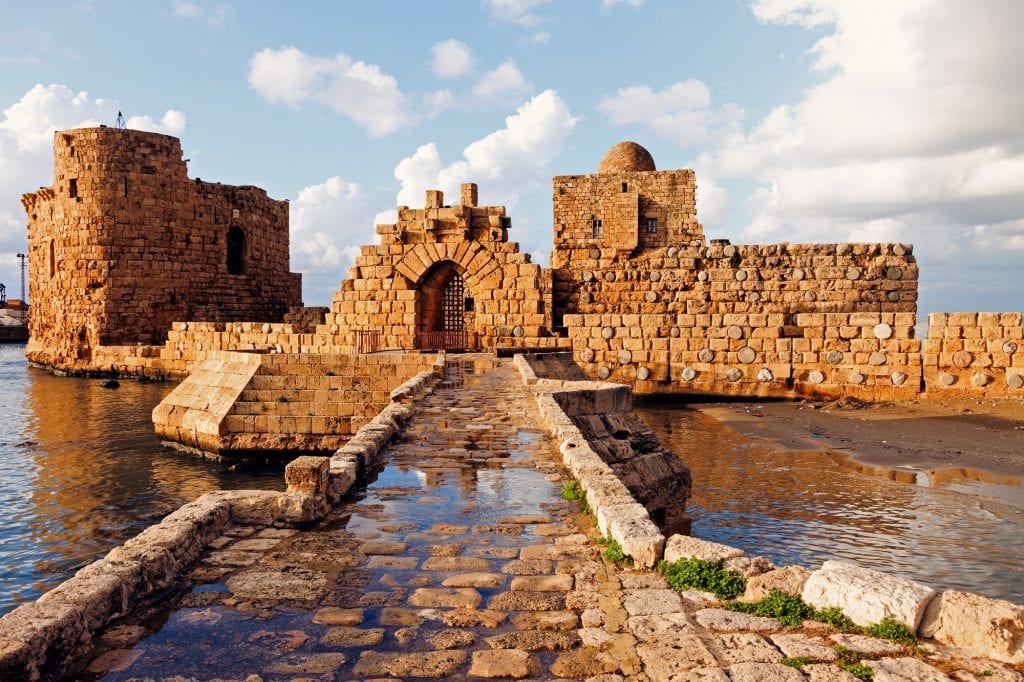
Beirut mixes rebuilt downtown squares with older neighborhoods such as Gemmayze and Mar Mikhael, known for their nightlife and converted heritage buildings. South of the city, the port town of Sidon holds a sea castle built by Crusaders, while Tyre, farther south, preserves Roman ruins recognized as a UNESCO World Heritage Site.
Baalbek, in the Bekaa Valley, holds some of the largest and best-preserved Roman temple ruins anywhere in the world, including the Temple of Jupiter, built on a foundation of stones so massive their transport remains debated by historians.
Byblos is considered one of the oldest continuously inhabited cities in the world, with layers of Phoenician, Roman and Crusader history visible around its harbor and medieval citadel.
Anjar, also UNESCO-listed, preserves the ruins of an eighth-century Umayyad city, distinct from Lebanon's more common Roman and Phoenician sites.
Lebanon Tour Packages typically combine Beirut with a day trip into the Bekaa Valley, such as a deluxe tour covering Baalbek, the Ksara wine cellars and Anjar.
Lebanese cuisine is built around mezze, a spread of small dishes such as hummus, tabbouleh and grilled meats, widely regarded as one of the foundations of Levantine cooking. The Bekaa Valley also produces much of the country's wine, with vineyards such as Ksara dating back to the mid-19th century.
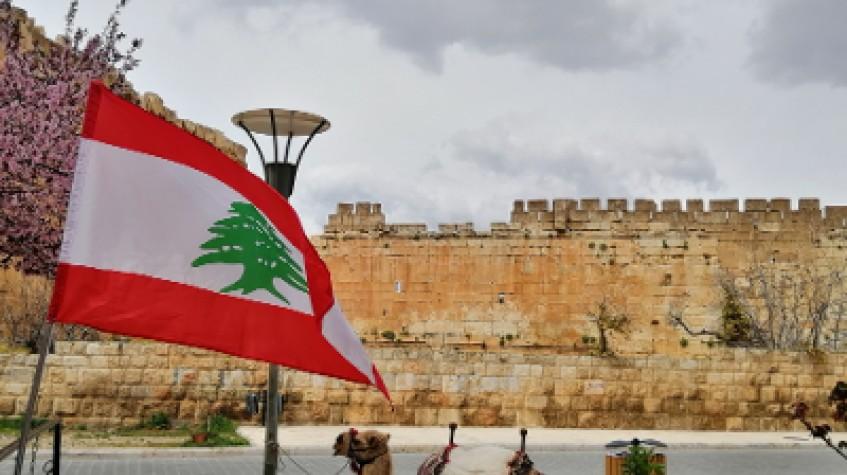
The Chouf Cedar Reserve and the Cedars of God near Bsharri protect some of Lebanon's last remaining ancient cedar forests, a tree that appears on the national flag and once supplied timber for Phoenician shipbuilding. In winter, ski resorts in the same mountain range operate close enough to Beirut to combine with a coastal stay.
Spring and autumn offer comfortable temperatures for sightseeing along the coast and in the mountains, while summer draws visitors to the coast for swimming, and winter brings snow to the mountains inland, close enough to combine skiing with a coastal stay.
.png)
.jpg)