

Best Places to Visit in Oman
Oman is one of the Arabian Peninsula's most fascinating destinations, offering dramatic mountain ranges, vast deserts, pristine beaches, historic forts, and authentic Arabian culture. Unlike many of its neighbors, Oman has preserved much of its traditional heritage while providing modern infrastructure for travelers. From the vibrant capital of Muscat to the lush landscapes of Salalah, the country offers a remarkable variety of experiences.
Muscat
Muscat, Oman's capital, blends traditional architecture with modern development. Visitors can explore the magnificent Sultan Qaboos Grand Mosque, the Royal Opera House, Mutrah Souq, Al Alam Palace, and the scenic Mutrah Corniche. The city is also an excellent base for discovering nearby beaches, wadis, and mountain villages.
Nizwa
Once the capital of Oman, Nizwa is one of the country's most important historical cities. Its imposing Nizwa Fort, traditional souq, and famous Friday livestock market provide an authentic glimpse into Omani culture. The city is also known for its silver handicrafts and local date markets.
Jebel Shams
Known as the "Mountain of the Sun," Jebel Shams is Oman's highest peak. The area is famous for the spectacular Balcony Walk, which overlooks Wadi Ghul, often referred to as the Grand Canyon of Arabia. Hiking, photography, and mountain scenery make it one of the country's top outdoor destinations.
Jebel Akhdar
Jebel Akhdar, meaning "Green Mountain," is part of the Hajar Mountains and is renowned for its cool climate, terraced farms, fruit orchards, and rose gardens. Visitors can enjoy scenic drives, hiking trails, and breathtaking viewpoints overlooking deep valleys.
Wahiba Sands (Sharqiya Sands)
The Wahiba Sands is one of Oman's most famous desert regions. Visitors can experience dune bashing, camel riding, sandboarding, stargazing, and overnight stays in traditional Bedouin-style desert camps while enjoying the beauty of endless golden dunes.
Wadi Shab
Wadi Shab is one of Oman's most spectacular natural attractions. Visitors hike through dramatic canyons before swimming in crystal-clear pools surrounded by towering cliffs. The hidden cave and waterfall at the end of the trail are among the country's most memorable experiences.
Wadi Bani Khalid
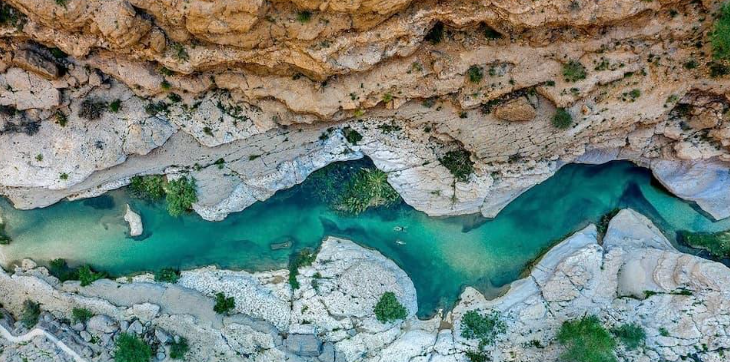
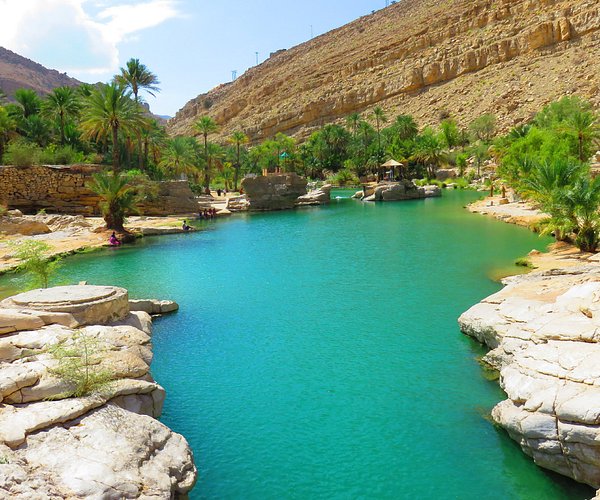
Known for its emerald-green pools and palm-lined scenery, Wadi Bani Khalid is one of Oman's most accessible wadis. Visitors can swim, picnic, explore nearby caves, or simply relax in one of the country's most picturesque natural settings.
Salalah
Located in southern Oman, Salalah is famous for its unique Khareef monsoon season, which transforms the surrounding landscape into lush green hills and waterfalls. Beyond its natural beauty, the city offers frankincense heritage sites, beautiful beaches, and archaeological attractions.
Sur
Sur is a historic coastal city long associated with traditional dhow shipbuilding. Visitors can tour dhow workshops, stroll along the waterfront, visit the Sur Maritime Museum, and enjoy nearby beaches and coastal scenery.
Ras Al Jinz Turtle Reserve
Ras Al Jinz is one of the world's most important nesting sites for green sea turtles. Guided evening tours allow visitors to observe turtles laying eggs or hatchlings making their way to the sea, depending on the season.
Musandam Peninsula
Separated from the rest of Oman by the United Arab Emirates, the Musandam Peninsula is often called the "Norway of Arabia" because of its dramatic fjord-like coastline. Dhow cruises, dolphin watching, snorkeling, kayaking, and diving are among the area's most popular activities.
Bahla Fort
A UNESCO World Heritage Site, Bahla Fort is one of Oman's oldest and largest forts. Built primarily from mud brick, it reflects the country's rich architectural heritage and defensive history.
Misfat Al Abriyeen
This traditional mountain village is famous for its ancient stone houses, narrow alleyways, terraced farms, and falaj irrigation system. It offers visitors a peaceful glimpse into rural Omani life and is a popular stop on mountain road trips.
Daymaniyat Islands
The Daymaniyat Islands Nature Reserve is one of Oman's top marine destinations. The islands feature pristine beaches, coral reefs, sea turtles, reef sharks, and colorful tropical fish, making them ideal for snorkeling and scuba diving.
Bimmah Sinkhole
Bimmah Sinkhole is a natural limestone crater filled with clear turquoise water. Located along the coastal highway between Muscat and Sur, it is a popular stop for swimming and photography.
Frequently Asked Questions
Which city should I visit first in Oman?
Muscat is the ideal starting point thanks to its international airport, major cultural attractions, and convenient access to many of Oman's top destinations.
What is the most famous attraction in Oman?
The Sultan Qaboos Grand Mosque in Muscat and the desert landscapes of Wahiba Sands are among Oman's most iconic attractions.
Is Salalah worth visiting?
Yes. Salalah is especially popular during the Khareef season (June to September), when the region becomes lush and green, offering a unique contrast to the rest of the Arabian Peninsula.
How many days are enough to explore Oman?
A 7–10 day itinerary allows visitors to explore Muscat, Nizwa, Jebel Shams, Wahiba Sands, Wadi Shab, Sur, and nearby coastal attractions at a comfortable pace.
What is the best destination for nature lovers?
Jebel Shams, Jebel Akhdar, Wadi Shab, Wadi Bani Khalid, the Daymaniyat Islands, and the Musandam Peninsula showcase Oman's most impressive natural landscapes.
Which place is best for beaches and marine life?
The Daymaniyat Islands, Musandam Peninsula, Ras Al Jinz, and the beaches around Salalah offer some of Oman's best opportunities for snorkeling, diving, dolphin watching, and sea turtle encounters.
Loading comments…