
.png&w=1920&q=75)
Bratislava
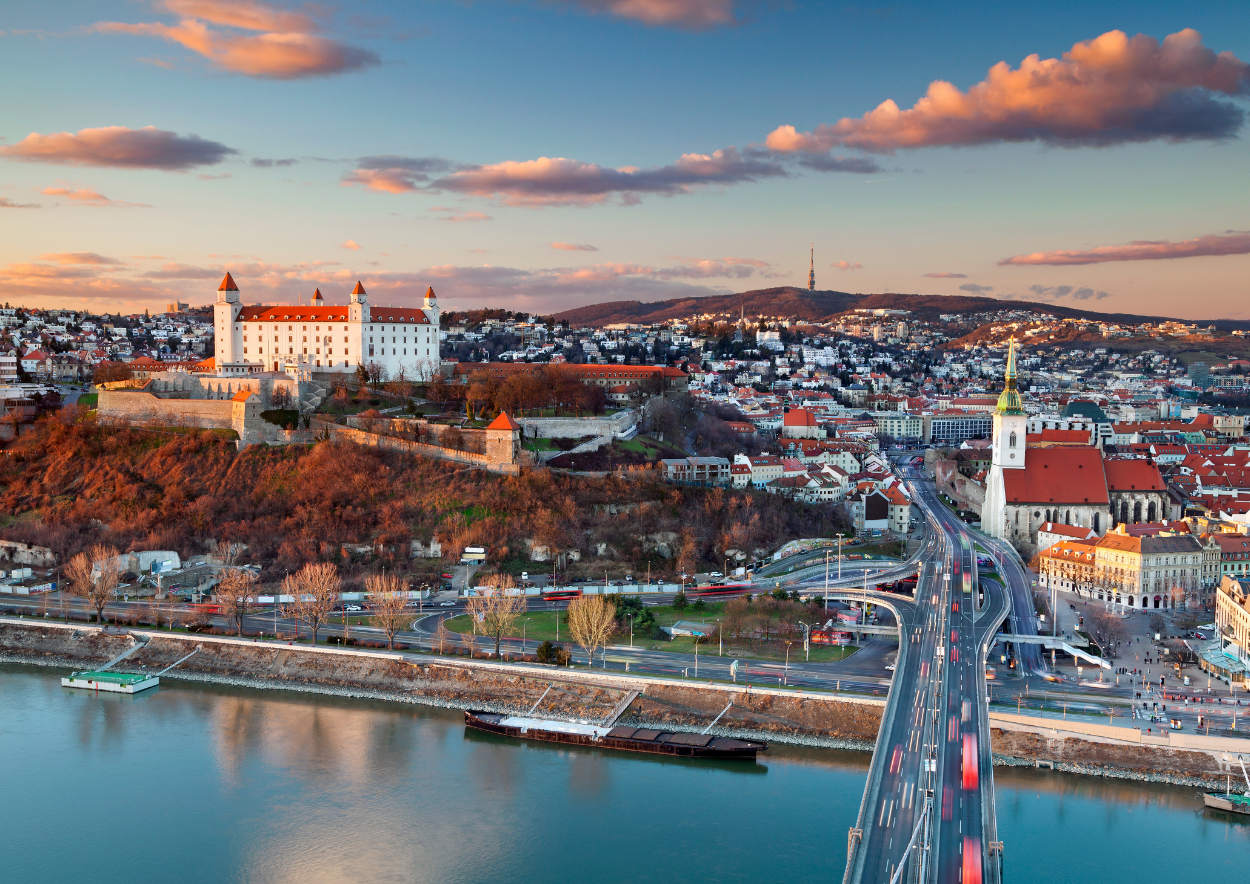
Bratislava is Slovakia's capital and the easiest starting point for a first visit. Its compact historic center is filled with colorful buildings, narrow streets, cafés, and historic landmarks.
The Bratislava Castle, Michael's Gate, Old Town Hall, St. Martin's Cathedral, and the Blue Church are among the city's main attractions. The Danube waterfront is also pleasant for an evening walk, while the city's location makes it easy to combine a trip to Slovakia with nearby Vienna.
High Tatras
The High Tatras are Slovakia's most famous mountain destination and the country's main area for hiking and winter sports.
The landscape includes sharp peaks, alpine lakes, waterfalls, and mountain valleys. Popular areas include Tatranská Lomnica, Starý Smokovec, and Štrbské Pleso.
Summer is best for hiking, while winter attracts skiers and snowboarders.
Štrbské Pleso
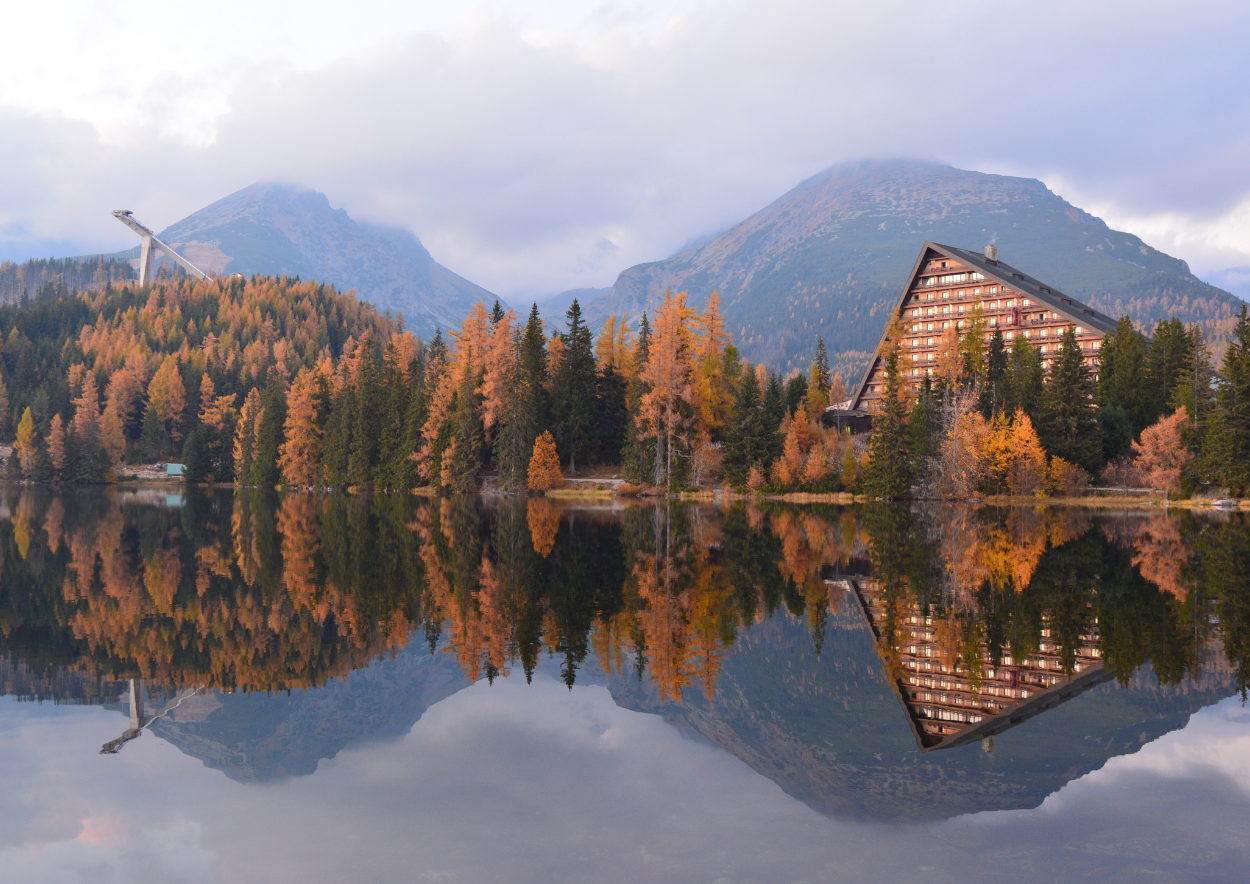
Štrbské Pleso is one of the most scenic mountain resorts in the High Tatras. The settlement sits beside a beautiful alpine lake surrounded by forest and mountain peaks.
Visitors can walk around the lake, follow nearby hiking routes, or use the area as a base for exploring the surrounding mountains. In winter, the region becomes a popular destination for snow activities.
Tatranská Lomnica
Tatranská Lomnica is one of Slovakia's best-known mountain resorts and provides access to some of the highest areas of the High Tatras.
The cable car system allows visitors to reach higher elevations without undertaking a demanding climb. During summer, the area is popular with hikers, while winter brings skiing and snowboarding opportunities.
Spiš Castle
Spiš Castle is one of Slovakia's most impressive historical landmarks and one of the largest castle complexes in Central Europe.
The medieval ruins sit on a hill overlooking the surrounding countryside. The castle is part of a UNESCO World Heritage site that also includes several nearby historic settlements and monuments.
Its elevated location provides excellent views, particularly on clear days.
Banská Štiavnica
Banská Štiavnica is one of Slovakia's most atmospheric historic towns. Built around a former mining center, the town combines medieval architecture with hills, forests, and old mining landscapes.
The New Castle, Old Castle, Holy Trinity Square, and Calvary are among the main attractions. The surrounding countryside is also ideal for hiking and exploring former mining lakes.
Slovak Paradise National Park
Slovak Paradise is one of Slovakia's best destinations for active travelers. The park is known for forested valleys, waterfalls, gorges, ladders, bridges, and narrow trails.
The hiking routes can be adventurous, particularly in areas such as the Suchá Belá Gorge. Good footwear is essential, and some trails can become slippery after rain.
Košice
Košice is Slovakia's second-largest city and an important cultural center in the eastern part of the country.
The historic center is centered around St. Elisabeth Cathedral, one of the largest churches in Slovakia. Visitors can also explore Hlavná Street, the Singing Fountain, the State Theatre, and numerous cafés and restaurants.
Košice offers a different urban experience from Bratislava and is worth including in a longer itinerary.
Bojnice
Bojnice is best known for its spectacular fairy-tale-style castle. Bojnice Castle is one of Slovakia's most photographed landmarks, with towers, courtyards, and romantic architectural details.
The nearby zoo and surrounding park make the town particularly suitable for families. Spring and summer are excellent times to explore the castle grounds.
Bojnice Castle
Bojnice Castle deserves a separate visit because of its distinctive appearance and rich history.
The castle has been rebuilt and renovated several times, giving it a mixture of medieval, Renaissance, and Romantic influences. Guided tours explore its interiors, historic rooms, and collections.
Its dramatic appearance makes it one of Slovakia's most memorable castles.
Orava Castle
Orava Castle rises dramatically above the Orava River and is one of northern Slovakia's most impressive landmarks.
The complex includes several courtyards, towers, stairways, and historic chambers built at different periods. The castle's position on a steep limestone cliff creates a striking view from the surrounding countryside.
It is especially attractive during spring and summer when the surrounding landscape is green.
Vlkolínec
Vlkolínec is a beautifully preserved mountain village and a UNESCO World Heritage Site.
Traditional wooden houses, barns, and small agricultural buildings provide a glimpse into rural Slovak life from earlier centuries. The village is surrounded by hills and forests, making it easy to combine a cultural visit with a countryside walk.
Demänovská Cave of Freedom
Located in the Low Tatras, the Demänovská Cave of Freedom is one of Slovakia's most impressive underground attractions.
The cave contains stalactites, stalagmites, underground chambers, and unusual rock formations created over thousands of years.
It is a particularly useful attraction during rainy weather and can be combined with a visit to the surrounding Low Tatras.
Low Tatras National Park
The Low Tatras offer some of Slovakia's best mountain scenery outside the High Tatras.
The park is popular for hiking, skiing, cycling, and panoramic viewpoints. Chopok and Ďumbier are among the most important mountain destinations in the region.
Summer is ideal for hiking, while winter brings visitors to the area's ski resorts.
Trenčín
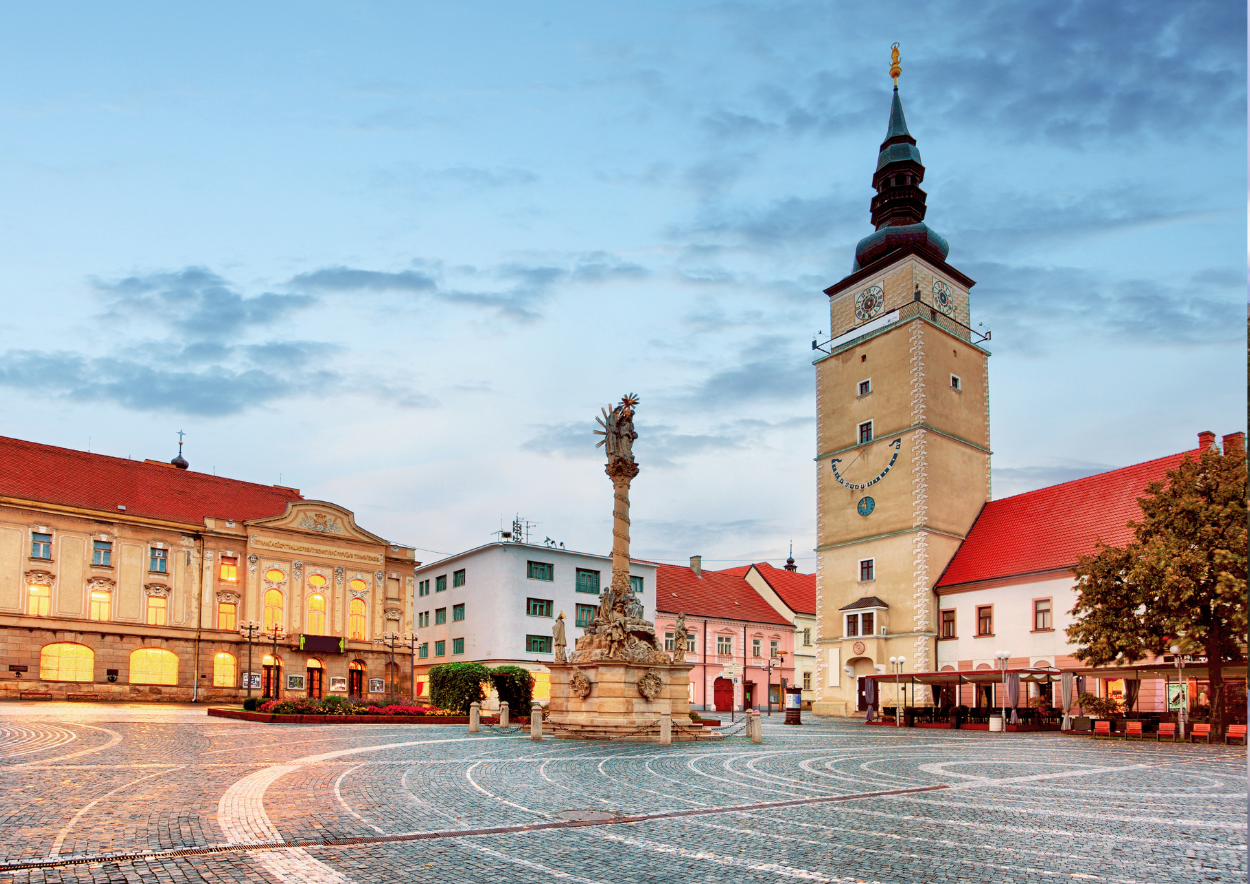
Trenčín is a historic city in western Slovakia dominated by its impressive hilltop castle.
Trenčín Castle overlooks the city and surrounding valley, while the historic center below offers cafés, churches, and traditional architecture.
The city is relatively compact, making it a convenient stop for travelers exploring western Slovakia.
Trenčín Castle
Trenčín Castle is one of Slovakia's most important medieval fortifications.
The complex includes defensive walls, towers, courtyards, and historic buildings spread across the hill above the city. Visitors can climb to elevated sections for panoramic views over Trenčín and the surrounding countryside.
Levoca
Levoča is a historic town in eastern Slovakia with a beautifully preserved medieval center.
The Church of St. James, historic town square, and Renaissance townhouses are among its main attractions. The town is also part of the UNESCO-listed Spiš region.
Its relatively quiet atmosphere makes it an excellent alternative to Slovakia's more heavily visited destinations.
Pieniny National Park
Pieniny National Park lies along the border with Poland and is famous for its limestone mountains and the Dunajec River.
One of the most popular experiences is a traditional raft trip along the Dunajec Gorge, where travelers can admire dramatic cliffs and forested hills from the water.
The region is also suitable for hiking and cycling.
Červený Kláštor
Červený Kláštor is a small village near Pieniny National Park, best known for its historic monastery and access to the Dunajec Gorge.
It is an excellent base for exploring the surrounding mountains and taking a river rafting excursion. The peaceful setting makes it particularly appealing to travelers looking for a slower pace.
Slovak Karst National Park
Slovak Karst National Park is located in southeastern Slovakia and is known for its limestone formations, underground caves, forests, and karst landscapes.
The region contains numerous caves, including the Domica Cave, which extends across the Slovak-Hungarian border.
It is an excellent destination for travelers interested in geology, hiking, and less-developed natural landscapes.
Frequently Asked Questions
What are the best places to visit in Slovakia?
Bratislava, the High Tatras, Spiš Castle, Banská Štiavnica, Slovak Paradise National Park, Bojnice, Orava Castle, and Košice are among the best destinations for a first trip.
Which place is best for first-time visitors?
Bratislava is the easiest starting point for first-time visitors, while the High Tatras provide an excellent introduction to Slovakia's mountain landscapes.
What is the most beautiful place in Slovakia?
The High Tatras, Slovak Paradise, Pieniny National Park, and the historic towns of Banská Štiavnica and Levoča are among the country's most scenic destinations.
Where should I go in Slovakia for hiking?
The High Tatras, Low Tatras, Slovak Paradise National Park, and Pieniny National Park offer some of Slovakia's best hiking opportunities.
Which castles should I visit in Slovakia?
Spiš Castle, Bojnice Castle, Orava Castle, and Trenčín Castle are among the most impressive and accessible castles in the country.
Is Slovakia good for a road trip?
Yes. Slovakia's relatively compact size makes it well suited to road trips combining castles, mountain areas, historic towns, caves, and national parks.
How many days do you need in Slovakia?
A 7-day itinerary can combine Bratislava, the High Tatras, Spiš Castle, and several historic towns. With 10 to 14 days, you can explore the eastern regions, national parks, caves, castles, and mountain areas at a more relaxed pace.
What is the best time to visit Slovakia?
May to June and September are excellent for sightseeing and hiking. July and August are best for longer mountain trips, while January to March is more suitable for skiing and winter activities.
Loading comments…