
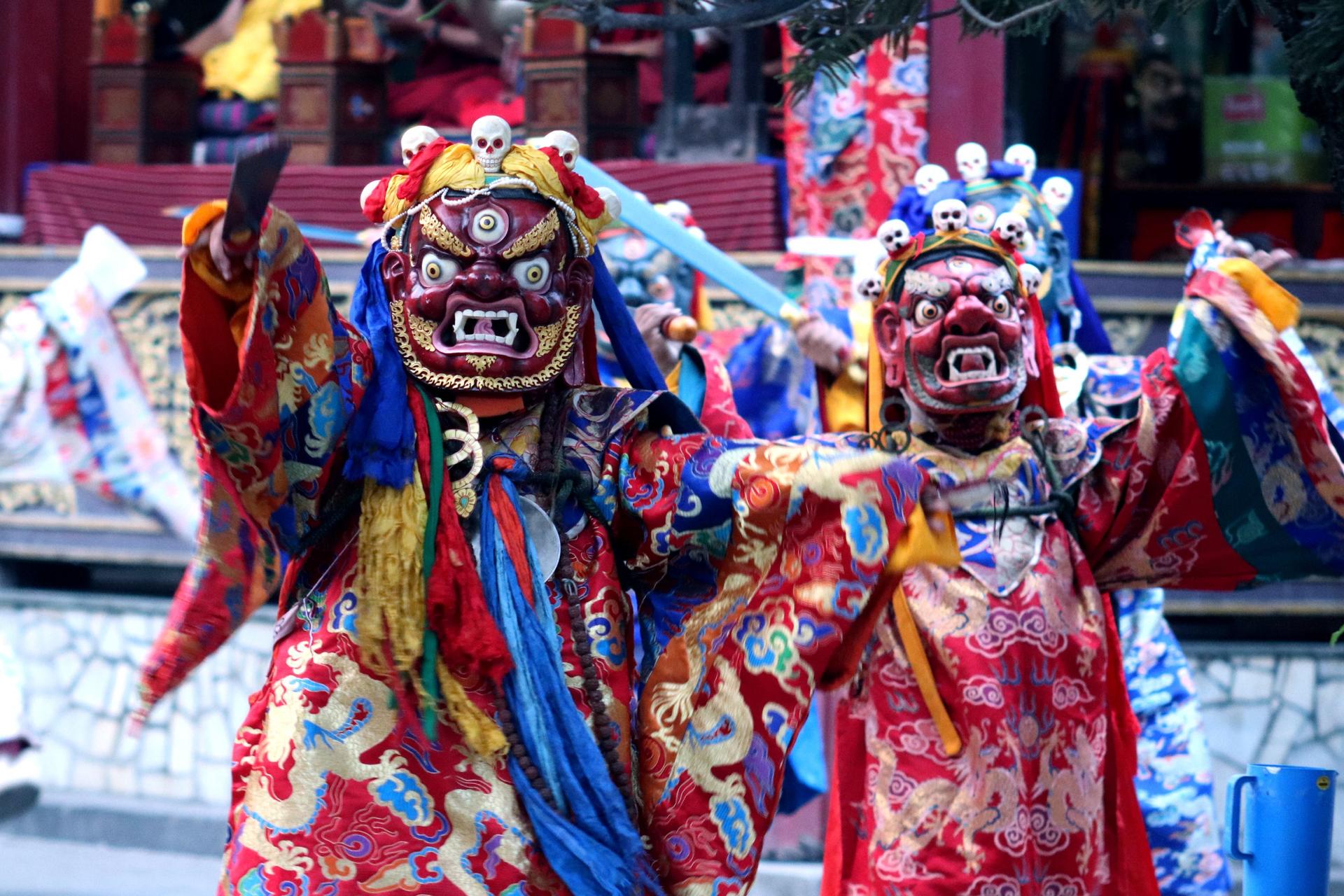
Spring in Bhutan (March to May): Best for Flowers and Sightseeing
Spring is one of the most popular times to visit Bhutan. Temperatures become increasingly pleasant, the valleys turn green, and rhododendrons and other Himalayan flowers begin to bloom.
In Paro, Thimphu, Punakha, and the surrounding valleys, daytime conditions are generally comfortable for sightseeing and walking. Higher mountain areas remain cooler and can still have snow early in the season.
Best Places to Visit in Spring
Spring is an excellent time to explore Paro, Thimphu, Punakha, and the Phobjikha Valley. The countryside becomes particularly attractive as vegetation returns after winter.
The Punakha Valley is especially beautiful during spring, while the mountain trails around Paro and central Bhutan become increasingly suitable for hiking.
Spring Travel Tips
Pack layers because temperatures can change quickly between morning and afternoon. A light waterproof jacket is useful, particularly if you're traveling later in May when rainfall becomes more frequent.
Summer in Bhutan (June to August): Best for Green Landscapes
Summer is Bhutan's monsoon season. Rainfall can be heavy, especially in southern and western areas, but the country becomes exceptionally green during these months.
Traveling during summer can be rewarding for visitors who don't mind occasional rain and want fewer tourists. Mountain views are less predictable because clouds frequently cover the higher peaks.
Best Places to Visit in Summer
Thimphu, Paro, Punakha, and the central valleys remain accessible, although road and trail conditions can be affected by heavy rain.
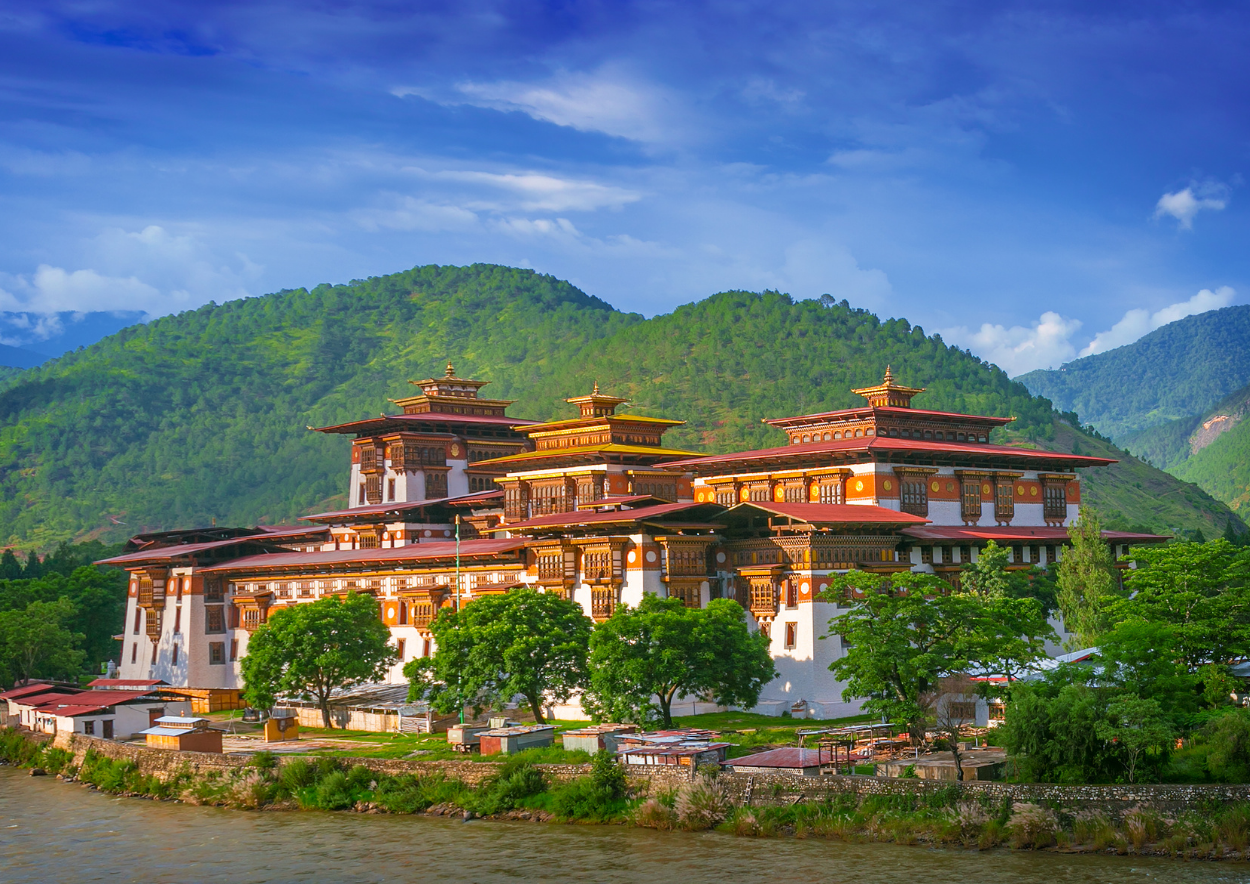
The lush landscapes make summer particularly attractive for photography, while Bhutan's monasteries, dzongs, museums, and cultural sites provide plenty of indoor alternatives when the weather changes.
Summer Travel Tips
Allow extra time for road journeys and keep your itinerary flexible. Waterproof clothing and shoes are useful, and mountain trekking should only be undertaken after checking current trail and weather conditions.
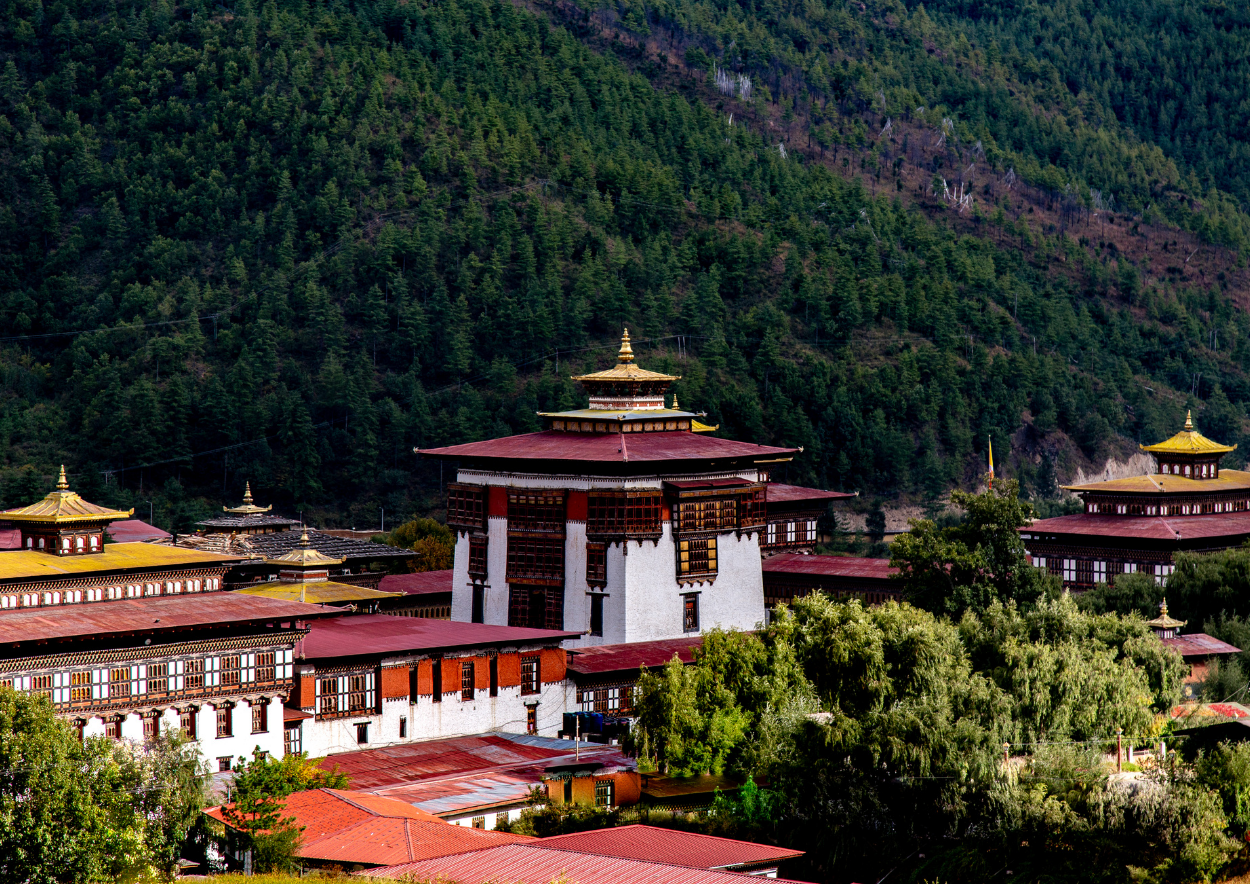
Autumn in Bhutan (September to November): Best Overall
Autumn is widely considered one of the best seasons to visit Bhutan. The monsoon gradually ends, skies become clearer, and temperatures are comfortable for sightseeing and outdoor activities.
This is also an excellent season for trekking, with clearer mountain views and relatively dry conditions.
Best Places to Visit in Autumn
Explore Paro, Thimphu, Punakha, Gangtey, Bumthang, and the Himalayan trekking regions.
The Phobjikha Valley is particularly attractive in autumn, while higher mountain routes become ideal for experienced trekkers.
Autumn Travel Tips
Book accommodation and flights well in advance if you plan to travel during October or November. Autumn is one of Bhutan's busiest travel periods, particularly around major festivals.
Winter in Bhutan (December to February): Best for Quiet Travel
Winter brings colder temperatures, particularly at night and in higher elevations, but the weather is often sunny and dry during the day.
Lower valleys such as Punakha can be considerably warmer than Paro and Thimphu, making winter a good season for travelers who want to combine cultural sightseeing with comfortable daytime conditions.
Best Places to Visit in Winter
Punakha, Thimphu, Paro, and the southern valleys are good choices for winter travel. Phobjikha Valley can be especially atmospheric, although temperatures are cold.
Winter is also a good time to experience Bhutan with fewer international visitors.
Winter Travel Tips
Bring warm layers, gloves, and a good jacket. Accommodation at higher elevations can feel cold at night, so check heating arrangements when booking.
Road conditions can also change in mountain areas after snow or severe weather.
The Best Month to Visit Bhutan
For most travelers, October is one of the best months to visit Bhutan. The monsoon has generally ended, skies are often clear, temperatures are comfortable, and mountain scenery is particularly impressive.
April is another excellent choice for travelers who want spring flowers, pleasant weather, and good conditions for hiking and cultural sightseeing.
If festivals are your priority, however, the best month depends on the specific event and its annual calendar.
Best Time to Visit Paro
The best time to visit Paro is generally March to May and September to November.
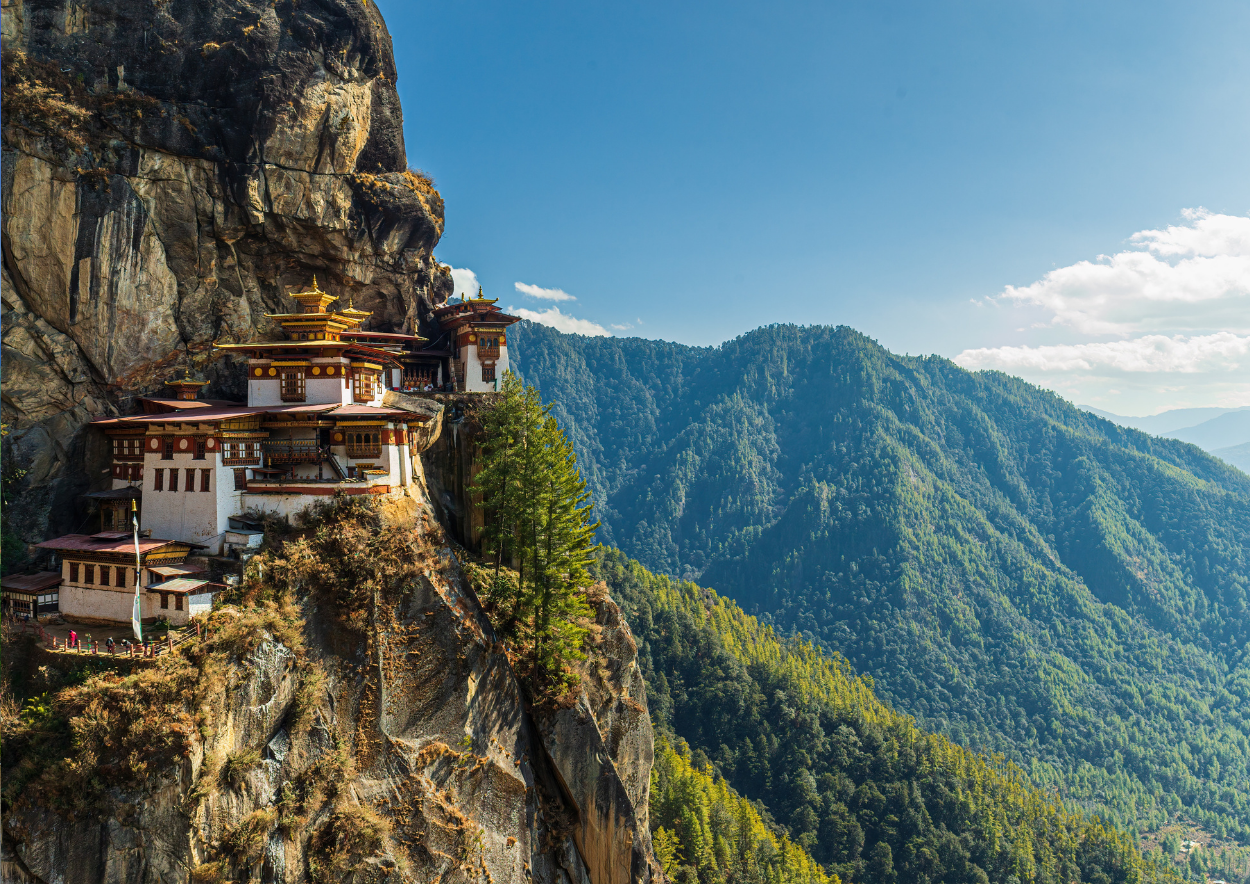
These periods provide comfortable conditions for exploring the valley and hiking to Tiger's Nest Monastery, officially known as Paro Taktsang.
Spring brings colorful vegetation, while autumn generally offers clearer mountain views.
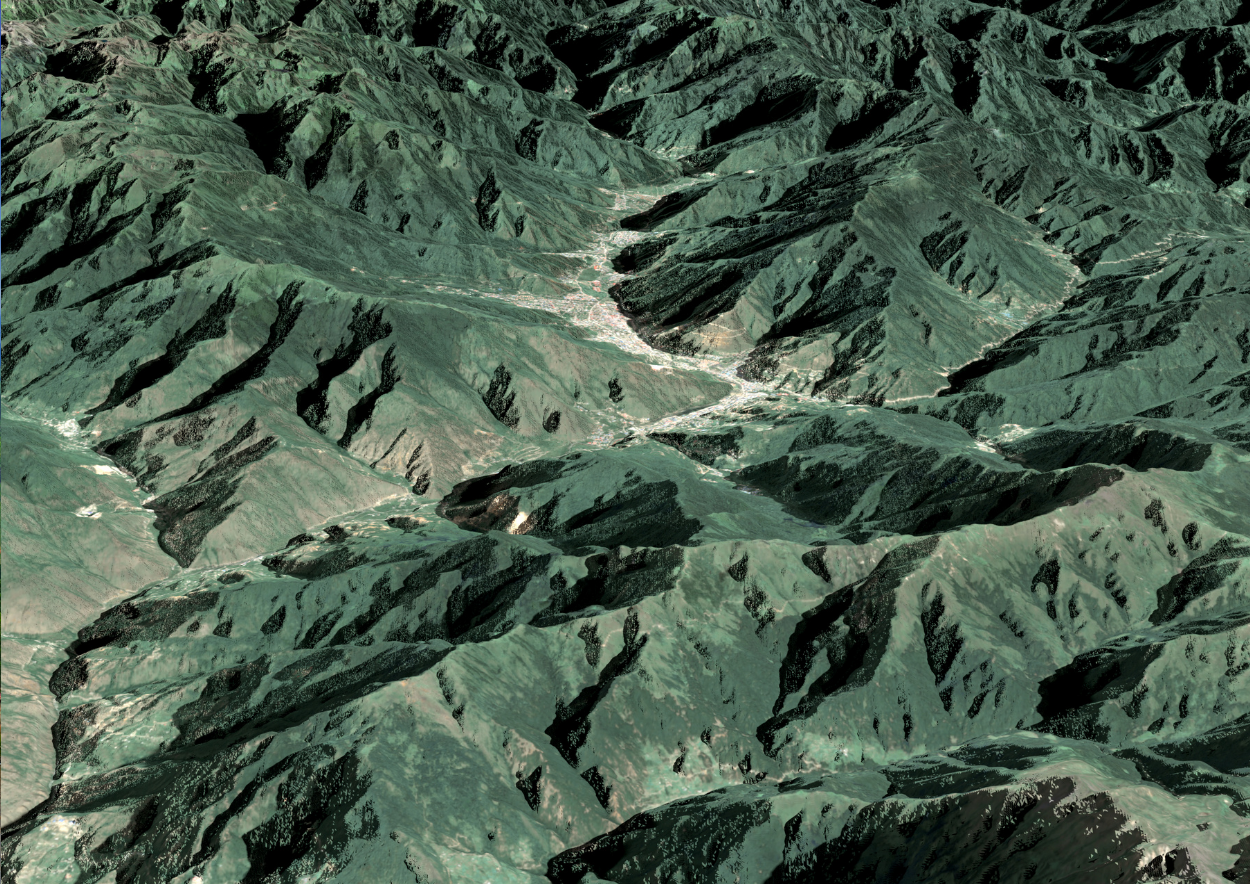
Best Time to Visit Thimphu
April to May and September to November are ideal for exploring Thimphu.
The capital is home to museums, monasteries, markets, traditional architecture, and important religious sites, so it can be visited throughout the year.
Autumn offers particularly comfortable weather for walking around the city and surrounding viewpoints.
Best Time to Visit Punakha
Punakha is one of the better Bhutanese destinations for winter and spring travel because of its lower elevation.
March to May is particularly attractive, with pleasant temperatures and beautiful valley scenery. October and November are also excellent for sightseeing.
The Punakha Dzong is one of Bhutan's most important landmarks and is particularly impressive when surrounded by the green landscapes of the valley.
Best Time to Visit Tiger's Nest Monastery
The best time to hike to Tiger's Nest Monastery is generally March to May and September to November.
The trail is steep and involves several hours of walking, so comfortable weather makes a significant difference.
Early morning is often the best time to start the hike, particularly during the busier spring and autumn periods.
Best Time for Trekking in Bhutan
For most high-altitude trekking routes, March to May and September to November provide the most favorable conditions.
Spring offers blooming landscapes and increasingly accessible trails, while autumn usually provides clearer skies and excellent Himalayan views.
Winter trekking can be possible on lower routes, but high-altitude trails may be affected by snow. Summer trekking is more complicated because of monsoon rainfall and slippery trails.
Best Time for Festivals in Bhutan
Bhutan is famous for its traditional tshechu festivals, which feature masked dances, religious ceremonies, music, and colorful traditional clothing.
Major festivals take place at different times and locations throughout the year. The exact dates change because many Bhutanese festivals follow the lunar calendar.
Popular events include Paro Tshechu, Thimphu Tshechu, and Punakha Tshechu.
Bhutan's official tourism authorities publish annual festival calendars, including the dates for 2026. (bhutan)
Best Time for Wildlife and Birdwatching
Spring and autumn are excellent seasons for nature-focused trips.
The Phobjikha Valley, Punakha region, and southern Bhutan provide opportunities for birdwatching and wildlife experiences.
The black-necked crane is particularly associated with the Phobjikha Valley, where the birds arrive seasonally during the colder months.
For birdwatchers, the best season depends on the species you're hoping to see, so a specialist local guide can make the experience much more productive.
Best Time for Photography in Bhutan
For landscape photography, October and November are particularly attractive because clear skies can reveal the Himalayan mountains and the valleys often have excellent visibility.
April and May are better for flower photography, especially when rhododendrons are in bloom.
Early mornings and late afternoons generally provide the best natural light for photographing dzongs, monasteries, valleys, and mountain landscapes.
Best Time for a Bhutan Cultural Tour
Bhutan's cultural attractions can be visited throughout the year, but spring and autumn provide the most comfortable conditions for combining sightseeing with outdoor exploration.
A typical cultural itinerary can include Paro, Thimphu, Punakha, and Gangtey, with visits to dzongs, monasteries, markets, museums, and traditional villages.
If you want to experience a major festival, plan the entire trip around the festival dates rather than choosing a season first.
Best Time for a Budget Trip to Bhutan
Bhutan's tourism costs work differently from many destinations because international visitors are generally subject to a Sustainable Development Fee (SDF). The official Bhutan Travel website currently lists the standard SDF at US$100 per adult per day, plus a US$40 one-time visa application fee for applicable international visitors. (bhutan)
For travelers looking to reduce other trip expenses, the quieter summer and winter periods can offer advantages in accommodation availability and crowd levels.
However, weather conditions should be considered before choosing the cheapest period.
Regional Weather Differences in Bhutan
Bhutan's climate varies significantly with elevation.
Paro and Thimphu have cool winters, mild spring and autumn weather, and warmer summers.
Punakha is at a lower elevation and generally has warmer conditions, making it particularly appealing during winter.
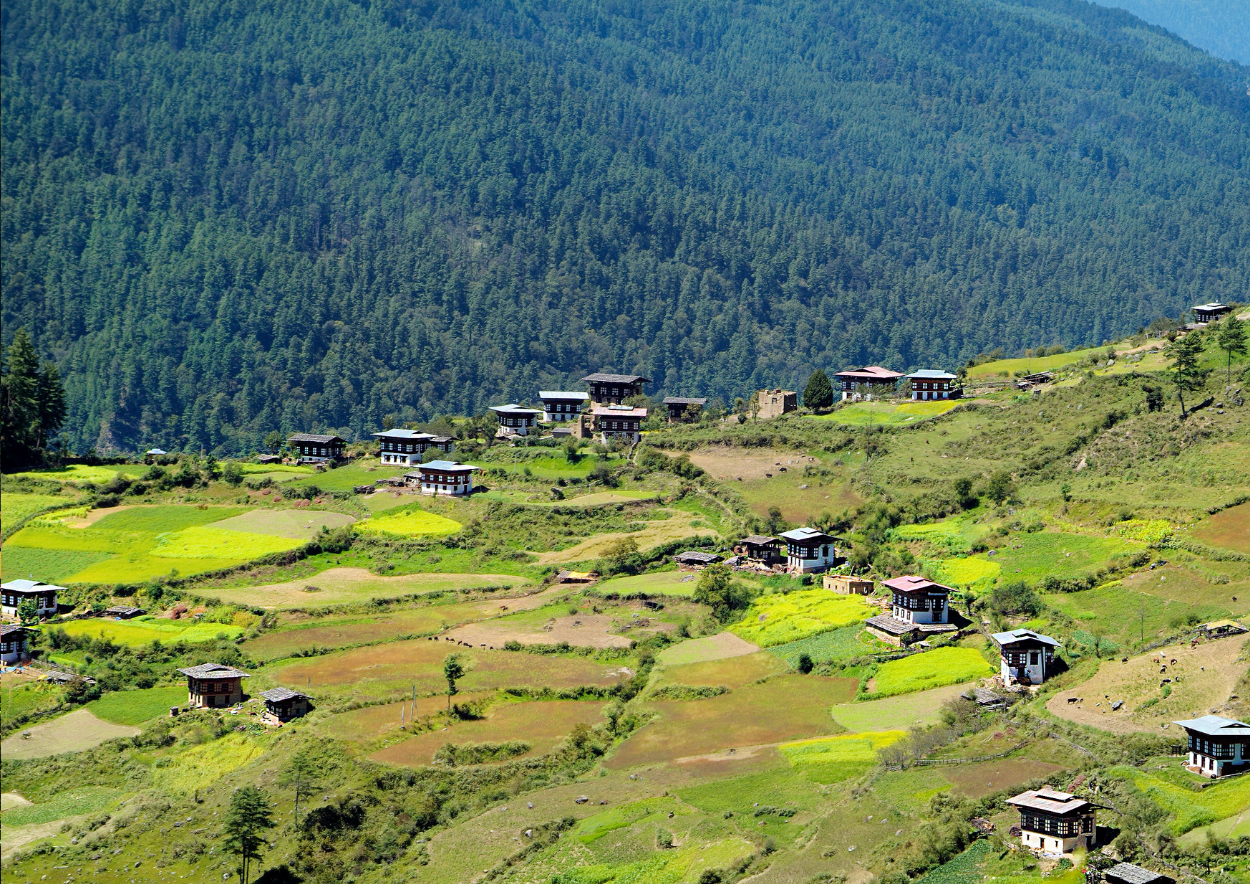
The Phobjikha Valley is considerably colder and is known for its winter landscape and black-necked cranes.
High-altitude trekking regions experience much colder conditions and can remain snowy outside the main trekking seasons.
What to Pack for Bhutan
For spring and autumn, bring layers, comfortable walking shoes, a light waterproof jacket, and warm clothing for cool mornings and evenings.
For summer, waterproof footwear and rain protection are essential.
For winter, pack a warm insulated jacket, gloves, a hat, thermal layers, and suitable shoes.
Regardless of the season, comfortable footwear is important because many of Bhutan's most interesting attractions require walking on uneven paths, stairs, and steep mountain trails.
Is Bhutan Worth Visiting in Summer?
Yes, particularly if you enjoy lush landscapes, quiet cultural sites, and don't mind rain.
The main disadvantage is the monsoon, which can bring heavy rainfall, cloudy mountain views, and occasional travel disruptions.
For trekking and long scenic drives, spring and autumn are generally more convenient.
Is Bhutan Worth Visiting in Winter?
Yes. Winter is a good option for travelers interested in peaceful monasteries, sunny valley days, fewer visitors, and winter landscapes.
Punakha and lower-elevation destinations are particularly appealing during this season.
If your main goal is high-altitude trekking, however, spring or autumn will usually be a better choice.
How Many Days Do You Need in Bhutan?
A 5 to 7-day trip can cover Paro, Thimphu, Punakha, and Tiger's Nest Monastery without rushing too much.
With 8 to 10 days, you can add Phobjikha Valley, Gangtey, and additional cultural or nature experiences.
A 10 to 14-day itinerary is better for travelers who want to explore Bhutan more slowly, include longer road journeys, or add trekking.
Frequently Asked Questions
What is the best time to visit Bhutan?
The best overall periods are March to May and September to November, when weather is generally comfortable for sightseeing, hiking, and cultural experiences.
What is the best month to visit Bhutan?
October is one of the best months for general travel because of comfortable temperatures, clearer skies, and excellent mountain visibility.
When is the best time to visit Tiger's Nest?
March to May and September to November offer some of the best conditions for hiking to Tiger's Nest Monastery.
When is the best time to trek in Bhutan?
For most high-altitude routes, spring and autumn are the best trekking seasons. Summer brings monsoon rain, while winter can bring snow and very cold conditions.
Is Bhutan worth visiting during the monsoon?
Yes, but expect rain and less predictable mountain views. Summer can be rewarding for travelers who prefer greener landscapes and fewer visitors.
When can I see black-necked cranes in Bhutan?
The Phobjikha Valley is the country's best-known destination for black-necked cranes, which arrive during the colder months. The exact timing varies by year.
Is Bhutan expensive to visit?
Bhutan can be expensive because applicable international visitors pay a daily Sustainable Development Fee, currently listed at US$100 per adult per day, in addition to other travel costs. (bhutan)
How many days are enough for Bhutan?
7 to 10 days is a good length for a first trip, allowing you to combine Paro, Thimphu, Punakha, Tiger's Nest, and at least one additional valley or cultural destination.
Loading comments…