
Best Time to Visit Japan
Japan is a year-round destination, with each season offering distinct landscapes, festivals, and cultural experiences. For most travelers, the best time to visit is March to May and September to November, when temperatures are mild, skies are generally clear, and the country's famous cherry blossoms or autumn foliage create spectacular scenery.
Spring (March to May): Best Overall
Spring is widely considered the best season to visit Japan.
Average temperatures range from 10°C to 23°C (50°F to 73°F).
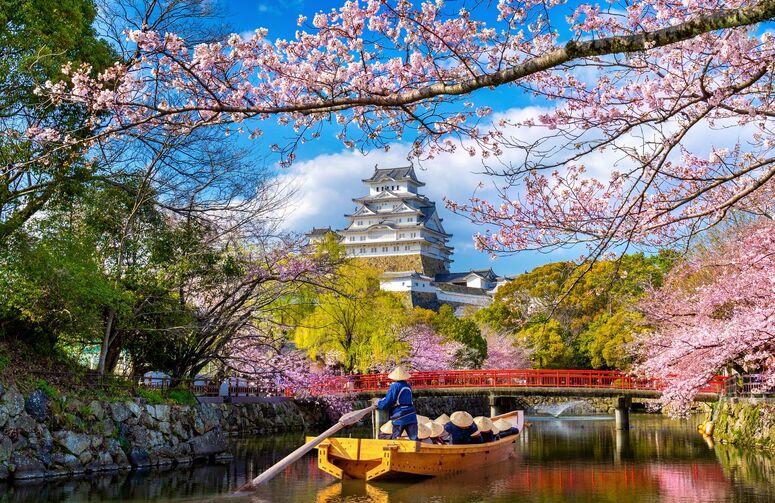
Cherry blossoms bloom across the country, typically from late March to early April.
Comfortable weather for sightseeing and outdoor activities.
Parks, gardens, and temples are at their most beautiful.
Popular cherry blossom viewing spots include Tokyo, Kyoto, Osaka, and Hiroshima. Because this is peak travel season, hotels and flights should be booked well in advance.
Summer (June to August): Best for Festivals and Mountain Adventures
Summer begins with the rainy season in many regions, followed by hot and humid weather.
Temperatures often range from 25°C to 35°C (77°F to 95°F).
June is typically the wettest month in much of the country.
July and August feature spectacular fireworks festivals and cultural events.
Mountain regions such as the Japanese Alps and Hokkaido offer cooler temperatures.
Summer is also the official climbing season for Mount Fuji, usually from early July through early September.
Autumn (September to November): Best for Fall Colors
Autumn offers comfortable weather and vibrant foliage throughout Japan.
Average temperatures range from 12°C to 27°C (54°F to 81°F).
Brilliant red, orange, and yellow leaves transform parks, temples, and mountains.
Lower humidity than summer.
Excellent conditions for hiking, photography, and city sightseeing.
October and November are among the most popular months for international visitors.
Winter (December to February): Best for Snow and Skiing
Winter varies significantly depending on the region.
Northern Japan experiences heavy snowfall.
Central cities such as Tokyo remain relatively mild.
Ski resorts operate at full capacity.
Clear skies provide excellent visibility for sightseeing.
Hokkaido and the Japanese Alps are internationally renowned for skiing, snowboarding, and winter festivals.
Regional Climate Differences
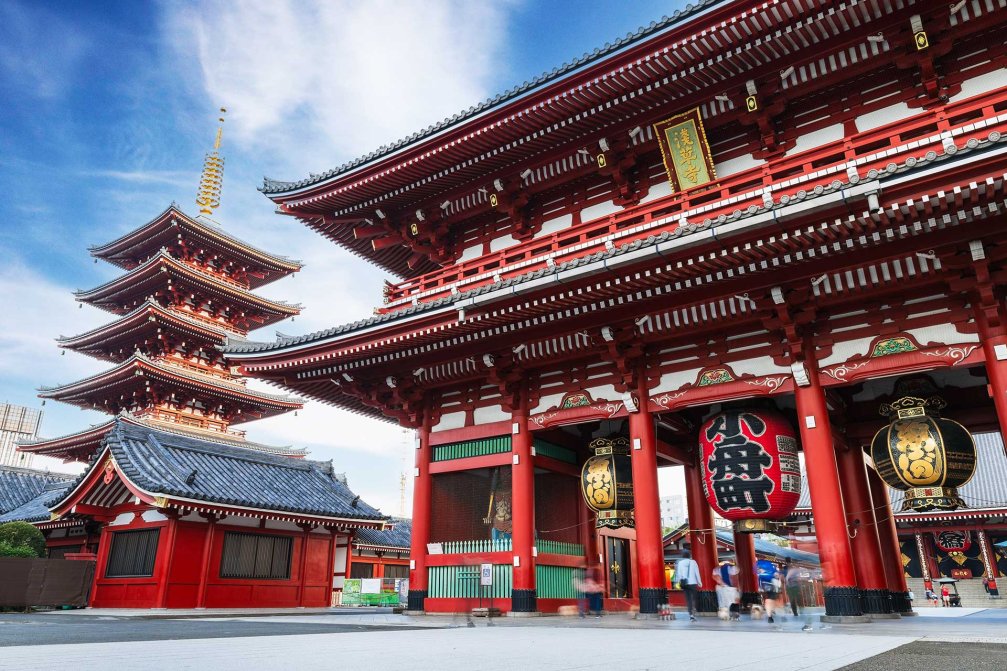
Japan stretches over several climate zones. Northern Hokkaido has long, snowy winters and mild summers, while central Honshu—including Tokyo, Kyoto, and Osaka—experiences four distinct seasons. Southern islands such as Okinawa enjoy a subtropical climate with warm temperatures throughout the year. Mountain regions remain considerably cooler than lowland cities, particularly during the summer.
Best Time by Activity
The best time for cherry blossom viewing is late March to early April, although blooming dates vary by region each year. Autumn foliage is at its peak between October and November, making it one of the most scenic times to travel. Travelers planning to visit Tokyo, Kyoto, Osaka, and other major cities will enjoy the most comfortable weather during spring and autumn. Hiking in the Japanese Alps is best from July to September, when mountain trails are generally free of snow. Skiing and snowboarding are ideal between December and February, especially in Hokkaido, Nagano, and Niigata. If you're planning a beach holiday in Okinawa, the best months are April to October, when sea temperatures are warm and suitable for swimming, snorkeling, and diving.
Festivals Worth Planning Around
Japan hosts thousands of festivals throughout the year.
Some of the most popular include:
Cherry Blossom Festivals (March–April) – Celebrated nationwide during sakura season.
Gion Matsuri (July) – Kyoto's most famous traditional festival.
Nebuta Matsuri (August) – A spectacular lantern festival in Aomori.
Sapporo Snow Festival (February) – Known for its impressive snow and ice sculptures.
Autumn Leaf Festivals (October–November) – Held across parks, temples, and gardens throughout Japan.
Traveling during major festivals offers unique cultural experiences but often requires booking accommodation well in advance.
Best Month to Visit
For most travelers, April is the best month to visit Japan. Pleasant temperatures, blooming cherry blossoms in many regions, vibrant parks, and excellent sightseeing conditions make it one of the country's most memorable travel periods. November is an equally excellent choice for those who prefer colorful autumn landscapes and fewer crowds than during sakura season.
Frequently Asked Questions
What is the best time to visit Japan?
The best time to visit is during spring (March to May) and autumn (September to November), when temperatures are mild and the scenery is at its most beautiful.
When is cherry blossom season in Japan?
Cherry blossoms usually bloom between late March and early April in most major cities, although timing varies depending on location and weather conditions.
Is summer too hot in Japan?
Summer can be hot and humid, particularly in Tokyo, Kyoto, and Osaka. However, it is also the season for many of Japan's most famous festivals and for climbing Mount Fuji.
What is the best time to visit Kyoto?
April, May, October, and November offer the most pleasant weather and are ideal for exploring Kyoto's temples, gardens, and historic districts.
When is the best time for skiing in Japan?
The ski season generally runs from December to February, with Hokkaido and the Japanese Alps offering some of the world's best powder snow.
What is the cheapest time to visit Japan?
January (after the New Year holidays) and parts of June are often among the most affordable periods, with lower hotel prices and fewer tourists than during the spring and autumn peak seasons.
Loading comments…