
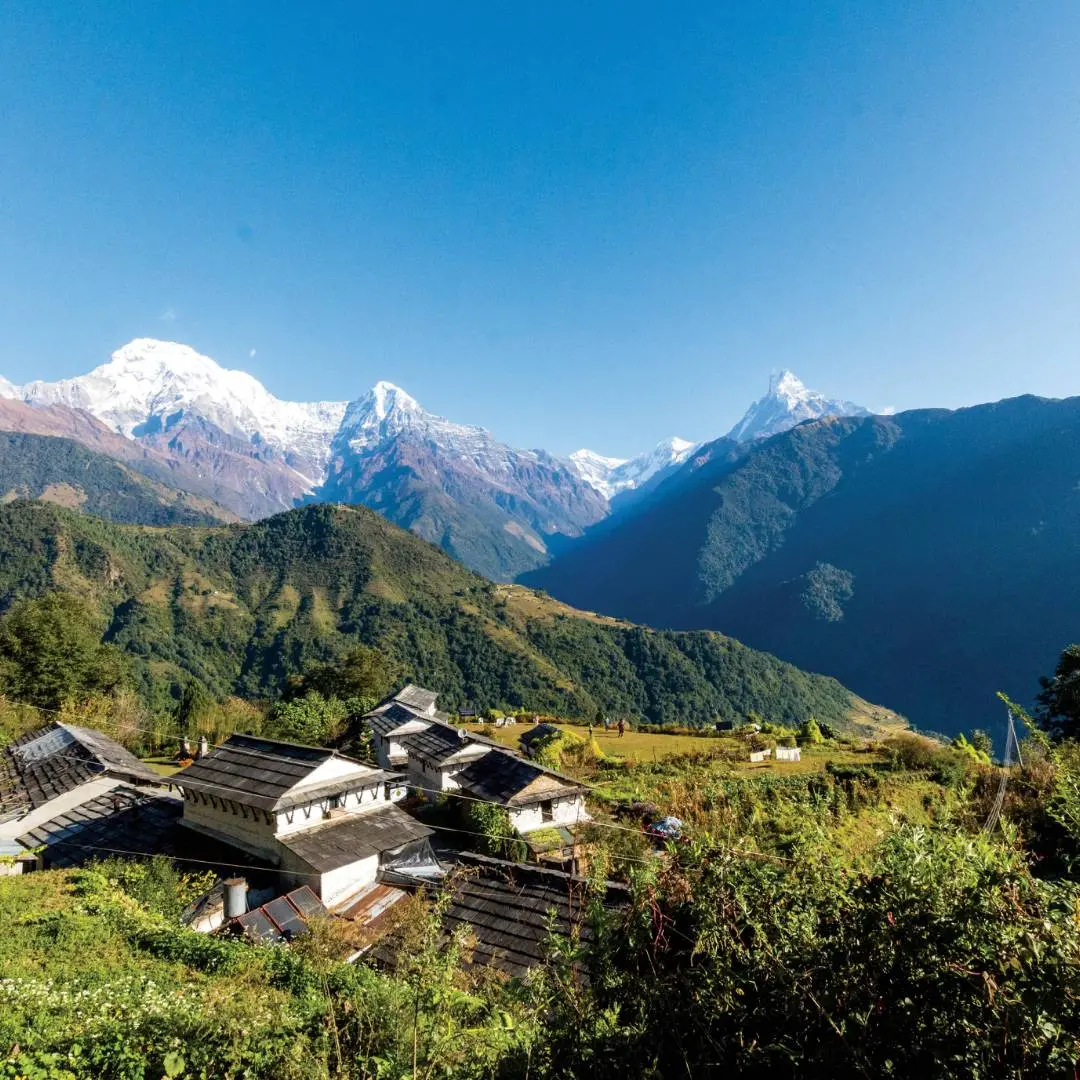
Best Time to Visit Nepal
Nepal is a year-round destination known for its Himalayan peaks, ancient temples, wildlife reserves, and vibrant cultural heritage. However, the country's weather varies significantly by season and altitude. For most travelers, the best time to visit is March to May and October to November, when skies are generally clear, temperatures are comfortable, and conditions are ideal for trekking, sightseeing, and mountain views.
Spring (March to May): Best for Trekking and Nature
Spring is one of the most popular seasons to visit Nepal.
Average temperatures range from 16°C to 28°C (61°F to 82°F) in lower elevations.
Clear mornings with blooming rhododendron forests.
Excellent visibility for mountain landscapes.
Ideal for trekking, hiking, and sightseeing.
This is one of the best times to explore Kathmandu, Pokhara, Chitwan National Park, and the Annapurna region.
Autumn (October to November): Best Overall
Autumn is widely regarded as the best season to visit Nepal.
Temperatures generally range from 15°C to 27°C (59°F to 81°F).
Dry weather and exceptionally clear skies.
Outstanding mountain views across the Himalayas.
Perfect conditions for trekking and outdoor adventures.
October is the busiest trekking month, so popular trails and accommodations may require advance booking.
Monsoon Season (June to September): Best for Lush Landscapes
The summer monsoon brings heavy rainfall to much of Nepal.
Temperatures range from 20°C to 30°C (68°F to 86°F).
Frequent afternoon and evening showers.
Green valleys and flourishing vegetation.
Fewer tourists and lower hotel prices.
While trekking can be more challenging due to muddy trails and reduced visibility, rain-shadow regions such as Upper Mustang receive much less rainfall.
Winter (December to February): Best for Lower-Altitude Travel
Winter offers cool, dry weather across much of the country.
Temperatures range from 2°C to 20°C (36°F to 68°F), depending on elevation.
Snowfall is common in high mountain regions.
Lower-altitude trekking remains enjoyable.
Popular cultural destinations are generally less crowded.
Higher-altitude trekking routes may become inaccessible due to snow and freezing temperatures.
Regional Climate Differences
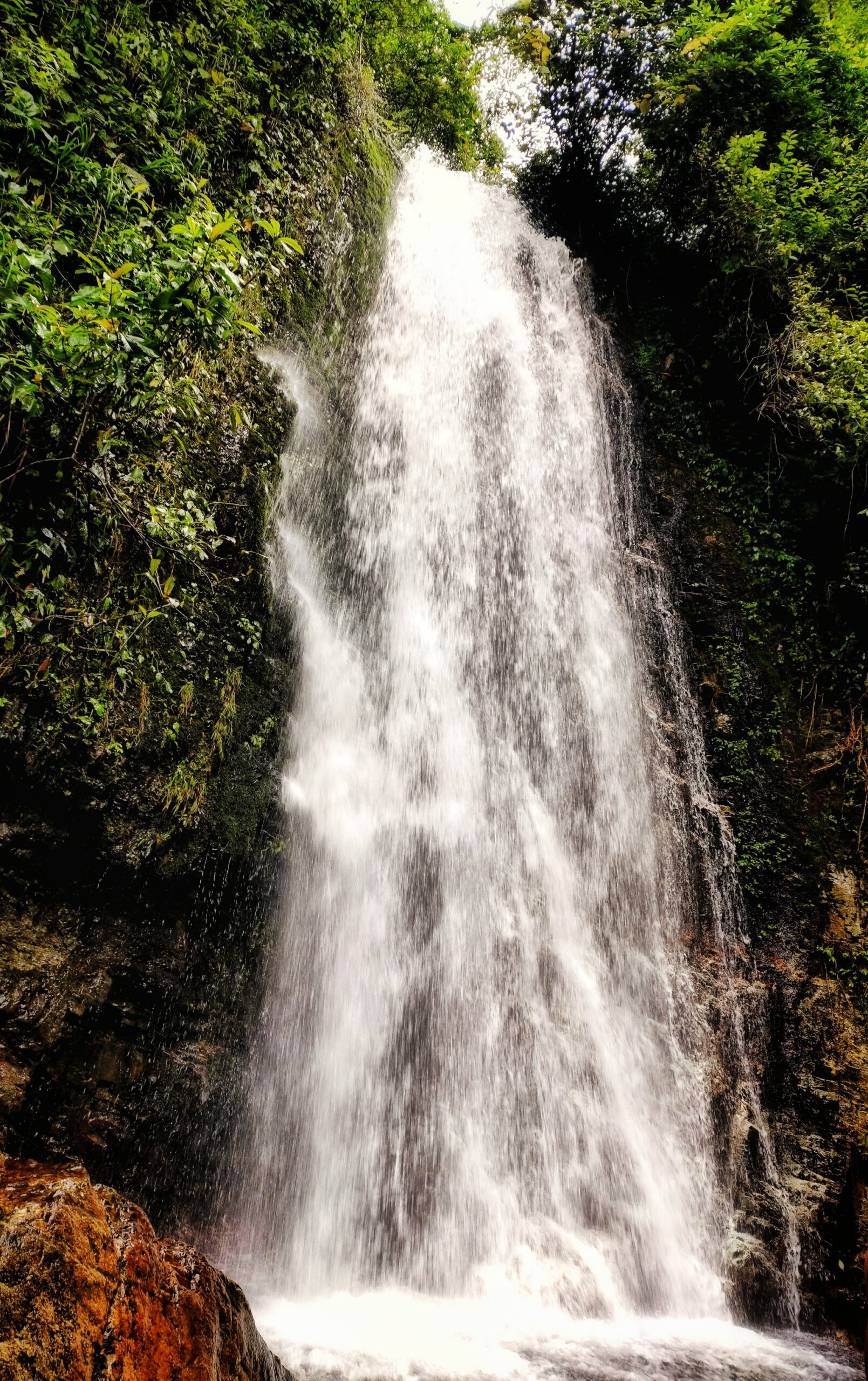
Nepal's climate varies dramatically with altitude. Kathmandu Valley experiences mild springs and autumns, making these seasons ideal for sightseeing. Pokhara is slightly warmer and receives more rainfall during the monsoon. The Everest and Annapurna regions have cool summers and harsh winters, while Chitwan National Park in the southern lowlands remains warm throughout the year and can become very hot before the monsoon.
Best Time by Activity
The best time for trekking in the Everest and Annapurna regions is March through May and October through November, when trails are dry and mountain views are at their clearest. Sightseeing in Kathmandu, Bhaktapur, and Patan is also ideal during these months, thanks to pleasant temperatures and minimal rainfall. Wildlife safaris in Chitwan National Park are best between October and March, when vegetation is less dense and animal sightings are more frequent. Mountain flights for panoramic Himalayan views are most reliable in October, November, March, and April. Travelers looking for budget-friendly trips should consider June through September, when hotel rates are often lower despite the monsoon season.
Festivals Worth Planning Around
Nepal celebrates numerous cultural and religious festivals throughout the year.
Popular events include:
Dashain (September or October) – Nepal's largest Hindu festival, celebrated nationwide with family gatherings and traditional ceremonies.
Tihar (October or November) – Also known as the Festival of Lights, featuring colorful decorations, oil lamps, and cultural celebrations.
Holi (March) – The vibrant Festival of Colors, celebrated with music, dancing, and joyful street festivities.
Buddha Jayanti (April or May) – Commemorating the birth of Buddha, especially significant at Lumbini and Buddhist monasteries across the country.
Festival dates based on the lunar calendar vary each year.
Best Month to Visit
For most travelers, October is the best month to visit Nepal. The monsoon has ended, skies are remarkably clear, trekking conditions are excellent, and the Himalayan mountain views are at their most spectacular.
Frequently Asked Questions
What is the best time to visit Nepal?
The best time to visit is March to May and October to November, when the weather is dry, temperatures are comfortable, and mountain visibility is excellent.
When is the best time for trekking in Nepal?
The ideal trekking seasons are spring (March to May) and autumn (October to November), offering the most stable weather and clear Himalayan views.
Is Nepal worth visiting during the monsoon?
Yes. Although rainfall is frequent, the countryside becomes lush and green, tourist numbers are lower, and some regions, such as Upper Mustang, remain relatively dry.
What is the best time to visit Kathmandu?
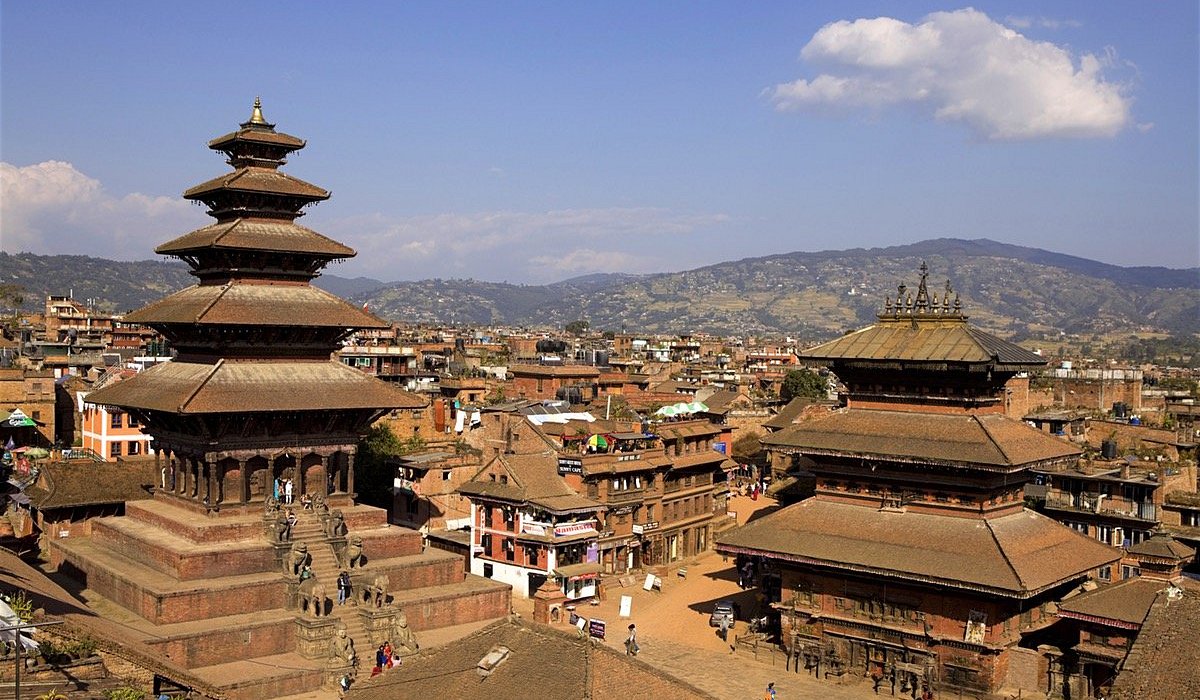
October, November, March, and April provide the most pleasant weather for exploring Kathmandu's temples, palaces, and UNESCO World Heritage Sites.
When is the best time for wildlife safaris in Nepal?
October through March offers the best opportunities to spot rhinos, Bengal tigers, elephants, and other wildlife in Chitwan National Park.
What is the cheapest time to visit Nepal?
The monsoon season from June to September generally offers the lowest hotel prices and fewer tourists, although rainfall may affect outdoor activities.
Loading comments…