
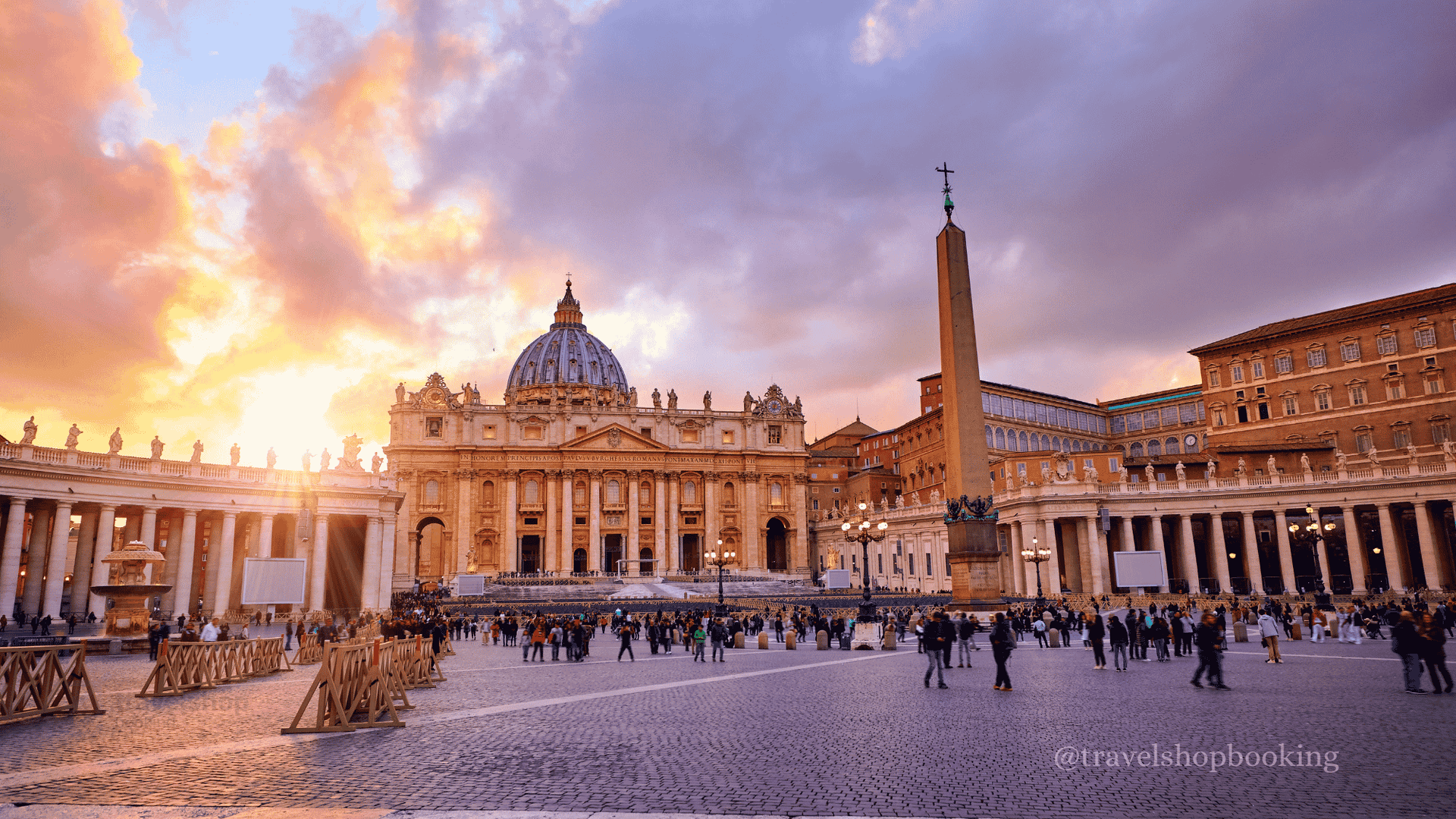
Spring: March to May
Spring is one of the most popular times to visit Vatican City. Temperatures gradually become warmer, flowers appear across Rome, and long daylight hours make it easier to combine the Vatican with other attractions.
March can still bring cool mornings and occasional rain, while April and May are usually more comfortable for walking. The main challenge is visitor demand, particularly around Easter and other important dates in the Catholic calendar.
For travelers primarily interested in museums, architecture, and art, late April and May can provide a good balance between weather and sightseeing conditions.
Easter in Vatican City
Easter is one of the most significant periods in the Vatican's annual calendar. Religious ceremonies attract large numbers of pilgrims and visitors from around the world.
Holy Week and Easter Sunday can be particularly crowded. St. Peter's Square becomes an important gathering place for major celebrations, while access arrangements and security procedures may differ from ordinary days.
Travelers who want to attend Easter events should plan well in advance and check the official Vatican schedule for the relevant year. Those who prefer quieter museum visits may find the Easter period less convenient.
Summer: June to August
Summer is hot in Rome, and Vatican City can become extremely busy. July and August are typically the hottest months, with strong sunshine during the middle of the day.
If you visit during summer, early morning is generally the most comfortable time to walk between attractions and queue for entry. Lightweight clothing, water, and sun protection are useful, although visitors must also respect the dress requirements for churches and religious sites.
August can have a different atmosphere because many residents leave Rome for holidays, but major attractions such as the Vatican Museums can still attract large numbers of international visitors.
Autumn: September to November
Early autumn is another excellent period for visiting Vatican City. September can still feel like summer, but temperatures gradually become more comfortable during October.
October is particularly suitable for combining the Vatican with long walks through central Rome. The cooler weather makes it easier to explore places such as the historic center, Piazza Navona, the Pantheon, and the Trevi Fountain on the same day.
By November, temperatures become cooler and rainfall becomes more common, but visitor numbers can be lower than during the peak spring and summer periods.
Winter: December to February
Winter is generally the quietest season for visiting Vatican City outside major religious celebrations.
Temperatures in Rome are usually mild compared with much of Europe, although mornings and evenings can be chilly and rain is possible. Winter can be a good option for travelers who want to spend more time inside museums and churches.
December is an exception because the Christmas period attracts pilgrims and visitors interested in the Vatican's seasonal celebrations.
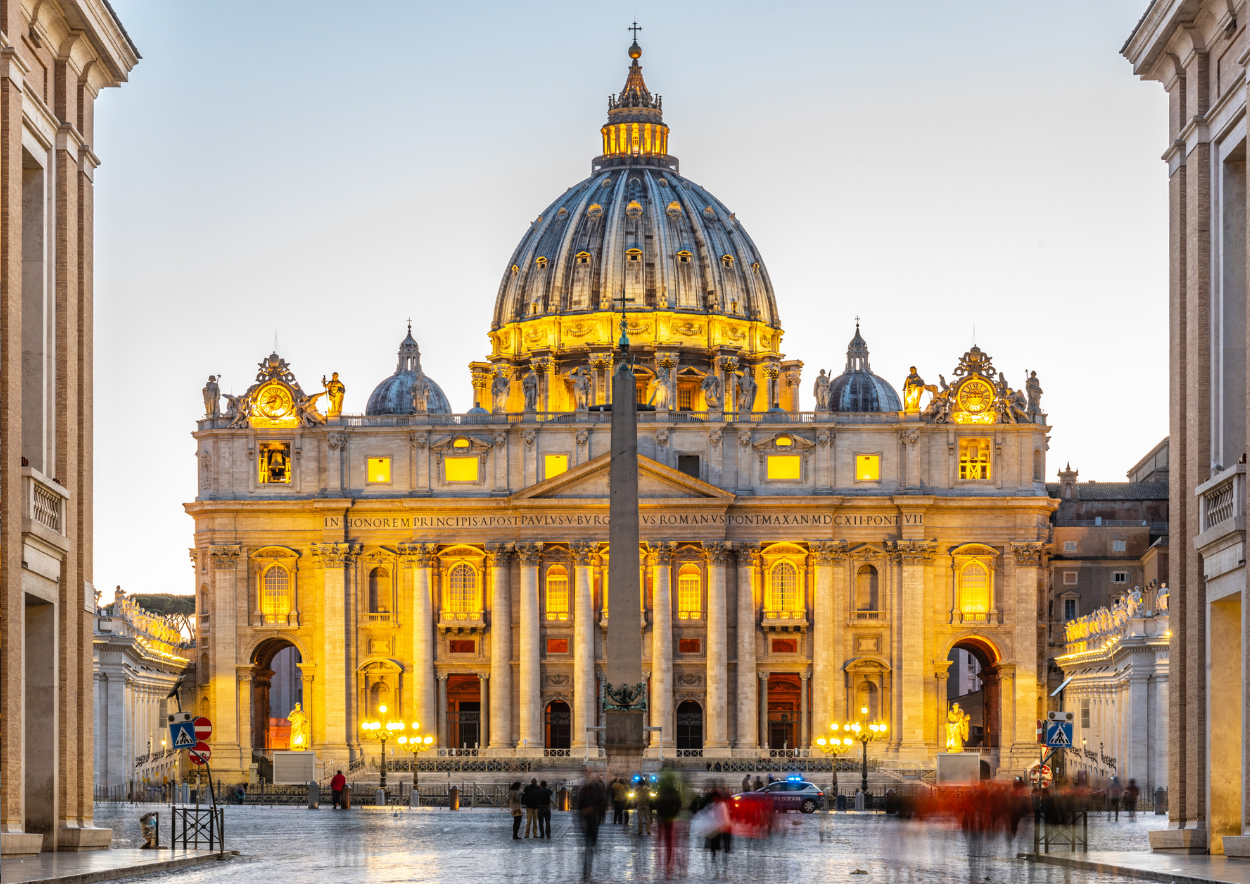
Christmas in Vatican City
Christmas is one of the most meaningful times to experience Vatican City from a religious perspective.
The period around Christmas Eve and Christmas Day features important Catholic celebrations, decorations, and ceremonies. St. Peter's Square and the surrounding area become especially atmospheric during the festive season.
However, Christmas also brings increased demand and specific access arrangements. Travelers interested in attending religious events should check official information rather than assuming that normal visitor procedures will apply.
Best Time to Visit St. Peter's Basilica
For general sightseeing, April to June and September to October are among the best periods to visit St. Peter's Basilica.
The basilica is one of the world's most important churches and attracts visitors throughout the year. Early morning visits can help reduce the amount of time spent waiting, particularly during busy periods.
Visitors should dress appropriately because this is an active place of worship. Clothing that covers the shoulders and knees is generally expected.
Best Time to Visit the Vatican Museums
The Vatican Museums are open to visitors throughout much of the year, although opening days and schedules can vary.
For comfortable sightseeing, spring and autumn are generally preferable to the hottest summer months. The museums can become extremely crowded regardless of the season, so advance planning is particularly important.
The Sistine Chapel, Raphael Rooms, Gallery of Maps, and extensive art collections are among the highlights, and visitors should allow several hours if they want to explore without rushing.
Best Time to See the Sistine Chapel
The Sistine Chapel can be visited throughout the main Vatican Museums season, but crowd levels have a major impact on the experience.
Early visits and less busy periods can make it easier to appreciate Michelangelo's ceiling and the Last Judgment. During peak seasons, large groups can make the chapel feel particularly crowded.
Photography rules are also strict, so visitors should follow the instructions provided by Vatican staff.
Best Time for Papal Audiences
Travelers interested in seeing the Pope should plan around the official Vatican calendar rather than simply choosing a particular season.
General Audiences are traditionally held on Wednesdays when the Pope is in Rome, although schedules can change. During major religious celebrations, special events may replace the regular audience.
Tickets or arrangements may be required, and visitors should check the official Vatican information before traveling.
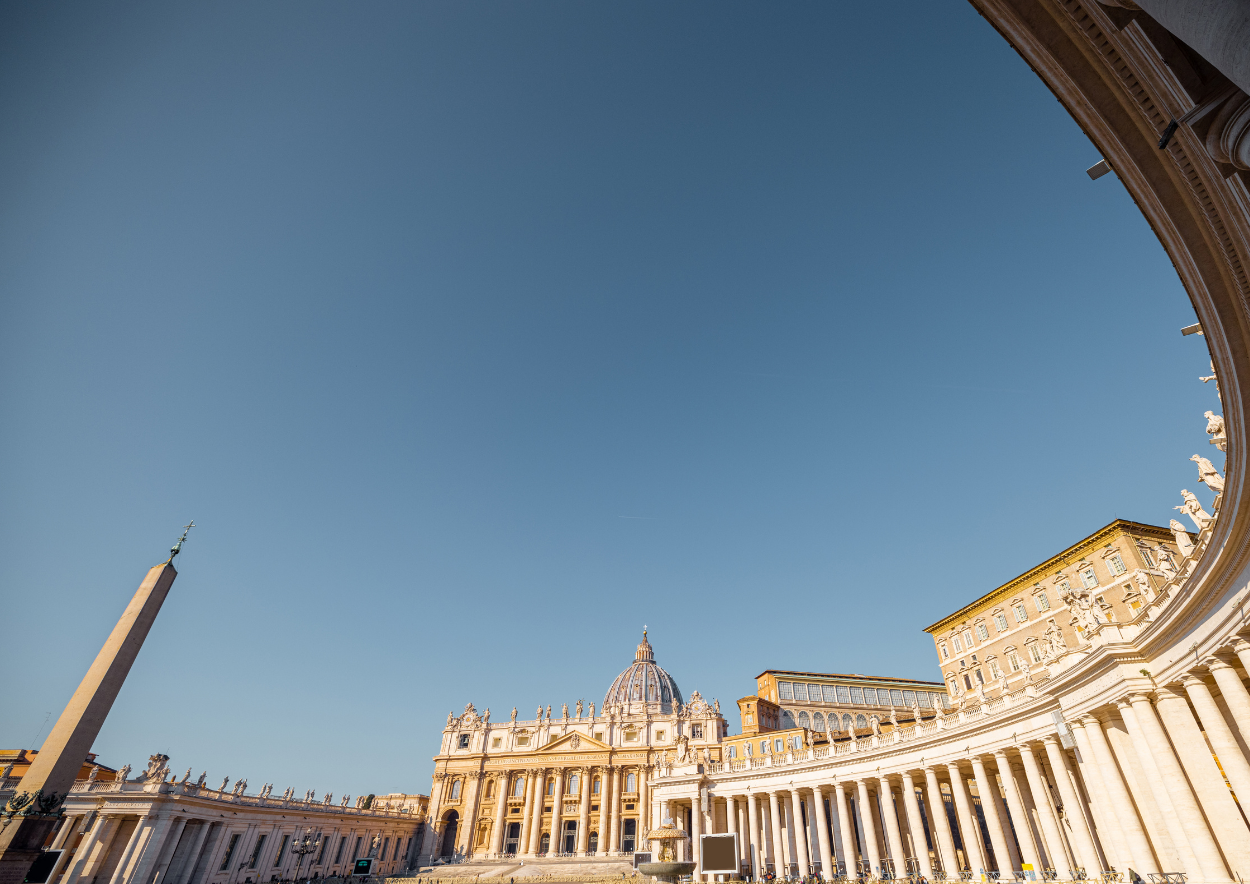
Best Time to Visit Vatican City with Fewer Crowds
For travelers who want to avoid the largest crowds, January, February, and November can be good options outside major holidays and special religious events.
Early morning visits are also useful throughout the year. Even during quieter months, the Vatican Museums and St. Peter's Basilica remain major international attractions.
Visiting on a less busy weekday can also make the overall experience more comfortable.
Best Time for Photography
Spring and autumn offer particularly pleasant conditions for photography around Vatican City and Rome.
Morning light can work especially well around St. Peter's Square and the basilica, while late afternoon provides softer light across the surrounding streets and architecture.
Winter can also be rewarding because lower visitor numbers may make it easier to photograph major landmarks without large crowds.
Best Month to Visit Vatican City
For most travelers, May is one of the best months to visit Vatican City.
The weather in Rome is usually warm without the extreme heat of July and August, while the longer daylight hours make it possible to combine the Vatican with other parts of the city.
September and October are also excellent alternatives, particularly for travelers who prefer slightly cooler temperatures and want to avoid the height of summer.
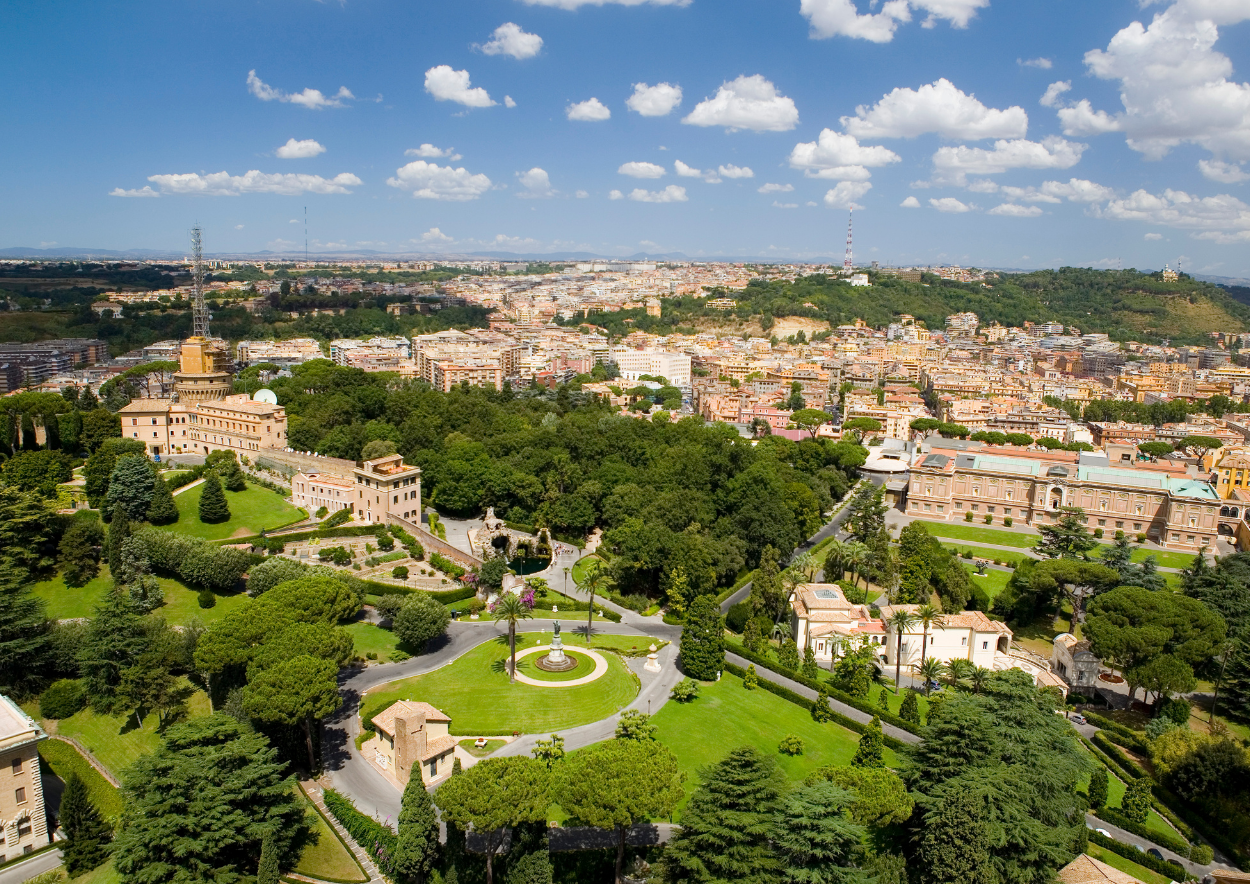
Frequently Asked Questions
What is the best time to visit Vatican City?
April to June and September to October generally offer the best combination of comfortable weather and good sightseeing conditions.
What is the best month to visit Vatican City?
May is one of the best choices for most travelers because of its pleasant weather and long daylight hours.
Is Vatican City crowded?
Yes. Vatican City is one of Europe's most visited attractions, and the Vatican Museums can be extremely busy, particularly during spring, summer, Easter, and major religious events.
When is the best time to visit the Vatican Museums?
Spring and autumn are generally the most comfortable seasons. Visiting early and planning ahead can make a significant difference regardless of the season.
When is Easter in Vatican City?
Easter dates change every year. Holy Week and Easter Sunday are among the busiest and most significant periods in the Vatican's calendar, so travelers should check the official schedule for the specific year.
Can you visit Vatican City in winter?
Yes. Winter can be an excellent period for quieter sightseeing, especially in January, February, and November, although December becomes much busier around Christmas.
What should I wear when visiting Vatican City?
Visitors should dress modestly when entering religious sites. Shoulders and knees should generally be covered, and very short or revealing clothing may not be permitted.
How many days do you need for Vatican City?
Most travelers can see the main Vatican attractions in one full day, although the Vatican Museums alone can take several hours. Combining the Vatican with other Rome attractions is usually easiest over two or more days.
Loading comments…