
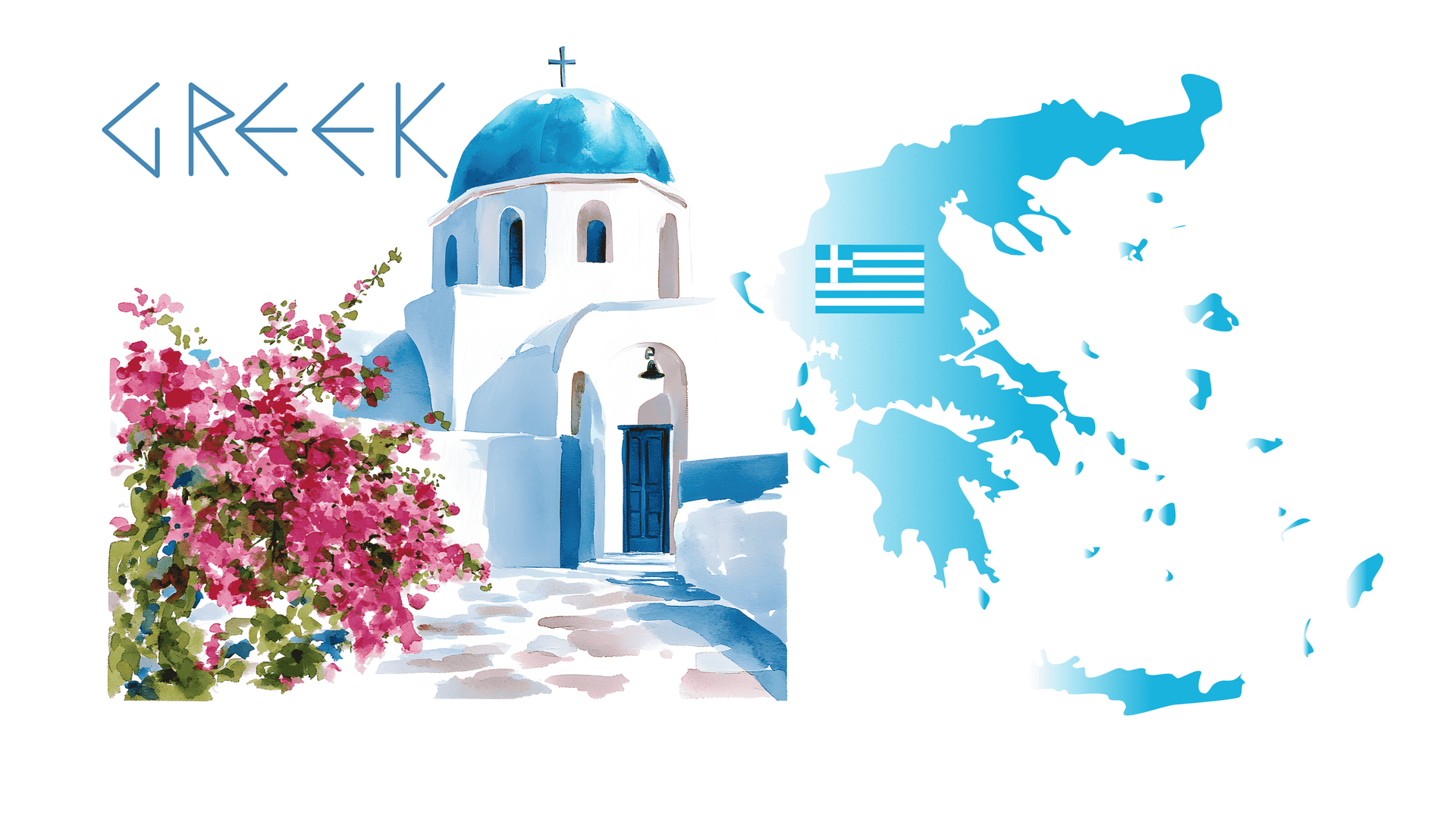
Travel to Greece is not just another Mediterranean holiday. It is a layered experience where ancient civilization, island lifestyle, gastronomy, mythology, and modern European culture meet in one compact yet incredibly diverse country. In 2026, Greece continues to be one of the most searched European destinations thanks to its island hopping routes, romantic sunsets, historic landmarks, and surprisingly accessible travel costs compared to Western Europe.
What makes travel to Greece unique is the balance. In one week, you can walk through 2,500-year-old ruins in Athens, swim in volcanic waters in Santorini, party until sunrise in Mykonos, and hike dramatic gorges in Crete. Few destinations in the world offer this density of contrast within such short travel distances.
This Greece travel guide is designed not as a generic list, but as a strategic overview to help you plan your Greece itinerary properly in 2026 whether you’re planning a honeymoon in Greece, a family holiday, or an island hopping adventure.
Why Travel to Greece in 2026?
There is a reason why “best places to visit in Greece” continues trending every year. Greece offers exceptional value compared to Italy or France while delivering equally iconic landscapes. Accommodation ranges from boutique cave hotels to luxury beachfront villas. Ferry infrastructure has improved significantly, and regional flights between islands are smoother than ever.
Another major reason to travel to Greece is accessibility. Athens International Airport has expanded connections across Europe, the Middle East, and Asia. Visa procedures remain straightforward for many nationalities. English is widely spoken, especially in tourist regions, which reduces travel friction for first-time visitors.
From a travel planning perspective, Greece is also flexible. You can build a 3-day Athens city break, a 7-day classic island itinerary, or a 14-day island hopping Greece route without complicated logistics.
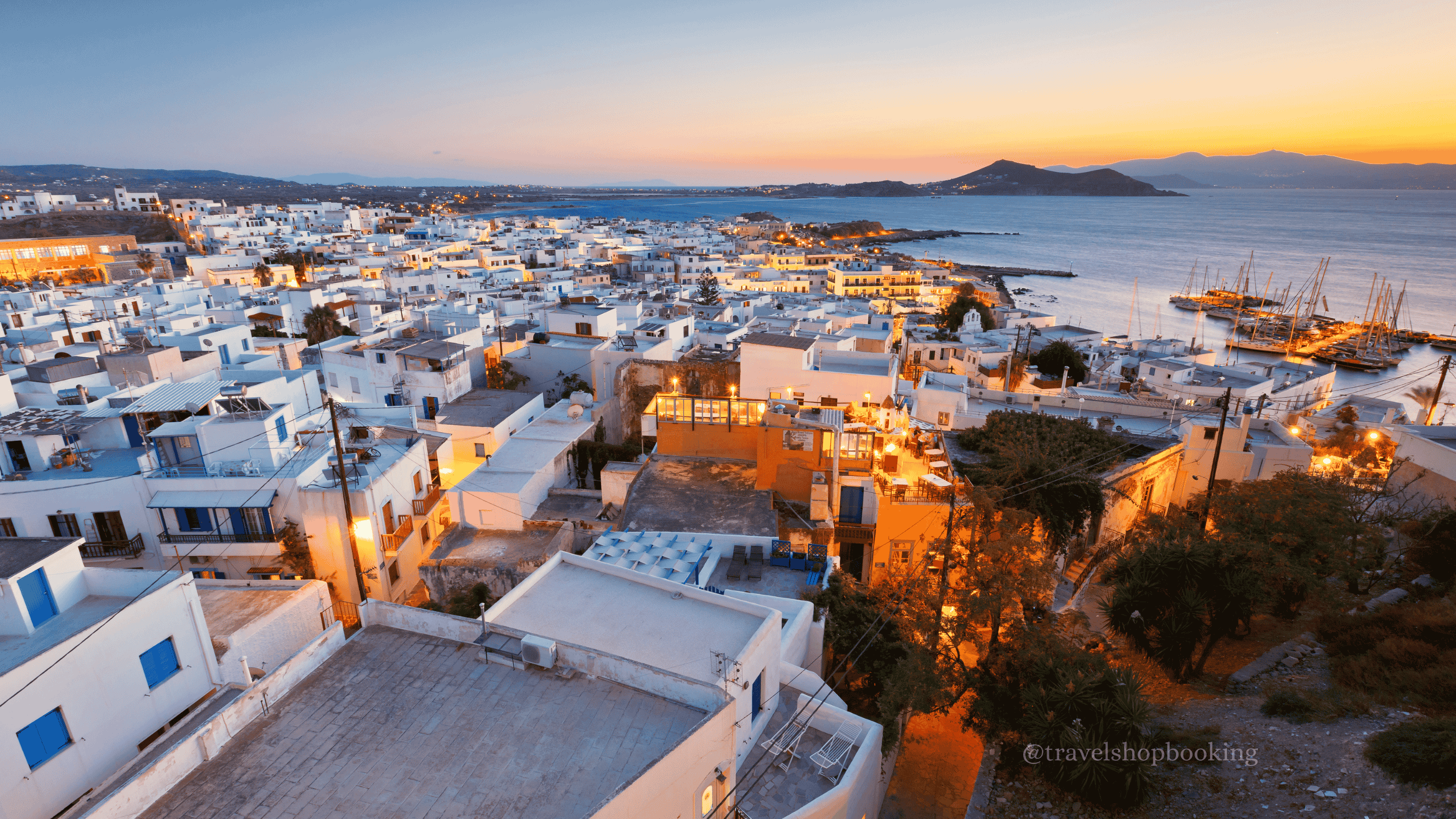
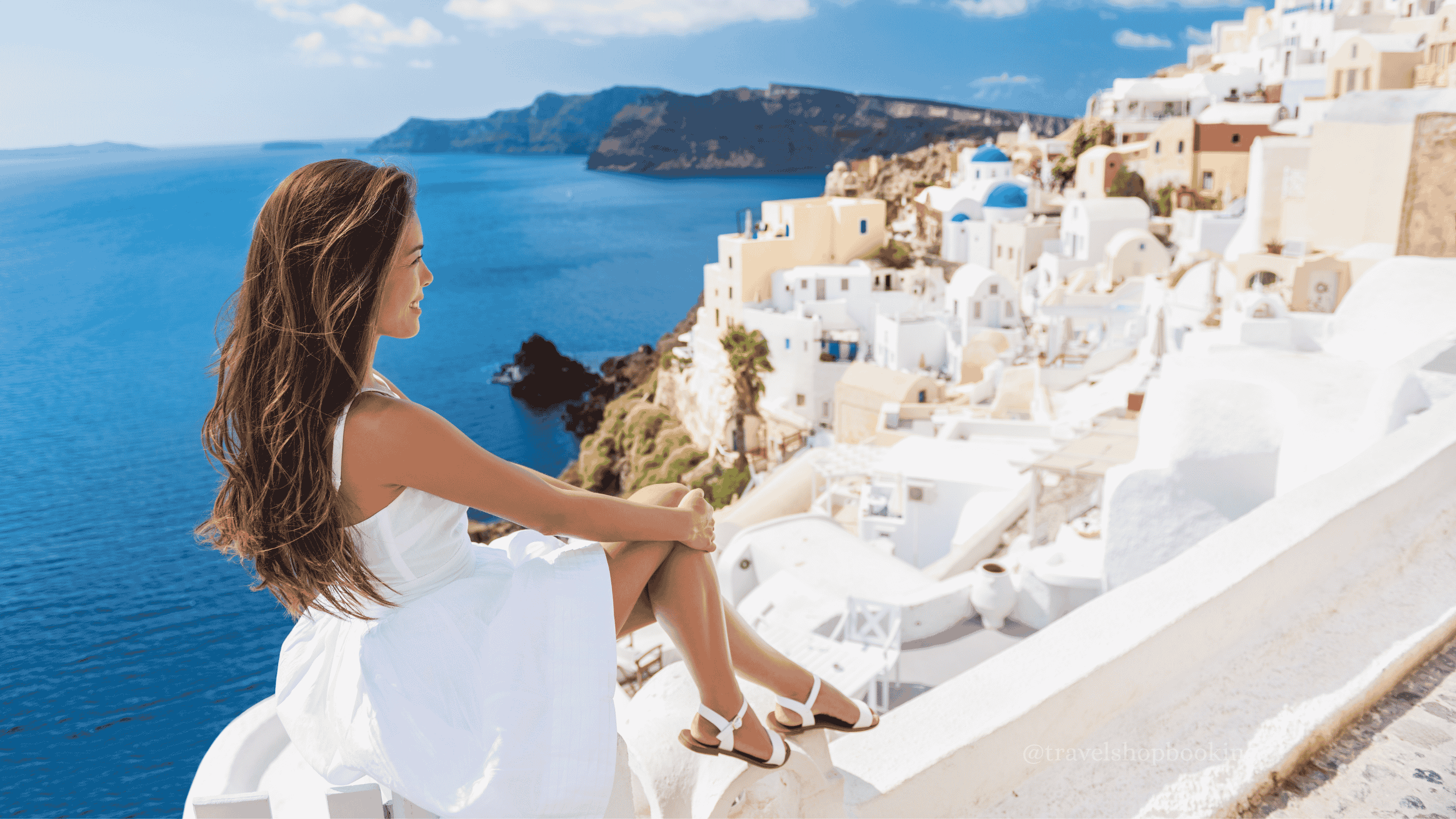
Best Places to Visit in Greece (Beyond the Obvious)
When planning travel to Greece, the biggest mistake travelers make is underestimating distances and overloading their itinerary. Greece has over 200 inhabited islands. Choosing wisely is critical.
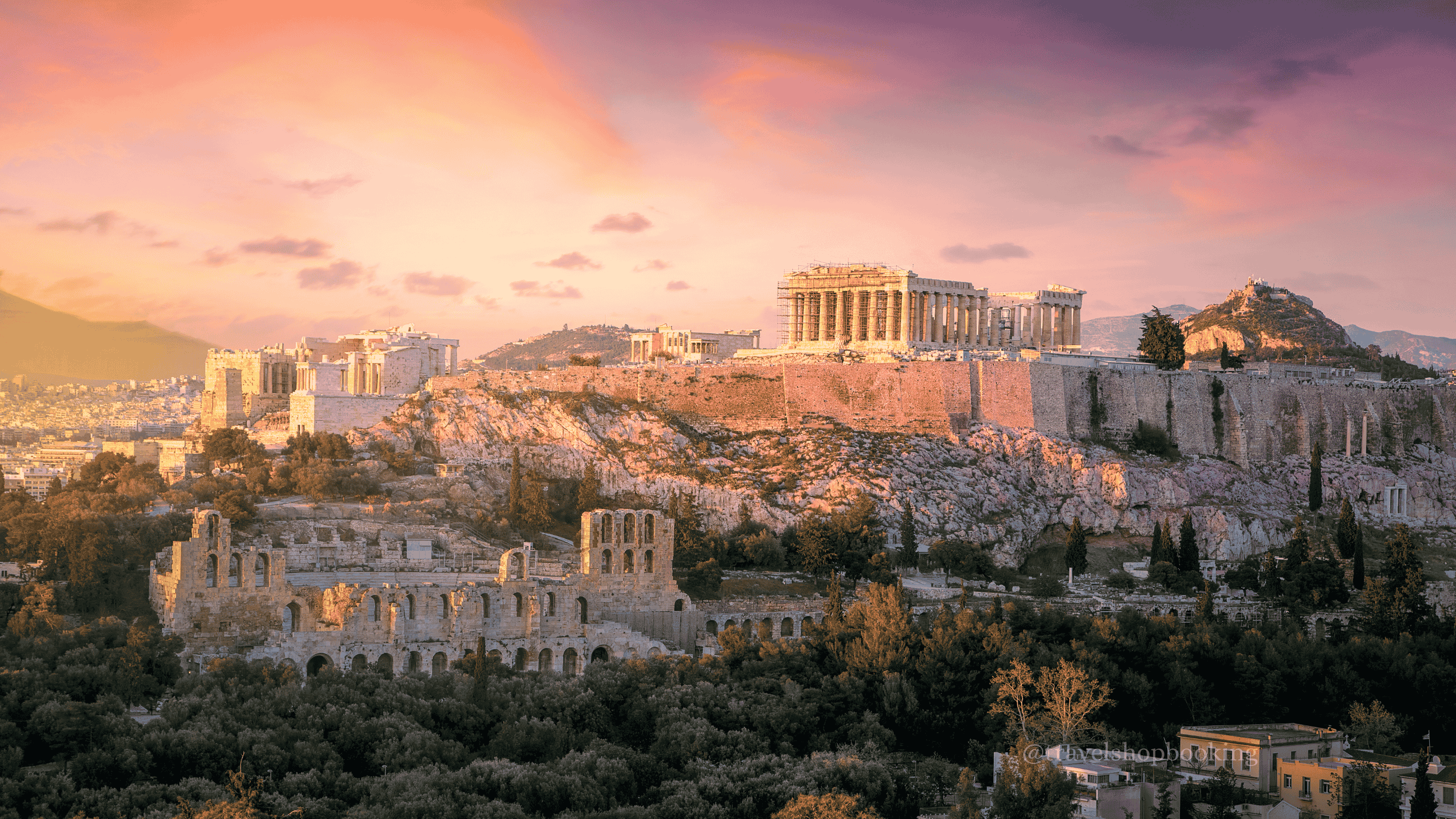
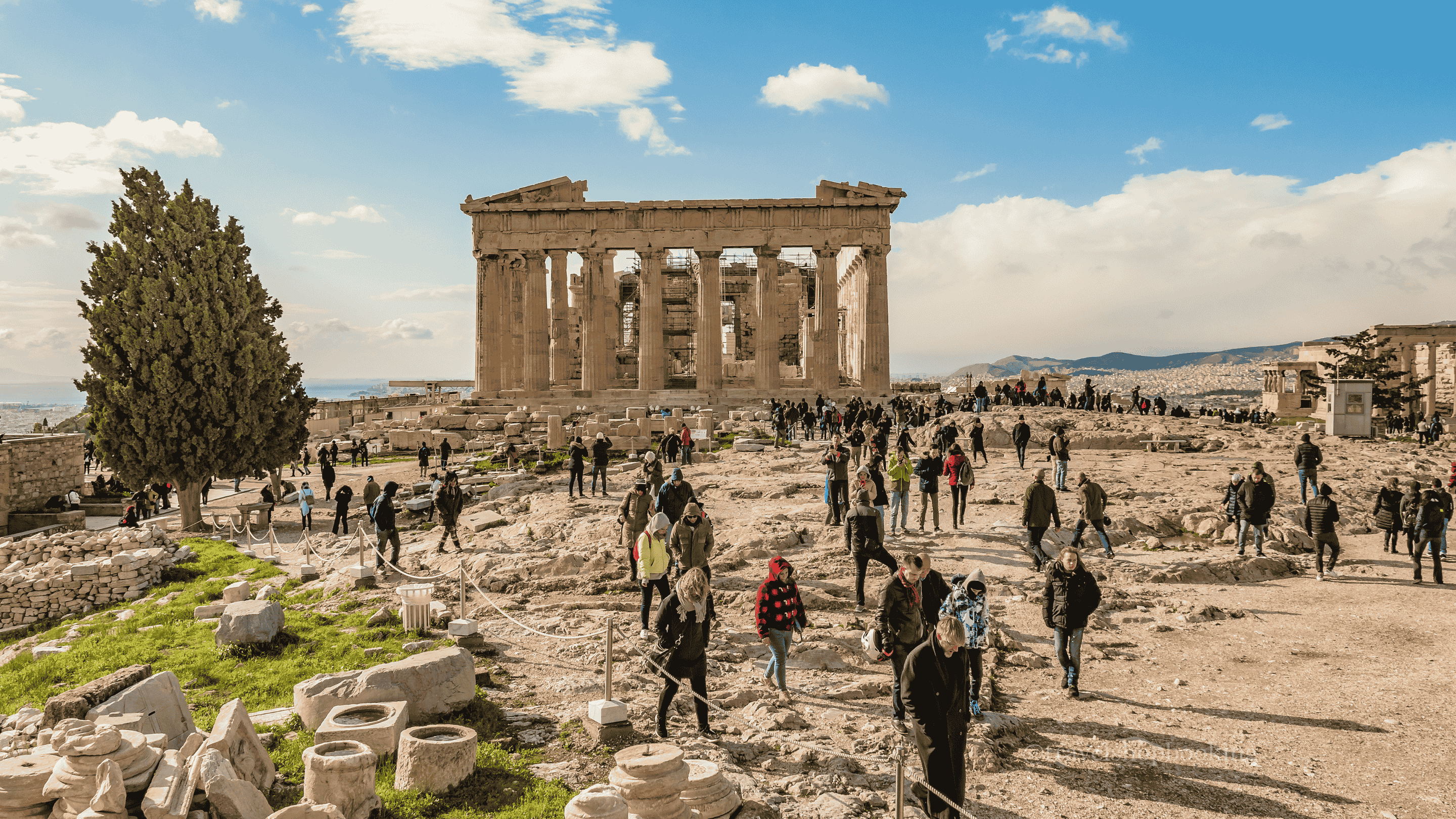
Athens – Where Ancient Civilization Meets Modern Energy
When planning travel to Greece, most travelers see Athens as a transit hub. That is a mistake. Athens is not just a starting point for Greek islands travel — it is the intellectual and historical backbone of Europe.
The best way to experience Athens is strategically. Visit the Acropolis right at opening time. During peak season (especially July–August), cruise passengers start arriving around 9:30–10:00 AM. Arriving earlier gives you space, better light for photography, and a more atmospheric experience.
The Acropolis is more than just the Parthenon. It includes:
-
The Erechtheion with its famous Caryatid statues
-
The Temple of Athena Nike
-
The Propylaea entrance gate
-
Panoramic views over the entire Athens basin
Afterward, the Acropolis Museum adds depth. Many travelers skip it, but it provides context that turns ruins into narrative. Seeing original sculptures and understanding how the Parthenon was constructed changes the way you see ancient Greece.
Beyond monuments, Athens offers layered neighborhoods:
-
Plaka – neoclassical architecture and traditional tavernas
-
Anafiotika – hidden Cycladic-style houses beneath the Acropolis
-
Psiri – urban art and local nightlife
-
Kolonaki – upscale dining and boutiques
For sunset, Lycabettus Hill provides one of the best panoramic views in Greece, especially at golden hour when the Parthenon glows.
How many days in Athens?
For a well-balanced Greece itinerary, 2–3 days is ideal. If you’re deeply interested in archaeology or philosophy, 4 days allows you to add Delphi or Cape Sounion.
From an expert perspective, Athens is also one of the best-value capitals in Europe for fine dining and rooftop restaurants with Acropolis views — making it ideal for romantic Greece travel experiences.
Santorini – Iconic but Strategic
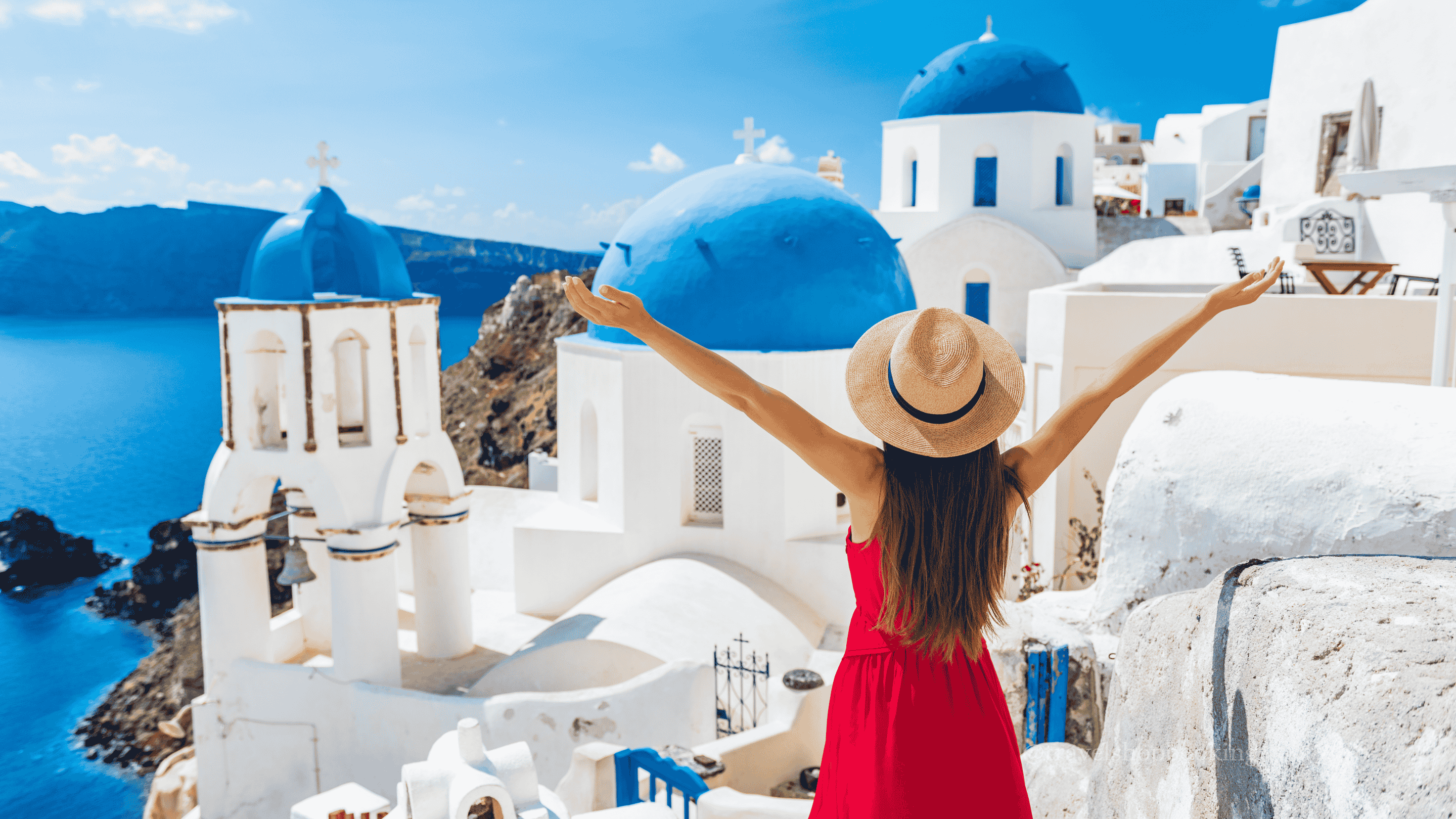
Santorini consistently ranks among the best places to visit in Greece, and for good reason. The island’s caldera cliffs were formed by a massive volcanic eruption thousands of years ago, creating one of the most dramatic landscapes in the Mediterranean.
However, travel to Greece in peak summer means planning carefully. Santorini receives heavy cruise traffic. If you want the iconic Oia sunset experience without extreme crowds:
-
Visit in May, early June, or late September
-
Stay in Imerovigli instead of Oia for quieter views
-
Book sunset restaurants in advance
Beyond photography, Santorini offers depth:
-
Volcanic beaches like Red Beach and Perissa (black sand)
-
Caldera sailing tours with hot springs swimming
-
Wine tasting at local volcanic vineyards (Assyrtiko grapes thrive in ash-rich soil)
For honeymoon in Greece travelers, cave hotels carved into the cliffs provide privacy, infinity pools, and uninterrupted sunset views.
Luxury Greece travel tip: choose accommodation with caldera-facing balconies rather than street-level Oia properties — privacy makes a significant difference.
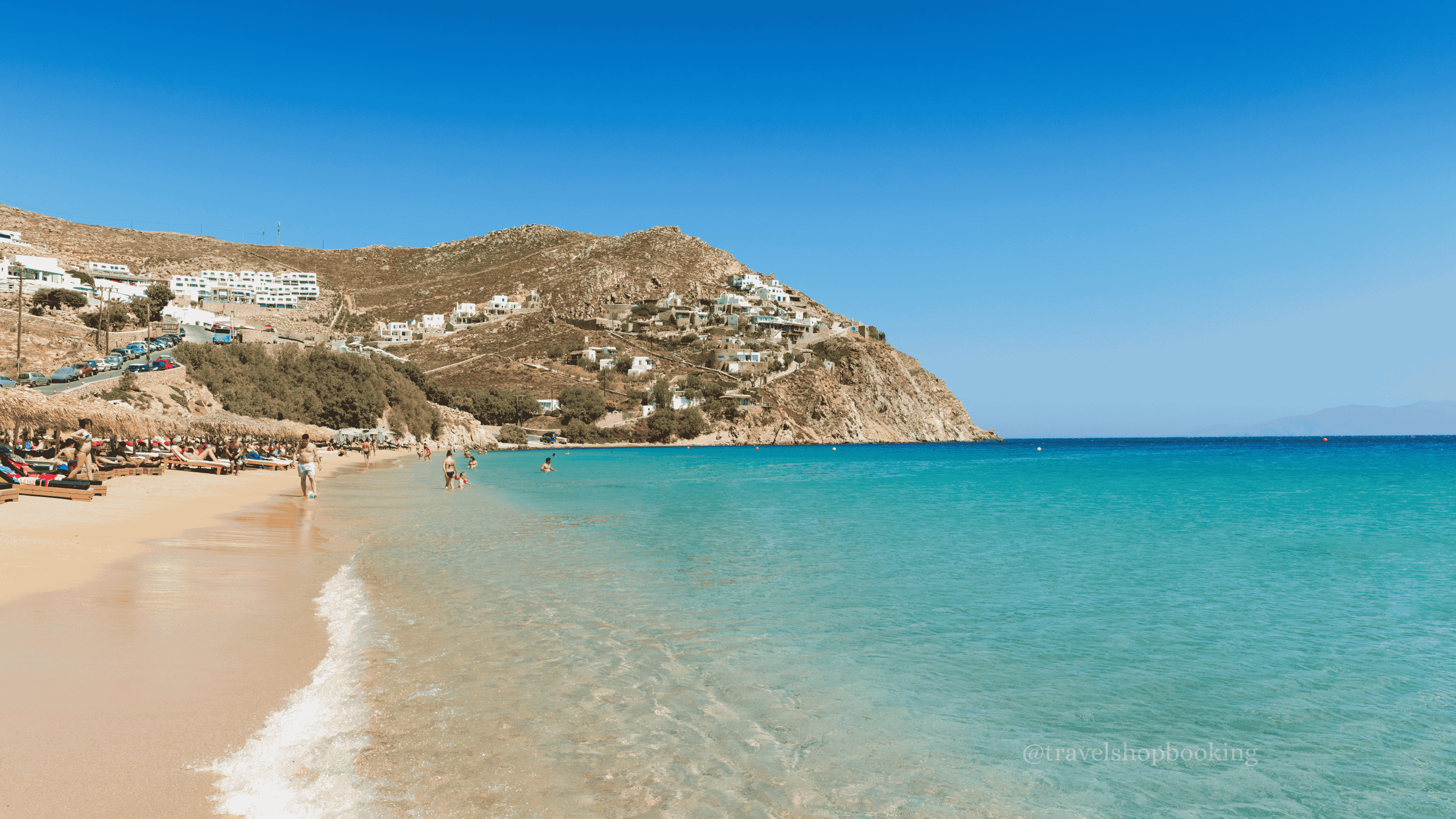
Mykonos – Beyond Nightlife
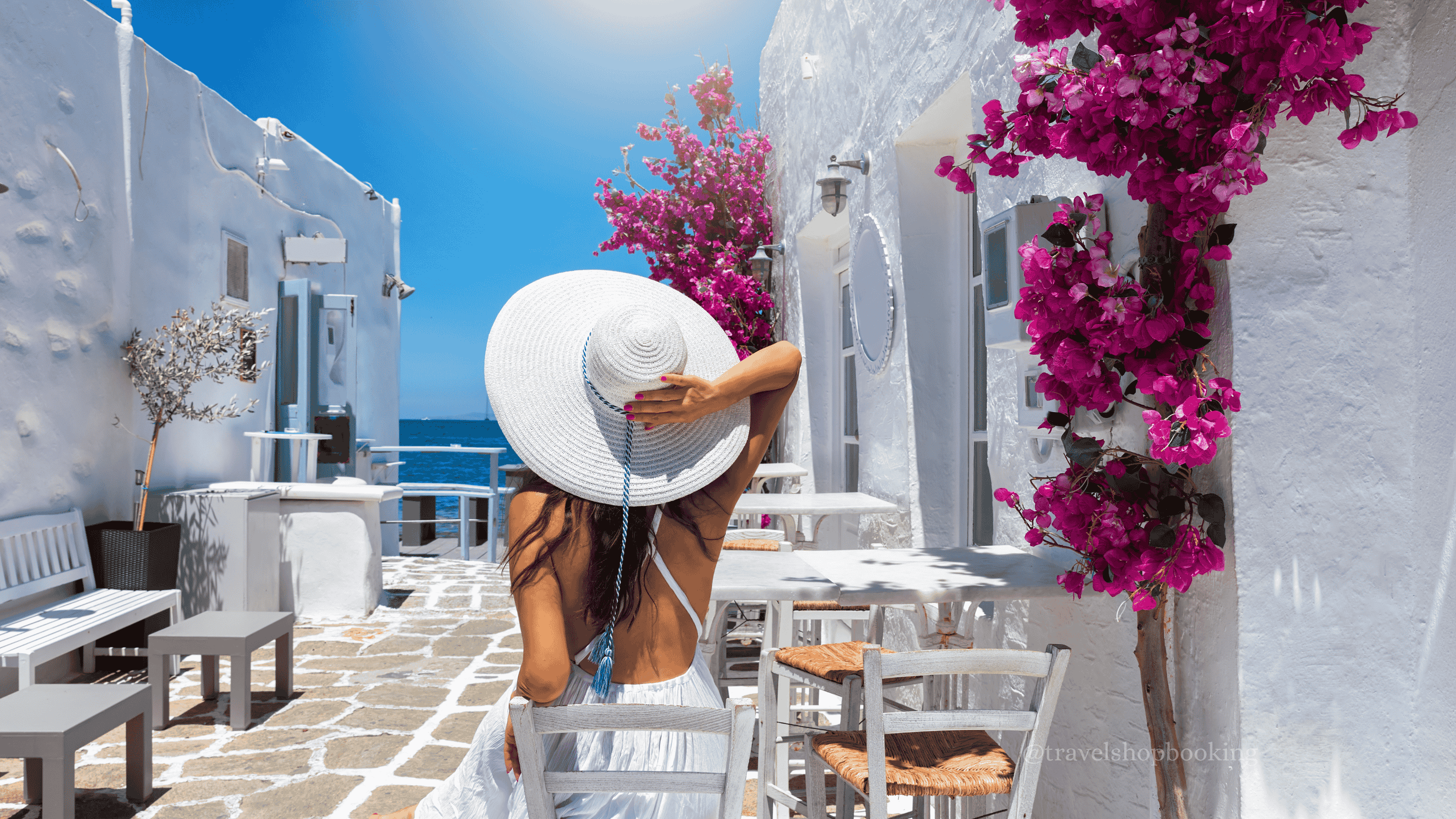
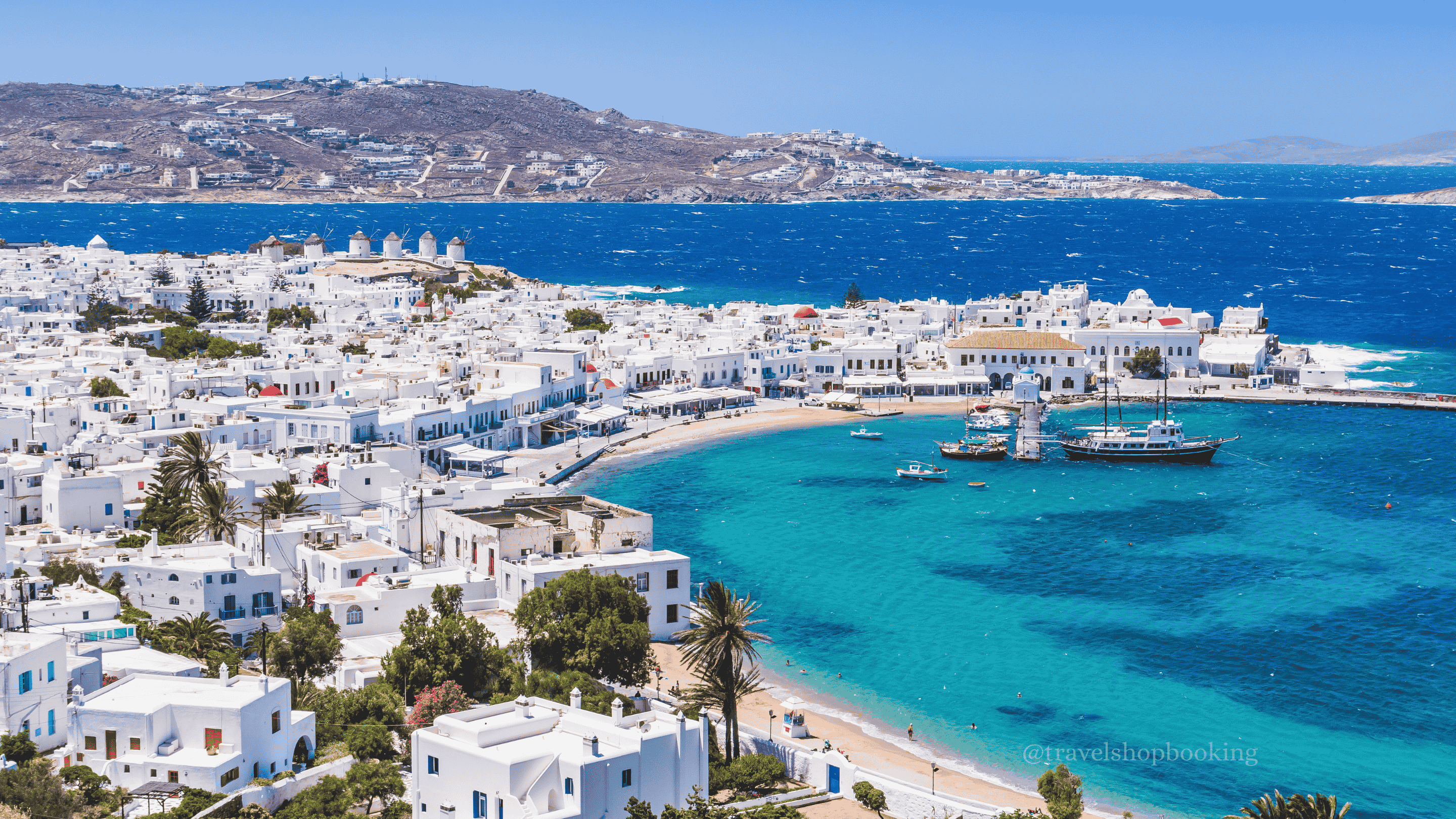
Mykonos is often simplified as a party island, but it is far more nuanced. Yes, beach clubs like Paradise and Super Paradise define part of the experience, but Mykonos also offers:
-
Cycladic whitewashed alleyways
-
Boutique fashion stores
-
High-end Mediterranean cuisine
-
Charming sunset views near the iconic windmills
The area of Little Venice is particularly atmospheric during sunset when waves crash beneath waterfront balconies.
For luxury-focused Greece travel, Mykonos offers some of the most refined villas and boutique hotels in the Aegean. It’s ideal for travelers combining beach culture with stylish accommodation.
If you want balance in your 7-day Greece itinerary, limit Mykonos to 2 nights. Longer stays tend to focus heavily on nightlife.
Crete – The Most Underrated Giant
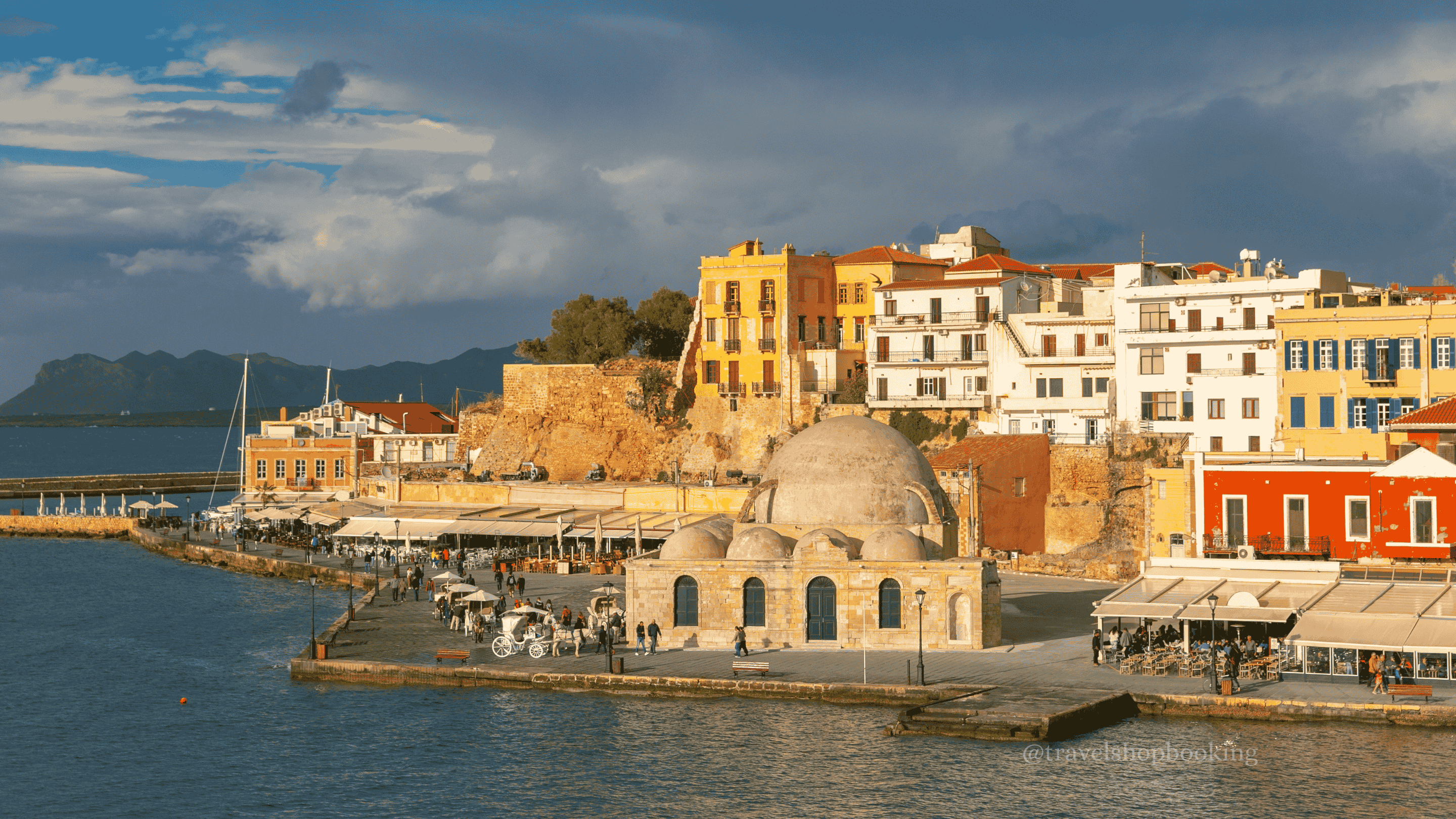
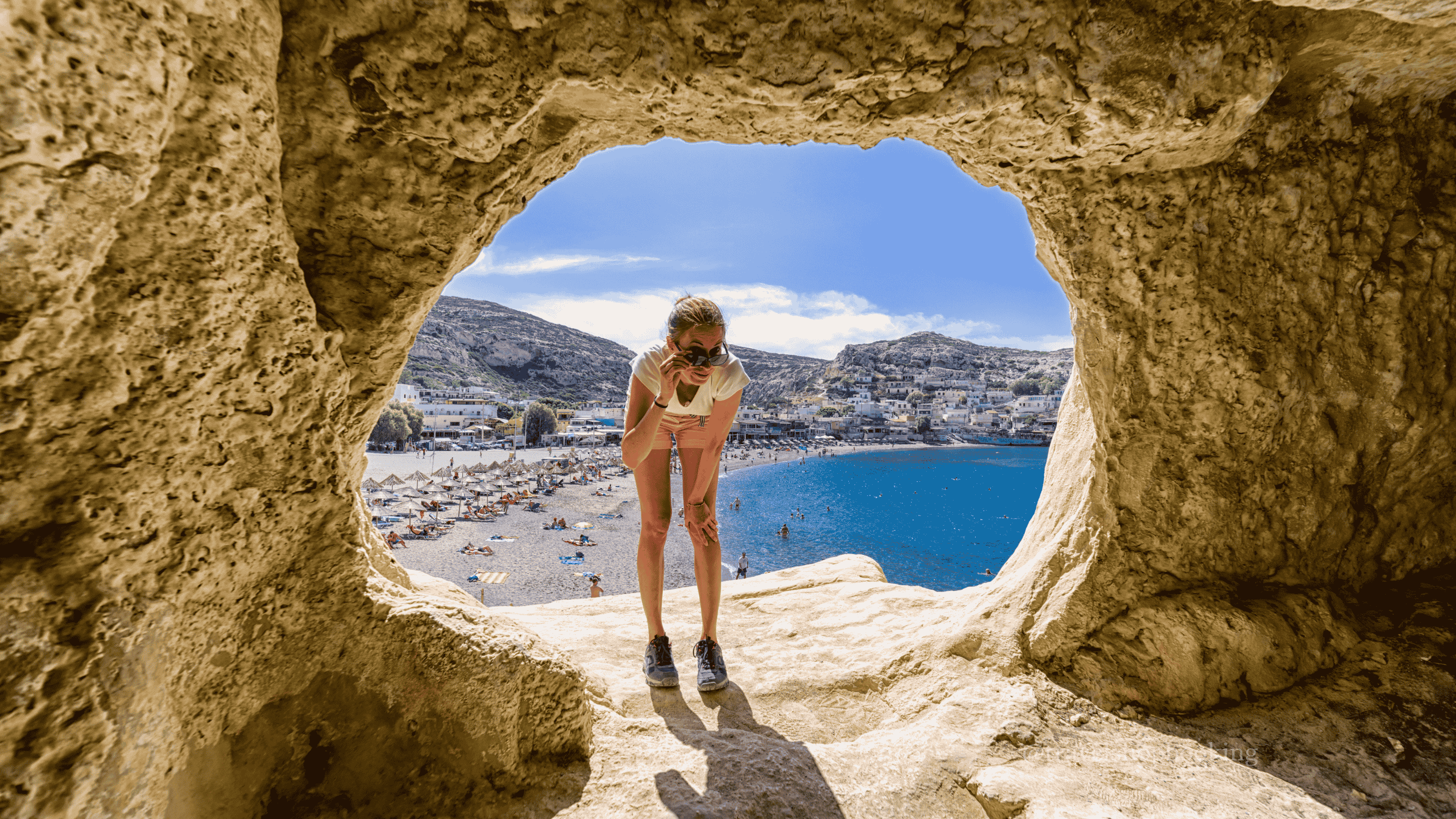
Crete is Greece’s largest island and arguably its most diverse destination. It combines history, dramatic landscapes, and authentic village life.
Key highlights include:
-
The Palace of Knossos – linked to the myth of the Minotaur
-
Balos Lagoon – shallow turquoise waters ideal for photography
-
Elafonissi Pink Beach – known for its soft pink sand tones
-
Samaria Gorge – one of Europe’s longest canyon hikes
Unlike smaller islands, Crete feels expansive. Distances are significant, which is why renting a car is strongly recommended for travelers who want to explore beyond resort zones.
If someone asks where to travel to Greece for beaches, culture, hiking, and local food without overwhelming cruise crowds, Crete is often the strongest recommendation.
Meteora – Surreal Mainland Experience
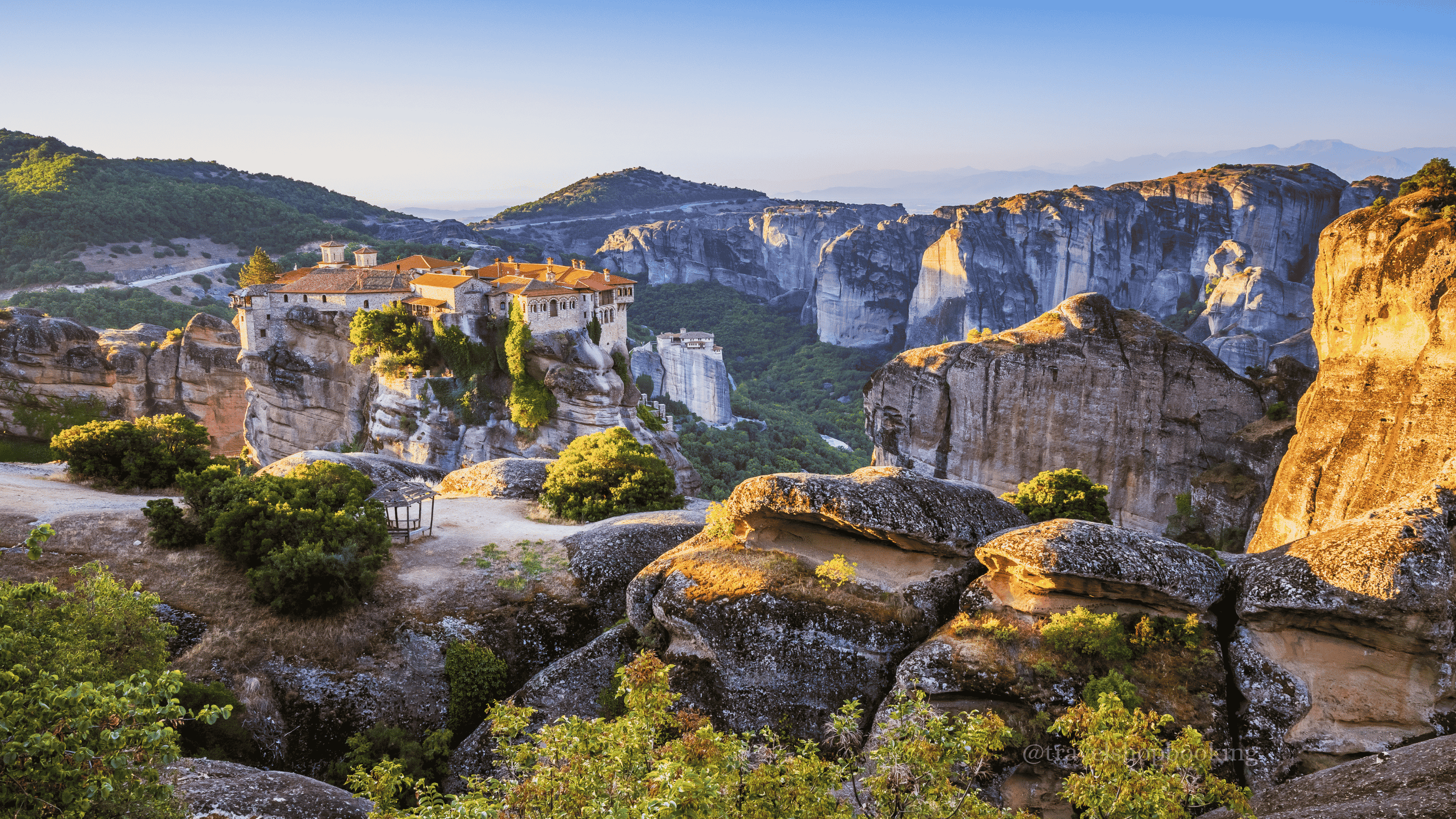
Mainland Greece offers experiences that many island-focused travelers overlook. Meteora is one of Europe’s most extraordinary geological formations.
The monasteries perched on towering rock pillars create an almost surreal landscape. Today, six monasteries remain active and open to visitors.
Important travel tips:
-
Dress modestly (shoulders and knees covered)
-
Visit early morning for soft light and fewer tour buses
-
Stay overnight in Kalambaka for sunrise photography
Meteora works perfectly in a culture-focused Greece itinerary, especially for travelers interested in history, spirituality, and photography.
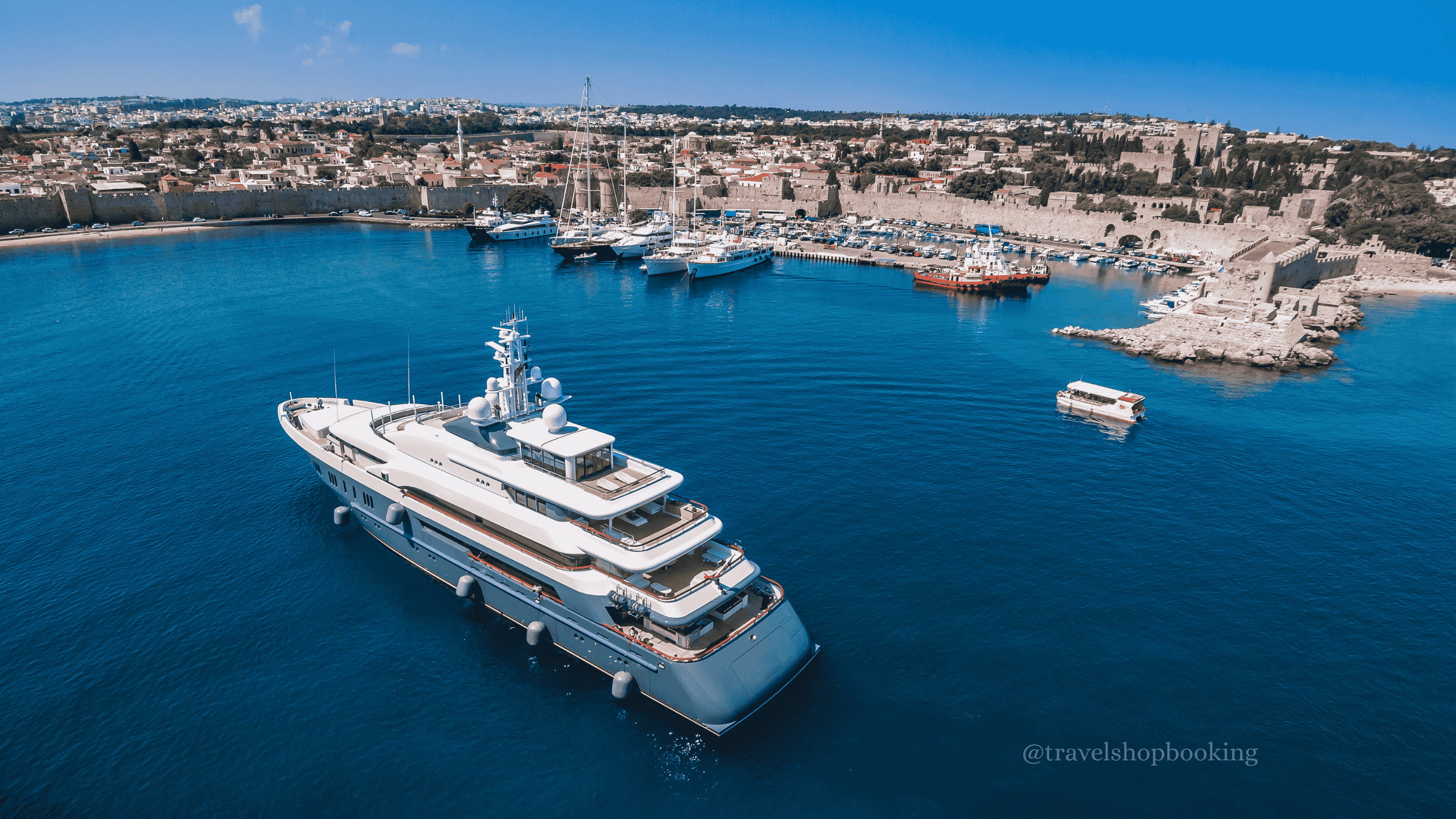
Zakynthos & Rhodes – Beach Meets History
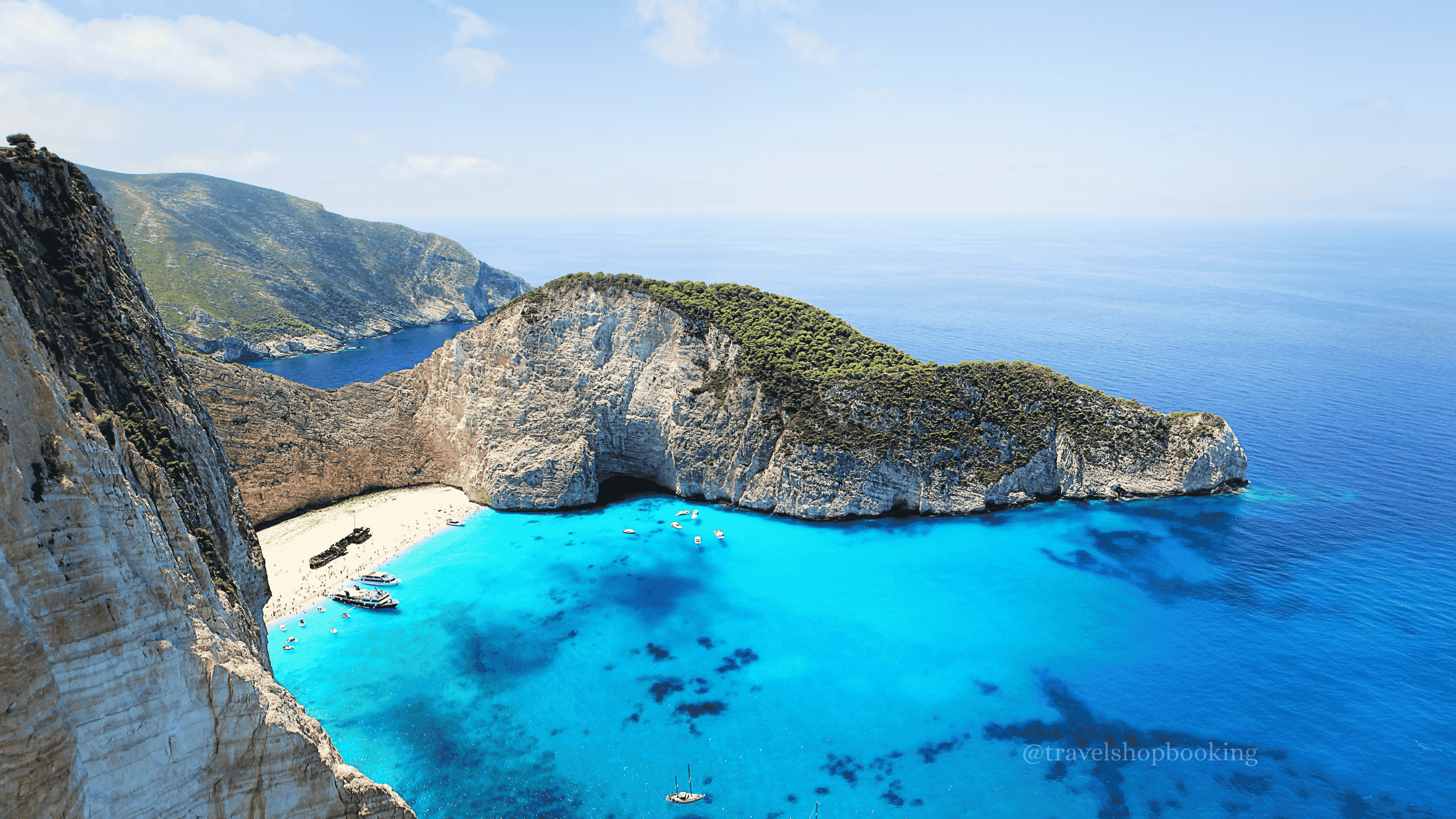
Zakynthos is synonymous with Navagio Beach, also known as Shipwreck Beach. Accessible mainly by boat, its turquoise waters and dramatic cliffs make it one of the most photographed beaches in Europe.
Snorkeling and private boat tours around the island’s caves elevate the experience beyond simple beach lounging.
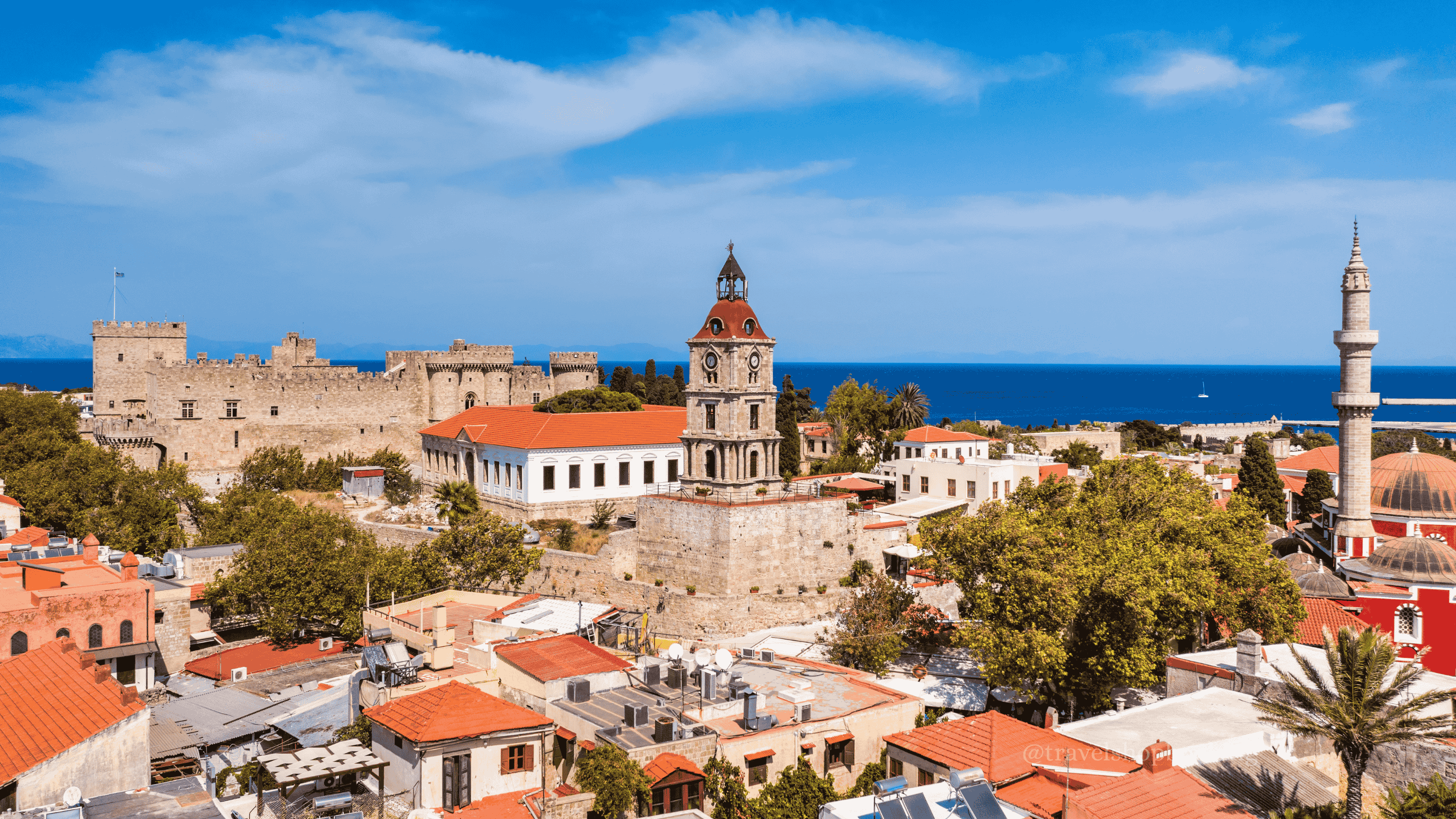
Rhodes offers something different. Its medieval Old Town is a UNESCO-listed site with cobblestone streets, stone fortifications, and Ottoman-era architecture layered over Crusader history.
Rhodes is particularly strong for:
-
Family-friendly Greece vacation
-
Cultural sightseeing
-
Resort-style beach stays
If you’re building a balanced Greece travel guide itinerary, Rhodes offers both relaxation and heritage in one place.
7. Zakynthos – Turquoise Waters
Famous for:
- Navagio Beach (Shipwreck Beach)
- Dramatic cliffs
- Crystal-clear waters
- Boat tours and snorkeling
A top
destination for beach lovers.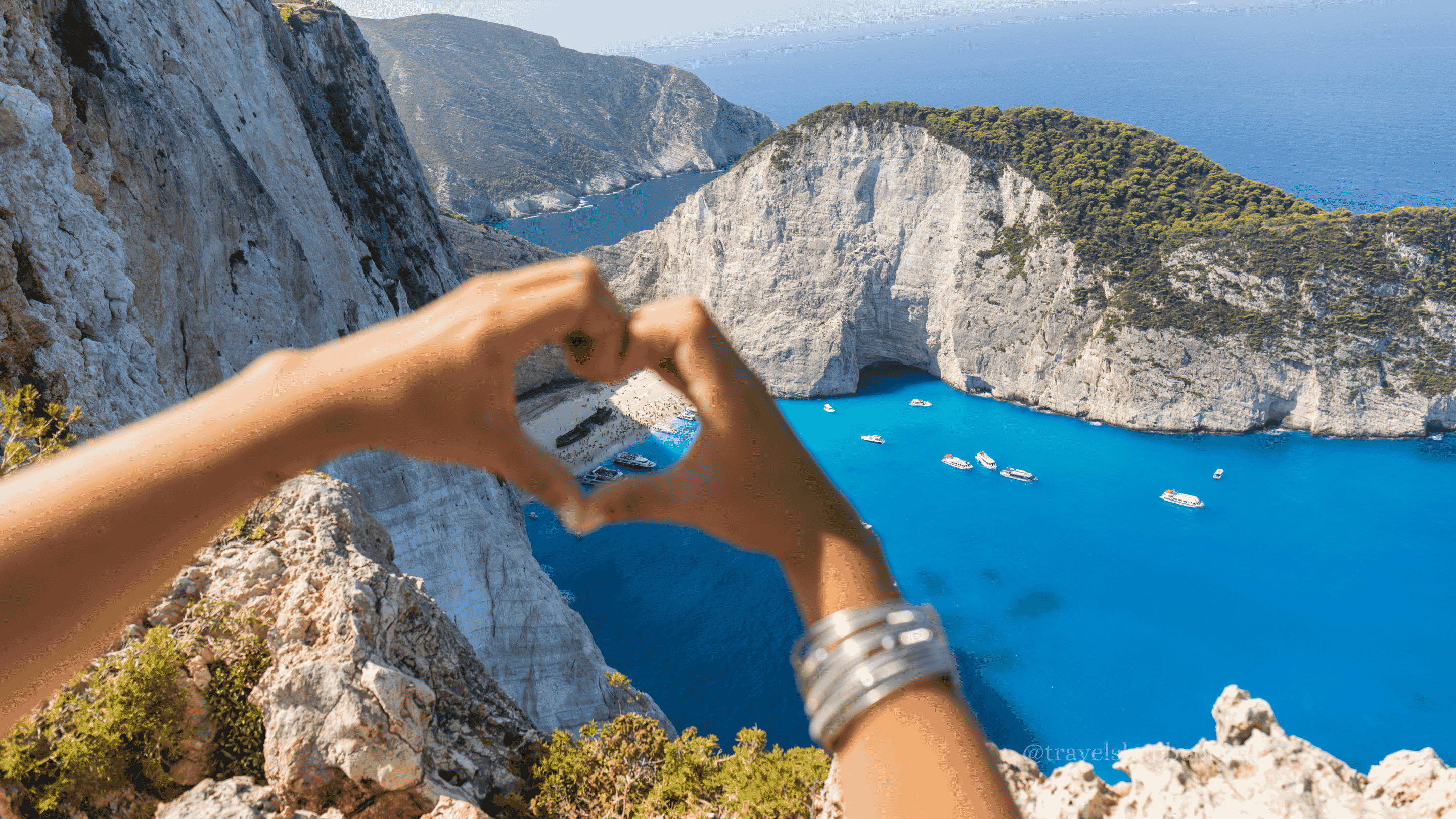
7-Day Greece Travel Itinerary
Option 1:
Classic Greece
Day 1–2:
Athens
Day 3–4: Santorini
Day 5–6: Mykonos
Day 7: Return to Athens
Option 2:
Culture & Nature
Day 1–2:
Athens
Day 3: Meteora
Day 4–7: Crete
Best Time to Travel to Greece
May and June offer ideal weather without peak crowds. September is arguably the best overall month for travel to Greece warm sea, lower hotel rates, and fewer cruise passengers.
July and August are peak season. Expect higher prices and busy ports. Winter is underrated for Athens sightseeing but not ideal for island hopping Greece trips.
Greek Food You Must Try
- Moussaka
- Souvlaki
- Greek salad
- Tzatziki
- Fresh seafood
- Baklava
Greek
cuisine is fresh, simple, and full of Mediterranean flavors.

Practical Travel Tips for Greece 2026
The currency is Euro (€). Credit cards are widely accepted, but smaller islands may still prefer cash. Book ferries and accommodation early during peak season. Renting a car in Crete or mainland regions significantly improves flexibility.
Respect historical sites — many ruins are fragile and protected.
Travel insurance is highly recommended when planning travel to Greece, especially if combining ferries and flights.
Frequently Asked Questions About Travel to Greece
How many days do you need in Greece?
7–10 days is ideal for combining Athens with 1–2 islands. Two weeks allows deeper island hopping.
Is Greece expensive in 2026?
Compared to Western Europe, Greece remains relatively affordable. Islands like Mykonos and Santorini are premium, while Crete and mainland regions offer better value.
Is Greece safe for tourists?
Yes. Greece is considered one of the safest travel destinations in Europe.
Do you need a car in Greece?
In Athens, no. On large islands like Crete, yes.
Which Greek island is best for honeymoon?
Santorini is the top choice for honeymoon in Greece due to privacy, sunsets, and luxury cave hotels.
Loading comments…