Free Cancellation

-high.jpg&w=1920&q=75 "Prague Historical River Cruise on the Vltava River")
-high.jpg&w=1920&q=75 "Best of Prague Private Tour (6 Hours): Old Town, Castle & More")
-high.jpg&w=1920&q=75 "VIP Prague Private Tour: Tailor-Made Experience Just for You")
Prague Tours introduce travelers to one of Europe's most visited historic capitals, a city where Gothic towers, baroque facades and Art Nouveau buildings stand largely undisturbed by the wars that reshaped much of the continent. Built along a bend in the Vltava River, Prague grew from a 9th-century settlement into the seat of Bohemian kings and Holy Roman Emperors, and its Old Town has kept its medieval street plan and skyline of spires largely intact.
Many visitors combine a stay in Prague with wider travel through the Czech Republic, using the capital as a base for day trips or as the starting point of a longer itinerary. Prague Tours generally focus on the compact historic core, where Charles Bridge, Prague Castle and Old Town Square sit within an easy walk of one another along the river.
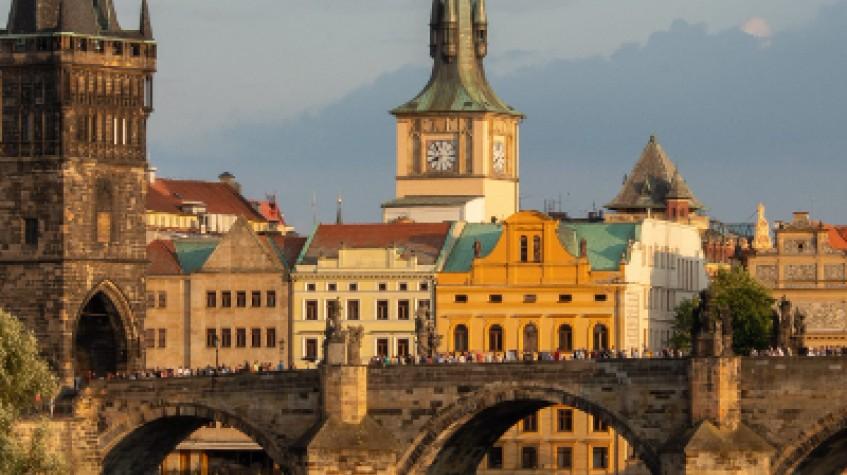
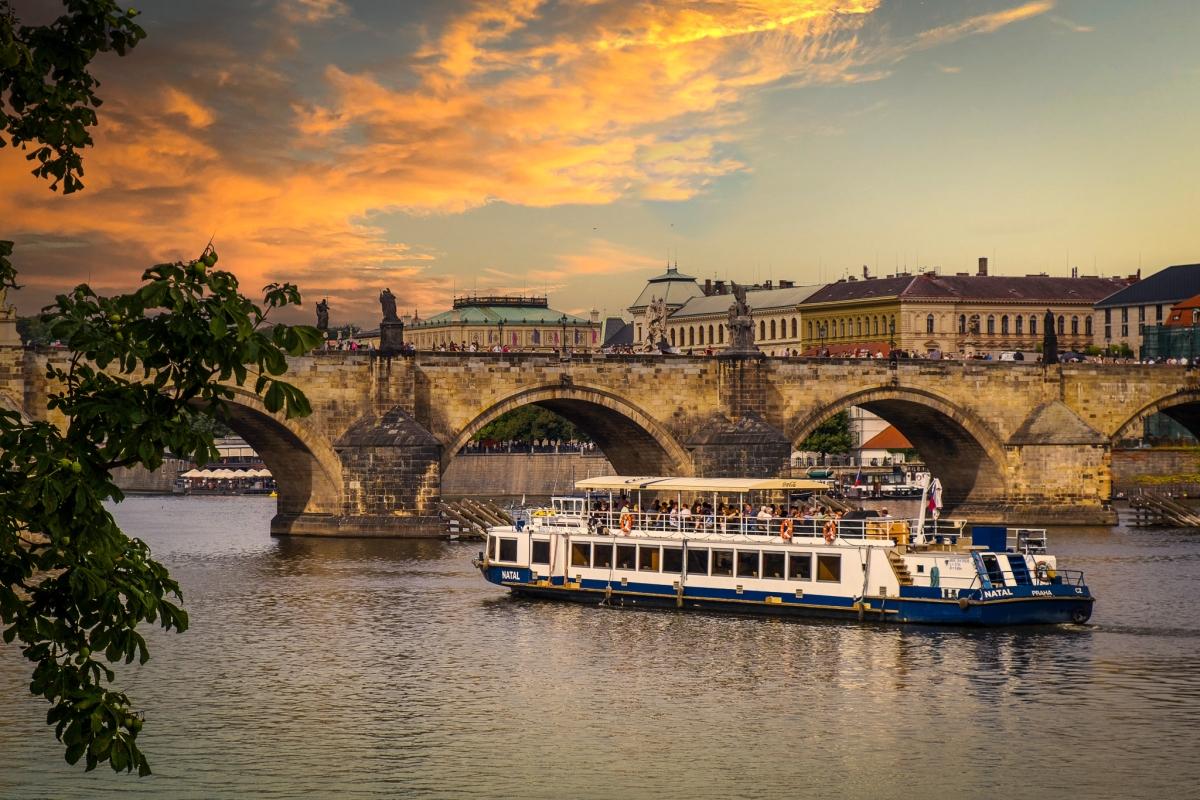
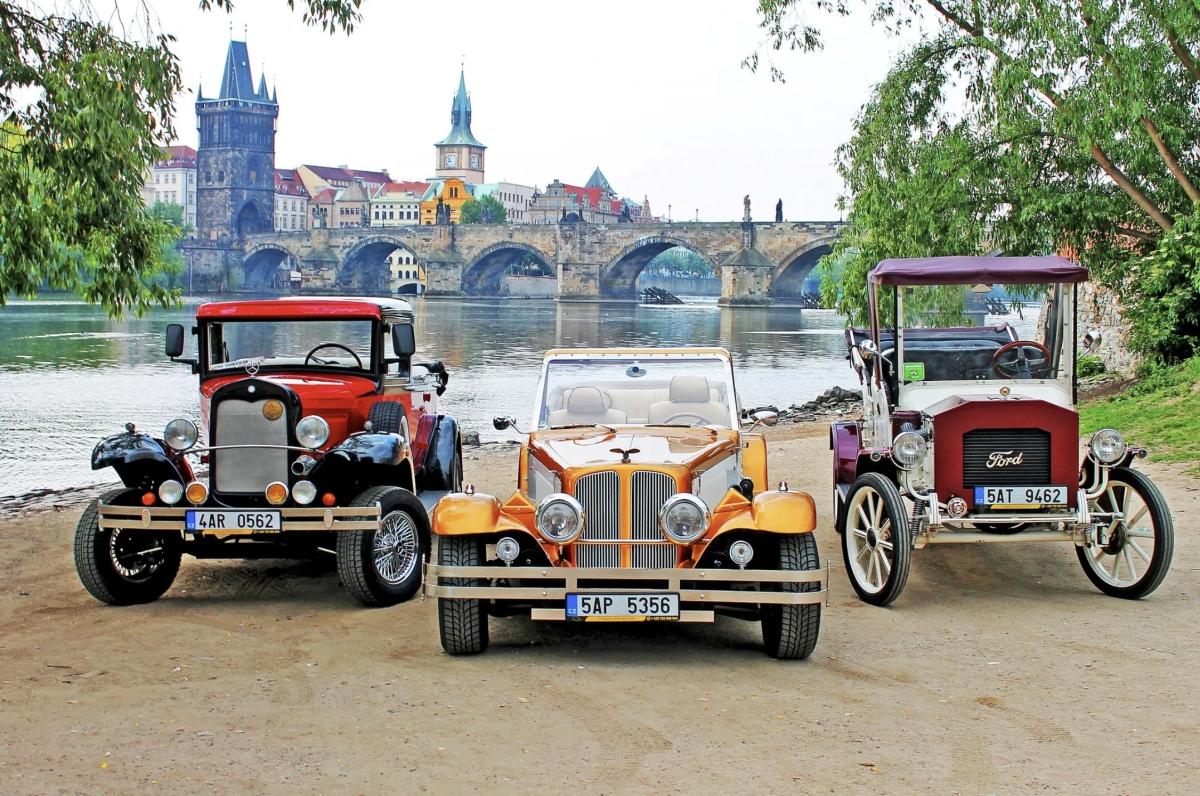
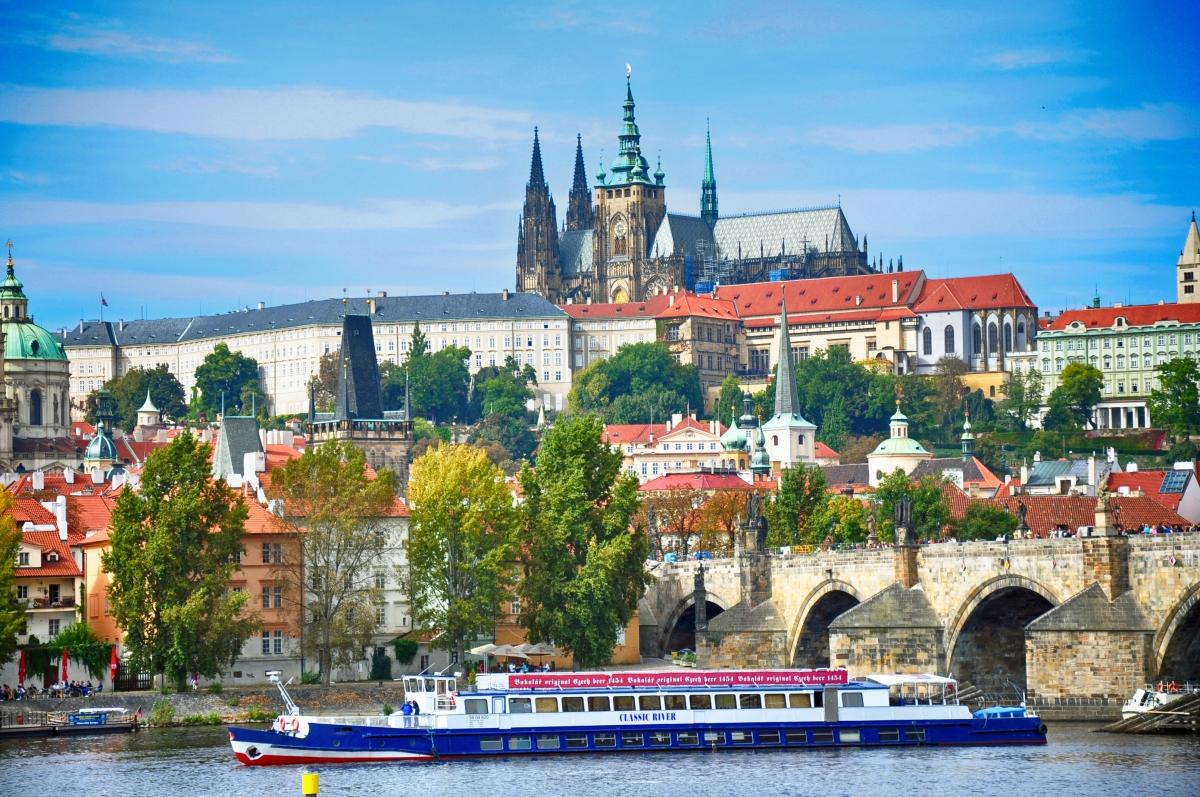
Commissioned by Charles IV in 1357, Charles Bridge links the Old Town with the Lesser Town (Malá Strana) across the Vltava on 16 stone arches. Thirty baroque statues of saints line the parapets, most of them 18th-century copies of originals now kept in the Lapidarium, and the bridge fills each morning with street musicians, portrait artists and vendors before the afternoon crowds arrive.
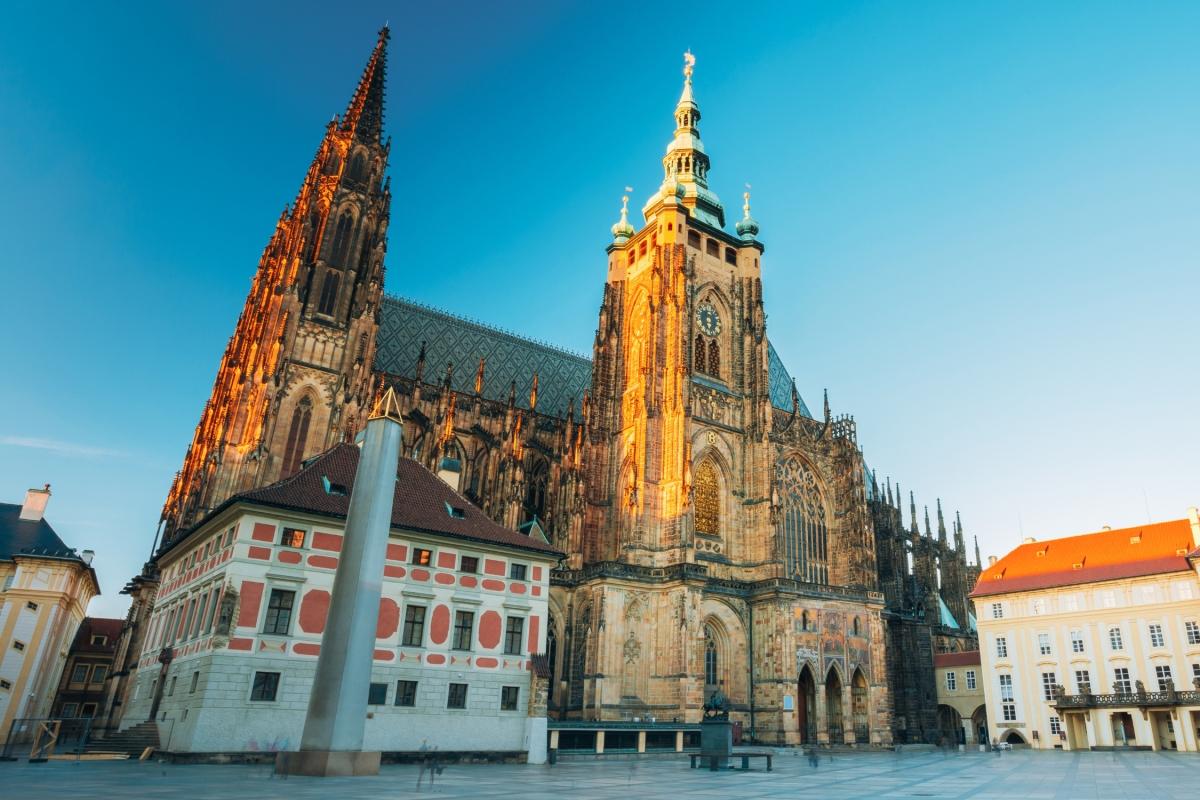
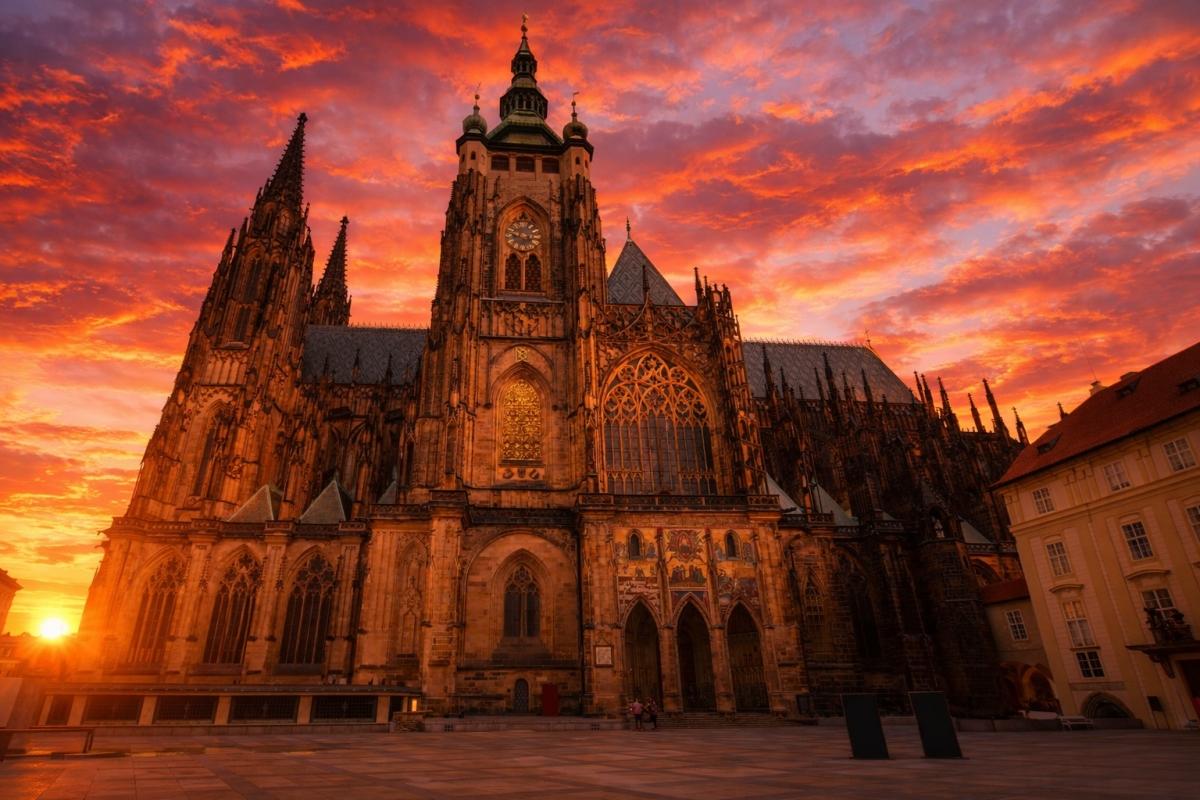
Overlooking the river from Hradčany hill, Prague Castle has served as the seat of Bohemian rulers since the 9th century and today houses the office of the Czech president. Within its walls, St. Vitus Cathedral rises in Gothic stone, a building begun in 1344 under Charles IV and only completed in 1929; its stained glass windows, royal crypt and the Chapel of St. Wenceslas are usually included on castle tours.
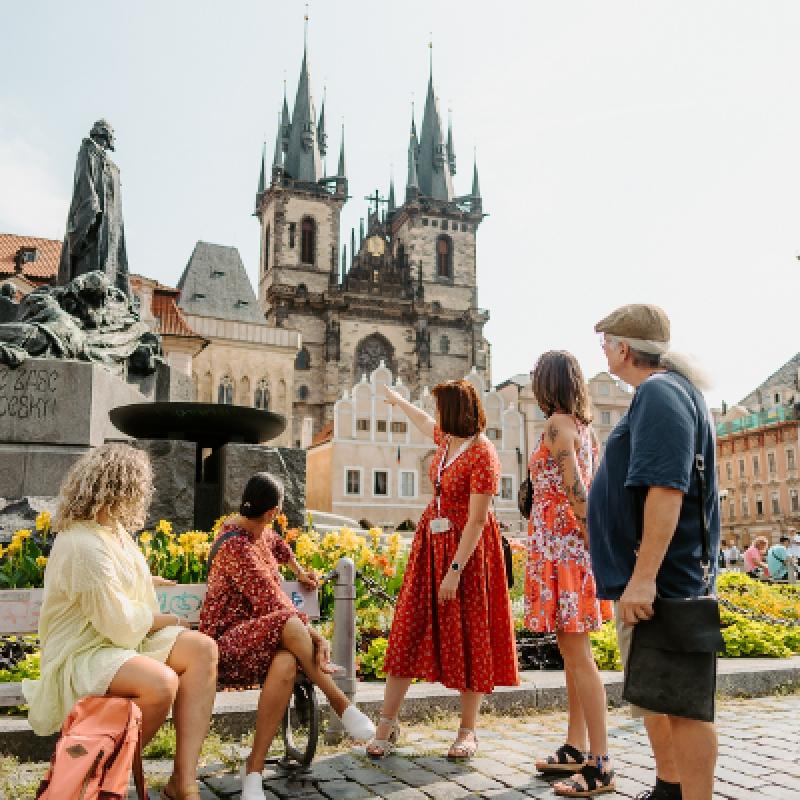
Old Town Square has been the city's civic center since the 12th century, ringed today by the twin Gothic spires of the Týn Church, the baroque St. Nicholas Church and rows of pastel merchant houses. Mounted on the Old Town Hall, the Astronomical Clock has marked the hour since 1410, making it the oldest astronomical clock still in operation; on the hour, carved figures of the Apostles pass by two small windows above the clock face.
Northwest of Old Town Square, the former Jewish Quarter preserves one of Europe's most complete surviving Jewish historic sites, including the Old-New Synagogue, in continuous use since the 13th century, and the Old Jewish Cemetery, where headstones stand stacked in layers after centuries of burials on the same small plot of ground.
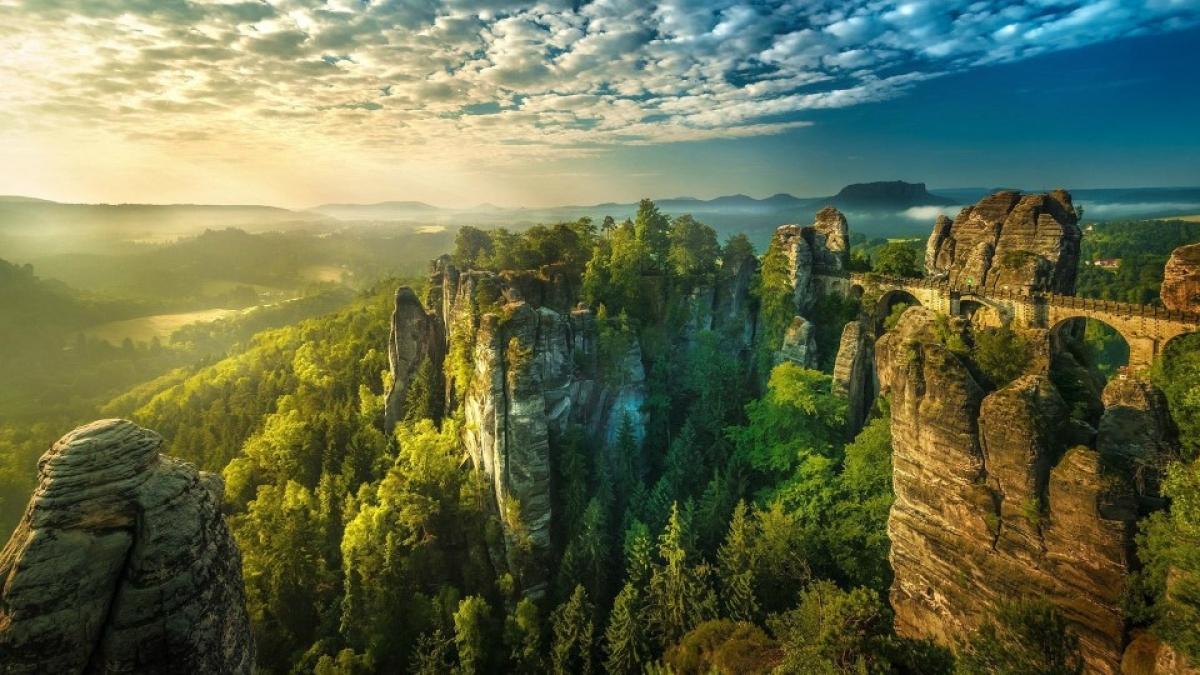
Prague Tour Packages typically combine accommodation in or near the Old Town with guided visits to the castle district, river cruises and walking routes through the historic center. Multi-day packages often add day trips into the surrounding Czech countryside or extend into neighboring countries for travelers building a longer Central European itinerary.
Prague Tour Package 4 Days is built around this compact core, pairing the main historic sights with enough free time to explore neighborhoods such as Malá Strana and Vinohrady independently.
Because its historic center survived the 20th century largely without bombing damage, Prague rewards walking more than most European capitals. A route down from the castle through Malá Strana, across Charles Bridge and into the Old Town covers most major sights within two to three hours, with narrow lanes, courtyard passages and riverside terraces branching off the main path for those with more time.
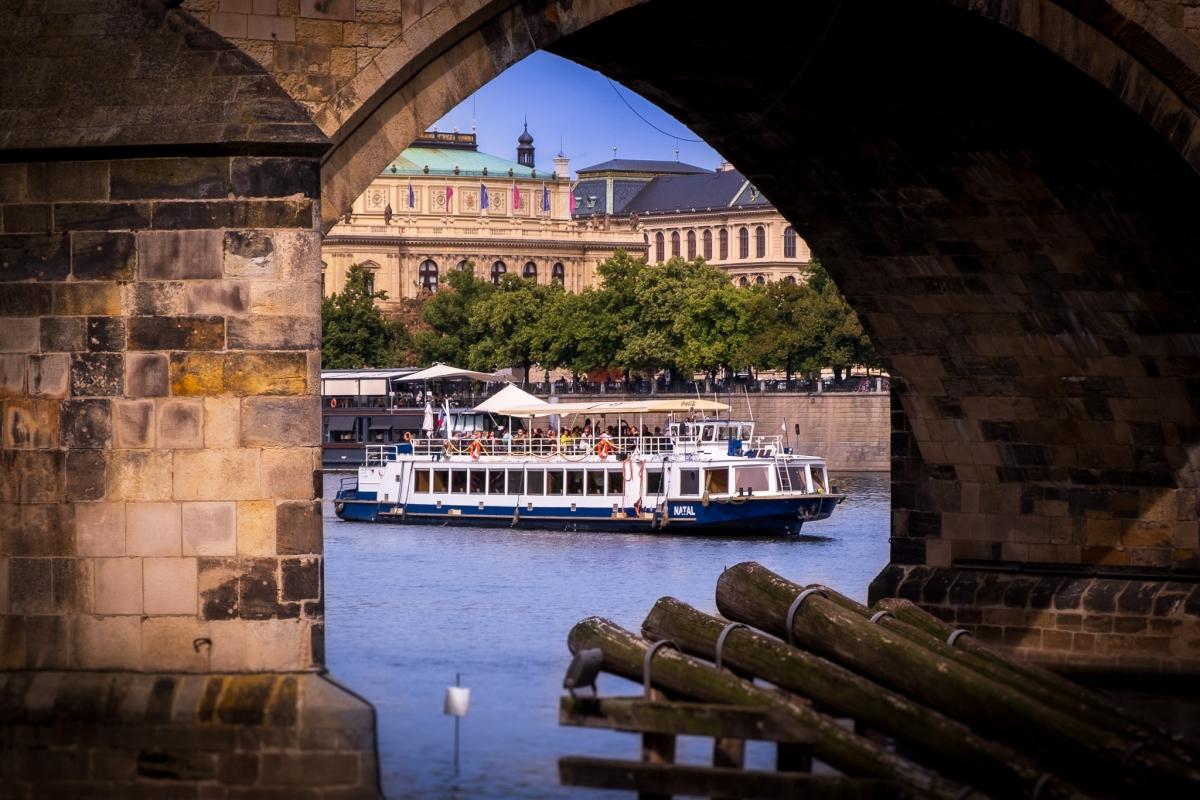
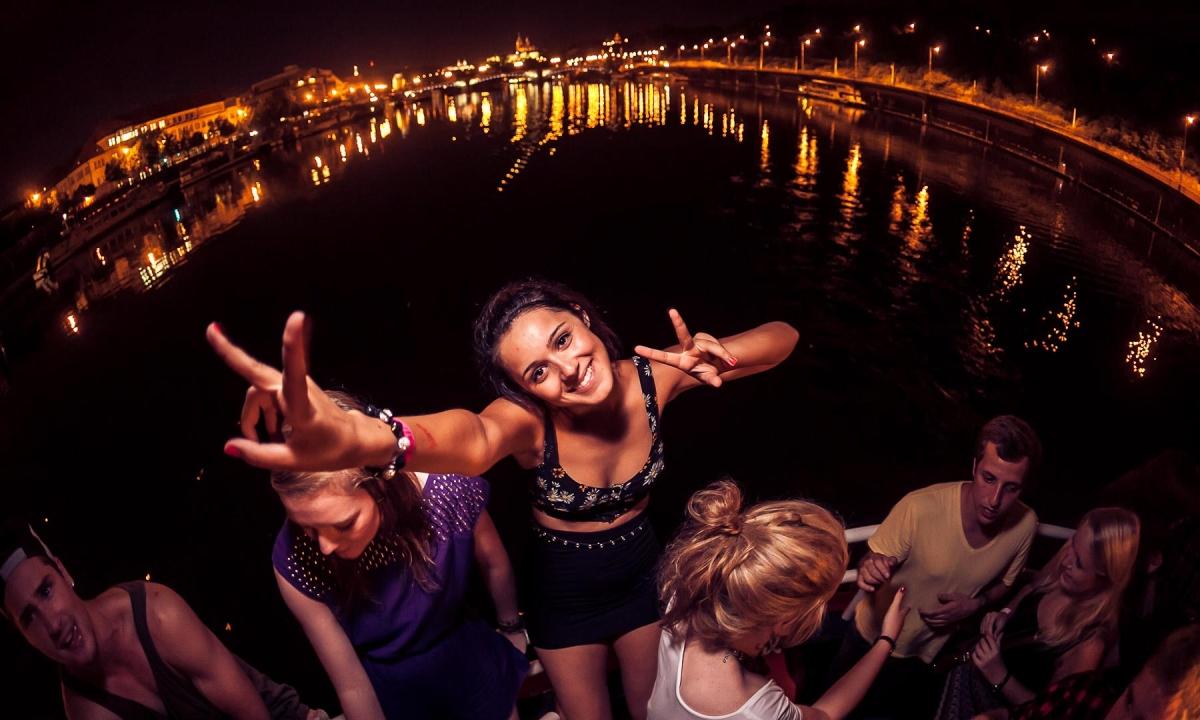
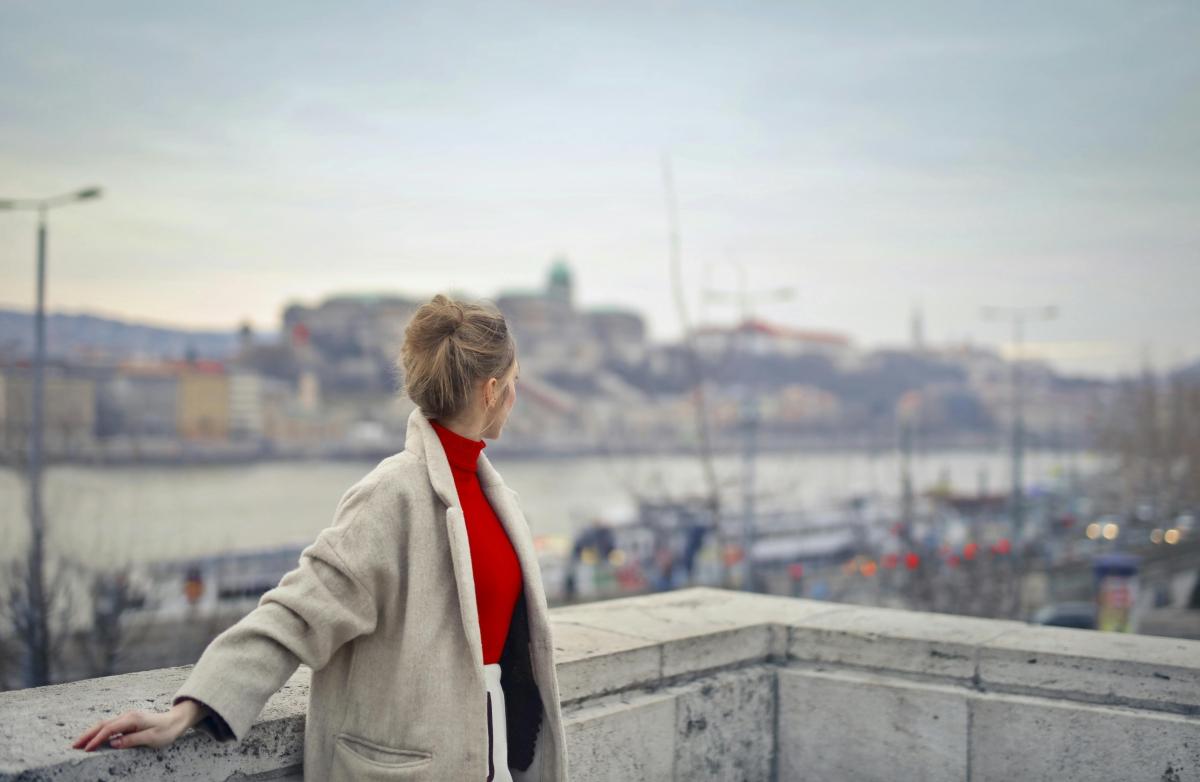
Short cruises and dinner boats depart regularly from piers near Charles Bridge, offering a different vantage point on the castle skyline and the bridge's statues after dark, when both are lit. Longer river routes run north toward the Vyšehrad fortress or south past the National Theatre, though most sightseeing cruises stay within the central stretch between the two.
South of the Old Town, Wenceslas Square anchors the New Town, a district founded by Charles IV in 1348 that today mixes 19th-century buildings with shops and hotels. Despite its name, the square functions as a broad boulevard rather than a traditional square, and it has served as the backdrop for major events in Czech history, including the 1989 Velvet Revolution that ended communist rule. The National Museum stands at its upper end, overlooking the length of the boulevard down toward the Old Town.
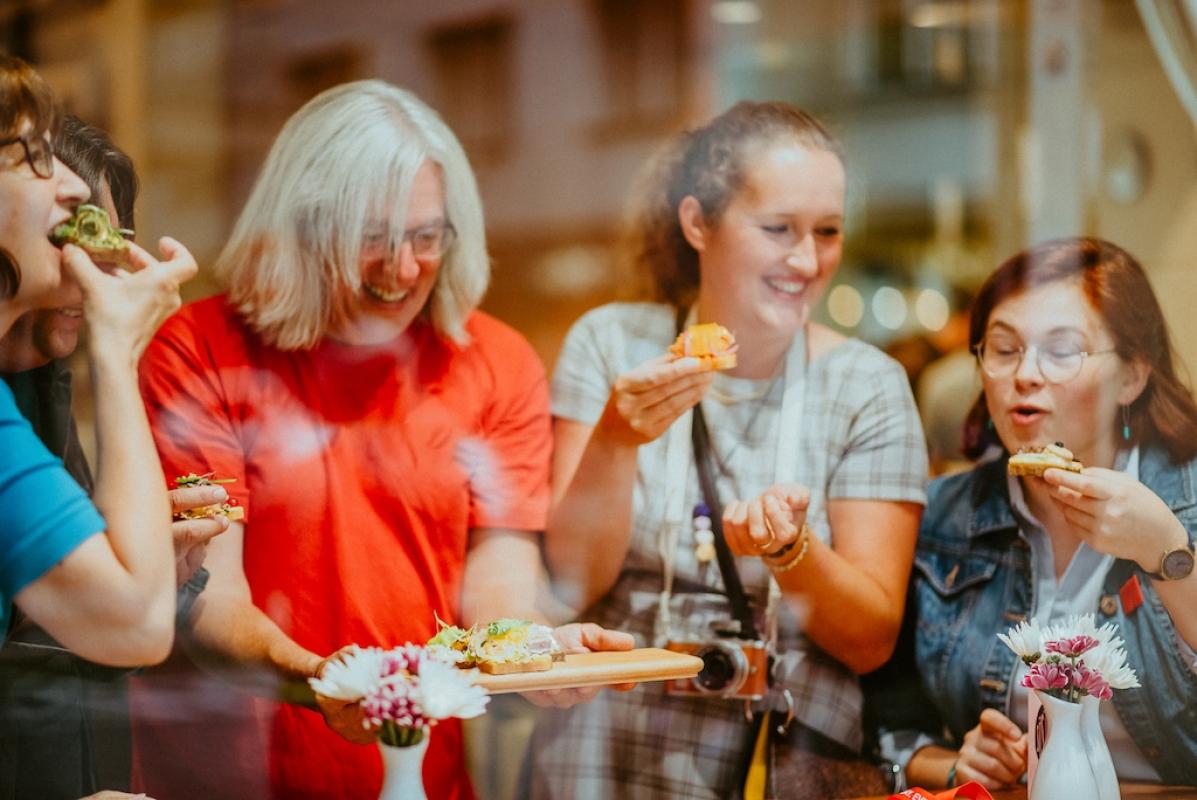
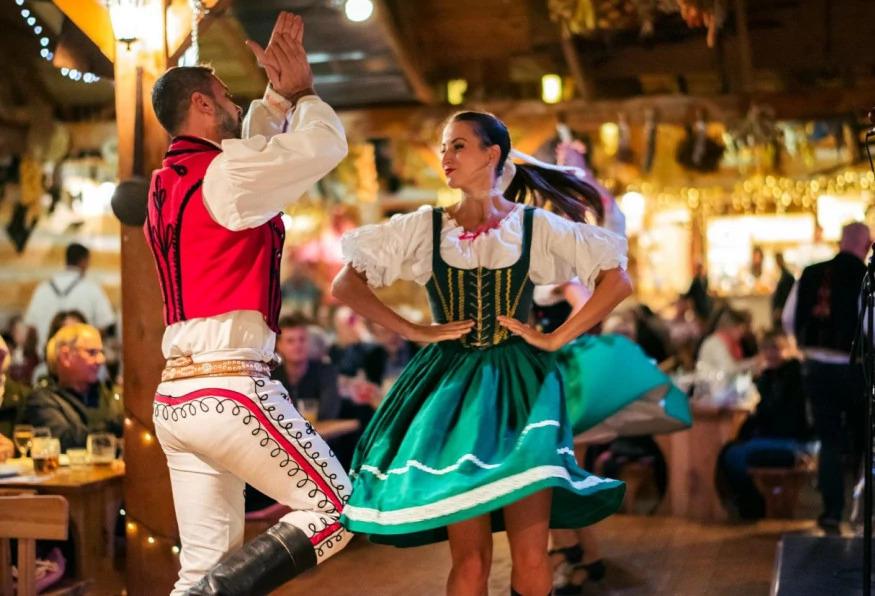
The Czech Republic has one of the highest rates of beer consumption per capita in the world, and Prague's pubs serve it alongside hearty dishes such as roast pork with bread dumplings and sauerkraut, or goulash served in a bread bowl. Pilsner-style lager, developed in the nearby town of Plzen in 1842, remains the dominant style on tap, though small craft breweries have added more variety to the city's beer halls in recent years.
Spring (April to May) and early autumn (September to October) bring mild temperatures and thinner crowds than the peak summer months, making them the more comfortable seasons for walking tours of the Old Town and castle district. Winter draws its own visitors for the Christmas markets on Old Town Square and Wenceslas Square, when the historic center is decorated and, in some years, dusted with snow, though daylight hours are shorter and river cruises less frequent.