
Prof. Dr. Ali Demirsoy Natural History Museum Erzincan
Europe, Turkey
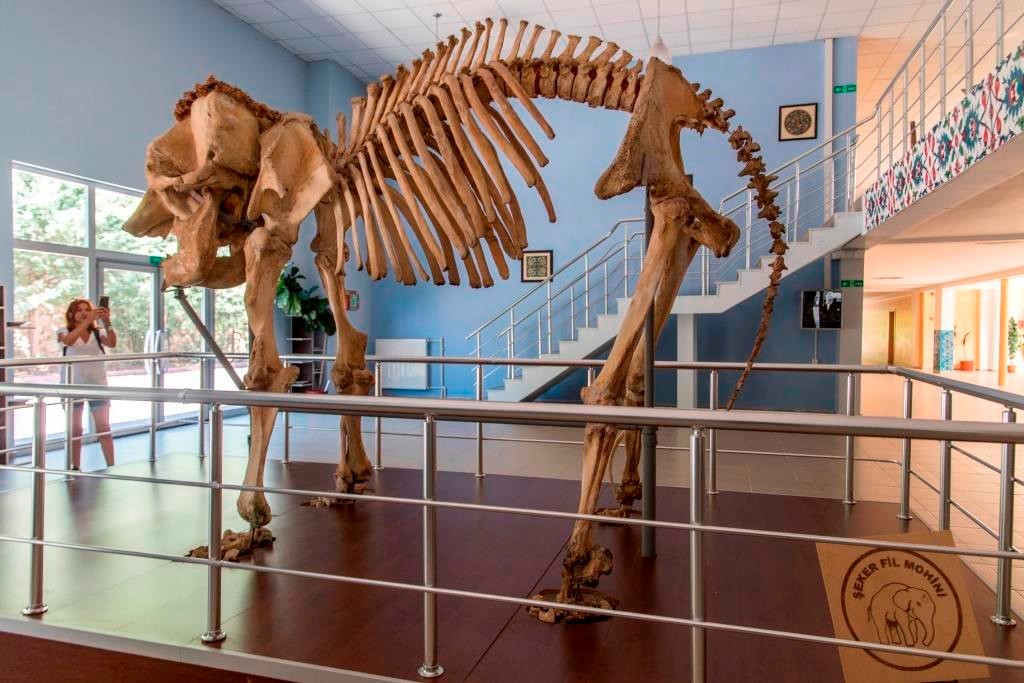 1 / 10
Museum Information
Opening Hours
09:00 – 17:30
Open Days
About Prof. Dr. Ali Demirsoy Natural History Museum Erzincan
Kemaliye |
Erzincan
The Prof. Dr. Ali Demirsoy Natural History Museum was established
in 2009 in the district of Kemaliye as part of the TÜBİTAK-supported project “A Scientific Journey in a Natural History Museum.” The museum was founded under the leadership of Prof. Dr. Ali Demirsoy, Prof. Dr. Aydın
Akbulut, and Lecturer Yusuf Durmuş.
A significant portion of the museum’s collection
originates from another TÜBİTAK-funded research project titled “Investigation of the Biodiversity of
Kemaliye and Its Surroundings,” carried out by 48 scientists from 10 universities. The geological and biological specimens collected during this extensive
fieldwork form the scientific backbone of the museum.
Since its establishment, the museum has become an
important attraction for local
communities, students, researchers, and ecotourism visitors.
Location & Institutional Background
The museum is located within the Kemaliye Campus of Erzincan
University’s Hacı Ali Akın School of Tourism and Hotel Management, reinforcing its educational and scientific mission.
Museum Collections
Geological & Mineral Collections
Minerals, rocks, soils, and geological materials
collected from Kemaliye and
various regions of Türkiye, as well as selected international
samples, are professionally identified by experts from the General Directorate of Mineral Research
and Exploration (MTA). These specimens—including minerals, crystals, rocks,
and soils—are systematically displayed in specially designed cabinets.
Fossils
Identified fossil specimens belonging to Gastropoda, Bivalvia, and Echinodermata groups from Kemaliye and its surroundings are exhibited, providing insight
into the region’s ancient ecosystems.
Microscopic Life
A dedicated section presents microscopic images of unicellular
plants and animals, offering visitors a glimpse into life forms invisible
to the naked eye.
Lichens & Mosses
Among the earliest terrestrial life forms, lichens are displayed in
habitats recreated to reflect their natural environment.
Similarly, moss species collected and identified from Kemaliye are presented on educational
display panels.
Invertebrates
Many invertebrate specimens are preserved in formalin and alcohol, displayed in labeled jars.
Insects form one of the museum’s most extensive collections. Prepared using
scientific taxidermy techniques, they are either mounted on display panels or
stored in specially protected museum drawers. Alongside the herbarium, insects
represent the most substantial component of the collection.
Fish & Amphibians
Fish species from freshwater and marine environments of Türkiye are preserved through chemical processes (formalin → alcohol) and
exhibited as visual specimens.
The same preservation method is applied to amphibians, which are displayed in
alcohol-filled containers within exhibition cabinets.
Reptiles
Reptile specimens—including numerous venomous snake species—are preserved and displayed with informative panels explaining their
biological characteristics, venom properties, and safety precautions.
Birds
Taxidermied bird specimens are displayed alongside
educational visuals. Approximately 200 bird species—including migratory and
transit species—are known from Kemaliye and its surroundings, making this
collection a valuable educational resource.
Mammals
The region is home to a wide range of mammals, including
many of Türkiye’s major predators. Species such as bear, wolf, lynx, marten, mountain
goat, badger, squirrel, dormouse, field mouse, ground squirrel, and numerous small mammals are represented.
Specimens obtained under appropriate conditions are displayed as three-dimensional taxidermy mounts, with additional exhibits including pelts and skeletal remains, accompanied by informative descriptions.
Herbarium & Plant Diversity
Approximately 1,000 identified plant species from Kemaliye and its surroundings are represented, with at least
half—particularly bulbous plants—displayed visually.
After pressing, specimens are mounted on archival sheets and stored in special
herbarium cabinets. All herbarium materials are available for scientific research and are also partially exhibited to the public.
The Prof. Dr.
Ali Demirsoy Natural History Museum offers a unique blend of science,
education, and nature, making it an essential stop for visitors interested in
biodiversity, geology, ecology, and sustainable tourism in Eastern Anatolia.